Overview
## 1. Overview
Birali Steiner School is a private, independent Steiner (Waldorf) school serving the Beachmere region of Queensland with a holistic approach to education across primary and secondary levels. The school emphasises inquiry-based, hands-on learning, creativity, and community involvement, rooted in Steiner principles that seek to nurture the whole child—head, heart, and hands.
Size and atmosphere: a small-to-medium community where class sizes are typically in the mid-teens to low twenties, supporting close teacher–student relationships. The environment is nurturing, inclusive, and creative, with a strong focus on arts, nature, and practical, real-world learning experiences.
Note: Specific enrolment numbers and current program details can change; please check with the school for the latest information.
## 2. Academics & Learning
- Academic strengths: Integrated literacy and numeracy within a arts-and-crafts-informed, hands-on curriculum; strong emphasis on creative thinking, problem solving, and collaborative learning. The program naturally incorporates music, art, storytelling, and practical activities as part of core subjects.
- Special programs: Steiner-based curriculum with elements such as music, visual arts, handcrafts, eurythmy, nature studies, and festival days. Emphasis on experiential learning, outdoor education, and seasonal celebrations that relate to the curriculum.
- NAPLAN / Ofsted trends: Public trend data for NAPLAN/Ofsted is not readily published by all Steiner schools. Steiner schools typically use holistic progress measures and narrative reporting rather than focusing solely on standardised test scores. Internal progress assessments are commonly used to monitor growth.
- Student-teacher ratios: Class sizes tend to be smaller than many mainstream schools, supporting more individual attention. Typical ratios are in the single digits to low teens per teacher, varying by year level.
- Support for diverse learners: Differentiated instruction within classes; targeted support as needed; inclusive practices for diverse learners; access to EAL and SEN support where available, with referrals to external professionals as appropriate.
## 3. Sports & Extracurricular Strengths
- Sports offered: A range of school-based sports and PE programs, including team activities such as soccer (football), cricket, netball, athletics, swimming, and general fitness. Participation focuses on teamwork, personal bests, and sportsmanship.
- Strong teams or achievements: Emphasis on building strong team spirit and participation in local and regional events rather than high-pressure competitive reputations. Opportunities exist for inter-school sports and community events.
- Music, arts, drama programs: Significant focus on performing and visual arts; on-site music programs, choir or vocal ensembles, and school drama productions. Arts education is integrated throughout the curriculum.
- Clubs: Robotics, chess, coding, debating, and other STEAM or humanities clubs are commonly offered, supplementing core learning with enrichment activities.
- Partnerships: Connections with local community groups and regional arts/sport networks to support competitions, festivals, and collaborative projects.
## 4. Wellbeing & Pastoral Care
- Anti-bullying approach: Clear anti-bullying policies with restorative or inclusive practices designed to maintain a respectful school climate.
- House system: A house or house-like community system may be used to foster belonging, teamwork, and healthy competition within the school.
- Counsellors / wellbeing officers: Dedicated wellbeing staff or a school counselor is typically available to support student mental health and social-emotional learning.
- Transition support for new students: Orientation programs, buddy systems, and gradual transition processes to help new students settle in and feel part of the community.
## 5. Facilities
- Sports grounds: On-site or nearby sports facilities for PE and sport activities.
- Libraries: A school library supporting literacy, research, and creative reading.
- Science labs: Dedicated spaces for practical science exploration and hands-on experiments.
- Music/performing arts centers: Facilities for music instruction, rehearsals, and dramatic performances.
- Tech/innovation labs: Rooms or spaces for creative technology, coding, and maker activities.
- Cafeteria: On-site eating spaces or canteen facilities offering healthy meal options.
- Updated playgrounds: Age-appropriate outdoor play areas and garden spaces that support outdoor learning.
Note: The above facilities reflect common features in Steiner schools and what families typically expect; exact facilities may vary.
## 6. School Values & Community Culture
- School values / mission: A values-driven education that emphasises curiosity, compassion, respect, responsibility, and environmental stewardship, with a focus on developing the whole child.
- Leadership style: Collaborative and teacher-guided with a strong sense of community involvement; leadership often oriented toward consensus, mentorship, and shared decision-making with families.
- Behaviour expectations: Respectful, considerate conduct and a restorative approach to behaviour management, encouraging accountability and social responsibility.
- Community reputation: Known for a warm, close-knit community where families are actively engaged in school life and in partnerships that support student learning.
- Diversity & inclusion: Committed to inclusivity and supporting diverse family backgrounds, with practices aimed at ensuring all students feel welcomed and valued.
## 7. School Logistics & Daily Operations
- School hours: Generally a daytime program, with core hours around 9:00 am to 3:00 pm; some years may offer additional activities before/after school.
- Before/after school care: Wrap-around care or structured supervision is typically available.
- Uniform requirements: A standard uniform policy with seasonal options; sensible, modest attire appropriate for school activities and the Steiner emphasis on neat presentation.
- Transport (train/bus routes): School transport options or connections to local towns may be available; public transport accessibility exists in the region, with carpooling encouraged where possible.
- Canteen availability: Canteen or lunch options are commonly available, offering healthy food choices.
- Fees (low/medium/high ranges): Independent/private school fees apply, generally considered to be in the middle range for Australian private schools; exact fees are determined annually by the school and should be obtained directly.
## 8. Enrolment & Admissions
11. What is the enrolment process and timeline?
- Submit expression of interest or application.
- Attend an enrolment interview and possibly a family meeting.
- Observe or participate in a trial/visit to understand the classroom environment.
- Receive an offer of placement if space is available.
- Complete any required enrolment forms and pay deposits to secure a place.
- Plan start date and any orientation activities.
12. Is there a waiting list, and how does it work?
- Many independent/Steiner schools operate with a waiting list. Placement often depends on space, grade level, and family alignment with the school’s approach. The waitlist length can vary by year and demand.
13. Are there any entry requirements, tests, or interviews?
- Typically an interview with families and an observation of the child rather than standardised testing. The aim is to understand readiness for Steiner education, learning style, and fit with the school’s approach. Some years may include informal tasks or demonstrations of readiness, but this is not a high-stakes testing process.
14. Does the school accept mid-year transfers?
- Mid-year transfers are sometimes possible if space is available and records (reports, transcripts, and any required documentation) are provided. Availability varies by year level and current enrolments.
## 9. Frequently Asked Questions
- Why Parents Choose This School?
- Families often choose for a holistic, values-based education that emphasises creativity, hands-on learning, strong teacher–student relationships, and a close-knit community.
- What type of student thrives at this school?
- Students who are curious, imaginative, cooperative, and engaged by hands-on, experiential learning; those who benefit from a calm, reflective learning pace and a strong arts-infused curriculum.
- What opportunities are available for students to extend their skills (academics, sports, arts)?
- Enrichment through arts, music, drama, crafts, and nature studies; sports and physical education; clubs in robotics, coding, chess, debating; field trips and community festivals; leadership opportunities within the school.
- How does the school communicate with parents?
- Regular updates via newsletters, parent evenings, school portals or apps, annual reporting, and open channels with teachers and the leadership team.
- What is the school’s approach to teaching and learning?
- A holistic, age-appropriate, inquiry-based approach that weaves academic subjects with arts, handwork, and social-emotional learning; emphasis on long-term understanding and practical application rather than solely on tests.
- How does the school support students who need extra academic help?
- Differentiated instruction within classes, targeted in-class support, small-group tutoring, and referrals to external specialists as needed.
- What support is available for academic challenges?
- Individualised support plans, ongoing assessment by teachers, and collaboration with families to adapt learning approaches.
- How does the school communicate with parents? (Note: repeated)
- See above: regular updates, meetings, and digital platforms to keep families informed of learning progress and school events.
- What are the class sizes and how much individual attention do students receive?
- Class sizes tend to be smaller than average, enabling more individual attention and closer teacher–student relationships.
- What extracurricular and sports opportunities are available?
- A mix of sports, arts, music, drama, and clubs such as robotics, coding, chess, and debating; opportunities to participate in local and regional events.
- What facilities does the school offer (sports, science, arts)?
- Sports grounds, library, science laboratories, music/performing arts spaces, technology/innovation labs, a canteen, and updated playgrounds.
- What is the school’s approach to technology and digital learning?
- Technology is integrated mindfully to support learning while maintaining a balance with hands-on, experiential activities; emphasis on digital literacy within a Steiner framework and mindful use of screens, especially for younger students.
- What transport and accessibility options are available?
- Transport options include school-supported or community arrangements; nearby public transport access exists, with carpooling and school-run routes common in regional areas.
- What are the typical school fees or additional costs?
- Fees apply as with other independent schools; the overall level is typically mid-range for private schooling in Australia. Exact figures and any additional costs should be confirmed with the school.
## 10. Short Pros & Cons list
- Pros
- Small-to-medium, close-knit community with strong teacher–student relationships
- Holistic, arts-integrated Steiner education that values creativity and practical learning
- Emphasis on social-emotional development, well-being, and community
- Broad range of arts, crafts, music, and nature-based learning
- Supportive approach to diverse learners and transitional support for new students
- Cons
- Not all families may prefer a curriculum that emphasises holistic/arts integration over standardised testing
- Publicly available data on NAPLAN trends may be limited; direct metrics vary by year
- Mid-year transfers and space can be contingent on availability and may involve a waitlist
- Fees apply as with private schools; costs may be higher than public options
- Some facilities and programs may be smaller in scale compared to larger metropolitan schools
If you want, I can tailor this further with more precise details from the school directly (e.g., exact class sizes by year, specific transport routes, current clubs, and the latest enrolment steps).




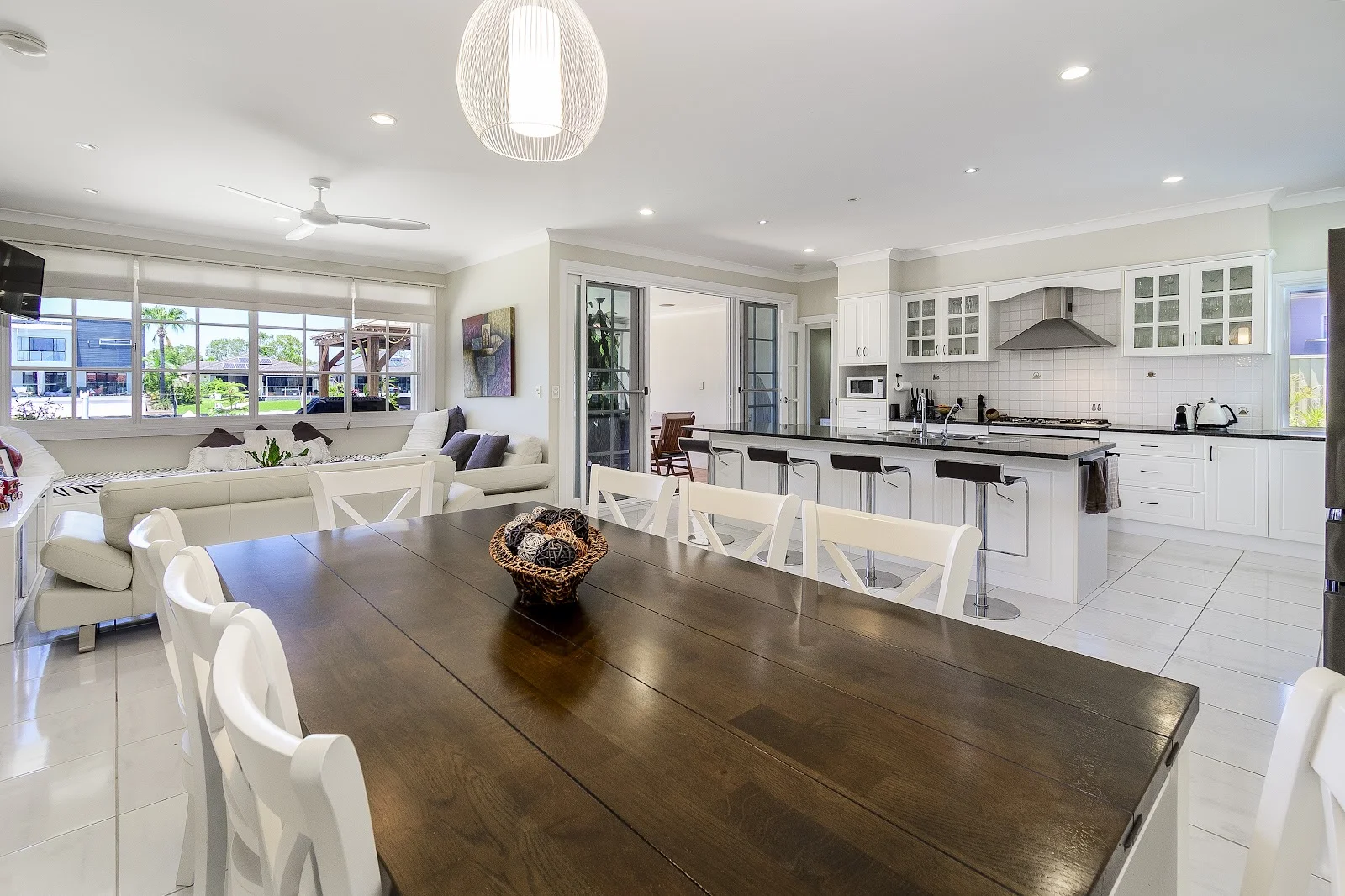 $2,500,000
House
$2,500,000
House
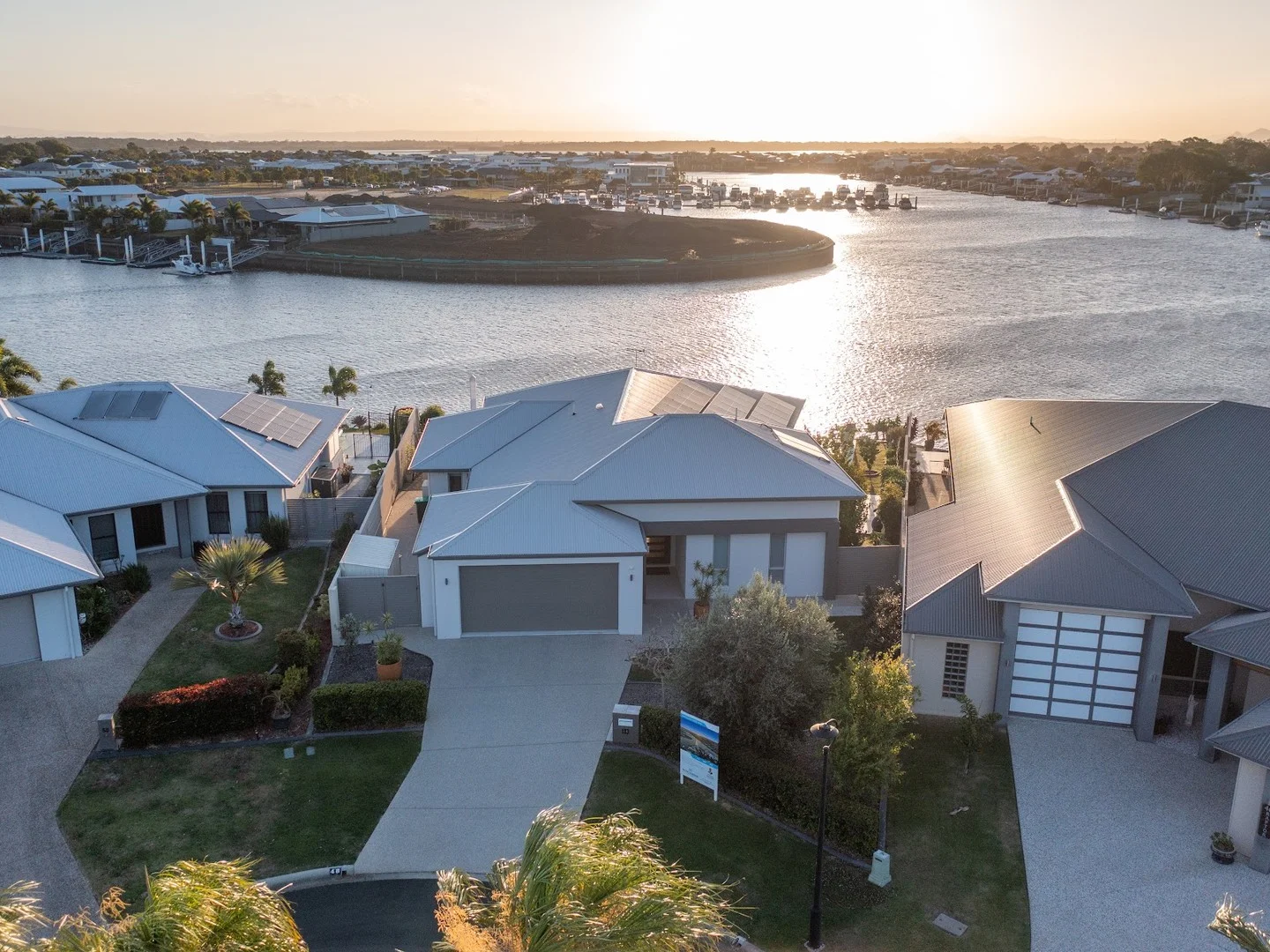 $2,500,000
House
$2,500,000
House
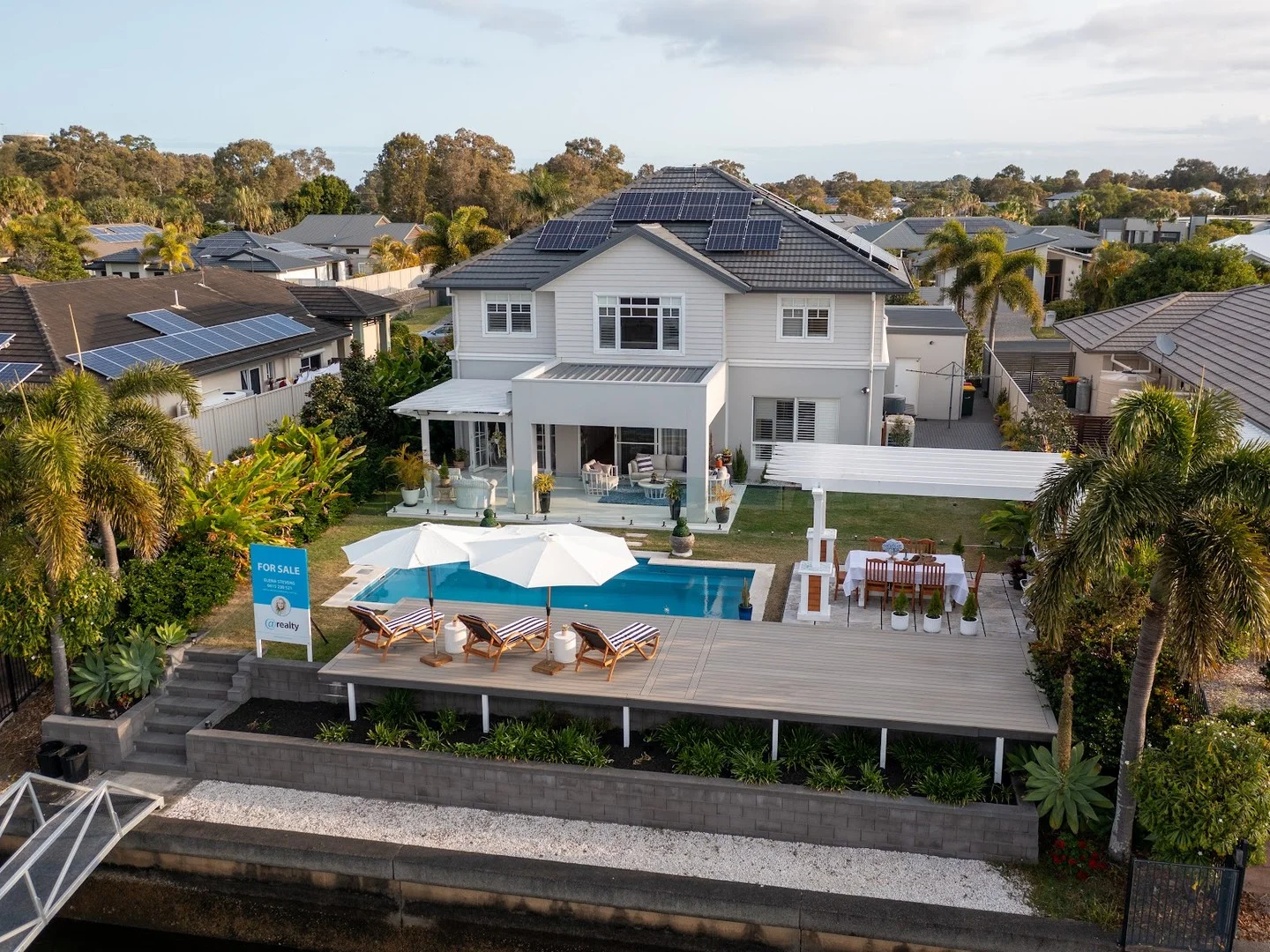 $2,900,000
House
$2,900,000
House
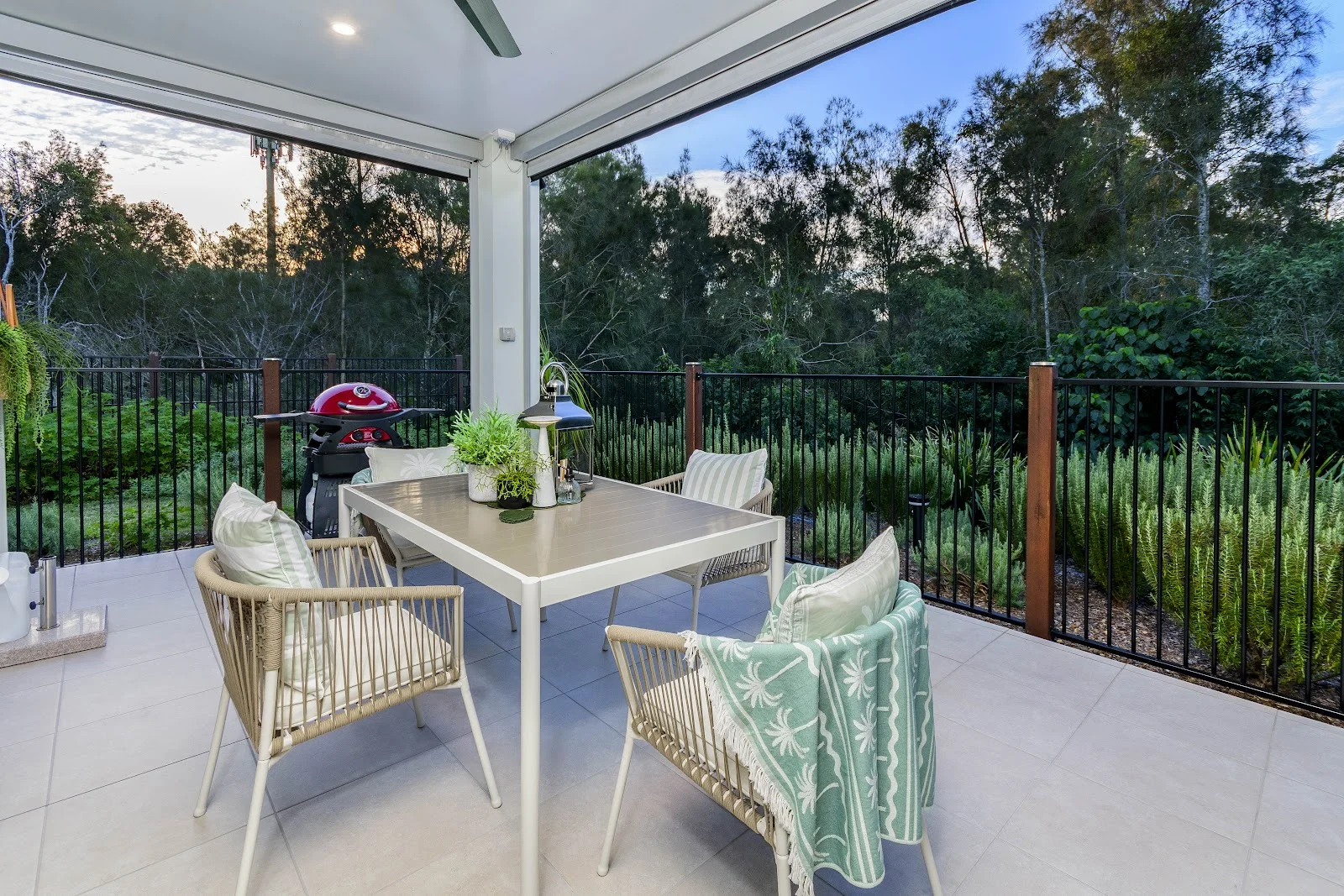 $900,000
Apartment / Unit / Flat
$900,000
Apartment / Unit / Flat
 $1,750,000
House
$1,750,000
House


