# Overview
Blackfriars Priory School is a private Catholic independent school in Prospect, SA. It offers a faith-based education designed to develop the whole student—academically, spiritually, and socially—within a supportive community. The school aims to balance strong academic programs with character formation and a positive, inclusive culture.
- School type: private Catholic independent
- School size: medium
- Class size: typically mid-sized classes (approximately [insert range])
- Atmosphere/culture: nurturing, academically focused, inclusive
⸻
# Academics & Learning
The school focuses on developing core academic skills while offering programs that encourage leadership, inquiry, and practical application. Strengths and programs are designed to support students across key disciplines and cultivate lifelong learning habits.
- Academic strengths: core literacy and numeracy, STEM foundations, humanities, leadership development, and languages
- Special programs: gifted/talented pathways, accelerated learning options, and opportunities for leadership and service
- NAPLAN / trends: historical trends indicate [consistent/steady] progress and improvements over time (specific data to be provided by the school)
- Student-teacher ratios: approximately [insert range, e.g., 1:12–1:20]
- Support for diverse learners: dedicated support for EAL, SEN, and inclusive education pathways
⸻
# Sports & Extracurricular Strengths
A strong focus on well-rounded development, with a range of sports and activities that appeal to students in the middle years and beyond. The school supports teamwork, discipline, and personal growth through competition and performance.
- Sports offered: [insert list, e.g., football, cricket, basketball, swimming, athletics, tennis]
- Strong teams or achievements: [insert notable achievements or participation programs]
- Music, arts, drama programs: comprehensive programs across music, theatre, and visual arts
- Clubs: robotics, chess, coding, debating, and other academic/tech clubs
- Partnerships: affiliations with local academies, competitions, and community groups
⸻
# Wellbeing & Pastoral Care
Prioritising student wellbeing, the school fosters a safe, respectful environment and provides pathways for support, transition, and personal development.
- Anti-bullying approach: clear policies, restorative practices, and ongoing education
- House system: [if applicable, e.g., house structure for pastoral care and activities]
- Counsellors / wellbeing officers: access to school counsellors and wellbeing staff
- Transition support for new students: orientation programs, buddy systems, and ongoing pastoral care
⸻
# Facilities
Facilities are designed to support learning across academics, arts, sport, and technology, with spaces that encourage exploration and collaboration.
- Sports grounds: [on-site fields/courts]
- Libraries: [well-equipped library spaces]
- Science labs: [modern science facilities]
- Music/performing arts centers: [dedicated spaces for music and drama]
- Tech/innovation labs: [computing, robotics, and maker spaces]
- Cafeteria: [in-school dining and catering]
- Updated playgrounds: [modern, safe outdoor play areas]
⸻
# School Values & Community Culture
The school emphasises values that shape character, leadership, and community spirit, encouraging students to act with integrity and empathy.
- School values / mission: [insert stated values and mission]
- Leadership style: [collaborative, student-involved leadership opportunities]
- Behaviour expectations: clear codes of conduct and restorative practices
- Community reputation: [insert general reputation and community feedback]
- Diversity & inclusion: commitment to inclusivity and respect for all students
⸻
# School Logistics & Daily Operations
Practical details help families plan daily life around school routines.
- School hours: [start and end times]
- Before/after school care: [availability and programs]
- Uniform requirements: [details of uniform policy]
- Transport (train/bus routes): [bus routes, drop-off/pick-up arrangements]
- Canteen availability: [canteen/meal program options]
- Fees (low/medium/high ranges): [fee range and notable costs]
⸻
# Enrolment & Admissions
11. What is the enrolment process and timeline?
12. Is there a waiting list, and how does it work?
13. Are there any entry requirements, tests, or interviews?
14. Does the school accept mid-year transfers?
- 11. What is the enrolment process and timeline?
- Steps typically include submitting an online application, providing required documentation, and attending an interview or information session. Timelines vary by year level and availability.
- 12. Is there a waiting list, and how does it work?
- Many year levels operate with a waiting list when applications exceed vacancies. The school will usually confirm a place when one becomes available and may require annual confirmation.
- 13. Are there any entry requirements, tests, or interviews?
- Entry often involves an eligibility check, a student interview or assessment, and consideration of the applicant’s fit with the school’s values and programs.
- 14. Does the school accept mid-year transfers?
- Mid-year transfers are sometimes possible, subject to space, entry requirements, and alignment with the academic program. Prospective families are advised to contact the admissions team for current availability.
⸻
# Frequently Ask Questions
- “Why Parents Choose This School?”
- Parents often choose for faith-based education, strong community, values-driven environment, and a balance of academics, wellbeing, and extracurriculars.
- “What type of student thrives at this school?”
- Students who are engaged in learning, value community and character development, and participate in a range of activities tend to thrive.
- “What opportunities are available for students to extend their skills (academics, sports, arts)?”
- A range of programs across academics, sports, music, drama, robotics, debating, and leadership opportunities are typically available.
- “How does the school communicate with parents?”
- Regular newsletters, parent portals, emails, phone updates, and scheduled parent-teacher meetings are common channels.
- “What is the school’s approach to teaching and learning?”
- The approach is usually student-centered, with a mix of traditional and contemporary methods, emphasis on literacy and numeracy, and integration of technology.
- “How does the school support students who need extra academic help?”
- Targeted learning support, tutoring, SEN services, and EAL assistance are common components of the support framework.
- “What support is available for academic challenges?”
- Academic coaching, differentiated instruction, and access to specialists or learning support staff help students meet challenges.
- “What are the class sizes and how much individual attention do students receive?”
- Class sizes are typically described as mid-sized, with opportunities for targeted teacher attention through small-group sessions and targeted interventions.
- “What extracurricular and sports opportunities are available?”
- A broad menu including sports teams, music, drama, robotics, chess, coding, debating, and other clubs.
- “What facilities does the school offer (sports, science, arts)?”
- Facilities span sports grounds, libraries, science labs, music/drama spaces, tech/innovation labs, and dining areas.
- “What is the school’s approach to technology and digital learning?”
- Emphasis on digital literacy, classroom technology integration, and possibly BYOD or school-provided devices as part of learning.
- “What transport and accessibility options are available?”
- Details typically include bus routes, school-run transport, and accessibility considerations for families.
- “What are the typical school fees or additional costs?”
- Fee ranges and notable costs vary by year level and program; families should consult the admissions team for a current breakdown.
⸻
# Short Pros & Cons list
- Pros
- Faith-based education with a focus on character and community
- Medium-sized, classroom-based learning with opportunities across academics, arts, and sport
- Wellbeing and pastoral care integrated into daily life
- Range of extracurriculars and clubs to develop diverse skills
- Support for diverse learners and emphasis on inclusive education
- Cons
- As a private Catholic independent school, availability may be limited by capacity and may involve higher fees than public options
- Class sizes and course offerings may vary by year level and intake; mid-year transfers depend on space
- Parental involvement and communication channels may require engagement and planning to match busy family schedules
⸻








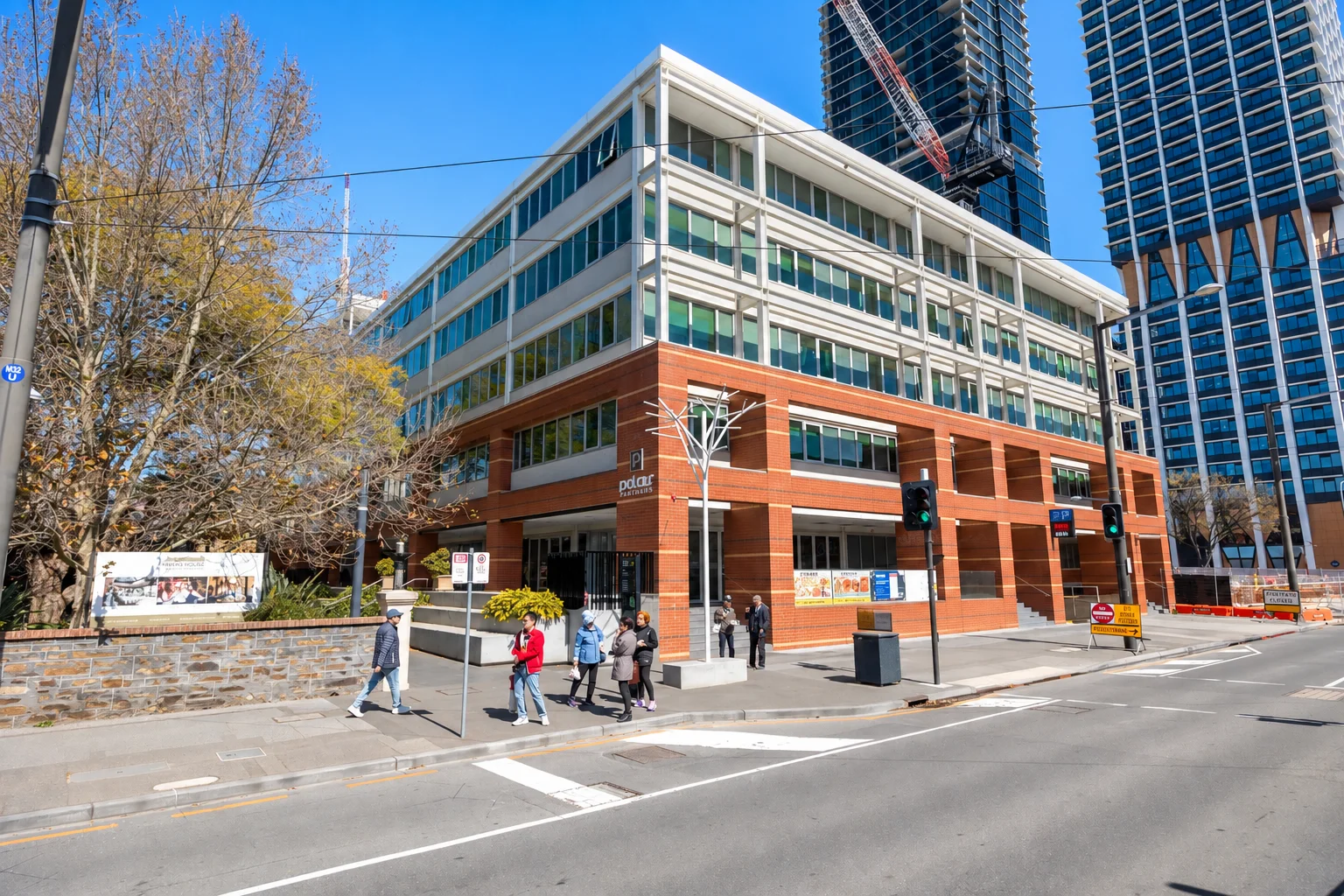 $545,000
Apartment / Unit / Flat
$545,000
Apartment / Unit / Flat
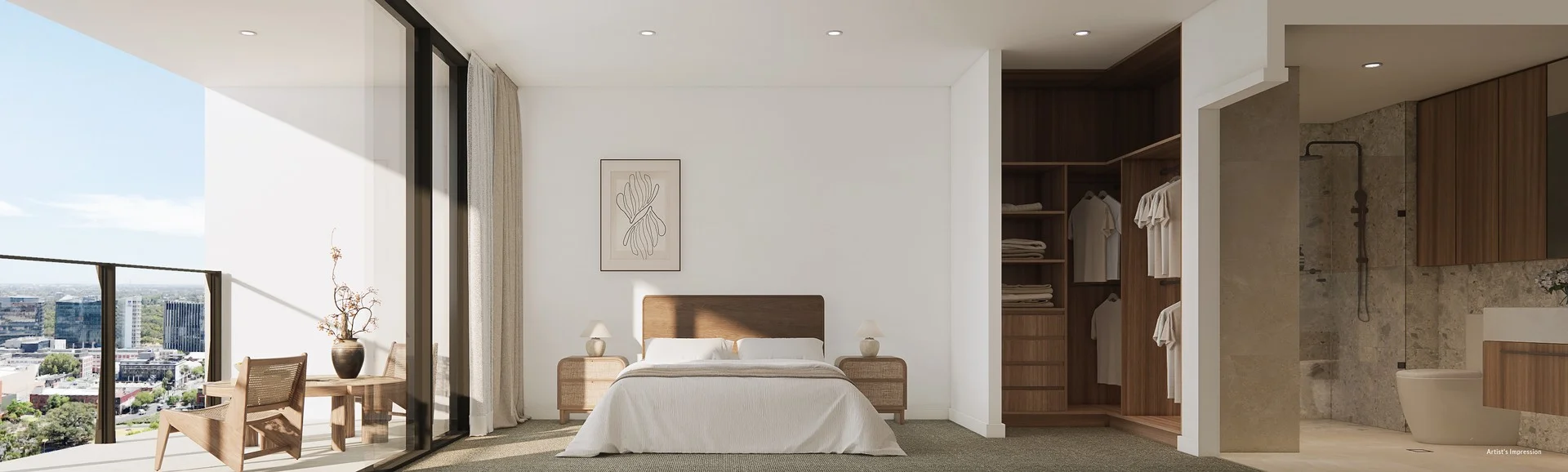 $1,056,000
Apartment / Unit / Flat
$1,056,000
Apartment / Unit / Flat
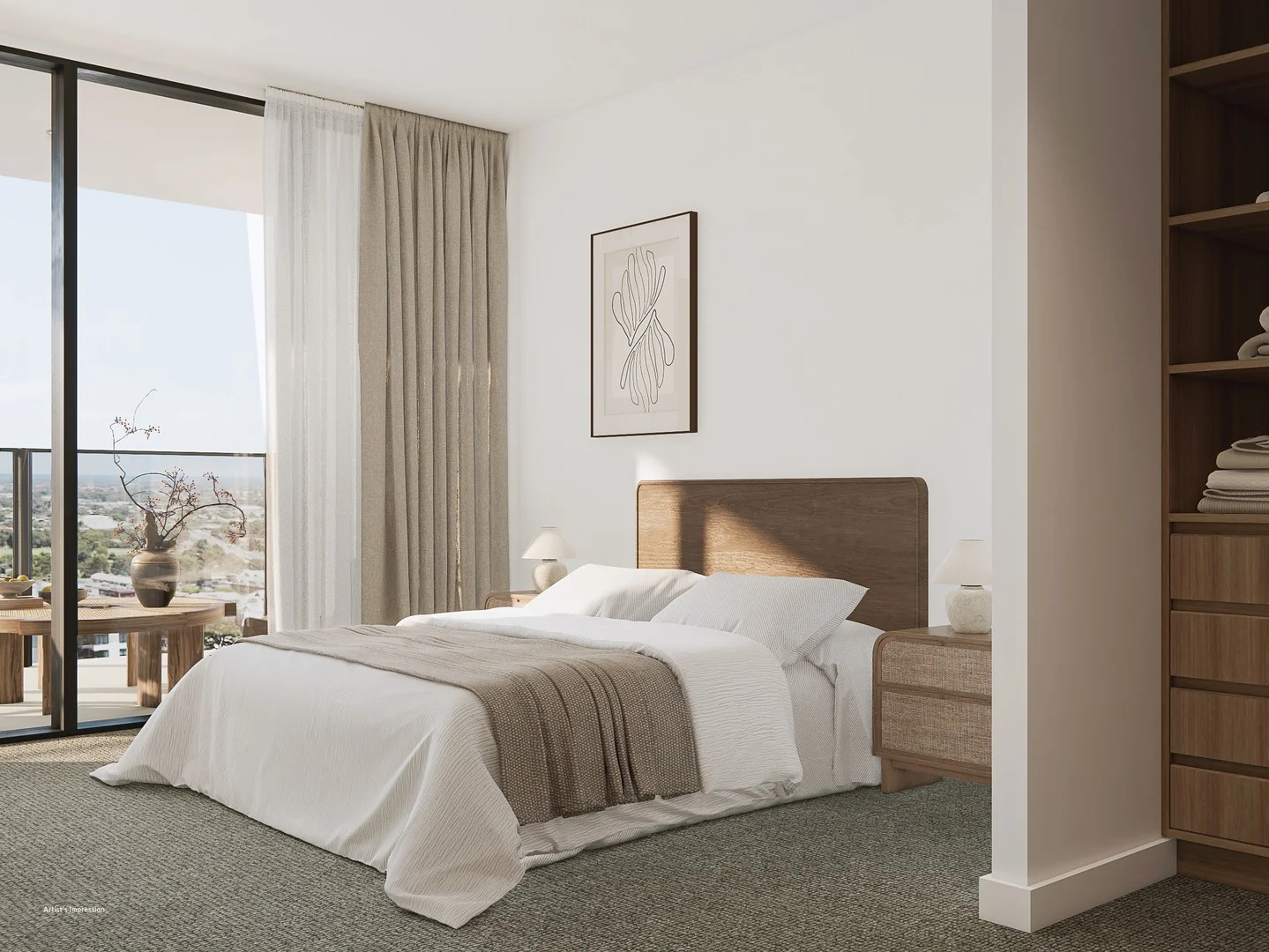 $935,000
Apartment / Unit / Flat
$935,000
Apartment / Unit / Flat
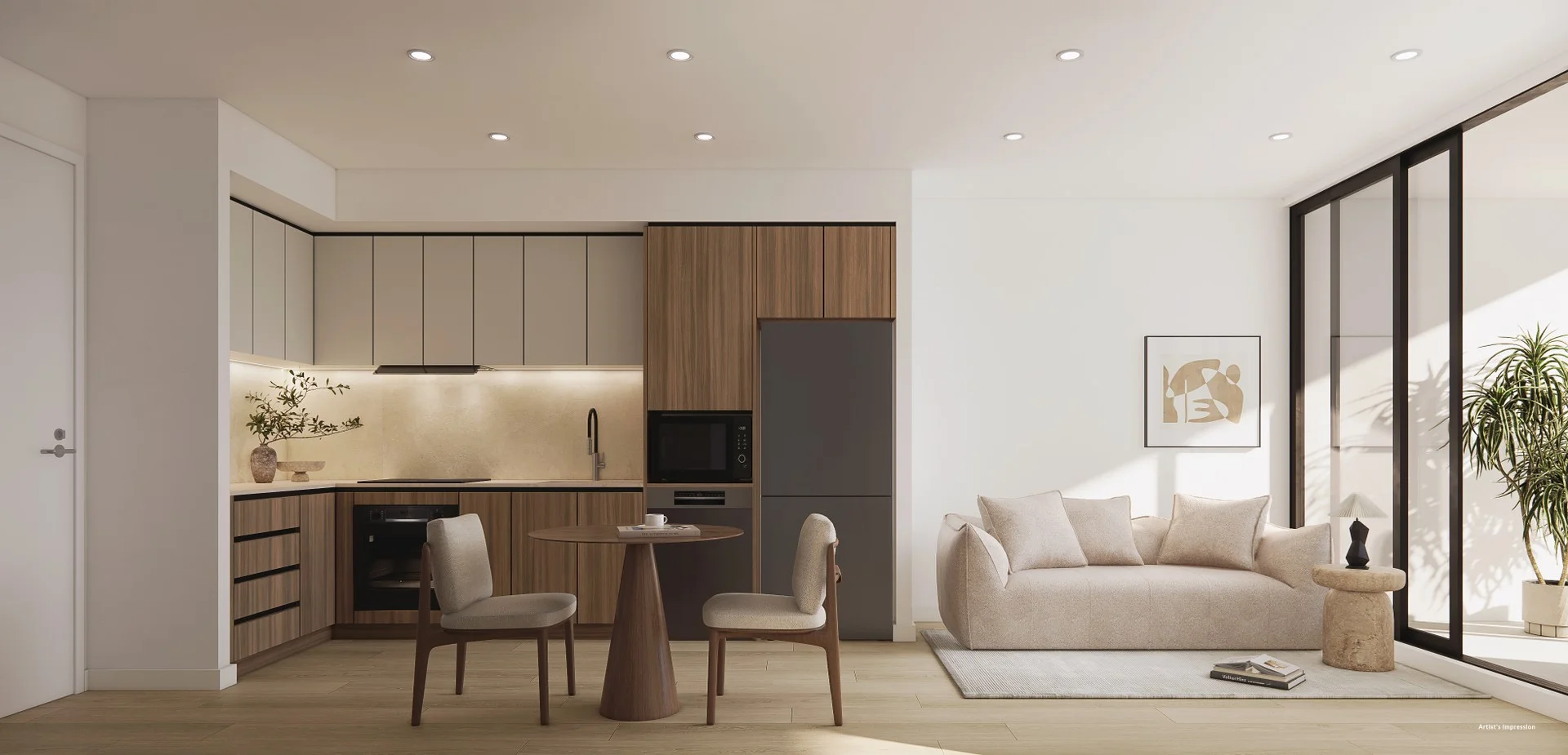 $588,000
Apartment / Unit / Flat
$588,000
Apartment / Unit / Flat
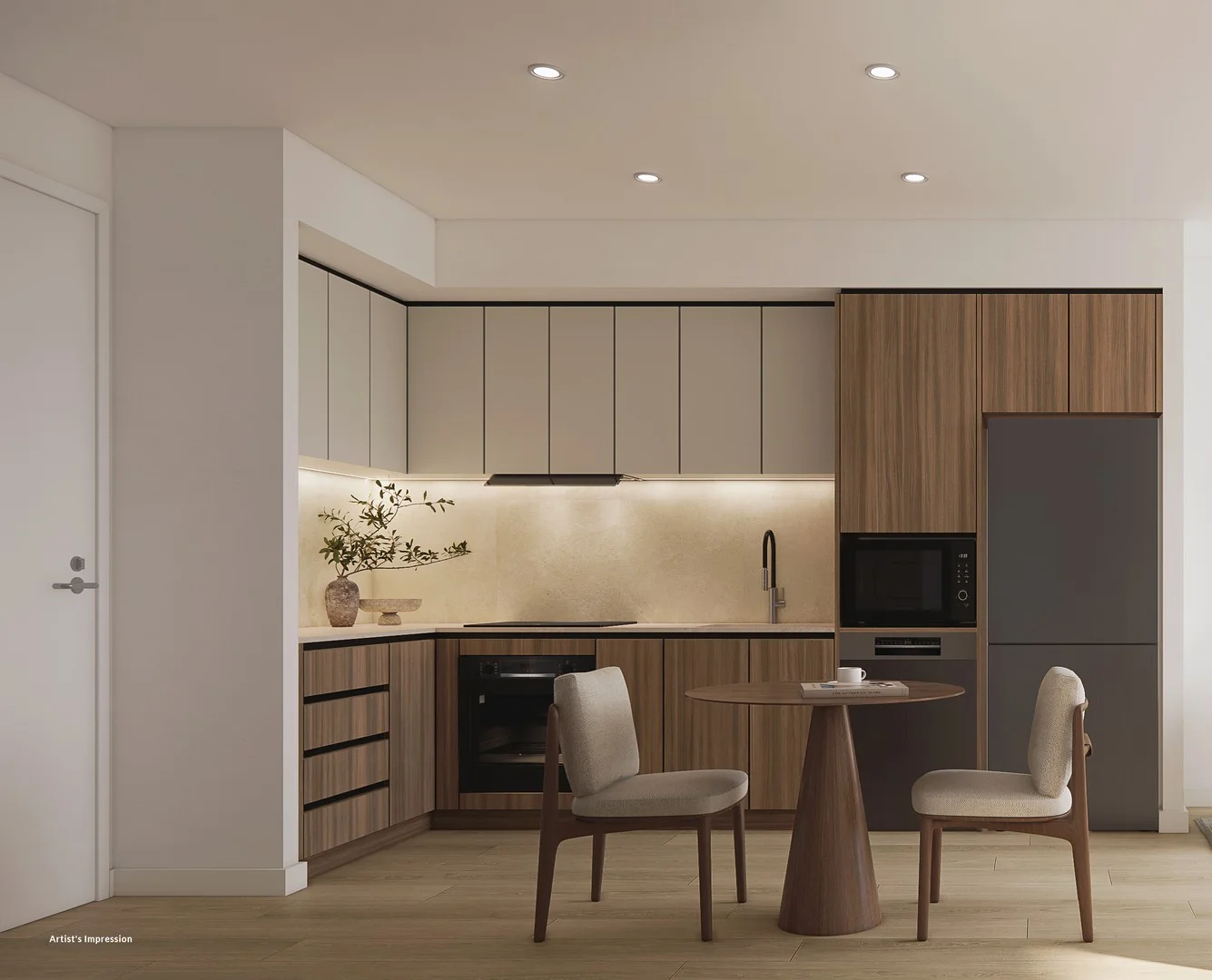 $557,000
Apartment / Unit / Flat
$557,000
Apartment / Unit / Flat
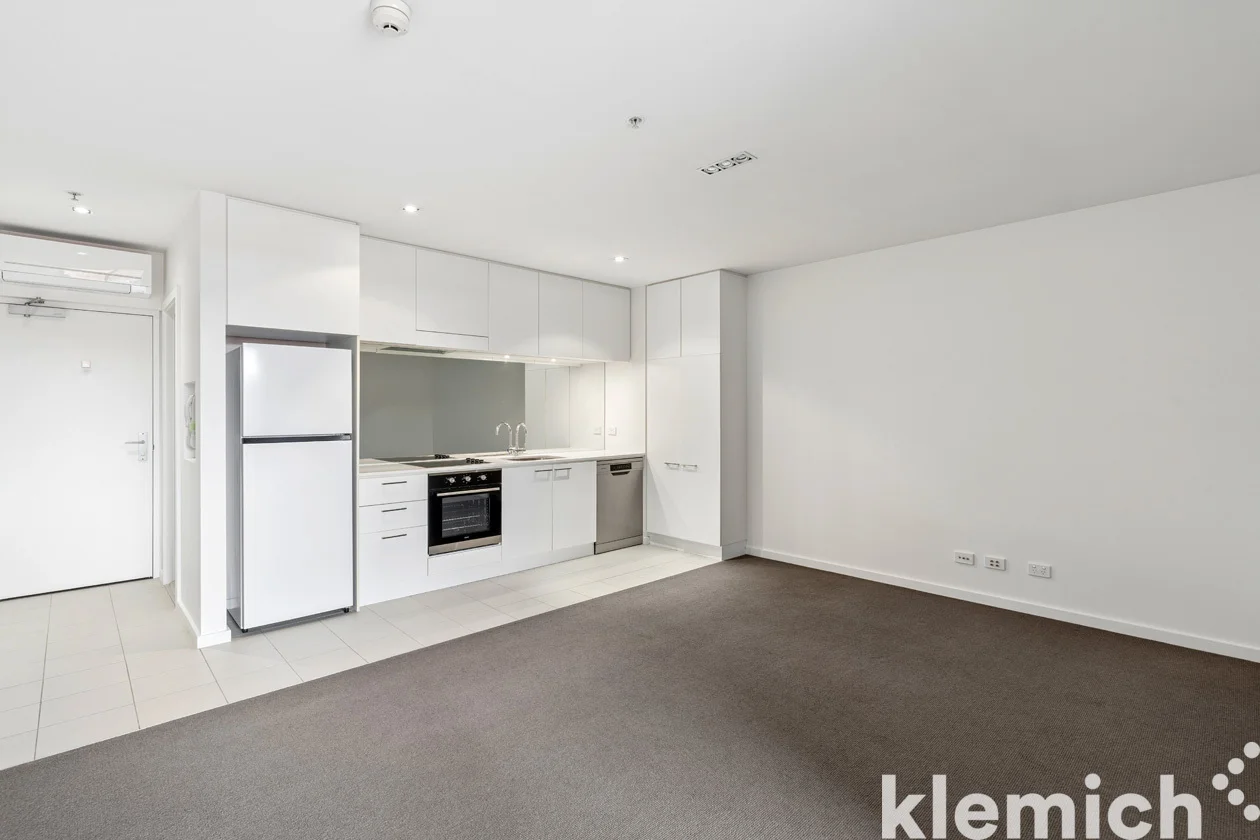 $440,000
Apartment / Unit / Flat
$440,000
Apartment / Unit / Flat
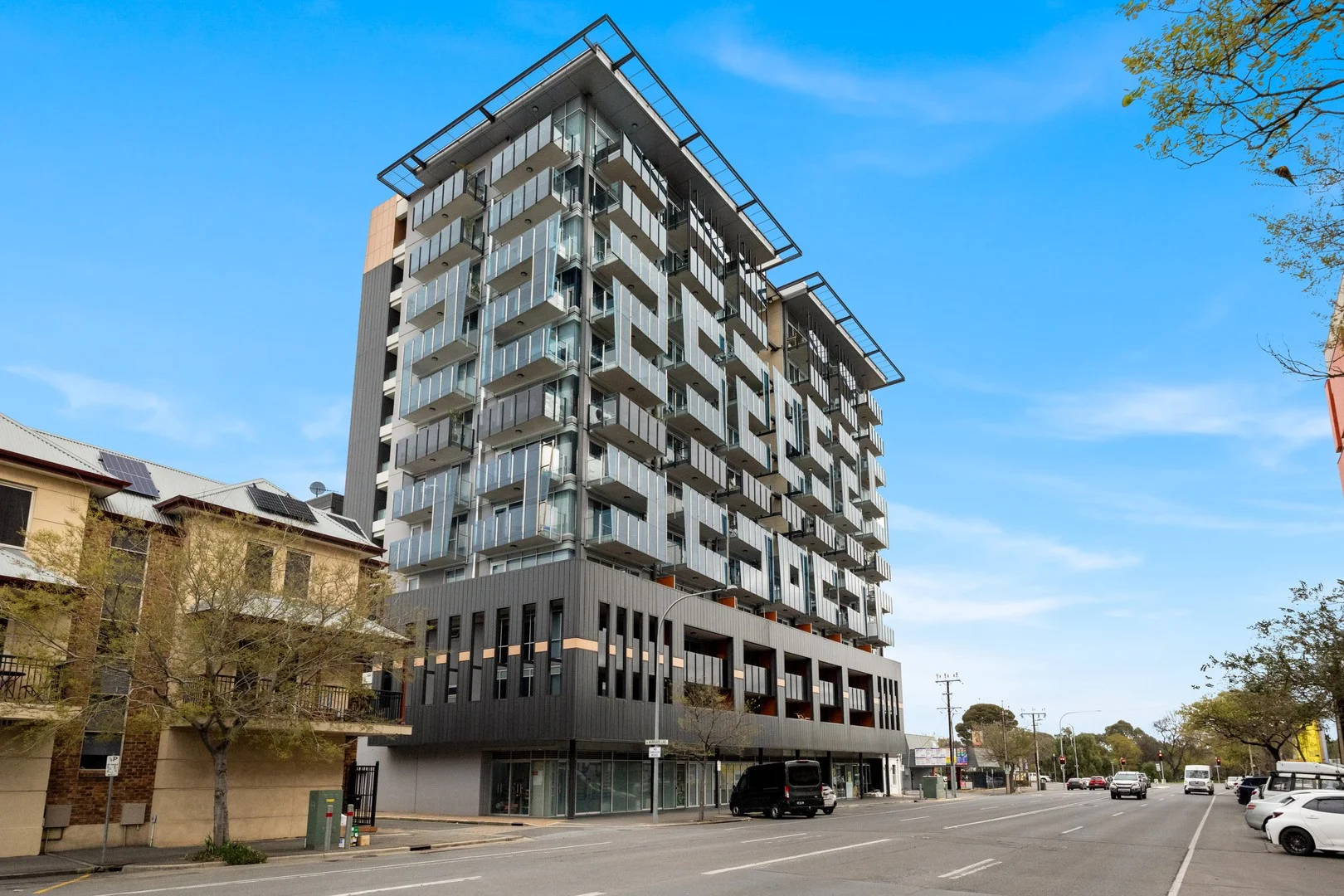 $1,100,000
Apartment / Unit / Flat
$1,100,000
Apartment / Unit / Flat
 $775,000
House
$775,000
House


