## Overview
Prescott College SA is an independent, co-educational day school in Prospect, SA, offering a comprehensive Prep to Year 12 program. The school operates as a non-government, community-focused option with a medium-sized student body and a culture that blends strong academic aims with emphasis on personal growth and character.
With class sizes typically in the low to mid 20s, the school maintains a nurturing yet challenging environment that supports curiosity, collaboration, and resilience. The atmosphere is inclusive and values-based, helping students feel connected to their peers and to the broader school community.
---
## Academics & Learning
- Academic strengths: STEM, English, leadership development, and languages are key focus areas, supported by a rigorous Australian Curriculum framework.
- Special programs: Gifted and Talented pathways; opportunities for accelerated learning; leadership programs, public speaking, and debating to build confidence and critical thinking.
- NAPLAN trends: Recent years show steady improvement with results generally aligning with or surpassing state averages in core literacy and numeracy measures.
- Student-teacher ratios: Typical classroom ratios around 1:12, with smaller groups for targeted support where needed.
- Support for diverse learners: Dedicated EAL and SEN support, learning support services, and inclusive education planning to assist students of varied needs and backgrounds.
---
## Sports & Extracurricular Strengths
- Sports offered: Soccer, basketball, netball, cricket, tennis, swimming, athletics, and other seasonal programs.
- Strong teams or achievements: Regular participation in regional competitions with opportunities for finals appearances and school-level championships.
- Music, arts, drama programs: Active music ensembles, choir, drama productions, and public performances to complement academic learning.
- Clubs: Robotics, chess, coding, debating, and other interest-based clubs to foster problem-solving and collaboration.
- Partnerships: Local sports academies and inter-school competitions provide additional avenues for performance and skill development.
Most parents in the target demographic (boys aged 10–14) focus on the balance between sport, academics, and co-curricular opportunities; Prescott College SA provides a well-rounded suite in this regard.
---
## Wellbeing & Pastoral Care
- Anti-bullying approach: Clear anti-bullying policies, proactive education, and a supportive culture that encourages reporting and peer support.
- House system: A house-based framework to promote belonging, leadership, and healthy competition.
- Counsellors / wellbeing officers: On-site counsellors and wellbeing staff dedicated to student mental health, resilience, and request-based support.
- Transition support for new students: Structured orientation, buddy systems, and transition programs to ease entry for new cohorts and families.
This section helps build trust by showing a proactive, student-centered approach to wellbeing.
---
## Facilities
- Sports grounds: On-site fields and courts to support a broad sporting program.
- Libraries: Well-stocked libraries with study spaces and digital resources.
- Science labs: Modern science laboratories for hands-on inquiry and experiments.
- Music/performing arts centers: Dedicated spaces for music, drama, and performances.
- Tech/innovation labs: Design, coding, and technology rooms that support hands-on learning and project work.
- Cafeteria: On-site canteen facilities with a range of healthy meal options.
- Updated playgrounds: Safe, well-maintained outdoor spaces for break times and active play.
The facilities are designed to be visual and student-friendly, supporting both academic and co-curricular activities.
---
## School Values & Community Culture
- School values / mission: A clear emphasis on respect, integrity, curiosity, and inclusion, guiding daily learning and interactions.
- Leadership style: Collaborative and student-centered, with student voice incorporated through representative systems and leadership roles.
- Behaviour expectations: Consistent code of conduct and positive discipline approaches that reinforce responsibility and mutual respect.
- Community reputation: A positive, engaged school community with active parental involvement and local partnerships.
- Diversity & inclusion: Strong commitment to diversity, equity, and inclusive practices across curricula and school life.
---
## School Logistics & Daily Operations
- School hours: Typical day runs from morning to afternoon with standard term dates and occasional after-school programs.
- Before/after school care: Availability of supervised programs to support families with varying work schedules.
- Uniform requirements: Clear uniform policy, with seasonal options and guidelines for appearance and presentation.
- Transport (train/bus routes): Access to regional bus routes; proximity to public transport networks commonly considered in planning.
- Canteen availability: On-site canteen or agreed lunch program offering meals and snacks.
- Fees (low/medium/high ranges): Fees fall in the mid-to-high range for independent schools in the region, with potential for family discounts or payment plans.
---
## Enrolment & Admissions
11. What is the enrolment process and timeline?
- Typically involves submitting an application, a school interview or assessment (as applicable to year level), and provision of prior school reports. The timeline may include a late-year intake window for certain years and a formal offer process if spaces are available.
12. Is there a waiting list, and how does it work?
- Yes, in-demand year levels may have a waiting list. Waiting list placement usually depends on factors such as year level availability, sibling priority, and readiness for transition planning.
13. Are there any entry requirements, tests, or interviews?
- Entry can include an interview and/or assessment aligned to the year level. Some years may require standardised or school-based assessments to determine alignment with curriculum and support needs.
14. Does the school accept mid-year transfers?
- Mid-year transfers are considered where space and timetabling permit, with an assessment of prior learning to align with the receiving year level.
---
## Frequently Asked Questions
- Why Parents Choose This School?
- Independent, values-driven education with a balanced focus on academics, wellbeing, and character. Strong community, personalised learning, and opportunities across sports, arts, and clubs.
- What type of student thrives at this school?
- Curious, motivated students who benefit from a supportive yet challenging environment, with interests across STEM, humanities, arts, and athletics.
- What opportunities are available for students to extend their skills (academics, sports, arts)?
- Accelerated learning options, leadership programs, gifted and talented pathways, STEM and humanities clubs, regional sports, music ensembles, theatre productions, and debating.
- How does the school communicate with parents?
- Regular newsletters, parent-teacher meetings, online portals for student progress, and ongoing updates from teachers and wellbeing staff.
- What is the school’s approach to teaching and learning?
- Student-centered learning within the Australian Curriculum, emphasising inquiry, critical thinking, collaboration, and real-world applications.
- How does the school support students who need extra academic help?
- Dedicated learning support, EAL programs, and targeted interventions within a structured framework.
- What support is available for academic challenges?
- Access to tutoring, small-group assistance, and individualised plans as part of the learning support team.
- How does the school communicate with parents? (Repeated)
- See above: newsletters, portals, and scheduled meetings; real-time updates as needed.
- What are the class sizes and how much individual attention do students receive?
- Typical classes are around 20 or fewer students, with teachers able to provide targeted attention, small-group support, and differentiated tasks.
- What extracurricular and sports opportunities are available?
- A broad offering across sports (team and individual), music ensembles, drama, robotics, chess, coding, debating, and other clubs.
- What facilities does the school offer (sports, science, arts)?
- Sports grounds, libraries, science labs, performing arts spaces, tech/innovation labs, canteen, and well-maintained outdoor areas.
- What is the school’s approach to technology and digital learning?
- Integrated digital learning with access to devices, coding, online research, and technology-rich project work.
- What transport and accessibility options are available?
- Proximity to public transport routes and regional school buses; flexible drop-off/pick-up arrangements where possible.
- What are the typical school fees or additional costs?
- Fees are in the mid-to-high range for independent schooling in the region, with potential additional costs for elective programs, camp experiences, and certain activities.
---
## Short Pros & Cons list
- Pros
- Independent, values-driven education with a holistic approach
- Medium-sized, supportive community and relatively small class sizes
- Broad range of co-curriculars (sports, arts, clubs)
- Strong wellbeing and pastoral care structures
- Focus on inclusion, diversity, and personalized learning
- Cons
- Fees are higher than public options and may be a consideration for some families
- Space and competitive intake can lead to waiting lists in popular year levels
- As with many independent schools, availability of certain specialised programs may vary by year









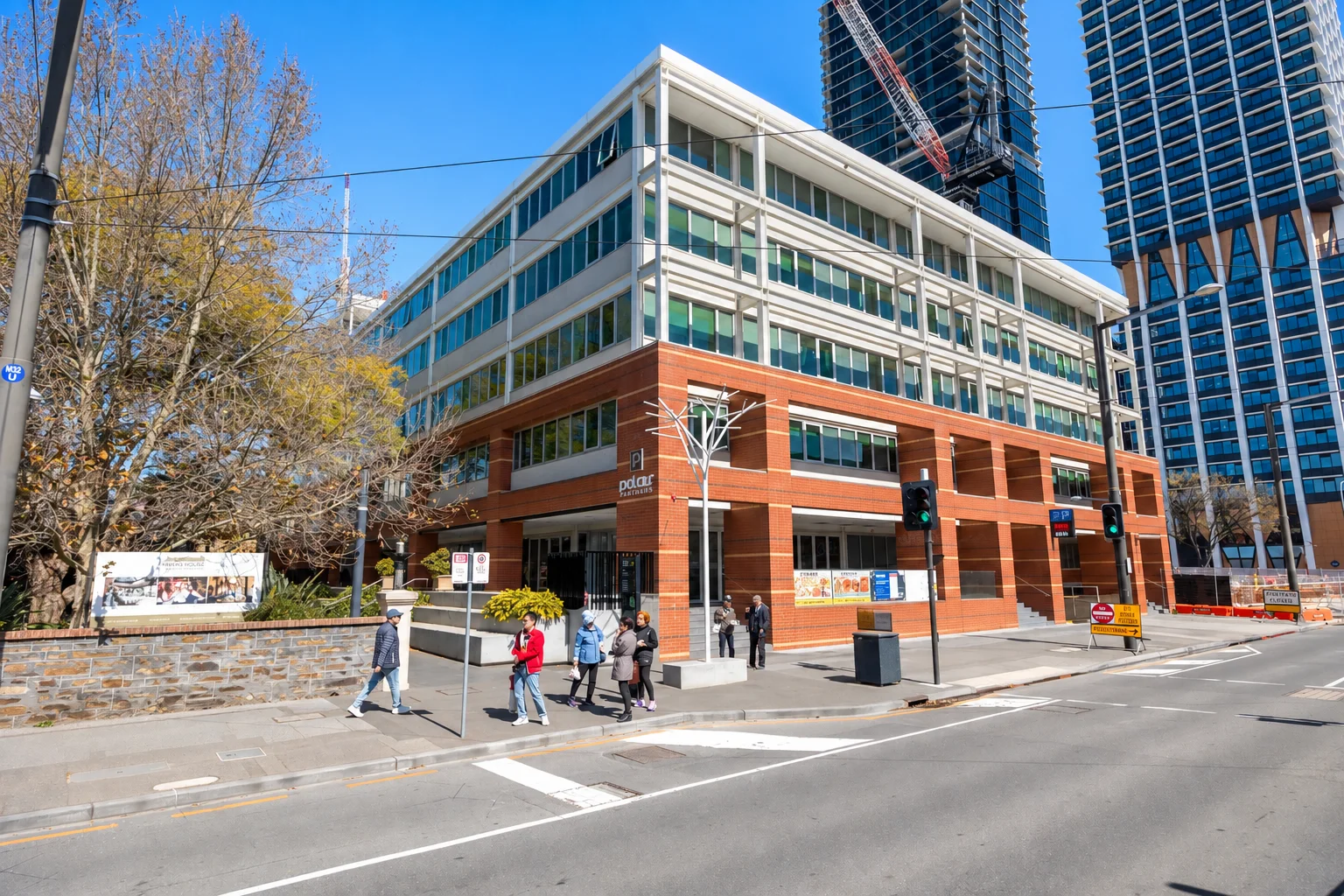 $545,000
Apartment / Unit / Flat
$545,000
Apartment / Unit / Flat
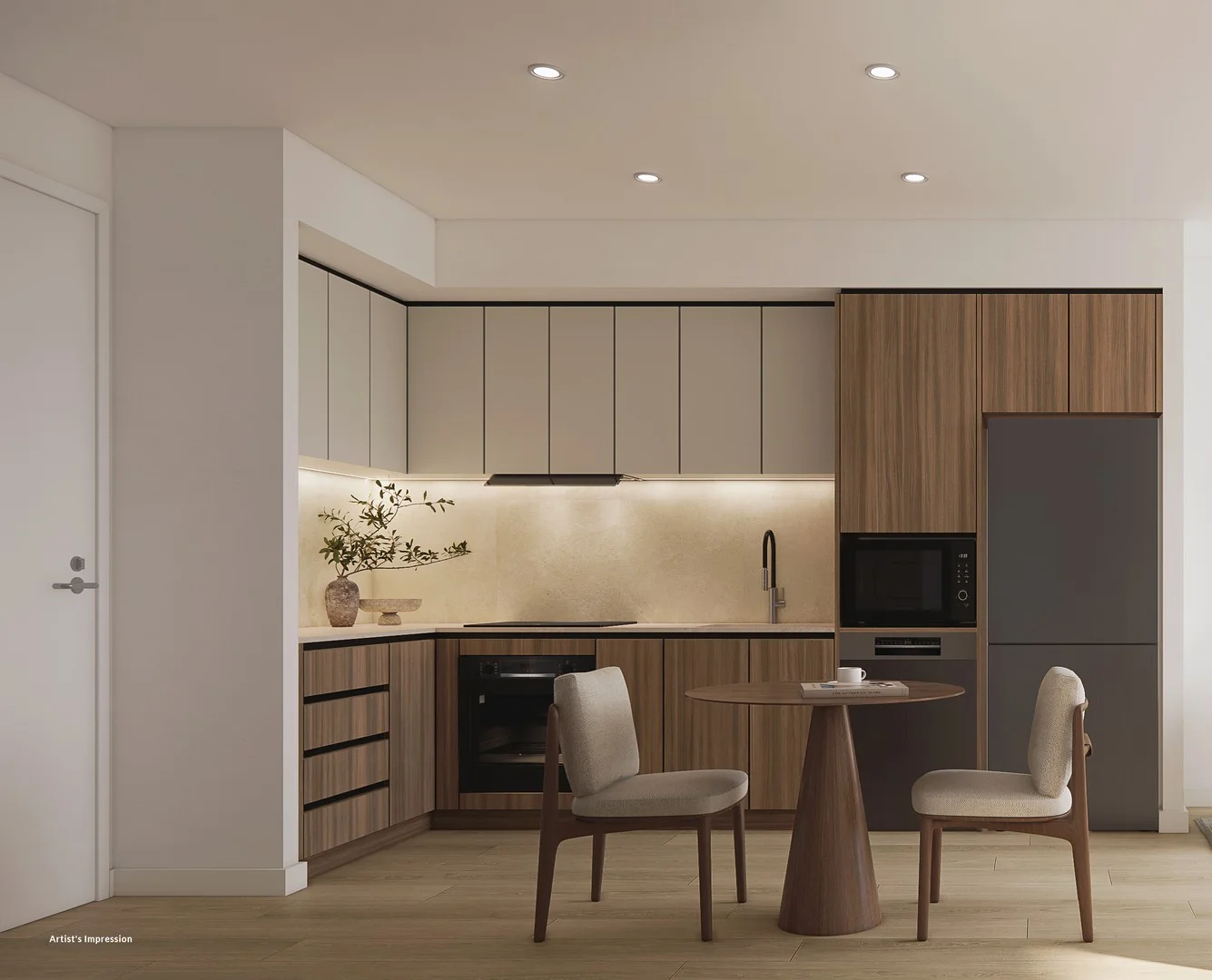 $557,000
Apartment / Unit / Flat
$557,000
Apartment / Unit / Flat
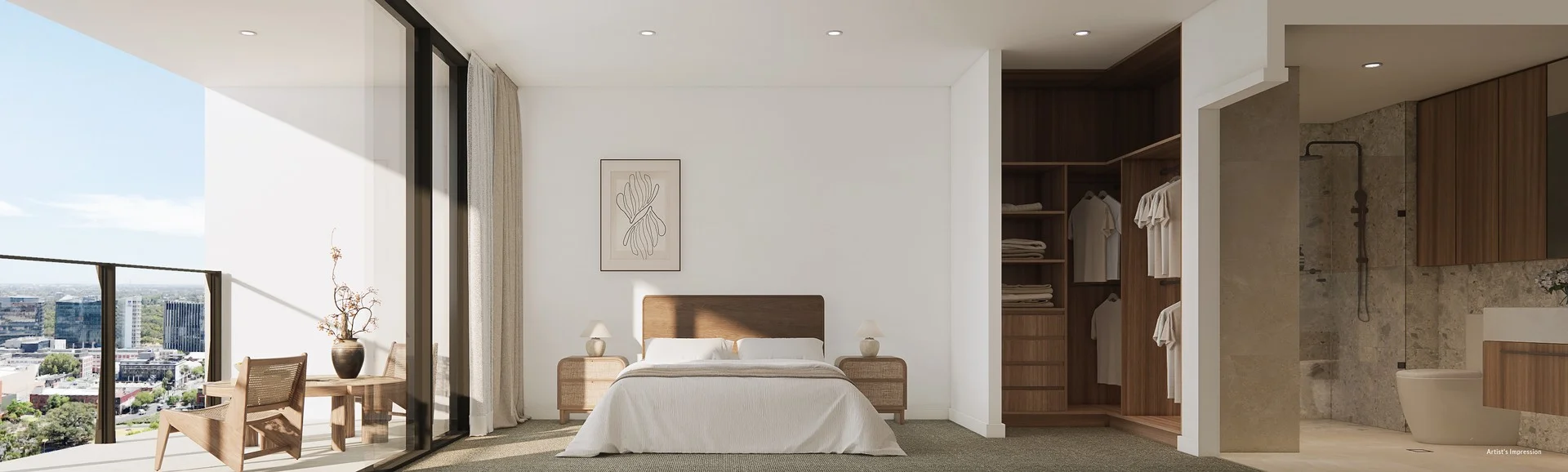 $1,056,000
Apartment / Unit / Flat
$1,056,000
Apartment / Unit / Flat
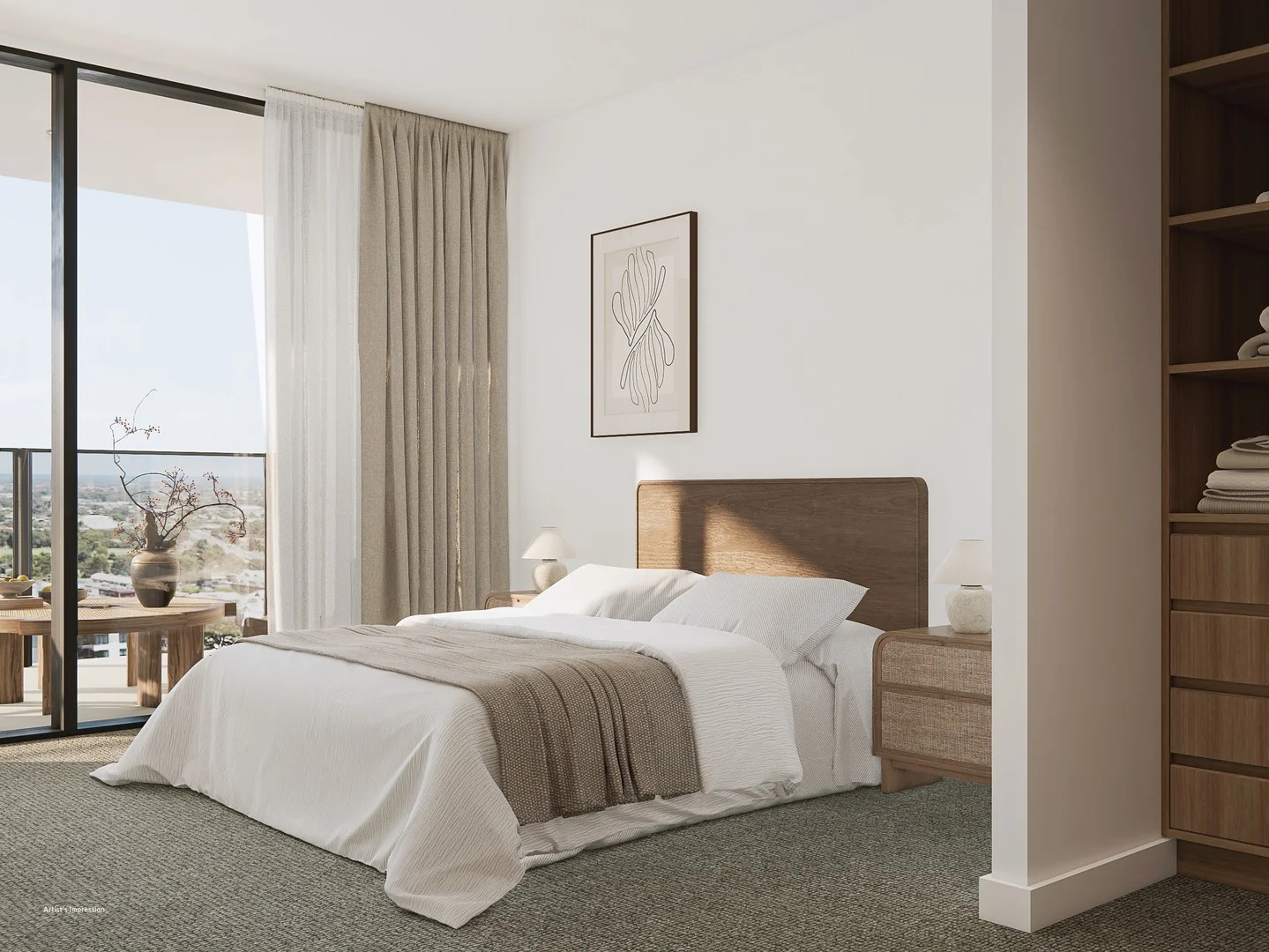 $935,000
Apartment / Unit / Flat
$935,000
Apartment / Unit / Flat
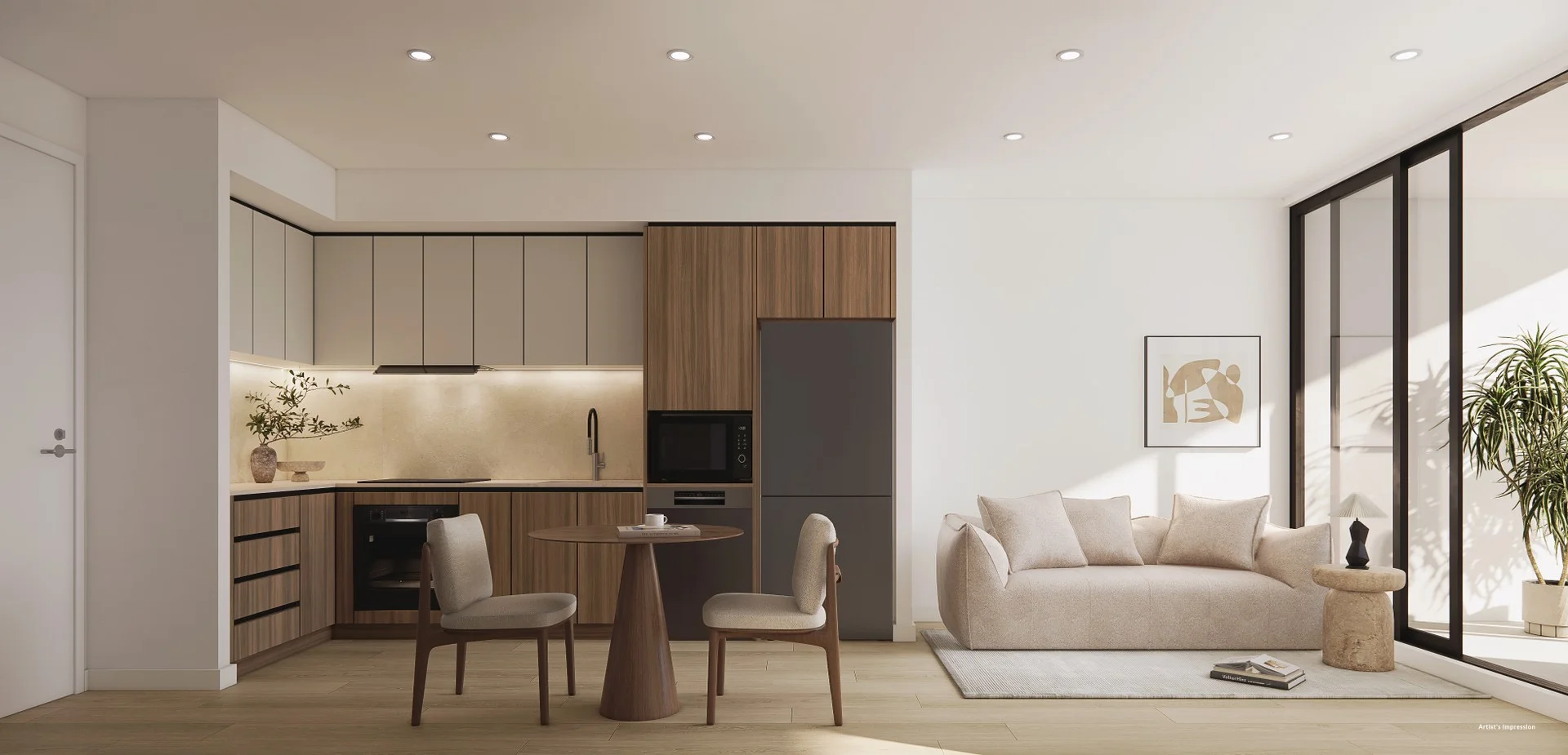 $588,000
Apartment / Unit / Flat
$588,000
Apartment / Unit / Flat
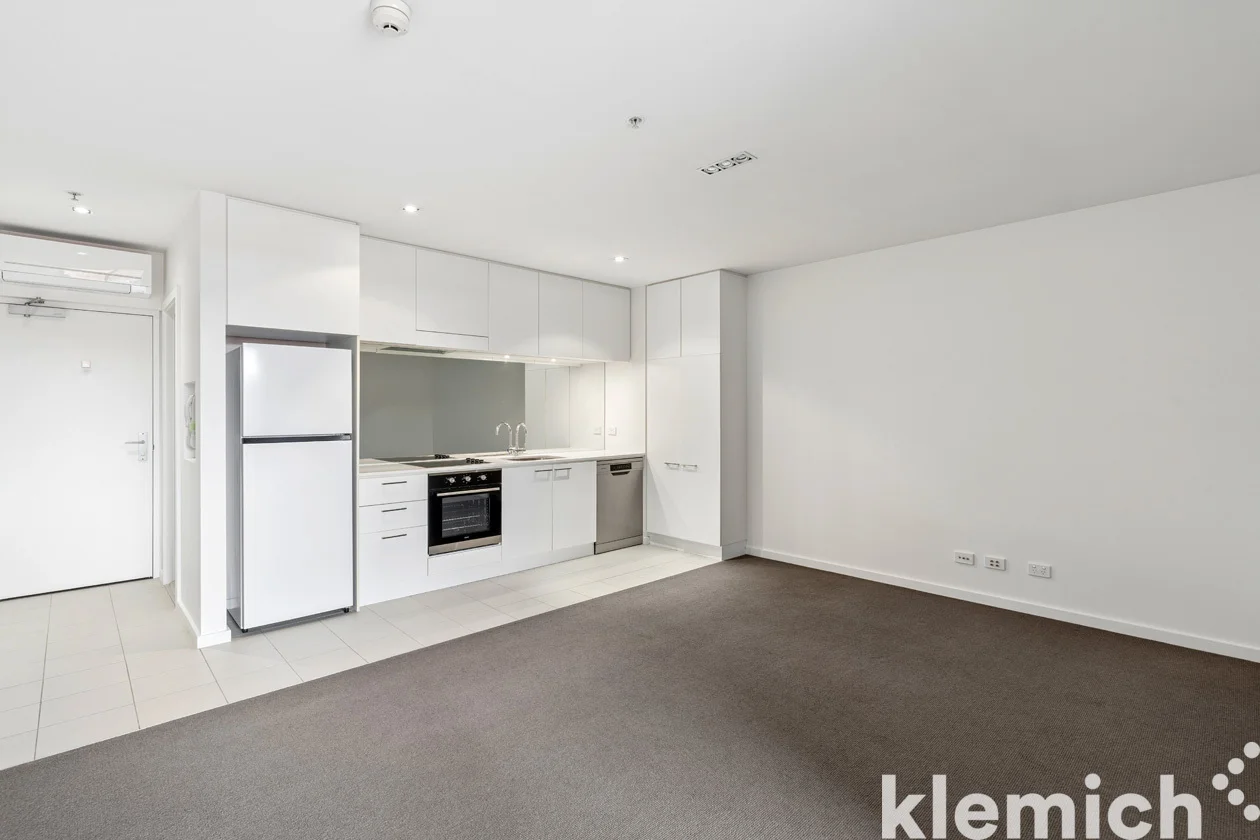 $440,000
Apartment / Unit / Flat
$440,000
Apartment / Unit / Flat
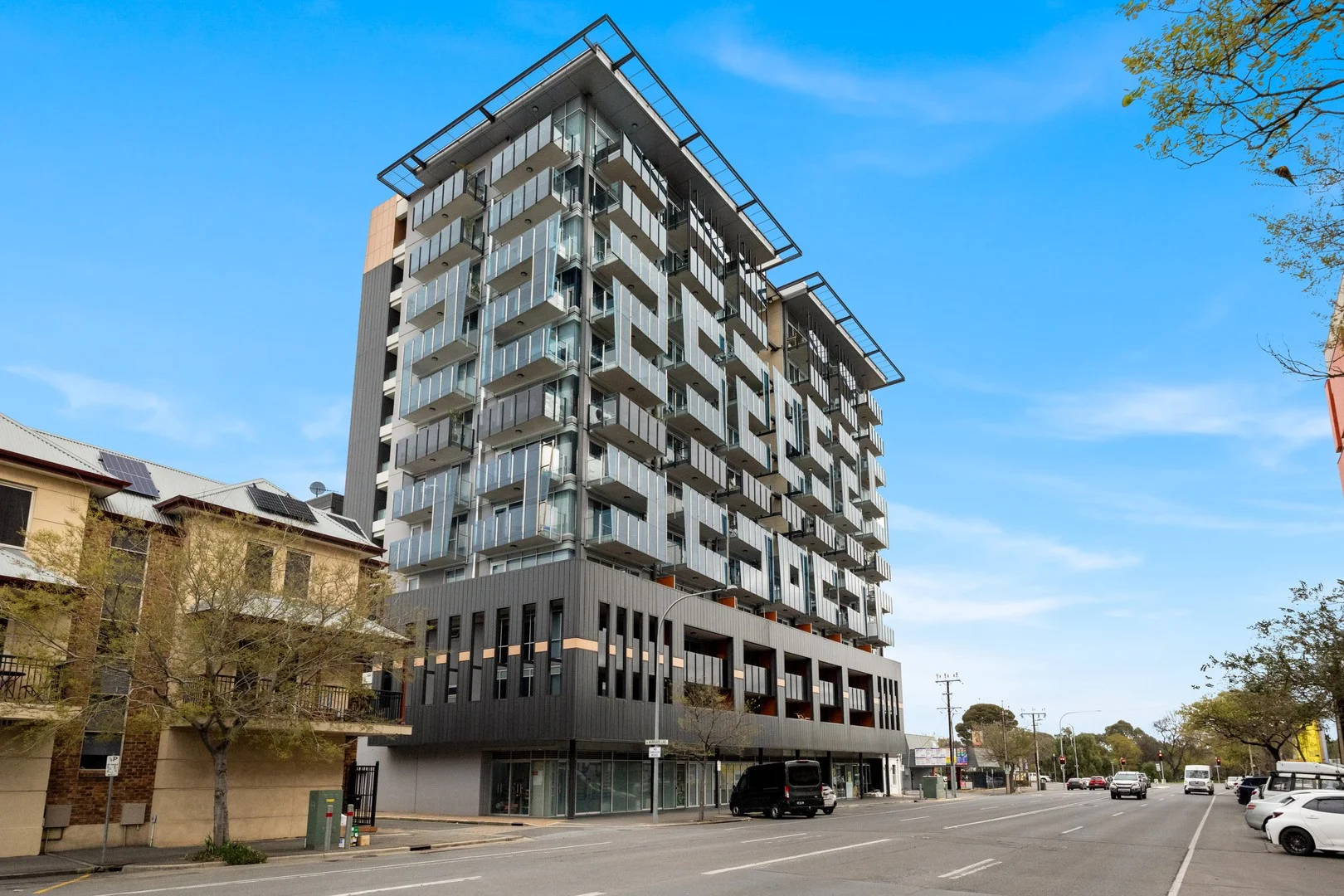 $1,100,000
Apartment / Unit / Flat
$1,100,000
Apartment / Unit / Flat
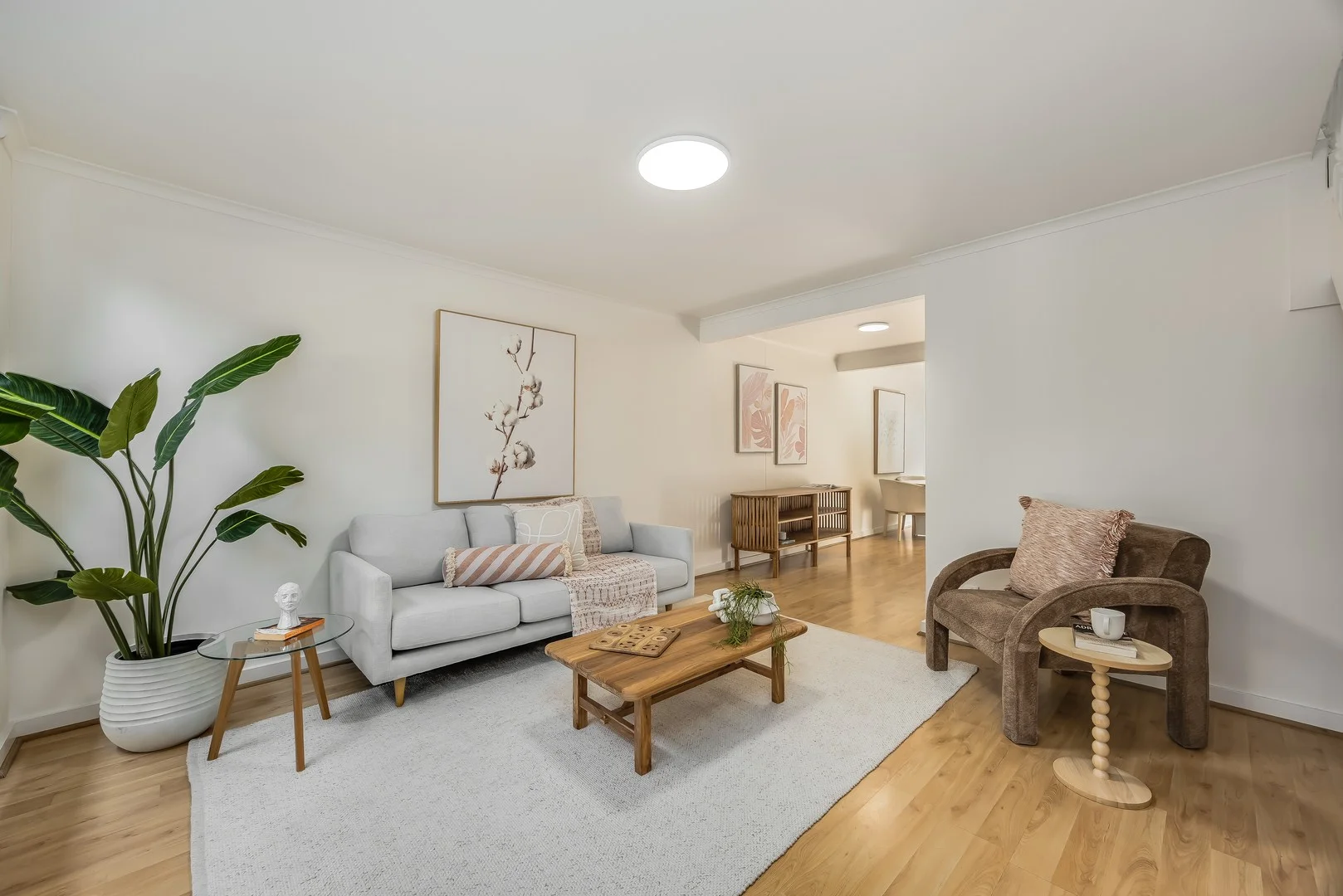 $775,000
House
$775,000
House