Overview
Blacktown Boys High School is a public boys’ high school offering comprehensive secondary education for Years 7–12. The school emphasises academic achievement, sport, and leadership development within a supportive and disciplined school community.
With a medium-to-large student body, the environment is typically inclusive and focused on developing well-rounded young men who can contribute in class, on the sporting field, and in leadership roles. The school combines a traditional, values-driven ethos with opportunities across STEM, English, sport, arts, and leadership.
- School type: Public
- School size: Large
- Atmosphere/culture: Academic, inclusive, sport-focused
Academics & Learning
Blacktown Boys High School delivers a broad NSW curriculum with focus areas that support academic growth and personal development.
- Academic strengths: Strong emphasis on English and Mathematics with solid STEM and science offerings; opportunities to develop literacy, numeracy, and critical thinking across subjects; leadership development integrated through student roles and programs.
- Special programs: Pathways for extension and senior study opportunities; leadership and elective programs that encourage student initiative and achievement.
- Support for diverse learners: Dedicated support for EAL and SEN, a learning support team, access to guidance and tutoring, and in-class adjustments to help diverse learners succeed.
The school provides a robust blend of sport and extracurricular activity, reflecting many parents’ priorities for boys aged 10–14.
- Sports offered: Rugby league and rugby union, soccer, cricket, basketball, athletics, tennis, swimming, and other common NSW high school sports.
- Strong teams or achievements: Active participation in district-level competitions with ongoing opportunities to contribute to competitive teams.
- Music, arts, drama programs: School ensembles, bands, choir, and drama productions that provide performance opportunities.
- Clubs: Robotics, coding, chess, debating, and other STEM/academic clubs alongside arts and cultural clubs.
- Partnerships: Local community clubs and competitions; opportunities to engage with external arts, sports, and STEM programs through partnerships and interschool events.
Wellbeing & Pastoral Care
Wellbeing and pastoral care are central to fostering a safe and supportive school experience.
- Anti-bullying approach: Whole-school policies and proactive programs aimed at preventing bullying and promoting respectful behaviour.
- House system: House structure to support pastoral care, with inter-house competitions and leadership roles.
- Counsellors / wellbeing officers: Access to school counsellors and wellbeing staff for personal, social, and academic support.
- Transition support for new students: Orientation programs, buddy systems, and transition support to help new students settle in smoothly.
Facilities
Facilities are designed to support a broad curriculum and student life.
- Sports grounds: Multiple outdoor playing fields and courts for year-round sport.
- Libraries: Well-stocked library supporting research, reading, and study.
- Science labs: Modern laboratories for biology, chemistry, physics, and practical experiments.
- Music/performing arts centers: Dedicated spaces for music, drama, and performances.
- Tech/innovation labs: ICT and digital-learning spaces to support coding, robotics, and technology projects.
- Cafeteria: On-site canteen providing meals and snacks.
- Updated playgrounds: Well-maintained outdoor spaces for recreation and socialising.
The school aims to develop capable, respectful young men with a sense of responsibility and community.
- School values / mission: Core emphasis on respect, effort, excellence, teamwork, and resilience.
- Leadership style: Student voice and leadership opportunities supported by teacher mentoring; active student councils and house leadership roles.
- Behaviour expectations: Clear behavioural codes aligned with uniform policy and school rules, with consistent enforcement.
- Community reputation: Strong local community ties; recognised for a balanced focus on academic achievement, sport, and personal development.
- Diversity & inclusion: Commitment to inclusive practices and supporting students from diverse backgrounds.
School Logistics & Daily Operations
Practical information to help families plan.
- School hours: Typical NSW school day runs roughly 9:00 am–3:00 pm, five days a week, with breaks and assemblies as scheduled.
- Before/after school care: OSHC or after-school programs may be available through external providers; check specific arrangements with the school.
- Uniform requirements: Government school uniform policy applies; navy or school-colour polo/blazer with school shorts/pants and school shoes; hats and other items as per guidelines.
- Transport (train/bus routes): Access to local bus services and nearby train routes; school supports information on public transport options and travel planning.
- Canteen availability: On-site canteen or vending facilities offering meals and snacks.
- Fees: Public school with low costs; mainly voluntary financial contributions and costs for uniforms, excursions, and extra-curricular activities.
Enrolment & Admissions
Key information on joining the school.
- What is the enrolment process and timeline?
- Enrolment is handled through NSW Department of Education processes and the school. Parents typically submit an enrolment form, provide proof of residency/identity, and complete any required documentation. For Year 7 entry, plan ahead for the annual intake window; in-year applications may also be possible if spaces exist.
- Is there a waiting list, and how does it work?
- Waiting lists can apply depending on capacity and catchment rules. Applications are usually managed by the school with priority given to eligible local residents; waitlist placement is determined by space availability and documentation.
- Are there any entry requirements, tests, or interviews?
- For most public high schools, there is no entrance exam for Year 7. Some transfers or catchment-specific procedures may involve information sessions or brief intake discussions. The school will advise if there are any interviews or formal assessments for specific programs or in-year transfers.
- Does the school accept mid-year transfers?
- Yes, subject to vacancy. Mid-year transfers are possible where space allows; families should contact the school to discuss availability and the transfer process.
Frequently Asked Questions
- Why Parents Choose This School?
- A public, single-sex environment focused on academics, sport, and personal development; strong sense of community and clear pastoral care.
- What type of student thrives at this school?
- Motivated, sport-involved, respectful students who engage in clubs and leadership roles and who value a structured, disciplined environment.
- What opportunities are available for students to extend their skills (academics, sports, arts)?
- Academic extension through senior study pathways; leadership roles; diverse sports teams; music ensembles; drama productions; robotics, coding, and debating clubs.
- How does the school communicate with parents?
- Regular updates via newsletters, emails, the school portal/app, and parent-teacher conferences; clear channels for feedback and inquiries.
- What is the school’s approach to teaching and learning?
- Balanced focus on core subjects, literacy and numeracy development, hands-on learning in STEM and sciences, and assessment-driven progress with pastoral support.
- How does the school support students who need extra academic help?
- Learning Support Team, targeted in-class adjustments, tutoring opportunities, and access to EAL/SEN support.
- What support is available for academic challenges?
- Additional tutoring, guidance counsellors, and structured support plans; ongoing communication with families about progress and needs.
- What extracurricular and sports opportunities are available?
- A broad range of sports (e.g., rugby, cricket, soccer, basketball, athletics), plus clubs in robotics, coding, chess, debating, music, and drama.
- What facilities does the school offer (sports, science, arts)?
- Comprehensive facilities including sports grounds, libraries, science labs, music/performing arts spaces, tech/innovation labs, a canteen, and well-maintained playgrounds.
- What is the school's approach to technology and digital learning?
- Integrated use of digital tools and ICT resources to support learning; access to computer labs and online learning platforms; emphasis on digital literacy.
- What transport and accessibility options are available?
- Access to local bus services and nearby rail access; information on routes and accessibility is provided by the school and local transport authorities.
- What are the typical school fees or additional costs?
- As a public school, there is no tuition; costs are mainly for uniforms, voluntary contributions, and any trip or extra-curricular fees.
Short Pros & Cons list
- Public, single-sex school with a strong academic and sport emphasis
- Wide range of clubs, sports, and performing arts options
- Supportive wellbeing and pastoral care framework
- Strong community ties and clear conduct expectations
- Modern facilities across science, tech, arts, and sports
- Single-sex environment may not suit every family or preference
- Large school size can mean variable levels of individual attention across subjects
- Transport and commute considerations for some families
- Uniform costs and additional activity fees can add up

 Free
Free






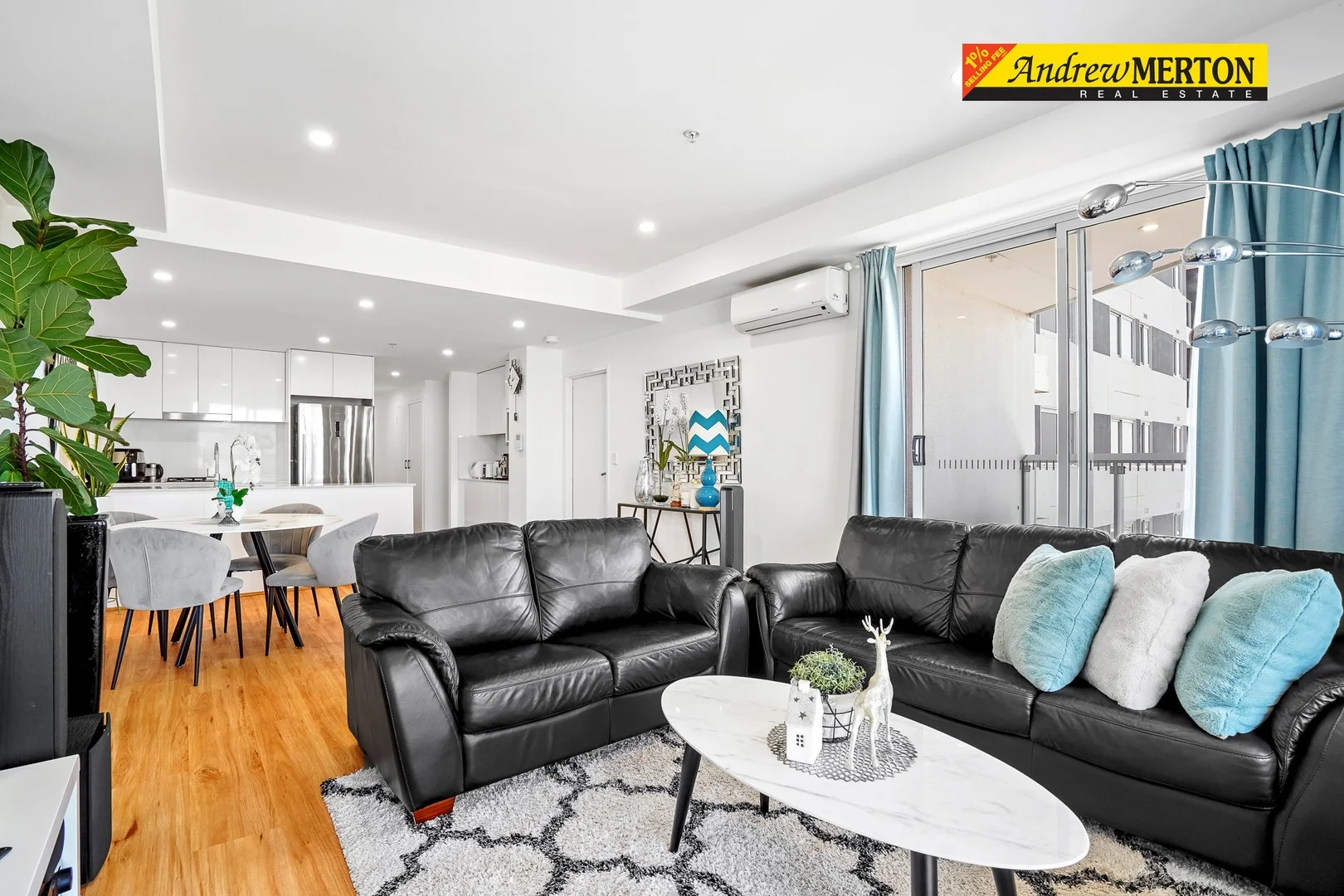 $450,000 - $470,000
Apartment / Unit / Flat
$450,000 - $470,000
Apartment / Unit / Flat
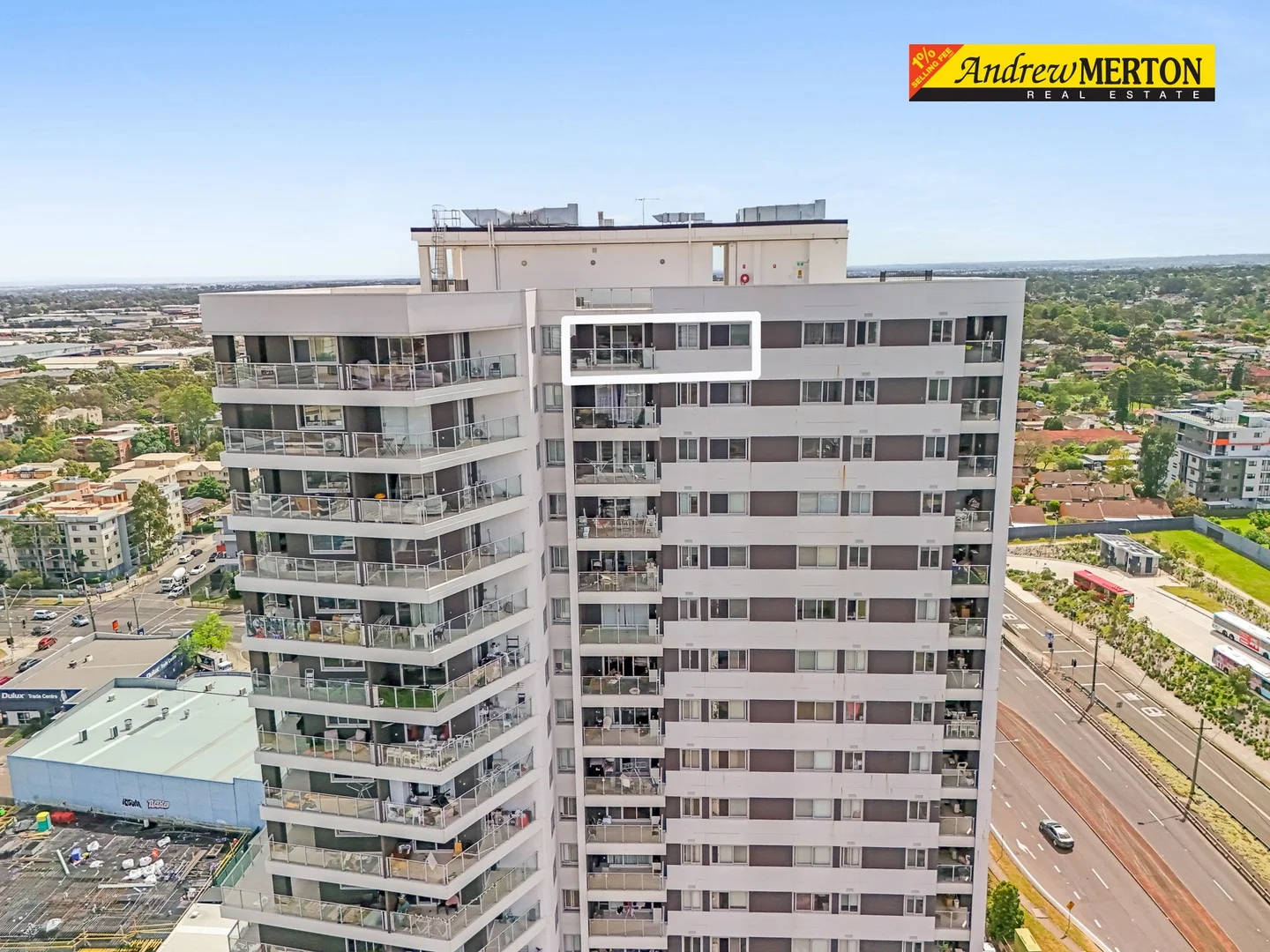 $399,900
Apartment / Unit / Flat
$399,900
Apartment / Unit / Flat
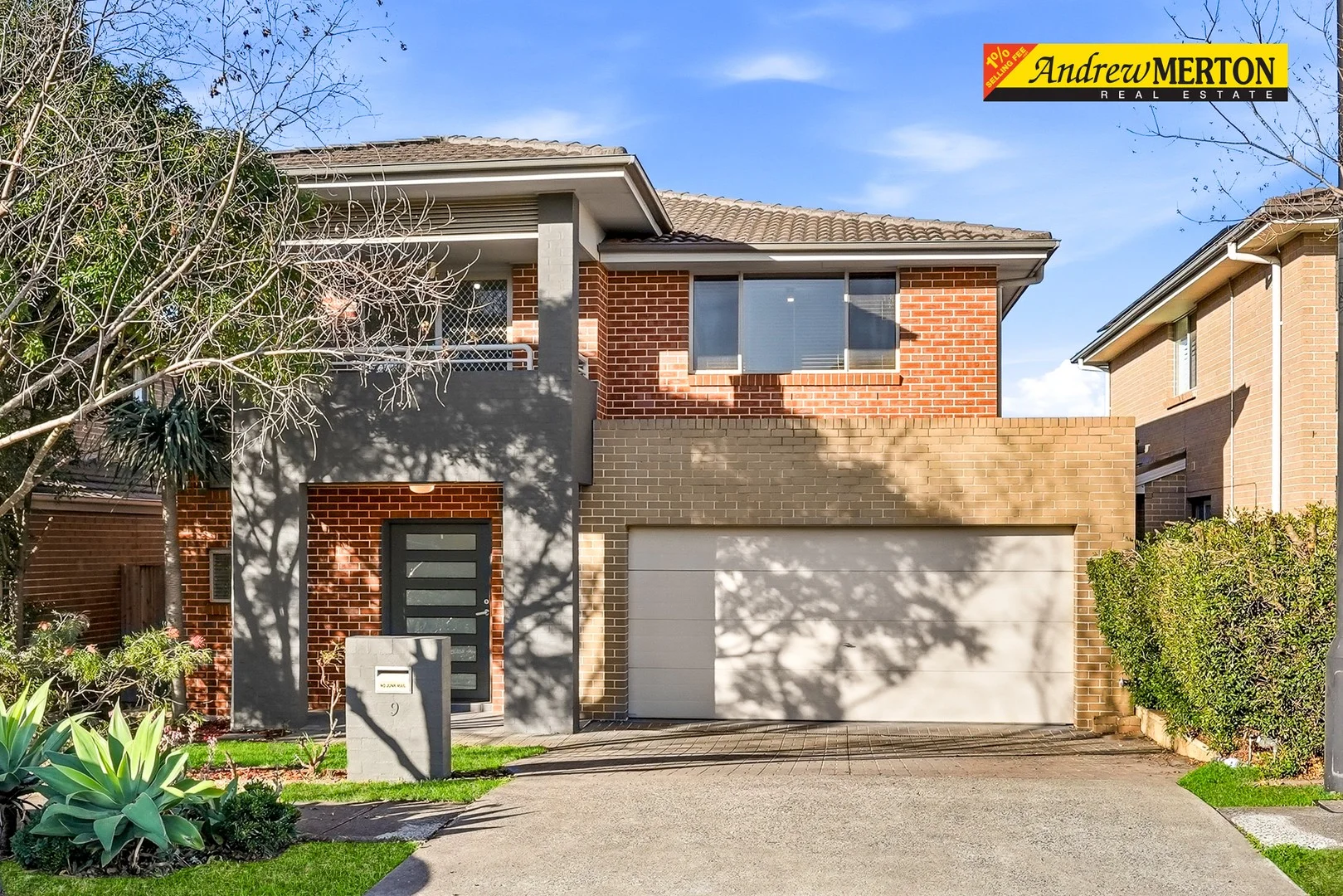 $1,550,000
House
$1,550,000
House
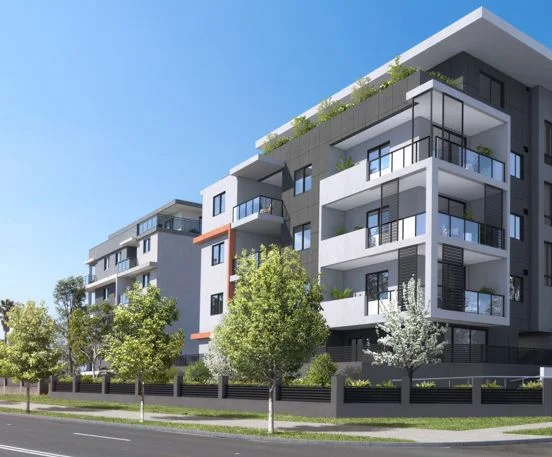 $915,000
Apartment / Unit / Flat
$915,000
Apartment / Unit / Flat
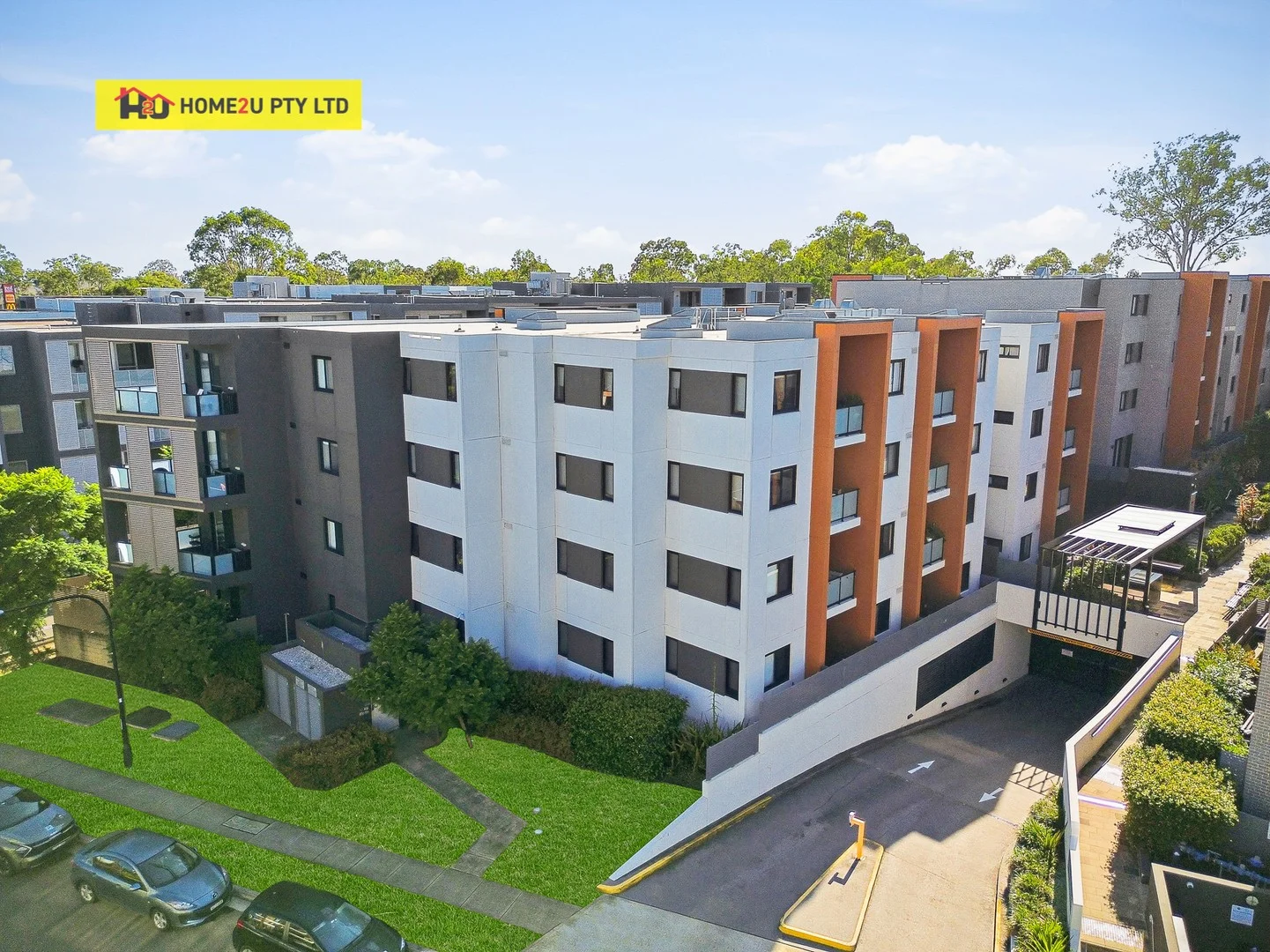 $750,000 - $780,000
Apartment / Unit / Flat
$750,000 - $780,000
Apartment / Unit / Flat
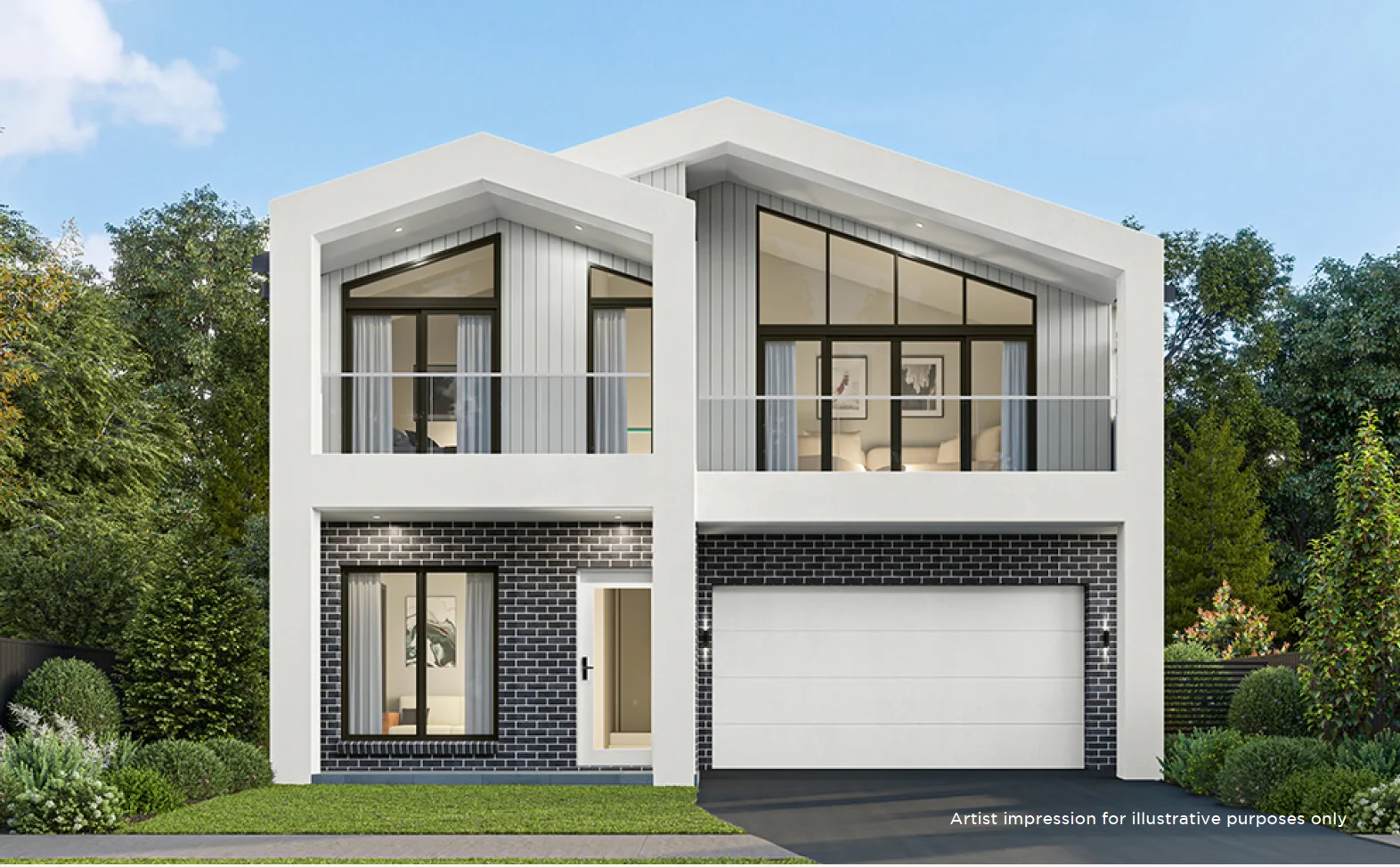 $1,699,950
House
$1,699,950
House