Overview
Holy Cross Primary Glenwood is a Catholic, co-educational primary school serving families in Glenwood and the surrounding areas. The school supports Kindergarten to Year 6, combining faith formation with a strong focus on academic and personal development. It is a medium-sized school community that values a nurturing, inclusive atmosphere where students are encouraged to grow as confident, compassionate learners.
The environment at Holy Cross Glenwood emphasises a supportive culture, teamwork, and service to others. Classrooms aim to be welcoming and purposeful, with teachers who know their students well and partner with families to foster a positive learning journey.
Academics & Learning
- Academic strengths: emphasis on literacy and numeracy with a developing focus on STEM activities and inquiry-based learning; opportunities to engage in hands-on projects and cross-disciplinary tasks.
- Special programs: support for gifted and talented students and additional learning supports as needed; faith-based programs integrated into the broader curriculum.
- Support for diverse learners: dedicated EAL/D support and learning support roles to assist students requiring additional help; inclusive education practices and accommodations as appropriate.
- Sports offered: soccer, rugby league, basketball, cricket, netball, athletics, swimming, and other school-based programs aligned with NSW curricula.
- Strong teams or achievements: regular participation in inter-school fixtures and diocesan events; focus on teamwork, sportsmanship, and personal bests.
- Music, arts, drama programs: choir, school plays or musical productions, and instrument options through school programs.
- Clubs: robotics, coding, chess, debating, and other after-school clubs aimed at developing critical thinking and collaboration.
- Partnerships: connections with local sports clubs and diocesan or regional competitions to extend opportunities beyond the classroom.
Wellbeing & Pastoral Care
- Anti-bullying approach: formal anti-bullying policies and support systems, including restorative practices, student well-being programs, and clear reporting channels.
- House system: house-based activities and leadership opportunities to foster belonging, healthy competition, and teamwork.
- Counsellors / wellbeing officers: access to school-based wellbeing staff or counsellors to support social-emotional learning and personal development.
- Transition support for new students: orientation days, buddy systems, and gradual introduction processes to help new students settle in comfortably.
Facilities
- Sports grounds: ample outdoor spaces and courts for physical education and sport.
- Libraries: well-stocked library with reading programs and research resources.
- Science labs: dedicated spaces for hands-on science activities and experiments.
- Music/performing arts centers: rooms and spaces for music lessons, rehearsals, and performances.
- Tech/innovation labs: IT facilities and maker spaces to support coding, robotics, and digital projects.
- Cafeteria: on-site canteen offering healthy meal options during lunch breaks.
- Updated playgrounds: modern outdoor play areas and learning spaces that support active learning and exploration.
- School values / mission: clear focus on faith, respect, service, integrity, and compassion; aims to develop the whole child—intellectually, morally, and socially.
- Leadership style: collaborative and student-centred, with opportunities for student voice and leadership through peer programs and clubs.
- Behaviour expectations: positive behaviour framework with defined codes of conduct, consistent routines, and support for self-management.
- Community reputation: valued by families for a welcoming parish-linked community and strong partnerships with parents and carers.
- Diversity & inclusion: inclusive culture that welcomes families from diverse backgrounds and provides appropriate support to help every student participate fully.
School Logistics & Daily Operations
- School hours: typical school day runs from morning start to mid-afternoon; precise times published by the school each year.
- Before/after school care: OSHC or after-school care programs available to support families.
- Uniform requirements: school uniform (and sports uniform on designated days) with clear guidelines and authorised suppliers.
- Transport (train/bus routes): access varies; families often rely on local bus routes and parking arrangements; school supports safe drop-off and pick-up practices.
- Canteen availability: on-site canteen offering lunch and snack options on select days.
- Fees (low/medium/high ranges): fees operate within the NSW Catholic school sector (family-friendly options exist, with details provided by the school); some costs at or above average levels for independent programs, with possible government subsidies.
Enrolment & Admissions
- What is the enrolment process and timeline?
- Submit an online or paper enrolment application with required documentation (birth certificate, immunisation records, proof of address, etc.).
- Complete any school-specific forms and attend information sessions if offered.
- Participate in an interview or meeting with the school (and possibly a short readiness discussion for younger students).
- Receive an offer of placement if a position is available; confirm acceptance by the families.
- Complete any orientation activities for new students prior to starting.
- Timelines vary; check the school’s published dates and be mindful of annual intake periods (often planned well in advance of the start year).
- Is there a waiting list, and how does it work?
- Many Catholic primary schools maintain a waiting list when applications exceed available places.
- Priority is usually given to siblings, parish or community ties, and other school community considerations; the exact policy is set by the school and Diocese.
- Families on the waiting list are kept informed and offered spots as soon as they become available.
- Are there any entry requirements, tests, or interviews?
- Entry commonly involves an interview or meeting to discuss fit with the school’s values and programs.
- Some readiness discussions for younger students; formal academic testing is not typically required for primary entries, though schools may assess readiness or literacy basics as part of the process.
- Does the school accept mid-year transfers?
- Mid-year transfers may be possible if spaces are available and all relevant records are provided (enrolment forms, previous school reports, immunisation evidence, etc.).
- Parents should contact the school early to discuss vacancies and the transfer process.
Frequently Asked Questions
- Why Parents Choose This School?
- A values-based Catholic education in a supportive, collaborative community; strong pastoral care, positive classroom environments, and a focus on literacy and numeracy alongside faith formation.
- What type of student thrives at this school?
- Students who engage with classroom learning, participate in community and service activities, and respond well to a nurturing, respectful culture; families seeking a faith-informed education with strong support structures.
- What opportunities are available for students to extend their skills (academics, sports, arts)?
- Access to enhanced literacy/numeracy programs, STEM activities, gifted and talented supports, and a range of after-school clubs (robust sports, music, robotics, coding, debate, etc.).
- How does the school communicate with parents?
- Regular newsletters, emails, parent portals, and timely updates; parent-teacher interviews and information evenings are typically offered each term.
- What is the school’s approach to teaching and learning?
- Student-centred, differentiated instruction that supports diverse learners; integration of faith perspectives; use of technology to enhance learning; emphasis on inquiry and evidence-based practices.
- How does the school support students who need extra academic help?
- Targeted learning support, EAL/D assistance, and access to specialist teachers or learning support staff; inclusive education practices to help students progress at their own pace.
- What support is available for academic challenges?
- Early identification of learning needs, individual or small-group interventions, monitoring by a learning support team, and collaboration with families to implement effective strategies.
- How does the school communicate with parents? (duplicate question in the list)
- See above: newsletters, portals, emails, and parent-teacher meetings; open channels for ongoing dialogue.
- What extracurricular and sports opportunities are available?
- A broad program including team sports, athletics, music, drama, robotics, coding, chess, and debating; participation in local and diocesan events when offered.
- What facilities does the school offer (sports, science, arts)?
- Sports grounds and courts, libraries, science labs, music/performing arts spaces, tech/innovation labs, a canteen, and updated outdoor areas.
- What is the school’s approach to technology and digital learning?
- Integration of digital tools and ICT across the curriculum, with classroom devices, coding and robotics activities, and education around digital citizenship and safe online practices.
- What transport and accessibility options are available?
- Availability of bus routes and proximity to public transport; safe drop-off/pick-up procedures and accessible facilities; parking arrangements as advised by the school.
- What are the typical school fees or additional costs?
- Fees exist as part of Catholic school operations; families should contact the school for current fee schedules, uniform costs, and potential subsidies or government assistance.
Short Pros & Cons list
- Values-based education with strong pastoral and spiritual support
- Nurturing and inclusive school culture
- Focus on literacy and numeracy, plus opportunities in STEM, arts, and sport
- Wide range of extracurricular activities and clubs
- Active involvement with families and local community
- Fees and uniform costs may be higher than some government schools
- Transport options may depend on location and available routes
- Availability of spots can be competitive during peak intake years
- As with many faith-based schools, emphasis on alignment with Catholic values may influence some program choices
 Free
Free









 $399,900
Apartment / Unit / Flat
$399,900
Apartment / Unit / Flat
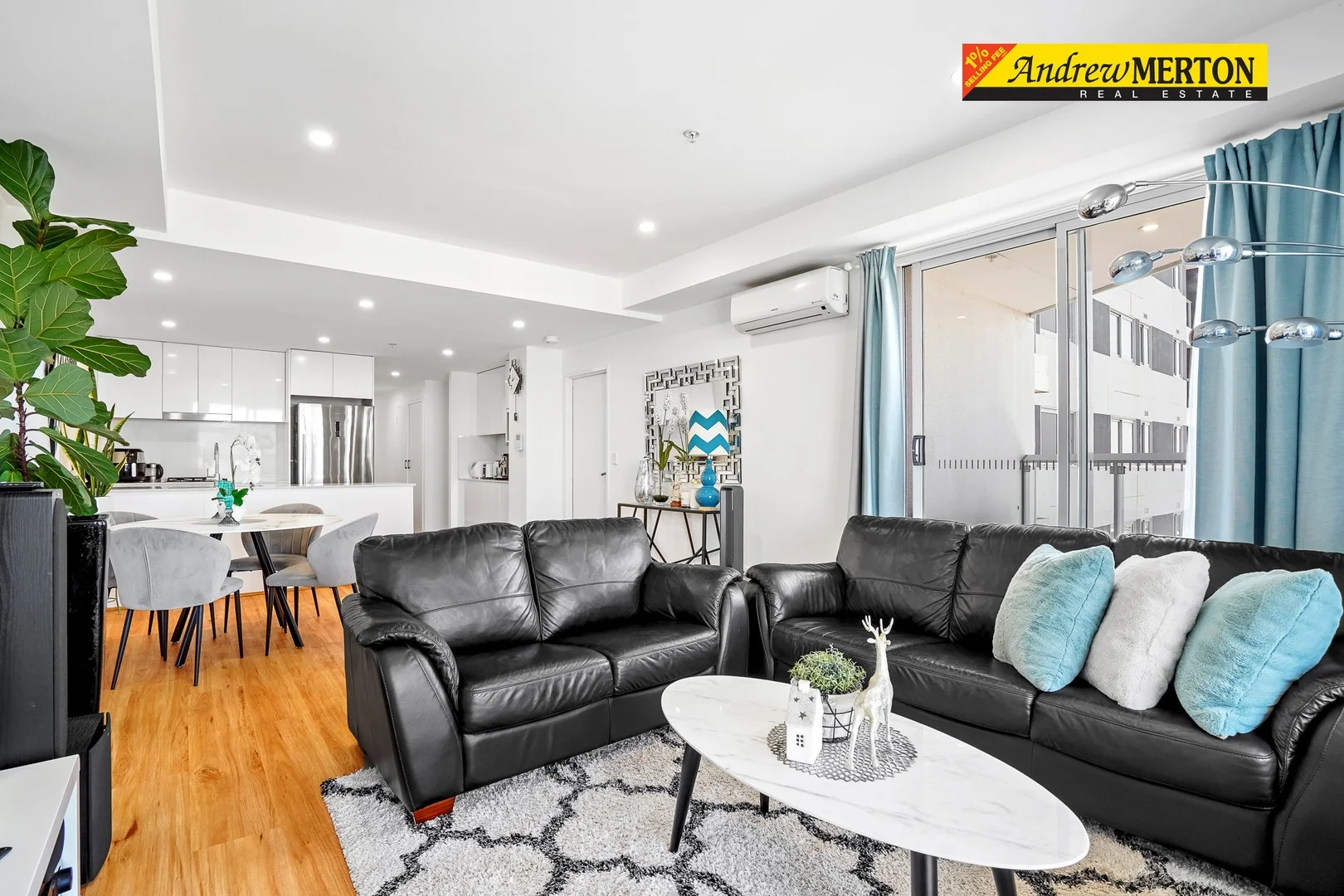 $450,000 - $470,000
Apartment / Unit / Flat
$450,000 - $470,000
Apartment / Unit / Flat
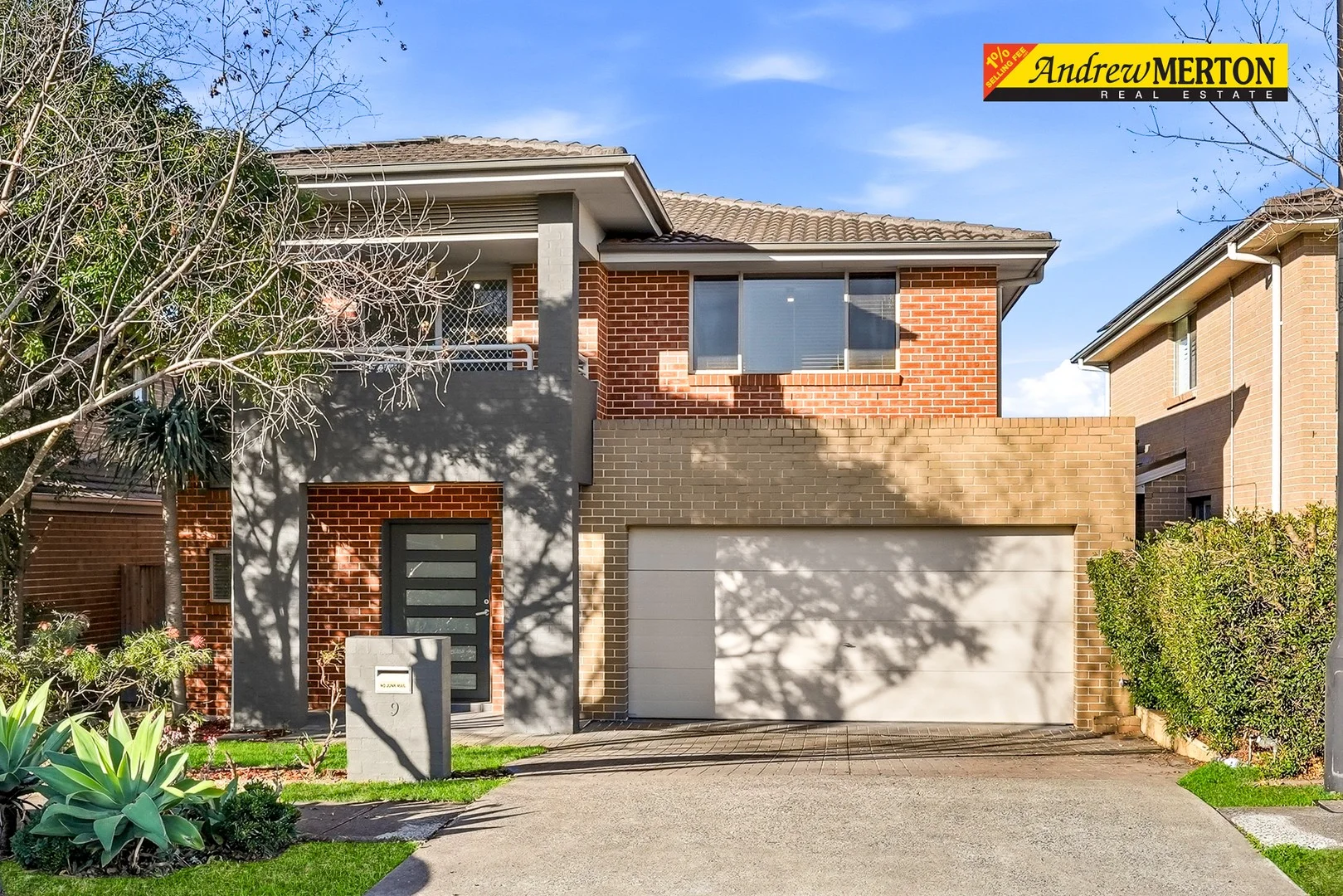 $1,550,000
House
$1,550,000
House
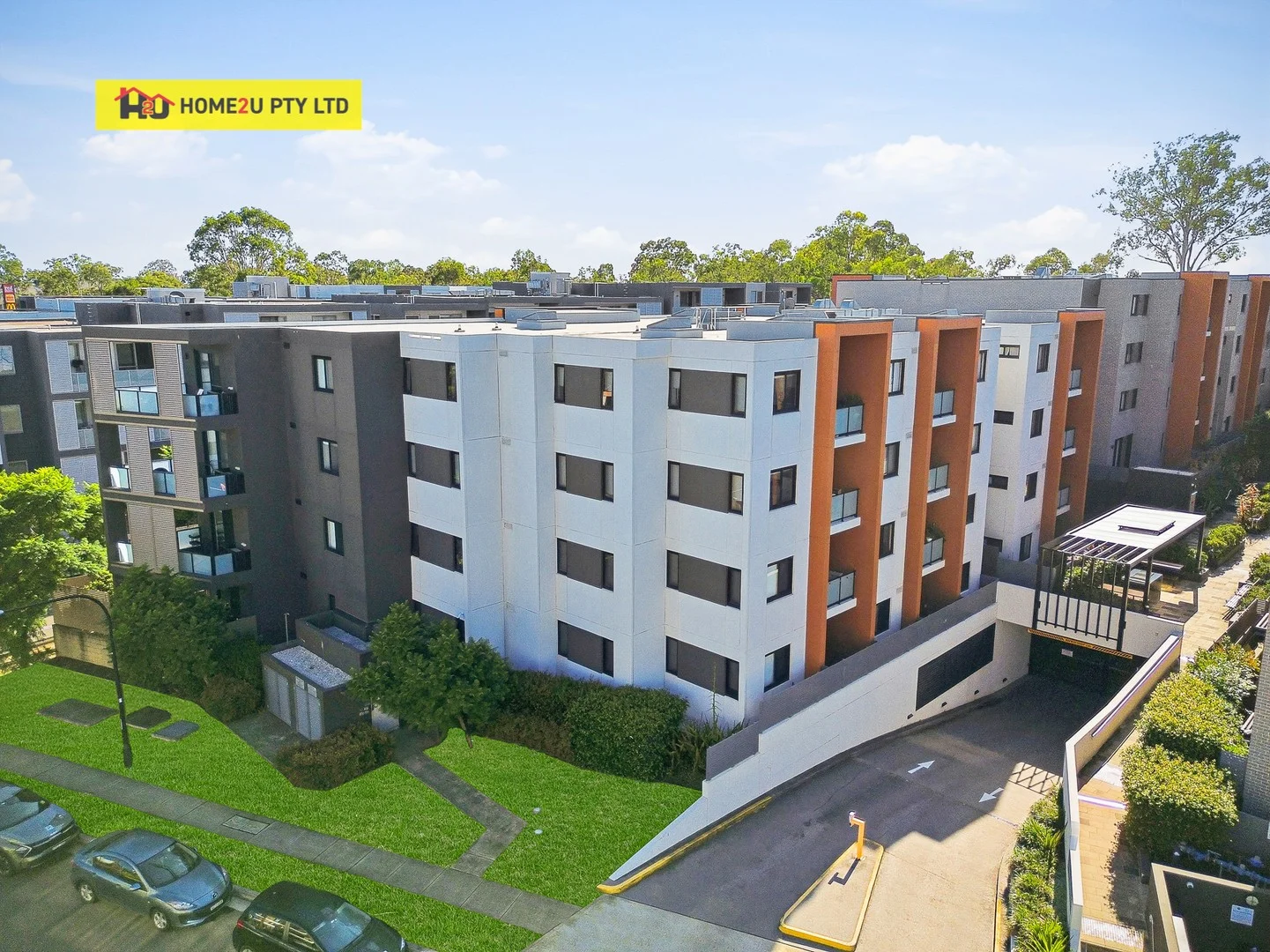 $750,000 - $780,000
Apartment / Unit / Flat
$750,000 - $780,000
Apartment / Unit / Flat
 $915,000
Apartment / Unit / Flat
$915,000
Apartment / Unit / Flat
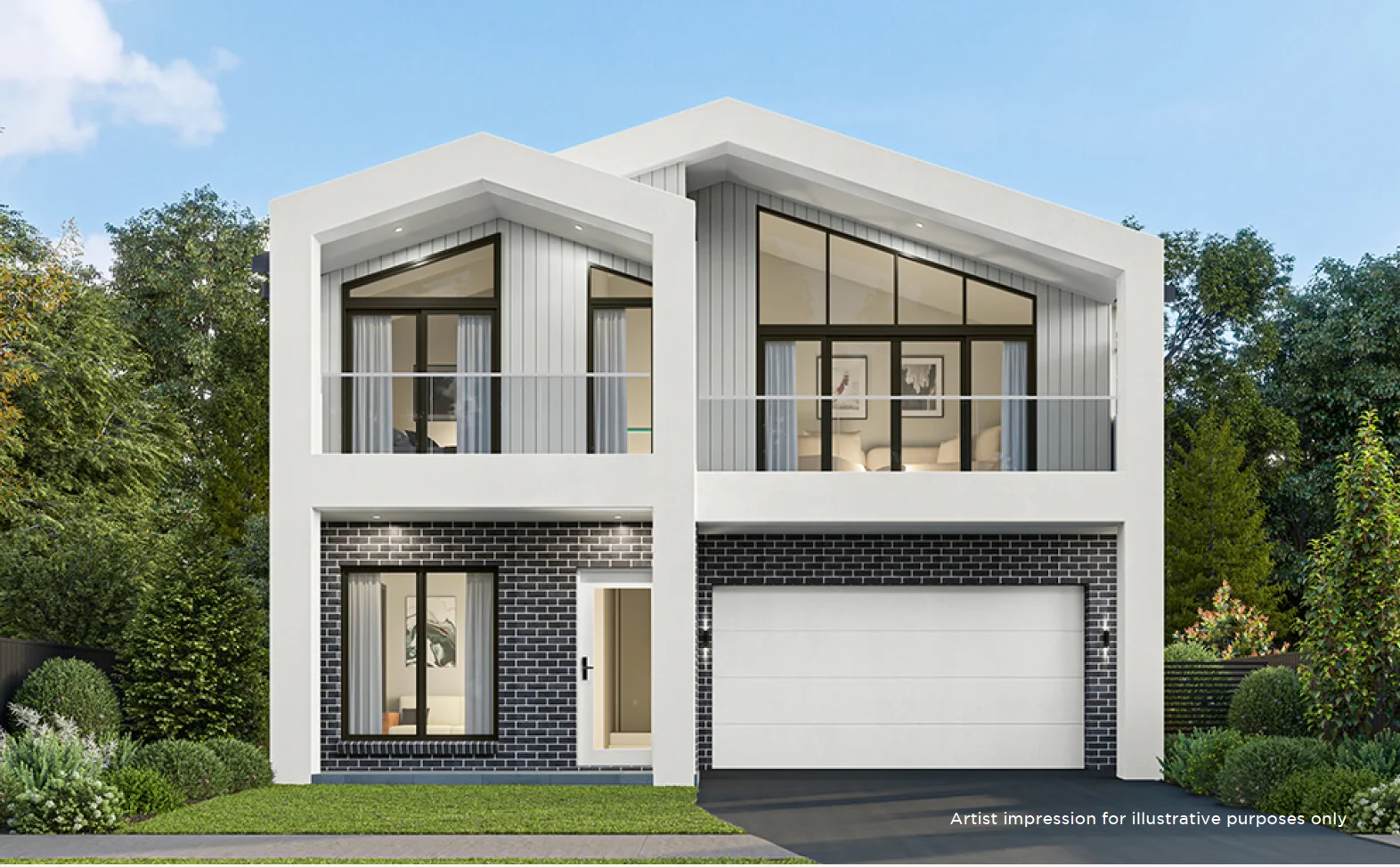 $1,699,950
House
$1,699,950
House