Overview
Cabbage Tree Island Public School is a small public school in New South Wales, focused on delivering a supportive, community-oriented learning environment. The school prioritises individual growth within a caring, inclusive culture, helping students feel valued and engaged in their education.
- School type: Public
- School size: Small
- Atmosphere/culture: Nurturing, inclusive, and community-focused
Academics & Learning
Cabbage Tree Island Public School emphasises foundational literacy and numeracy while offering opportunities in STEM, language development, and creative arts. Teachers differentiate instruction to meet diverse student needs and keep learning engaging.
- Academic strengths: English, Maths, STEM activities, digital literacy
- Special programs: In-class differentiation; opportunities for extended learning within the classroom; targeted support for students who need it
- Support for diverse learners: EAL/D support, SEN/Learning Support within the school, access to targeted intervention where needed
A strong focus on holistic development, with a range of activities designed to engage students beyond the classroom.
- Sports offered: Rugby league, cricket, soccer, basketball, athletics, swimming; options may vary by season
- Strong teams or achievements: Participation in inter-school events and regional activities; emphasis on teamwork and personal bests
- Music, arts, drama programs: School music programs, choir or ensembles, and opportunities in performing arts
- Clubs: Robotics, coding, chess, debating, and other student-led interests
- Partnerships: Local community and sporting clubs, regional competitions, and collaborations to extend learning beyond the classroom
Wellbeing & Pastoral Care
Wellbeing is a central pillar of student success, with proactive support and a positive, respectful environment.
- Anti-bullying approach: Whole-school anti-bullying initiatives and clear behavior expectations
- House system: Houses used to foster leadership, teamwork, and healthy competition
- Counsellors / wellbeing officers: Access to wellbeing staff or designated pastoral care support
- Transition support for new students: Orientation activities and targeted support to help new families settle in
Facilities
Facilities are described in a clear, visual way to help parents picture daily school life.
- Sports grounds
- Libraries
- Science labs
- Music/performing arts centers
- Tech/innovation labs
- Cafeteria
- Updated playgrounds
Parents look for a school whose values align with their expectations for character development and community engagement.
- School values / mission: Respect, responsibility, resilience, collaboration
- Leadership style: Student voice and leadership opportunities; collaborative decision-making
- Behaviour expectations: Clear, positive behavior guidelines and consistent follow-through
- Community reputation: Positive, supportive relationship with families and local community
- Diversity & inclusion: Inclusive environment that celebrates differences and supports all learners
School Logistics & Daily Operations
Practical details help families plan around school life.
- School hours: Regular daytime schedule with start and finish times communicated by the school
- Before/after school care: Availability varies; check with the school for options
- Uniform requirements: School uniform required, with details provided by the school
- Transport (train/bus routes): Transport options arranged through NSW public transport services; specifics depend on location
- Canteen availability: Canteen services may be available or limited; check current offering
- Fees (low/medium/high ranges): Public school fees are typically modest, with occasional costs for excursions and activities
Enrolment & Admissions
- What is the enrolment process and timeline?
- Enrolment generally occurs through the NSW Department of Education process. Parents submit the required documentation, including proof of address and student details. The school will confirm enrolment timelines, typically aligned with the NSW school year calendar and catchment rules.
- Is there a waiting list, and how does it work?
- Waiting lists can occur in popular catchments or periods of high demand. If space is limited, the school will advise families of their position on the list and expected wait times, and eligibility will be assessed based on NSW policy.
- Are there any entry requirements, tests, or interviews?
- Most NSW public primary schools do not require entrance exams. Some schools may request a brief orientation meeting or discussion with the principal to understand placement needs and to discuss support requirements.
- Does the school accept mid-year transfers?
- Mid-year transfers are considered when space allows. Families should contact the school as soon as possible to discuss availability and the transfer process.
Frequently Ask Questions
- Why Parents Choose This School?
- What type of student thrives at this school?
- Students who respond well to a nurturing, inclusive setting with hands-on learning and emphasis on core literacy and numeracy.
- What opportunities are available for students to extend their skills (academics, sports, arts)?
- Access to STEM activities, arts and music programs, sports, and clubs such as robotics, coding, chess, and debating.
- How does the school communicate with parents?
- Regular updates via newsletters, emails, and meetings; opportunities to engage through parent-teacher events and school platforms.
- What is the school’s approach to teaching and learning?
- Differentiated instruction, focus on literacy and numeracy foundations, and integration of technology and hands-on learning.
- How does the school support students who need extra academic help?
- Targeted interventions within the classroom, small-group support, and access to wellbeing and learning support staff.
- What support is available for academic challenges?
- In-class differentiation, tailored learning plans, and coordination with families to track progress.
- How does the school communicate with parents? (Repeated for clarity)
- See above: regular updates and responsive channels for ongoing dialogue.
- What extracurricular and sports opportunities are available?
- Sports such as rugby league, cricket, soccer, basketball, athletics, and swimming; clubs in robotics, coding, chess, and debating.
- What facilities does the school offer (sports, science, arts)?
- Sports grounds, library, science labs, music/performing arts spaces, technology labs, and dedicated spaces for arts and recreation.
- What is the school’s approach to technology and digital learning?
- Integration of digital literacy and technology in everyday learning, with opportunities to use coding and innovation tools.
- What transport and accessibility options are available?
- Transport options are coordinated with NSW services; specifics depend on location and catchment.
- What are the typical school fees or additional costs?
- Public schools have modest fees with occasional costs for excursions and activities; details provided by the school.
⼀
Short Pros & Cons list
- Strong focus on core literacy and numeracy with additional STEM and arts opportunities
- Wide range of clubs and activities for well-rounded development
- Supportive wellbeing and pastoral care, with a clear anti-bullying approach
- Positive connections with local community and clubs
- Smaller school may have limited on-site facilities compared with larger urban schools
- Availability of certain programs or clubs can vary by term and student interest
- Transport options depend on location and may require coordination with families
If you’d like, I can tailor any section further with more precise details you provide (e.g., exact uniform policy, current timings, or specific local partnerships).

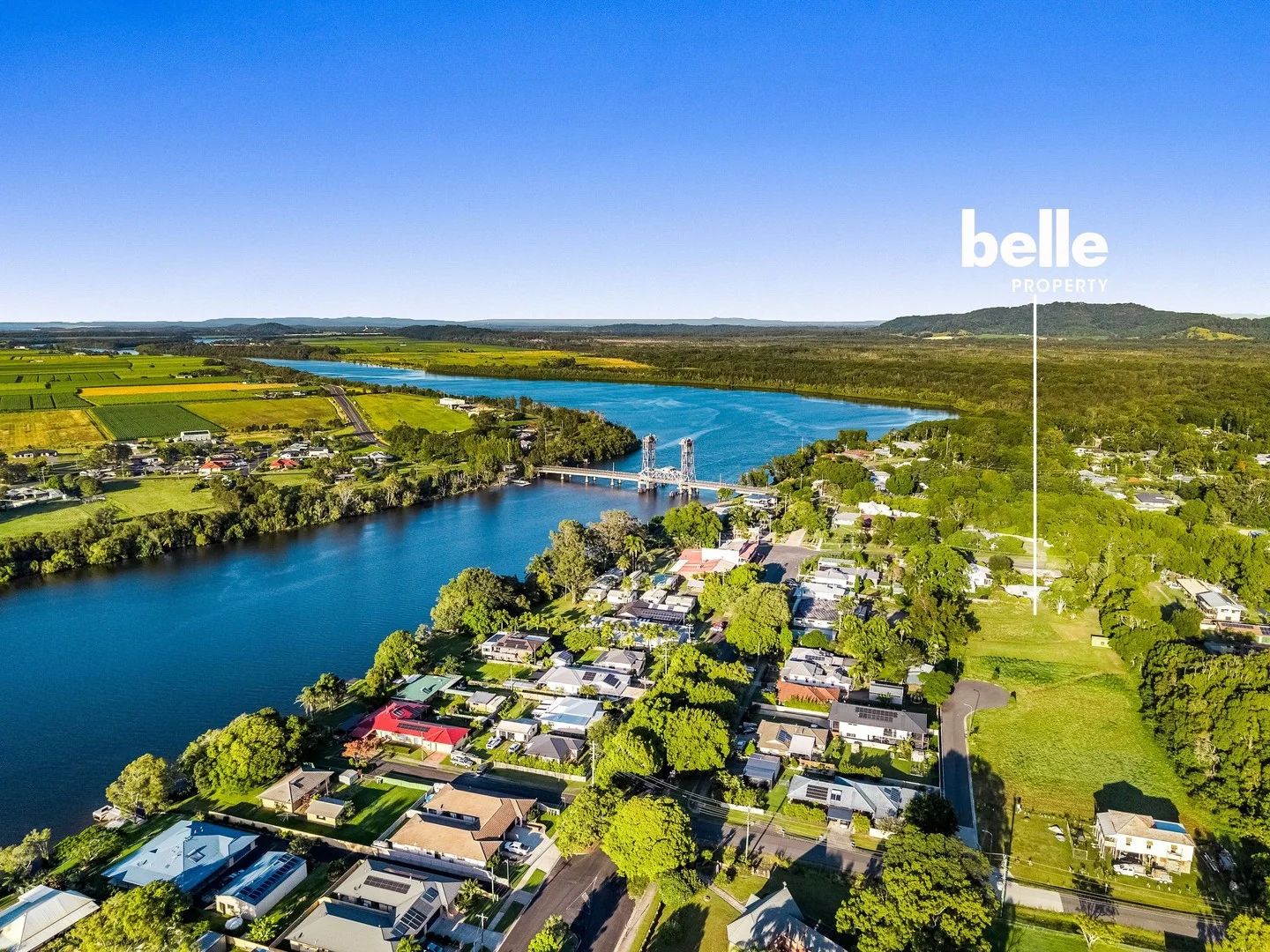 $375,000
Vacant Land
$375,000
Vacant Land
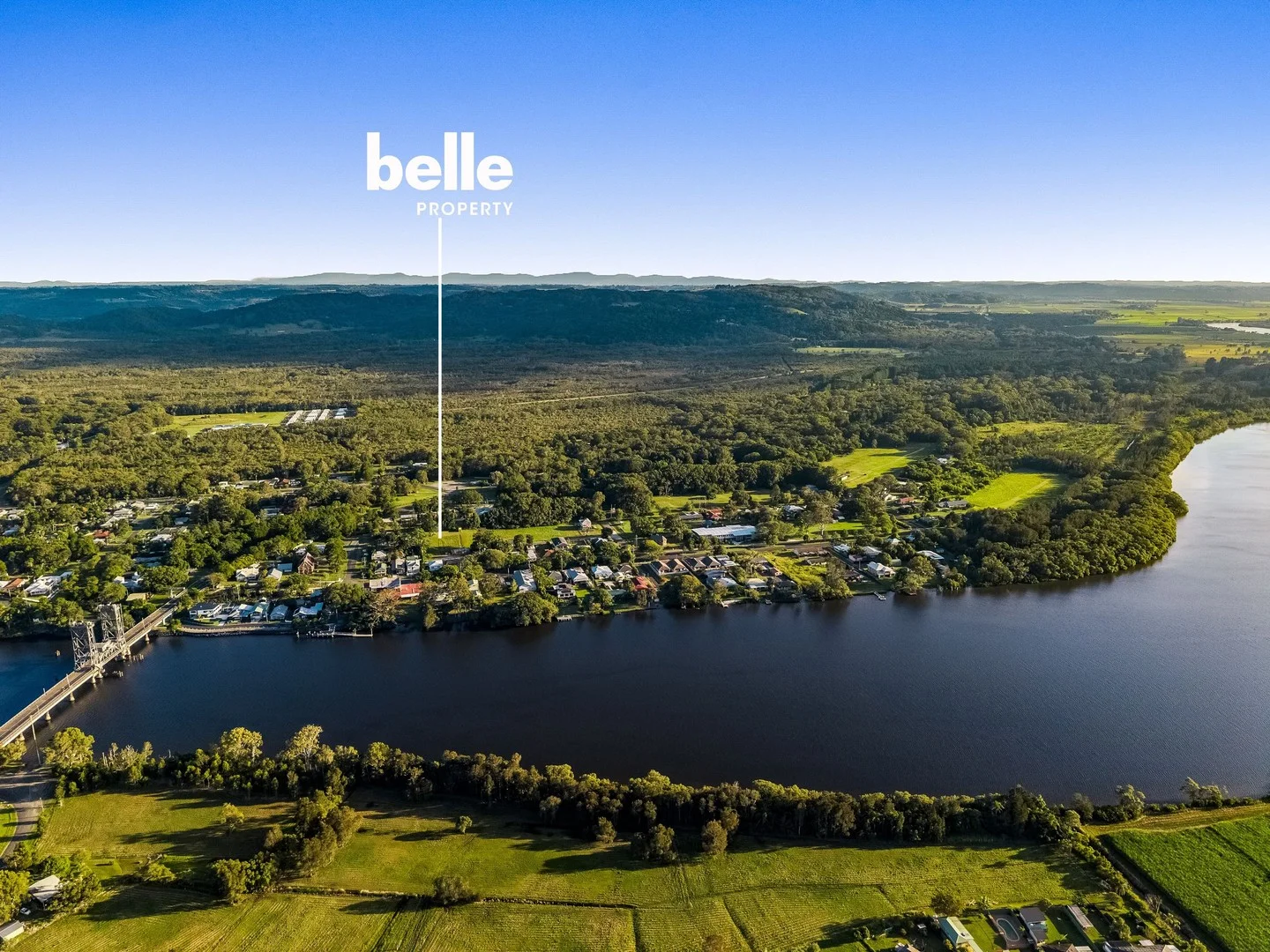 $345,000
Vacant Land
$345,000
Vacant Land
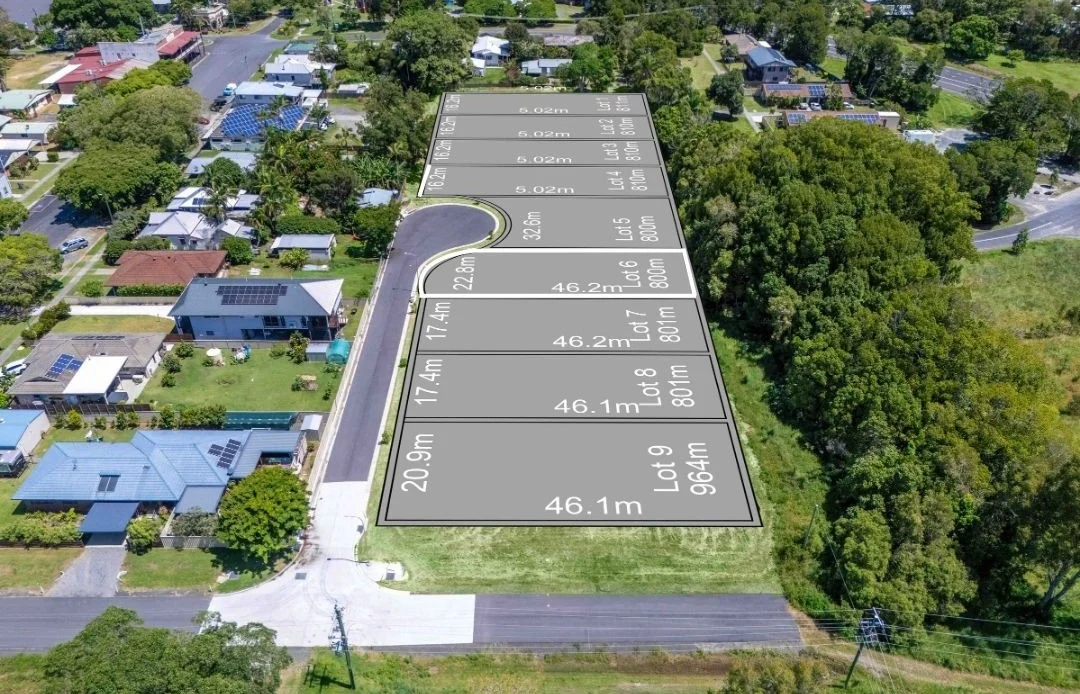 $345,000
Vacant Land
$345,000
Vacant Land
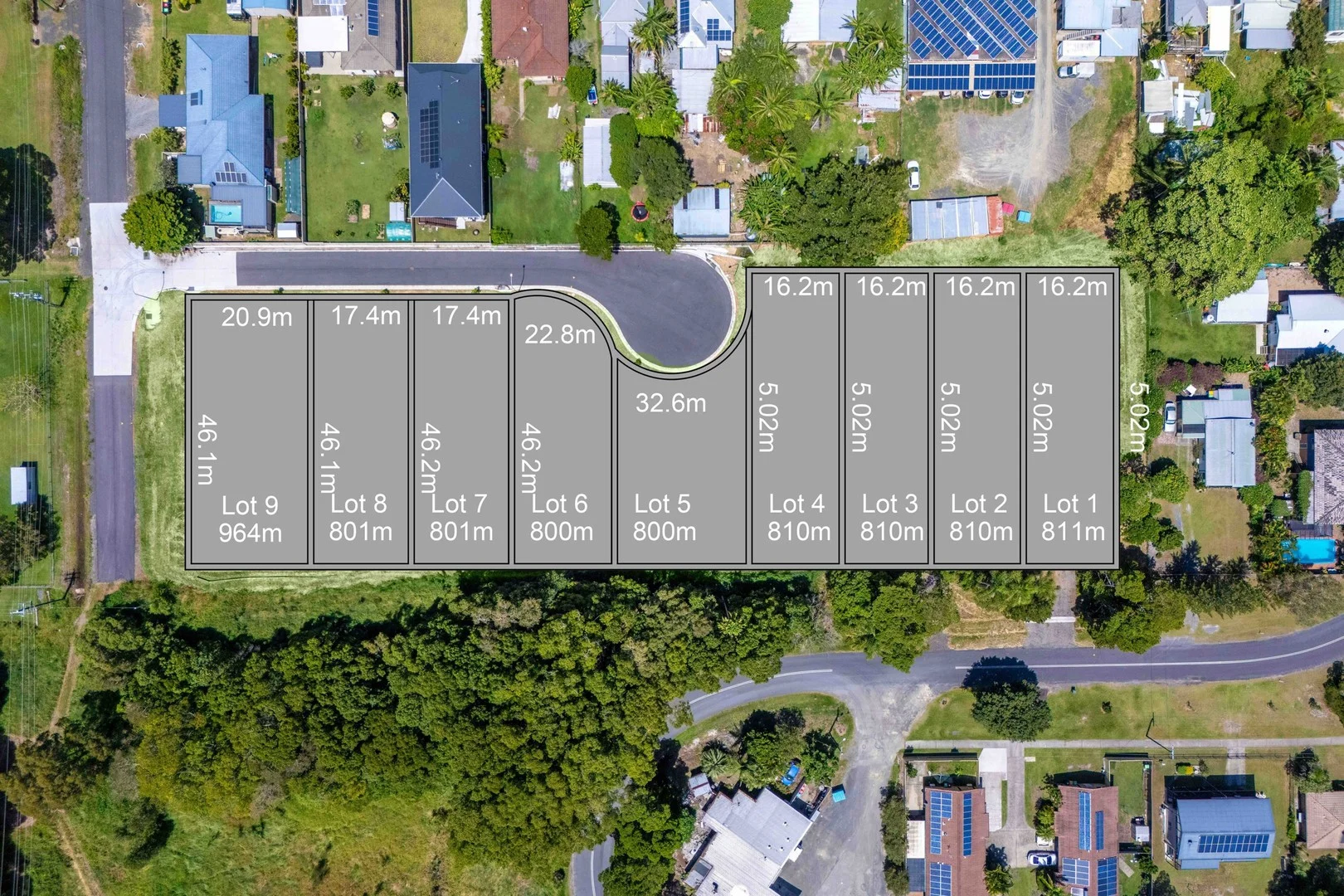 $375,000
Vacant Land
$375,000
Vacant Land
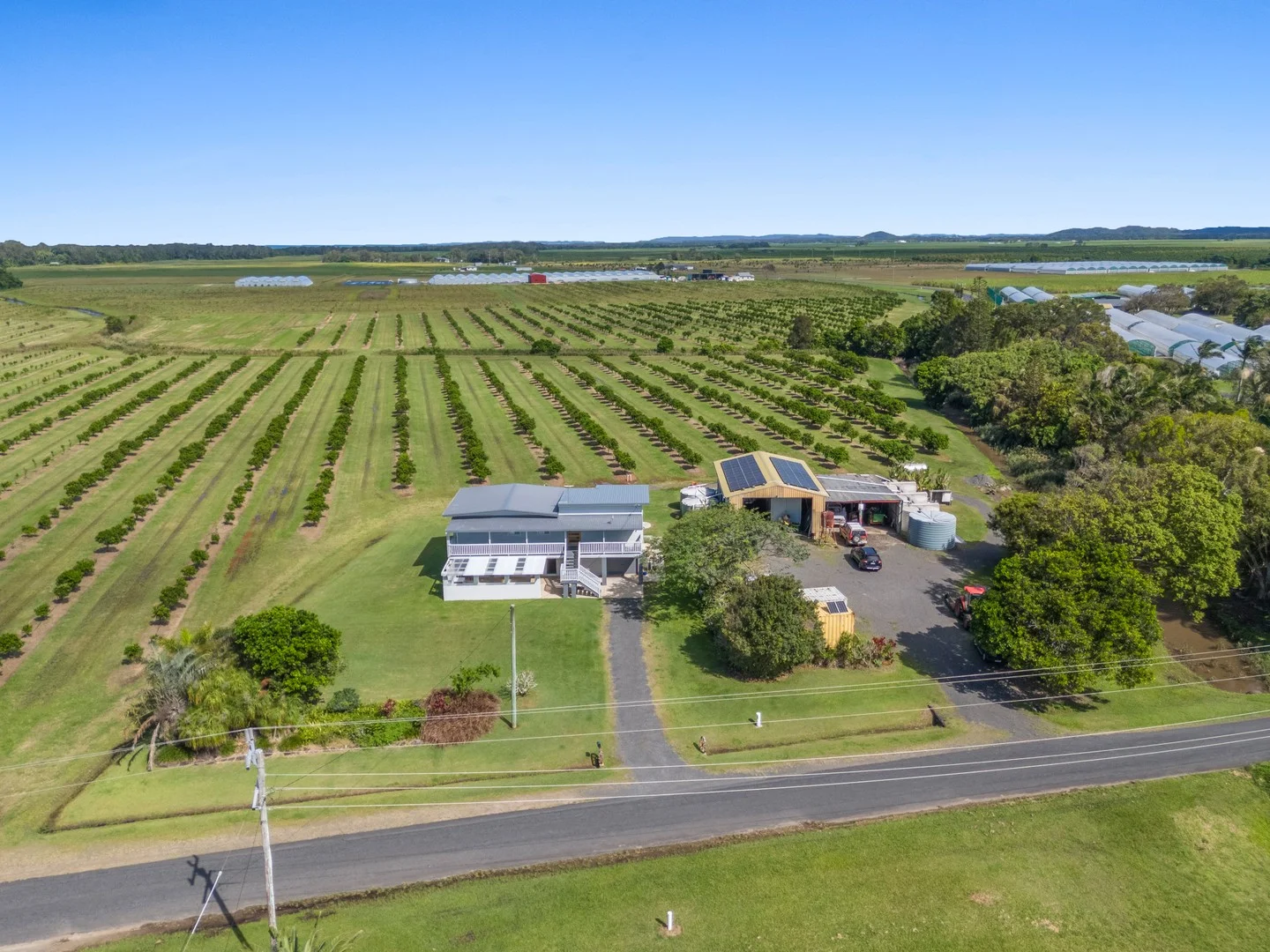 $1,750,000
propertyType.ACREAGE / SEMI-RURAL
$1,750,000
propertyType.ACREAGE / SEMI-RURAL
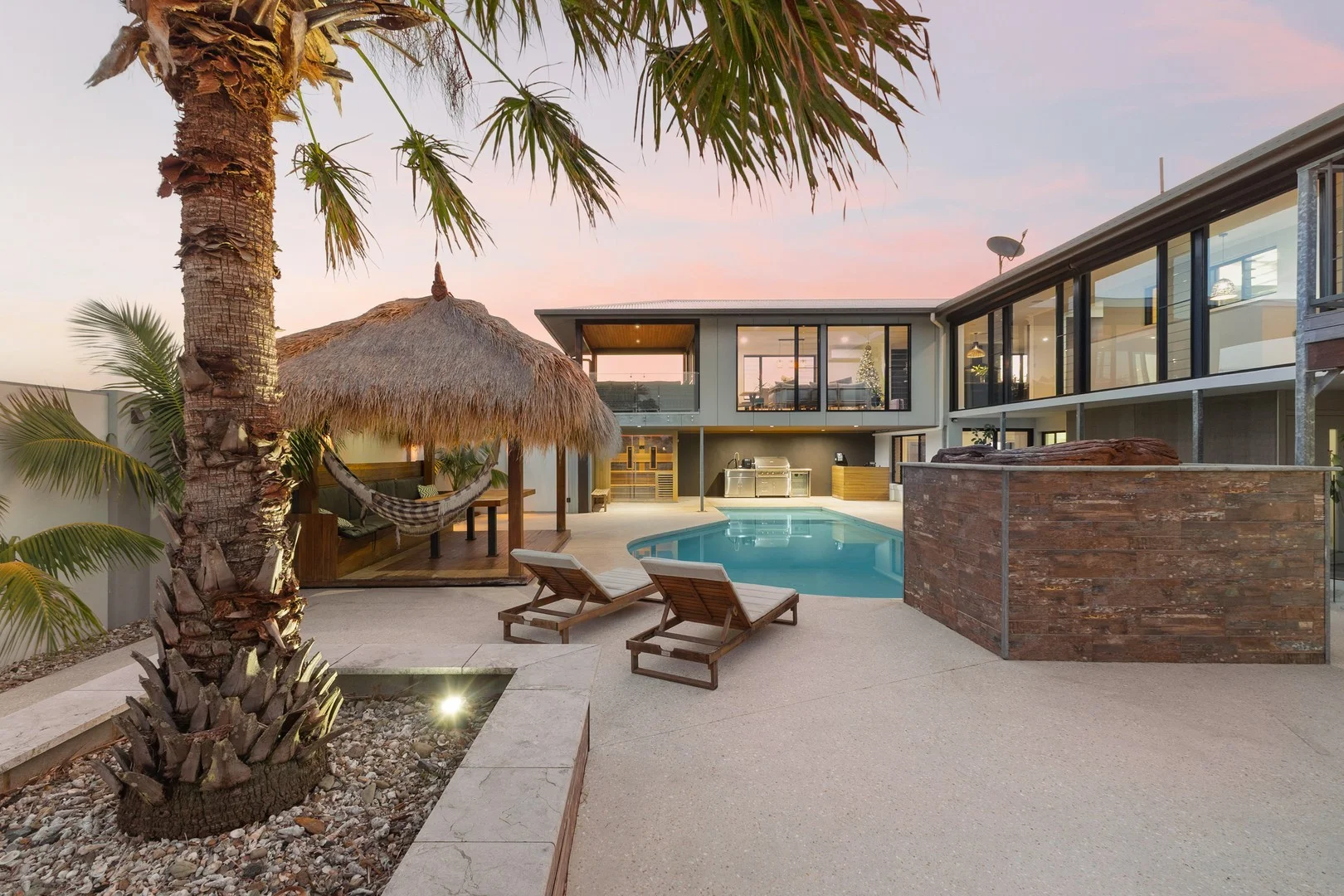 $4,000,000
propertyType.ACREAGE / SEMI-RURAL
$4,000,000
propertyType.ACREAGE / SEMI-RURAL
 $3,500,000
House
$3,500,000
House