Overview (1–2 paragraphs max)
Wardell Public School is a public primary school serving the Wardell community and surrounding rural area. The school focuses on providing a caring, inclusive environment with a strong emphasis on literacy, numeracy and practical learning. Students benefit from small to medium class sizes that support individual attention and close teacher-student relationships. The atmosphere is nurturing and community-focused, with a culture that values teamwork, respect and effort.
Class sizes tend to be small to medium, typically with around 18–25 students per class, which supports tailored instruction and active student participation. The school prioritises a friendly, inclusive environment where students feel safe to take risks, try new things and grow as learners and community members.
Academics & Learning
- Academic strengths: English/literacy, numeracy and foundational STEM concepts are emphasised, with opportunities to develop leadership, collaboration and critical thinking skills.
- Special programs: Gifted and Talented provision and targeted literacy/numeracy support programs are available, along with integrated digital technologies and coding activities.
- Support for diverse learners: Strong inclusion focus with EAL and SEN support, small-group and in-class adjustments, and Individual Education Plans where needed.
- Sports offered: A range of team and individual sports including cricket, soccer, rugby league, netball, athletics and swimming, aligned with NSW primary school programs.
- Strong teams or achievements: Active participation in inter-school sport with opportunities for regional competition and school-wide sport events.
- Music, arts, drama programs: Access to music and performing arts activities, choirs or ensembles and drama opportunities within school programs.
- Clubs: Robotics, chess, coding and debating are offered where term schedules allow, providing hands-on learning beyond the classroom.
- Partnerships: Local community connections and regionally run competitions and activities help extend opportunities for students.
Wellbeing & Pastoral Care
- Anti-bullying approach: Proactive anti-bullying strategies with a focus on respectful relationships and restorative practices.
- House system: A House system helps foster healthy competition and community spirit through events like athletics days and inter-house activities.
- Counsellors / wellbeing officers: Access to wellbeing staff or school counsellors to support mental health and social-emotional development.
- Transition support for new students: Orientation activities, buddy programs and targeted onboarding to help new students settle in smoothly.
Facilities
- Sports grounds: Dedicated outdoor spaces for physical education and sport.
- Libraries: On-site library resources to support reading and research.
- Science labs: Science resources and spaces for hands-on experiments and inquiry.
- Music/performing arts centers: Dedicated spaces for music and performing arts activities.
- Tech/innovation labs: Computer or digital technology facilities to support coding and tech learning.
- Cafeteria: On-site or school-supported canteen facilities offering healthy options.
- Updated playgrounds: Play equipment and outdoor areas maintained for safe, active learning.
- School values / mission: Emphasis on respect, responsibility, inclusivity and resilience as core values guiding student behavior and learning.
- Leadership style: Student voice is encouraged through leadership roles and opportunities to contribute to school decisions and activities.
- Behaviour expectations: Clear, consistently enforced expectations focused on positive behavior and mutual respect.
- Community reputation: A close-knit, supportive community with strong parent involvement and ongoing collaboration between staff and families.
- Diversity & inclusion: Welcomes families from diverse backgrounds; inclusive practices underpin classroom and school life.
School Logistics & Daily Operations
- School hours: Typically a 9:00 am–3:00 pm school day, with supervision available before and after school as needed.
- Before/after school care: Access to coordinated programs or approved providers for before/after school care.
- Uniform requirements: School uniform is standard; details provided by the school; hats and outdoor gear for playtime as required.
- Transport (bus routes): Local bus services or school transport arrangements connect Wardell with surrounding areas; families should check current routes and schedules.
- Canteen availability: Canteen or lunch program available on site or through school-supported arrangements.
- Fees (low/medium/high ranges): Public schools typically have no compulsory daily fees, with optional contributions for activities and excursions; costs for camps or activities may apply.
Enrolment & Admissions
- What is the enrolment process and timeline?
- Enrolment is handled through the NSW Department of Education framework. Parents/guardians typically start by contacting the school to begin the enrolment process, provide required documents (birth certificate, immunisation records, proof of address), and submit the enrolment form. Orientation or information sessions may be offered prior to start dates. Timelines vary by applicant and capacity.
- Is there a waiting list, and how does it work?
- If the school is at capacity, a waiting list may be used. Priority is often given to local residents within the catchment area, with placement based on availability and enrolment priorities set by the Education Department.
- Are there any entry requirements, tests, or interviews?
- For a standard public primary enrolment, there are typically no entry exams or interviews. Schools may conduct a brief discussion with parents and student to understand readiness and support needs if required.
- Does the school accept mid-year transfers?
- Mid-year transfers are possible subject to vacancy availability and administrative processing. Early communication with the school is recommended to discuss requirements and timetables.
Frequently Asked Questions
- Why Parents Choose This School?
- A welcoming, small-community environment with strong support for each child, a focus on literacy and numeracy, and a range of sport, arts and club activities.
- What type of student thrives at this school?
- Students who thrive in a close-knit, supportive setting, who enjoy participation in a broad range of activities and value strong teacher-student relationships.
- What opportunities are available for students to extend their skills (academics, sports, arts)?
- English and maths literacy programs, STEM activities, leadership opportunities, coding clubs, sports teams, music and drama programs, and occasional competitions or performances.
- How does the school communicate with parents?
- Through newsletters, emails, phone calls, parent-teacher interviews, and school portals or notices; regular updates on learning and events.
- What is the school’s approach to teaching and learning?
- Student-centred and differentiated instruction, focus on literacy and numeracy, integration of digital technologies, and project-based learning where appropriate.
- How does the school support students who need extra academic help?
- Targeted small-group interventions, literacy/numeracy support, EAL and SEN assistance, and collaboration with families to develop individual plans.
- What support is available for academic challenges?
- Additional tutoring or intervention programs, progress monitoring, and access to wellbeing and learning support staff.
- How does the school communicate with parents? (Repeated)
- See above; ongoing, proactive communication is encouraged.
- What extracurricular and sports opportunities are available?
- A mix of sports (cricket, soccer, rugby league, netball, athletics), plus clubs like robotics, chess, coding and debating, and arts programs.
- What facilities does the school offer (sports, science, arts)?
- Sports grounds, library, science resources, music/performing arts spaces, technology/digital learning spaces, canteen, and updated playgrounds.
- What is the school’s approach to technology and digital learning?
- Integration of digital technologies in learning, with safe, guided use of devices and online resources to support modern learning.
- What transport and accessibility options are available?
- Local transport arrangements and bus routes; accessibility considerations addressed through school policies and support services.
- What are typical school fees or additional costs?
- Public primary schools have limited compulsory fees; optional contributions apply for activities, camps and excursions.
Short Pros & Cons list
- Close-knit, supportive community with a focus on student care
- Strong emphasis on literacy, numeracy and practical learning
- Broad range of sports, arts, and clubs
- Inclusive environment with EAL/SEN support and wellbeing resources
- Rural location may mean longer travel for some families
- Fewer specialist facilities or elective options than larger urban schools
- Availability of certain clubs and programs may vary by term and staffing


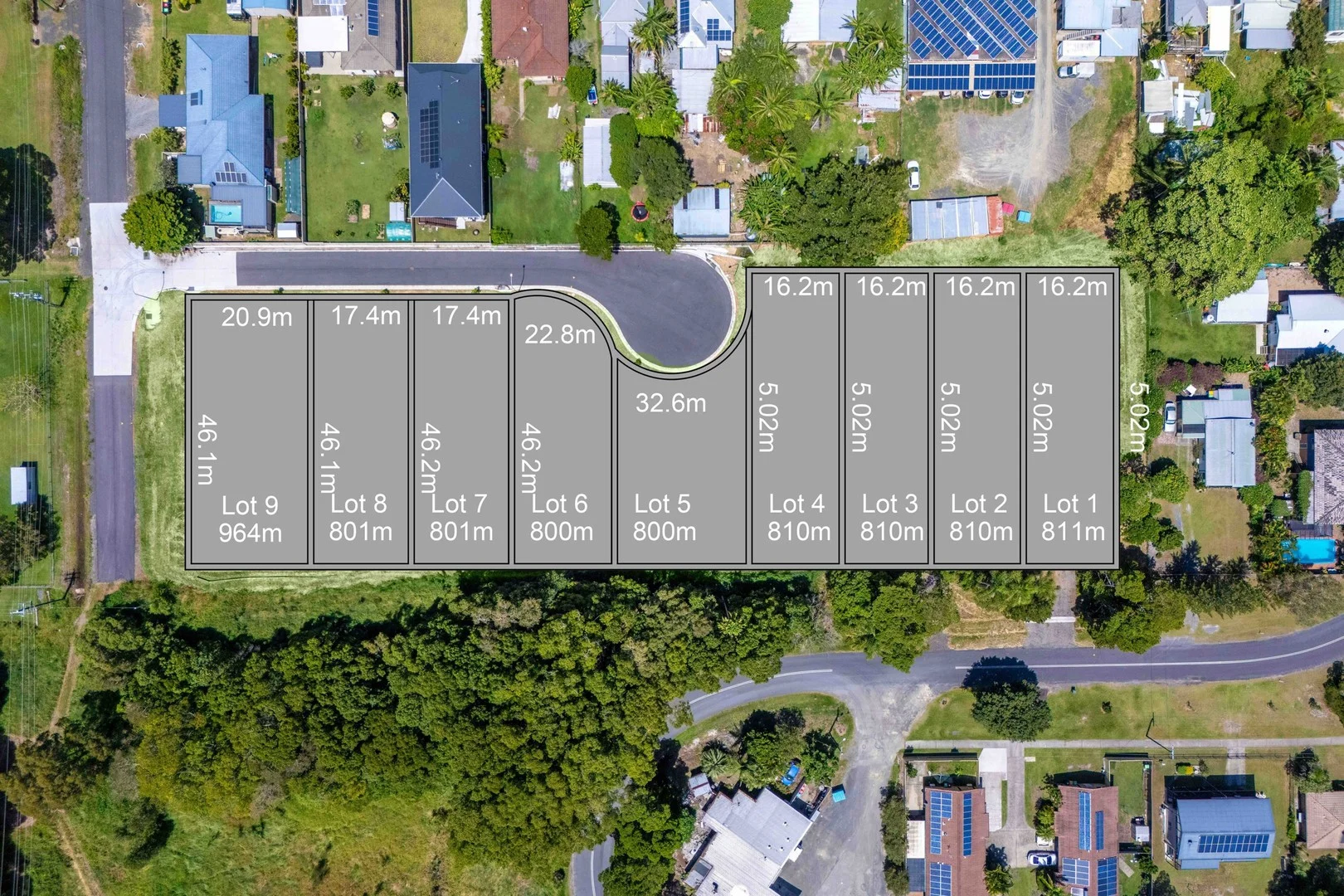 $375,000
Vacant Land
$375,000
Vacant Land
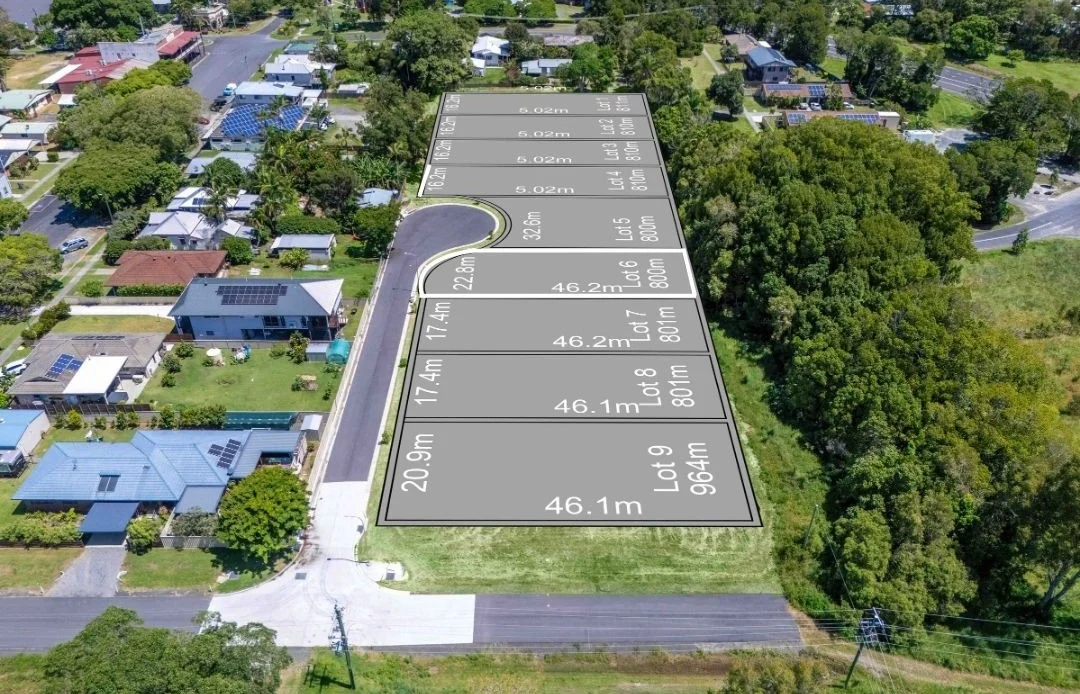 $345,000
Vacant Land
$345,000
Vacant Land
 $345,000
Vacant Land
$345,000
Vacant Land
 $375,000
Vacant Land
$375,000
Vacant Land
 $1,750,000
propertyType.ACREAGE / SEMI-RURAL
$1,750,000
propertyType.ACREAGE / SEMI-RURAL
 $4,000,000
propertyType.ACREAGE / SEMI-RURAL
$4,000,000
propertyType.ACREAGE / SEMI-RURAL
 $3,500,000
House
$3,500,000
House