Overview
## Overview
Carnaby Rise Primary School is a public primary school serving families in Landsdale, Western Australia. It typically offers a medium-sized, community-focused environment with a emphasis on developing well-rounded students through strong literacy and numeracy foundations and engaging learning experiences. The school aims to create an inclusive, supportive atmosphere where students, families, and staff work together to achieve positive outcomes.
- School type: Public
- School size: Medium
- Class size: Typically in the low 20s to mid-20s per class
- Atmosphere/culture: Inclusive, nurturing, community-focused
---
## Academics & Learning
The school prioritises core literacy and numeracy while providing opportunities to explore STEM, the arts, and leadership skills. Where offered by the school, special programs may include gifted and talented extension or additional learning opportunities to challenge students. The school uses standard assessments to monitor progress and guide instruction, with data-informed planning to support diverse learners, including EAL/D students and those requiring additional support.
- Academic strengths: Literacy and numeracy foundations; opportunities in STEM, arts, and leadership
- Special programs: Gifted and talented/extension opportunities where available
- NAPLAN / Ofsted trends: Data is used to monitor progress; trends are typically reported publicly and used to inform practice (specific trends vary by year)
- Student-teacher ratios: Generally around 1:20–1:25 in classroom settings
- Support for diverse learners: EAL/D support, SEN support, inclusive practices and targeted interventions
---
## Sports & Extracurricular Strengths
A broad range of sports and clubs helps students develop physical skills, teamwork, creativity, and problem-solving. The school typically offers a variety of sports and competitive opportunities, plus clubs and activities that build skills in robotics, coding, chess, debating, music, and performing arts. Partnerships with local clubs or competitions may enhance opportunities beyond the classroom.
- Sports offered: Team and individual sports commonly available (e.g., soccer, netball, basketball, athletics, cricket)
- Strong teams or achievements: Competitive participation in district events and school community sport programs
- Music, arts, drama: Performing arts and music programs are often part of the curriculum or after-school options
- Clubs: Robotics, coding, chess, debating, and other interest-based clubs
- Partnerships: Local community clubs, inter-school competitions, and public programming opportunities
Note: Specific offerings can change; check the school’s current activities page for up-to-date details.
---
## Wellbeing & Pastoral Care
Wellbeing is a central focus, with strategies to foster a safe, respectful learning environment. The school typically uses positive behaviour supports, reinforces core values, and provides access to wellbeing staff to support students’ social-emotional development. Transition support, including buddy programs and orientation for new students, helps newcomers settle in smoothly.
- Anti-bullying approach: Emphasis on respectful relationships and inclusive practices
- House system: A house or group structure to promote belonging and healthy competition
- Counsellors / wellbeing officers: Access to school-based wellbeing staff or counsellors
- Transition support: Orientation activities and buddy programs for new students
---
## Facilities
Facilities are designed to support a range of learning experiences, including STEM, arts, and physical activity. Visual and practical spaces help students engage with the curriculum across subjects.
- Sports grounds: Outdoor spaces for PE and games
- Libraries: On-site library resources
- Science labs: Dedicated spaces for science investigations
- Music/performing arts centers: Areas for music, drama, and performance
- Tech/innovation labs: Rooms or spaces for technology and design activities
- Cafeteria: On-site canteen or lunch facilities
- Updated playgrounds: Well-maintained play areas and outdoor equipment
---
## School Values & Community Culture
The school typically emphasises values such as respect, responsibility, resilience, and teamwork. Leadership is often student-centered, with opportunities for student voice and collaboration. Behaviour expectations are clear and consistently applied, contributing to a positive community reputation and strong inclusion of students from diverse backgrounds.
- School values / mission: Focus on respect, responsibility, resilience, and inclusion
- Leadership style: Collaborative and student-inclusive, with opportunities for leadership roles
- Behaviour expectations: Clearly communicated and consistently enforced
- Community reputation: Built on a supportive, inclusive school culture
- Diversity & inclusion: Active emphasis on welcoming and supporting students from diverse backgrounds
---
## School Logistics & Daily Operations
Key daily logistics are designed to be straightforward for families, with clear routines and access to support services. Uniform requirements, transport options, canteen availability, and typical fees are part of the school’s operational planning.
- School hours: Day length aligned with Western Australian public school expectations; typical school day runs during standard hours
- Before/after school care: Often available through school-approved providers or the department
- Uniform requirements: Uniforms are standard; details provided by the school
- Transport (train/bus routes): Bus routes and public transport options available to many families; check local timetables
- Canteen availability: On-site canteen or lunch facilities available
- Fees (low/medium/high ranges): Public primary schools generally have low tuition with possible voluntary contributions and charges for activities; exact costs vary by year and activity
---
## Enrolment & Admissions
11. What is the enrolment process and timeline?
Enrolment typically involves confirming eligibility (catchment considerations), gathering required documentation (birth certificate, immunisation records, proof of address), and submitting an enrolment application through the Department of Education process or the school. Timelines vary by intake period and space availability; families are often contacted for placement notifications after submission.
12. Is there a waiting list, and how does it work?
If the school has more applications than places, a waitlist may be used. Placement on the waitlist is usually determined by proximity and other Department of Education criteria; opportunities to gain a place depend on space becoming available.
13. Are there any entry requirements, tests, or interviews?
General enrolment typically does not require entrance tests or interviews. Some schools may assess for specific programs (e.g., gifted and talented or language placements) or request information to determine suitable placement; the vast majority of enrolments are based on standard eligibility.
14. Does the school accept mid-year transfers?
Mid-year transfers are possible if there is available capacity. Families should contact the school directly to discuss space, documentation, and scheduling timelines for a mid-year move.
---
## Frequently Ask Questions
- Why Parents Choose This School?
- A blend of inclusive culture, strong core academics, and a supportive wellbeing framework that partners with families.
- What type of student thrives at this school?
- Students who respond well to a collaborative, respectful learning environment with opportunities across academics, sport, arts, and clubs.
- What opportunities are available for students to extend their skills (academics, sports, arts)?
- Core literacy and numeracy development, STEM and arts experiences, leadership opportunities, and extracurricular clubs such as robotics, coding, chess, and debating.
- How does the school communicate with parents?
- Regular updates through newsletters, emails, parent portals, and scheduled meetings; channels vary by program and grade level.
- What is the school’s approach to teaching and learning?
- Data-informed, evidence-based teaching with emphasis on foundational skills, student engagement, and inclusive practices.
- How does the school support students who need extra academic help?
- Targeted interventions, small-group support, EAL/D services, and SEN support as part of an inclusive learning plan.
- What support is available for academic challenges?
- Additional tutoring or classroom accommodations as required, with monitoring by teachers and wellbeing staff.
- How does the school communicate with parents? (Duplicate Question)
- See above: regular updates through multiple channels including newsletters and parent portals.
- What are the class sizes and how much individual attention do students receive?
- Class sizes typically in the low 20s; teachers provide instruction and feedback with opportunities for small-group or individualized support.
- What extracurricular and sports opportunities are available?
- A range of sports and clubs (e.g., robotics, coding, chess, debating) in addition to music and performing arts programs.
- What facilities does the school offer (sports, science, arts)?
- Sports grounds, libraries, science labs, music/performing arts spaces, tech/innovation labs, and canteen facilities.
- What is the school’s approach to technology and digital learning?
- Integrates digital literacy into the curriculum with access to technology resources and supported learning activities.
- What transport and accessibility options are available?
- Bus routes and public transport access; families should verify local options and schedules.
- What are the typical school fees or additional costs?
- Public primary schools have government funding with possible voluntary contributions and costs for activities; exact fees vary by year and program.
---
## Short Pros & Cons list
- Pros
- Public school with a focus on inclusive, well-rounded education
- Strong core literacy and numeracy emphasis
- Range of extracurriculars and clubs
- Supportive wellbeing and transition programs
- Family-inclusive communication and engagement
- Cons
- Specific programs and offerings may vary by year; check current details
- Class sizes can fluctuate seasonally with enrolment
- Uniforms and activity costs may apply beyond standard funding
- Transport options depend on local area and available routes
- Availability of mid-year placements depends on space












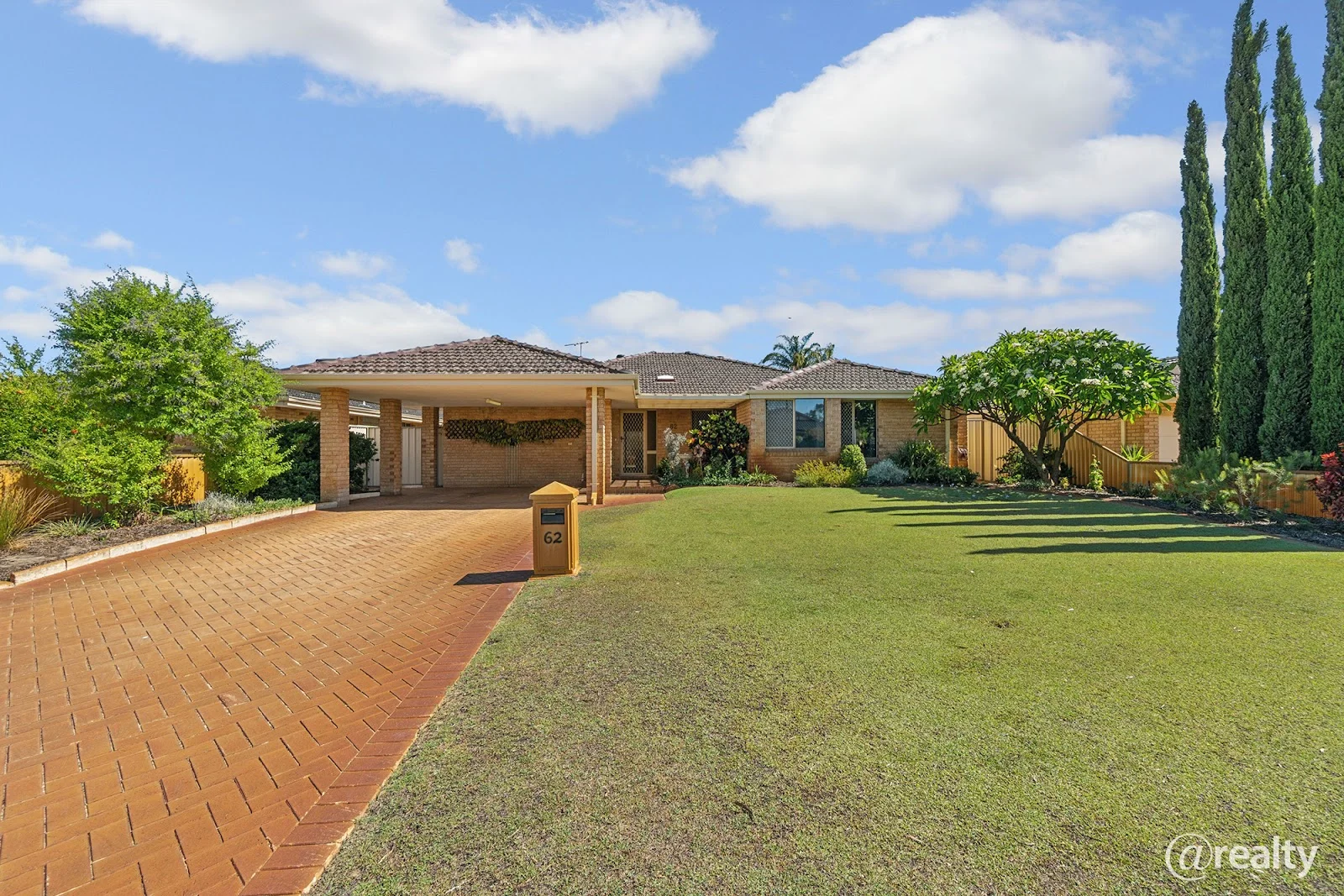 $1,099,000 - $1,153,950
House
$1,099,000 - $1,153,950
House
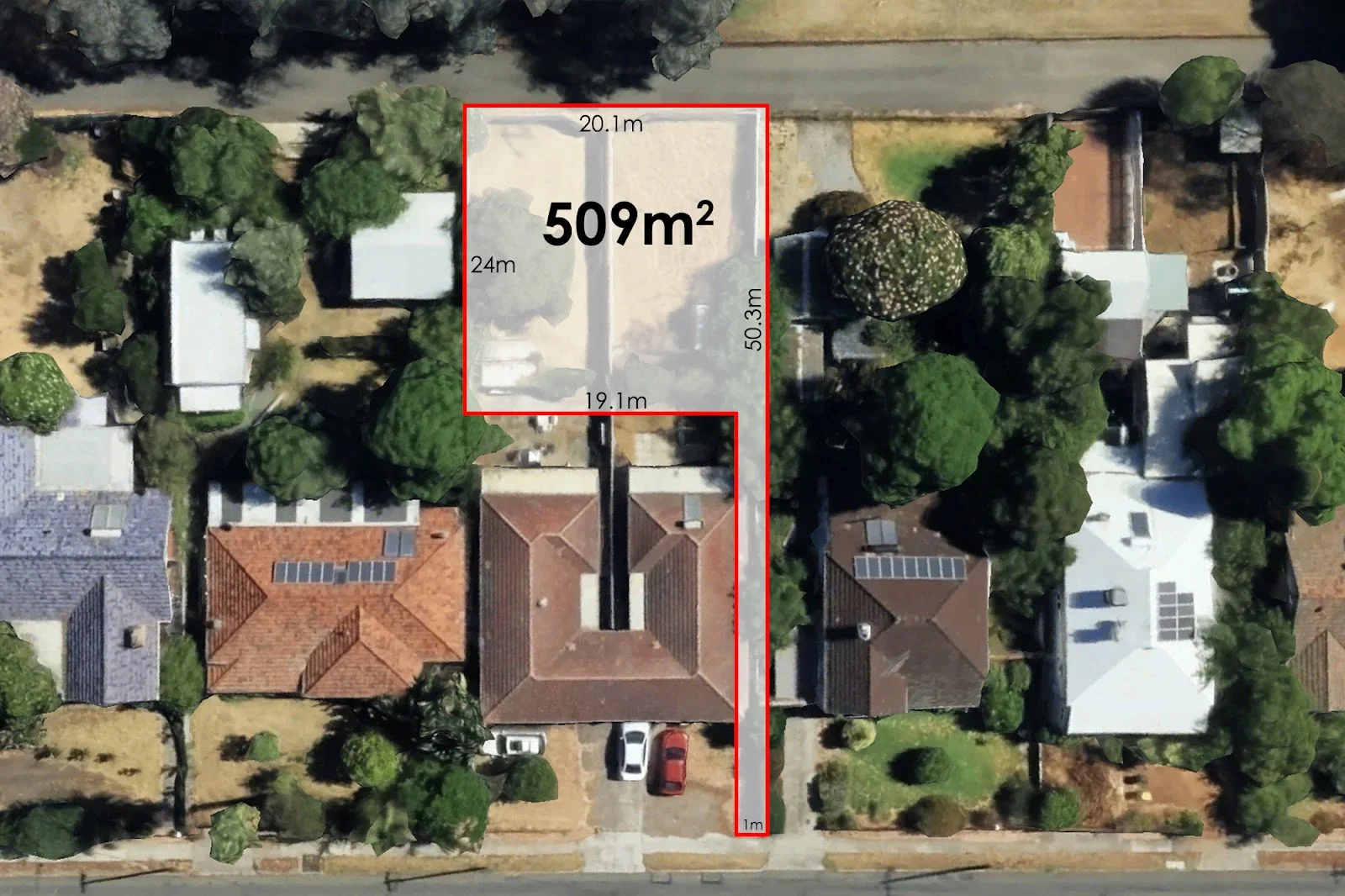 $480,000
Vacant Land
$480,000
Vacant Land
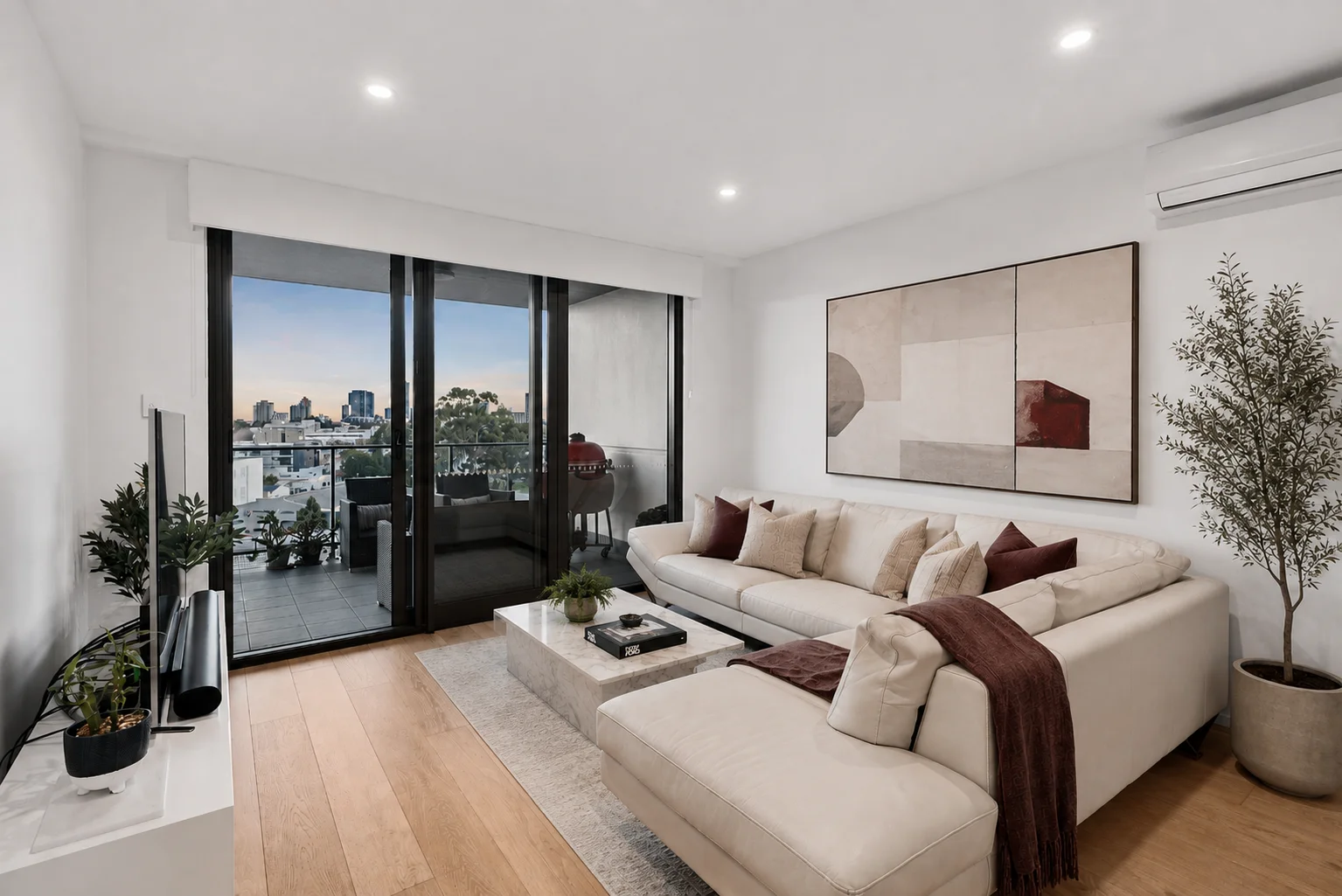 $700,000
Apartment / Unit / Flat
$700,000
Apartment / Unit / Flat
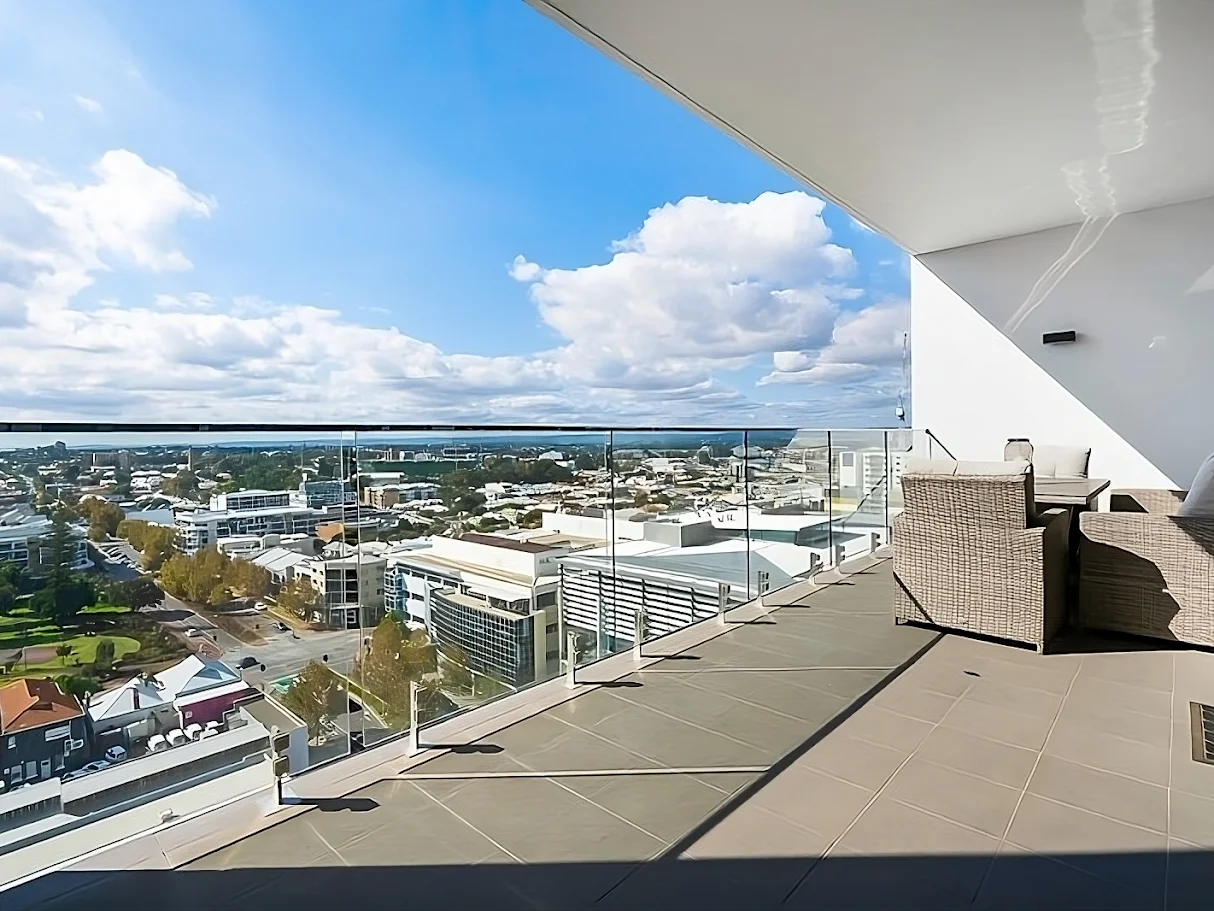 $580,000
Apartment / Unit / Flat
$580,000
Apartment / Unit / Flat