1. Overview
Chisholm Catholic College is a private Catholic secondary school serving families in and around Bedford, Western Australia. The college offers faith-based education for middle to senior years with a strong emphasis on values, academics, and community. Students typically experience a welcoming, inclusive atmosphere that supports personal growth, leadership, and service.
The school is large in size with a diverse student body. Class sizes are structured to balance individual attention with peer collaboration, and the atmosphere is generally described as inclusive, supportive, and focused on both academic achievement and personal development within a Catholic framework.
2. Academics & Learning
- Academic strengths: The college concentrates on core strengths across STEM, English, leadership development, and languages, with opportunities to explore research projects, debating, and critical thinking.
- Special programs: There are pathways for accelerated learning and gifted/talented programs, along with ATAR-focused studies and Vocational Education and Training (VET) options to suit varied student goals.
- NAPLAN / trends: Trends show alignment with state performance patterns, with steady progression in literacy and numeracy alongside improvements in higher-order thinking and problem-solving skills over time.
- Student-teacher ratios: Ratios are designed to support strong learning outcomes, typically around 1:14 to 1:22 depending on year level and subject.
- Support for diverse learners: The college provides EAL support and inclusive education for students with additional needs, helping ensure access to curriculum and targeted support where required.
3. Sports & Extracurricular Strengths
- Sports offered: The college provides a broad range of sports, including football (soccer), Australian rules football, netball, basketball, cricket, athletics, and tennis, with opportunities to compete in inter-school events.
- Strong teams or achievements: There are competitive teams across key sports with notable participation in local and regional competitions.
- Music, arts, drama programs: Robust programs in music, drama, and the visual and performing arts complement athletic activity, offering performance opportunities and ensembles.
- Clubs: Active clubs include robotics, chess, coding, debating, and other STEM and humanities interests to broaden student engagement.
- Partnerships: The school maintains connections with local sports academies, arts organizations, and community competitions to provide additional development and exposure.
4. Wellbeing & Pastoral Care
- Anti-bullying approach: A clear, proactive anti-bullying framework supports a safe and respectful school culture.
- House system: A house-based pastoral structure helps foster belonging, healthy competition, and peer mentoring.
- Counsellors / wellbeing officers: Dedicated counsellors and wellbeing staff are available to support students academically and emotionally.
- Transition support for new students: Structured transition programs assist new students settling in, building routines, and establishing positive connections within the school community.
5. Facilities
- Sports grounds: Modern sports facilities support a range of physical education and team sports.
- Libraries: Well-equipped libraries provide study spaces, research resources, and quiet areas for reading.
- Science labs: Up-to-date science laboratories support hands-on learning and experiments.
- Music/performing arts centers: Dedicated spaces for music, drama, and performance activities.
- Tech/innovation labs: Tech-focused spaces encourage coding, robotics, and design projects.
- Cafeteria: On-site dining facilities offer a variety of healthy meal options.
- Updated playgrounds: Well-maintained outdoor spaces for recreation and social interaction.
6. School Values & Community Culture
- School values / mission: The college centers on faith-based education, integrity, respect, responsibility, and service to others as core pillars.
- Leadership style: Leadership is often collaborative and student-centered, with opportunities for student voice through councils and leadership roles.
- Behaviour expectations: Clear expectations link to the school’s values, with consistent application and a framework for positive behavior.
- Community reputation: The school is seen as a supportive, faith-informed community with a focus on inclusion and service.
- Diversity & inclusion: The college prioritizes diverse backgrounds and inclusive practices to ensure every student can participate and thrive.
7. School Logistics & Daily Operations
- School hours: Typical daily schedules run with start and finish times aligned to WA secondary norms, with a focus on structured learning blocks and breaks.
- Before/after school care: Accessible options exist to support families needing supervision outside regular school hours.
- Uniform requirements: A uniform code is in place, with clear guidelines for daily wear and approved accessories.
- Transport (train/bus routes): Public transport options and school-specific travel guidance are available, with information on nearby bus routes and travel planning.
- Canteen availability: A canteen or food service operates on site, offering a range of meal and snack options.
- Fees (low/medium/high ranges): As a private Catholic college, fees are typically in the medium to high range, with additional costs for materials, activities, and camps.
8. Enrolment & Admissions
- 11. What is the enrolment process and timeline?
- Submit an application and required documentation, followed by a formal assessment process and interview where applicable. Offers and places are usually communicated within a defined annual cycle, with timelines set by the school.
- 12. Is there a waiting list, and how does it work?
- A waiting list may apply when the college reaches capacity. Placement from the list depends on availability, demonstrated fit with the school’s values, and completion of required steps.
- 13. Are there any entry requirements, tests, or interviews?
- Entry may involve documentation review, an interview, and consideration of academic and behavioral suitability. Some pathways or year-level entries may require additional information or assessments.
- 14. Does the school accept mid-year transfers?
- Mid-year transfers are considered where space and eligibility allow, with the usual enrollment process applied.
9. Frequently Asked Questions
- Why Parents Choose This School?
- A values-driven Catholic environment, strong academics, supportive pastoral care, and a wide range of extracurricular options.
- What type of student thrives at this school?
- Students who value faith-based learning, community, and opportunities across academics, sports, arts, and leadership.
- What opportunities are available for students to extend their skills (academics, sports, arts)?
- STEM projects, English and humanities enrichment, leadership programs, VET options, competitive sports, music and drama ensembles, and clubs such as robotics and debating.
- How does the school communicate with parents?
- Regular updates via newsletters, parent portals, email, and scheduled parent-teacher meetings; responsive channels for concerns and questions.
- What is the school’s approach to teaching and learning?
- A balanced focus on rigorous curriculum, critical thinking, values-based education, and differentiated support to meet diverse learner needs.
- How does the school support students who need extra academic help?
- Targeted tutoring, EAL and SEN support, classroom accommodations, and facilitated access to extension or accelerated pathways where appropriate.
- What support is available for academic challenges?
- Access to counsellors, learning support staff, and collaborations with teachers to develop personalized improvement plans.
- How does the school communicate with parents? (repeated)
- See above; proactive, multi-channel communication to keep families informed.
- What are the class sizes and how much individual attention do students receive?
- Class sizes are designed for balance, with student-teacher ratios typically around the mid-teens to low-20s, supplemented by targeted small-group support.
- What extracurricular and sports opportunities are available?
- A broad mix of sports, music, drama, robotics, chess, coding, debating, and other clubs, plus participation in inter-school competitions.
- What facilities does the school offer (sports, science, arts)?
- Comprehensive facilities including sports grounds, science labs, libraries, performing arts spaces, and technology/innovation labs.
- What is the school’s approach to technology and digital learning?
- Integrated digital learning with access to devices, software, and online resources to support modern teaching methods and student collaboration.
- What transport and accessibility options are available?
- Public transport options and school guidance on routes, with considerations for accessibility and safe travel to and from campus.
- What are the typical school fees or additional costs?
- Fees are in the medium to high range for private Catholic education, with potential additional costs for materials, activities, and camps.
10. Short Pros & Cons list
Pros
- Values-based, inclusive Catholic environment
- Broad academic and VET pathways
- Wide range of extracurriculars (sports, arts, clubs)
- Strong wellbeing and pastoral support
- Good facilities supporting science, arts, and technology
- Active community and leadership opportunities
Cons
- Higher tuition fees typical of private Catholic schools
- Large school size can mean busy environments and busy transition periods
- Transport options depend on location and public routes; some families may require travel planning

![Youth Zone: Street Dance Workshop [Ages 12 -17]](https://image.aroundschools.com.au/[object Object]) Free
Free












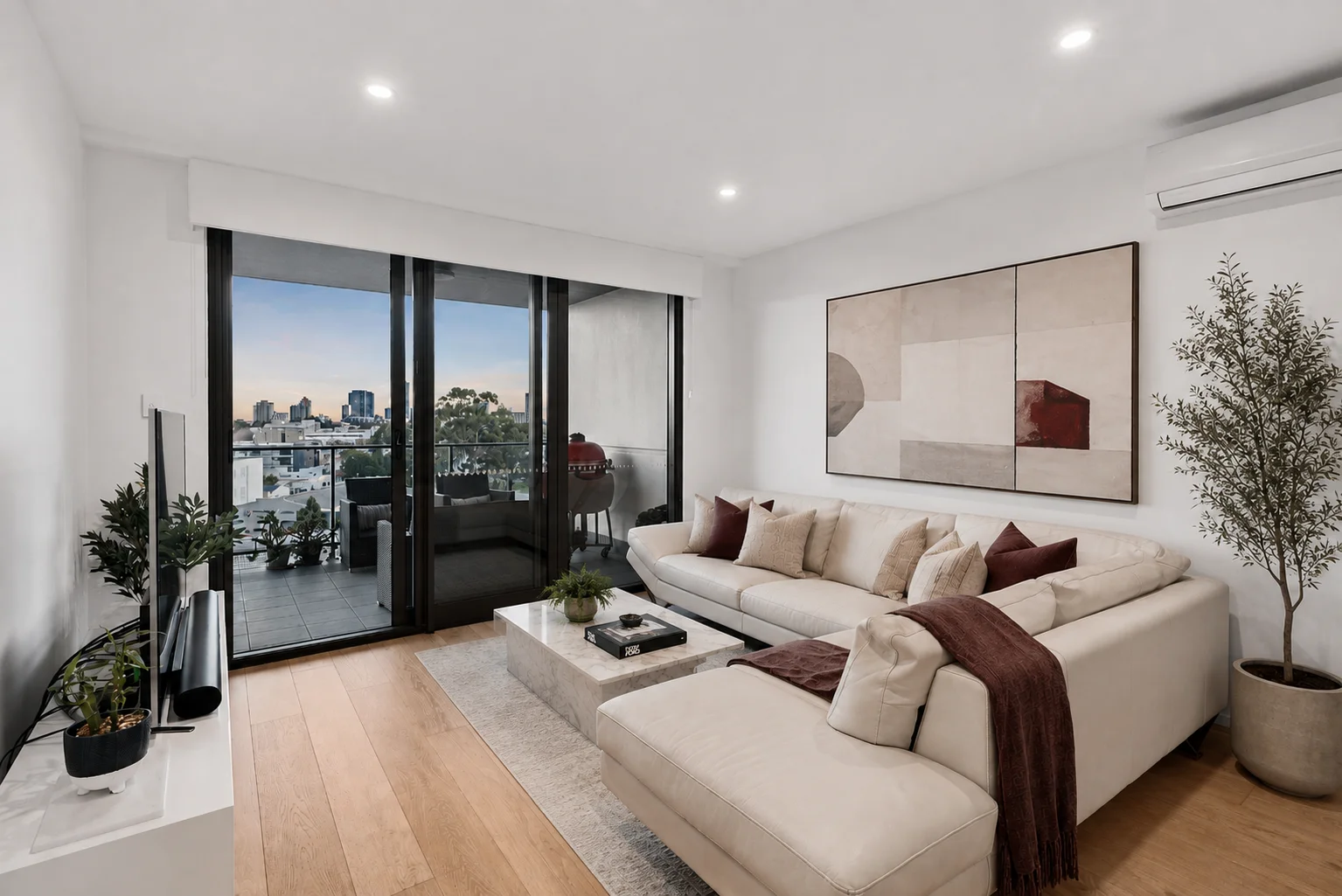 $700,000
Apartment / Unit / Flat
$700,000
Apartment / Unit / Flat
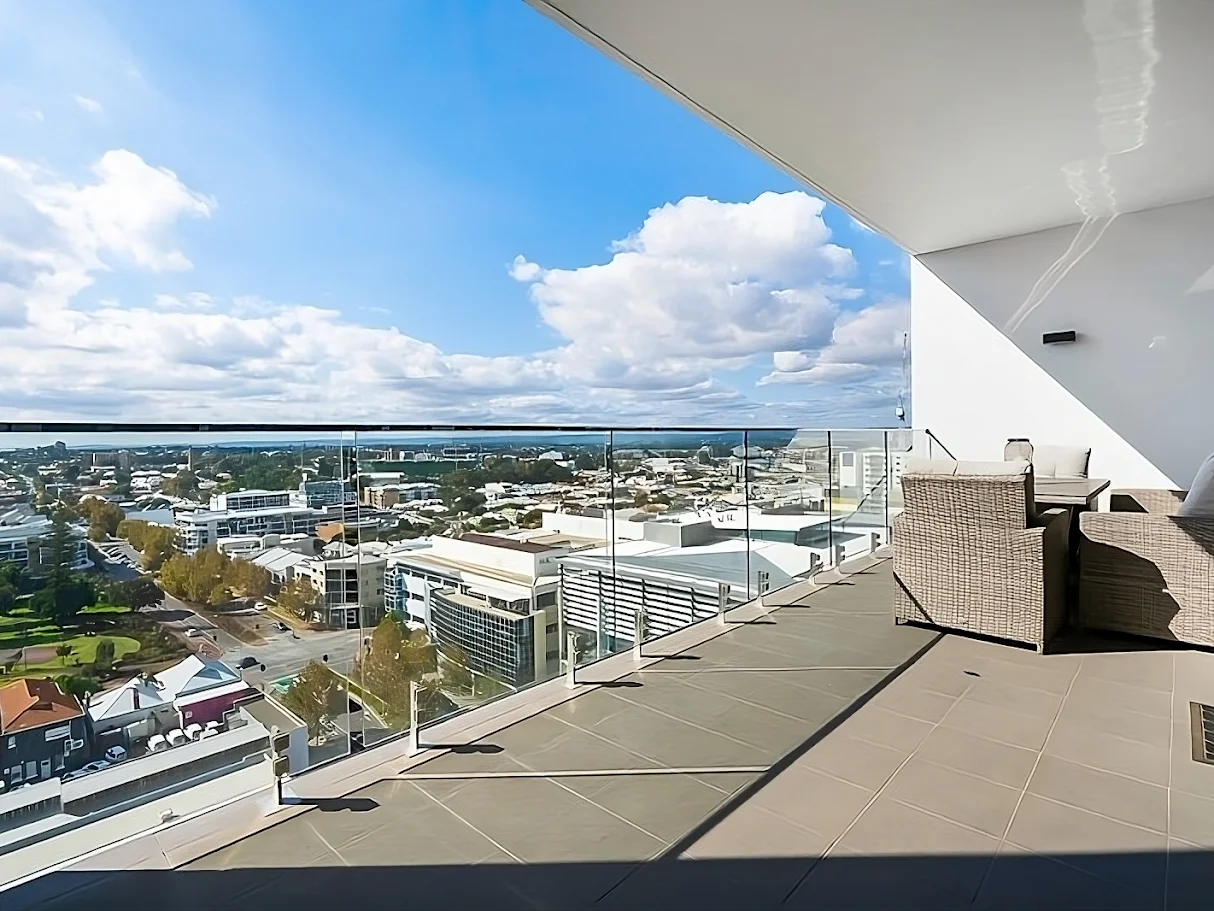 $580,000
Apartment / Unit / Flat
$580,000
Apartment / Unit / Flat
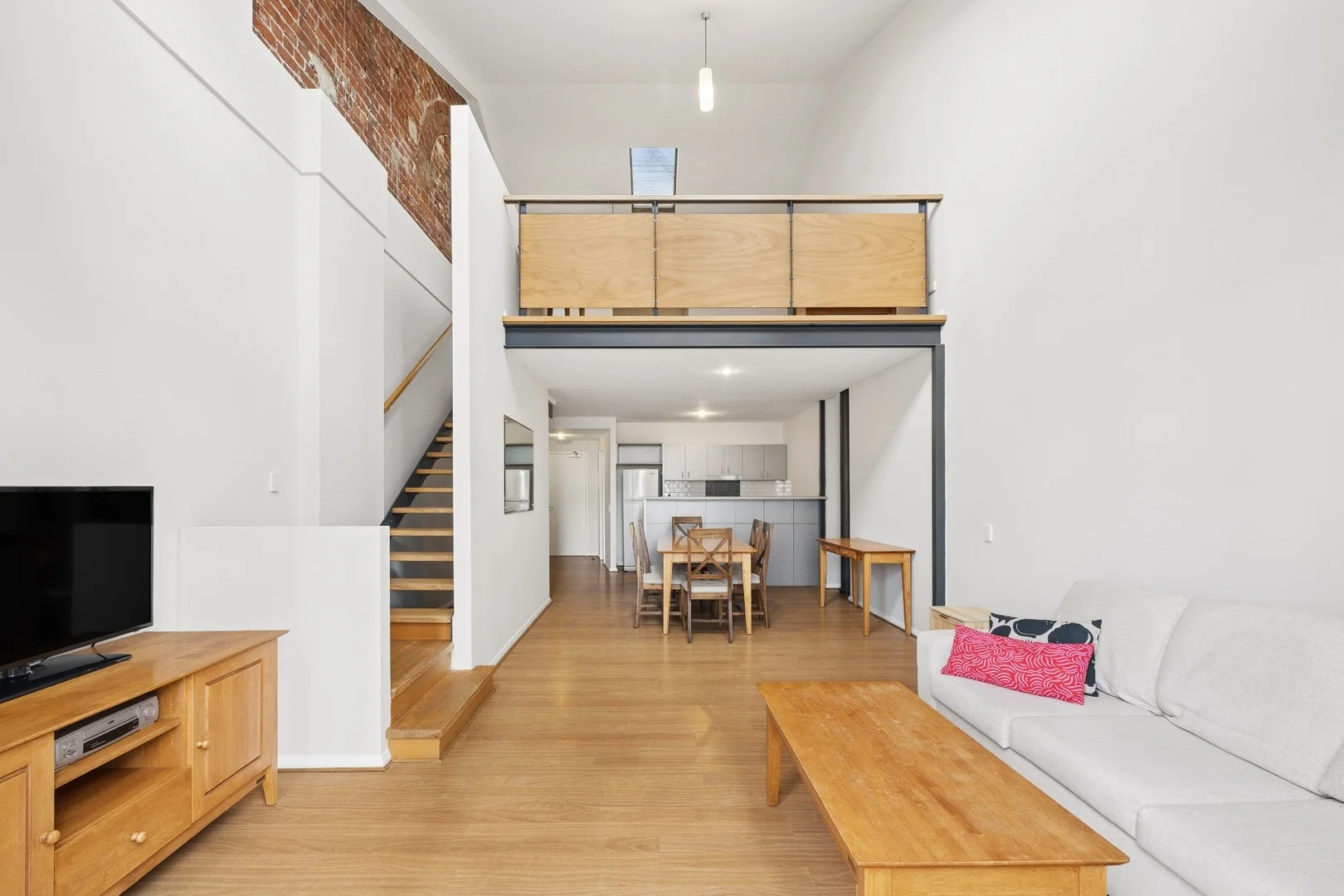 $549,000
Apartment / Unit / Flat
$549,000
Apartment / Unit / Flat
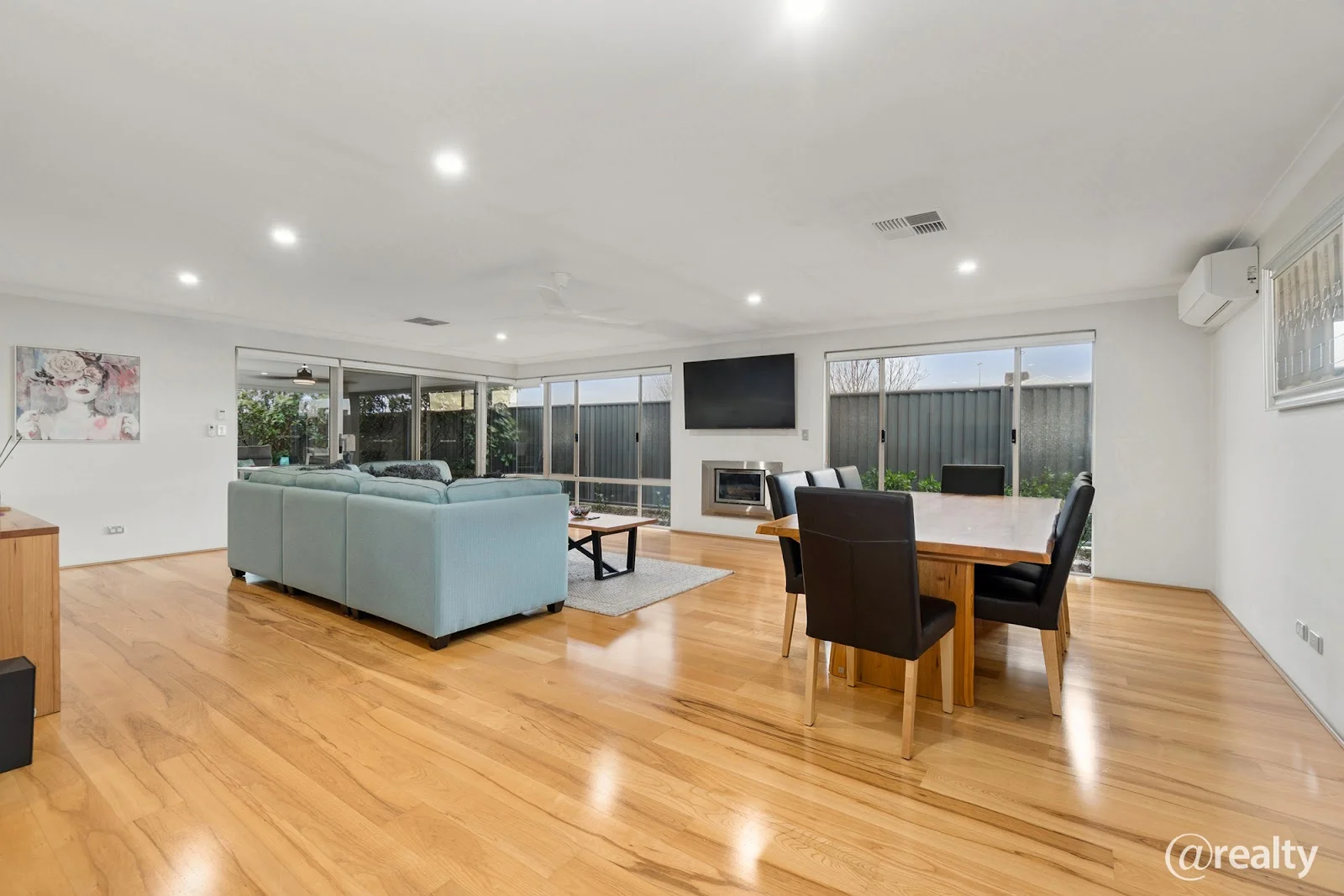 $1,030,000
House
$1,030,000
House
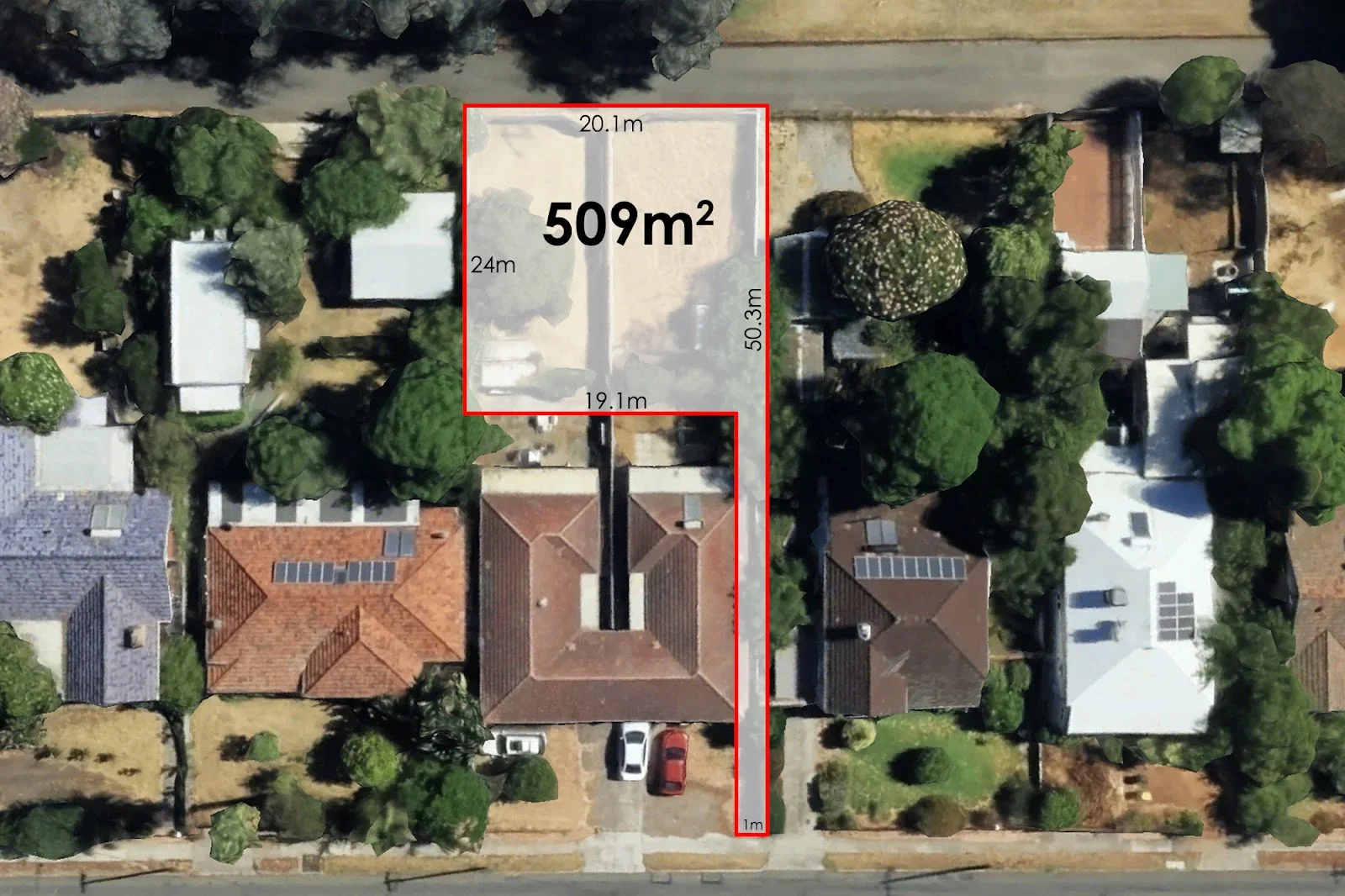 $480,000
Vacant Land
$480,000
Vacant Land


