Overview
## 1. Overview
Cyril Jackson Senior Campus is a public high school in Western Australia that serves students in the secondary years. The school is typically described as a medium-to-large campus with a diverse student body and a mix of academic and vocational pathways. Class sizes generally sit in the mid-20s per class, depending on subject and year level. The atmosphere is built on an inclusive, supportive culture that balances academic effort with wellbeing and student development.
## 2. Academics & Learning
- Academic strengths: English and mathematics are core strengths, with strong emphasis on STEM pathways, humanities, and language studies. The school supports a range of learning goals through course options that include ATAR pathways and vocational certificates.
- Special programs: Access to ATAR/Year 11–12 programs, VET (vocational education and training) options, and opportunities for accelerated or specialized learning where available.
- NAPLAN / trends: Over recent years, trends show steady participation with a focus on improving literacy and numeracy outcomes across cohorts.
- Student-teacher ratios: Typical ratios are in the range of 1:20 to 1:28, varying by subject and year level.
- Support for diverse learners: Strong support for EAL students and students with special education needs, including inclusive teaching approaches and targeted supports.
## 3. Sports & Extracurricular Strengths
- Sports offered: Basketball, soccer, netball, football (soccer/footy variants), cricket, athletics, and other school-level team sports are commonly available.
- Strong teams or achievements: The school participates in regional competitions and showcases competitive teams across several sports.
- Music, arts, drama programs: Active music and performing arts programs with opportunities for ensembles, choirs, school productions, and drama.
- Clubs: Robotics, coding, chess, debating, and other STEM or humanities clubs run through the school and student groups.
- Partnerships: Community partnerships with local clubs, sports academies, and regional competitions help broaden opportunities outside the classroom.
## 4. Wellbeing & Pastoral Care
- Anti-bullying approach: Clear anti-bullying policies and programs, with ongoing awareness campaigns and supports for students.
- House system: House groups provide a framework for pastoral care, events, and student belonging.
- Counsellors / wellbeing officers: Access to guidance counsellors and wellbeing staff to support social-emotional health and transition.
- Transition support for new students: Orientation programs, buddy systems, and targeted transition activities help new students settle in.
## 5. Facilities
- Sports grounds: On-site sports facilities and grounds for training and games.
- Libraries: A library serving as a learning hub with study spaces and resources.
- Science labs: Modern science facilities for practical work across disciplines.
- Music/performing arts centers: Dedicated spaces for music, drama, and performance.
- Tech/innovation labs: ICT and modern technology spaces to support coding, robotics, and project work.
- Cafeteria: On-site canteen or food service available for students.
- Updated playgrounds: Recreational spaces and updated play/learning areas.
## 6. School Values & Community Culture
- School values / mission: Emphasis on respect, responsibility, excellence, and inclusion within a climate that supports student growth.
- Leadership style: Collaborative and student-centered, with opportunities for student leadership through councils or committees.
- Behaviour expectations: Clear codes of conduct and expectations for respectful behaviour and responsible decision-making.
- Community reputation: Generally viewed as a welcoming and inclusive school with a focus on student development and academic attainment.
- Diversity & inclusion: Commitment to diversity and inclusive practices within the school community.
## 7. School Logistics & Daily Operations
- School hours: Typical day runs from morning to mid-afternoon with standard school timings; check specific timetables each year.
- Before/after school care: After-school care or supervision arrangements may be available through on-site or partner programs; verify what is offered locally.
- Uniform requirements: Public-school uniform policy requiring appropriate school attire; specifics vary by year and program.
- Transport (train/bus routes): Accessible by local transport networks; proximity to nearby train stations and bus routes; plan your commute using local transit maps.
- Canteen availability: On-site canteen or food service for students.
- Fees (low/medium/high ranges): As a public school, there is no tuition fee; there may be voluntary contributions and costs for materials, activities, or extra programs.
## 8. Enrolment & Admissions
11. What is the enrolment process and timeline?
- Enrolment is managed through the WA Department of Education process. Parents submit an enrolment form, provide required documents (e.g., birth certificate, immunisation records), and follow the district’s timelines. Check with the school for annual enrolment windows and any program-specific entry steps.
12. Is there a waiting list, and how does it work?
- A waiting list may apply if the school receives more applications than spaces. Placement generally follows catchment eligibility and order of application, with priority given to students within the school’s intake area. Availability can vary by year and program.
13. Are there any entry requirements, tests, or interviews?
- For standard enrolment, typically no entry tests or interviews are required. Some selective or pathway programs (e.g., ATAR-focused tracks, audition-based music programs, or language programs) may have additional selection steps such as criteria checks, auditions, or interviews.
14. Does the school accept mid-year transfers?
- Mid-year transfers may be possible subject to space and meeting enrolment requirements. Transfer decisions follow District policies and school capacity, with considerations for timetabling and program fit.
## 9. Frequently Asked Questions
- Why Parents Choose This School?
- A welcoming, inclusive environment with solid academics, broad subjects, and a range of extracurriculars that support holistic student development.
- What type of student thrives at this school?
- Students who are motivated, participate in both academic and co-curricular activities, and value a supportive community and structured pathways (ATAR, VET, arts, and sport).
- What opportunities are available for students to extend their skills (academics, sports, arts)?
- ATAR and VET pathways, advanced English/Math options, science and technology programs, music and drama ensembles, robotics and coding clubs, debating, and competitive sport teams.
- How does the school communicate with parents?
- Regular updates through email, newsletters, the school portal or app, parent-teacher meetings, and notices about events and important dates.
- What is the school’s approach to teaching and learning?
- A mix of classroom instruction, practical hands-on learning, and supported study practices, with a focus on literacy, numeracy, critical thinking, and digital literacy.
- How does the school support students who need extra academic help?
- Targeted classroom support, access to learning support staff, tutoring or intervention programs, and specialist services for VET and ATAR pathways.
- What support is available for academic challenges?
- Access to guidance, tutoring, study skills coaching, and referrals to appropriate specialists or support services as needed.
- How does the school communicate with parents?
- See above: periodic updates, parent portals, and direct meetings or calls as needed.
- What are the class sizes and how much individual attention do students receive?
- Class sizes are typically in the mid-20s range, with teacher-facing support and opportunities for small-group or targeted instruction.
- What extracurricular and sports opportunities are available?
- A broad program including sports teams, arts ensembles, and clubs like robotics, coding, chess, and debating.
- What facilities does the school offer (sports, science, arts)?
- Sports grounds, library, science labs, music/performing arts spaces, tech/innovation labs, canteen, and updated outdoor play/learning areas.
- What is the school’s approach to technology and digital learning?
- Integration of digital tools for learning, coding and ICT activities, and opportunities to develop digital literacy across subjects.
- What transport and accessibility options are available?
- Access via local transport networks with nearby bus routes and rail connections; accessibility support where needed.
- What are the typical school fees or additional costs?
- No tuition fees for a public school; possible costs for materials, activities, and optional programs.
## 10. Short Pros & Cons list
- Pros
- Public, inclusive learning environment with diverse programs (academic, vocational, arts, and sports).
- Balanced focus on academics and student wellbeing.
- Broad range of clubs, teams, and facilities to support varied interests.
- Structured pastoral care and transition support for new students.
- Cons
- Class sizes and resources can vary by subject and year; some programs may have limited capacity.
- Mid-year transfers depend on space and timetable fit.
- Specific programs (e.g., auditions for music, selective pathway components) may require additional steps or criteria.
- Transport options depend on your location and may require planning with public transit.











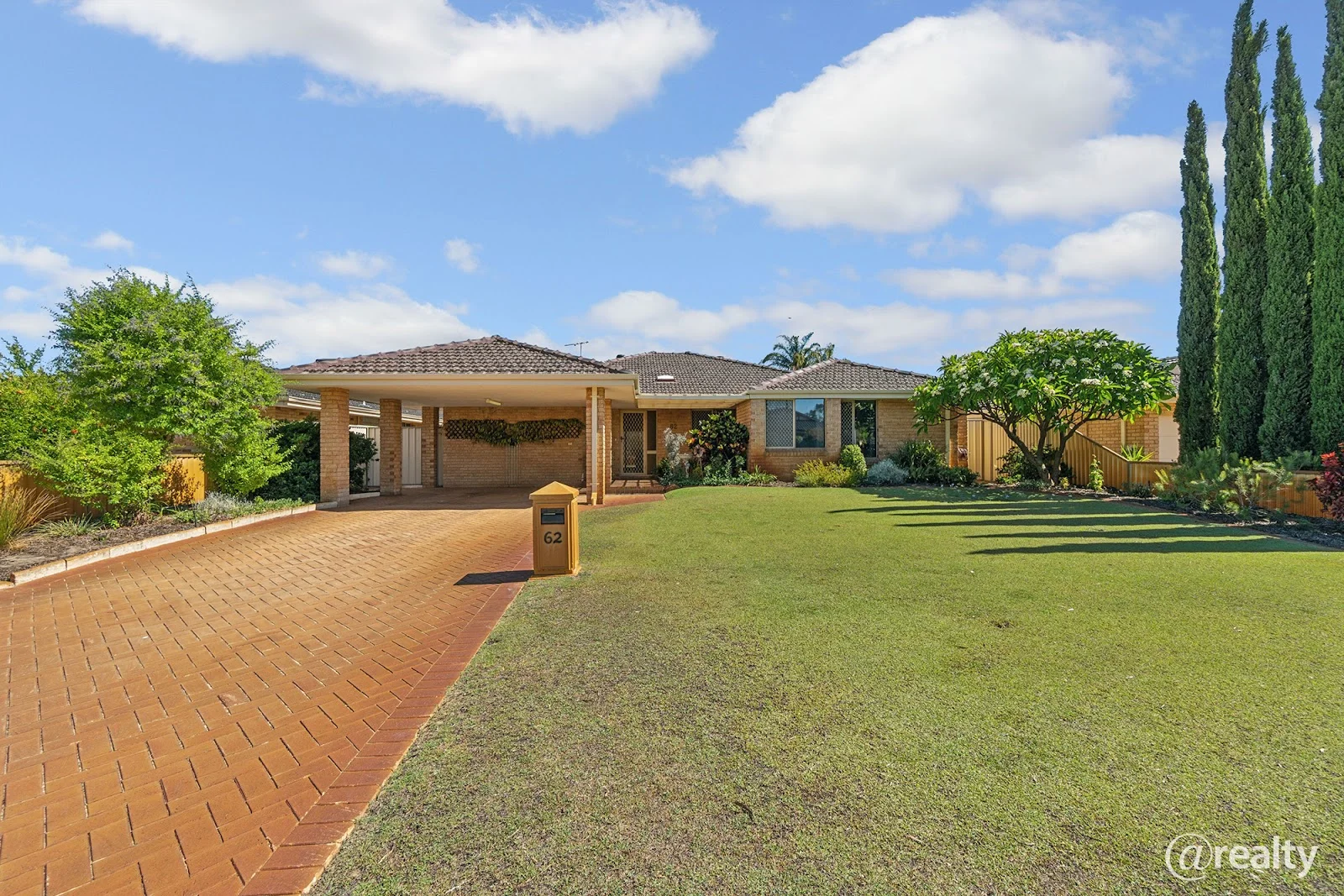 $1,099,000 - $1,153,950
House
$1,099,000 - $1,153,950
House
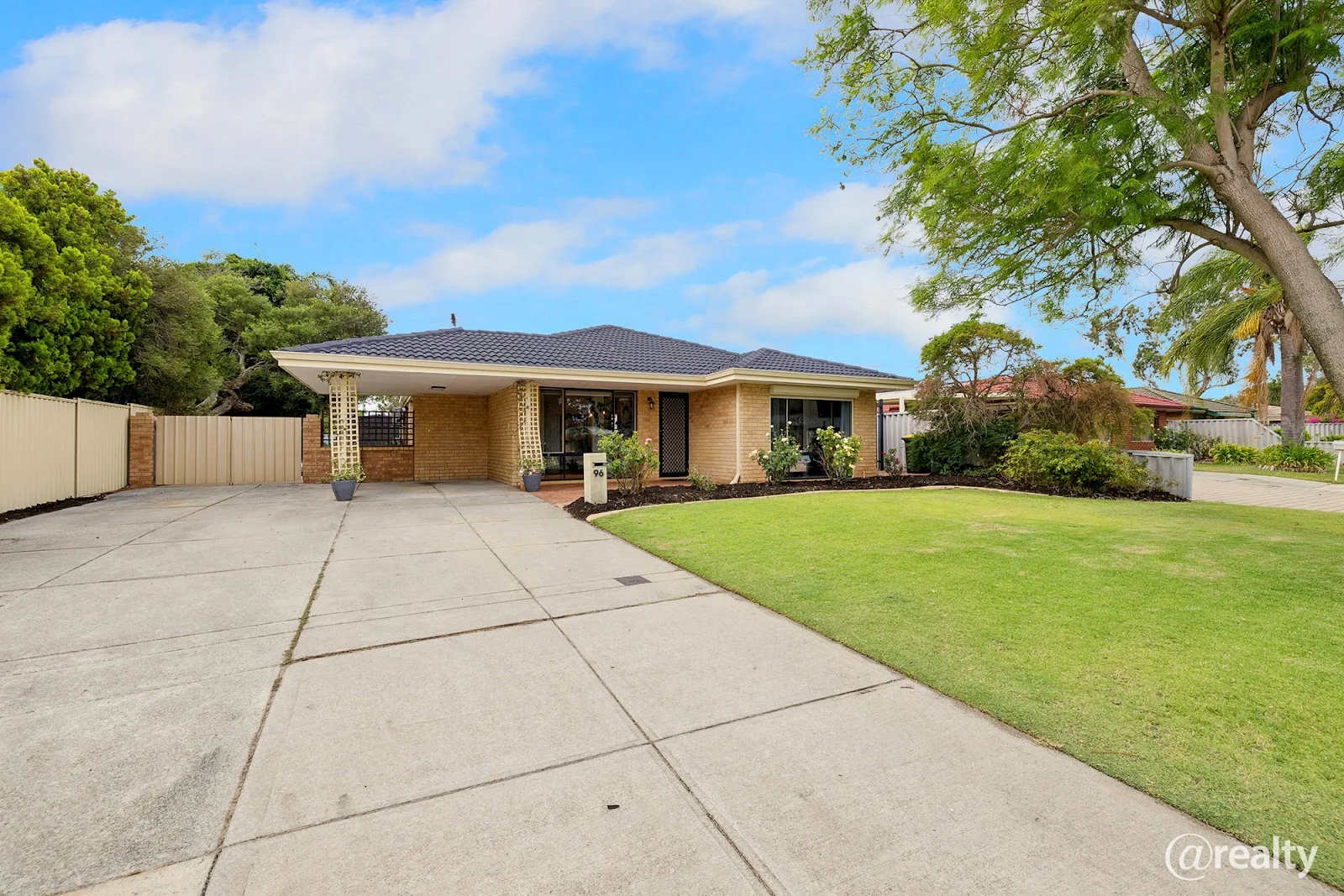 $899,000 - $943,950
House
$899,000 - $943,950
House
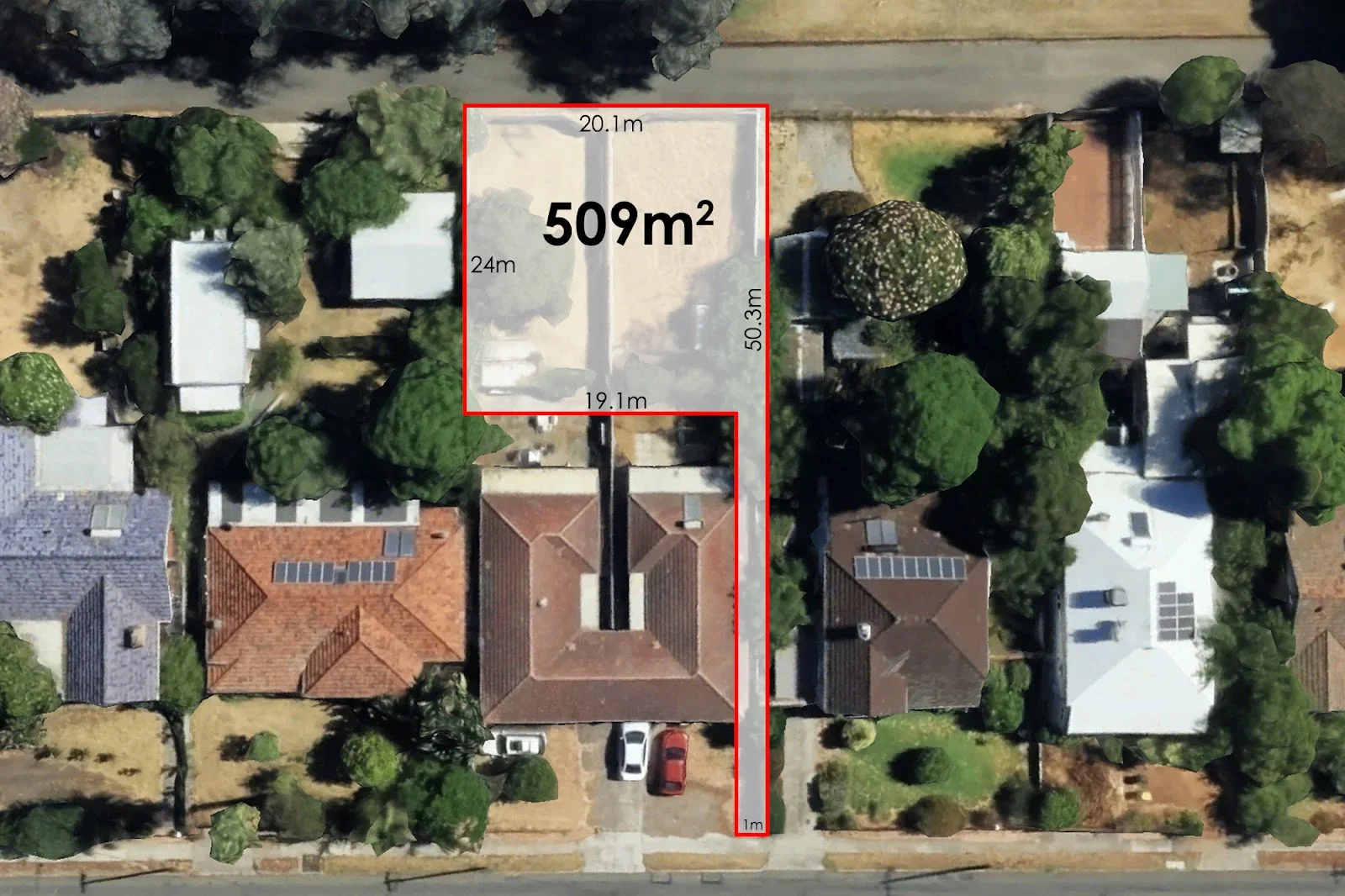 $480,000
Vacant Land
$480,000
Vacant Land
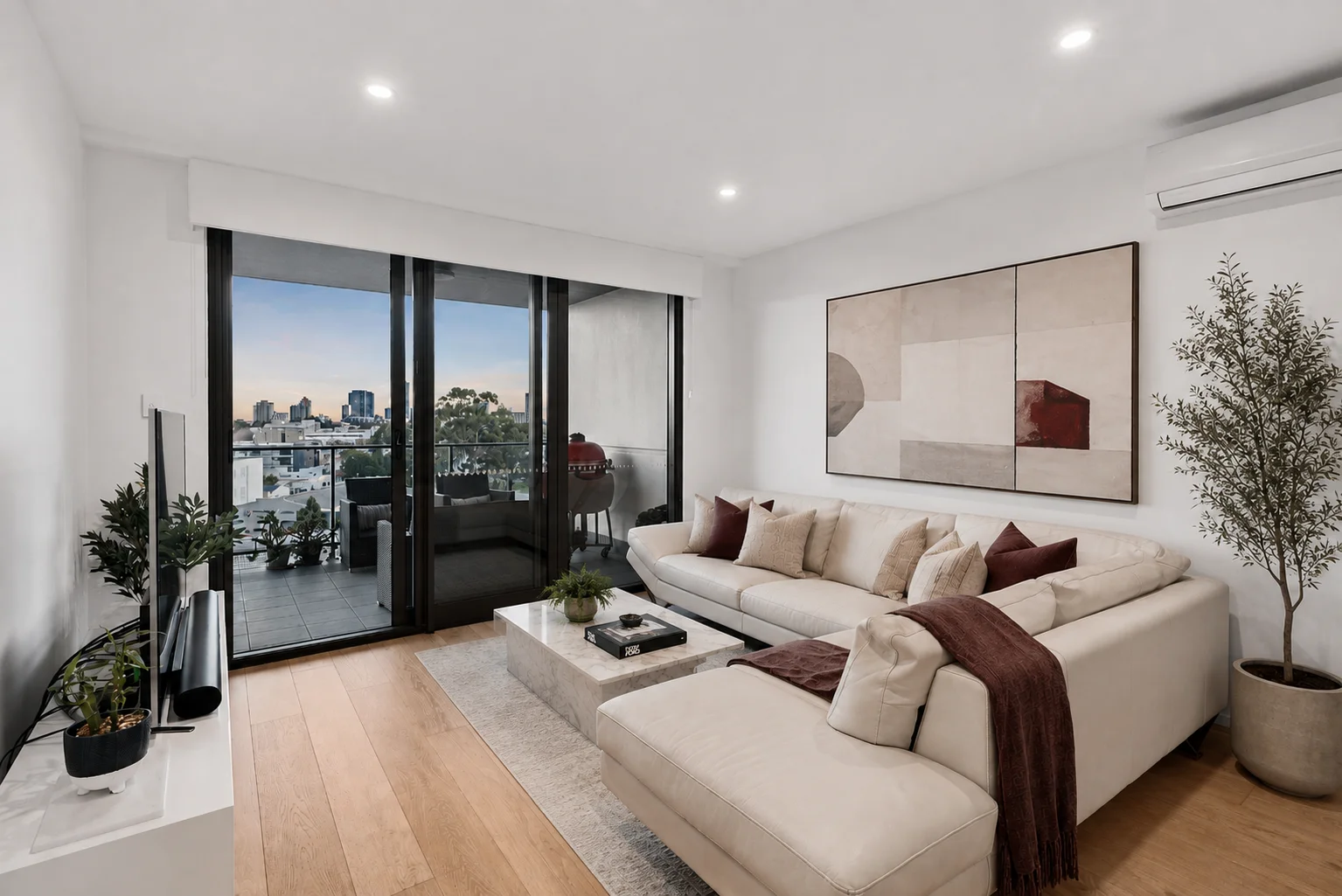 $700,000
Apartment / Unit / Flat
$700,000
Apartment / Unit / Flat
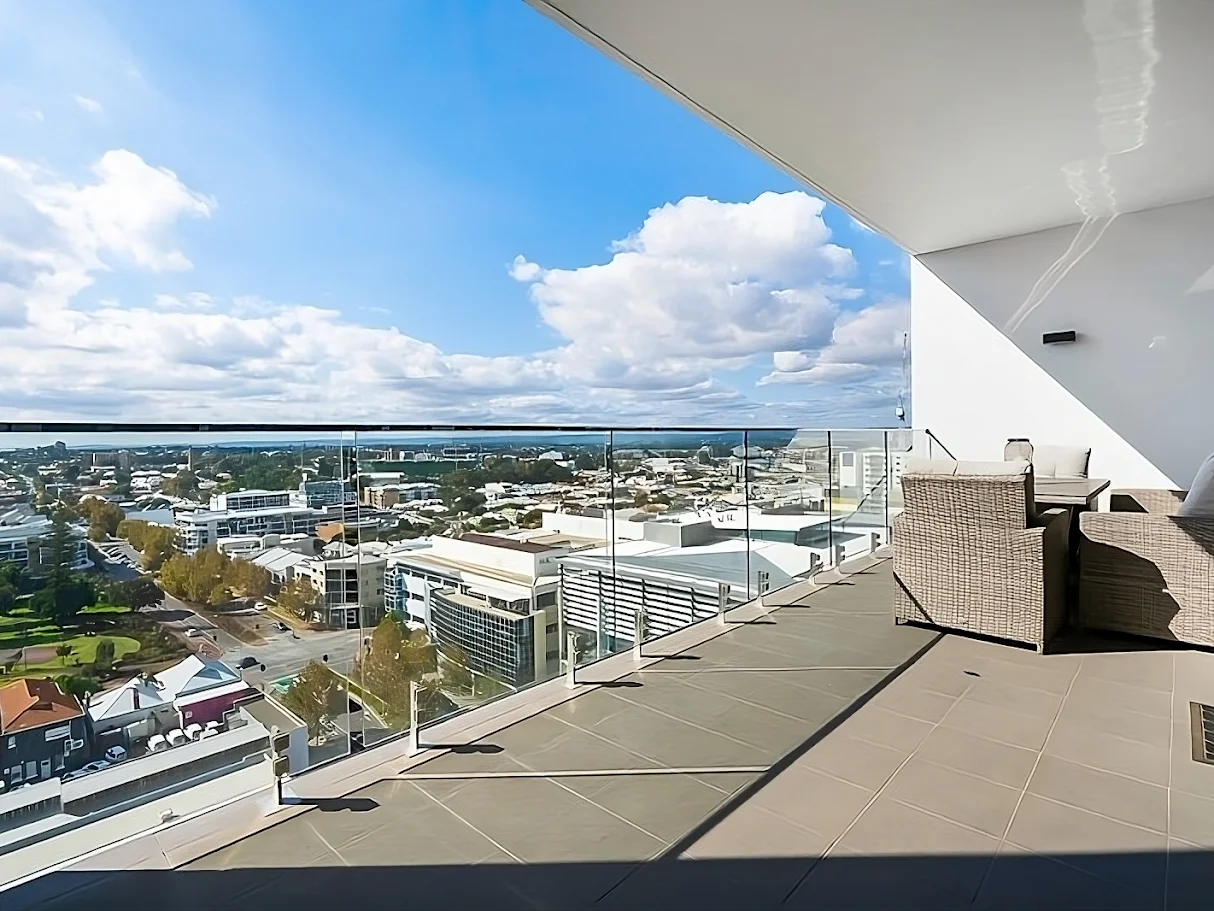 $580,000
Apartment / Unit / Flat
$580,000
Apartment / Unit / Flat
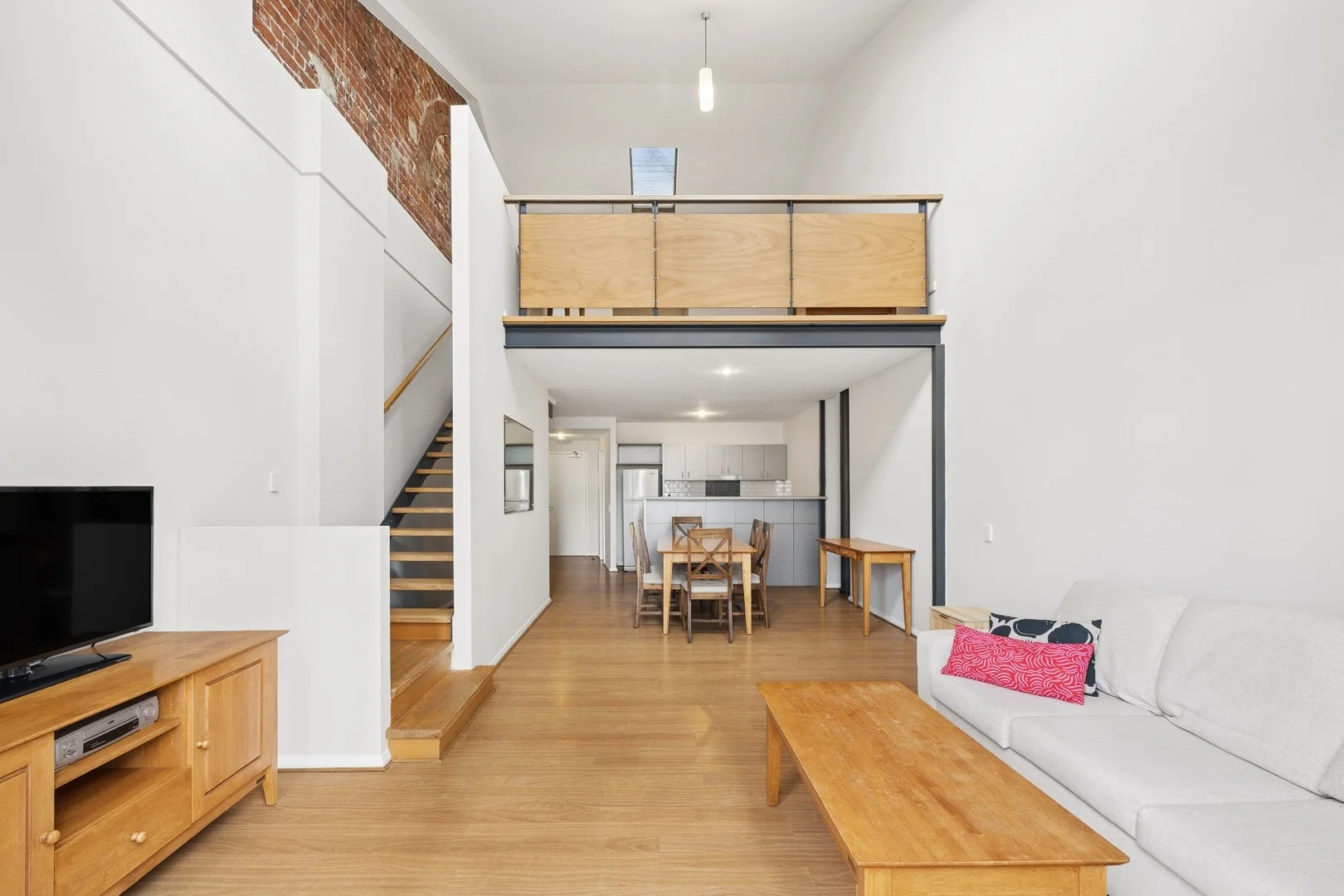 $549,000
Apartment / Unit / Flat
$549,000
Apartment / Unit / Flat