Overview
## 1. Overview
Don Bosco Narre Warren Catholic Primary School is a private Catholic primary school that combines faith-based education with a commitment to academic achievement and personal growth. The school aims to nurture well-rounded students who are prepared for the next steps in their education and their wider communities.
As a medium-sized school, it fosters close teacher–student relationships and a supportive, family-like atmosphere. Class sizes are typically around 20–25 students, which helps teachers tailor instruction and provide individual attention within a caring, inclusive environment.
⸻
## 2. Academics & Learning
- Academic strengths: Emphasis on solid literacy and numeracy foundations, with integrated STEM initiatives and opportunities for leadership through student roles. The curriculum also includes faith-informed learning that supports character development and ethical understanding. A language/LOTE program is typically offered as part of the primary curriculum.
- Special programs: Religious Education is central to the school program, with potential for gifted and talented or enrichment opportunities where available. Differentiated instruction and targeted supports are common to help students progress.
- NAPLAN / trends: Public reporting trends tend to show steady progress in reading and numeracy over time, with strong growth patterns across cohorts as students build foundational skills.
- Student-teacher ratios: Class sizes in the typical range for primary settings, with a focus on maintaining approachable teacher–student ratios that support individual feedback and small-group supports.
- Support for diverse learners: Inclusive education practices with targeted supports for diverse learners, including EAL (English as an Additional Language) students and students needing additional learning assistance; access to learning support staff as required.
⸻
## 3. Sports & Extracurricular Strengths
- Sports offered: A broad program common to Australian primary schools, including team sports such as soccer, netball, basketball, football (AFL-style or international), cricket, and athletics, plus swimming programs where available.
- Strong teams or achievements: Students have opportunities to participate in inter-school and district-level competitions, with emphasis on teamwork, fair play, and personal bests.
- Music, arts, drama programs: Active music and performing arts offerings, including choral activities, instrumental programs, and school drama productions.
- Clubs: Robotics, chess, coding, debating, and other enrichment clubs are typically available to extend learning beyond the classroom.
- Partnerships: Potential partnerships with local clubs, sporting academies, and regional competitions to provide broader experiences in sport, robotics, and other activities.
⸻
## 4. Wellbeing & Pastoral Care
- Anti-bullying approach: Comprehensive policies and programs aimed at preventing bullying, with restorative practices and clear reporting channels to support a safe school climate.
- House system: A house-based framework for pastoral care, leadership opportunities, and school events that fosters belonging and healthy competition.
- Counsellors / wellbeing officers: Access to dedicated wellbeing staff or school counselors to support students’ social and emotional development.
- Transition support for new students: Structured orientation programs, buddy systems, and targeted supports to help new students adjust smoothly to the school community.
⸻
## 5. Facilities
- Sports grounds: Ample outdoor play spaces and sports courts to support physical education and after-school activities.
- Libraries: A well-stocked library with print and digital resources to encourage reading and research skills.
- Science labs: Dedicated spaces for hands-on science learning and experiments.
- Music/performing arts centers: Rooms and spaces for music instruction, rehearsals, and performances.
- Tech/innovation labs: Computer labs or makerspaces to support digital literacy, coding, and creative projects.
- Cafeteria: On-site canteen or lunch program to support daily meals and nutrition education.
- Updated playgrounds: Modern, age-appropriate playgrounds and outdoor learning areas.
⸻
## 6. School Values & Community Culture
- School values / mission: A Catholic ethos centered on faith, respect, compassion, integrity, and service; a focus on forming values-driven students.
- Leadership style: Collaborative leadership that engages staff, students, and families; opportunities for student voice through councils or leadership roles.
- Behaviour expectations: Clear expectations built on positive behaviour policies and restorative approaches that emphasise responsibility and respectful conduct.
- Community reputation: A welcoming, family-oriented Catholic community with strong links to parish and local families.
- Diversity & inclusion: Commitment to inclusion and celebrating diverse backgrounds within a supportive school culture.
⸻
## 7. School Logistics & Daily Operations
- School hours: Typical school-day hours align with Victorian primary schedules, starting in the morning and finishing in the early afternoon.
- Before/after school care: Availability of before- and after-school care programs to support working families.
- Uniform requirements: School uniform policy, with provided guidelines on everyday wear and approved accessories.
- Transport (train/bus routes): Access to local public transport options and bus services; arrangements for safe drop-off/pick-up.
- Canteen availability: Canteen or lunch-order system to support daily meals and snacks.
- Fees (low/medium/high ranges): Fees fall in a medium range compared with other private and Catholic primary schools in the region, with additional costs for camps, excursions, and uniforms.
⸻
## 8. Enrolment & Admissions
11. What is the enrolment process and timeline?
- Submit an application and required documents (birth certificate, baptism certificate where applicable, parent/guardian details).
- Attend information sessions and participate in any required interview or readiness assessment.
- Applications are processed within a defined timeline, with notification of offers following assessment/assessment day.
- If offered a place, families complete acceptance and enrollment steps and may participate in an orientation program prior to start.
12. Is there a waiting list, and how does it work?
- Yes, there is typically a waiting list. Placement priorities often consider factors such as sibling attendance, parish quotas, and vacancy availability. Families are encouraged to join the waitlist and maintain contact with the school office for updates.
13. Are there any entry requirements, tests, or interviews?
- Entry usually involves a family interview and may include readiness discussions or activities for younger students. Documentation (birth/baptism certificates) is typically required. Specific tests are not always mandatory but may be used to assess readiness in some cases.
14. Does the school accept mid-year transfers?
- Mid-year transfers may be possible subject to vacancy and suitability. Prospective families should contact the school directly to discuss options and the transfer process.
⸻
## 9. Frequently Asked Questions
- Why Parents Choose This School?
Parents often select the school for its strong Catholic values, nurturing community, focus on wellbeing, solid literacy and numeracy foundations, and opportunities across academics, sport, and the arts.
- What type of student thrives at this school?
Students who value a faith-based community, active participation in school life, strong relationships with peers and teachers, and engagement in both academic and co-curricular activities tend to thrive.
- What opportunities are available for students to extend their skills (academics, sports, arts)?
Opportunities include advanced literacy/numeracy programs, STEM activities, leadership roles, arts and music programs, sport teams, and clubs such as robotics, coding, chess, and debating.
- How does the school communicate with parents?
Communication channels typically include newsletters, emails, a school portal, parent-teacher interviews, and regular updates about events and policies.
- What is the school’s approach to teaching and learning?
The school emphasises differentiated instruction, explicit teaching, inquiry-based learning where appropriate, and the integration of digital literacy to prepare students for the modern world.
- How does the school support students who need extra academic help?
Targeted interventions, small-group support, and access to learning support staff help students who need additional assistance.
- What support is available for academic challenges?
Dedicated staff, ongoing progress monitoring, and collaboration with families to tailor supports for individual students.
- How does the school communicate with parents?
See above—through multiple channels to keep families informed and engaged in their child’s education.
- What are the class sizes and how much individual attention do students receive?
Class sizes are typically around 20–25 students, with teachers providing frequent feedback and opportunities for individualized support within the classroom.
- What extracurricular and sports opportunities are available?
A wide range of sports, performing arts, and clubs (robotics, chess, coding, debating) are available to extend learning outside the classroom.
- What facilities does the school offer (sports, science, arts)?
Facilities include sports grounds, a library, science labs, music/arts spaces, tech/innovation labs, a canteen, and modern outdoor play areas.
- What is the school’s approach to technology and digital learning?
The school supports digital literacy through computer labs or makerspaces, integrated technology in lessons, and programs designed to promote safe and responsible use of technology.
- What transport and accessibility options are available?
Access to local transport and bus services, with established drop-off/pick-up arrangements to support families.
- What are the typical school fees or additional costs?
Fees are in the medium range for private Catholic primary schools, with additional costs for uniforms, excursions, camps, and optional activities.
⸻
## 10. Short Pros & Cons
- Pros
- Strong Catholic identity with a values-driven approach
- Nurturing, inclusive, family-like school culture
- Balanced focus on academics, wellbeing, and faith formation
- Broad range of extracurriculars (sports, arts, clubs)
- Supportive facilities that enable hands-on learning
- Cons
- Fees apply (in line with private Catholic schooling)
- Availability may be limited due to demand and waiting lists
- As a faith-based school, it may be most aligned with families seeking Catholic education
- Travel or commuting considerations for families outside the immediate area











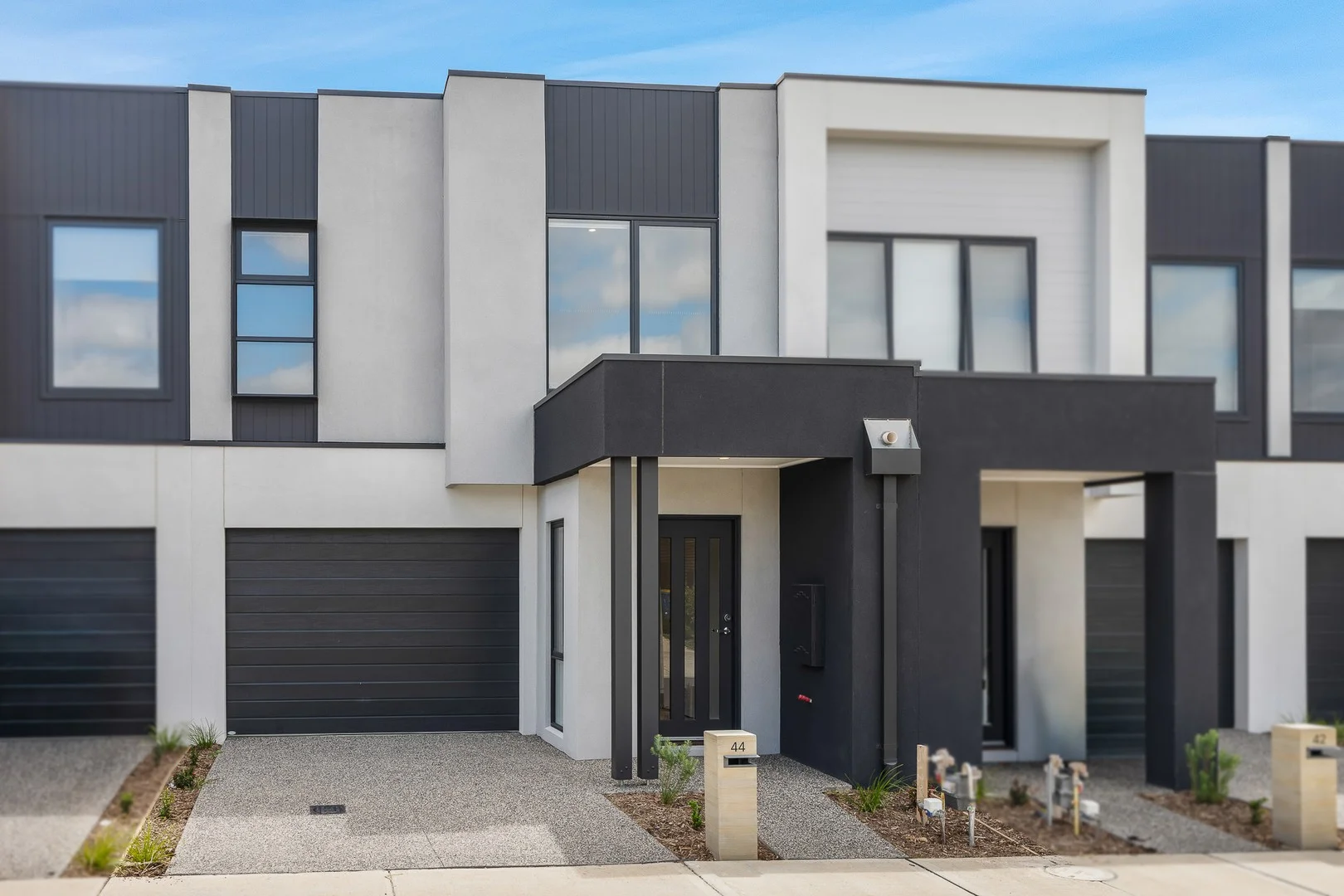 $595,000 - $645,000
House
$595,000 - $645,000
House
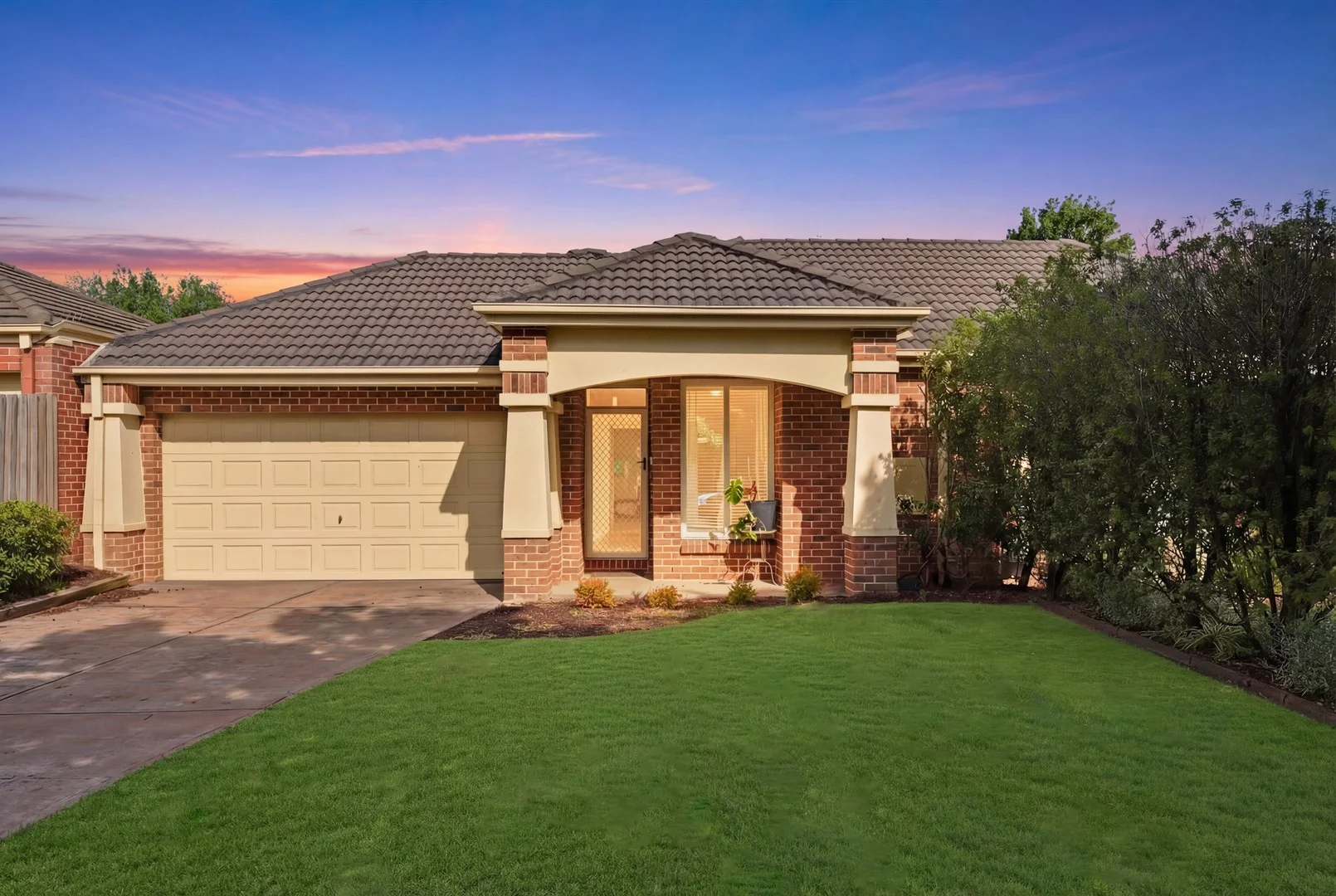 $795,000 - $835,000
House
$795,000 - $835,000
House
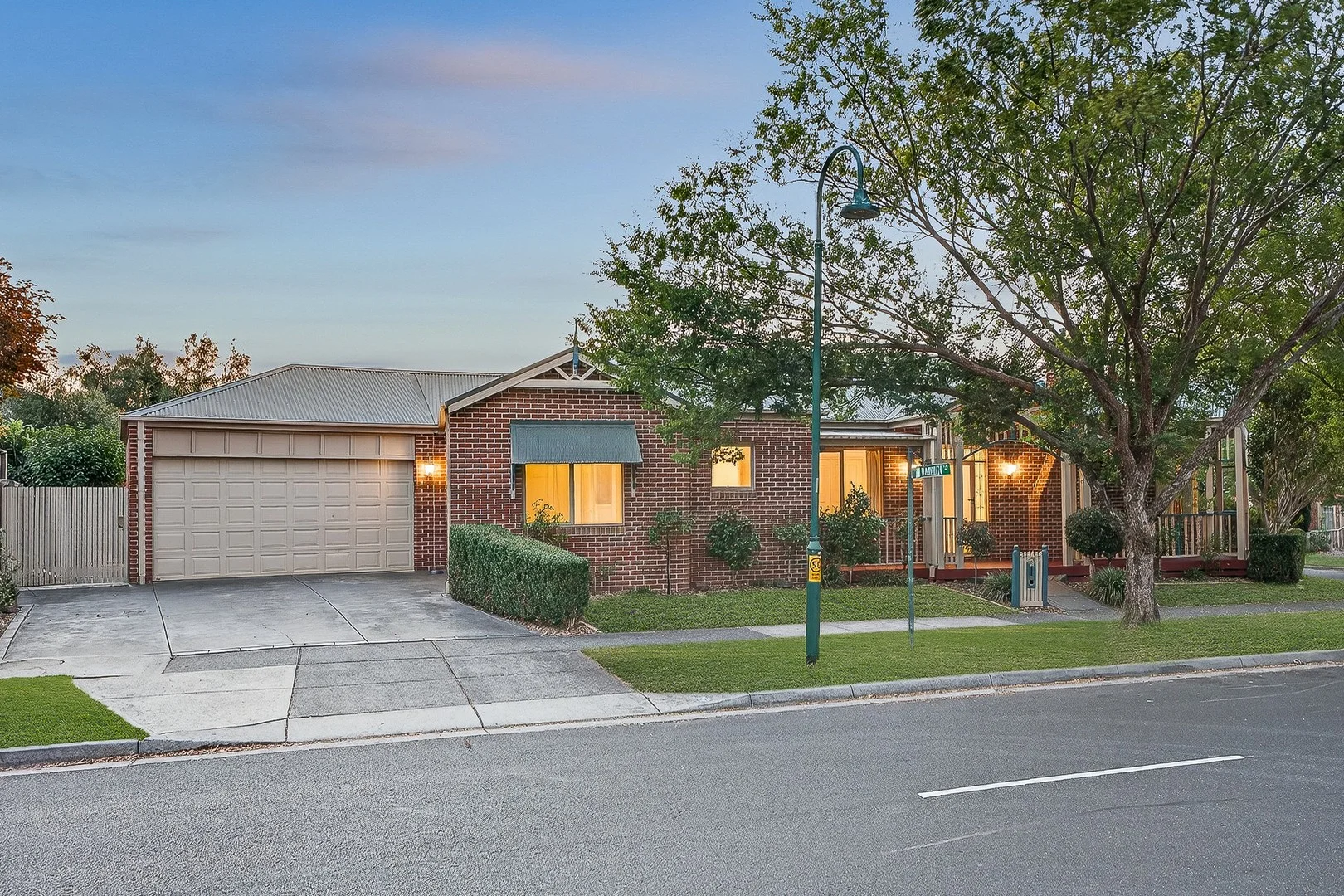 $700
House
$700
House
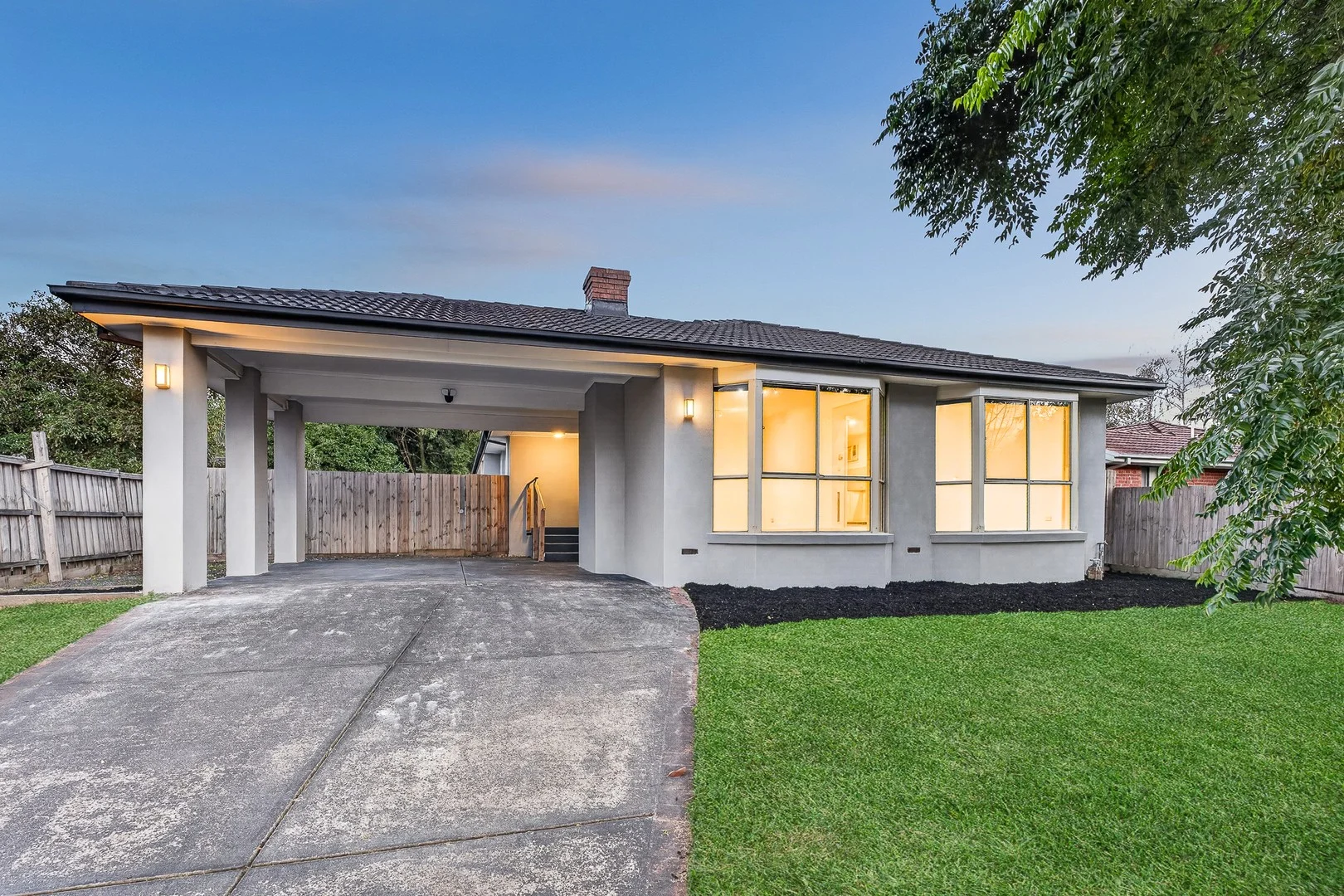 $800,000 - $880,000
House
$800,000 - $880,000
House
 $600
House
$600
House