## 1. Overview
Endeavour College Mawson Lakes is an independent/private, co-educational day school serving families in the Mawson Lakes area of Adelaide. The school aims to provide a balanced, community-focused education that combines strong academic programs with opportunities in sport, arts and character development.
The campus typically operates as a medium-sized school environment designed to foster close relationships between students and staff, with an atmosphere described as inclusive, nurturing and academically focused.
⸻
## 2. Academics & Learning
- Academic strengths: The school emphasises a well-rounded curriculum with strengths typically highlighted in STEM and English, leadership development, and language learning as part of a broad academic program.
- Special programs: Expect an ATAR-focused curriculum with opportunities for accelerated or extended learning, as well as gifted and talented pathways where available. Some schools in this category also offer VET or other practical learning options; confirm what’s currently available.
- NAPLAN trends: Schools of this type commonly show steady improvement and/or performance relative to state benchmarks over time. For current trend data, check the school’s published reports or annual outlines.
- Student-teacher ratios: Ratios in independent schools often range from roughly 1:10 to 1:16, depending on year level and subject area.
- Support for diverse learners: EAL (English as an Additional Language) support, SEN (special educational needs) services and learning support programs are typically offered to assist diverse learners.
⸻
## 3. Sports & Extracurricular Strengths
- Sports offered: Common offerings include basketball, soccer (football), netball, cricket, athletics and tennis, with additional activities dependent on the season and facilities.
- Strong teams or achievements: Many schools in this category participate in regional competitions and strive for consistent performance across school sporting programs.
- Music, arts, drama programs: Expect ensembles, school productions, choirs and other performing arts opportunities.
- Clubs: Robotics, chess, coding, debating and other academic or hobby clubs are usually available or developed through student interest.
- Partnerships: Schools often engage with local clubs, community organizations or inter-school competitions to broaden opportunities beyond the campus.
⸻
## 4. Wellbeing & Pastoral Care
- Anti-bullying approach: A proactive, policy-driven approach with clear consequences, supportive programs and restorative practices are commonly used to promote a safe environment.
- House system: Many schools in this segment implement a house system to build community, camaraderie and healthy competition.
- Counsellors / wellbeing officers: On-campus wellbeing staff or school counsellors typically provide academic, social and emotional support.
- Transition support for new students: Orientation programs, buddy systems and targeted transition support are often provided to ease entry for new students.
⸻
## 5. Facilities
- Sports grounds: Adequate outdoor spaces and sports fields or courts for team sports.
- Libraries: A central library with study spaces and resources.
- Science labs: Equipped labs for biology, chemistry and physics.
- Music/performing arts centers: Dedicated rehearsal and performance spaces for music and drama.
- Tech/innovation labs: Computer labs or makerspaces for digital learning and STEM projects.
- Cafeteria: On-site dining options or school canteen.
- Updated playgrounds: Modern play areas and outdoor learning spaces.
⸻
## 6. School Values & Community Culture
- School values / mission: Values commonly include respect, integrity, excellence, inclusion and community engagement, with a mission focused on both academic achievement and character development.
- Leadership style: Often student-centered and collaborative, with opportunities for student leadership in clubs, prefect roles or council structures.
- Behaviour expectations: Clear, consistently enforced standards aligned with the school’s values and code of conduct.
- Community reputation: A reputation for supportive families, active parent involvement and a positive school culture is typical of this category.
- Diversity & inclusion: Emphasis on creating an inclusive environment that supports students from diverse backgrounds.
⸻
## 7. School Logistics & Daily Operations
- School hours: Typical day starts in the morning and finishes in the afternoon, with variations by year level.
- Before/after school care: Many schools offer supervised programs or activities outside standard hours.
- Uniform requirements: A school uniform policy is standard, with guidelines on dress code and purchase from designated suppliers.
- Transport (train/bus routes): Transport options commonly include school buses or guidance on public transport routes; check current arrangements for Mawson Lakes families.
- Canteen availability: An on-site or approved canteen/refreshment options are usually available.
- Fees (low/medium/high ranges): Fees generally fall in the middle to mid-high range for independent schools; confirm current fee schedules and any additional costs (book packs, camps, uniforms).
⸻
## 8. Enrolment & Admissions
11. What is the enrolment process and timeline?
- Typical steps include submitting an application, providing required documentation (academic records, references), completion of any required assessments or interviews, and a formal offer of place. Timelines vary by intake year but usually involve an application window, shortlisting, and notification within several weeks of submission.
12. Is there a waiting list, and how does it work?
- Many independent schools maintain a waiting list when demand exceeds vacancies. Families may be contacted if a place becomes available, and priority can depend on factors such as date of application, sibling attendance, and readiness for entry.
13. Are there any entry requirements, tests, or interviews?
- It is common to have an interview and/or information session, along with submission of student records. Some schools may require an assessment or testing for specific programs or year levels.
14. Does the school accept mid-year transfers?
- Mid-year transfers are often possible if there are vacancies, subject to the school’s assessment of readiness, placement in appropriate year level, and transition processes.
⸻
## 9. Frequently Asked Questions
- Why Parents Choose This School?
- Typically, families choose for a combination of strong academics, supportive pastoral care, a balanced mix of sports and arts, and a welcoming school community.
- What type of student thrives at this school?
- Students who are motivated, enjoy a balanced approach to learning, engage in clubs and sports, and value a supportive, respectful school culture often thrive.
- What opportunities are available for students to extend their skills (academics, sports, arts)?
- Advanced or accelerated academic options, leadership roles, various sports teams, performing arts programs, music ensembles, robotics, debating and other clubs.
- How does the school communicate with parents?
- Through newsletters, a school portal/app, email updates, parent-teacher conferences and annual reports. Some schools also publish calendars and reminders via SMS alerts.
- What is the school’s approach to teaching and learning?
- A student-centered approach with emphasis on inquiry, critical thinking, collaboration, and the integration of technology where appropriate.
- How does the school support students who need extra academic help?
- Access to learning support, targeted tutoring, and SEN services or EAL support as required.
- What support is available for academic challenges?
- Additional tutoring, study skills sessions, and personalized learning plans or targeted interventions.
- How does the school communicate with parents? (Yes, repeated here for emphasis)
- See above: newsletters, portal/app, conferences, and person-to-person updates.
- What are the class sizes and how much individual attention do students receive?
- Class sizes are typically designed to allow for individual attention, with ratios commonly around 1:10 to 1:16 depending on year level and subject.
- What extracurricular and sports opportunities are available?
- A range of sports (team and individual), music and performing arts programs, and clubs such as robotics, coding, chess and debating.
- What facilities does the school offer (sports, science, arts)?
- Sports grounds, libraries, science labs, music/performing arts centers, tech/innovation labs, canteen and updated learning spaces.
- What is the school’s approach to technology and digital learning?
- Integration of digital tools to support learning, with device usage policies and potentially one-to-one or BYOD models depending on year level.
- What transport and accessibility options are available?
- School transport options and guidance on public transport accessibility; check current routes and programs for Mawson Lakes families.
- What are the typical school fees or additional costs?
- Fees typically fall in the mid-range to higher range for independent schools, with potential additional costs for textbooks, camps, excursions, uniforms and activities.
⸻
## 10. Short Pros & Cons list
- Pros
- Independent/private setting with a focus on academics and well-rounded development
- Structured pastoral care and supportive environment
- Range of co-curricular options (sports, arts, clubs)
- Small to medium campus feel that fosters community and student-teacher relationships
- Access to facilities such as libraries, science labs, music and tech spaces
- Cons
- Tuition fees can be higher than public schooling
- Availability of places may be limited during peak admission periods
- Extracurricular offerings can vary by year and may require planning for busy schedules
⸻

 Free
Free









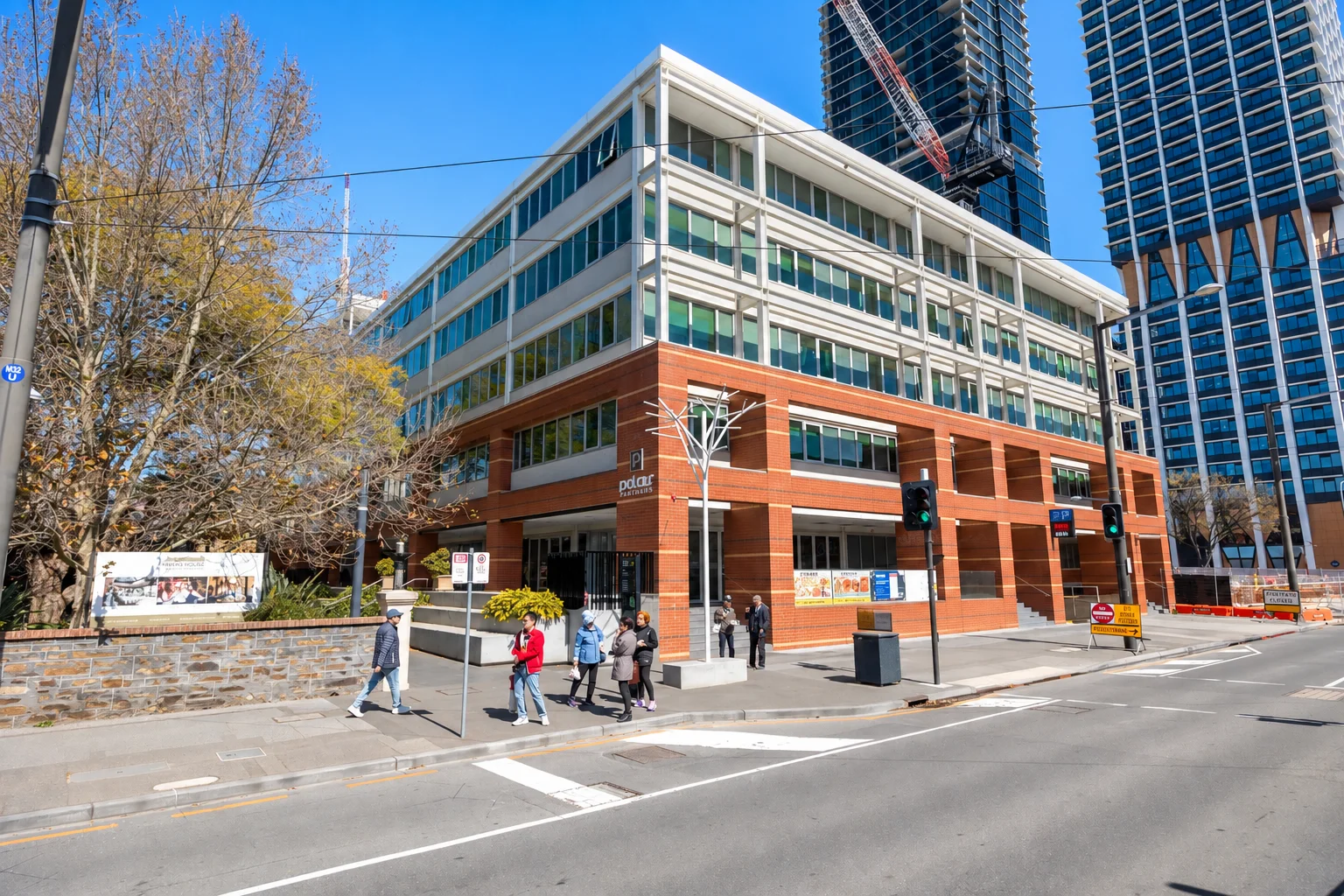 $545,000
Apartment / Unit / Flat
$545,000
Apartment / Unit / Flat
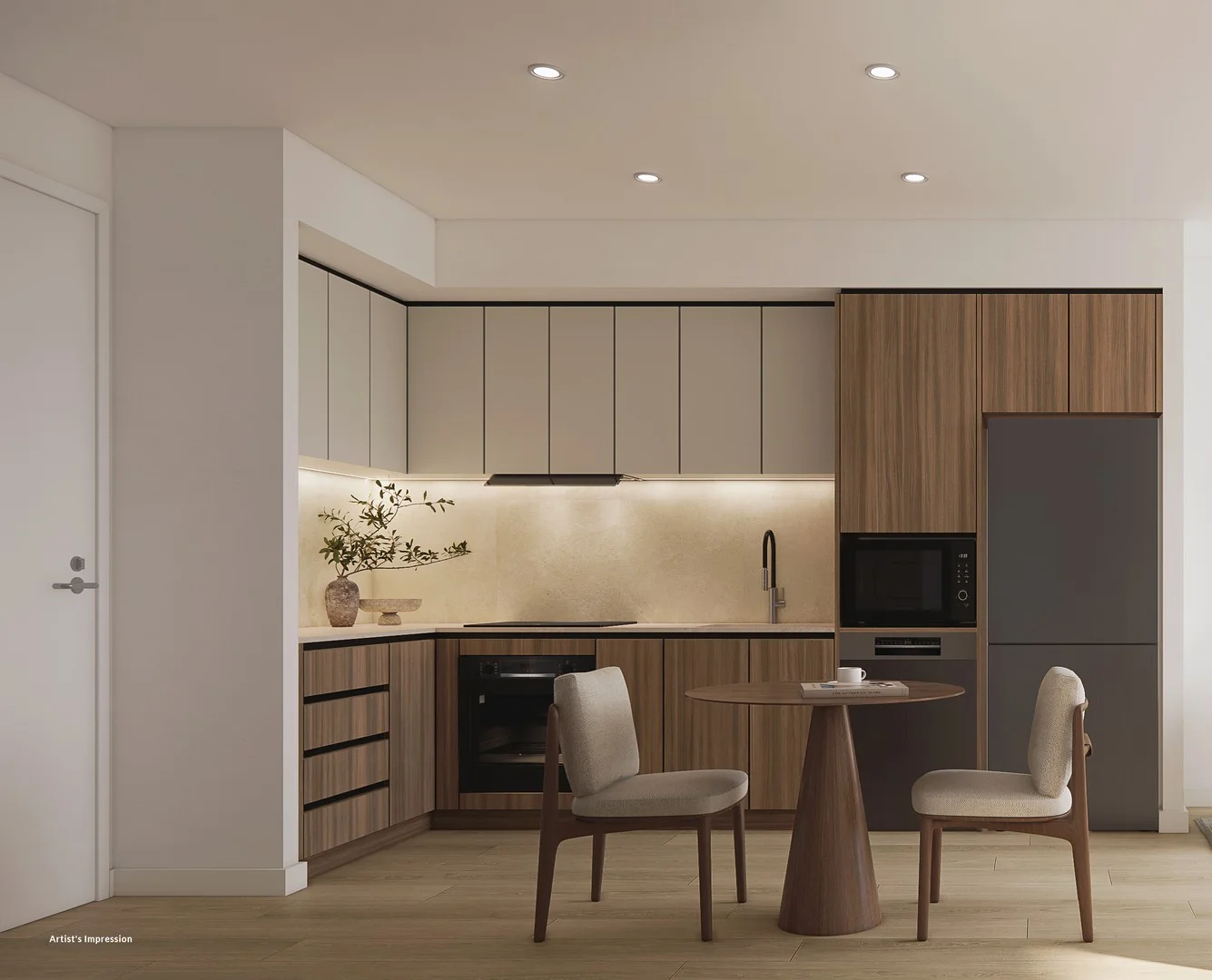 $557,000
Apartment / Unit / Flat
$557,000
Apartment / Unit / Flat
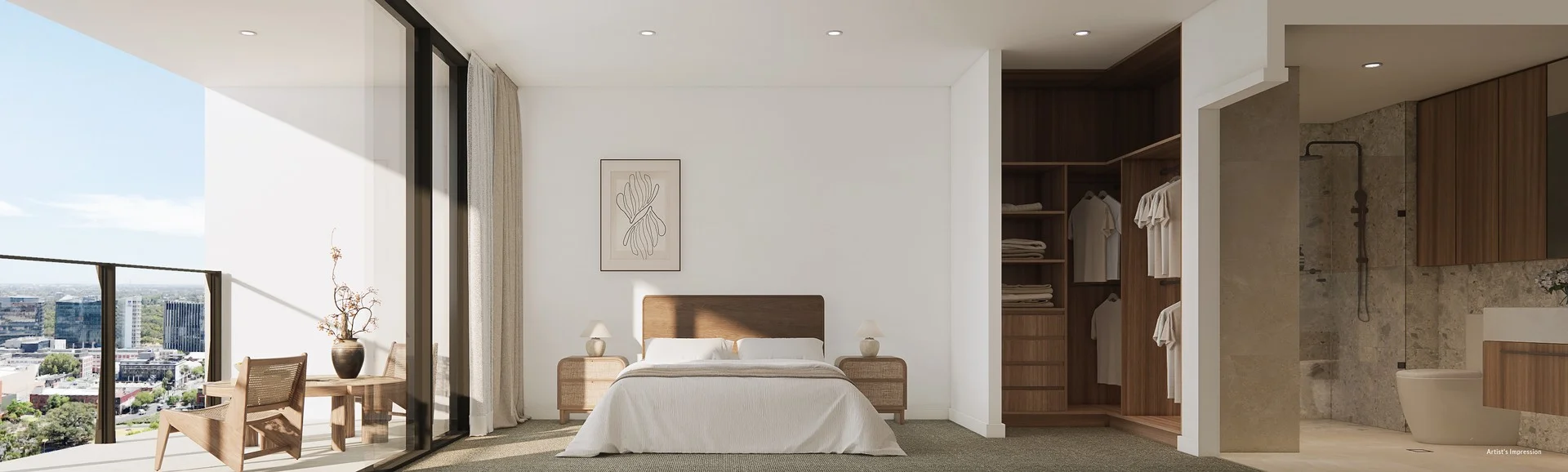 $1,056,000
Apartment / Unit / Flat
$1,056,000
Apartment / Unit / Flat
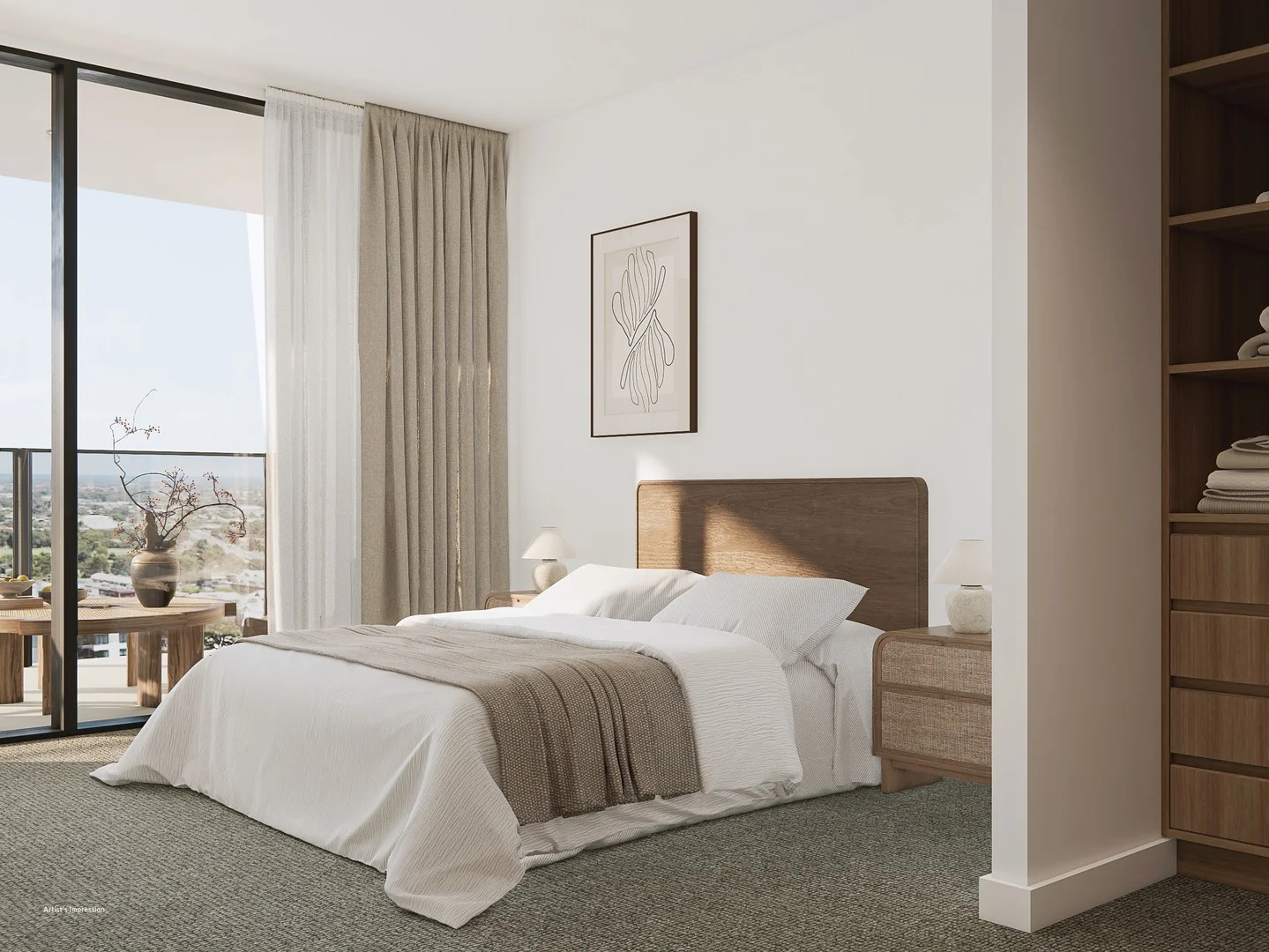 $935,000
Apartment / Unit / Flat
$935,000
Apartment / Unit / Flat
 $588,000
Apartment / Unit / Flat
$588,000
Apartment / Unit / Flat
 $440,000
Apartment / Unit / Flat
$440,000
Apartment / Unit / Flat
 $1,100,000
Apartment / Unit / Flat
$1,100,000
Apartment / Unit / Flat
 $775,000
House
$775,000
House