Overview
## 1. Overview
The Mawson Lakes campus of the University of South Australia is a large public university environment that serves a diverse student community. It focuses on research-led learning and industry-relevant study, with strong connections to local and national employers across engineering, information technology, health sciences, business, education, and arts and social sciences. The campus offers a vibrant university experience with a mix of traditional lectures, hands-on labs, and real-world projects.
- School type: Public
- School size: Large
- Class size: Large lectures with smaller tutorials and labs; overall class sizes vary by program
- Atmosphere/culture: Inclusive, academically rigorous, industry-connected, and diverse
⸻
## 2. Academics & Learning
UniSA Mawson Lakes blends strong disciplinary programs with opportunities for practical application and research.
- Academic strengths: Engineering, IT and computer science, health sciences, business, education, and the arts and social sciences. Programs emphasize applied learning and industry relevance.
- Special programs: Honours and research pathways, industry placements, internships, double degrees in some disciplines, and opportunities for study abroad or cross-campus collaboration.
- Trends (not scores): Reading trends focus on graduate employment outcomes, research activity, and program accreditation rather than school-style assessments.
- Student-teacher ratios: Varies by course; large lectures (often 100–300+ students) with smaller tutorials/labs (15–40 students). Overall staff-student interactions are program-dependent.
- Support for diverse learners: English Language Support for international students, Disability and Access Services, academic skills tutoring, coaching, and study support services available to all students.
⸻
## 3. Sports & Extracurricular Strengths
A robust campus life supports physical activity, creative pursuits, and clubs.
- Sports offered: Recreational and inter-university sports through campus facilities, including team sports such as soccer, basketball, netball, tennis, swimming, and gym-based activities.
- Strong teams or achievements: Active participation in state and regional competitions through UniSA Sport and student clubs; success varies by year and program.
- Music, arts, drama programs: University ensembles, choirs, theatre productions, and performing arts opportunities available to students through departments and student groups.
- Clubs: Robotics, coding, chess, debating, entrepreneurship clubs, and various student societies.
- Partnerships: Collaborations with local clubs, industry-specific competitions, and simulated projects with partner organisations; opportunities for internships and hackathons.
⸻
## 4. Wellbeing & Pastoral Care
Wellbeing and pastoral care are prioritized to support students through their studies.
- Anti-bullying approach: Clear policies, reporting channels, and a culture of respect; wellbeing resources are in place to support a safe campus.
- House system: Not used in the university context; instead, support networks include student services, colleges/teams within faculties, and peer mentoring.
- Counselors / wellbeing officers: Campus counselling and wellbeing services are available, including mental health support, stress management, and counselling appointments.
- Transition support for new students: Orientation programs, peer buddy/mentoring schemes, academic skills workshops, and ongoing support during the transition to university life.
⸻
## 5. Facilities
Facilities are designed to support learning, research, creativity, and student life.
- Sports grounds: On-campus sport facilities and access to gym spaces; campus fields and courts for regular activities.
- Libraries: Academic libraries with study spaces, print and digital resources, and group study rooms.
- Science labs: Modern laboratories for engineering, sciences, health, and technology programs.
- Music/performing arts centers: Rehearsal spaces and performance venues connected to the arts programs.
- Tech/innovation labs: Computing labs, design studios, maker spaces, and technology-enabled learning hubs.
- Cafeteria: On-site dining options and cafes offering a range of meals and beverages.
- Updated playgrounds: Campus-wide student spaces and social hubs, with contemporary learning environments and common areas.
⸻
## 6. School Values & Community Culture
Community and values shape the student experience beyond academics.
- School values / mission: Emphasis on inclusion, integrity, curiosity, and impact; commitment to research-informed teaching and industry relevance.
- Leadership style: Collaborative and student-centred, with opportunities for student representation in committees and clubs.
- Behaviour expectations: Respectful, ethical conduct, and adherence to campus policies and codes of conduct.
- Community reputation: Diverse and professional, with strong industry ties and growing research activity.
- Diversity & inclusion: Focus on accessibility, international and domestic student support, and a welcoming campus culture for all backgrounds.
⸻
## 7. School Logistics & Daily Operations
Practical, day-to-day information to help families plan.
- School hours: Campus facilities operate throughout the day with varying class schedules; most programs run from morning to late afternoon, with some evening classes.
- Before/after school care: Not applicable in a university setting; student services offer support for timing and transit.
- Uniform requirements: No uniform; casual campus attire is typical.
- Transport (train/bus routes): Well-connected by public transport (bus routes) with campus accessibility; parking and bike facilities are available.
- Canteen availability: Multiple on-campus dining options, including cafes and food outlets.
- Fees (low/medium/high ranges): Tuition fees vary by program and student status; domestic students may access government loan programs (HECS-HELP) and international student fees apply for non-residents. Additional costs include textbooks and materials.
⸻
## 8. Enrolment & Admissions
11. What is the enrolment process and timeline?
- Domestic applicants: Apply via the relevant undergraduate/postgraduate pathways (e.g., SATAC or direct UniSA submission for certain programs). Receive offer, accept by the stated deadline, complete any acceptance steps, and enrol during the allotted enrolment period ahead of the start date. Attend orientation and commence courses.
- International applicants: Apply through UniSA International or the standard admission channels, provide required documentation (e.g., protein English language proficiency, academic records), receive an offer, and complete visa-related steps before arrival.
12. Is there a waiting list, and how does it work?
- Some programs with high demand may have limited places and could operate waitlists or offer rounds. If offered a place, respond by the deadline to secure your place; if not offered, you may be placed on a waiting list or consider applying for the next intake.
13. Are there any entry requirements, tests, or interviews?
- Domestic applicants typically need to meet program-specific entry requirements (ATAR or equivalent). Some programs (e.g., design, education, health-related fields, or highly competitive degrees) may require portfolios, auditions, or interviews. English language proficiency is required for international students where applicable.
14. Does the school accept mid-year transfers?
- Mid-year intake is possible for some programs, but availability depends on the course and semester structure. Check with the faculty or admissions team for the latest mid-year entry options and application deadlines.
⸻
## 9. Frequently Asked Questions
- Why Parents Choose This School?
- A public, research-driven university with strong industry links, diverse programs, and a broad campus life that supports both academic and personal growth.
- What type of student thrives at this school?
- Students who are motivated, independent, curious, and open to collaboration. Those who value practical experience, internships, and opportunities to engage in campus life.
- What opportunities are available for students to extend their skills (academics, sports, arts)?
- Honours and research pathways, internships and industry projects, study abroad or cross-campus opportunities, a wide range of clubs (robotics, coding, debating), arts and performing opportunities, and campus sport programs.
- How does the school communicate with parents?
- Primarily through student portals and university communications (email, course announcements). Some faculties provide progress updates, and student support services can be contacted as needed.
- What is the school’s approach to teaching and learning?
- Emphasis on applied, inquiry-based and problem-solving learning, with a mix of lectures, tutorials, labs, and online delivery. Teaching often integrates industry projects and real-world case studies.
- How does the school support students who need extra academic help?
- Academic skills support, tutoring services, disability and access services, and faculty-based learning support programs; international students have access to English language and academic skills support.
- What support is available for academic challenges?
- Academic advising, tutoring, study resources, time management and study skills workshops, and wellbeing services to support overall success.
- What are the class sizes and how much individual attention do students receive?
- Class sizes vary by program. Large lectures (often 100–300+ students) are common in early years, with smaller tutorials and labs (15–40 students) providing more individualized guidance.
- What extracurricular and sports opportunities are available?
- A wide range of clubs (robotics, coding, chess, debating), performing arts and music programs, and sport through campus facilities and UniSA Sport involvement.
- What facilities does the school offer (sports, science, arts)?
- Modern libraries, science labs and engineering facilities, IT and design labs, performing arts spaces, campus gyms, student common areas, and on-site dining options.
- What is the school’s approach to technology and digital learning?
- Strong digital resources, online learning platforms, software and lab facilities for computing and engineering, and opportunities for blended or fully online study where offered.
- What transport and accessibility options are available?
- Well-connected by bus services and other public transport; campus parking and bike facilities; access to student services and support across campus.
- What are the typical school fees or additional costs?
- Tuition varies by program and student status; domestic students may access government loan schemes (e.g., HECS-HELP); international students pay higher tuition. Additional costs include textbooks, materials, and student services.
⸻
## 10. Short Pros & Cons list
- Pros
- Large, diverse public university with broad program options and strong industry links
- Flexible study paths (honours, double degrees, internships, study abroad)
- Robust campus life with clubs, arts, and sports; multiple support services
- Comprehensive facilities (libraries, labs, performance spaces, studios, dining)
- Cons
- Large class sizes in introductory years can mean less individual attention
- Fee variability and higher costs for international students
- Availability of mid-year entries may be limited for some programs
- Logistics of campus life require self-management and proactive engagement with services
⸻











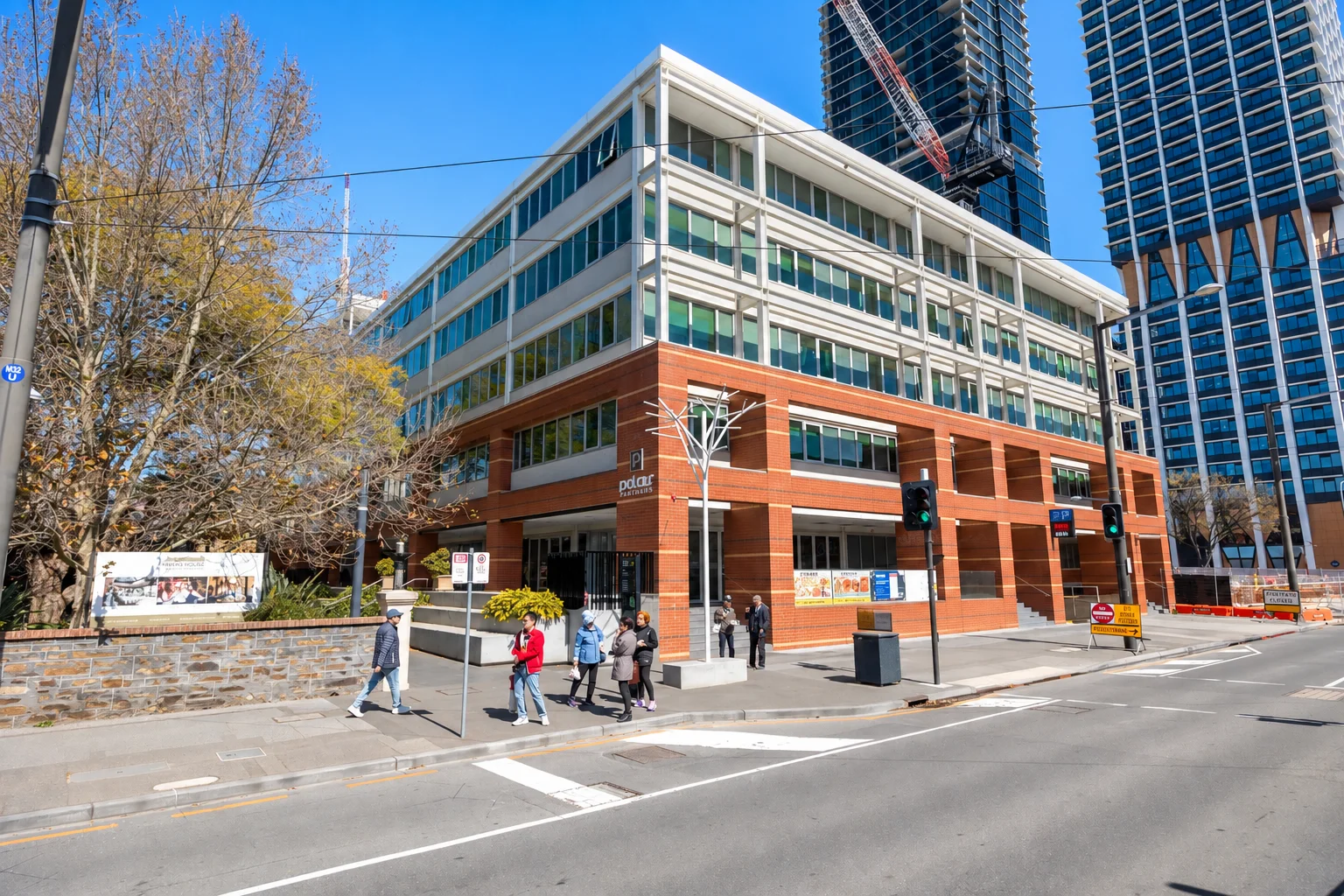 $545,000
Apartment / Unit / Flat
$545,000
Apartment / Unit / Flat
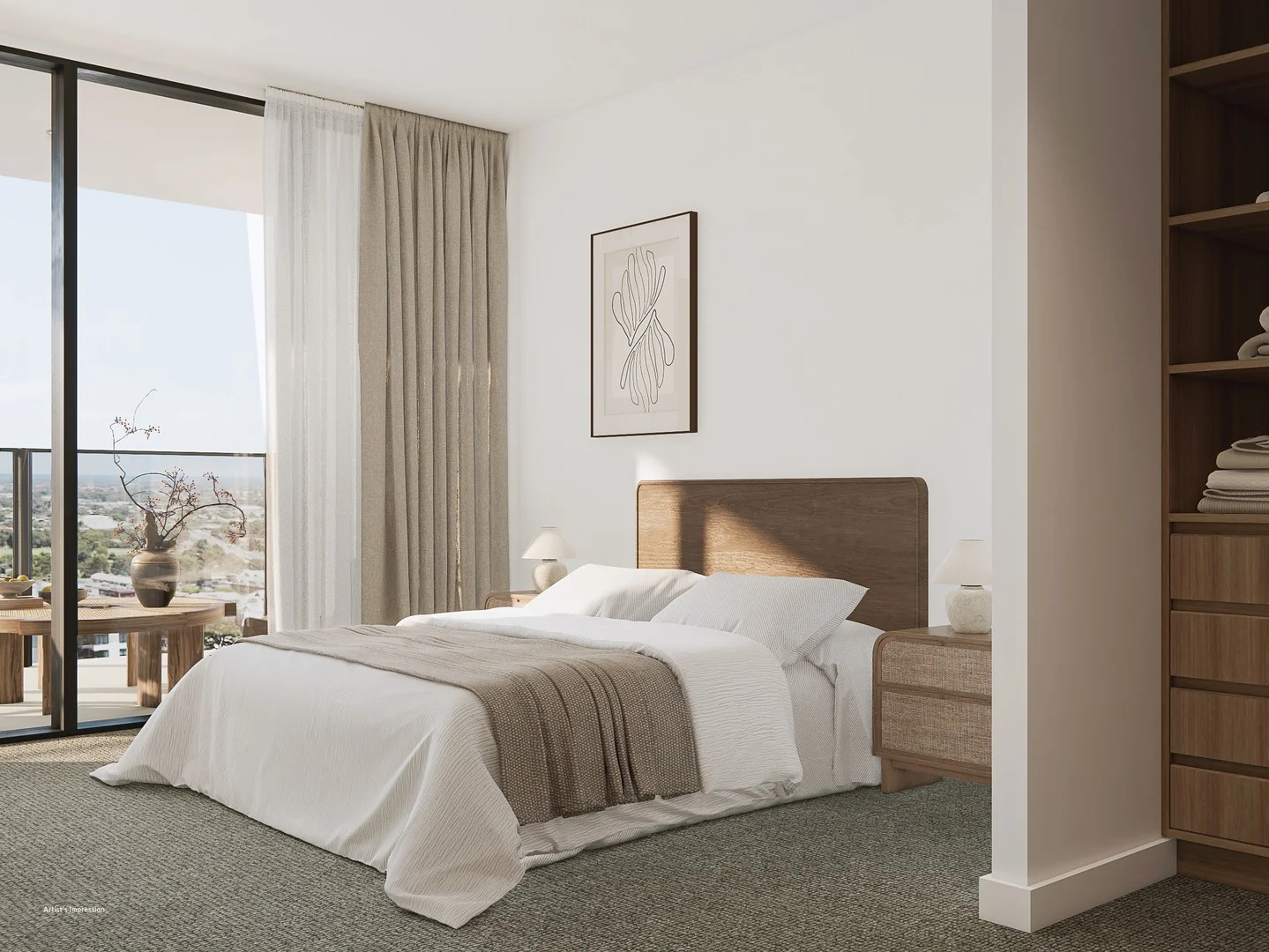 $935,000
Apartment / Unit / Flat
$935,000
Apartment / Unit / Flat
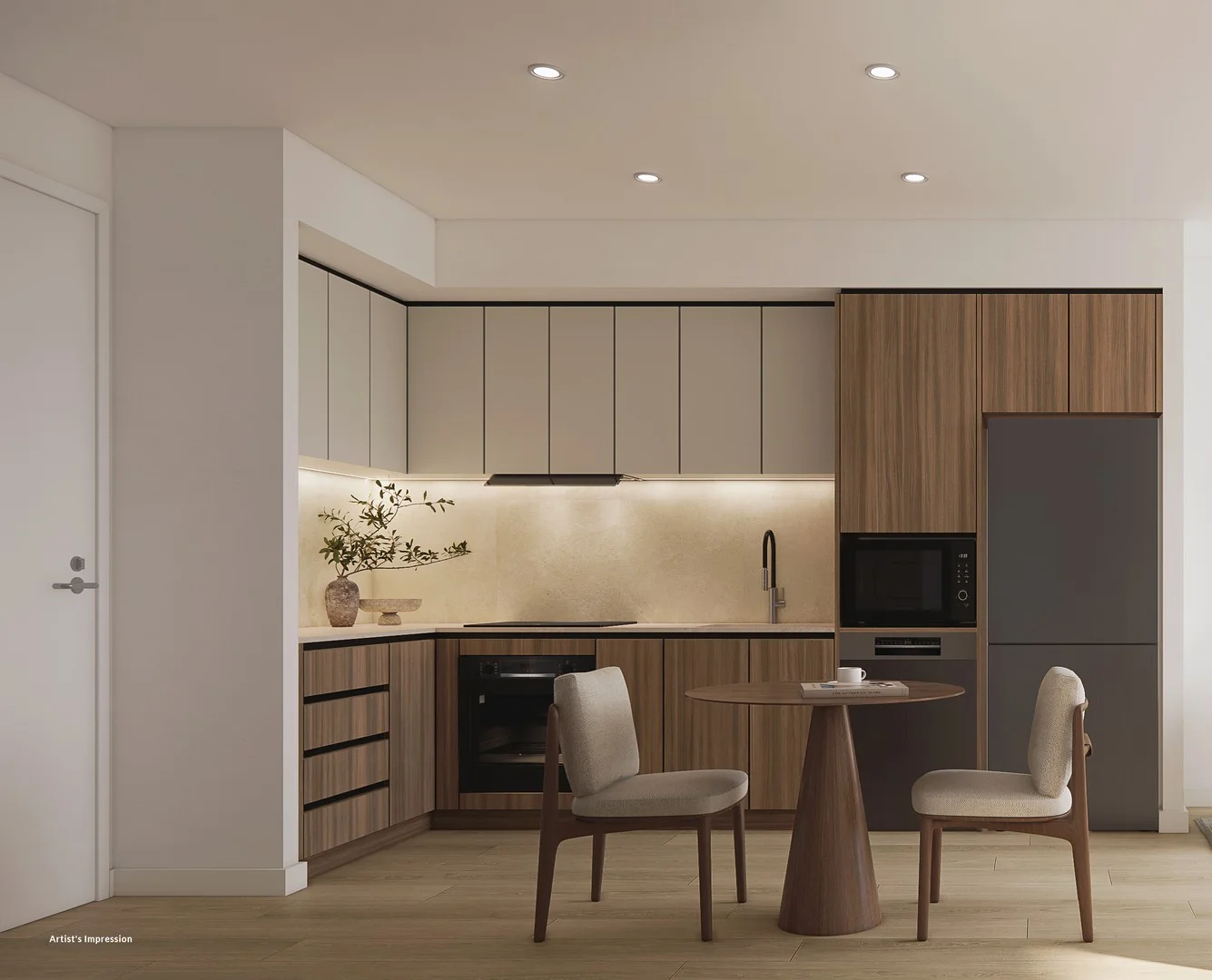 $557,000
Apartment / Unit / Flat
$557,000
Apartment / Unit / Flat
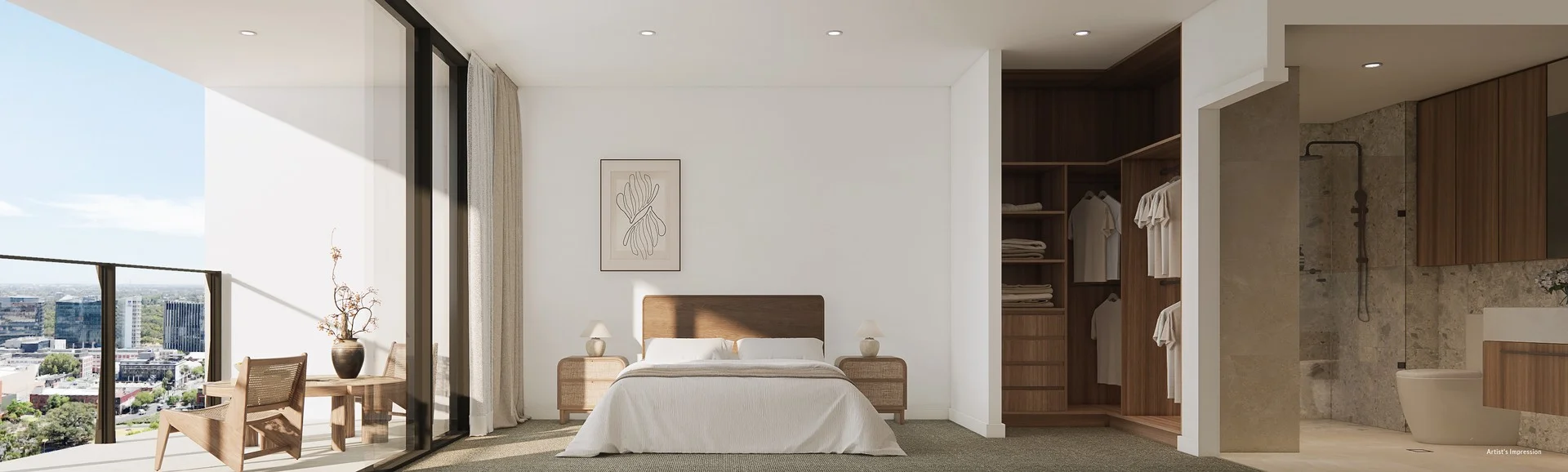 $1,056,000
Apartment / Unit / Flat
$1,056,000
Apartment / Unit / Flat
 $588,000
Apartment / Unit / Flat
$588,000
Apartment / Unit / Flat
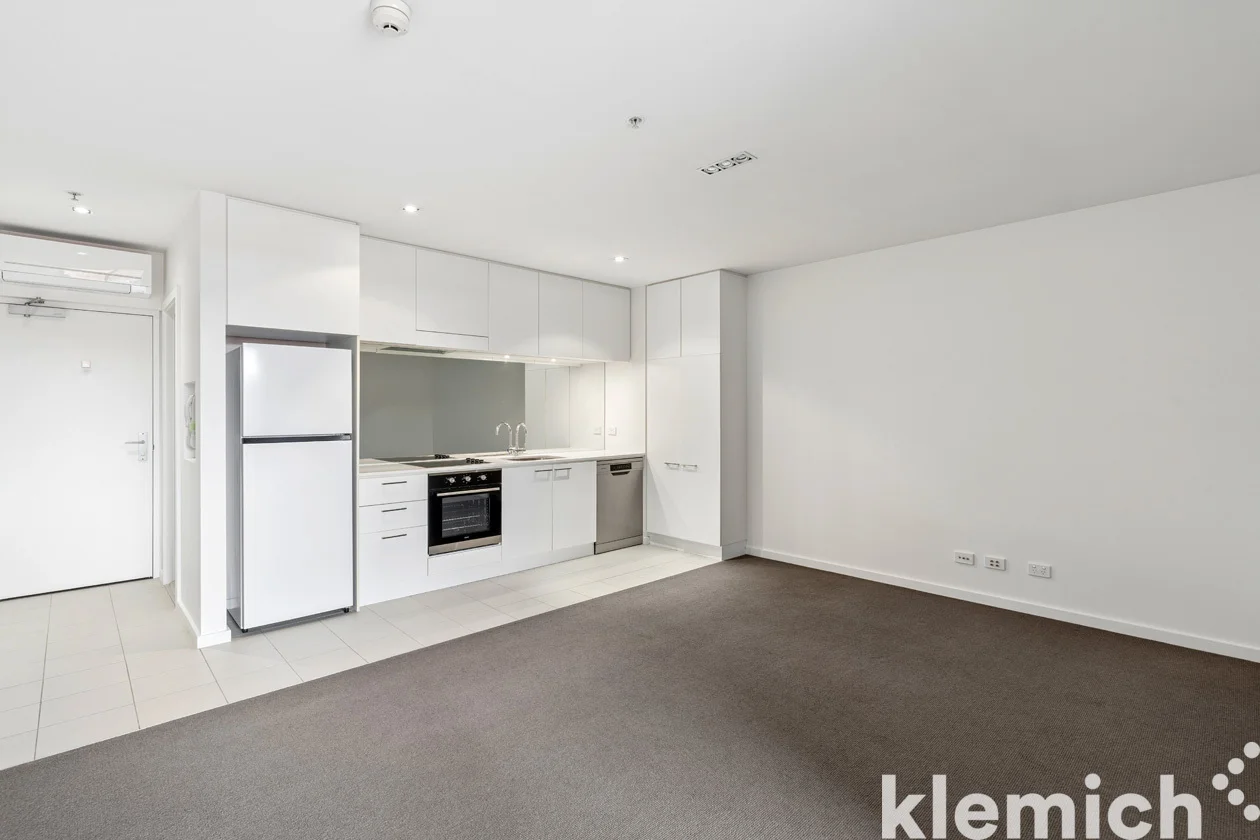 $440,000
Apartment / Unit / Flat
$440,000
Apartment / Unit / Flat
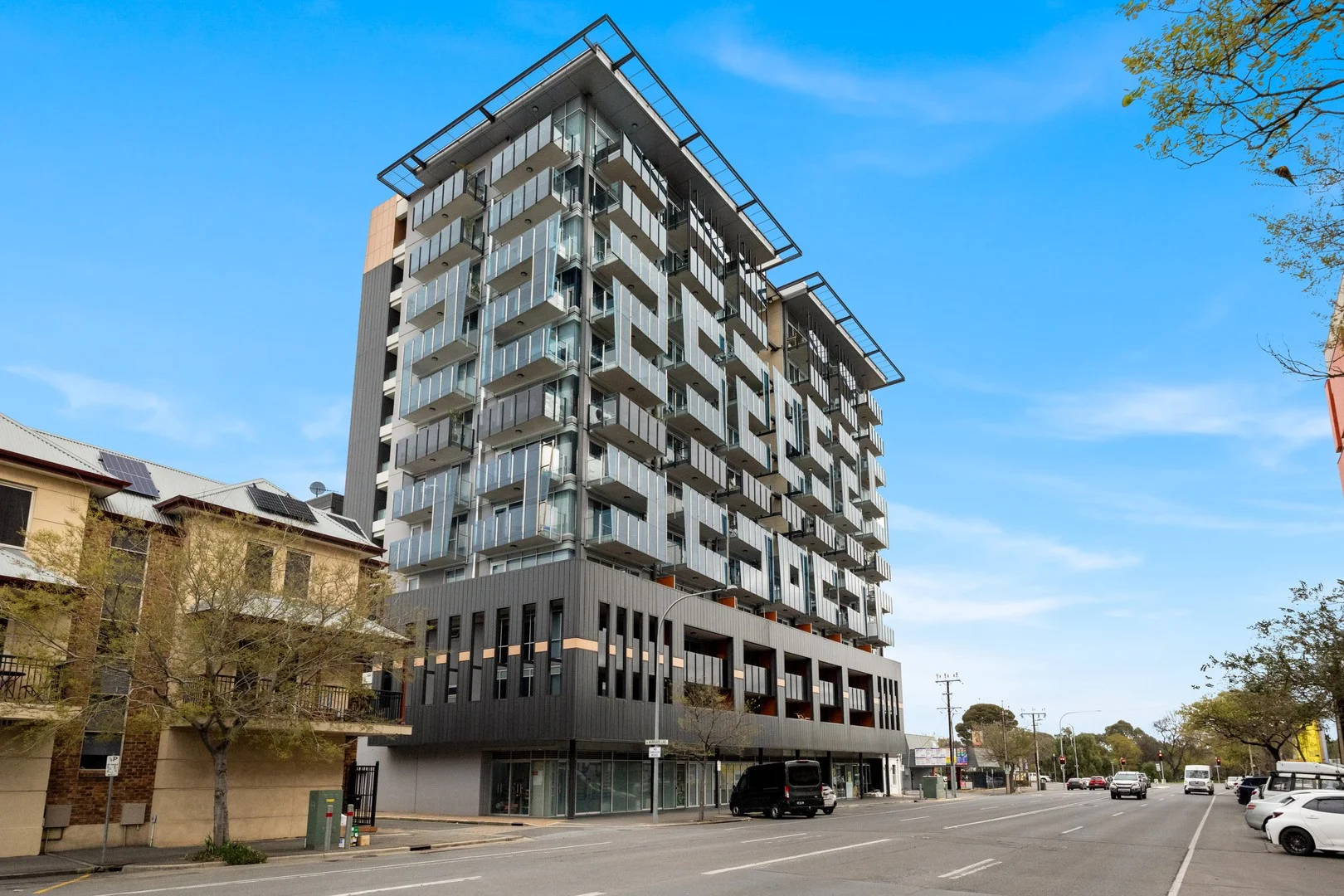 $1,100,000
Apartment / Unit / Flat
$1,100,000
Apartment / Unit / Flat
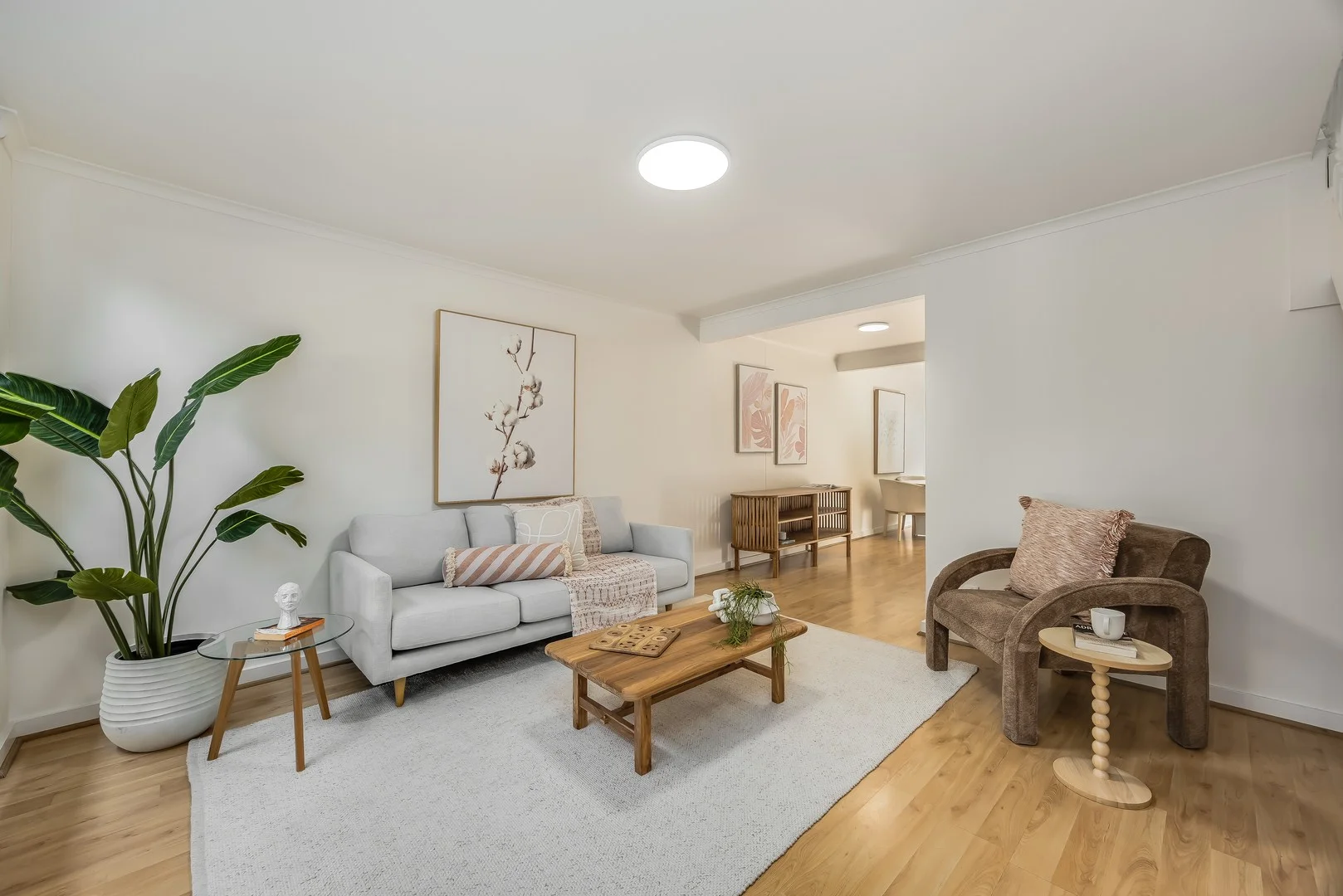 $775,000
House
$775,000
House