## 1. Overview
Geelong East Primary School is a public primary school serving families in East Geelong, Victoria. The school supports students from Foundation to Year 6 and focuses on creating an inclusive, student-centred learning environment where wellbeing and participation are valued.
As a medium-sized public school, class sizes are typically in the 20–24 student range, which helps teachers provide more individual attention. The atmosphere is nurturing and community-minded, emphasising respect, collaboration, and the development of lifelong learners.
## 2. Academics & Learning
Geelong East Primary School emphasises strong literacy and numeracy foundations, with opportunities to explore STEM, digital learning, and inquiry-based projects. The school offers programs designed to develop critical thinking, communication, and problem-solving skills across year levels.
Special programs may include gifted and talented identification or acceleration options where available, along with targeted supports for diverse learners. The school provides English as an Additional Language (EAL) support and SEN (special education needs) assistance to help students progress. Student-teacher ratios typically run around 1:12 to 1:22 across year levels, supporting guided learning and feedback.
## 3. Sports & Extracurricular Strengths
Sport and physical activity are a strong focus, with opportunities such as basketball, netball, soccer, cricket, AFL-style activities, athletics, and swimming as part of the program. Strong teams and participation in inter-school events are encouraged.
The school also emphasises music and the arts, including choir and instrumental programs, as well as drama. Extracurricular clubs commonly offered include robotics, coding, chess, and debating, with partnerships or pathways to local community and regional competitions. These programs cater to a wide range of interests and help student groups develop teamwork and leadership skills.
## 4. Wellbeing & Pastoral Care
Wellbeing is a top priority, with a positive behaviour approach and supportive pastoral care. An anti-bullying framework guides school practices, along with a house system (where applicable) to foster school spirit and peer mentoring.
The school typically provides access to a school counsellor or wellbeing officers, with dedicated programs to support social-emotional learning. Transition support is offered for new students, including orientation activities and buddy systems to help students feel secure and connected as they settle in.
## 5. Facilities
- Sports grounds and outdoor play spaces
- Library and learning resources
- Science labs for hands-on experiments
- Music and performing arts spaces
- Tech/innovation or computer labs
- Canteen or tuck shop
- Updated playgrounds and outdoor learning areas
The facilities are designed to support a broad curriculum, active learning, and creativity, with visual and practical spaces that are easy for students to engage with.
## 6. School Values & Community Culture
The school community is built around values such as respect, responsibility, resilience, and integrity. Leadership tends to be collaborative, with opportunities for student voice and leadership through class roles, committees, and school-wide initiatives.
Behaviour expectations are clearly communicated and consistently applied, contributing to a safe and positive environment. The school is generally regarded within the community as inclusive and welcoming, with a focus on celebrating diversity and supporting students from different backgrounds to participate fully.
## 7. School Logistics & Daily Operations
- School hours: typical Victorian primary-school day (e.g., roughly 9:00 am–3:30 pm, with variation by term and year level)
- Before/after school care: often available through OSHC or local providers
- Uniform requirements: standard school uniform; hats and appropriate footwear
- Transport: access to local bus routes and public transport; proximity to pick-up/drop-off points
- Canteen availability: canteen or lunch facilities on certain days
- Fees: public primary schools usually have low to moderate voluntary contributions; additional costs may apply for excursions and certain activities
## 8. Enrolment & Admissions
11. What is the enrolment process and timeline?
- Enrolment typically involves submitting an application to the school or the local district within the designated enrolment period. Timeline details (notification of placement, orientation days) are provided by the school and local education department and can vary by year.
12. Is there a waiting list, and how does it work?
- There can be a waiting list when demand exceeds places. Priority for offers often follows school-zone eligibility, siblings, and space availability. The exact process is outlined by the school and DET guidelines.
13. Are there any entry requirements, tests, or interviews?
- Generally, public primary schools do not require entrance exams. Some families may have meetings or briefings for specific programs (e.g., language support, gifted and talented pathways) or for transition planning, but formal testing is not typical.
14. Does the school accept mid-year transfers?
- Mid-year transfers can be possible if there is space. Availability depends on current enrolments and the capacity to support new students, with placement decisions coordinated through the school and district.
## 9. Frequently Asked Questions
- Why Parents Choose This School?
- A welcoming, inclusive community with a focus on wellbeing, strong literacy and numeracy, and a broad range of programs across academics, arts, and sport.
- What type of student thrives at this school?
- Students who respond well to a nurturing, collaborative environment with opportunities to engage in both academics and extracurricular activities, and who value supportive staff and a sense of belonging.
- What opportunities are available for students to extend their skills (academics, sports, arts)?
- Additional challenges in literacy and numeracy, STEM and digital learning, gifted and talented pathways where available, and a variety of clubs (robotics, coding, chess, debating) plus music, drama, and sport programs.
- How does the school communicate with parents?
- Regular updates through newsletters, the school website, portals or apps, parent-teacher conferences, and scheduled information evenings.
- What is the school's approach to teaching and learning?
- A student-centered approach with emphasis on foundational literacy and numeracy, inquiry-based learning, collaboration, and opportunities for hands-on and practical experiences.
- How does the school support students who need extra academic help?
- Targeted interventions through EAL and SEN support, learning support staff, and small-group or one-on-one assistance as needed.
- What support is available for academic challenges?
- Additional tutoring, differentiated instruction within classrooms, and referrals to specialist supports when required.
- How does the school communicate with parents? (duplicate)
- See above: newsletters, portals, conferences, and open communication channels with teachers and leadership.
- What are the class sizes and how much individual attention do students receive?
- Class sizes are typically in the low 20s, with a focus on providing individualized feedback and support within the broader classroom setting.
- What extracurricular and sports opportunities are available?
- A broad range of sports (basketball, netball, soccer, cricket, athletics, swimming), music and arts programs, and clubs such as robotics, coding, chess, and debating.
- What facilities does the school offer (sports, science, arts)?
- Sports grounds, library, science labs, music/performing arts spaces, tech/innovation labs, canteen, and updated playgrounds.
- What is the school’s approach to technology and digital learning?
- Integration of digital learning across the curriculum, with access to computer/lab resources and age-appropriate technology to support learning.
- What transport and accessibility options are available?
- Access to local bus routes and proximity to public transport; accommodation for families with differing needs and reasonable access to drop-off/pick-up points.
- What are the typical school fees or additional costs?
- Public primary schools have low to moderate voluntary contributions; additional costs may apply for excursions, activities, and some programs.
## 10. Short Pros & Cons list
- Pros
- Public, inclusive, community-focused environment
- Moderate class sizes enabling individual attention
- Strong literacy, numeracy, and core academic focus
- Broad range of extracurriculars (sport, music, clubs)
- Active wellbeing and pastoral care with supportive staff
- Modern facilities and dedicated learning spaces
- Cons
- As a medium-sized public school, demand can exceed spaces in some years
- Some programs may operate on a voluntary or supplementary basis with associated costs
- Transport and commuting needs depend on family location and available routes
If you’d like, I can tailor this draft further with more precise details you provide (for example, current enrolment numbers, specific programs offered this year, or exact hours and fees).







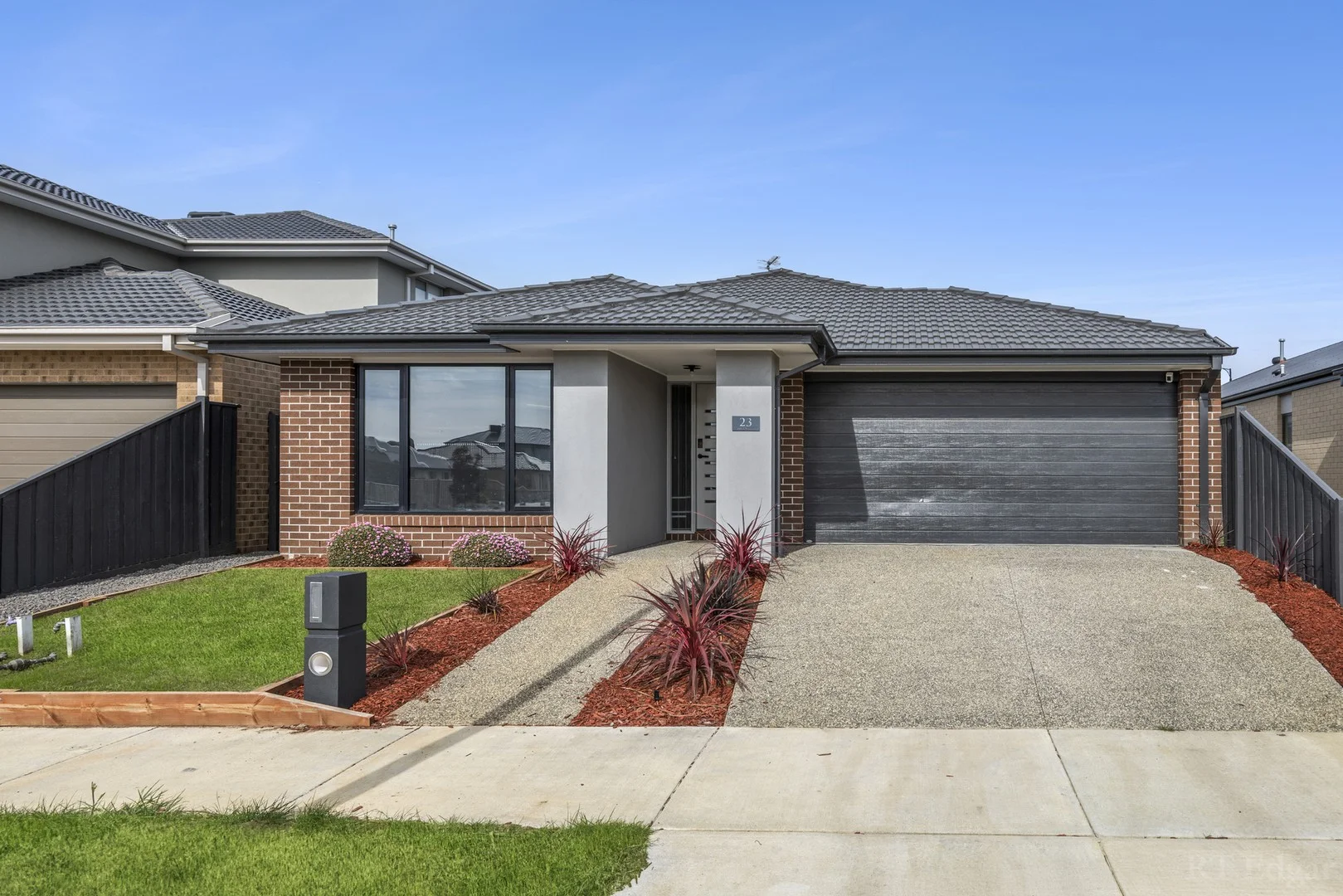 $599,000 - $658,900
House
$599,000 - $658,900
House
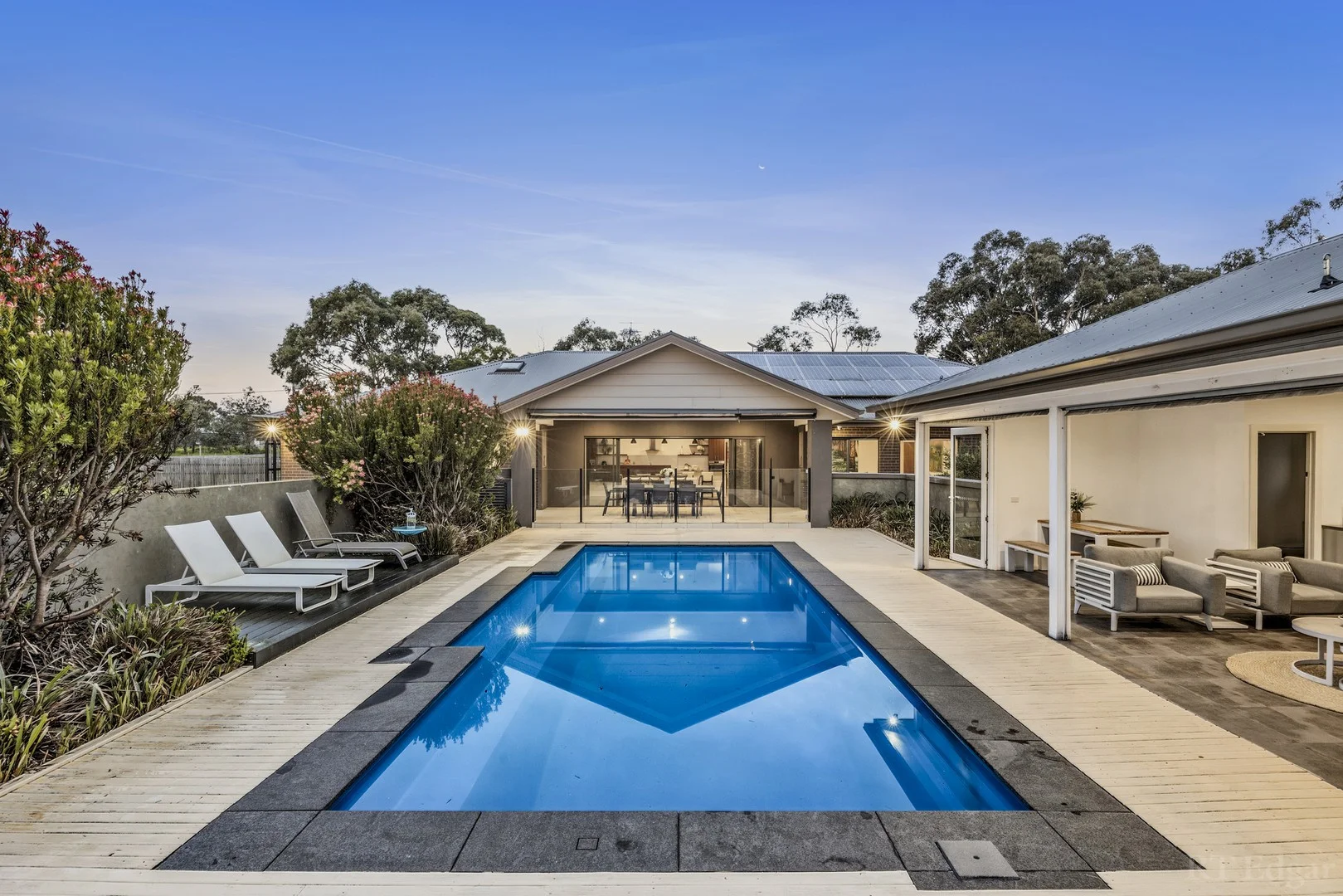 $3,006,750 - $3,307,425
House
$3,006,750 - $3,307,425
House
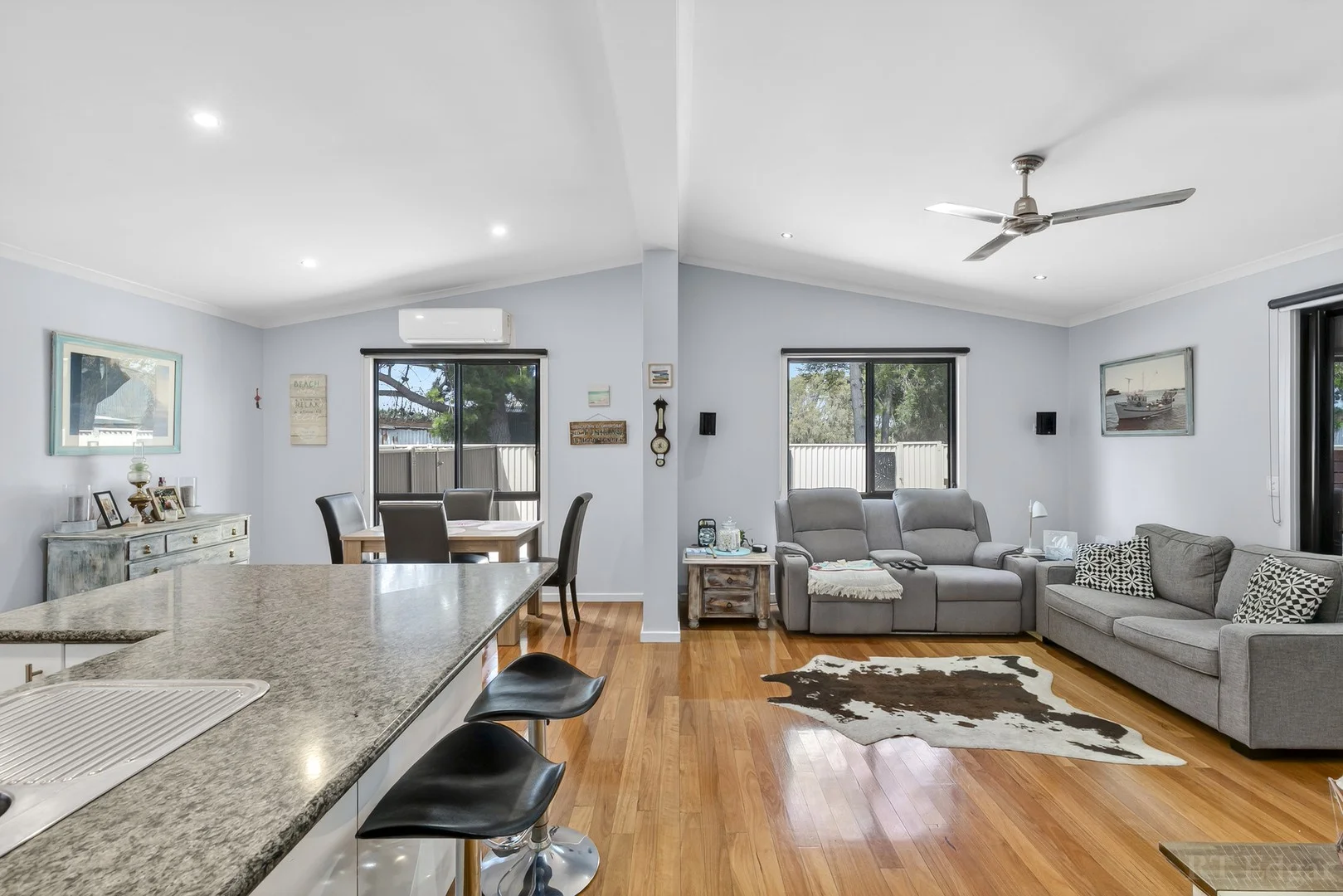 $538,175 - $591,992
Apartment / Unit / Flat
$538,175 - $591,992
Apartment / Unit / Flat
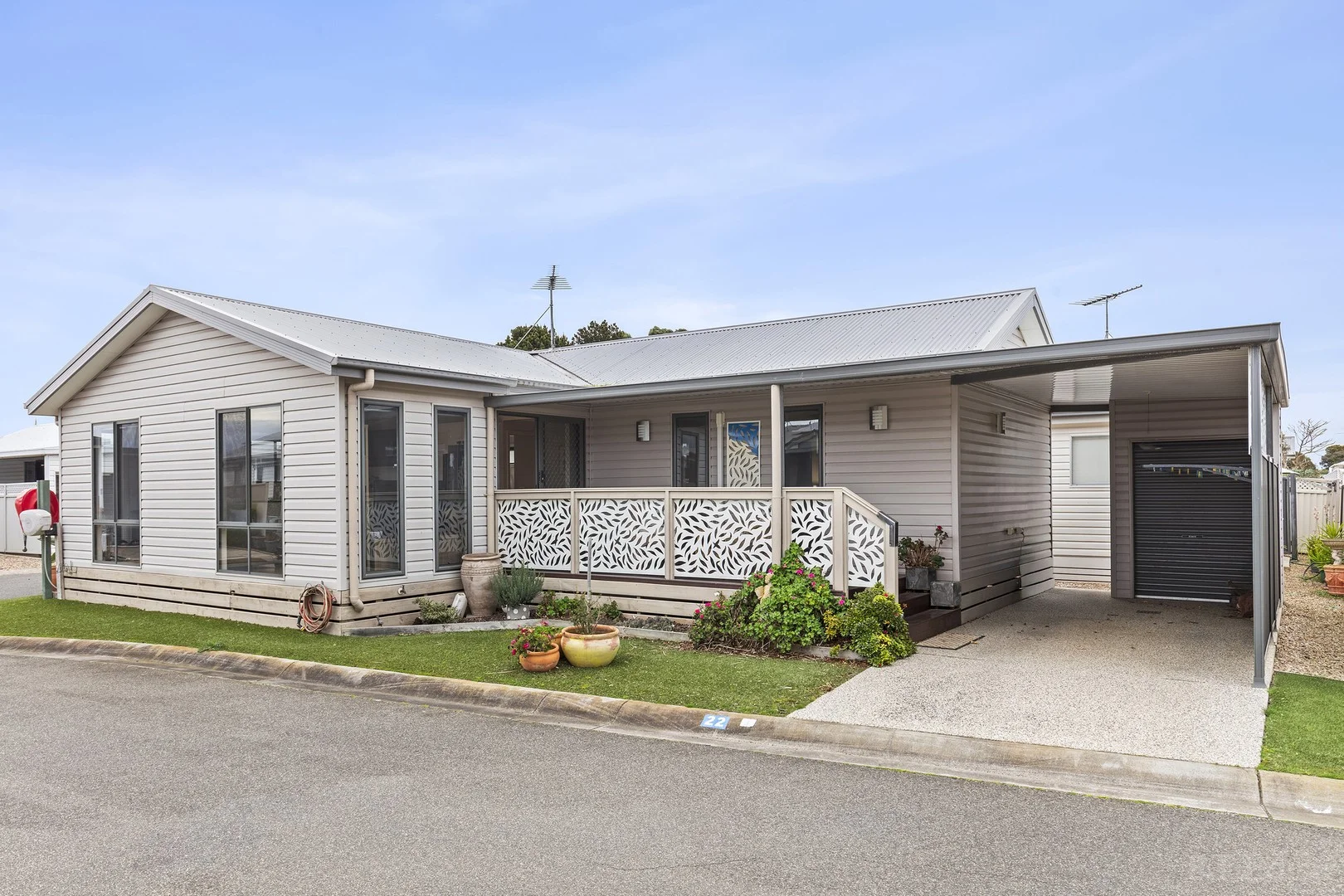 $428,450 - $471,295
House
$428,450 - $471,295
House
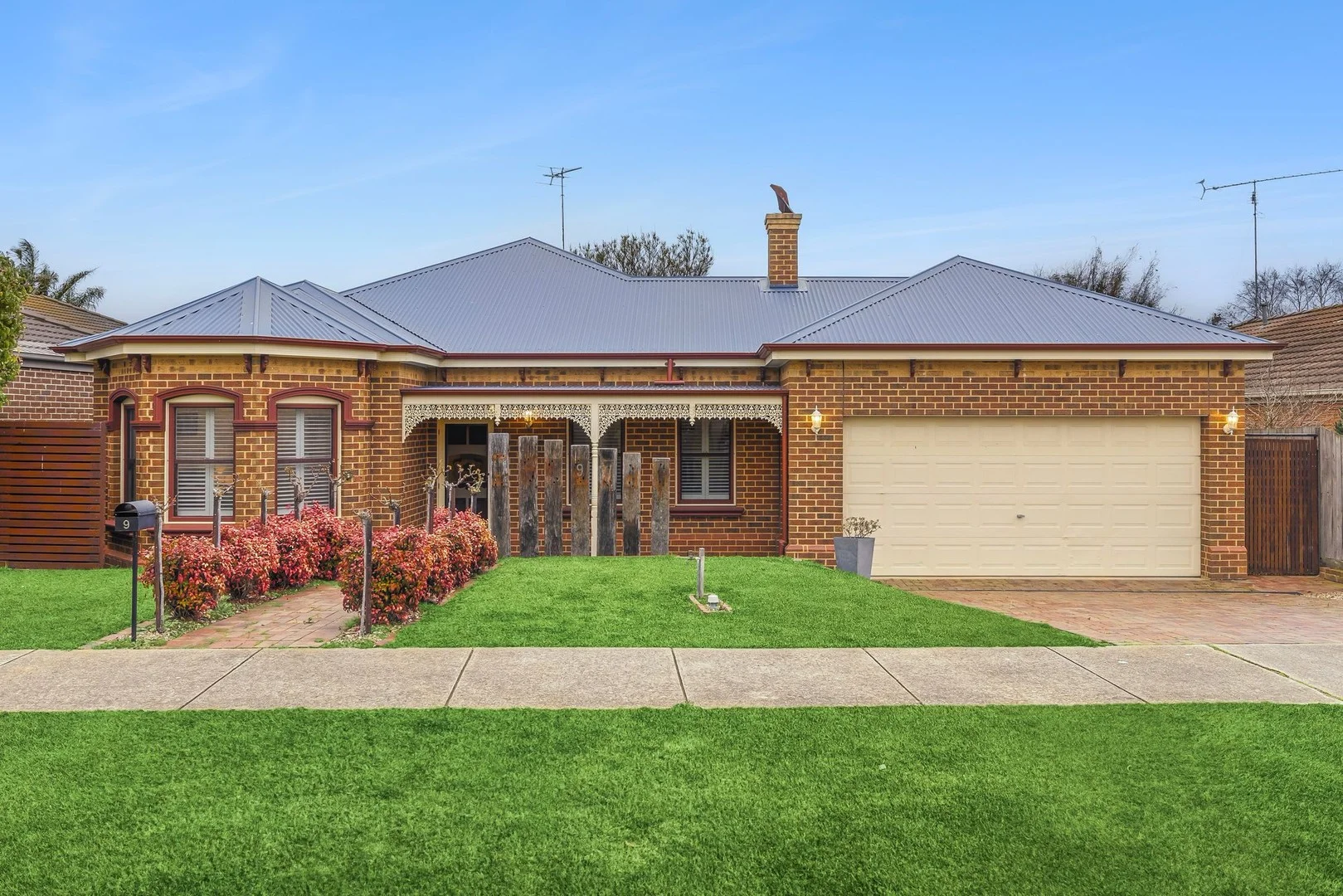 $830,000 - $890,000
House
$830,000 - $890,000
House
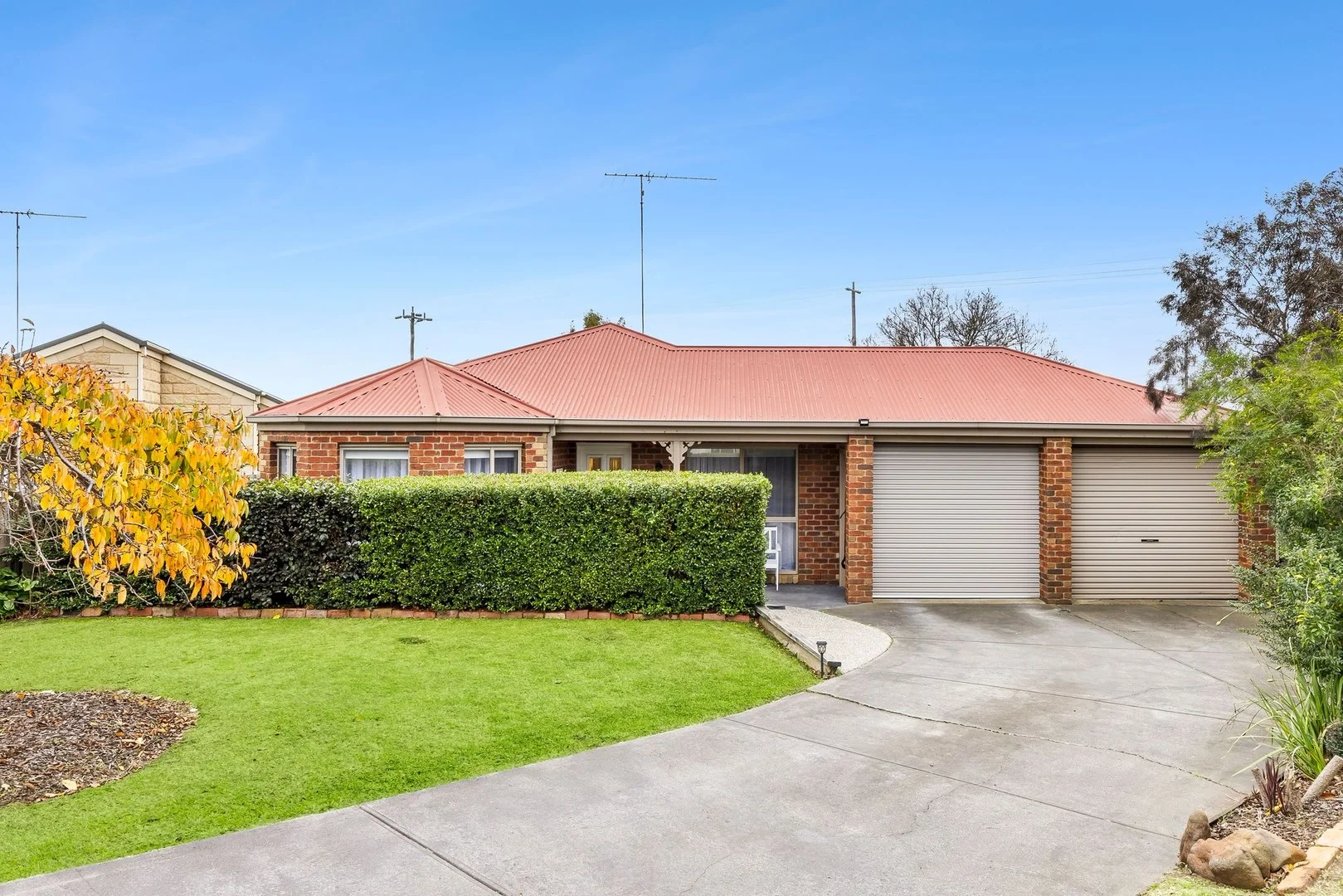 $810,000
House
$810,000
House
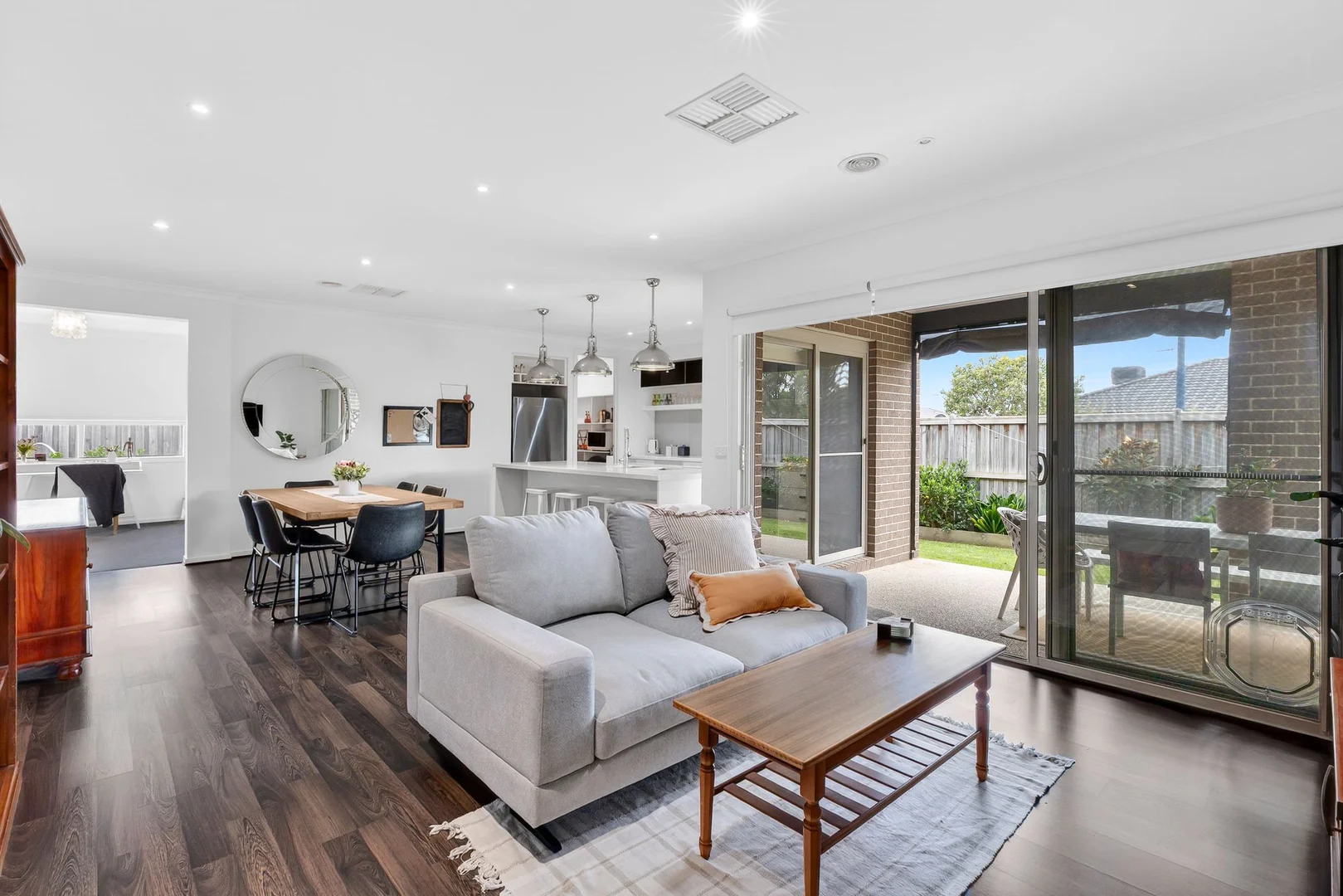 $840,000 - $880,000
House
$840,000 - $880,000
House
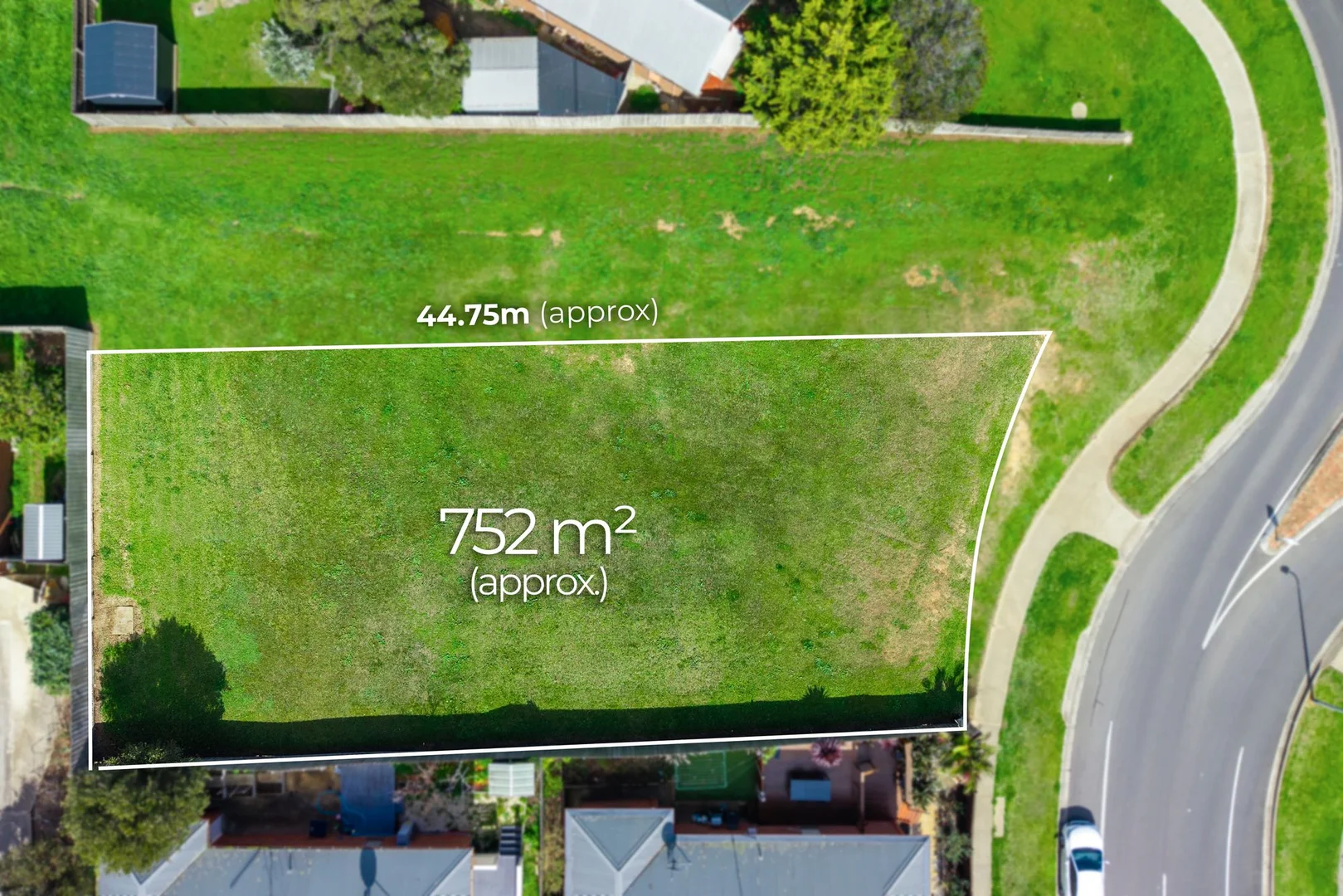 $540,000
Vacant Land
$540,000
Vacant Land
 $540,000
House
$540,000
House


