## 1. Overview
Gilroy Catholic College Castle Hill is a Catholic secondary school serving students in NSW’s Hills District. As a Catholic education provider, the college emphasises faith-based learning, community, and values-driven development alongside academic achievement. The atmosphere is generally described as nurturing and inclusive, with a focus on developing well-rounded students who contribute to their community.
The school is medium-to-large in size, with class sizes typically in the mid-20s. The culture encourages student voice, pastoral care, and opportunities to participate in sport, arts, and service activities, supporting a balanced and supportive learning environment for families.
⸻
## 2. Academics & Learning
- Academic strengths: English, STEM, Mathematics, Science, and strong Religious Education provision are typically highlighted, with emphasis on leadership development and language studies as part of a well-rounded curriculum.
- Special programs: Gifted and Talented/accelerated pathways, leadership programs, and service-learning initiatives are commonly available, alongside Catholic identity integration across learning.
- NAPLAN / trends: NSW-wide trends show stable performance with areas of improvement in literacy and numeracy in recent years; the school generally aims to sustain progress in core literacy and numeracy outcomes.
- Student-teacher ratios: Class sizes are usually in the small-to-mid range for secondary schools, with a focus on maintaining approachable teacher access and student support.
- Support for diverse learners: EAL (English as an Additional Language) support, learning support for students with SEN, and inclusive education pathways are typically available to assist a range of learners.
⸻
## 3. Sports & Extracurricular Strengths
- Sports offered: Common offerings include football (soccer), rugby league, cricket, basketball, athletics, swimming, and tennis, with opportunities to represent the school in inter-school competitions.
- Strong teams or achievements: The school generally maintains an active sports program with competitive inter-school teams and regional representation.
- Music, arts, drama programs: A music program and drama/performing arts opportunities are usually available, supporting both performance and creative development.
- Clubs: Robotics, coding, chess, debating, science clubs, and other interest-based groups commonly run to broaden student engagement beyond the classroom.
- Partnerships: Partnerships with local clubs and participation in diocesan or inter-school competitions help extend opportunities beyond school walls.
⸻
## 4. Wellbeing & Pastoral Care
- Anti-bullying approach: A whole-school approach with clear policies, reporting channels, and supportive interventions to promote a safe environment.
- House system: A house-based structure is typically used to foster belonging, with regular inter-house events and competitions.
- Counsellors / wellbeing officers: Access to school counsellors or wellbeing staff who provide social-emotional support and guidance.
- Transition support for new students: Induction programs, buddy systems, and orientation activities help new students settle in and build connections.
⸻
## 5. Facilities
- Sports grounds
- Libraries
- Science laboratories
- Music/performing arts centers
- Tech/innovation labs
- Cafeteria
- Updated playgrounds
The campus is designed to be visually engaging and functional, with spaces that support science, technology, arts, sport, and daily learning. The aim is to provide a conducive environment for both study and recreation.
⸻
## 6. School Values & Community Culture
- School values / mission: A values-led education rooted in Catholic faith, service, integrity, and respect; emphasis on character development alongside academic growth.
- Leadership style: Collaborative and inclusive, with opportunities for student leadership, staff mentorship, and active student input in school life.
- Behaviour expectations: Clear expectations around respect, responsibility, safety, and positive conduct aligned with the school’s ethos.
- Community reputation: Generally regarded as a supportive, faith-based community committed to student wellbeing and achievement.
- Diversity & inclusion: A focus on inclusivity, supporting students from diverse backgrounds and ensuring accessible pathways for all learners.
⸻
## 7. School Logistics & Daily Operations
- School hours: Typical school day runs during standard NSW secondary hours, with start and finish times published by the school each year.
- Before/after school care: Provision for before/after school care or supervision is commonly available or organized through approved providers.
- Uniform requirements: School uniform is required, with guidelines for everyday wear and any approved variations for inclement weather or special events.
- Transport (train/bus routes): Public transport options and local bus routes are available, with information typically provided by the school or local transit authorities.
- Canteen availability: An on-site canteen or snack facilities are usually available to students.
- Fees (low/medium/high ranges): As a Catholic systemic school, fees are generally in the moderate range for families, with specific amounts published by the school each year.
⸻
## 8. Enrolment & Admissions
11. What is the enrolment process and timeline?
- Submit an online application with required documents.
- Attend information sessions or open days if offered.
- Participate in an enrolment interview/meeting (and possibly a house placement consideration).
- Receive an offer of enrolment if a vacancy exists.
- Complete enrolment formalities and attend any orientation or transition activities.
12. Is there a waiting list, and how does it work?
- Waiting lists may apply if demand exceeds vacancies. Priority is typically given to siblings and parish/or Catholic-identity considerations, with offers allocated by date of application and available places.
13. Are there any entry requirements, tests, or interviews?
- Entry usually involves an application process and an interview; formal academic testing is not always required for standard enrolment, though some programs or year levels may have additional assessment or audition processes (e.g., for performing arts).
14. Does the school accept mid-year transfers?
- Mid-year transfers may be possible if there are vacancies, subject to the usual enrolment process and any required transition arrangements.
⸻
## 9. Frequently Asked Questions
- Why Parents Choose This School?
- A values-based Catholic education with strong pastoral care, supportive community, balanced academics, and broad extracurriculars.
- What type of student thrives at this school?
- Students who value faith-based learning, participate in both academics and activities, and benefit from a supportive environment that emphasises leadership and service.
- What opportunities are available for students to extend their skills (academics, sports, arts)?
- Academic extension pathways (Gifted & Talented or accelerated learning), leadership opportunities, diverse sports programs, music and drama, robotics/coding clubs, debating, and service learning.
- How does the school communicate with parents?
- Regular newsletters, parent portals or portals, email updates, and scheduled parent-teacher interviews.
- What is the school’s approach to teaching and learning?
- Student-centered and inclusive teaching with differentiation, technology-enabled learning, and integration of faith-based values.
- How does the school support students who need extra academic help?
- Learning support staff, targeted interventions, EAL support, and access to additional tutoring or accommodation plans where appropriate.
- What support is available for academic challenges?
- Access to counsellors or wellbeing staff, academic coaching, and personalized plans to help students stay engaged and meet goals.
- How does the school communicate with parents? (reiterated)
- See above: newsletters, portals, emails, interviews, and regular updates.
- What are the class sizes and how much individual attention do students receive?
- Class sizes are typically mid-sized for NSW secondary schools, with teachers able to provide individual or small-group support as part of differentiated teaching.
- What extracurricular and sports opportunities are available?
- A wide range of sports (soccer, rugby, cricket, basketball, athletics, swimming), arts (music, drama), and clubs (robotics, coding, chess, debating), along with inter-school competitions.
- What facilities does the school offer (sports, science, arts)?
- Sports grounds, libraries, science labs, performing arts/music facilities, technology/innovation labs, canteen, and well-maintained outdoor spaces.
- What is the school’s approach to technology and digital learning?
- Integration of digital tools and platforms, a focus on eSafety, and opportunities for students to engage with technology in learning across subjects.
- What transport and accessibility options are available?
- Access to local public transport options (bus routes, nearby train stations) and parking, with information provided by the school.
- What are typical school fees or additional costs?
- Fees are generally in the middle range for NSW Catholic schools, with typical additional costs for uniforms, excursions, and some program-specific activities.
⸻
## 10. Short Pros & Cons list
- Pros
- Catholic values-based education with strong pastoral care
- Supportive, inclusive learning environment
- Moderate-to-large school with diverse academic, sport, and arts offerings
- Broad range of extracurricular activities and clubs
- Clear safety and behavioural expectations with a house system
- Access to learning support, EAL, and SEN services
- Active community presence and opportunities for leadership and service
- Cons
- As a religious-based school, families seeking a secular setting may prefer other options
- Fees and costs associated with uniforms, excursions, and programs
- Availability can vary by year level; mid-year transfers depend on vacancies
- Some specialized programs (e.g., performing arts or elite sports) may have audition or specific entry considerations
⸻










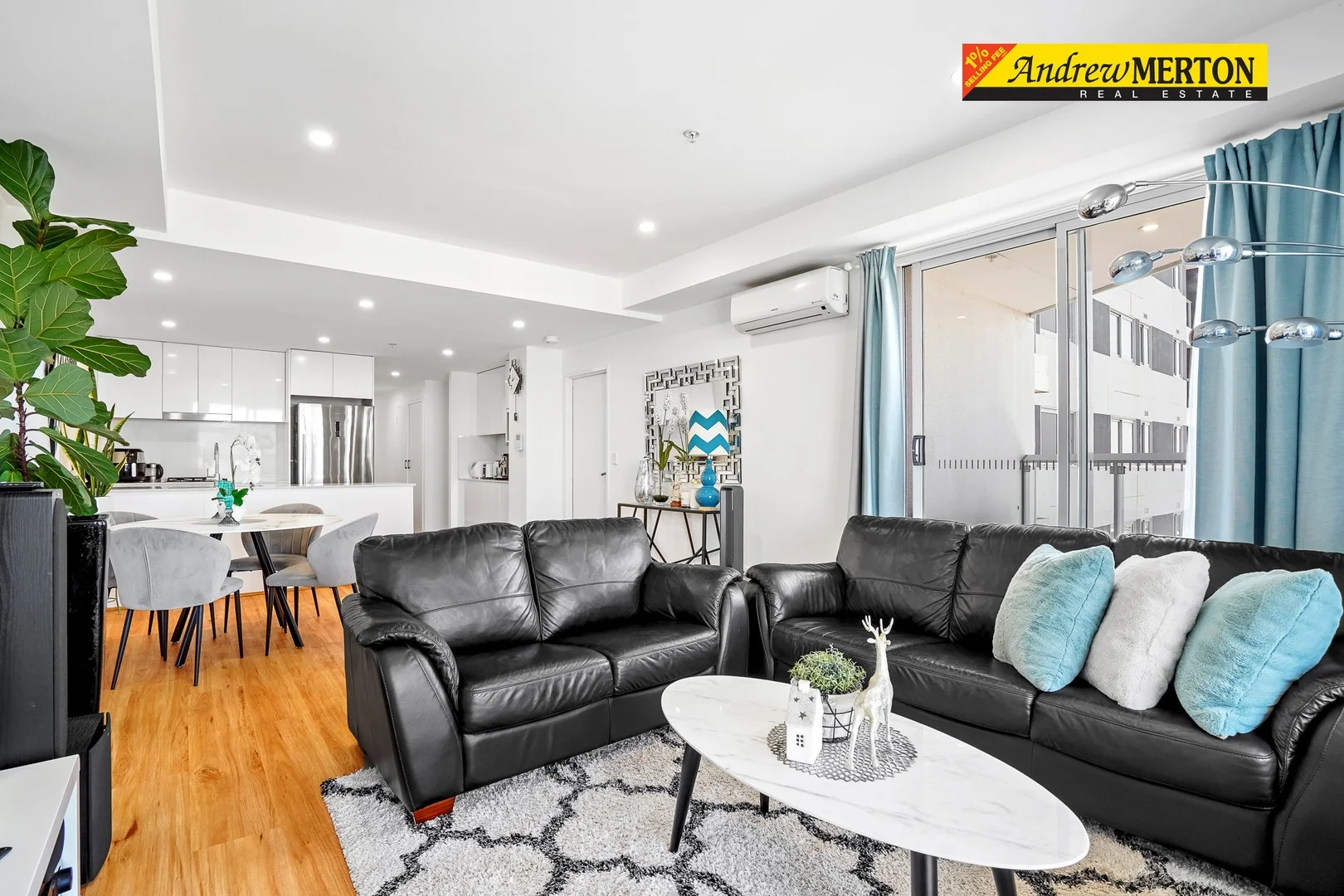 $450,000 - $470,000
Apartment / Unit / Flat
$450,000 - $470,000
Apartment / Unit / Flat
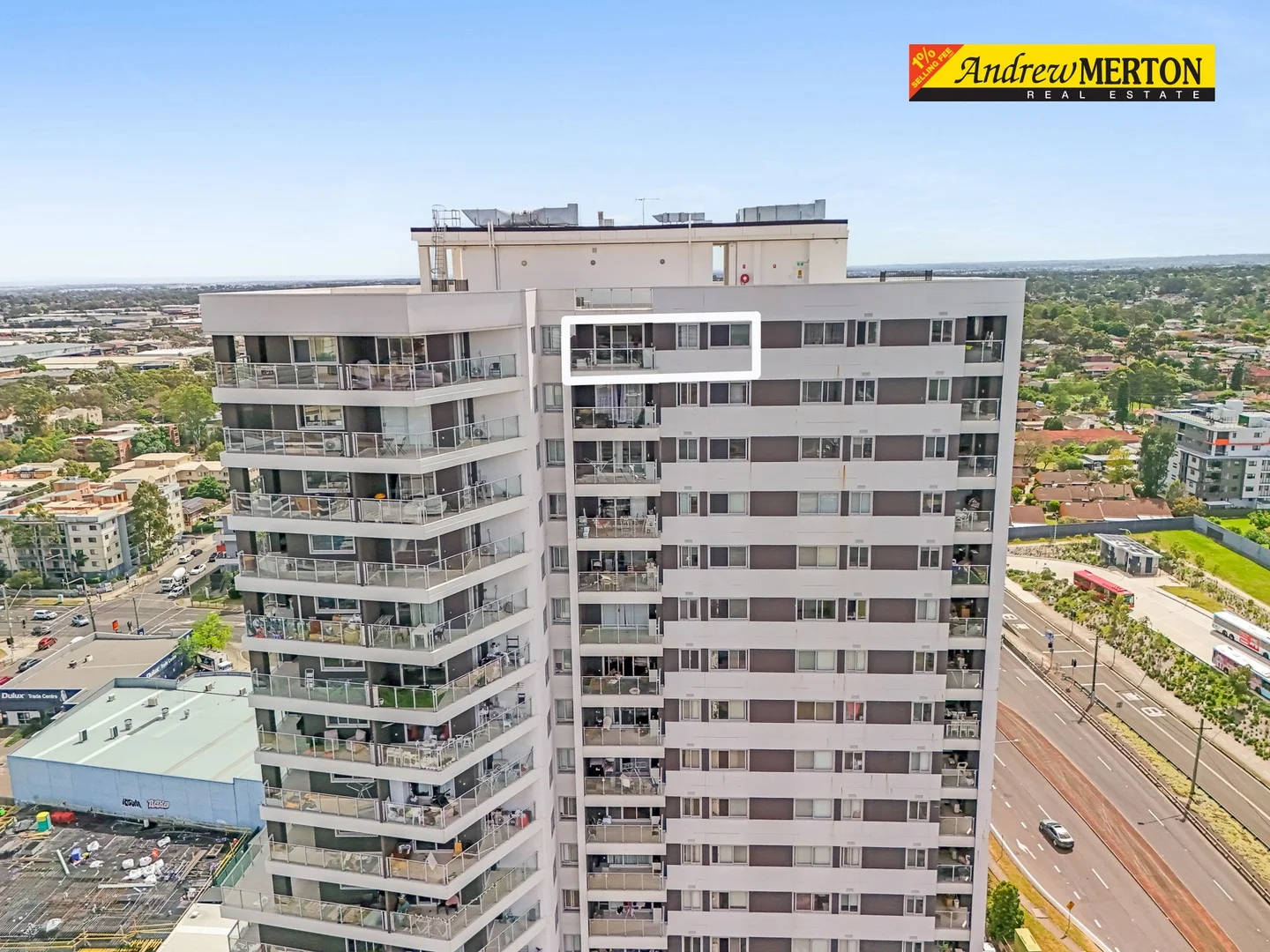 $399,900
Apartment / Unit / Flat
$399,900
Apartment / Unit / Flat
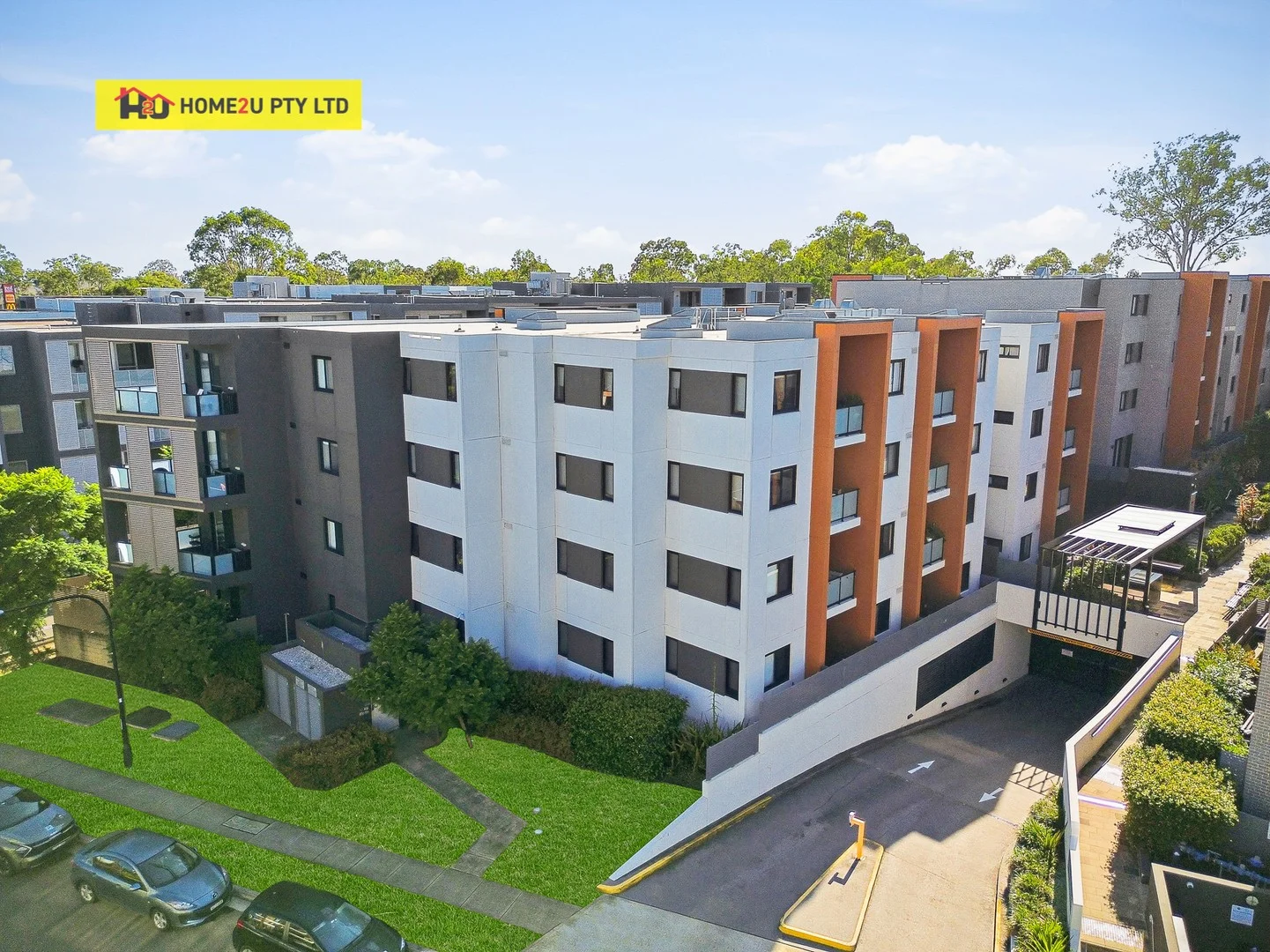 $750,000 - $780,000
Apartment / Unit / Flat
$750,000 - $780,000
Apartment / Unit / Flat
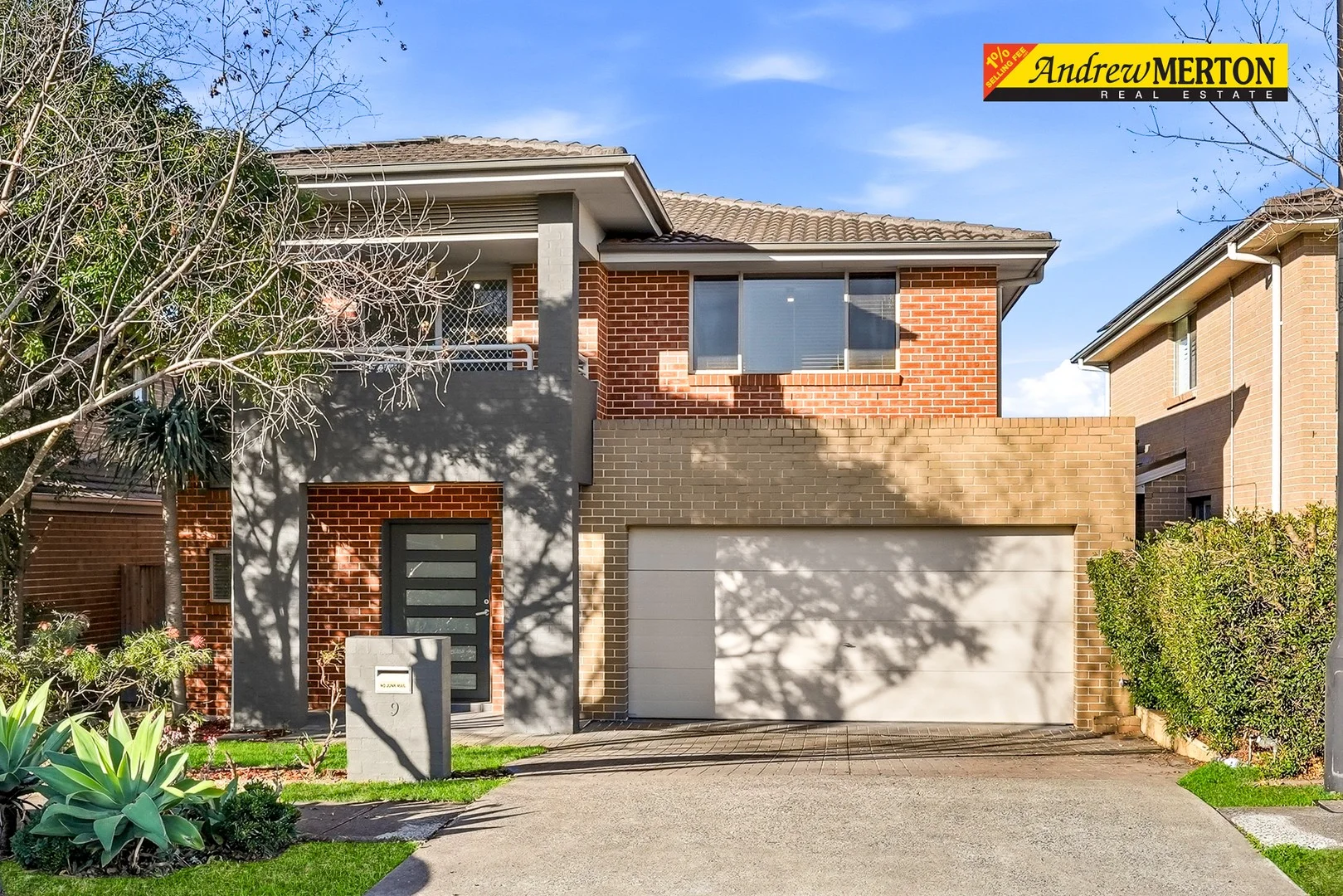 $1,550,000
House
$1,550,000
House
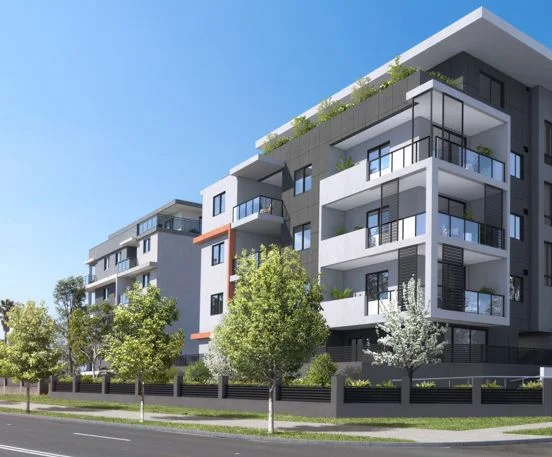 $915,000
Apartment / Unit / Flat
$915,000
Apartment / Unit / Flat
 $1,525,000
Apartment / Unit / Flat
$1,525,000
Apartment / Unit / Flat
 $36,000,000 - $39,500,000
Vacant Land
$36,000,000 - $39,500,000
Vacant Land