## 1. Overview
Castle Hill High School is a public, co-educational secondary school serving students in the Castle Hill area of NSW. As a NSW Department of Education school, it offers a broad secondary curriculum with opportunities for enrichment and targeted support. The school community tends to be welcoming and inclusive, with a focus on academic achievement alongside strong personal development.
- School type: Public
- School size: Medium to large
- Class size: Typically mid-20s per class (varies by year level and subject)
- Atmosphere/culture: Inclusive, academically focused, supportive, with active student life
## 2. Academics & Learning
Castle Hill High School emphasises core literacy and numeracy while providing strong pathways in STEM, English, and languages. The curriculum supports a range of learner needs and interests, with opportunities for enrichment and leadership development.
- Academic strengths: STEM emphasis, strong English/literacy focus, leadership opportunities, language study options
- Special programs: Gifted and Talented Education (G&T) or accelerated pathways where applicable, plus enrichment opportunities within the NSW curriculum
- NAPLAN trends: Public reporting typically shows stable to improving trends over recent years, with ongoing literacy and numeracy support where needed
- Student-teacher ratios: Classes taught by qualified teachers; typical NSW high school ratios apply with attentive teacher contact
- Support for diverse learners: EAL support, designated SEN/learning support, inclusive education team and targeted interventions
## 3. Sports & Extracurricular Strengths
A key consideration for many families, Castle Hill High School offers a broad range of sports and activities, with opportunities to compete, perform, and explore interests outside the classroom.
- Sports offered: Rugby league, soccer, cricket, basketball, netball, athletics, tennis, and other core school sports
- Strong teams or achievements: Active school teams that compete in regional competitions; values teamwork and sportsmanship
- Music, arts, drama programs: Active music program (ensembles, bands, choir), drama and performing arts opportunities
- Clubs: Robotics, coding, chess, debating, science/technology clubs, and language or cultural clubs
- Partnerships: Local community sport clubs, regional competitions, and opportunities to engage with local arts and STEM programs
## 4. Wellbeing & Pastoral Care
Wellbeing and pastoral support are central to the student experience, helping students feel secure, supported, and ready to learn.
- Anti-bullying approach: Clear policies and programs addressing bullying and online safety; emphasis on respectful behaviour
- House system: Yes, used to foster community, belonging, and healthy competition
- Counsellors / wellbeing officers: Access to school counsellors and wellbeing staff for social-emotional support
- Transition support for new students: Orientation programs, buddy systems, and targeted support to help new students settle in
## 5. Facilities
Facilities are designed to support a broad curriculum and vibrant student life.
- Sports grounds: Large outdoor sports fields and courts
- Libraries: Well-equipped library with print and digital resources
- Science labs: Modern, well-equipped science laboratories
- Music/performing arts centers: Dedicated spaces for music, drama, and performance
- Tech/innovation labs: Computer labs, STEM/Maker spaces, and robotics facilities
- Cafeteria: On-site canteen serving a range of options
- Updated playgrounds: Well-maintained outdoor spaces for recreation and learning
## 6. School Values & Community Culture
The school aims to cultivate responsible, respectful, and resilient learners within an inclusive community.
- School values / mission: Emphasis on respect, responsibility, inclusivity, and academic effort
- Leadership style: Collaborative leadership with student voice through student leadership opportunities
- Behaviour expectations: Clear codes of conduct and restorative approaches to discipline
- Community reputation: Generally viewed as a welcoming, hardworking community focused on student growth
- Diversity & inclusion: Commitment to welcoming students from diverse backgrounds and ensuring inclusive participation
## 7. School Logistics & Daily Operations
Key everyday considerations for families planning around school life.
- School hours: Regular school day with start and finish times aligned to NSW public school schedules
- Before/after school care: After-school activities and external care options commonly available through community providers or school programs
- Uniform requirements: NSW public high school uniform policy in place
- Transport (train/bus routes): Access via local bus routes and proximity to public transport; families typically rely on a combination of bus services and walking/cycling
- Canteen availability: On-site canteen or vending options during breaks
- Fees (low/medium/high ranges): Public high school fees are generally limited to voluntary contributions, textbooks, uniforms, and approved excursions; overall costs are considered moderate
## 8. Enrolment & Admissions
8. Enrolment & Admissions
- What is the enrolment process and timeline?
- Enrolments for Year 7 typically occur in the lead-up to the start of high school year, with documentation requested well in advance. The process is managed through the NSW Department of Education enrolment system, often with timelines published by the school and local area. Applications usually open several months before the start of the school year, with an official offer and placement communicated to families.
- Is there a waiting list, and how does it work?
- If the school is oversubscribed, a local placement priority and waiting list may apply. Offers are typically made based on space availability, local enrolment priorities, and the order of applications within those priorities.
- Are there any entry requirements, tests, or interviews?
- For a standard non-selective intake, there are generally no entry tests or interviews required. Some programs or subject-specific pathways may have additional requirements, but for typical enrolment, submission of standard documents suffices.
- Does the school accept mid-year transfers?
- Mid-year transfers are possible if there is available capacity. Families should contact the school’s enrolment office to discuss space, documentation, and any transitional supports required to enable a smooth transfer.
## 9. Frequently Asked Questions
- Why Parents Choose This School?
- A balanced program that supports strong academics, broad extracurriculars, and a supportive wellbeing culture within a public school setting.
- What type of student thrives at this school?
- Students who are curious, collaborative, and motivated to engage across academics, sport, arts, and community involvement.
- What opportunities are available for students to extend their skills (academics, sports, arts)?
- Enrichment in STEM and English, leadership opportunities, clubs (robotics, coding, debating), sports teams, music and drama programs, and access to a variety of competitions and events.
- How does the school communicate with parents?
- Regular updates via newsletters, email, school portal/app communications, parent-teacher meetings, and other school-run notices.
- What is the school’s approach to teaching and learning?
- A student-centered approach that combines direct instruction with collaborative learning, supported by digital tools and differentiated support where needed.
- How does the school support students who need extra academic help?
- Targeted literacy and numeracy supports, after-school or in-class assistance, EAL and SEN services, and access to learning support staff.
- What support is available for academic challenges?
- Individual or small-group tutoring, intervention programs, and adjustments to learning plans as appropriate.
- What are the class sizes and how much individual attention do students receive?
- Class sizes typically sit in the mid-20s; teachers focus on delivering differentiated instruction and monitoring student progress.
- What extracurricular and sports opportunities are available?
- A broad range of sports, clubs (robotics, coding, chess, debating), music and drama programs, and opportunities to participate in regional competitions.
- What facilities does the school offer (sports, science, arts)?
- Modern science labs, music/performing arts spaces, computer and maker spaces, well-stocked library, sports facilities, and a canteen.
- What is the school’s approach to technology and digital learning?
- Integration of digital tools to support learning, with resources for online research, coding, and digital citizenship.
- What transport and accessibility options are available?
- Access to local bus routes and public transport; school supports a safe and accessible environment for students commuting from the surrounding area.
- What are the typical school fees or additional costs?
- Public school enrolment involves minimal tuition fees; costs are mainly for uniforms, approved excursions, textbooks, and personal materials.
## 10. Short Pros & Cons list
- Pros
- Public, inclusive education with broad curriculum and extracurricular options
- Strong emphasis on academics alongside wellbeing and personal development
- Comprehensive facilities support science, arts, and technology
- Active student life with clubs, sports, and leadership opportunities
- Welcoming community with a house-based pastoral structure
- Cons
- Large school size can mean busy environments and variable individual attention at times
- Transport and travel options depend on local routes; some families rely on multiple modes
- Uniforms and certain costs (textbooks, excursions, activities) add ongoing expenses
- Availability of specific programs or pathways may vary year to year depending on staffing and enrolments
If you’d like, I can tailor these sections with more precise, up-to-date details from the school’s official enrolment info, recent newsletters, or NSW Department of Education resources.











 $750,000 - $780,000
Apartment / Unit / Flat
$750,000 - $780,000
Apartment / Unit / Flat
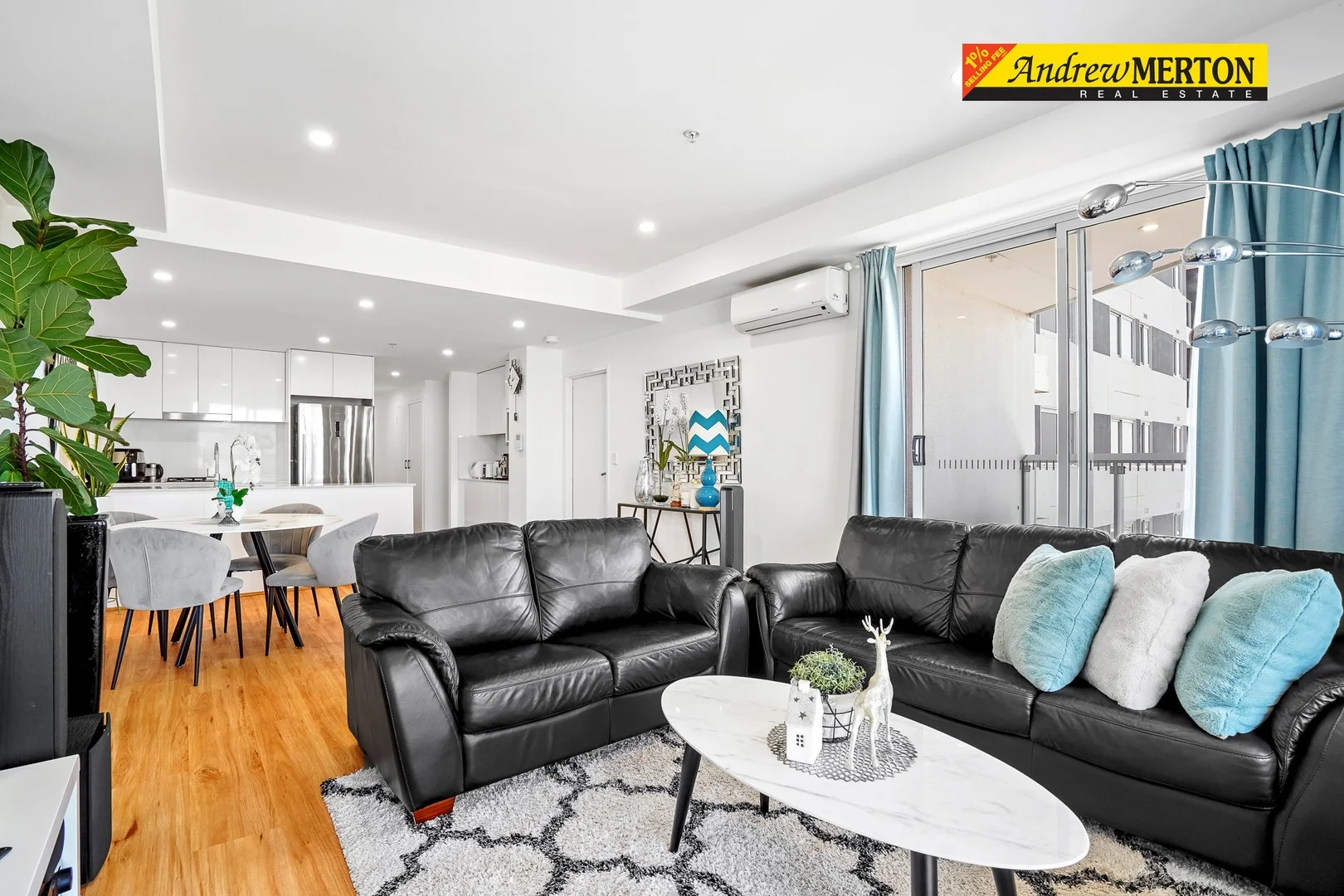 $450,000 - $470,000
Apartment / Unit / Flat
$450,000 - $470,000
Apartment / Unit / Flat
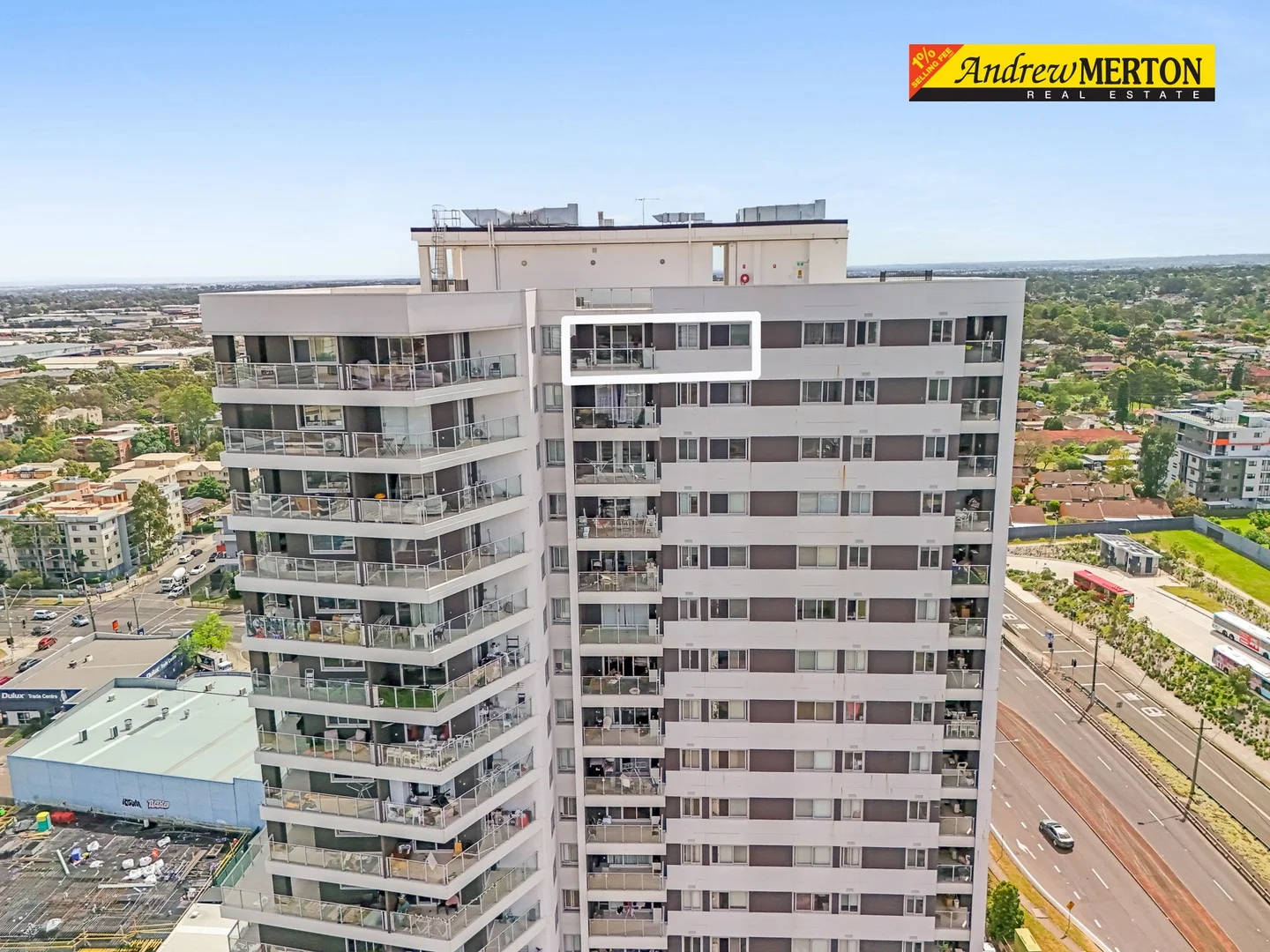 $399,900
Apartment / Unit / Flat
$399,900
Apartment / Unit / Flat
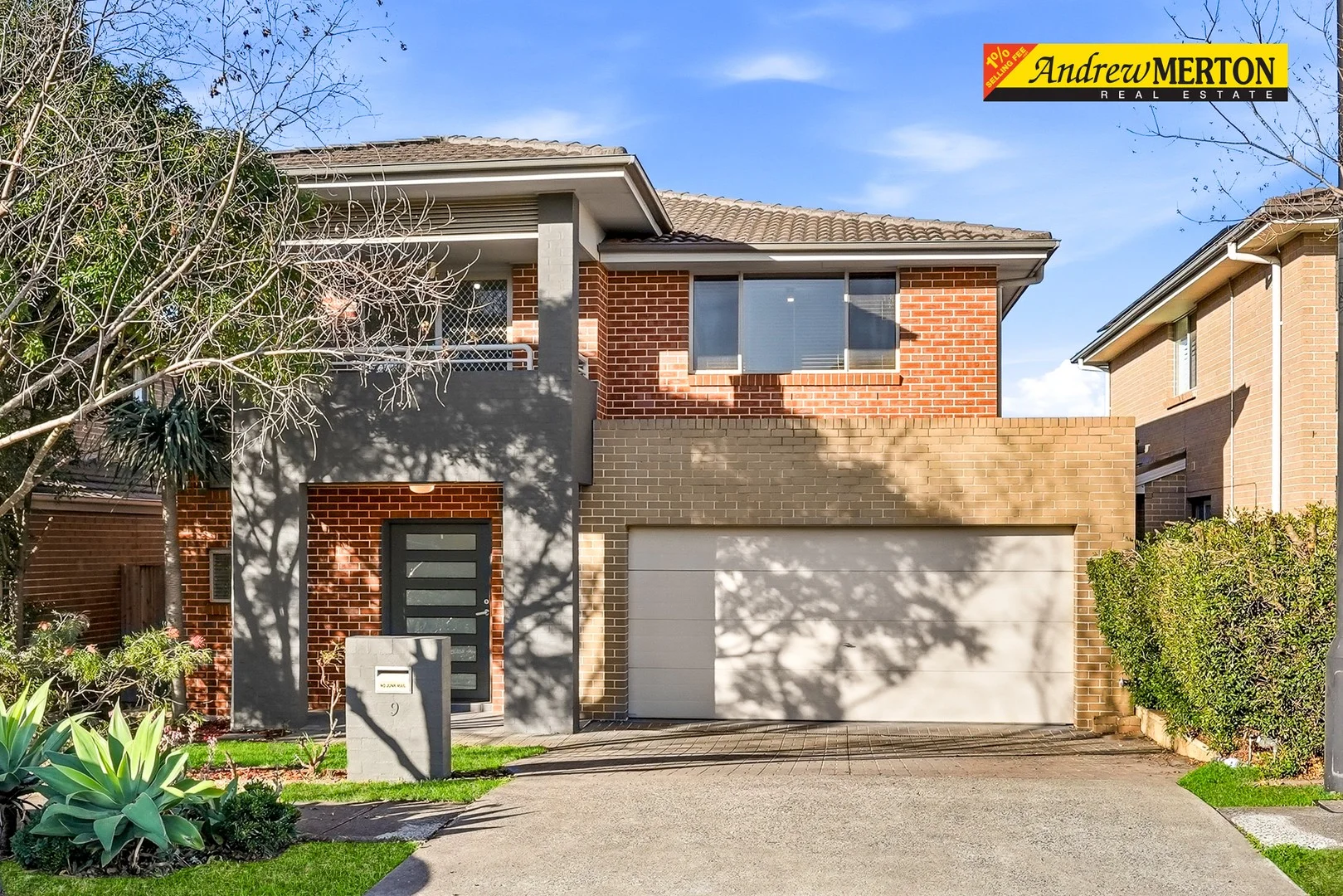 $1,550,000
House
$1,550,000
House
 $915,000
Apartment / Unit / Flat
$915,000
Apartment / Unit / Flat
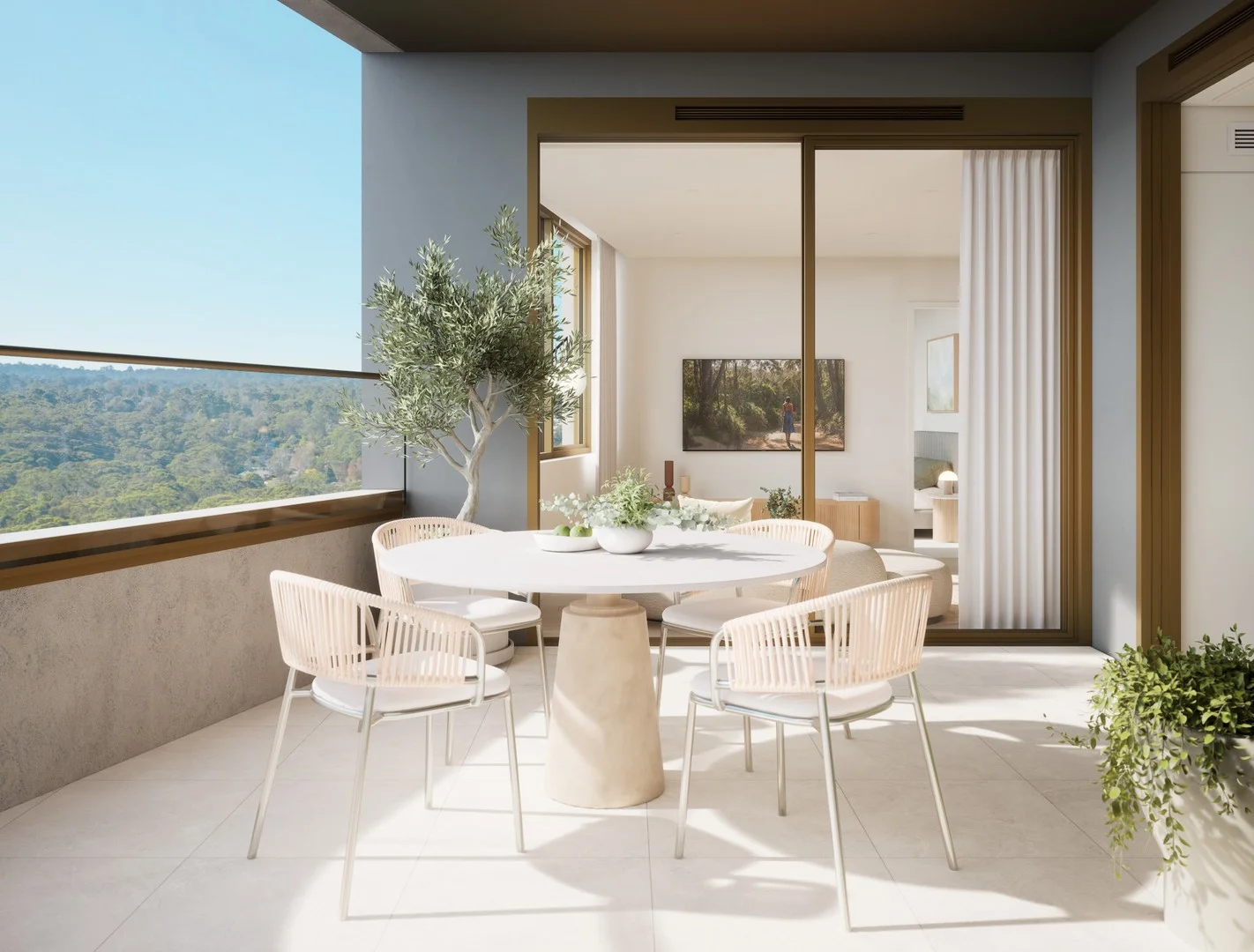 $1,525,000
Apartment / Unit / Flat
$1,525,000
Apartment / Unit / Flat
 $36,000,000 - $39,500,000
Vacant Land
$36,000,000 - $39,500,000
Vacant Land
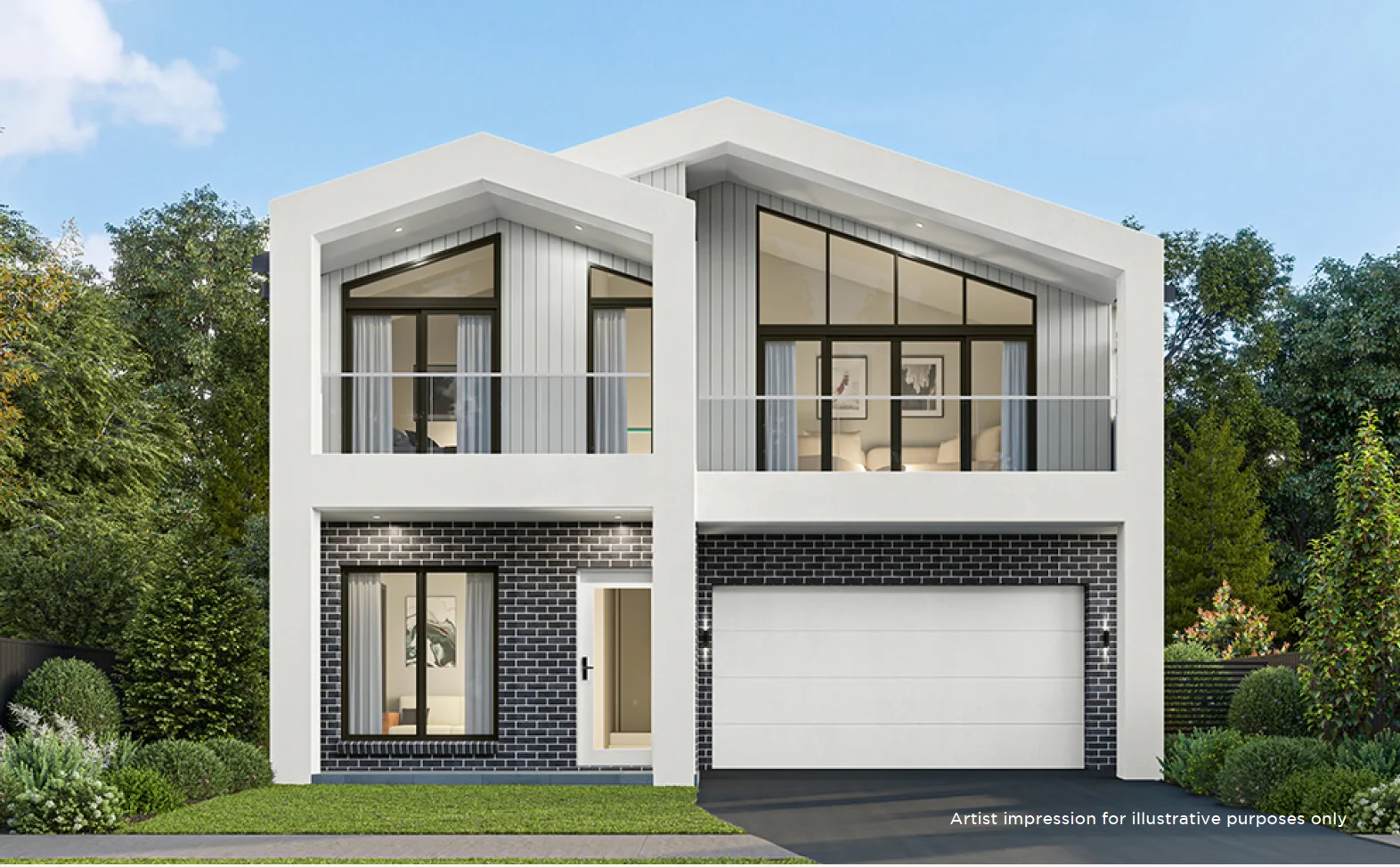 $1,699,950
House
$1,699,950
House