Overview
1. Overview (1–2 paragraphs max)
Holy Family Primary School Granville East is a Catholic, co-educational primary school serving families in Granville East and the surrounding NSW region. The school emphasizes faith-based education within a nurturing, inclusive community, encouraging strong partnerships with families and parish life.
As a small-to-medium sized primary, the school focuses on individual care within a collaborative culture. Class sizes are typically around 20–25 students, supporting a warm learning environment where every child can participate, grow, and belong.
⸻
2. Academics & Learning
- Academic strengths: Strong emphasis on literacy and numeracy foundations, with integrated religious education. Focus on developing confident readers and writers, numerate students, and opportunities in the arts and digital literacy.
- Special programs: Enrichment opportunities and leadership activities; pastoral care and faith formation programs; music and choir programs; library initiatives and opportunities for gifted/talented students.
- NAPLAN / trends: NSW NAPLAN trends are used to monitor progress; schools often see year-to-year improvement within cohorts. For specific trend data, consult the school’s published reporting.
- Student-teacher ratios: Typical class sizes around 20–25 students, with student-teacher ratios in the vicinity of 1:12 to 1:22 depending on year level and staffing.
- Support for diverse learners: EAL support and targeted assistance for students with additional needs; inclusive education practices and access to learning support staff.
⸻
3. Sports & Extracurricular Strengths
- Sports offered: A range of team and individual sports, including soccer, netball, basketball, cricket, and athletics, with opportunities to participate in inter-school events.
- Strong teams or achievements: Participation in local inter-school competitions; opportunities for school-level and regional recognition through sport.
- Music, arts, drama programs: School choir and music programs, regular performing arts events and opportunities to participate in drama productions.
- Clubs: Robotics, coding, chess, debating, and other student clubs to extend interests beyond the core curriculum.
- Partnerships: Connections with local clubs and community/ sporting organisations to support competitions and extra-curricular activities.
⸻
4. Wellbeing & Pastoral Care
- Anti-bullying approach: Clear anti-bullying policies with restorative practices and a focus on respectful relationships.
- House system: House groups with regular events (sport, academics, and leadership activities) to build community and healthy competition.
- Counsellors / wellbeing officers: Access to a wellbeing leader or school counsellor to support student welfare and mental health.
- Transition support for new students: Orientation programs, buddy systems, and family information sessions to ease transitions for new students and families.
⸻
5. Facilities
- Sports grounds
- Libraries
- Science labs
- Music/performing arts centers
- Tech/innovation labs
- Canteen
- Updated playgrounds
⸻
6. School Values & Community Culture
- School values / mission: Catholic ethos centered on compassion, respect, service, and faith; emphasis on character and community involvement.
- Leadership style: Collaborative leadership with student leadership opportunities and active student voice in appropriate forums.
- Behaviour expectations: Positive behaviour framework with clear codes of conduct and consistent expectations across the school.
- Community reputation: Strong ties with the local parish and families; active involvement in community events and service activities.
- Diversity & inclusion: Welcomes students from diverse backgrounds; inclusive practices to support all learners and families.
⸻
7. School Logistics & Daily Operations
- School hours: Typically 9:00am–3:15pm (hours may vary; confirm with the school). Before/after school care options are commonly available.
- Before/after school care: Available to support families with work schedules and routines.
- Uniform requirements: School uniform required; sports uniform for PE days and certain events; details provided by the school.
- Transport (train/bus routes): Public transport access and local bus routes; families often rely on walking, car drop-off, and transit options; check local routes for the latest information.
- Canteen availability: Canteen or lunch program available; options for before/after school snacks and meals.
- Fees (low/medium/high ranges): Fees are typically mid-range for Catholic primary schools; exact amounts published by the school each year.
⸻
8. Enrolment & Admissions
- 11. What is the enrolment process and timeline?
- Submit an expression of interest or application according to the school’s admissions timetable.
- Provide required documents (birth certificate, immunisation records, baptism/catholic identity information if applicable).
- Attend any school information sessions or interviews, and participate in short readiness activities if required.
- Receive notification of enrolment decision and complete any remaining transition steps.
- 12. Is there a waiting list, and how does it work?
- Waiting lists can exist when enrolments exceed available places. Priorities may include siblings, parish or catchment considerations, and date of application. Space is allocated as vacancies arise, and families are kept informed about wait times.
- 13. Are there any entry requirements, tests, or interviews?
- Generally, primary enrolments may involve documentation checks and an interview or informal meeting to discuss the child’s readiness and family expectations. Some schools may request baptism or parish affiliation information; there is typically no formal entrance exam for early-primary years.
- 14. Does the school accept mid-year transfers?
- Mid-year transfers may be possible if spaces are available. Prospective families should contact the school’s admissions team to discuss availability, transition plans, and required documentation.
⸻
9. Frequently Asked Questions
- Why Parents Choose This School?
- A faith-based, nurturing learning environment with strong literacy and numeracy foundations, inclusive practices, supportive wellbeing, and active community involvement.
- What type of student thrives at this school?
- Students who value faith-based education, close-knit community feel, and an environment that supports growth in academics, spirituality, and social-emotional development.
- What opportunities are available for students to extend their skills (academics, sports, arts)?
- Enrichment programs, leadership opportunities, sports teams, music and drama, robotics, coding, chess, debating, and participation in inter-school events.
- How does the school communicate with parents?
- Regular newsletters, parent portals, school events, parent-teacher meetings, and accessible staff for timely questions and updates.
- What is the school’s approach to teaching and learning?
- A student-centered, differentiated approach that combines high-quality literacy and numeracy instruction with faith-based education and holistic development.
- How does the school support students who need extra academic help?
- In-class differentiation, learning support staff, targeted interventions, and collaborative planning with families and specialists.
- What support is available for academic challenges?
- Academic coaching, targeted small-group supports, and access to additional resources as needed within the school’s learning support framework.
- How does the school communicate with parents? (reiterated)
- See above: newsletters, portals, meetings, and open channels with teachers and leadership.
- What are the class sizes and how much individual attention do students receive?
- Class sizes typically around 20–25 students, with teachers able to provide attentive, differentiated support within lessons and through targeted interventions.
- What extracurricular and sports opportunities are available?
- A range of sports (team and individual), music and performing arts, robotics, coding, chess, debating, and other clubs aligned with student interests.
- What facilities does the school offer (sports, science, arts)?
- Modern facilities including sports grounds, library, science labs, music/performing arts spaces, tech/innovation labs, and a canteen.
- What is the school’s approach to technology and digital learning?
- Integrated technology use across the curriculum, digital literacy initiatives, and access to appropriate devices and platforms to support learning.
- What transport and accessibility options are available?
- Public transport options, nearby bus routes, and accessibility considerations in school facilities; discuss specific options with the school.
- What are the typical school fees or additional costs?
- Fees are generally mid-range for Catholic primary schools; additional costs may include uniforms, excursions, and material fees as advised by the school.
⸻
10. Short Pros & Cons list
- Pros
- Catholic, values-driven education with a nurturing, inclusive culture
- Small-to-medium class sizes and supportive learning environment
- Strong emphasis on literacy, numeracy, and holistic development
- Range of extracurriculars including sports, arts, and clubs
- Active wellbeing support and pastoral care
- Positive links with parish and local community
- Cons
- As a smaller school, there may be fewer specialist subject options than larger campuses
- Availability of mid-year transfers depends on space
- Fees and uniform costs apply, as with most independent Catholic schools
- Transport options may vary by location; check local routes and schedules












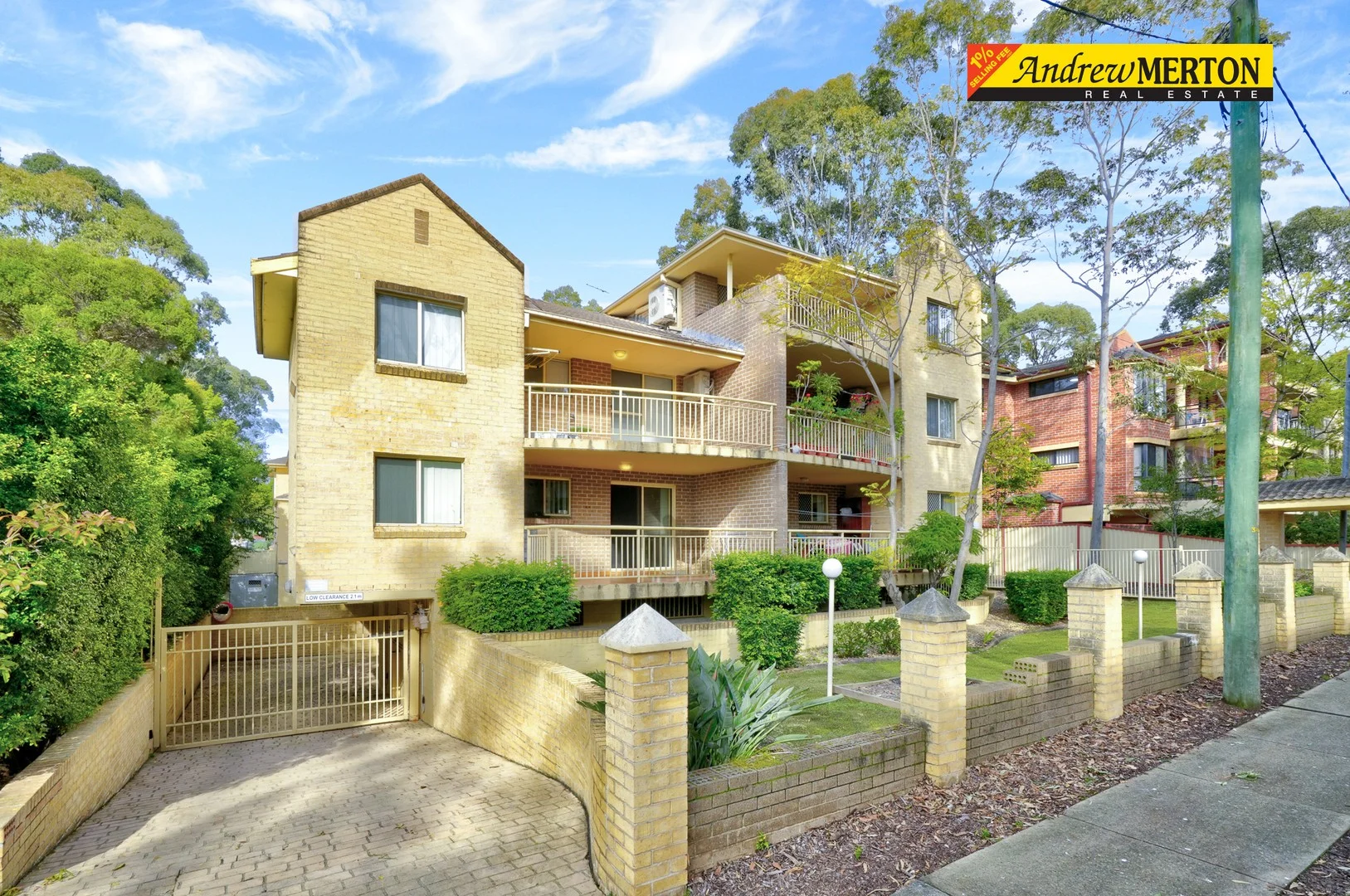 $530,000
Apartment / Unit / Flat
$530,000
Apartment / Unit / Flat
 $36,000,000 - $39,500,000
Vacant Land
$36,000,000 - $39,500,000
Vacant Land
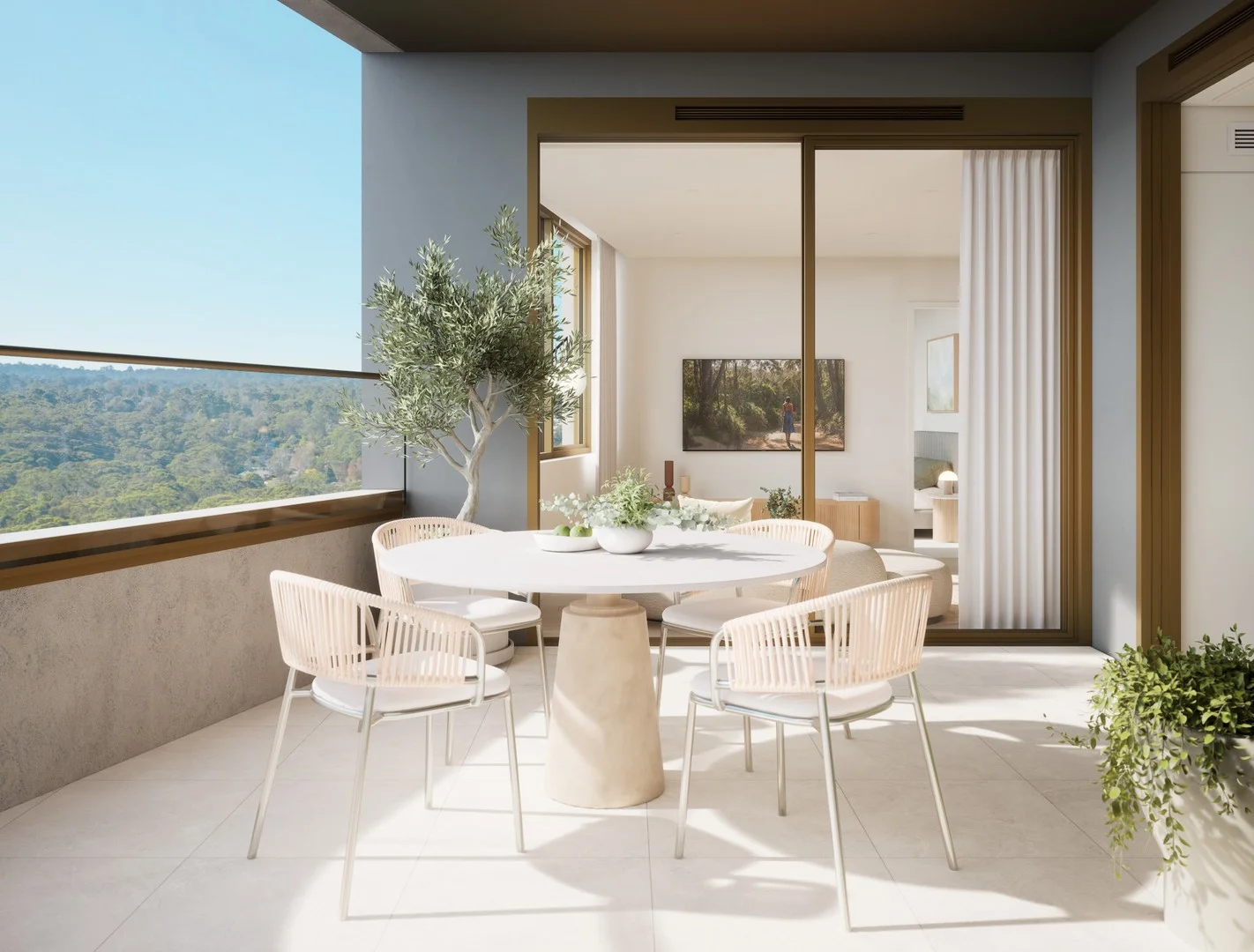 $1,525,000
Apartment / Unit / Flat
$1,525,000
Apartment / Unit / Flat
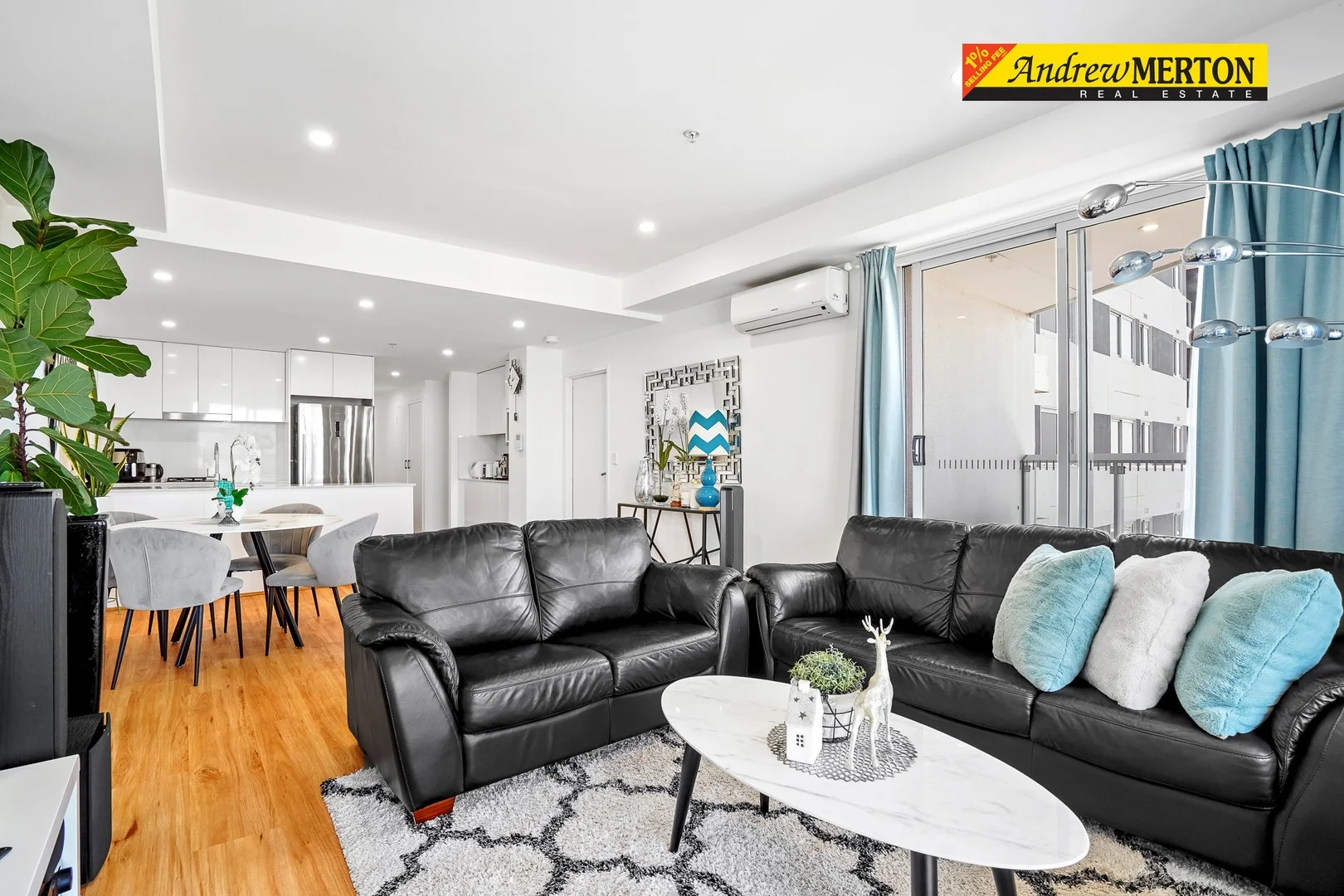 $475,000
Apartment / Unit / Flat
$475,000
Apartment / Unit / Flat
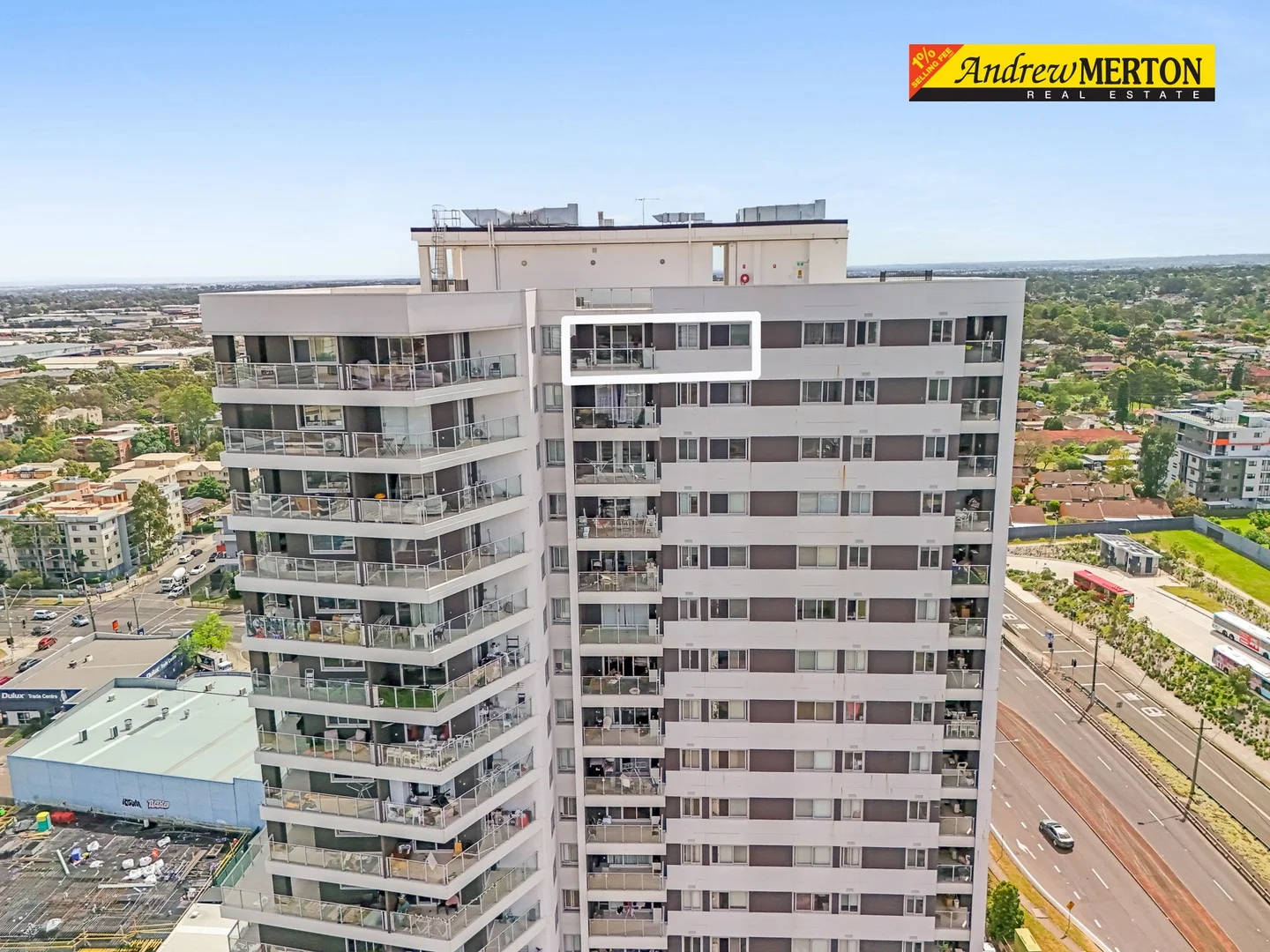 $399,900
Apartment / Unit / Flat
$399,900
Apartment / Unit / Flat