Overview
## 1. Overview
Inala State School is a public primary school serving the Inala community. The school emphasises inclusive education, student wellbeing, and a supportive learning environment where students are encouraged to participate and grow.
As a medium-sized school, class sizes are typically in the 20s, providing a balance of room to learn and opportunities for individual attention. The atmosphere is nurturing and inclusive, with a focus on positive relationships, core academic growth, and a sense of belonging for students from diverse backgrounds.
---
## 2. Academics & Learning
- Academic strengths: English and mathematics are key focus areas, with strong emphasis on literacy and numeracy development, plus in-school STEM initiatives to build problem-solving and inquiry skills.
- Special programs: Gifted and Talented opportunities and other accelerated learning options are available where appropriate, along with targeted literacy/numeracy support.
- NAPLAN / trends: NAPLAN results are monitored to identify patterns and inform teaching. The school aims for steady improvement and maintains good participation across year levels.
- Student-teacher ratios: Typical ratios are in the mid-teens to low 20s, allowing relatively strong teacher access and support for students.
- Support for diverse learners: Dedicated EAL support and an inclusive education team support students with diverse learning needs (SEN), ensuring accommodations and targeted assistance where required.
---
## 3. Sports & Extracurricular Strengths
- Sports offered: Soccer, netball, basketball, cricket, athletics, swimming, and other regional PE activities.
- Strong teams or achievements: Regular participation in district events and school carnivals with opportunities for representative teams.
- Music, arts, drama: Active programs in music and performing arts to develop creativity and performance skills.
- Clubs: Robotics, chess, coding, debating, and other student clubs to develop interests beyond the classroom.
- Partnerships: Connections with local clubs and district competitions to extend learning and competition opportunities.
---
## 4. Wellbeing & Pastoral Care
- Anti-bullying approach: Whole-school anti-bullying and positive behaviour policies, with clear reporting channels and wellbeing support.
- House system: A house structure fosters belonging, teamwork, and friendly competition across year groups.
- Counsellors / wellbeing officers: On-site wellbeing staff support students with social-emotional needs and provide guidance.
- Transition support for new students: Orientation programs, buddy systems, and transition activities help new students settle in smoothly.
---
## 5. Facilities
- Sports grounds: Ample outdoor spaces for physical education and sports.
- Libraries: A well-equipped library supporting reading and research.
- Science labs: Dedicated spaces for practical science activities.
- Music/performing arts centers: Rooms and spaces for music practice and performances.
- Tech/innovation labs: Areas for technology, coding, and digital learning.
- Cafeteria: On-site canteen offering healthy meal options.
- Updated playgrounds: Modern, safe play areas with opportunities for outdoor learning.
---
## 6. School Values & Community Culture
- School values / mission: Emphasis on respect, responsibility, resilience, and inclusion within daily learning.
- Leadership style: Collaborative leadership with student voice opportunities (e.g., student council).
- Behaviour expectations: Clear code of conduct and restorative approaches to behaviour management.
- Community reputation: Known for a welcoming, diverse, family-friendly culture and strong community partnerships.
- Diversity & inclusion: Ongoing commitment to inclusion and representation across the school community.
---
## 7. School Logistics & Daily Operations
- School hours: Typically 9:00 am – 3:00 pm on school days (with break times).
- Before/after school care: Outside-of-school-hours care (OSHC) options are available.
- Uniform requirements: School uniform required; details provided by the school and supplier.
- Transport (bus routes): Bus and local transport options available; catchment-based transport planning.
- Canteen availability: Canteen operates with healthy food options.
- Fees (low/medium/high ranges): Public primary schooling involves minimal compulsory fees; families may incur book lists, voluntary contributions, and excursion costs.
---
## 8. Enrolment & Admissions
11. What is the enrolment process and timeline?
- Determine enrolment eligibility by catchment area.
- Gather required documents (proof of identity and address, immunisation records, birth certificate where applicable).
- Complete the enrolment form and submit to the school.
- The school confirms placement as spaces allow; orientation and transition information will be provided.
- Start date and access to transition activities are communicated by the school.
12. Is there a waiting list, and how does it work?
- In-area applicants are usually accommodated as places become available; out-of-area enrolments may face limited availability and waitlist considerations depending on space and policies.
13. Are there any entry requirements, tests, or interviews?
- Generally, there are no entrance tests for public primary enrolment. Some interviews or additional information may occur if enrolling in special programs or for transition arrangements.
14. Does the school accept mid-year transfers?
- Mid-year transfers are possible if there is space and the applicant meets enrolment requirements; the school will guide families through the transfer process when a vacancy exists.
---
## 9. Frequently Asked Questions
- Why Parents Choose This School?
- A welcoming, inclusive culture with strong wellbeing support and a balanced focus on academics, sport, and arts.
- What type of student thrives at this school?
- Students who engage in a collaborative environment, appreciate supportive staff, and enjoy participation in both classroom and extracurricular activities.
- What opportunities are available for students to extend their skills (academics, sports, arts)?
- Enrichment programs, STEM and literacy initiatives, gifted and talented options, diverse clubs (robotics, coding, debating), and active sports participation.
- How does the school communicate with parents?
- Regular notices, newsletters, parent portals, and staff communications; opportunities for parent-teacher meetings and events.
- What is the school’s approach to teaching and learning?
- Student-centred instruction with data-informed planning, a focus on literacy and numeracy, and inclusive practices to support diverse learners.
- How does the school support students who need extra academic help?
- Targeted EAL/SEN support, small-group instruction, and intervention programs aligned to student needs.
- What support is available for academic challenges?
- Dedicated support staff, tutoring or extension options, and ongoing progress monitoring.
- How does the school communicate with parents? (Duplicate)
- See above: regular updates, meetings, and digital communications.
- What are the class sizes and how much individual attention do students receive?
- Class sizes are in the 20s, with opportunities for targeted teacher support and small-group instruction.
- What extracurricular and sports opportunities are available?
- A range of sports, music/arts programs, and clubs such as robotics, chess, coding, and debating.
- What facilities does the school offer (sports, science, arts)?
- Sports grounds, libraries, science labs, music/performing arts spaces, tech/innovation labs, canteen, and updated playgrounds.
- What is the school’s approach to technology and digital learning?
- Integration of digital tools and coding/tech activities as part of the learning program and student projects.
- What transport and accessibility options are available?
- Local transport options and bus routes; catchment-based access to school facilities and programs.
- What are the typical school fees or additional costs?
- Generally low; families may incur book lists, voluntary contributions, and excursion costs.
---
## 10. Short Pros & Cons list
- Pros
- Public, inclusive environment with strong wellbeing and support services
- Balanced emphasis on academics, sport, and arts
- Active student voice and leadership opportunities
- Diverse, welcoming community with supportive staff
- Solid facilities to support a broad learning program
- Cons
- Public-school enrollment depends on catchment; out-of-area places may be limited
- Class sizes in the 20s mean some desire for more individualized attention may require targeted support
- Uniforms and certain fees for activities/excursions are required or expected






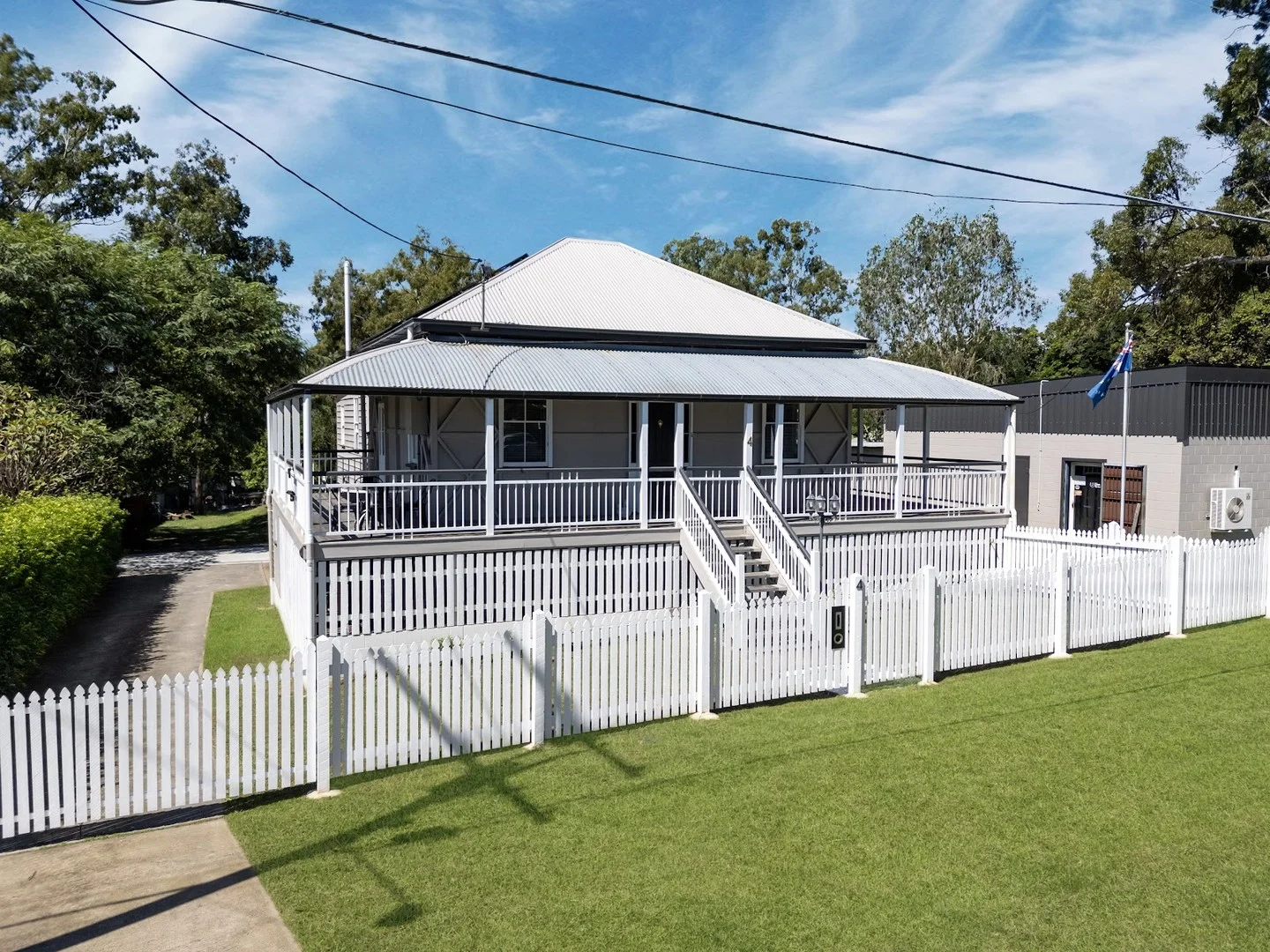 $1,700,000
House
$1,700,000
House
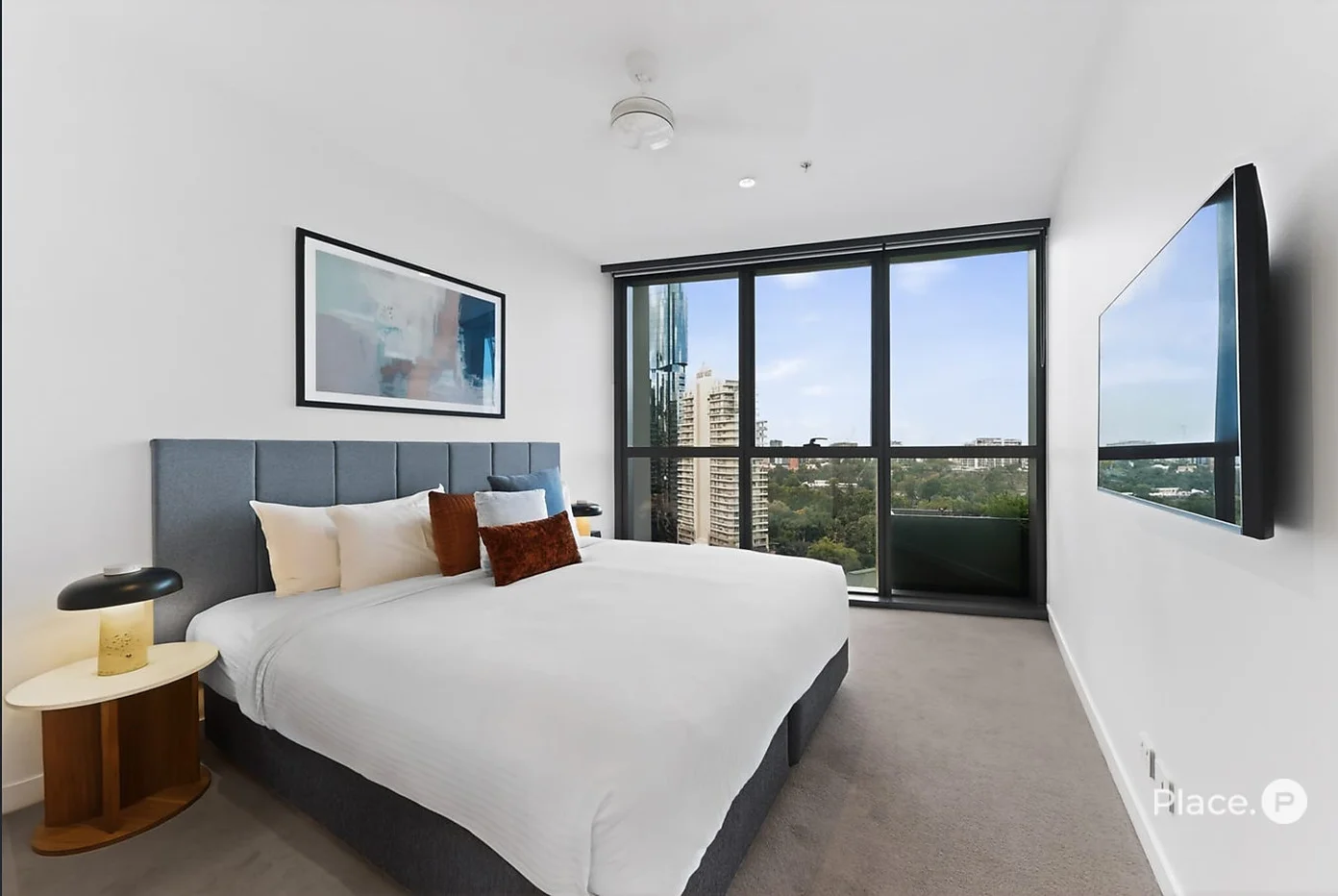 $770,000
Apartment / Unit / Flat
$770,000
Apartment / Unit / Flat
 $550,000
Apartment / Unit / Flat
$550,000
Apartment / Unit / Flat
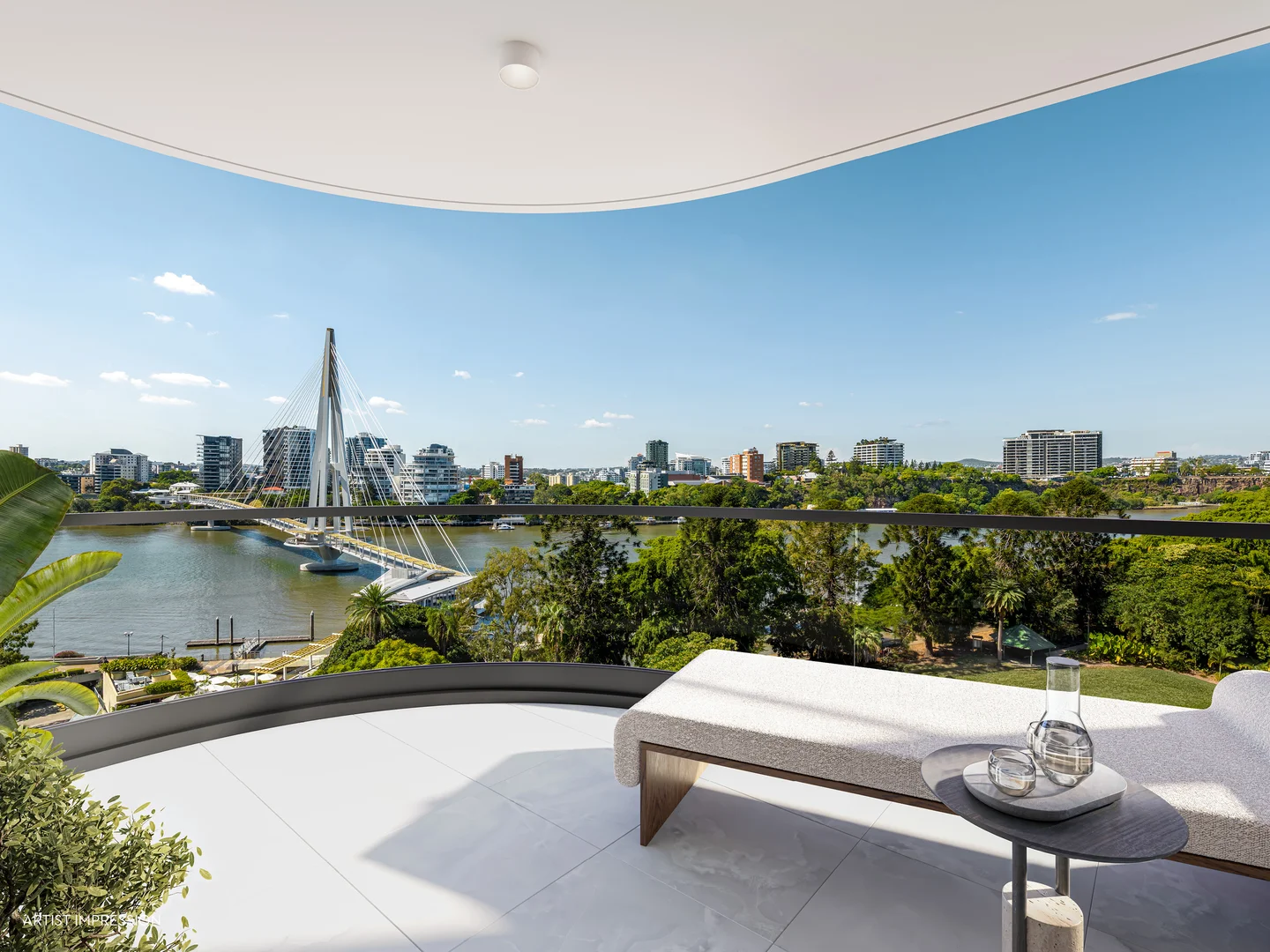 $1,475,000 - $2,090,000
propertyType.NEW APARTMENTS / OFF THE PLAN
$1,475,000 - $2,090,000
propertyType.NEW APARTMENTS / OFF THE PLAN
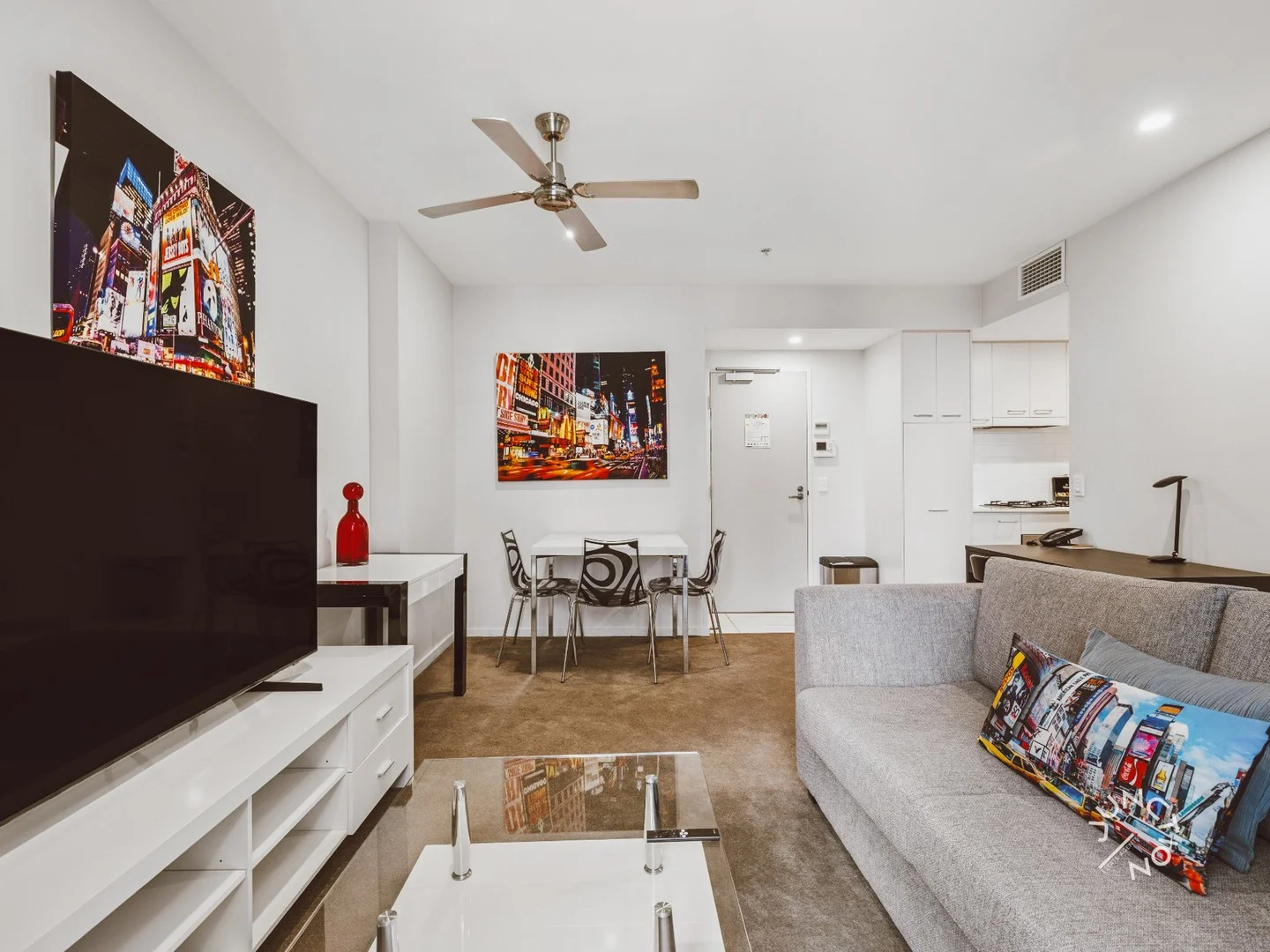 $523,200 - $566,800
Apartment / Unit / Flat
$523,200 - $566,800
Apartment / Unit / Flat
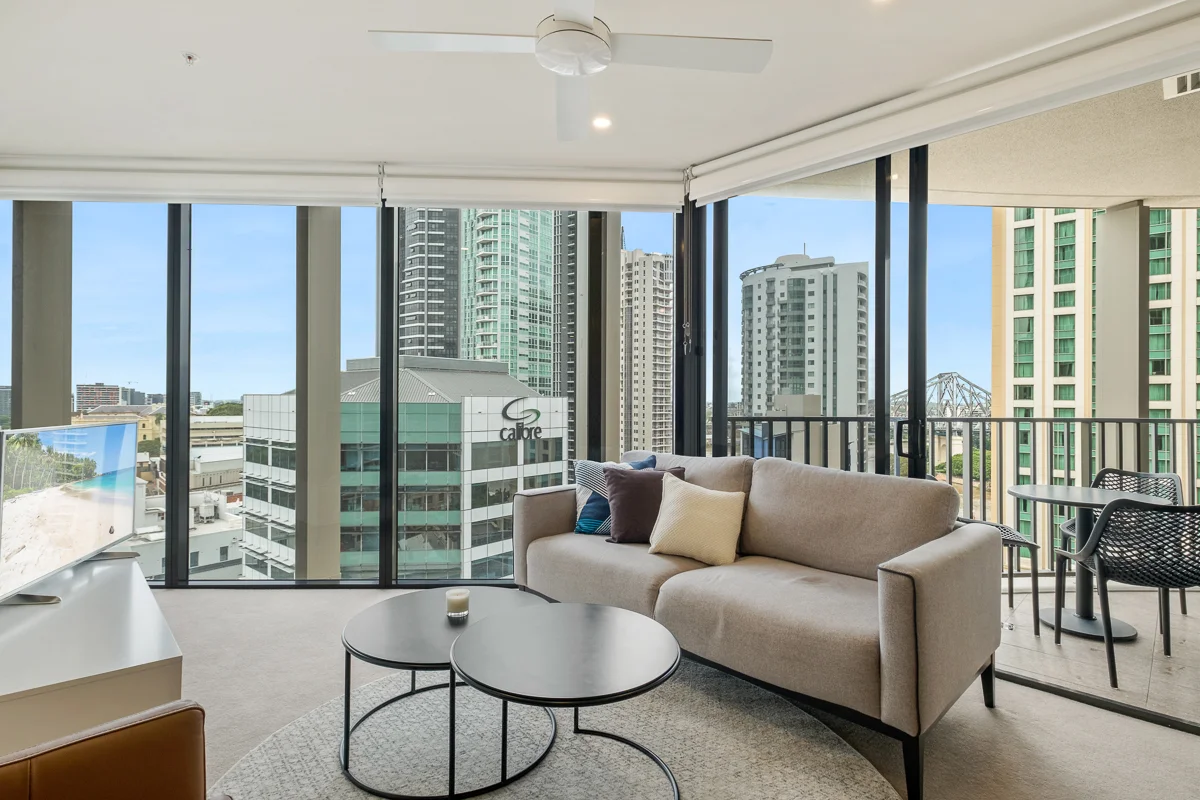 $950,000
Apartment / Unit / Flat
$950,000
Apartment / Unit / Flat


