1. Overview
Iona College, Lindum is a Catholic, independent boys’ secondary school that serves Year 7–12. As a relatively large campus in Brisbane’s northern suburbs, it supports a broad range of academic, faith-based, and co- curricular opportunities within a welcoming, inclusive culture. The school emphasises values-based education, strong relationships between staff and students, and a balanced focus on academics, sport, arts, and service.
The atmosphere is best described as nurturing yet academically focused, with a visible emphasis on character development, leadership, and community. Students often benefit from a structured environment that encourages resilience, teamwork, and high expectations in both classrooms and on the sporting field.
2. Academics & Learning
- Academic strengths: English and humanities emphasis alongside solid STEM and mathematics programs; leadership and communication are integrated into many courses and activities; languages and arts opportunities complement core study.
- Special programs: enrichment and accelerated-learning options for high-achieving students; structured leadership development pathways; vocational and practical learning opportunities through relevant courses and partnerships.
- NAPLAN / trends: generally stable performance with positive trends over time, with emphasis on literacy and numeracy progress aligned to Queensland standards.
- Student-teacher ratios: typically around 1:16 to 1:22, depending on year level and subject.
- Support for diverse learners: dedicated learning support, EAL assistance where needed, and structured support for students with additional educational needs.
3. Sports & Extracurricular Strengths
- Sports offered: rugby, football, cricket, basketball, swimming, athletics, tennis, and cross country are commonly available, with pathways to competitive inter-school events.
- Strong teams or achievements: notable participation and competitive performance in inter-school sports programs; ongoing development of athletics and team-based competencies.
- Music, arts, drama programs: active music ensembles, choir and band programs, theatre and performance opportunities, and practice spaces that support student creativity.
- Clubs: robotics, chess, coding, debating, and other student-centered clubs encourage problem solving and collaboration.
- Partnerships: connections with local sports academies and regional competitions to broaden opportunities in sport, science, and the arts.
4. Wellbeing & Pastoral Care
- Anti-bullying approach: proactive, whole-school strategies combining education, awareness, and support to foster respectful behaviour.
- House system: a house-based structure that promotes belonging, healthy competition, and peer mentoring across year levels.
- Counsellors / wellbeing officers: access to guidance and wellbeing staff to support student mental health, resilience, and transition.
- Transition support for new students: orientation programs, buddy systems, and pastoral check-ins to assist arrivals and year-to-year transitions.
5. Facilities
- Sports grounds: well-maintained fields and courts suitable for a range of outdoor games and activities.
- Libraries: well-stocked library spaces with study areas and access to digital resources.
- Science labs: modern laboratories for chemistry, biology, physics and practical investigations.
- Music/performing arts centers: dedicated spaces for ensembles, drama productions, and rehearsals.
- Tech/innovation labs: classrooms and labs supporting digital learning, coding, and STEM projects.
- Cafeteria: on-site canteen facilities offering a variety of meal options.
- Updated playgrounds: safe outdoor spaces and play areas for student use.
6. School Values & Community Culture
- School values / mission: Catholic ethos emphasizing service, integrity, respect, and personal responsibility within a community-focused framework.
- Leadership style: student voice and leadership development are encouraged; teachers and leaders promote collaboration and accountability.
- Behaviour expectations: clear conduct standards grounded in respect, responsibility, and resilience; consistent whole-school consequences and recognition.
- Community reputation: known for a welcoming, disciplined environment with strong support networks for students’ academic and personal growth.
- Diversity & inclusion: inclusive culture with attention to equality, respect for differences, and opportunities for all students to participate in school life.
7. School Logistics & Daily Operations
- School hours: typical daily schedule runs roughly from morning start to mid-afternoon finish; exact times published by the school each year.
- Before/after school care: options commonly available to help families manage work commitments.
- Uniform requirements: formal uniform with detailing appropriate for the school; guidance on dress standards for everyday wear and formal occasions.
- Transport (train/bus routes): access to public transport and school bus options, with information usually provided for families when enrolling.
- Canteen availability: on-site canteen or food services offering meals and snacks.
- Fees (low/medium/high ranges): as a private Catholic school, fees are generally in the higher range for secondary education; annual and additional costs are outlined in the enrolment materials.
8. Enrolment & Admissions
11. What is the enrolment process and timeline?
- Start with submitting an online application and required documentation (birth certificate, immunisation records, previous academic reports, etc.).
- Families are invited to participate in interviews and/or assessment activities as part of the selection process.
- Offers are issued subject to the school’s intake and eligibility criteria; once offered, families complete enrolment agreements and pay any required deposits.
- Timeline typically spans many months prior to entry (often 12–18 months ahead for Year 7, with later timelines for other year levels). The school may publish a definitive calendar each year.
12. Is there a waiting list, and how does it work?
- There is often a waiting list for limited places. Admission from the waiting list typically occurs when a place becomes available.
- Priority can vary (e.g., siblings of current students, parish-based considerations, or timing of application). The school will provide specifics during the application process.
13. Are there any entry requirements, tests, or interviews?
- Entry generally involves an interview and may include a simple academic assessment or information session.
- Schools often request references or pastoral information and consider overall fit with the school’s values and community.
- Some programs or year levels may have additional requirements; the school will detail these in the enrolment materials.
14. Does the school accept mid-year transfers?
- Yes, mid-year transfers are possible if vacancies exist and the enrolment process is completed; availability will depend on the year level and current cohort size.
9. Frequently Ask Questions
- Why Parents Choose This School?
Parents choose for Catholic values, a strong academic program, supportive pastoral care, and a balanced emphasis on sport, arts, and community involvement.
- What type of student thrives at this school?
Motivated, respectful students who contribute to class and school life, participate in sports and clubs, and are engaged with the school’s values and programs.
- What opportunities are available for students to extend their skills (academics, sports, arts)?
Enrichment and accelerated options in academics, leadership programs, sports pathways, music ensembles, drama productions, debating, robotics, coding and other clubs, plus VET or practical learning opportunities where offered.
- How does the school communicate with parents?
Regular updates through newsletters, emails, parent portals, and meetings; a commitment to timely and transparent communication about student progress and school events.
- What is the school’s approach to teaching and learning?
A faith-informed, student-centered approach that emphasizes high expectations, active learning, collaboration, and opportunities to apply knowledge in real-world contexts.
- How does the school support students who need extra academic help?
Structured learning support, tutoring options, EAL assistance if needed, and targeted interventions to address gaps.
- What support is available for academic challenges?
Access to teachers, learning support staff, and counselling to identify needs and develop individualized plans or adjustments.
- How does the school communicate with parents? (duplicate)
See above; multiple channels are used to ensure parents stay informed and involved.
- What are the class sizes and how much individual attention do students receive?
Class sizes typically around 20–25 students, with targeted teacher support in small groups or one-on-one when needed.
- What extracurricular and sports opportunities are available?
A broad mix of sports (rugby, football, cricket, basketball, swimming, athletics, tennis), music and drama programs, and clubs such as robotics, chess, coding, and debating.
- What facilities does the school offer (sports, science, arts)?
Modern science labs, libraries, performing arts spaces, music facilities, tech/innovation labs, sports grounds, and on-site canteen.
- What is the school’s approach to technology and digital learning?
Integrated digital learning across subjects, with access to devices and resources to support modern teaching methods and digital citizenship.
- What transport and accessibility options are available?
Information on bus routes and public transport access is provided; school may offer transport options for families.
- What are the typical school fees or additional costs?
Fees are in the higher range for private secondary schools; the school provides a detailed breakdown of tuition, uniforms, activity fees, and additional costs in enrolment materials.
10. Short Pros & Cons list
- Pros
- Catholic, values-based education with a strong community feel
- Balanced emphasis on academics, sport, arts, and leadership
- Supportive wellbeing and pastoral care, with a house system
- Comprehensive facilities for science, arts, and digital learning
- Wide range of extracurricular activities and clubs
- Cons
- Higher tuition and associated costs typical of private education
- Large school environment may feel less intimate for some students
- Some programs and pathways may be subject to capacity and year-level limits
- Transport options depend on location and may require planning
Note: Information provided reflects general characteristics commonly associated with Iona College, Lindum, and similar schools. For precise current details (enrolment timelines, exact fees, facilities, and program offerings), please consult the school’s official enrolment materials and admissions office.







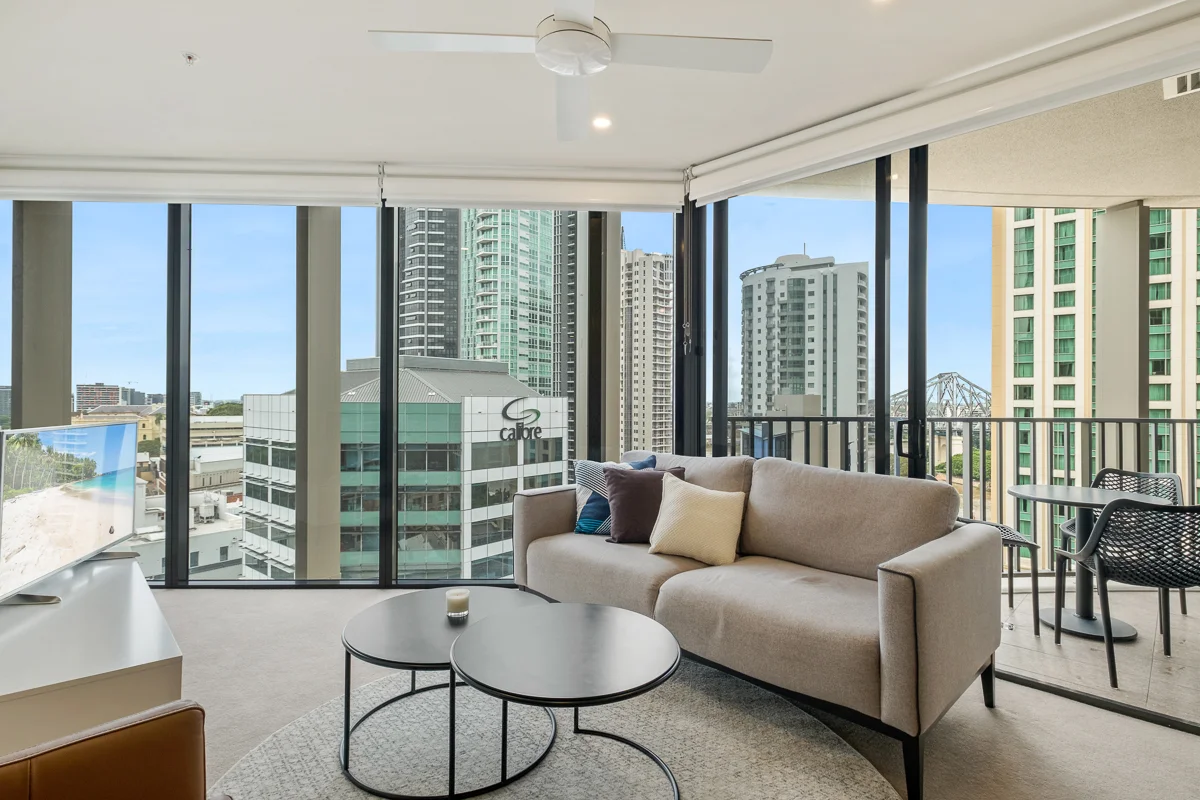 $950,000
Apartment / Unit / Flat
$950,000
Apartment / Unit / Flat
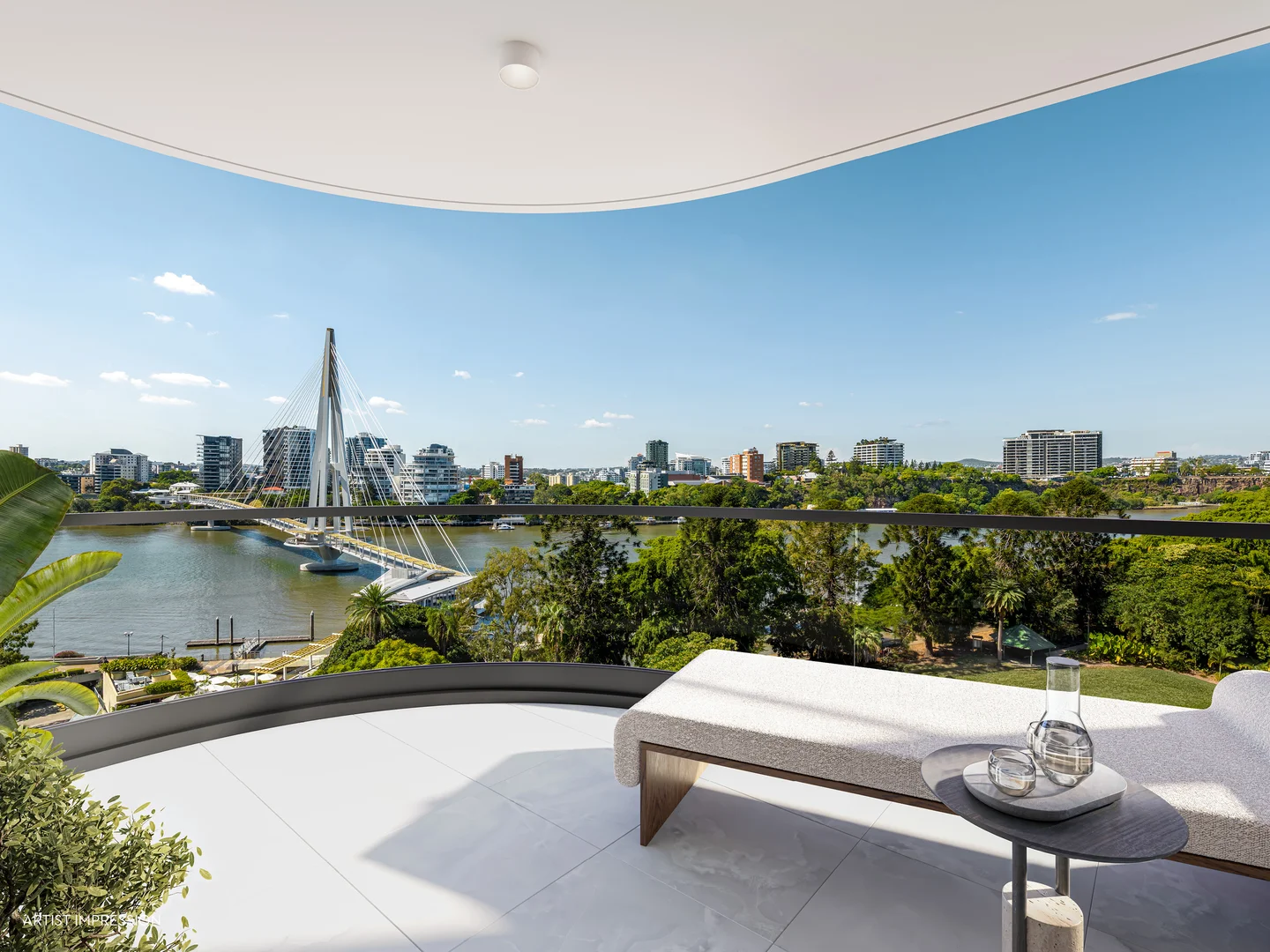 $1,475,000 - $2,090,000
propertyType.NEW APARTMENTS / OFF THE PLAN
$1,475,000 - $2,090,000
propertyType.NEW APARTMENTS / OFF THE PLAN
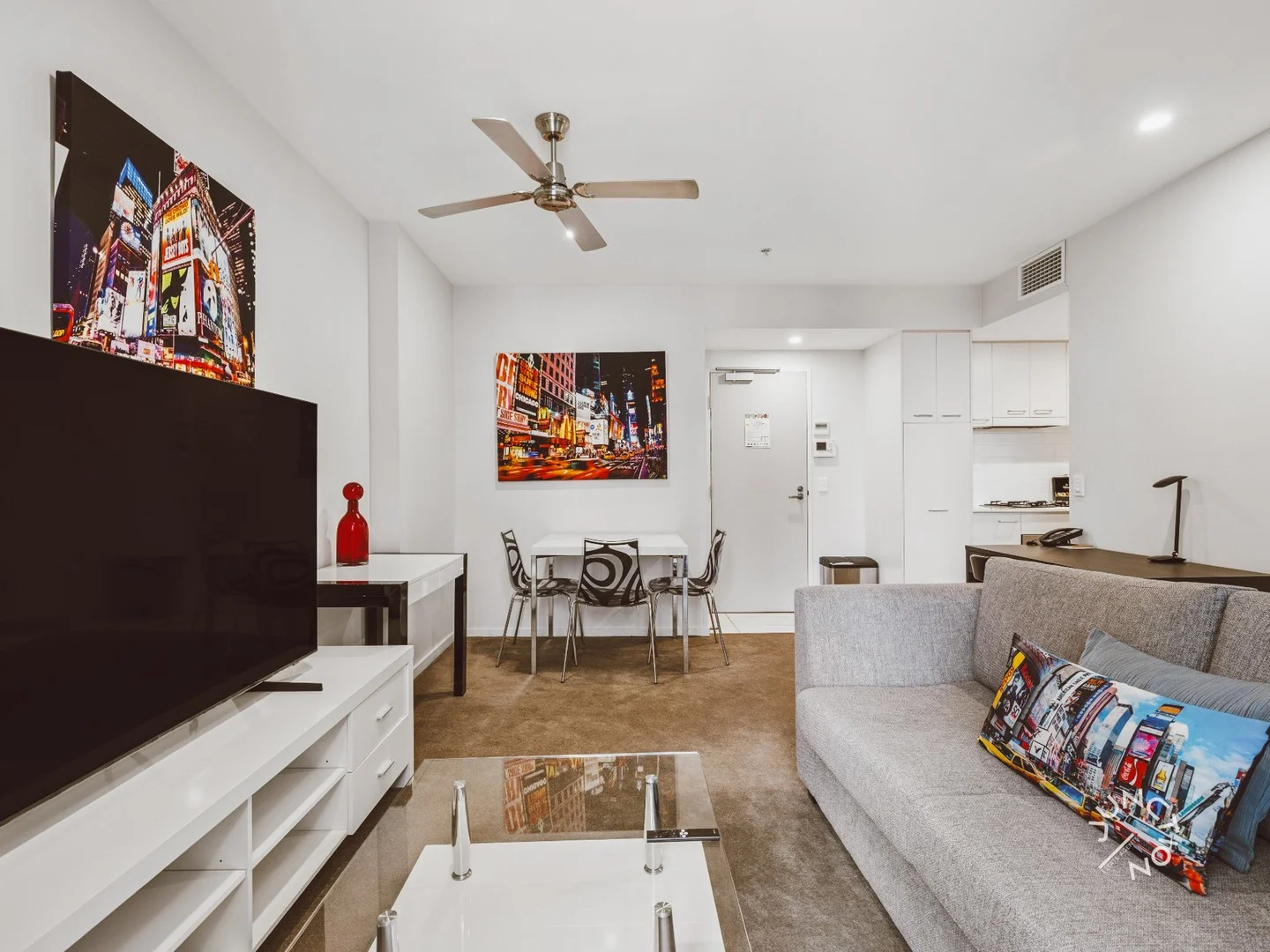 $523,200 - $566,800
Apartment / Unit / Flat
$523,200 - $566,800
Apartment / Unit / Flat
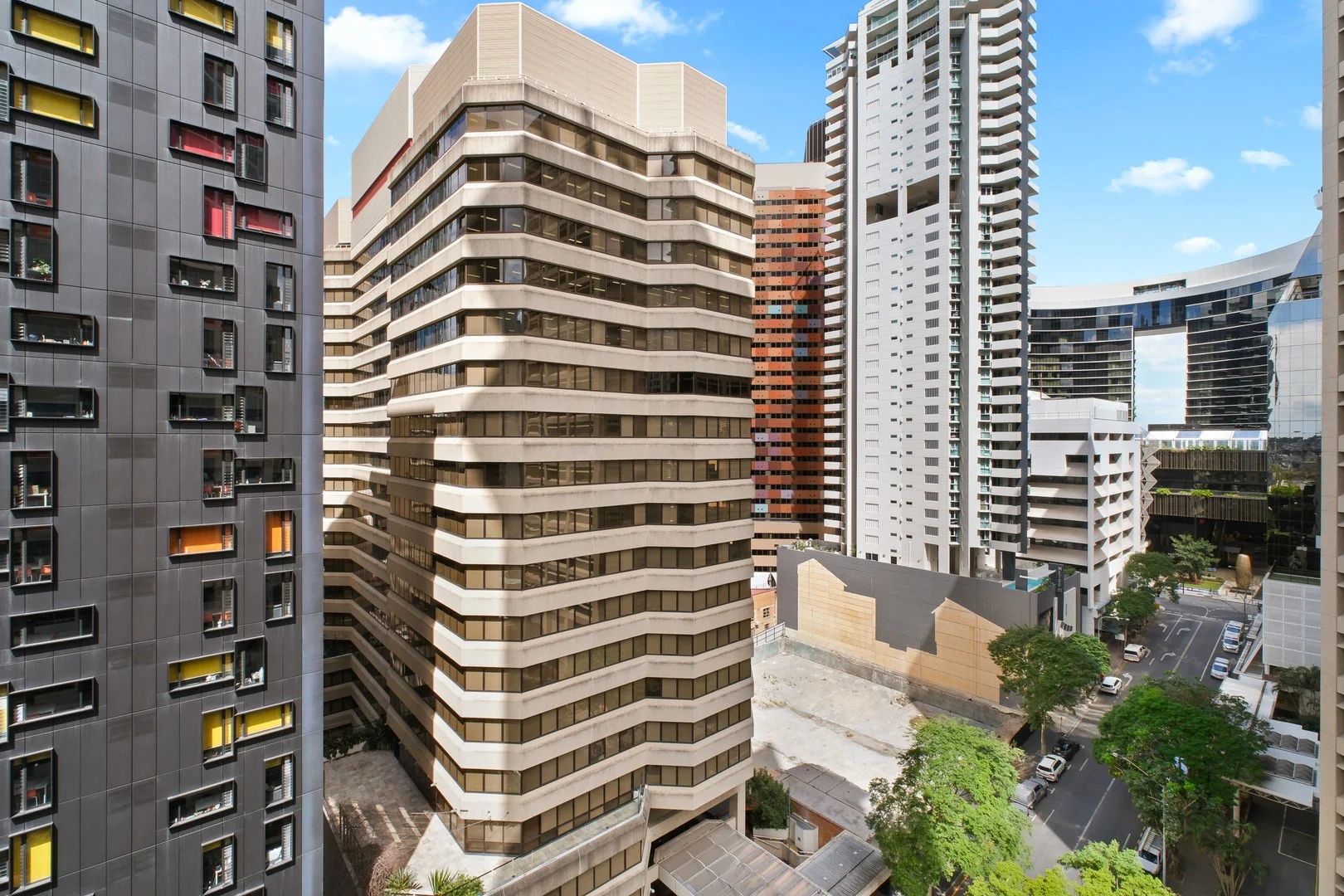 $550,000
Apartment / Unit / Flat
$550,000
Apartment / Unit / Flat
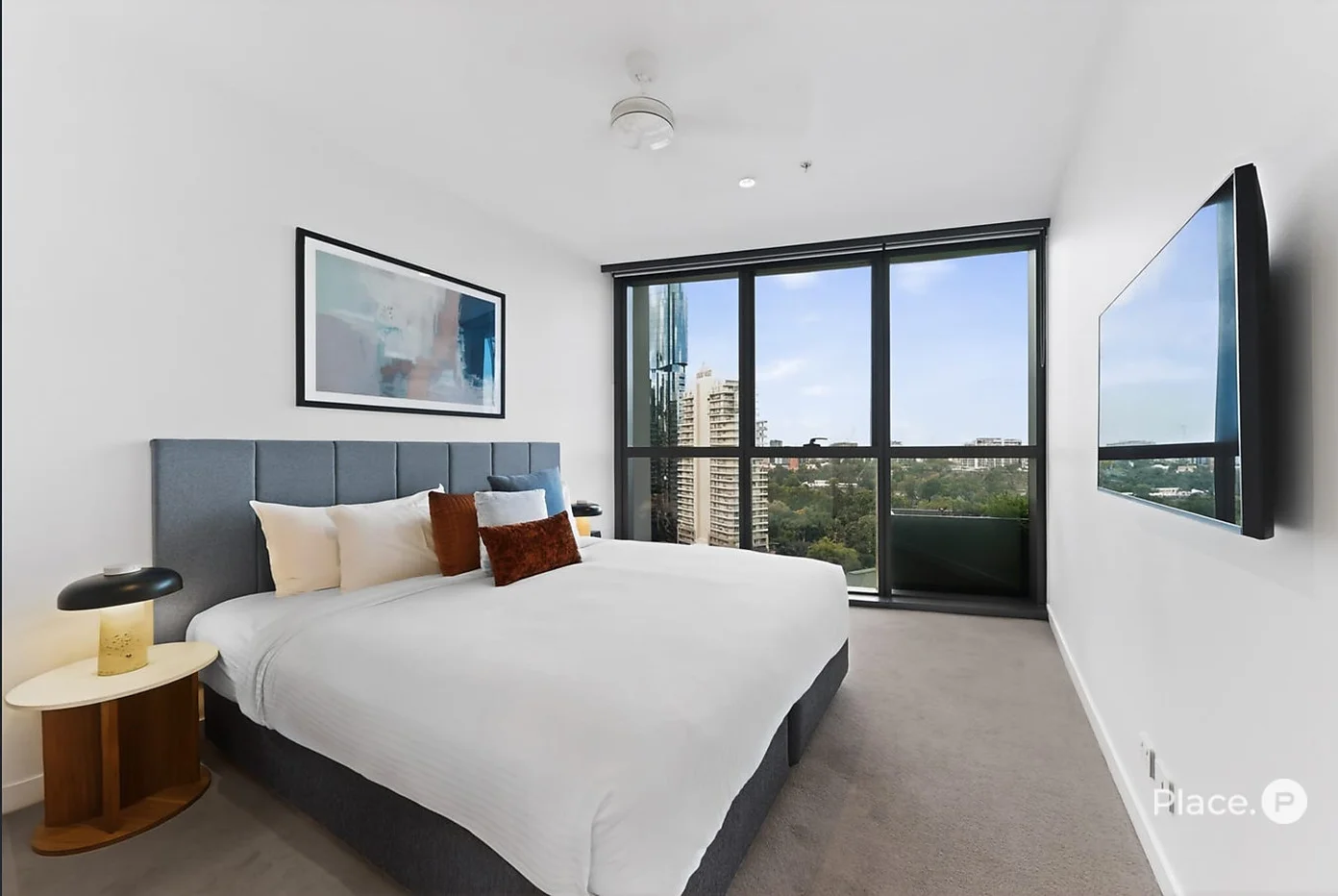 $770,000
Apartment / Unit / Flat
$770,000
Apartment / Unit / Flat