## 1. Overview
Islamic School of Canberra is an independent, faith-based school offering a values-driven education with an Islamic ethos. The campus is designed to support a close-knit, family-like learning environment where students are encouraged to excel academically while developing strong character and community responsibility.
- School type: Independent/private Islamic school
- School size: Small to medium; a compact campus that supports close student–teacher relationships
- Class size: Generally smaller to mid-sized classes, enabling more individual attention
- Atmosphere/culture: Nurturing, inclusive, academically focused with an emphasis on community, respect, and service
---
## 2. Academics & Learning
The school aims to balance rigorous academics with Islamic studies, fostering curiosity, critical thinking, and lifelong learning.
- Academic strengths: STEM foundations, strong English/literacy programs, Arabic language studies, Quranic and Islamic education integrated with broader curriculum
- Special programs: Islamic studies and Quran memorization options; opportunities for accelerated learning or enrichment within core subjects; gifted and talented pathways where available
- NAPLAN / ACT trends: Typically tracks literacy and numeracy progress over time with steady improvement and a trajectory toward close alignment with regional benchmarks; formal public trend reporting may vary by year
- Student-teacher ratios: Favorable ratios designed to support individual guidance and timely feedback
- Support for diverse learners: EAL (English as an Additional Language) support and inclusive education strategies; targeted support for students with additional learning needs as needed
---
## 3. Sports & Extracurricular Strengths
Extracurricular life is designed to complement academics and Islamic studies, with a range of activities for different interests.
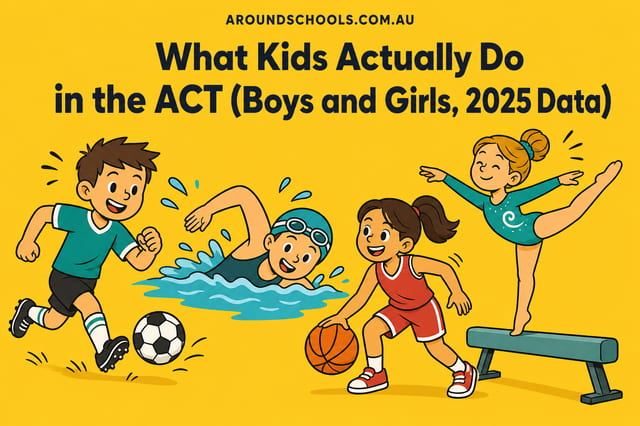
- Sports offered: Common team and individual sports such as football/soccer, cricket, basketball, athletics, and swimming activities
- Strong teams or achievements: Regular participation in inter-school events and regional competitions; emphasis on teamwork, discipline, and fair play
- Music, arts, drama programs: Active music and performing arts opportunities, including choir or ensemble work; arts experiences aligned with creative expression
- Clubs: Robotics, coding, chess, debating, and other technology or intellectual clubs
- Partnerships: Collaborations with local community groups, sports academies, and inter-school competitions to broaden opportunities
Note: Club offerings can vary by year and cohort.
---
## 4. Wellbeing & Pastoral Care
Wellbeing and pastoral care are central to a positive school experience, with structures to support every student.
- Anti-bullying approach: Clear policies, reporting channels, restorative practices, and ongoing education around respectful relationships
- House system: House groups to foster belonging, leadership, and healthy competition
- Counsellors / wellbeing officers: Access to school-based guidance and wellbeing staff to support academic and personal development
- Transition support for new students: Orientation programs, buddy systems, and targeted transition activities to help students adjust smoothly
---
## 5. Facilities
Facilities are designed to support a balanced program of academic learning, arts, and physical activity.
- Sports grounds: On-site sport spaces for routine physical education and inter-school events
- Libraries: Dedicated library resources to support reading, research, and study
- Science labs: Equipped spaces for practical experiments across disciplines
- Music/performing arts centers: spaces for music making, rehearsals, and performances
- Tech/innovation labs: Practical spaces for coding, robotics, and design projects
- Canteen: On-site dining options with consideration for halal choices
- Updated playgrounds: Safe and varied play areas for younger students and breaks between classes
- Additional: Prayer spaces and flexible learning areas may be available to support daily routines
---
## 6. School Values & Community Culture
The school emphasizes values-based education within a supportive community context.
- School values / mission: Islamic values such as respect, integrity, compassion, service, and ethical leadership; integrated with academic achievement
- Leadership style: Collaborative, student-involved, and supportive, with opportunities for student voice and leadership roles
- Behaviour expectations: Clear behavioural standards emphasizing respect, responsibility, and self-discipline
- Community reputation: Active engagement with families and community partners; reputation for a welcoming, inclusive environment
- Diversity & inclusion: Commitment to diversity and inclusion within Islamic principles and respectful cross-cultural engagement
---
## 7. School Logistics & Daily Operations
Practical daily routines help families plan around school life.
- School hours: Typical day starts in the morning and finishes in the mid-to-late afternoon; exact times may vary by year level
- Before/after school care: Availability of care programs before or after school hours
- Uniform requirements: Formal school uniform with modest dress guidelines; hijab when appropriate, consistent with school policy
- Transport: Access via local bus routes or private arrangements; school may provide information on transport options
- Canteen availability: On-site canteen or lunch options, with halal considerations where applicable
- Fees: Fee ranges generally align with other independent/religious schools in the region; detailed fee schedules are provided by the school on inquiry
---
## 8. Enrolment & Admissions
11. What is the enrolment process and timeline?
- Inquiries typically begin with an information session or school visit
- Application is submitted with required documentation
- An assessment or interview may be conducted to determine fit with the school’s program and values
- Confirmation of placement follows once all conditions are met; timelines vary by year level and space
12. Is there a waiting list, and how does it work?
- Waiting lists are common when spaces are limited; priority may be given to siblings and returning families
- Applicants are ranked by availability and timing of application; ongoing communication with families is maintained
13. Are there any entry requirements, tests, or interviews?
- Likely components include a family interview and an assessment of academic placement
- For Islamic education, there may be an orientation to understand the family’s approach to Islamic education and daily routines
- Specific testing requirements vary; the school will outline what is needed during the application process
14. Does the school accept mid-year transfers?
- Yes, subject to space and a smooth transition plan
- Transfer process includes documentation, meeting with staff to align curricula, and scheduling the transition for minimal disruption
---
## 9. Frequently Asked Questions
- Why Parents Choose This School?
- Balances strong academics with a values-based Islamic education and a supportive community, fostering well-rounded development
- What type of student thrives at this school?
- Students who value a faith-informed environment, are motivated to engage in both academics and character development, and appreciate a close-knit community
- What opportunities are available for students to extend their skills (academics, sports, arts)?
- Enrichment programs in STEM, languages, Quranic studies, performing arts, sports, and a range of clubs (robotics, coding, debating, etc.)
- How does the school communicate with parents?
- Regular updates through newsletters, emails, portals, and parent-teacher conferences; clear channels for feedback and questions
- What is the school’s approach to teaching and learning?
- Integrated approach that combines rigorous academics with Islamic studies, encouraging inquiry, collaboration, and practical application
- How does the school support students who need extra academic help?
- Targeted intervention, tutoring support, and differentiated instruction within the classroom; additional referrals if needed
- What support is available for academic challenges?
- Access to guidance from teachers and wellbeing staff, with individualized plans where appropriate
- How does the school communicate with parents? (repeat)
- See above: multi-channel, timely and transparent updates
- What are the class sizes and how much individual attention do students receive?
- Class sizes are designed to be manageable to allow individual attention and teacher accessible support
- What extracurricular and sports opportunities are available?
- A range of sports, clubs (robotics, coding, chess, debating), music/arts programs, and inter-school activities
- What facilities does the school offer (sports, science, arts)?
- Sports grounds, libraries, science labs, music/performing arts centers, tech/innovation labs, and a canteen
- What is the school’s approach to technology and digital learning?
- Integrated technology use across the curriculum, with access to devices and digital learning tools to support learning
- What transport and accessibility options are available?
- Local transport options and potential school-arranged arrangements; proximity to public transit may be favorable
- What are the typical school fees or additional costs?
- Fees vary by year level and program; families should request a current fee schedule for precise amounts
---
## 10. Short Pros & Cons list
- Pros
- Strong integration of Islamic values with academics
- Supportive, close-knit community and favorable pupil-teacher ratios
- Diverse extracurricular options including sports, robotics, coding, debating, and arts
- Focus on wellbeing, pastoral care, and a structured anti-bullying environment
- Dedicated facilities for science, technology, arts, and recreation
- Cons
- As a private/independent school, fees are higher than public options
- Space and waitlists can limit immediate entry for new families
- Specific programs and clubs may vary year by year based on staffing and enrolment
- Transportation options depend on location and availability of routes