## Overview
John Septimus Roe Anglican Community School is an independent Anglican co-educational school serving students from primary through secondary in Mirrabooka, Western Australia. The school combines a values-based, inclusive culture with a broad academic program and a wide range of co-curricular opportunities. It aims to nurture confident, caring, and capable young people who contribute positively to their communities.
- School type: Independent Anglican
- School size: Medium-to-large (covers both primary and secondary)
- Class size: Typically mid-20s to low-30s per year level, depending on year and subject
- Atmosphere/culture: Inclusive, nurturing, academically oriented, with opportunities for leadership, service and teamwork
⸻
## Academics & Learning
The school emphasises strong literacy and numeracy foundations, with a clear focus on STEAM, English, and language development, alongside leadership and character education. It offers programs designed to support a range of learners and pathways.
- Academic strengths: STEM, English literacy, language learning, and leadership development
- Special programs: Gifted and Talented pathways, accelerated learning options, and targeted learning support where needed
- NAPLAN / trends: Positive trends in literacy and numeracy over recent years are typically reported by WA independent schools; the school pursues continuous improvement across year levels
- Student-teacher ratios: Generally in the lower double digits (roughly 1:12–1:18, varying by campus and year)
- Support for diverse learners: EAL support, SEN/Learning support teams, and targeted interventions where appropriate
⸻
## Sports & Extracurricular Strengths
Sports and a broad array of clubs are a strong focus, with many students engaging in inter-school activities and competitions. The school also offers vibrant arts and performance opportunities.
- Sports offered: Soccer, basketball, netball, cricket, AFL/footy-style codes, athletics, swimming, tennis, and more
- Strong teams or achievements: Competitive school teams with regular participation in inter-school events
- Music, arts, drama programs: Comprehensive music program with ensembles, theatre and drama productions
- Clubs: Robotics, chess, coding, debating, and other academic/interest clubs
- Partnerships: Local clubs, community partnerships, and opportunities to compete in regional events and showcases
⸻
## Wellbeing & Pastoral Care
Wellbeing and pastoral care are central to student success, with structures in place to support mental health, safety, and smooth transitions.
- Anti-bullying approach: Clear policies, student-led initiatives, advisory support, and a culture of reporting and support
- House system: Pastoral houses provide community, belonging, and competition to foster connection
- Counsellors / wellbeing officers: Access to school counsellors and wellbeing staff for student support
- Transition support for new students: Orientation programs, buddy systems, and gradual integration to ease transitions
⸻
## Facilities
The school provides a range of modern facilities to support learning, activity, and creativity. The environment is designed to be visual, welcoming and functional.
- Sports grounds: On-site playing fields and courts
- Libraries: Well-resourced libraries with study spaces
- Science labs: Modern science laboratories for practical experimentation
- Music/performing arts centers: Dedicated spaces for music ensembles and drama
- Tech/innovation labs: Dedicated spaces for technology, coding and innovation
- Cafeteria: On-site canteen facilities for daily meals and snacks
- Updated playgrounds: Age-appropriate and safe outdoor play areas
⸻
## School Values & Community Culture
The school communicates a clear sense of purpose and community, guided by Anglican values and a commitment to inclusive education.
- School values / mission: Values-based education centered on respect, responsibility, integrity, and service
- Leadership style: Collaborative, with student leadership opportunities and staff mentorship
- Behaviour expectations: Positive behavior framework and consistent expectations across year levels
- Community reputation: Strong links with families and local communities, emphasising service and mutual respect
- Diversity & inclusion: Commitment to an inclusive environment that supports students from diverse backgrounds
⸻
## School Logistics & Daily Operations
Practical day-to-day information helps families plan around schooling.
- School hours: Typical school day runs from morning into the afternoon, with year-level variations
- Before/after school care: Available to eligible students
- Uniform requirements: Formal school uniform with seasonal options; purchasing through the school uniform shop
- Transport: Bus routes and general public transport access; school travel planning and drop-off/pick-up arrangements
- Canteen availability: On-site canteen or cafeteria services
- Fees: Fees fall within the mid-to-high range for WA independent schools; occasional levies and charges for activities and camps; scholarship options may be available
⸻
## Enrolment & Admissions
11. What is the enrolment process and timeline?
- Typically starts with an online application and submission of supporting documents, followed by family interviews or information sessions. There is often a multi-stage process including assessment of fit with the school, with offers issued based on vacancy and enrolment policy. Final acceptance confirms placement and orientation details.
12. Is there a waiting list, and how does it work?
- Yes, there is often a waiting list. Applications sit in a waiting pool when year-level vacancies are not available, with offers made as spaces open.
13. Are there any entry requirements, tests, or interviews?
- Entry may involve an interview and/or assessment tasks, alignment with the school’s values and capacities, and references. Some year levels may require short diagnostic tasks or language/reading assessments as part of placement.
14. Does the school accept mid-year transfers?
- Mid-year transfers are possible if there is a suitable vacancy and placement aligns with the current curriculum, timetable and support arrangements. Availability varies by year level and campus.
⸻
## Frequently Asked Questions
- Why Parents Choose This School?
- A values-driven, inclusive environment with strong academics, broad co-curriculars, and supportive wellbeing programs that help students grow socially, emotionally and academically.
- What type of student thrives at this school?
- Students who engage actively, value collaboration, show curiosity, and are motivated to contribute to school life and the wider community.
- What opportunities are available for students to extend their skills (academics, sports, arts)?
- Academic extension and leadership programs, high-performance sport pathways, performing arts ensembles, robotics, coding, debating and numerous clubs.
- How does the school communicate with parents?
- Regular newsletters, parent portals, emails, and parent-teacher conferences support ongoing dialogue about student progress and school events.
- What is the school’s approach to teaching and learning?
- Differentiated instruction, inquiry-based learning, technology-enabled classroom practice, and a focus on literacy, numeracy and critical thinking.
- How does the school support students who need extra academic help?
- Targeted learning support, EAL assistance, SEN services, and tailored interventions to help students reach their goals.
- What support is available for academic challenges?
- Access to learning specialists, small-group or one-on-one support, and ongoing monitoring of progress to adjust supports as needed.
- How does the school communicate with parents?
- See above: regular communications via portals, emails and meetings.
- What are the class sizes and how much individual attention do students receive?
- Class sizes typically sit in the low to mid-30s for some subjects and mid-20s in others, with teachers providing targeted feedback and opportunities for small-group guidance.
- What extracurricular and sports opportunities are available?
- A wide range of sports (team and individual), music and performing arts, robotics, chess, coding, debating, and other clubs.
- What facilities does the school offer (sports, science, arts)?
- Modern sports facilities, dedicated libraries, science labs, performing arts spaces, tech/innovation labs and a canteen.
- What is the school’s approach to technology and digital learning?
- Integrated digital learning, use of educational platforms, and responsible use of technology in everyday learning and collaboration.
- What transport and accessibility options are available?
- Local bus routes, proximity to public transport, and programs to support student travel; accessibility considerations are addressed on campus.
- What are typical school fees or additional costs?
- Fees fall in the mid-to-high range for WA independent schools, with potential additional costs for uniforms, excursions, camps, materials, and optional activities.
⸻
## Short Pros & Cons
- Pros
- Values-based education with a supportive, inclusive culture
- Strong academics with opportunities across STEM, English, languages and leadership
- Broad co-curriculars including sports, arts, robotics, debating and clubs
- Wellbeing and pastoral care with house systems and counselors
- Modern facilities across primary and secondary campuses
- Cons
- Fees are higher than government schools and many private/independent options
- Large school environment may feel less personalised for some students
- Transport options depend on location and may require planning for worst-case travel times
⸻
If you’d like, I can tailor this draft with more precise details specific to the current year or campus (e.g., exact uniform policies, campus hours, or any unique programs): just share any updates or official notes you have.














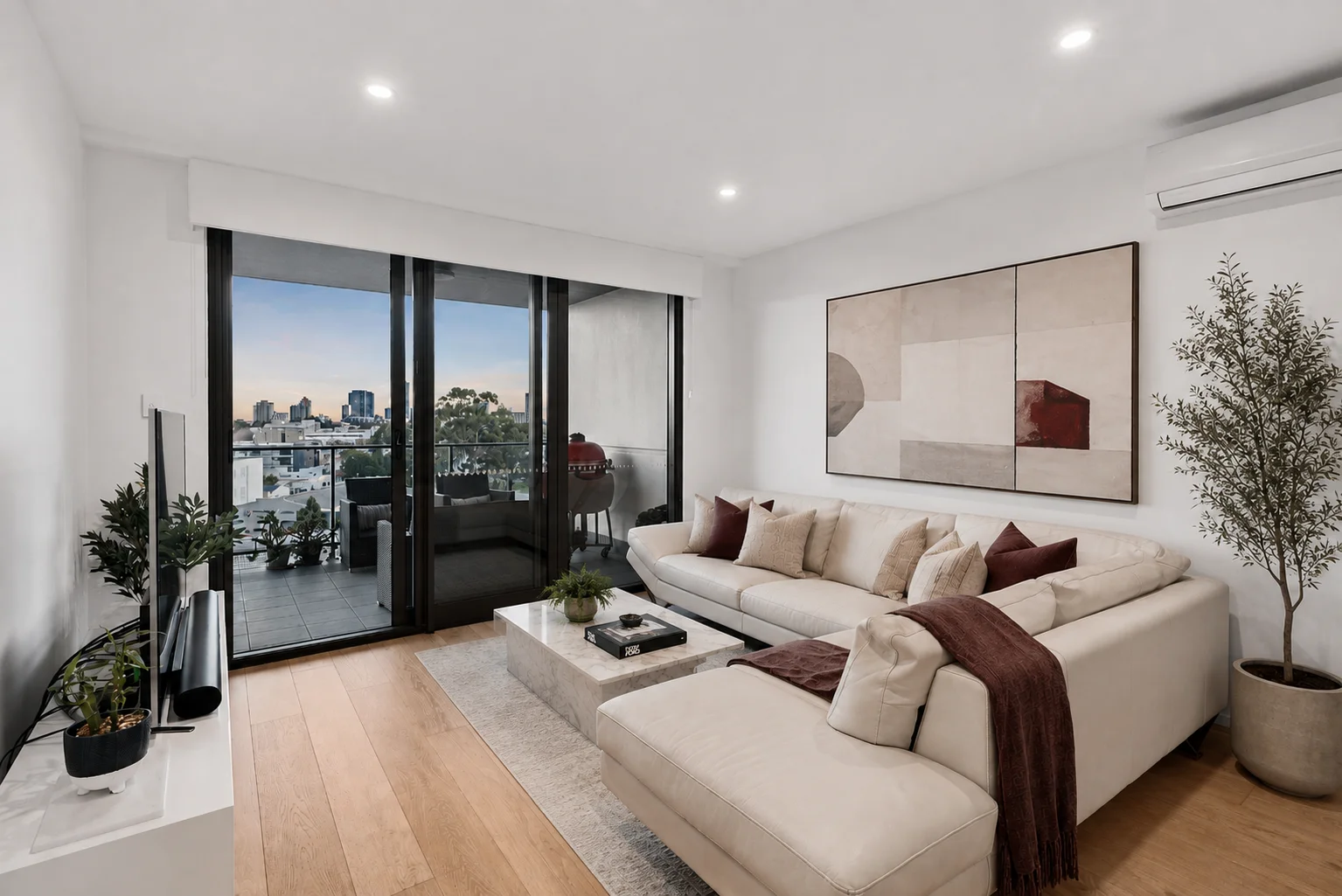 $700,000
Apartment / Unit / Flat
$700,000
Apartment / Unit / Flat
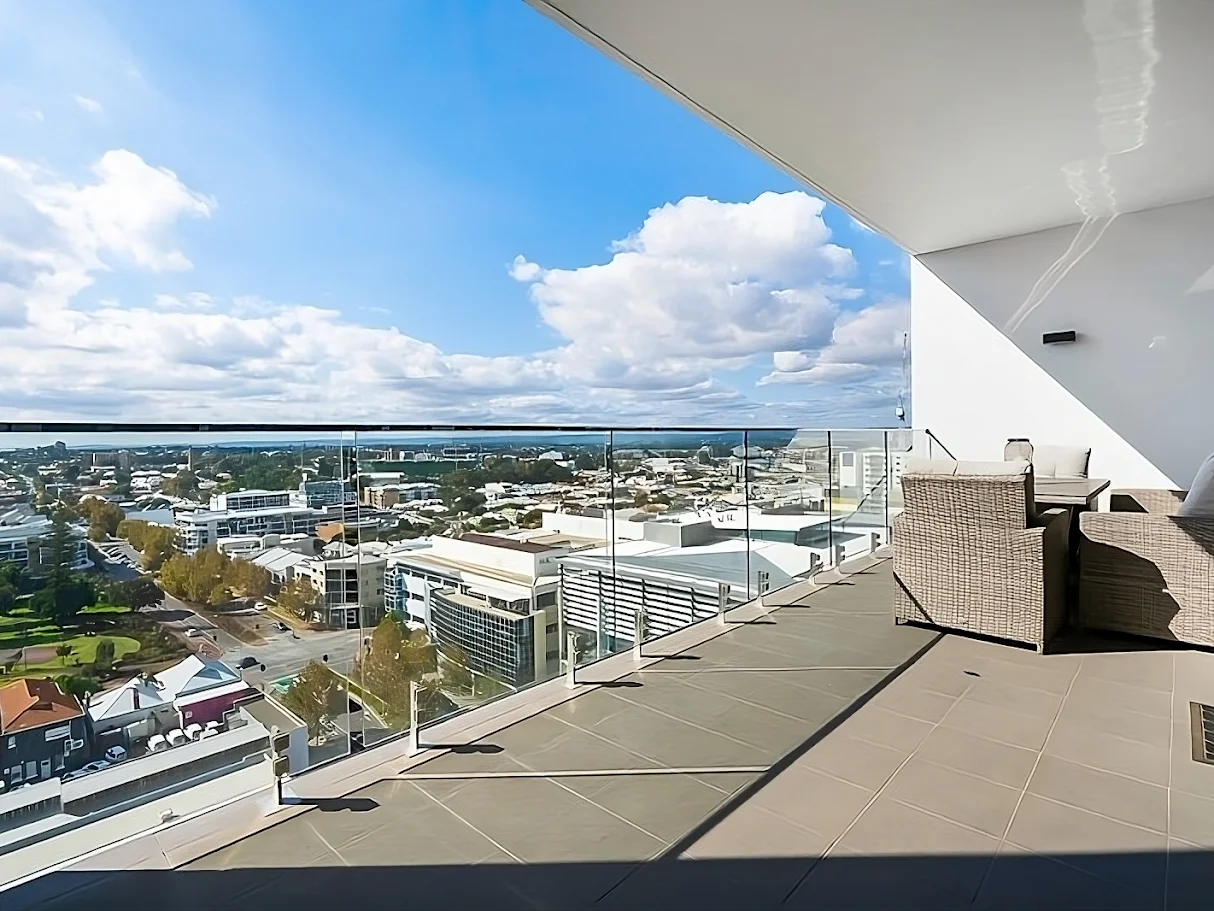 $580,000
Apartment / Unit / Flat
$580,000
Apartment / Unit / Flat
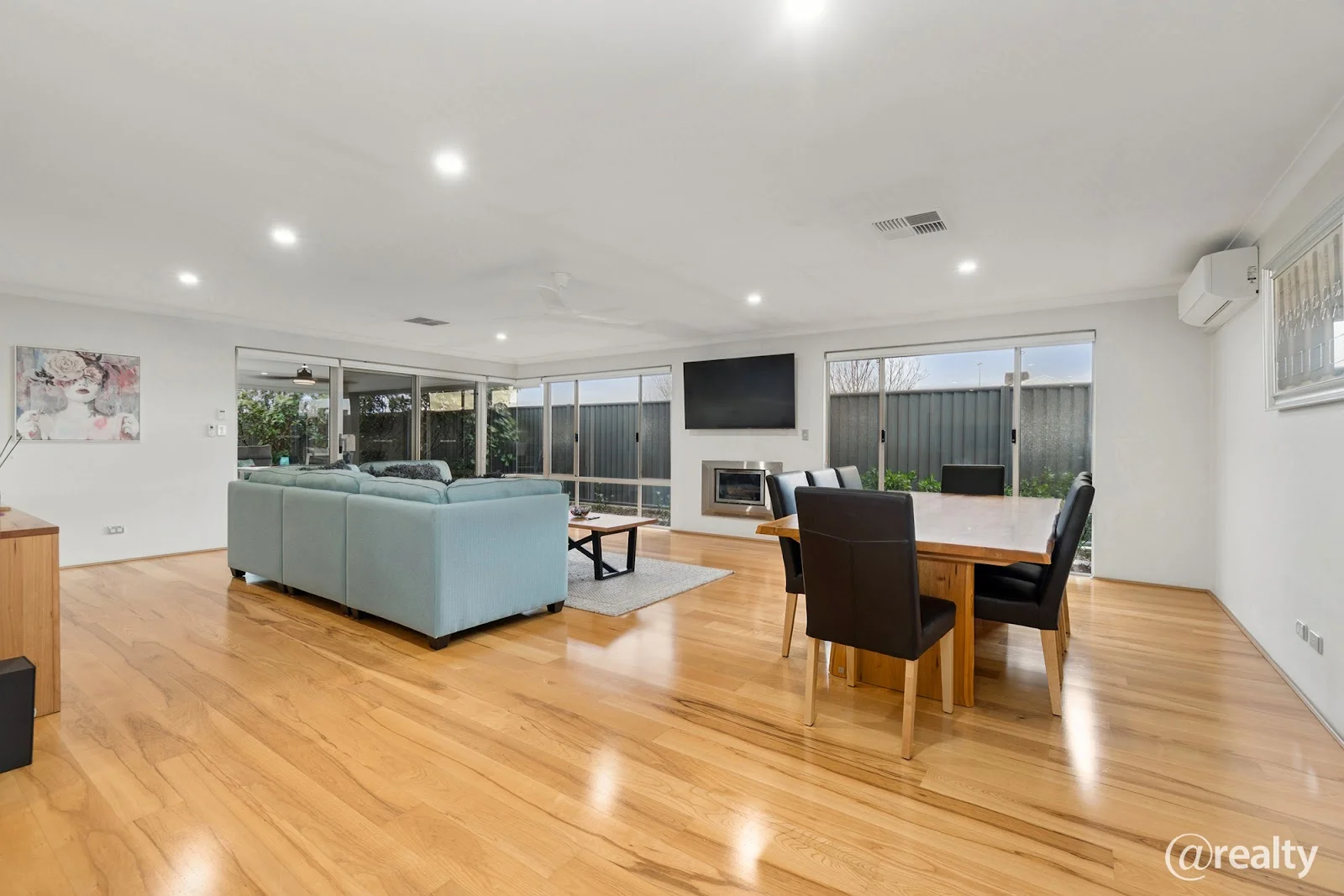 $1,030,000
House
$1,030,000
House
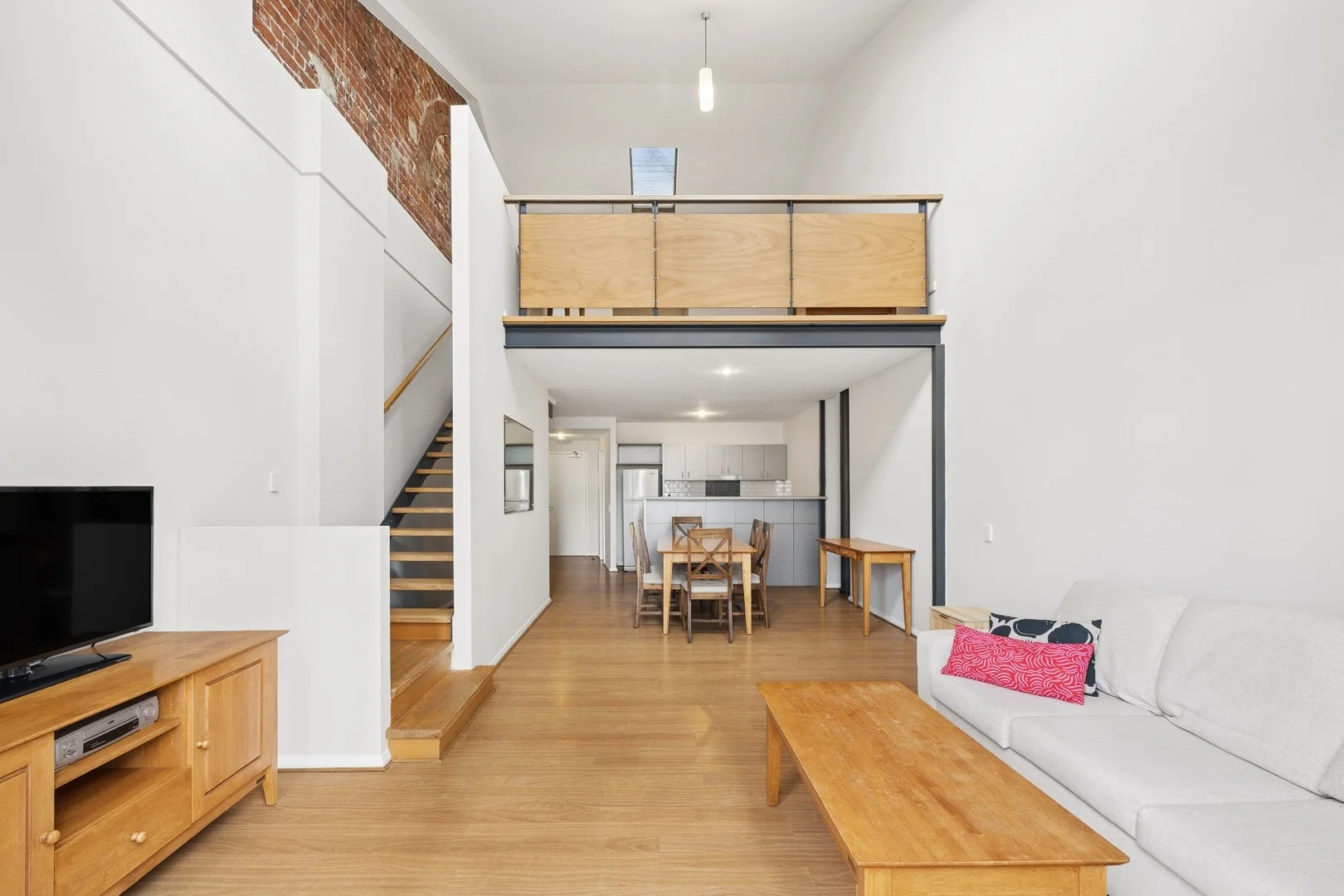 $549,000
Apartment / Unit / Flat
$549,000
Apartment / Unit / Flat
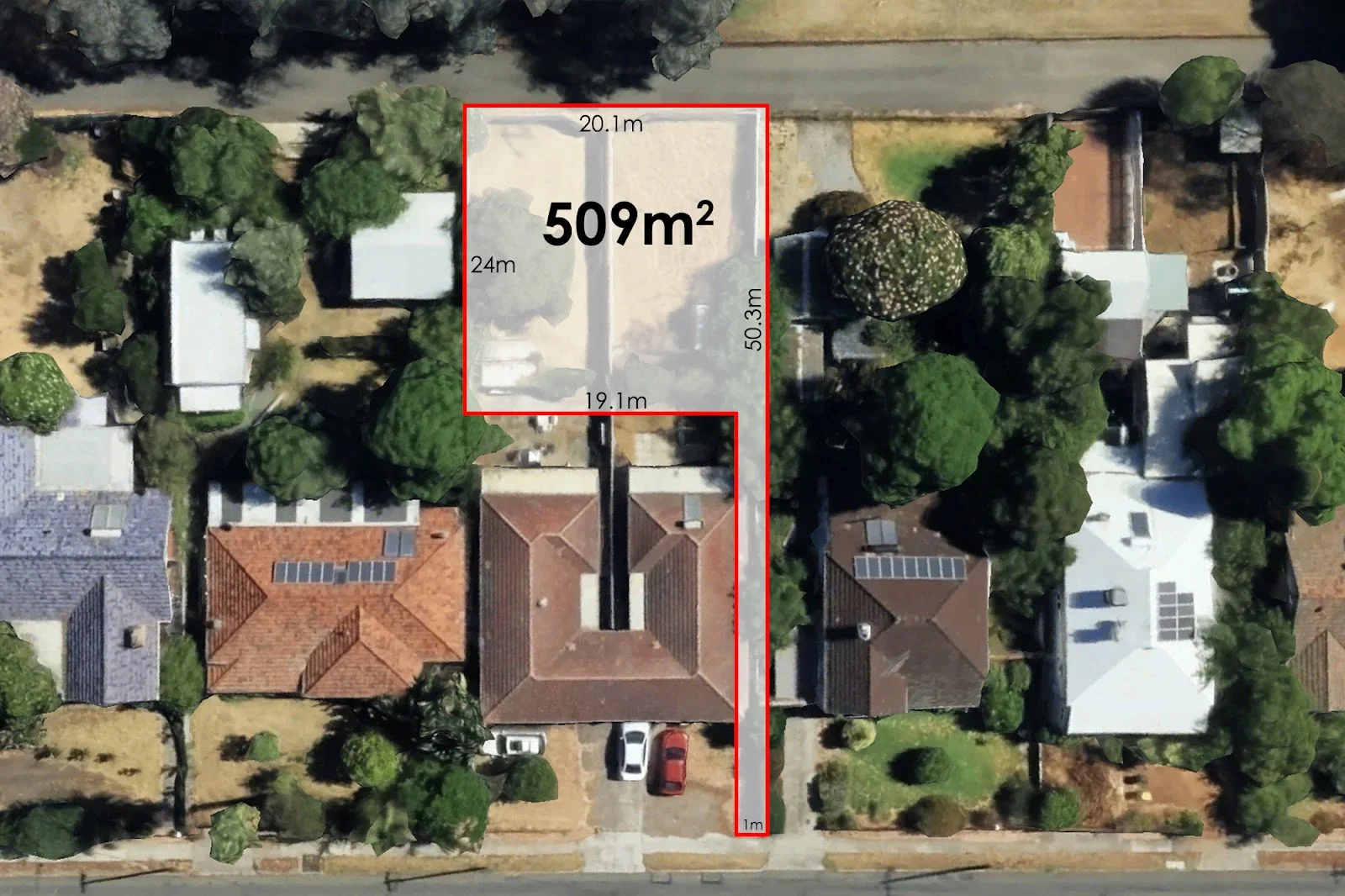 $480,000
Vacant Land
$480,000
Vacant Land