## 1. Overview
Karuna Montessori School is a private, independent Montessori school serving families on NSW’s Northern Beaches. It focuses on a child-centered, hands-on learning approach that encourages independence, curiosity and collaboration. The school tends to be small to medium in size, with intimate class environments that support strong teacher attention.
Class sizes are typically small, designed to allow for individualized learning plans within mixed-age Montessori classrooms. The atmosphere is nurturing and inclusive, emphasising respectful relationships, thoughtful social development and high expectations across academic and practical life skills.
⸻
## 2. Academics & Learning
- Academic strengths: Montessori-based learning supports literacy, numeracy, practical life skills and self-directed inquiry. Emphasis is placed on observational assessment, real-world learning, and developing independent learners who think critically and work collaboratively.
- Special programs: Prepared Montessori environments and guided investigations; opportunities for language development and cross-curricular projects that integrate science, math and the arts.
- NAPLAN trends: Private Montessori schools often focus on individual progress and mastery of skills. Public reporting for specific schools may be limited; expect emphasis on steady growth in literacy and numeracy as students progress through the program.
- Student-teacher ratios: Typically low, commonly around 1:8 to 1:12 in younger years, easing to about 1:12 to 1:20 in upper primary, with teachers customizing support to learner needs.
- Support for diverse learners: Services commonly include EAL support where needed and targeted SEN accommodations within the Montessori framework, plus ongoing progress monitoring and adjustments to learning plans.
⸻
## 3. Sports & Extracurricular Strengths
- Sports offered: Typical offerings include soccer, cricket, netball, swimming and athletics, with access to local facilities and community clubs.
- Strong teams or achievements: Participation in local inter-school competitions is common; achievements vary by year and cohort.
- Music, arts, drama programs: Music and performing arts are often integrated, with opportunities for music ensembles, drama activities and school performances.
- Clubs: Robotics, coding, chess and debating are commonly available, along with other interest-based clubs that support problem-solving and teamwork.
- Partnerships: Local partnerships with community academies, clubs and competitions help extend opportunities beyond the classroom, especially in STEM and the arts.
⸻
## 4. Wellbeing & Pastoral Care
- Anti-bullying approach: Proactive culture that promotes respect, inclusion and safe, supportive peer relationships; clear reporting pathways and restorative approaches are typical.
- House system: A house or student group structure is often used to foster belonging, teamwork and leadership opportunities across year levels.
- Counsellors / wellbeing officers: Access to wellbeing staff or school counsellors to support social-emotional development, stress management and transition periods.
- Transition support for new students: Structured orientation, buddy programs and gradual onboarding to help students adjust to new routines, peers and teachers.
⸻
## 5. Facilities
- Sports grounds: On-site or nearby shared facilities for physical activity and team sports.
- Libraries: Dedicated library spaces with age-appropriate resources to support independent research and reading for pleasure.
- Science labs: Dedicated spaces for hands-on experiments and inquiry-based learning.
- Music/performing arts centers: Rooms or spaces for music practice, drama activities and performances.
- Tech/innovation labs: Areas equipped for coding, robotics and digital projects.
- Cafeteria: On-site or nearby options for meals and snacks, with considerations for healthy choices.
- Updated playgrounds: Safe, modern outdoor play spaces that support the Montessori emphasis on movement and exploration.
⸻
## 6. School Values & Community Culture
- School values / mission: Values typically centre on respect, responsibility, curiosity, resilience and community-mindedness, aligned with Montessori principles.
- Leadership style: Student-centered and collaborative, with teacher guidance that fosters independence and voice in learning choices.
- Behaviour expectations: Clear expectations around conduct, mutual respect and constructive problem-solving; emphasis on restorative practices where needed.
- Community reputation: A focus on inclusive, family-oriented culture with active parent involvement and local community connections.
- Diversity & inclusion: Commitment to welcoming students from diverse backgrounds and supporting equitable access to learning opportunities.
⸻
## 7. School Logistics & Daily Operations
- School hours: Set start and finish times aligned with family routines; specifics vary by year level.
- Before/after school care: Often available to support working families, with supervised activities and wrap-around care.
- Uniform requirements: Standardized uniforms or dress guidelines appropriate to a Montessori setting.
- Transport (train/bus routes): Access to local transport options; school may coordinate or provide guidance on bus routes or drop-off points.
- Canteen availability: Canteen or snack facilities typically available, with healthy options and flexibility for parent-supplied meals.
- Fees (low/medium/high ranges): Fees for private Montessori programs are generally in the medium-to-high range for NSW private education; exact figures depend on year level and facilities.
⸻
## 8. Enrolment & Admissions
11. What is the enrolment process and timeline?
- Initial inquiry and information session.
- Application form completion with supporting documents (proof of identity, prior educational records, if applicable).
- Observational visit or family interview to understand fit with Montessori environment.
- Offer of place and confirmation, with enrolment agreement and payment of fees; a calendar of intake points is provided.
12. Is there a waiting list, and how does it work?
- Depending on capacity, there may be a waiting list. Families are typically advised of their place in sequence, and spaces open as cohorts complete or as vacancies arise. Regular updates are usually provided.
13. Are there any entry requirements, tests, or interviews?
- Entry often involves an observational visit to the classroom, an interview with families, and review of prior records. There may be age-appropriate assessments to understand developmental readiness within the Montessori framework.
14. Does the school accept mid-year transfers?
- Mid-year transfers may be possible if there is space and alignment with the Montessori program; timing and placement depend on availability and suitability for the classroom structure.
⸻
## 9. Frequently Asked Questions
- Why Parents Choose This School?
- Parents often choose this school for its Montessori approach, focus on independence and social-emotional development, small class sizes and a nurturing community.
- What type of student thrives at this school?
- Students who respond well to hands-on learning, self-direction, collaboration and a quieter, reflective classroom environment typically thrive.
- What opportunities are available for students to extend their skills (academics, sports, arts)?
- A range of opportunities exist across literacy, numeracy, science, arts and physical education, plus clubs in robotics, coding, chess and debating, and arts/performance programs.
- How does the school communicate with parents?
- Regular updates via newsletters, parent-teacher meetings and digital platforms. Open channels for feedback and scheduled progress reports are common.
- What is the school’s approach to teaching and learning?
- Student-centered, inquiry-based learning within a prepared Montessori environment that respects individual pacing and supports mastery through hands-on activities and guided discovery.
- How does the school support students who need extra academic help?
- Targeted support within the classroom, with accommodations based on individual learning plans and access to additional resources or tutoring where appropriate.
- What support is available for academic challenges?
- Early identification, differentiated instruction and collaboration with families to adjust goals and strategies for progress.
- How does the school communicate with parents? (Repeated)
- See above: ongoing updates, meetings and digital communication platforms to share progress and school news.
- What are the class sizes and how much individual attention do students receive?
- Class sizes are small, typically enabling more individualized attention per student, guided by teacher observation and responsive planning.
- What extracurricular and sports opportunities are available?
- A mix of sports and clubs (e.g., soccer, netball, cricket, swimming, robotics, coding, chess, debating) plus performing arts and music opportunities.
- What facilities does the school offer (sports, science, arts)?
- Facilities include libraries, science labs, performing arts spaces, technology labs, sports grounds and well-maintained play areas.
- What is the school’s approach to technology and digital learning?
- Technology supports core learning goals through age-appropriate tools, with emphasis on digital literacy, responsible use and hands-on projects.
- What transport and accessibility options are available?
- Information on public transport options and school-facilitated or recommended routes; accessibility considerations are addressed to support all families.
- What are the typical school fees or additional costs?
- Fees are in the private-school range with potential additional costs for camps, excursions, uniforms and certain materials; specifics vary by year level.
⸻
## 10. Short Pros & Cons list
- Pros
- Small class sizes with individualized attention
- Montessori environment that fosters independence and practical life skills
- Nurturing, inclusive culture and strong social-emotional focus
- Wide range of clubs and opportunities in STEM, arts and sports
- Support for diverse learners and transitional assistance for new families
- Cons
- Private school fees in the mid-to-high range
- Limited intake depending on capacity; potential waitlists
- Montessori approach may require some adjustment for families used to traditional classrooms
- Extracurricular offerings may be calendar-dependent and subject to local partnerships
⸻






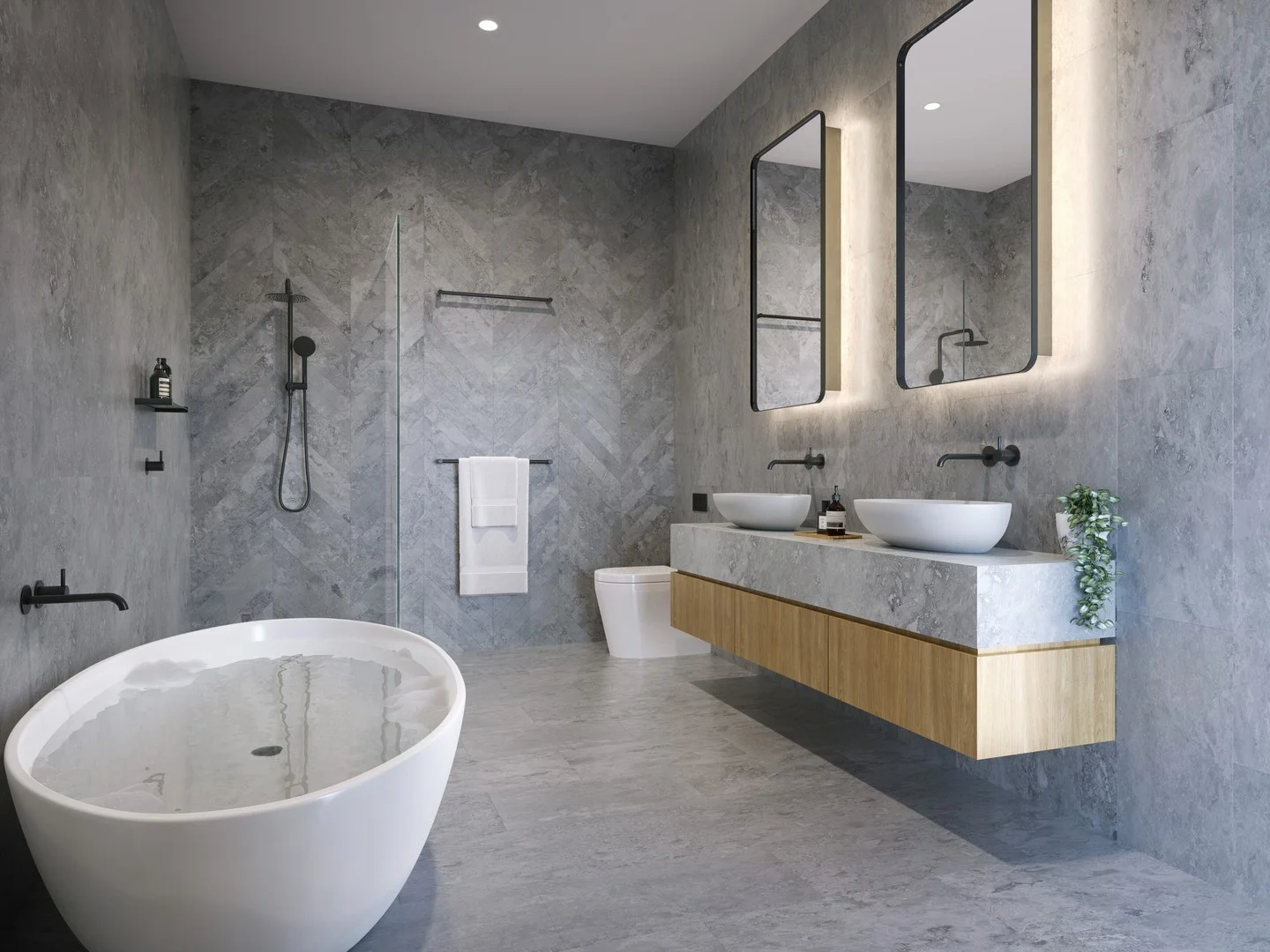 $2,824,000
Apartment / Unit / Flat
$2,824,000
Apartment / Unit / Flat
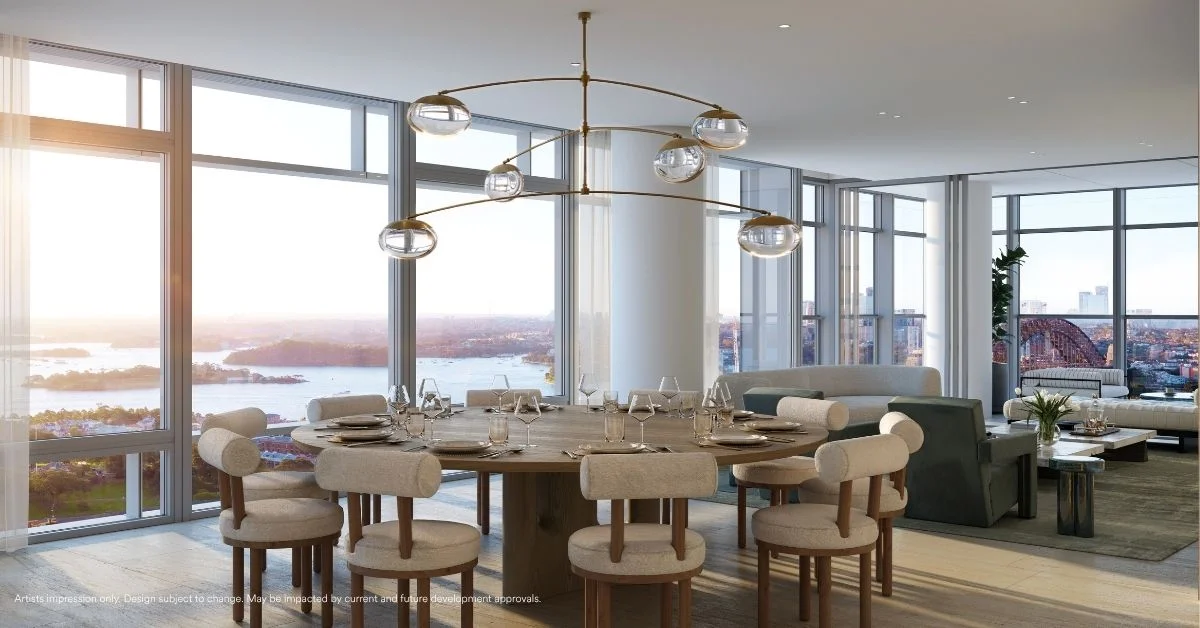 $26,550,000
propertyType.NEW APARTMENTS / OFF THE PLAN
$26,550,000
propertyType.NEW APARTMENTS / OFF THE PLAN
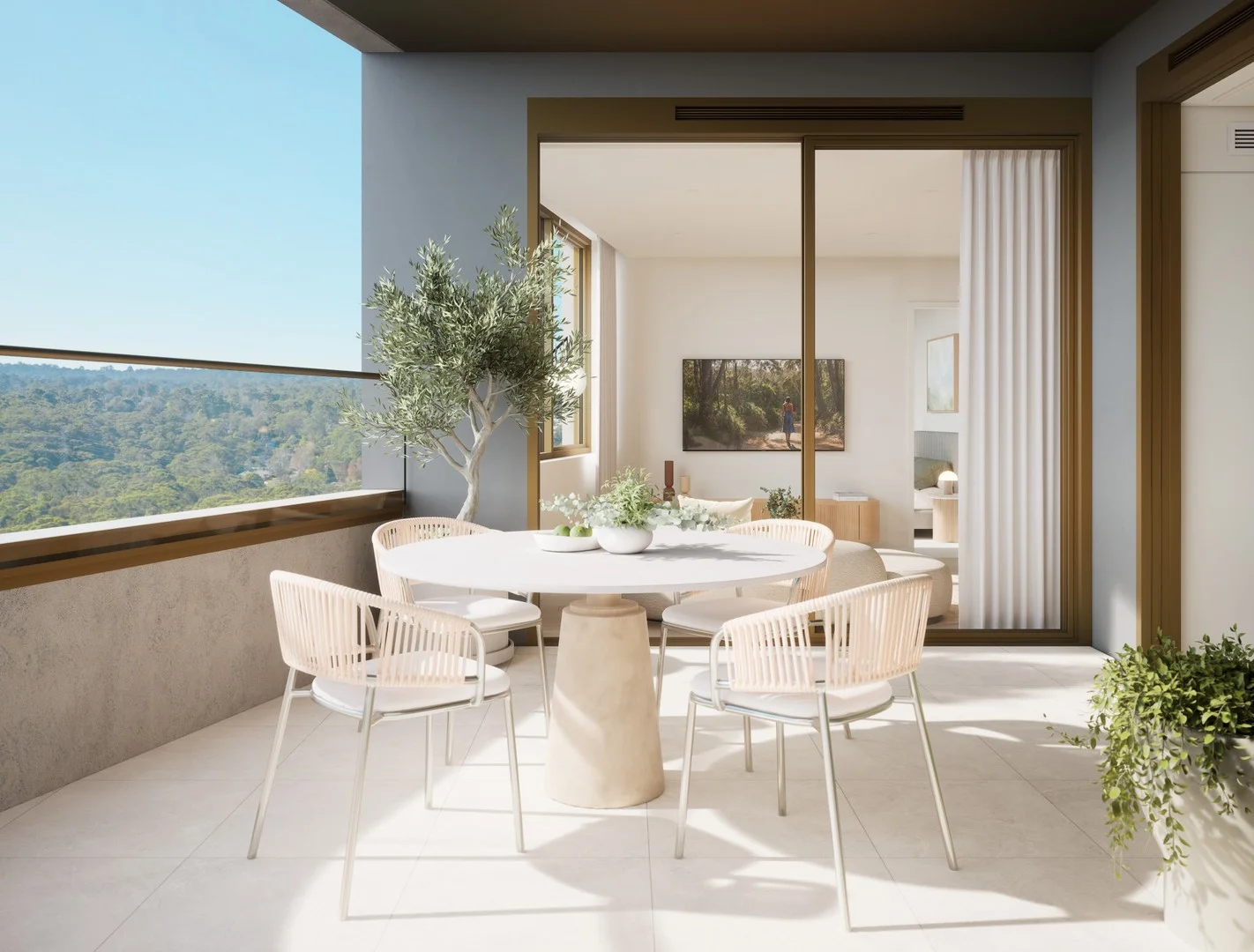 $1,525,000
Apartment / Unit / Flat
$1,525,000
Apartment / Unit / Flat


