## Overview
St John the Apostle Catholic Primary School Narraweena is a Catholic primary school serving students from Kindergarten to Years 1–6. The school is medium-sized, prioritising a faith-based, inclusive learning community where class sizes typically sit around 20–25 students. This setup supports strong teacher–student relationships and provides opportunities for individual attention.
The school emphasises values-based learning, service, and strong partnerships with families and the local parish. It aims to nurture academic growth, wellbeing, and spiritual development within a supportive, faith-filled environment.
---
## Academics & Learning
- Academic strengths: Literacy and numeracy foundations, robust religious education, and integration of technology to support learning.
- Special programs: Catholic Education Office programs; leadership opportunities; potential for Gifted & Talented pathways and targeted support (SEN) as needed; EAL/D assistance where appropriate.
- NAPLAN / trends: Positive, steady progress and consistency in NAPLAN-style indicators over recent years, with a focus on strengthening core skills year to year.
- Student-teacher ratios: Generally around 1:15–1:22, with class sizes in the 20s depending on year level.
- Support for diverse learners: Dedicated learning support staff, EAL/D assistance, and inclusive practices to cater for a range of learning needs.
---
## Sports & Extracurricular Strengths
- Sports offered: Soccer, netball, cricket, rugby league, athletics, and other seasonal activities as part of the school sports program.
- Strong teams or achievements: Active participation in inter-school events and diocesan or local competitions, with opportunities for student leadership within teams.
- Music, arts, drama programs: Choirs, music sessions, and annual drama or performance opportunities.
- Clubs: Robotics, coding, chess, debating, and other after-school clubs supporting STEM and rhetoric skills.
- Partnerships: Involvement with local clubs, diocesan events, and inter-school competitions to broaden opportunities beyond the classroom.
Most parents find these programs appealing for boys in the 10–14 age range, with a balanced emphasis on sport, arts, and academics.
---
## Wellbeing & Pastoral Care
- Anti-bullying approach: Clear anti-bullying policies, restorative practices, and a culture of respect and inclusion.
- House system: House structure to encourage leadership, teamwork, and a sense of belonging through house events and competitions.
- Counsellors / wellbeing officers: Access to a school counsellor or wellbeing staff, with pastoral care integrated into daily routines; Chaplaincy support may be available.
- Transition support for new students: Orientation days, buddy systems, and targeted support to help new students settle in smoothly.
---
## Facilities
- Sports grounds
- Libraries
- Science labs
- Music/performing arts centers
- Tech/innovation labs
- Cafeteria
- Updated playgrounds
The facilities are designed to be visually engaging and easy to navigate, supporting a broad range of learning experiences from science and technology to arts and physical education.
---
## School Values & Community Culture
- School values / mission: Faith-based, values-driven education emphasising compassion, respect, service, and integrity.
- Leadership style: Collaborative leadership with opportunities for student voice and leadership (e.g., student leaders, prefects, or house captains).
- Behaviour expectations: Clear expectations around respect, responsibility, and personal integrity.
- Community reputation: Strong ties with the local parish and a welcoming, family-oriented culture within a supportive Catholic community.
- Diversity & inclusion: Inclusive environment that welcomes students from diverse backgrounds and supports engagement and belonging for all families.
---
## School Logistics & Daily Operations
- School hours: Typical school day runs from about 9:00 am to 3:15 pm, with established start and end times and routines for drop-off and collection.
- Before/after school care: On-site or approved after-school care arrangements are available to families.
- Uniform requirements: School uniform with seasonal variations; sports uniform for physical education and extracurricular activities.
- Transport: Access to local bus routes and proximity to public transport; designated drop-off/pick-up zones for safe car-based travel.
- Canteen availability: Healthy canteen options or lunch facilities available for student meals and snacks.
- Fees (low/medium/high ranges): Fees and contributions are in the medium range for NSW Catholic primary schools, with information on annual charges, voluntary contributions, and costs for excursions and uniforms provided by the school.
---
## Enrolment & Admissions
11. What is the enrolment process and timeline?
- Applications generally begin with an information session or open day. Submit the enrolment form with required supporting documents (birth certificate, immunisation records, proof of Catholic family affiliation or baptism details where applicable). Shortlisting and interviews or information sessions may follow, with offers issued and a confirmed enrolment process that includes orientation procedures for new students.
12. Is there a waiting list, and how does it work?
- Waiting lists can apply if enrolment capacity is reached. Families may join the waitlist by submitting an enrolment form and required documents; the school will notify families as places become available, typically based on criteria set by the school and/or diocese.
13. Are there any entry requirements, tests, or interviews?
- Year K entrants often participate in information sessions and may be asked to provide baptism certificates or parish verification. Some selective elements (e.g., family interviews or meetings) may occur to understand fit with the school’s Catholic ethos and community. Tests are not typically required for standard intake.
14. Does the school accept mid-year transfers?
- Yes, subject to space and space availability. Transfer requests generally require standard documentation (transcripts or reports from the previous school, consent for release, and confirmation of enrolment at the new school). The school supports smooth transitions through orientation and familiarisation with routines.
---
## Frequently Asked Questions
- Why Parents Choose This School?
A faith-based, values-driven education in a nurturing community that supports academic growth, wellbeing, and service.
- What type of student thrives at this school?
Students who respond well to a supportive, inclusive Catholic environment with balanced academics, faith formation, and opportunities to contribute to the school community.
- What opportunities are available for students to extend their skills (academics, sports, arts)?
Strong programs across literacy, numeracy, and faith formation, plus after-school clubs (robotics, coding, chess, debating), music and drama opportunities, and school sports teams.
- How does the school communicate with parents?
Regular newsletters, emails, a school app or portal, parent-teacher interviews, and open days to share progress and events.
- What is the school’s approach to teaching and learning?
NSW syllabus-aligned curriculum with differentiated instruction, inquiry-based learning, and integration of faith and values into daily learning.
- How does the school support students who need extra academic help?
Targeted interventions, learning support staff, EAL/D assistance, and collaboration with families to tailor supports.
- What support is available for academic challenges?
Ongoing coaching and small-group or one-on-one support, with access to counselling and wellbeing resources as needed.
- How does the school communicate with parents? (Reiteration)
Through multiple channels including newsletters, email, a parent portal/app, and regular parent-teacher conversations.
- What are the class sizes and how much individual attention do students receive?
Class sizes are typically in the 20s, with dedicated teacher attention, and additional support from teaching aides where appropriate.
- What extracurricular and sports opportunities are available?
A range of sports (soccer, netball, cricket, rugby league, athletics), plus clubs in robotics, coding, chess, debating, and arts programs.
- What facilities does the school offer (sports, science, arts)?
Sports grounds, library, science labs, music/performing arts spaces, tech/innovation labs, cafeteria, and updated playgrounds.
- What is the school’s approach to technology and digital learning?
Integrated ICT across classrooms, use of tablets/computers, digital citizenship education, and safe online practices.
- What transport and accessibility options are available?
Local bus routes and parking provisions, with clear drop-off/pick-up arrangements and accessible entry where applicable.
- What are typical school fees or additional costs?
Fees fall in the medium range for NSW Catholic primary schools, with additional costs for uniforms, excursions, and optional activities; information on financial assistance or bursaries may be available through the school.
---
## Short Pros & Cons list
- Pros
- Catholic values-based education with a focus on character and service
- Nurturing, inclusive learning environment with small to medium class sizes
- Strong wellbeing and pastoral support
- Broad extracurriculars including sports, arts, robotics, coding, and debating
- Solid facilities across libraries, science labs, arts spaces, and play areas
- Cons
- As a faith-based school, alignment with Catholic practices is important for families
- Waiting lists can occur when enrolment capacity is reached
- Transport options may depend on local routes and schedules
- Some specialised programs may have limited capacity or year-specific availability
- Annual costs plus excursions and uniform purchases require budgeting










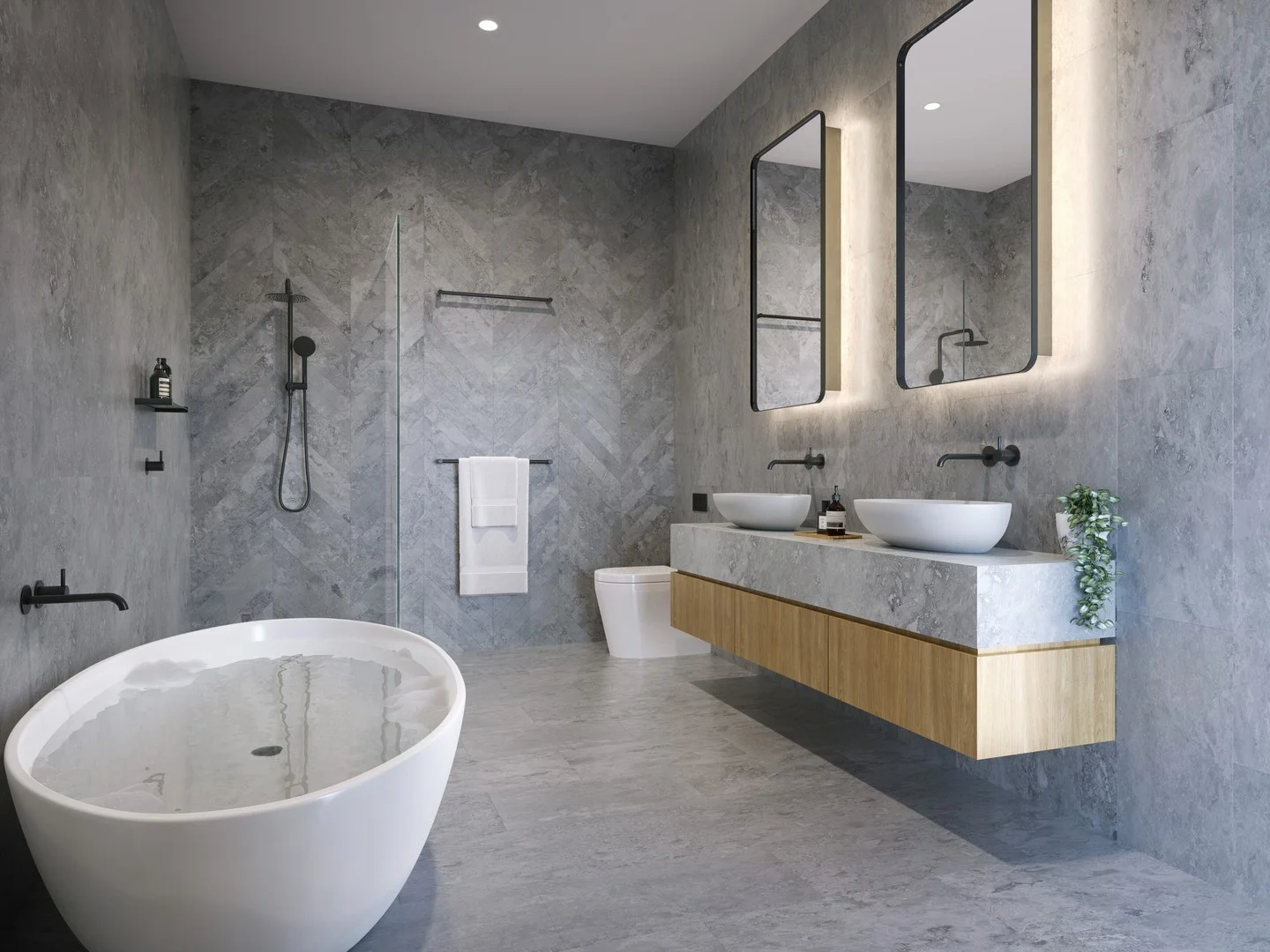 $2,824,000
Apartment / Unit / Flat
$2,824,000
Apartment / Unit / Flat
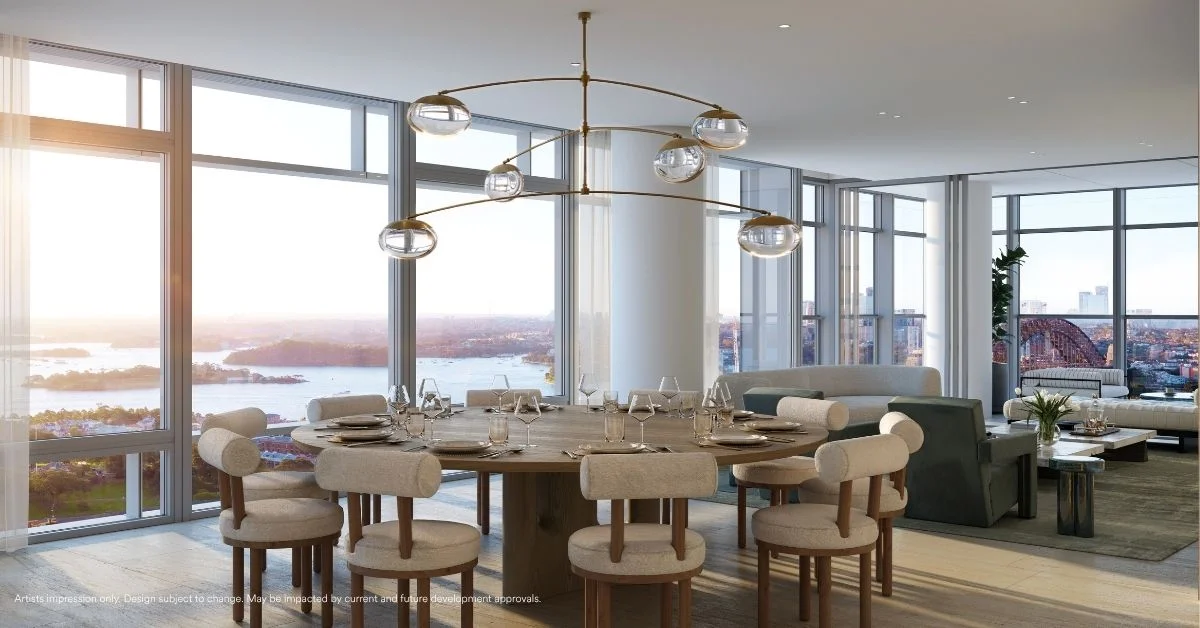 $26,550,000
propertyType.NEW APARTMENTS / OFF THE PLAN
$26,550,000
propertyType.NEW APARTMENTS / OFF THE PLAN
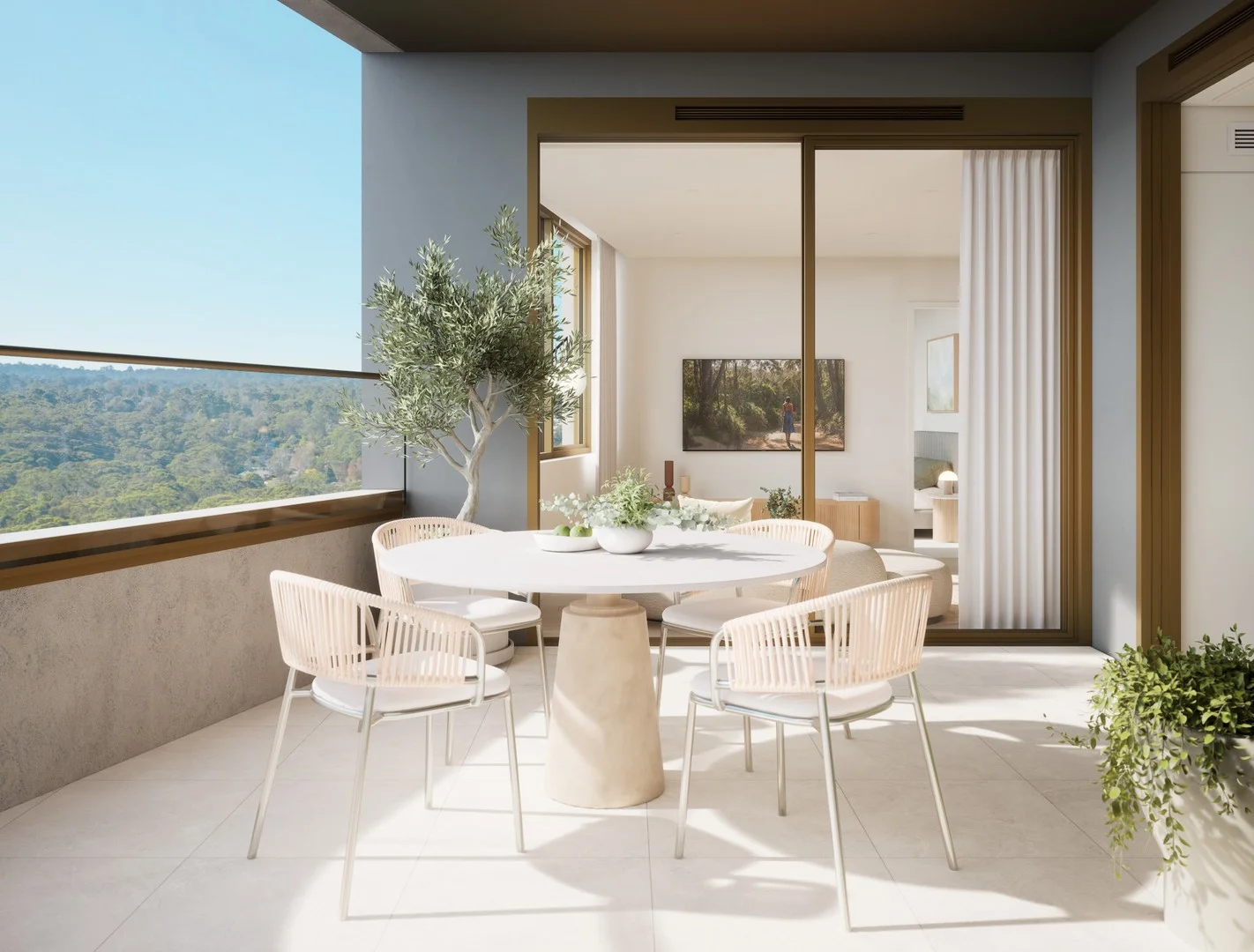 $1,525,000
Apartment / Unit / Flat
$1,525,000
Apartment / Unit / Flat
 $2,745,000
propertyType.NEW APARTMENTS / OFF THE PLAN
$2,745,000
propertyType.NEW APARTMENTS / OFF THE PLAN


