Overview
Kenmore State High School is a public secondary school serving students in the Kenmore area and surrounding suburbs. It is a large, comprehensive government high school with a broad academic program and extensive extracurricular options. Class sizes are typically in the mid-20s, and the school fosters an inclusive, achievement‑oriented atmosphere that blends academic rigor with sport and arts participation.
The school emphasises a diverse, supportive culture where students are encouraged to excel in a range of areas—academic, athletic, and creative—within a community that values collaboration, resilience, and respectful conduct.
Academics & Learning
- Academic strengths: Strong emphasis on STEM, English literacy, leadership development, and languages, supported by a range of senior pathways.
- Special programs: Gifted and Talented or accelerated learning opportunities; VET pathways and senior studies options to suit different post-school routes (ATAR/.general).
- Support for diverse learners: Dedicated support for EAL students and students with additional learning needs; access to learning support staff, referral programs, and inclusive education strategies.
- Sports offered: A wide range of team and individual sports, including basketball, netball, football (soccer), rugby union, cricket, athletics, swimming, and volleyball.
- Strong teams or achievements: Regular representation at regional competitions; inter-school events and carnivals are common features of the school calendar.
- Music, arts, drama programs: Active performing arts program with ensembles, bands, choirs, and regular drama productions; opportunities for creative involvement across the year.
- Clubs: Robotics, chess, coding, debating, and other interest-based clubs are available to students.
- Partnerships: Collaborations with local clubs, district competitions, and opportunities to engage with external academic or athletic programs (e.g., robotics competitions and related community/industry partners).
Wellbeing & Pastoral Care
- Anti-bullying approach: Comprehensive anti-bullying policies and programs, with a supportive school climate and clear reporting pathways.
- House system: House-based pastoral framework to foster belonging, leadership, and inter-house events.
- Counsellors / wellbeing officers: Access to school counsellors and wellbeing coordinators to support mental health, resilience, and transitions.
- Transition support for new students: Orientation activities, buddy systems, and targeted support to help new students settle in.
Facilities
- Sports grounds: Multiple outdoor sporting facilities to support wide-ranging PE and sports programs.
- Libraries: On-site library with study spaces and resources.
- Science labs: Well-equipped science teaching labs to support practical learning.
- Music/performing arts centers: Facilities for music, drama, and performance activities.
- Tech/innovation labs: Modern classrooms and spaces for technology, coding, and innovative projects.
- Cafeteria: On-site canteen/cafeteria offering daily options.
- Updated playgrounds: Well-maintained outdoor spaces and play areas for breaks and leisure.
- School values / mission: Emphasis on excellence, respect, responsibility, and inclusion; a culture that promotes integrity and community involvement.
- Leadership style: Student leadership opportunities (e.g., student councils) and a collaborative approach to school life that values input from students, staff, and families.
- Behaviour expectations: Clear codes of conduct and positive behavior frameworks that support a safe and respectful environment.
- Community reputation: Strong sense of community with active parental and local involvement and a reputation for balancing academics, sport, and arts.
- Diversity & inclusion: Committed to diversity and inclusive practices, with support for students from varied backgrounds and abilities.
School Logistics & Daily Operations
- School hours: School days typically run from early morning to mid/late afternoon (roughly 8:30–3:15, with precise times published by the school each year).
- Before/after school care: Programs and supervision available via on-site or partnered providers; check current offerings for after-school supervision and care.
- Uniform requirements: Full school uniform with seasonal options (summer and winter), standard dress code for all students.
- Transport (train/bus routes): Accessible by local bus routes and rail options within the metropolitan area; planning your commute around peak times is advisable.
- Canteen availability: Canteen operates daily with a range of meal and snack options.
- Fees (low/medium/high ranges): As a public high school, fees are generally moderate with voluntary contributions and additional costs for excursions, materials, and certain programs.
Enrolment & Admissions
- What is the enrolment process and timeline?
- Check catchment eligibility and submit an enrolment application through the Queensland Department of Education process.
- Provide required documents (proof of identity and residency, immunisation records, and any other school-relevant information).
- The process typically includes a brief intake or confirmation step, with documented timelines published by the school for the current year.
- Is there a waiting list, and how does it work?
- In-catchment enrolments take priority. Out-of-catchment applications may be placed on a waiting list and considered based on vacancies and established policy. The school can provide current waitlist details and expected timelines.
- Are there any entry requirements, tests, or interviews?
- Most enrolments do not require entrance tests or formal interviews. Some programs or pathways may have program-specific selection criteria or auditions (e.g., certain arts or leadership opportunities), but standard enrolment relies on residency and submission of required documents.
- Does the school accept mid-year transfers?
- Yes, mid-year transfers are possible subject to vacancies and the enrolment process. Prospective transferees should contact the school early to discuss availability and required documentation.
Frequently Asked Questions
- Why Parents Choose This School?
- Public, well-rounded high school with broad curriculum, strong sports and arts, supportive wellbeing services, and active community involvement.
- What type of student thrives at this school?
- Students who are engaged across academics, sports, or the arts; those who value a supportive, inclusive environment and opportunities to participate in leadership and clubs.
- What opportunities are available for students to extend their skills (academics, sports, arts)?
- Advanced learning pathways, G&T or accelerated options where available, VET and senior study pathways, diverse clubs (robotics, coding, debating), strong sports programs, and performing arts productions.
- How does the school communicate with parents?
- Through school newsletters, parent portals or apps, emails, parent-teacher interviews, and the school website; regular updates on events and student progress.
- What is the school’s approach to teaching and learning?
- Differentiated instruction, emphasis on core literacy and numeracy, and a mix of explicit teaching, inquiry-based tasks, and real-world projects to suit diverse learners.
- How does the school support students who need extra academic help?
- Access to learning support staff, EAL and SEN services, targeted interventions, and after-school or in-classroom support mechanisms.
- What support is available for academic challenges?
- Individual learning plans, tutoring or targeted intervention programs, and pathways that connect to senior study options and vocational tracks.
- How does the school communicate with parents? (Duplicate)
- See above; multiple channels are used to keep families informed about student progress and school events.
- What extracurricular and sports opportunities are available?
- A broad suite of sports and teams, multiple arts programs, and numerous clubs such as robotics, chess, coding, and debating; broad opportunities to compete, perform, and lead.
- What facilities does the school offer (sports, science, arts)?
- Comprehensive facilities including sports grounds, libraries, science labs, performing arts spaces, technology/innovation labs, canteen, and updated outdoor spaces.
- What is the school’s approach to technology and digital learning?
- Integration of digital tools and resources across the curriculum, with access to computer labs and innovative learning spaces; emphasis on digital literacy and responsible use.
- What transport and accessibility options are available?
- Access via local bus services and train options in the area; accommodations for mobility and accessibility are aligned with district provisions.
- What are typical school fees or additional costs?
- Public-school funding covers core education; expected costs include uniform, optional activities, excursions, and materials not fully covered by the standard program.
Short Pros & Cons list
- Public high school with a broad curriculum and extensive extracurricular options.
- Large, diverse student community with strong support for wellbeing and inclusion.
- Solid facilities, including labs, arts spaces, and sports grounds.
- Multiple pathways for academics (ATAR, VET, arts and leadership programs).
- Active clubs and competitive sports with opportunities for student leadership.
- Large school size can mean busy campuses and busy periods during peak times.
- Some programs may require travel to external facilities or partner sites for certain activities.
- Out-of-catchment enrolments may face waiting lists or placement uncertainty depending on vacancies.
- Daily transport options may vary by location; planning is needed for travel to and from school.





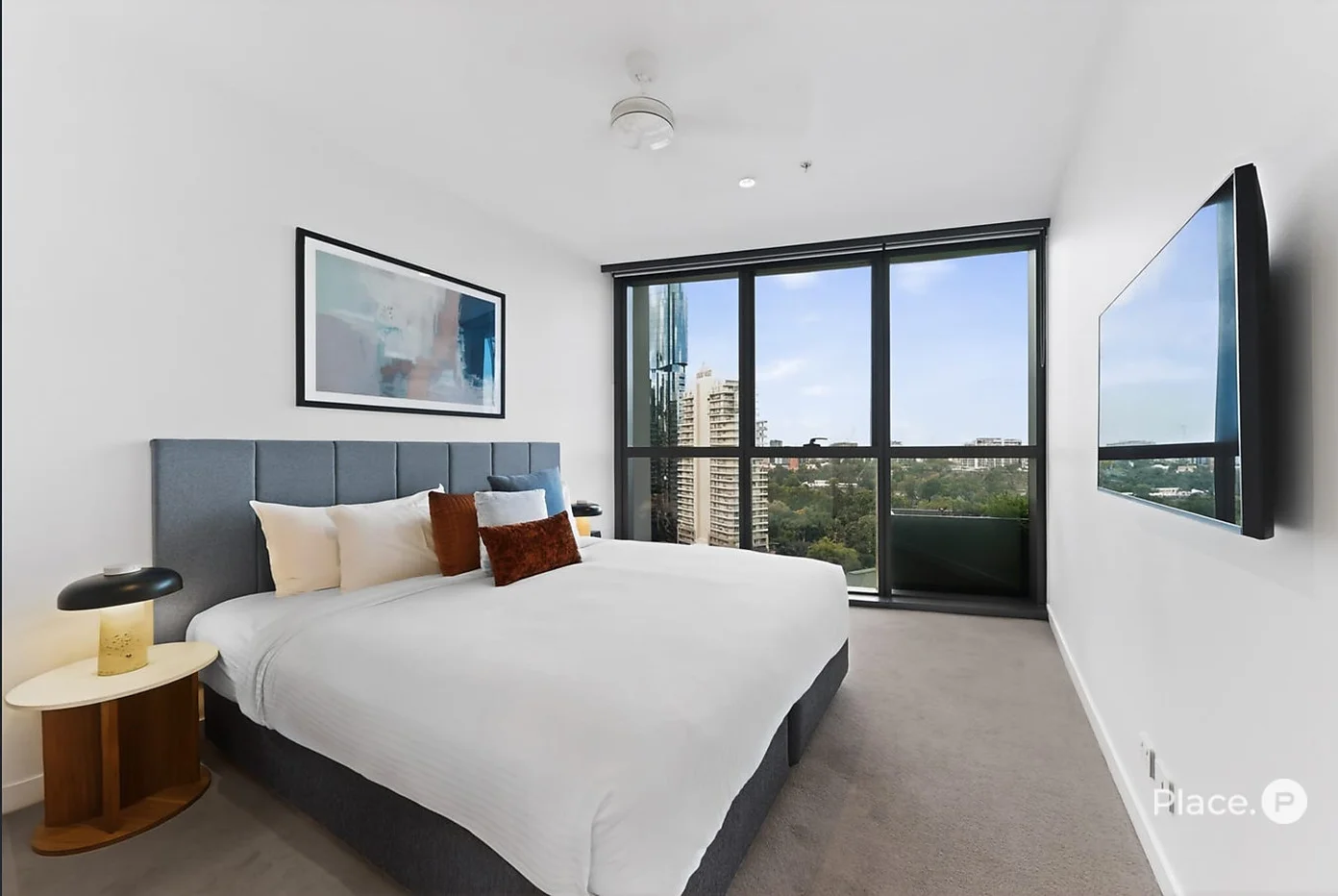 $770,000
Apartment / Unit / Flat
$770,000
Apartment / Unit / Flat
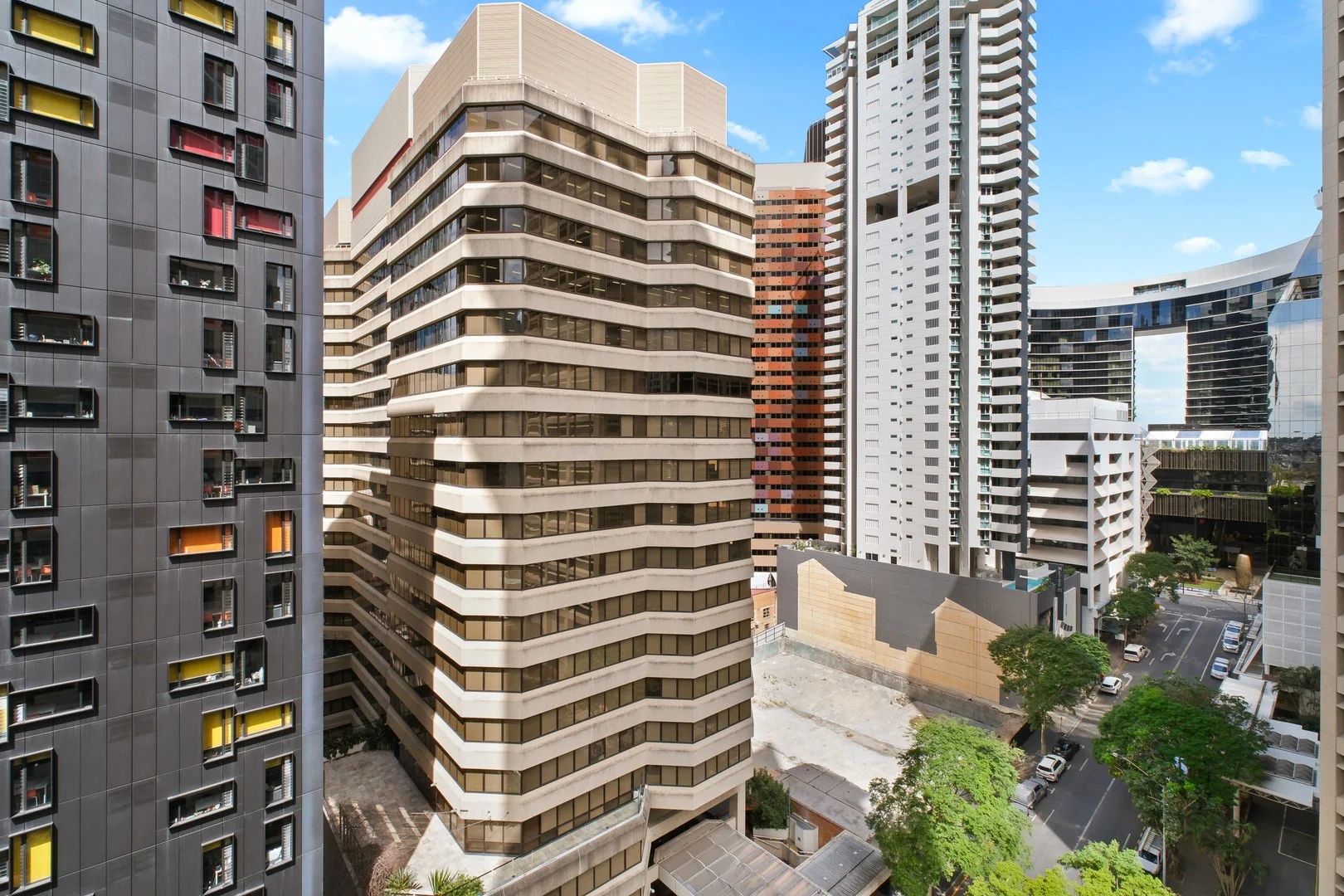 $550,000
Apartment / Unit / Flat
$550,000
Apartment / Unit / Flat
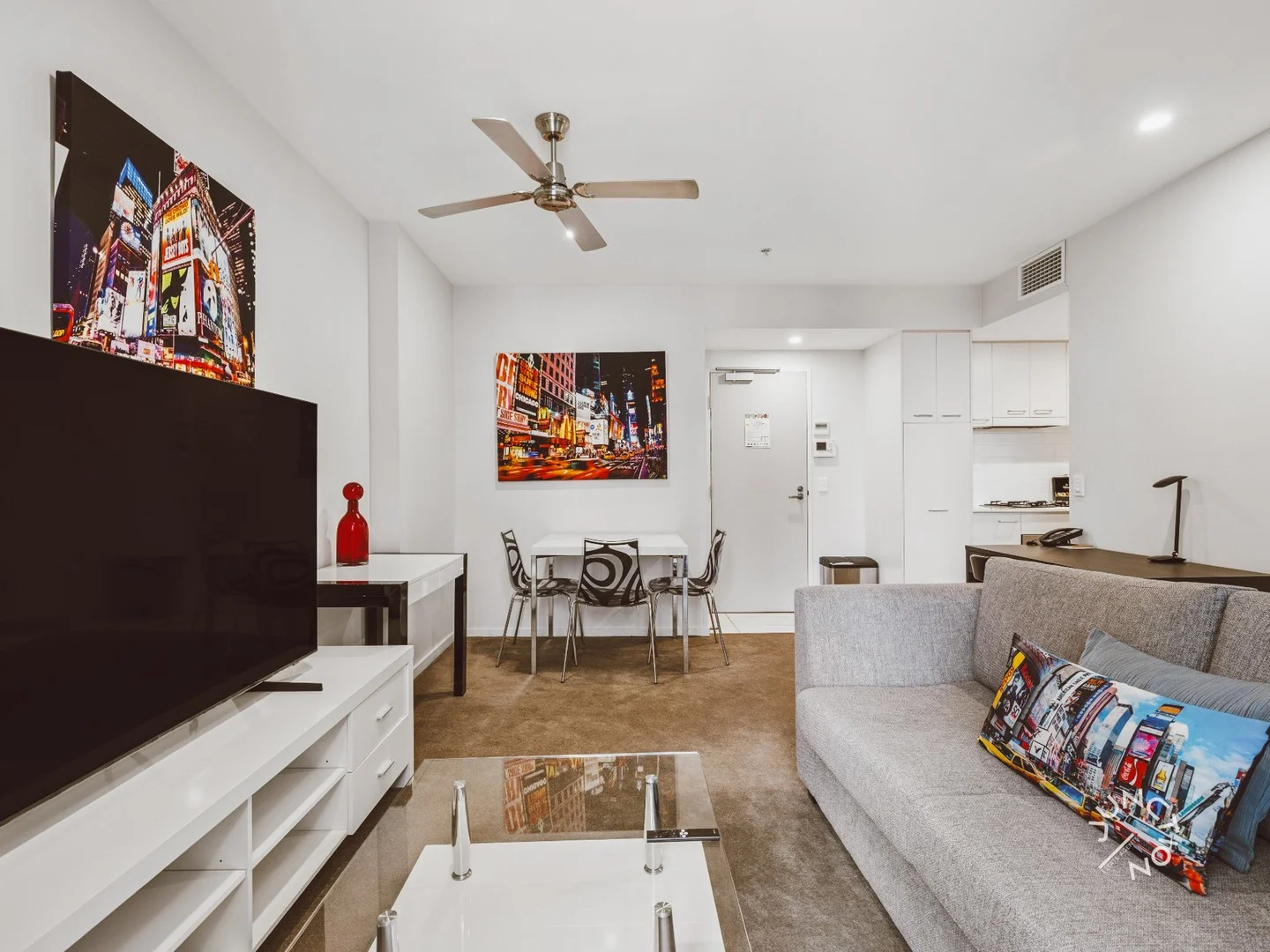 $523,200 - $566,800
Apartment / Unit / Flat
$523,200 - $566,800
Apartment / Unit / Flat
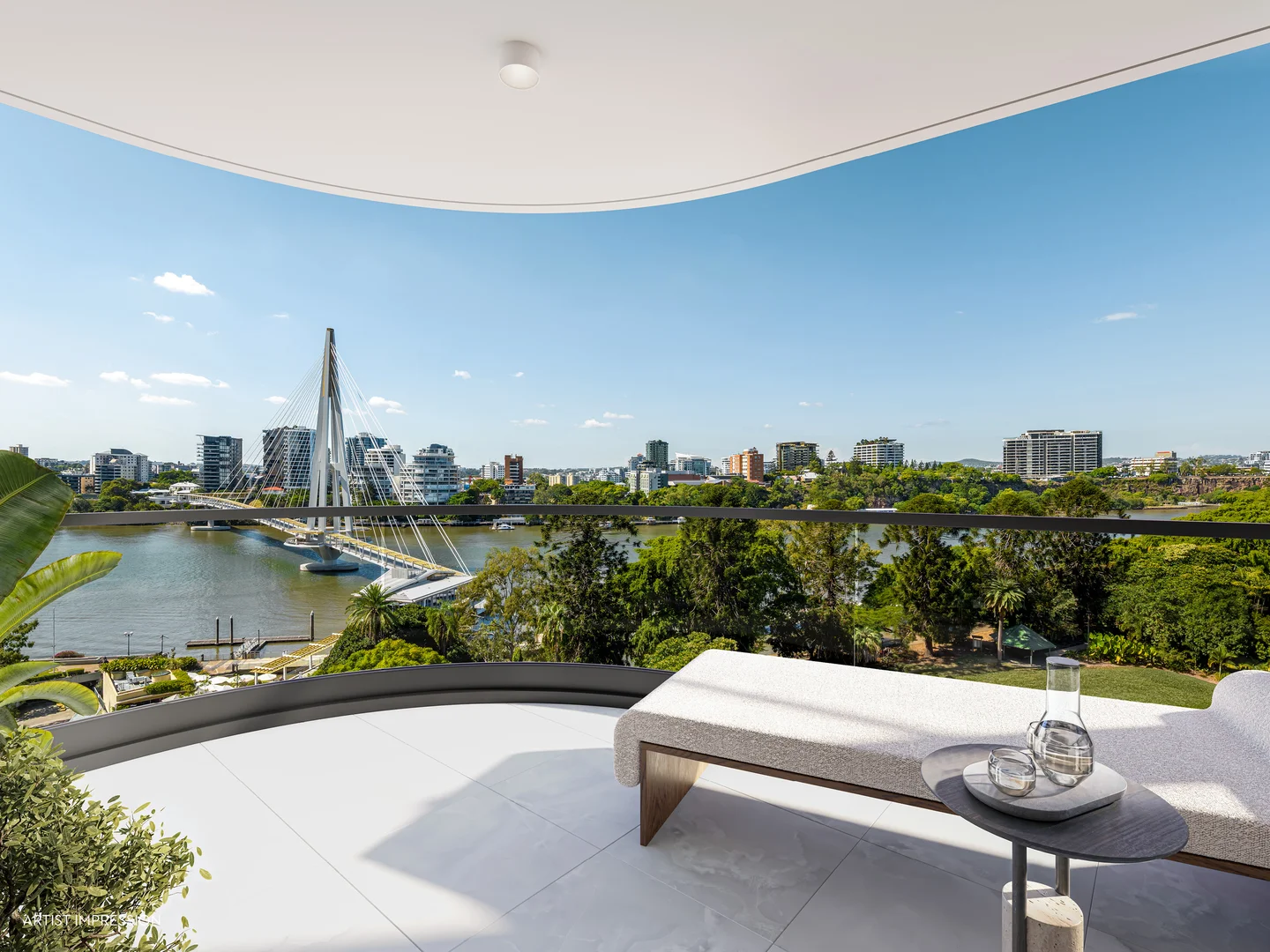 $1,475,000 - $2,090,000
propertyType.NEW APARTMENTS / OFF THE PLAN
$1,475,000 - $2,090,000
propertyType.NEW APARTMENTS / OFF THE PLAN
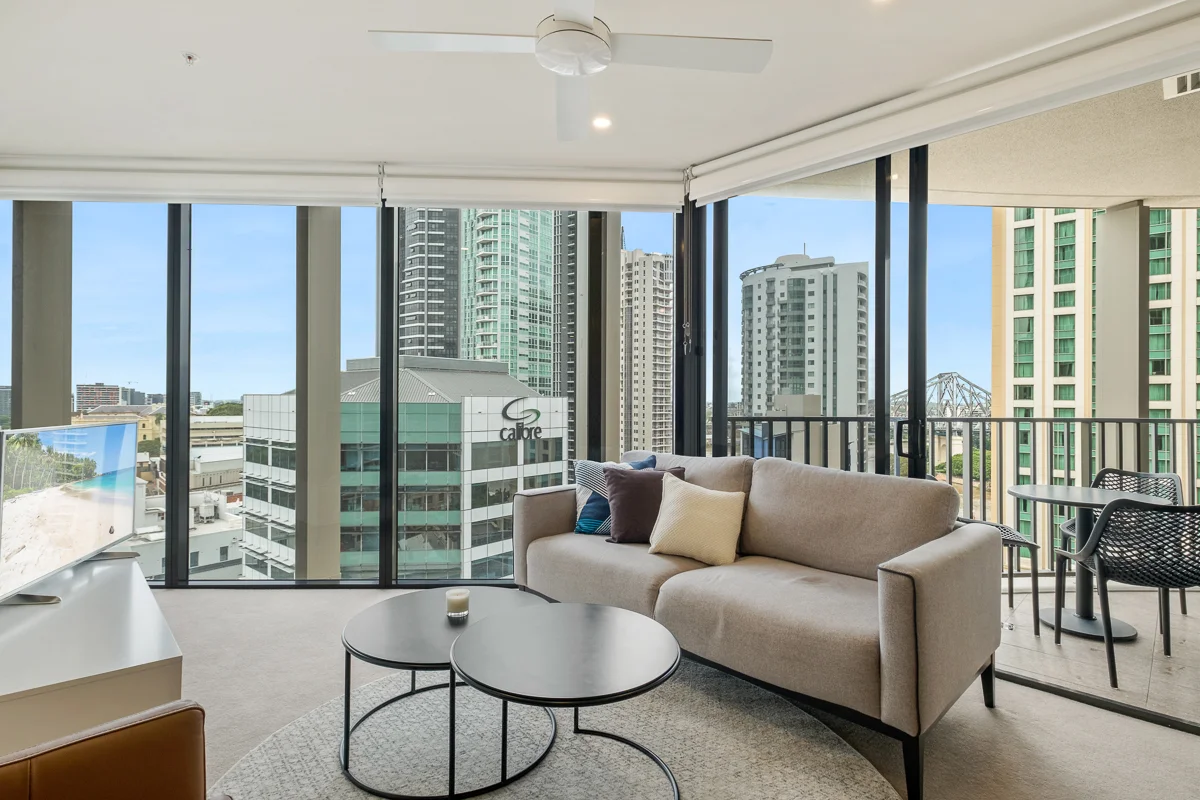 $950,000
Apartment / Unit / Flat
$950,000
Apartment / Unit / Flat
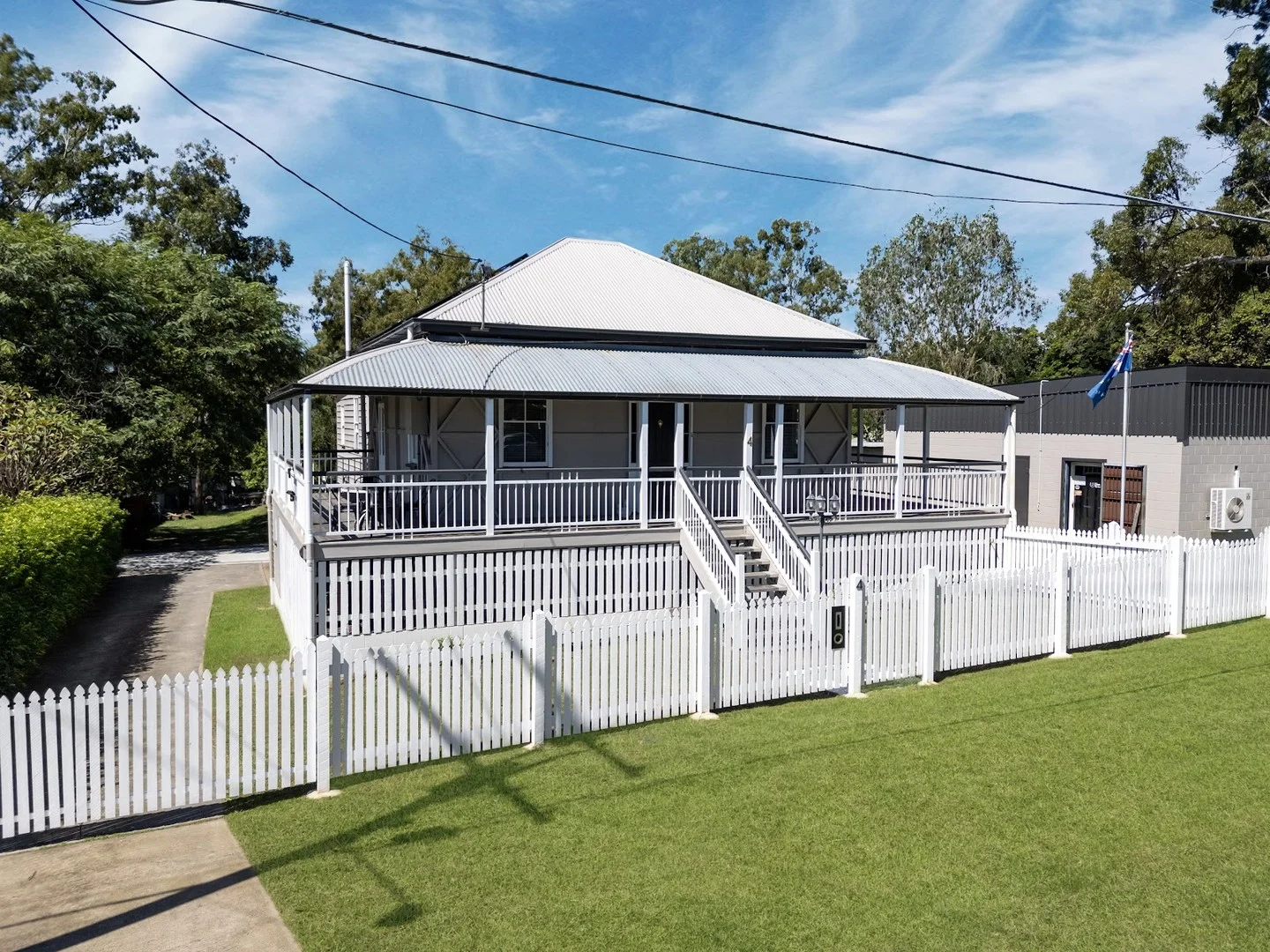 $1,700,000
House
$1,700,000
House