Overview
Kent Road Public School is a public, co-educational primary school serving students from Kindergarten to Year 6. The school embraces a medium-sized, community-focused environment with a clear emphasis on inclusive, student-centered learning and strong partnerships with families.
The atmosphere is nurturing and diverse, balancing academic development with social and personal growth. Class sizes typically sit within a mid-range spectrum for NSW public primary schools, supporting close teacher-student interaction and collaborative learning across year levels.
Academics & Learning
- Academic strengths: Strong emphasis on literacy and numeracy, with growing focus on STEM, digital literacy, and inquiry-based learning. English and mathematics are core strengths, with opportunities for extension in later years. The school also supports learner growth through creative arts and a developing emphasis on leadership skills.
- Special programs: Opportunities for enrichment and extension through general gifted/talented pathways and classroom differentiation; whole-school programs to encourage critical thinking, problem solving, and creativity.
- Support for diverse learners: Strong EAL/D support, dedicated SEN support where required, and inclusive education practices to enable participation and progress for all students.
- Sports offered: Broad program including team sports and athletics; regular participation in school and district-level events; emphasis on sport as part of healthy, active learning.
- Strong teams or achievements: Active involvement in inter-school opportunities; competitive teams across key sports with recognition at local or district levels.
- Music, arts, drama programs: Active music and performing arts offerings, annual concerts or shows, and opportunities to participate in drama and arts activities.
- Clubs: Robotics, coding, chess, debating, and other enrichment clubs are available to extend interests beyond academics.
- Partnerships: Local sports and arts partnerships, with opportunities to participate in competitions and events that connect students with broader community programs.
Wellbeing & Pastoral Care
- Anti-bullying approach: Clear anti-bullying policies, positive behaviour expectations, and restorative practices to promote respectful relationships among students.
- House system: House-group structure to foster belonging, leadership, teamwork, and healthy competition.
- Counsellors / wellbeing officers: Access to school counsellors or wellbeing staff to support student mental health, resilience, and social-emotional learning.
- Transition support for new students: Orientation activities, buddy programs, and parent information sessions to support smooth transitions into the school community.
Facilities
- Sports grounds: On-site spaces for physical education and outdoor activities.
- Libraries: Well-equipped library supporting literacy and inquiry across year levels.
- Science labs: Practical learning spaces to support hands-on science exploration.
- Music/performing arts centers: Dedicated areas for music and performing arts activities and performances.
- Tech/innovation labs: Modern spaces to support digital learning, coding, and STEM projects.
- Cafeteria: On-site canteen facilities with healthy food options.
- Updated playgrounds: Safe and inviting outdoor play areas for activities and social interaction.
- School values / mission: Emphasis on respect, responsibility, inclusion, and excellence; focus on developing well-rounded individuals with strong character.
- Leadership style: Collaborative and student-centered, with opportunities for student voice in school decisions and programs; distributed leadership among staff to support a responsive learning environment.
- Behaviour expectations: Clear codes of conduct, consistent routines, and restorative approaches to discipline that promote accountability and positive relationships.
- Community reputation: Known for a supportive, family-friendly culture with active parent involvement and community engagement.
- Diversity & inclusion: Commitment to inclusive practices that reflect and support a diverse student body, with targeted support where needed.
School Logistics & Daily Operations
- School hours: Typical day starts in the morning and concludes in the afternoon, with standard recess and lunch breaks; procedures support safe arrival and departure.
- Before/after school care: Some provision or coordination for before/after school care, depending on term and year level.
- Uniform requirements: School uniform standard; sports uniform for PE days and sports events.
- Transport (train/bus routes): Accessible by local bus routes and nearby public transport options; drop-off and pickup arrangements reflect school safety policies.
- Canteen availability: On-site canteen or healthy lunch programs available on selected days.
- Fees (low/medium/high ranges): Public school funding covers core education; some optional charges for excursions, activities, or extracurricular programs; overall cost structure tends toward low-to-moderate additional costs.
Enrolment & Admissions
- What is the enrolment process and timeline?
- Enquiries typically begin with information about local intake and catchment boundaries. The process generally includes submitting enrolment forms, providing documentation (proof of address, student identity, immunisation if required), and completing any school-specific steps. Offers and placement timelines follow NSW DoE guidelines and are coordinated through the school’s administration office.
- Is there a waiting list, and how does it work?
- Waiting lists can occur in oversubscribed years or cohorts. Placement is influenced by catchment rules, space availability, and DoE guidelines. The school communicates slot availability and next steps if a place becomes available.
- Are there any entry requirements, tests, or interviews?
- Typically, NSW public primary schools do not require entrance tests or interviews for general enrolment. Some programs (if offered) may involve assessment or information sessions, but general enrolment is based on eligibility and paperwork. Documentation (proof of residence, birth certificate, immunisation records) is usually required.
- Does the school accept mid-year transfers?
- Yes, subject to space and alignment with DoE processes. Parents should contact the school early to discuss availability, transfer documentation, and transition arrangements. A smooth mid-year transition is supported by orientation activities and a buddy system.
Frequently Asked Questions
- Why Parents Choose This School?
- Parents value the warm, inclusive culture, strong literacy and numeracy focus, supportive staff, and opportunities for student leadership and involvement in a wide range of programs.
- What type of student thrives at this school?
- Students who respond well to a balanced approach of academic challenge, social development, and participation in clubs, sports, and the arts tend to thrive here.
- What opportunities are available for students to extend their skills (academics, sports, arts)?
- Enrichment in literacy and numeracy, STEM activities, arts and performing arts programs, sport teams, and a variety of clubs (robotics, coding, chess, debating) provide multiple avenues to extend skills.
- How does the school communicate with parents?
- Through newsletters, emails, the school app or portal, parent-teacher meetings, and scheduled information sessions. Communication aims to be clear, timely, and parent-friendly.
- What is the school’s approach to teaching and learning?
- The school emphasizes student-centered learning, differentiation to meet diverse needs, explicit instruction in core subjects, and inquiry-based learning to foster curiosity and resilience.
- How does the school support students who need extra academic help?
- Targeted interventions, ESL/EAL support, SEN support, and small-group or one-on-one sessions are available to assist students needing extra help.
- What support is available for academic challenges?
- Dedicated support teachers, learning support plans, and access to specialist staff help students address academic challenges and track progress.
- How does the school communicate with parents?
- See above: regular updates via newsletters, portal/app messages, and school events; ongoing opportunities for parent involvement.
- What extracurricular and sports opportunities are available?
- A range of sports, music, arts, and clubs (robotics, coding, chess, debating) are offered to broaden experiences and build teamwork and leadership.
- What facilities does the school offer (sports, science, arts)?
- Sports grounds, libraries, science labs, music/performing arts spaces, tech/innovation labs, a cafeteria, and updated playgrounds.
- What is the school’s approach to technology and digital learning?
- A technology-rich environment with digital literacy integrated into learning, access to devices and interactive tools, and safe, supervised use of technology as part of the curriculum.
- What transport and accessibility options are available?
- Accessible transport options through local bus routes and nearby public transport; procedures support safe drop-off and pick-up and transit planning for families.
- What are typical school fees or additional costs?
- Core education is publicly funded; there are usually low-to-moderate optional costs for excursions, activities, and certain programs.
Short Pros & Cons list
- Public school with a nurturing, inclusive culture
- Balanced focus on academics, wellbeing, and holistic development
- Wide range of clubs, sports, arts, and STEM opportunities
- Strong support for diverse learners (EAL/SEN)
- Active community involvement and parent partnerships
- Waiting lists may occur in oversubscribed years
- Transport and travel times can vary depending on family location
- Some programs may require additional costs for excursions or electives
 Free
Free









 $1,525,000
Apartment / Unit / Flat
$1,525,000
Apartment / Unit / Flat
 $36,000,000 - $39,500,000
Vacant Land
$36,000,000 - $39,500,000
Vacant Land
 $2,824,000
Apartment / Unit / Flat
$2,824,000
Apartment / Unit / Flat
 $26,550,000
propertyType.NEW APARTMENTS / OFF THE PLAN
$26,550,000
propertyType.NEW APARTMENTS / OFF THE PLAN
 $6,225,000
propertyType.NEW APARTMENTS / OFF THE PLAN
$6,225,000
propertyType.NEW APARTMENTS / OFF THE PLAN
 $8,630,000
propertyType.NEW APARTMENTS / OFF THE PLAN
$8,630,000
propertyType.NEW APARTMENTS / OFF THE PLAN
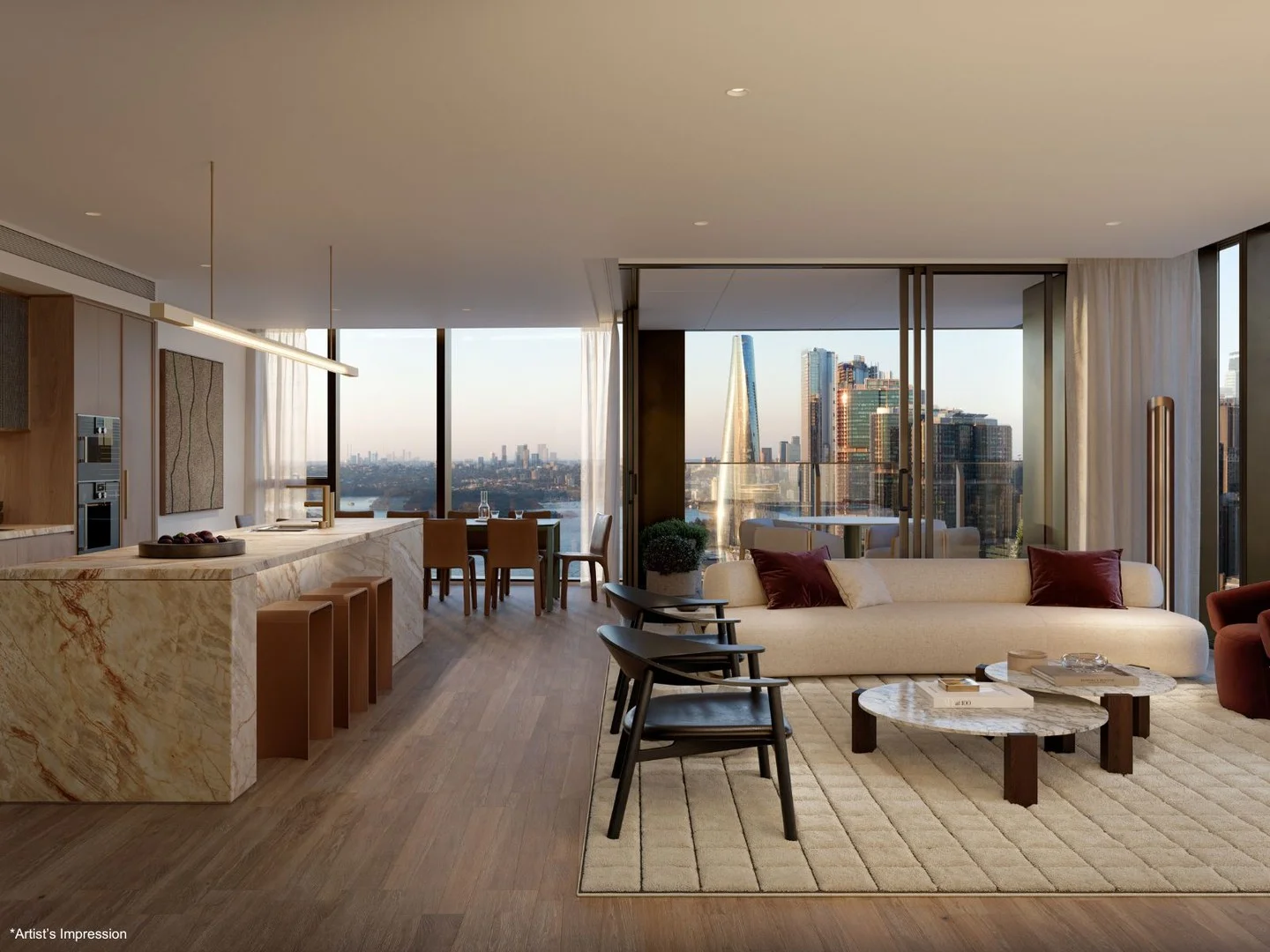 $12,980,000
propertyType.NEW APARTMENTS / OFF THE PLAN
$12,980,000
propertyType.NEW APARTMENTS / OFF THE PLAN
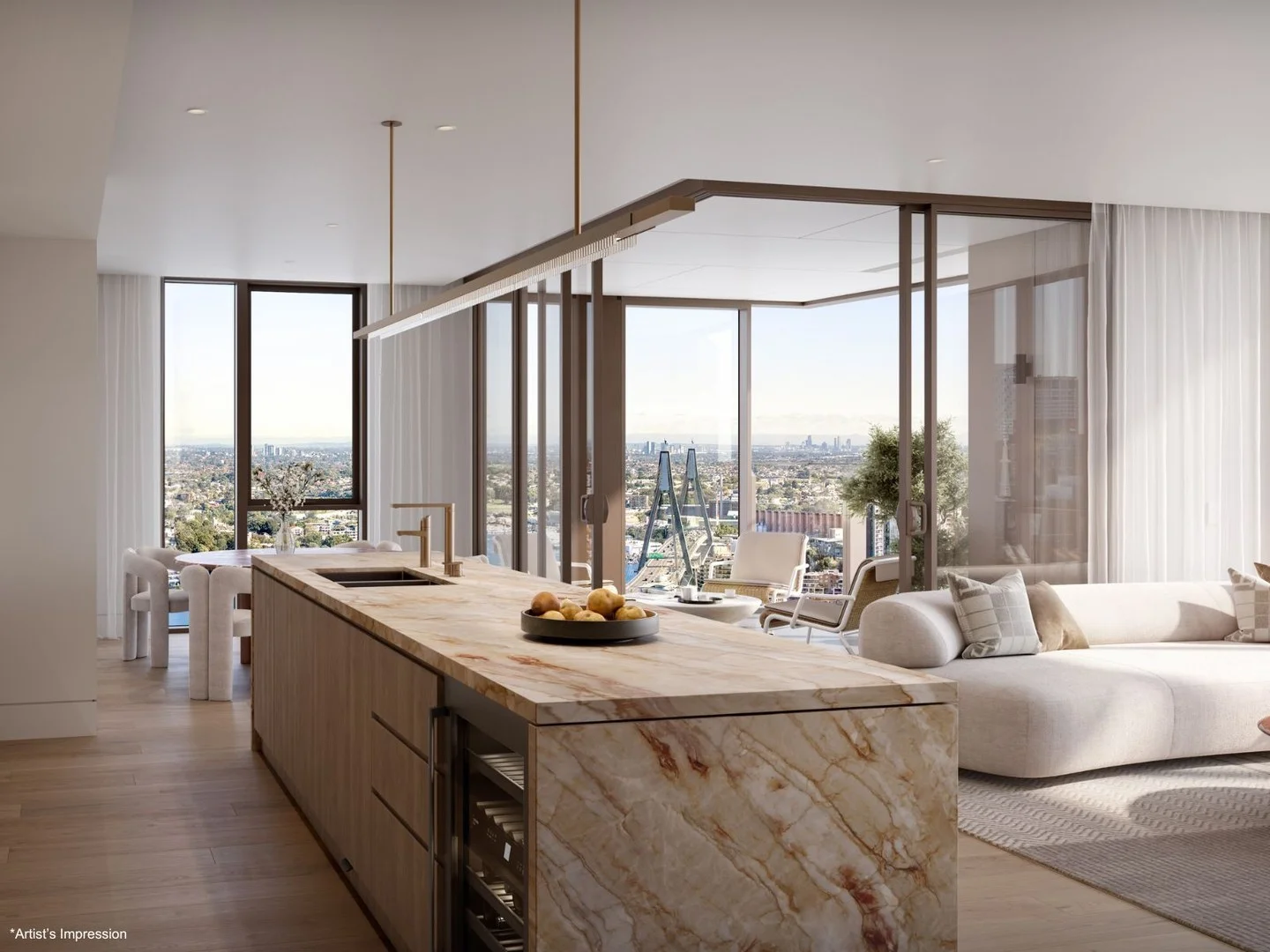 $9,020,000
propertyType.NEW APARTMENTS / OFF THE PLAN
$9,020,000
propertyType.NEW APARTMENTS / OFF THE PLAN
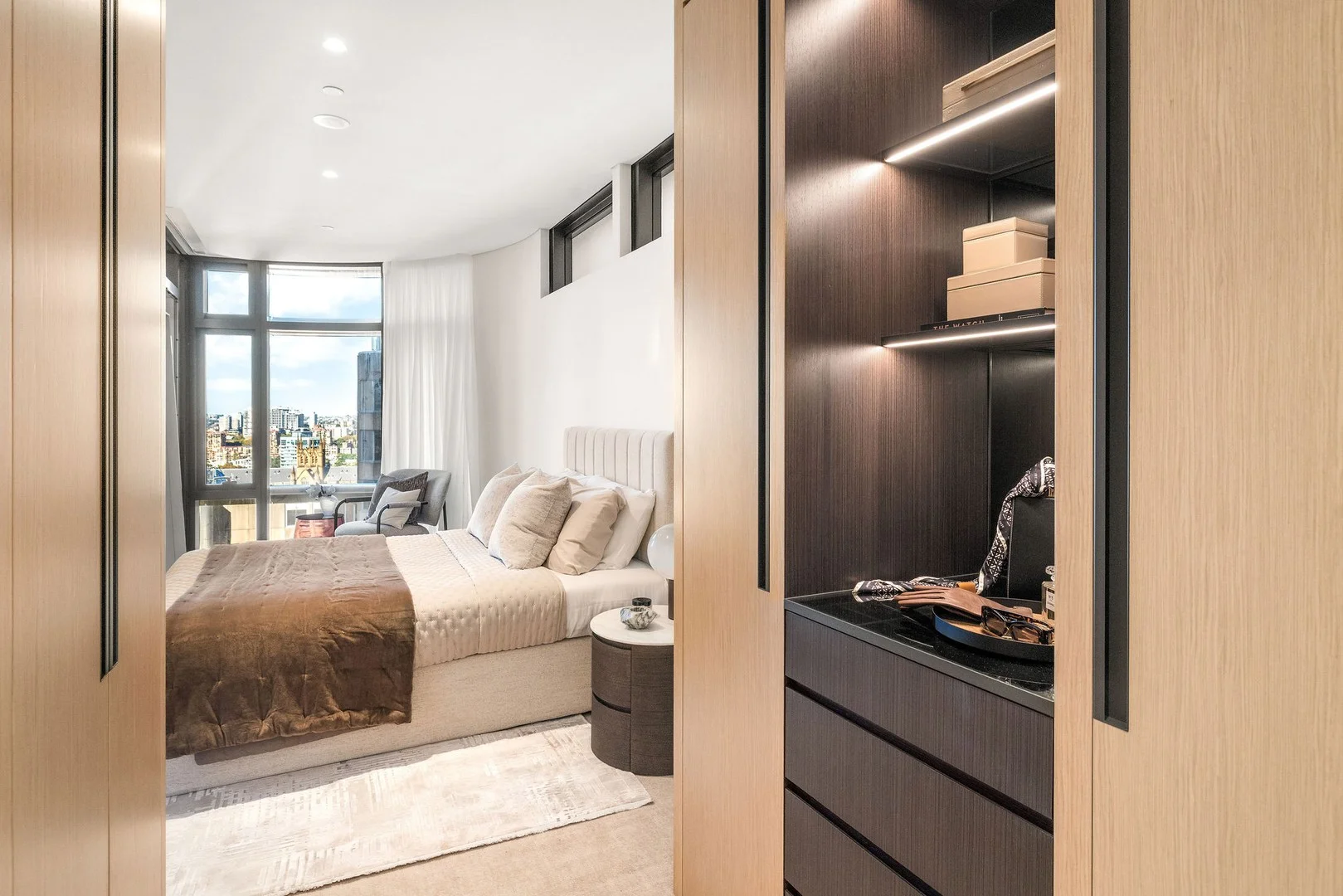 $2,745,000
propertyType.NEW APARTMENTS / OFF THE PLAN
$2,745,000
propertyType.NEW APARTMENTS / OFF THE PLAN