Overview
## 1. Overview
Smalls Road Public School is a public, co-educational primary school serving the Ryde community. The school focuses on an inclusive, supportive learning environment where students are encouraged to participate, collaborate and strive for personal best.
With a small‑to‑medium student body and class sizes typically in the low to mid 20s, students benefit from close teacher attention and a warm, community feel. The atmosphere is nurturing, inclusive and wellbeing‑focused, while still encouraging academic effort and participation in a broad range of activities.
## 2. Academics & Learning
- Academic strengths: Strong emphasis on literacy and numeracy, with opportunities to deepen learning in STEM and digital technologies. Leadership development and student voice are encouraged through involvement in school activities and committees.
- Special programs: NSW Department of Education programs such as Gifted & Talented (where available) and targeted intervention supports. English as an Additional Language (EAL) and Learning Support programs may be available to eligible students.
- NAPLAN trends: The school tracks NAPLAN results to identify areas for improvement and to guide teaching focus. The aims are continuous improvement across key learning areas, with a structured plan to lift student achievement over time.
- Student-teacher ratios: Class sizes typically sit in the low‑20s range, with a student‑teacher ratio that supports individual attention and small‑group support where needed.
- Support for diverse learners: Dedicated supports for diverse learners, including EAL and SEN provisions, plus a Learning Support Team that coordinates targeted assistance.
## 3. Sports & Extracurricular Strengths
- Sports offered: A range of team and individual sports, including soccer, cricket, rugby league, netball, athletics and swimming.
- Strong teams or achievements: Participation in district competitions and regular opportunities to represent the school in inter‑school events; emphasis on teamwork, sportsmanship and personal bests.
- Music, arts, drama programs: Active music and performing arts programs, opportunities for choir, band and school productions.
- Clubs: Robotics, coding, chess and debating are available, along with other clubs that promote inquiry and creativity.
- Partnerships: Connections with local clubs and community groups, plus opportunities to compete in district and regional events.
## 4. Wellbeing & Pastoral Care
- Anti-bullying approach: Clear anti-bullying policies, consistent routines, student buddy systems and age‑appropriate wellbeing education.
- House system: A house system fosters belonging, healthy competition and leadership across year levels.
- Counsellors / wellbeing officers: Access to a wellbeing team to support social, emotional and mental health needs.
- Transition support for new students: Welcome programs, orientation activities and buddy systems help new students settle in smoothly.
## 5. Facilities
- Sports grounds
- Libraries
- Science labs
- Music/performing arts centers
- Tech/innovation labs
- Cafeteria
- Updated playgrounds
## 6. School Values & Community Culture
- School values / mission: A values‑driven environment emphasizing respect, responsibility, inclusion and striving for personal excellence.
- Leadership style: Collaborative leadership with opportunities for student voice and involvement in school life.
- Behaviour expectations: Clear code of conduct with consistent, fair expectations and restorative approaches to discipline.
- Community reputation: Known for a welcoming, inclusive culture and strong partnership with families.
- Diversity & inclusion: Active commitment to diversity, equity and inclusive practices across the school community.
## 7. School Logistics & Daily Operations
- School hours: Typically around 9:00am–3:15pm, with variation for specific year groups or events.
- Before/after school care: Available through external providers or on‑site arrangements; check with the school for current options.
- Uniform requirements: Standard school uniform (with sport and formal components as required) and sun‑protective accessories; specific details provided by the school.
- Transport (train/bus routes): Access via local bus routes and public transport; catchment information and travel planning support available from the school.
- Canteen availability: On‑site or nearby canteen options supporting healthy lunch choices and snacks.
- Fees (low/medium/high ranges): Public primary schools have minimal standard fees with voluntary contributions; additional costs may apply for certain activities or excursions.
## 8. Enrolment & Admissions
11. What is the enrolment process and timeline?
- Check catchment eligibility and intent to enrol by submitting the required enrolment forms and supporting documentation (birth certificate or passport, proof of address, immunisation records, etc.). After submission, the school will confirm next steps and any in‑year processes. If offered a place, you’ll receive formal placement information and start date details.
12. Is there a waiting list, and how does it work?
- If the school is over‑subscribed, a waiting list may be used. Priorities typically follow the Department of Education guidelines (often prioritising catchment eligibility and siblings), with other factors considered as required. The school can advise on current wait times and processes.
13. Are there any entry requirements, tests, or interviews?
- For regular enrolment at a NSW public primary school, there are normally no entrance tests. Some information sessions or brief assessments may occur for specific supports (e.g., EAL or SEN needs) but there is generally no formal admissions interview for standard enrolment.
14. Does the school accept mid-year transfers?
- Yes, subject to vacancies and appropriate documentation. If you’re transferring mid‑year, contact the school early to discuss available places and required paperwork.
## 9. Frequently Asked Questions
- “Why Parents Choose This School?”
- A welcoming, inclusive community with strong student support, dedicated staff, a focus on well‑being, and opportunities across academics, sports and the arts.
- “What type of student thrives at this school?”
- Curious, collaborative students who value belonging, high‑quality teaching and a balanced program of academics, sport and the arts.
- “What opportunities are available for students to extend their skills (academics, sports, arts)?”
- Strong literacy and numeracy programs, STEM/digital technology activities, gifted/talented pathways where available, sports teams, music and drama programs, robotics, coding and debating clubs.
- “How does the school communicate with parents?”
- Regular newsletters, emails, notices, parent information sessions and a school calendar; information may also be shared via a parent portal or app as provided by the school.
- “What is the school’s approach to teaching and learning?”
- A balanced, student‑centred approach that blends explicit instruction with inquiry, collaboration, differentiation and ongoing assessment to meet diverse learner needs.
- “How does the school support students who need extra academic help?”
- Learning Support Team, targeted interventions, EAL and SEN supports, small‑group or one‑on‑one assistance as appropriate.
- “What support is available for academic challenges?”
- Identified supports through learning plans, additional tutoring or adjustments in teaching to help students stay on track.
- “What are the class sizes and how much individual attention do students receive?”
- Class sizes are typically in the low‑ to mid‑20s, with a focus on providing opportunities for individual and small‑group teaching.
- “What extracurricular and sports opportunities are available?”
- A range of sports, music/arts programs and clubs such as robotics, coding, chess and debating; opportunities to participate in district events.
- “What facilities does the school offer (sports, science, arts)?”
- Comprehensive facilities including sports grounds, libraries, science labs, music/performing arts spaces, tech/innovation labs, a canteen and modern playgrounds.
- “What is the school’s approach to technology and digital learning?”
- Integrated digital technologies, supported by the curriculum and learning activities to build practical tech skills and safe, responsible use.
- “What transport and accessibility options are available?”
- Access via local bus routes and public transport; school can provide guidance on catchment and travel planning.
- “What are the typical school fees or additional costs?”
- Public school fees are typically modest, with voluntary contributions and optional activities that may incur extra costs.
## 10. Short Pros & Cons list
- Pros
- Supportive, inclusive learning environment with a strong emphasis on wellbeing.
- Small to medium class sizes that allow for individual attention.
- Broad range of academics, sports, arts and clubs to develop student talents.
- Active community involvement and student leadership opportunities.
- Cons
- As a public school, funding and resources can vary year to year; some programs may depend on available allocations.
- Specific programs (e.g., certain gifted or specialist tracks) may have eligibility criteria or limited availability.
- Transport and after‑care options depend on external providers and local demand; may require planning.








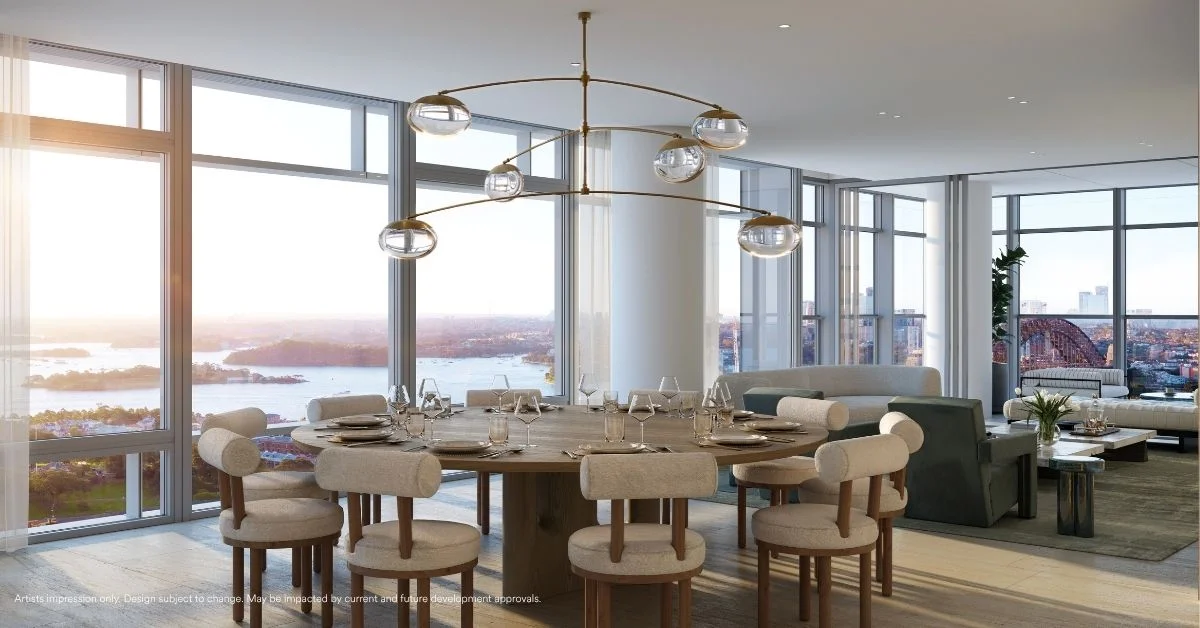 $26,550,000
propertyType.NEW APARTMENTS / OFF THE PLAN
$26,550,000
propertyType.NEW APARTMENTS / OFF THE PLAN
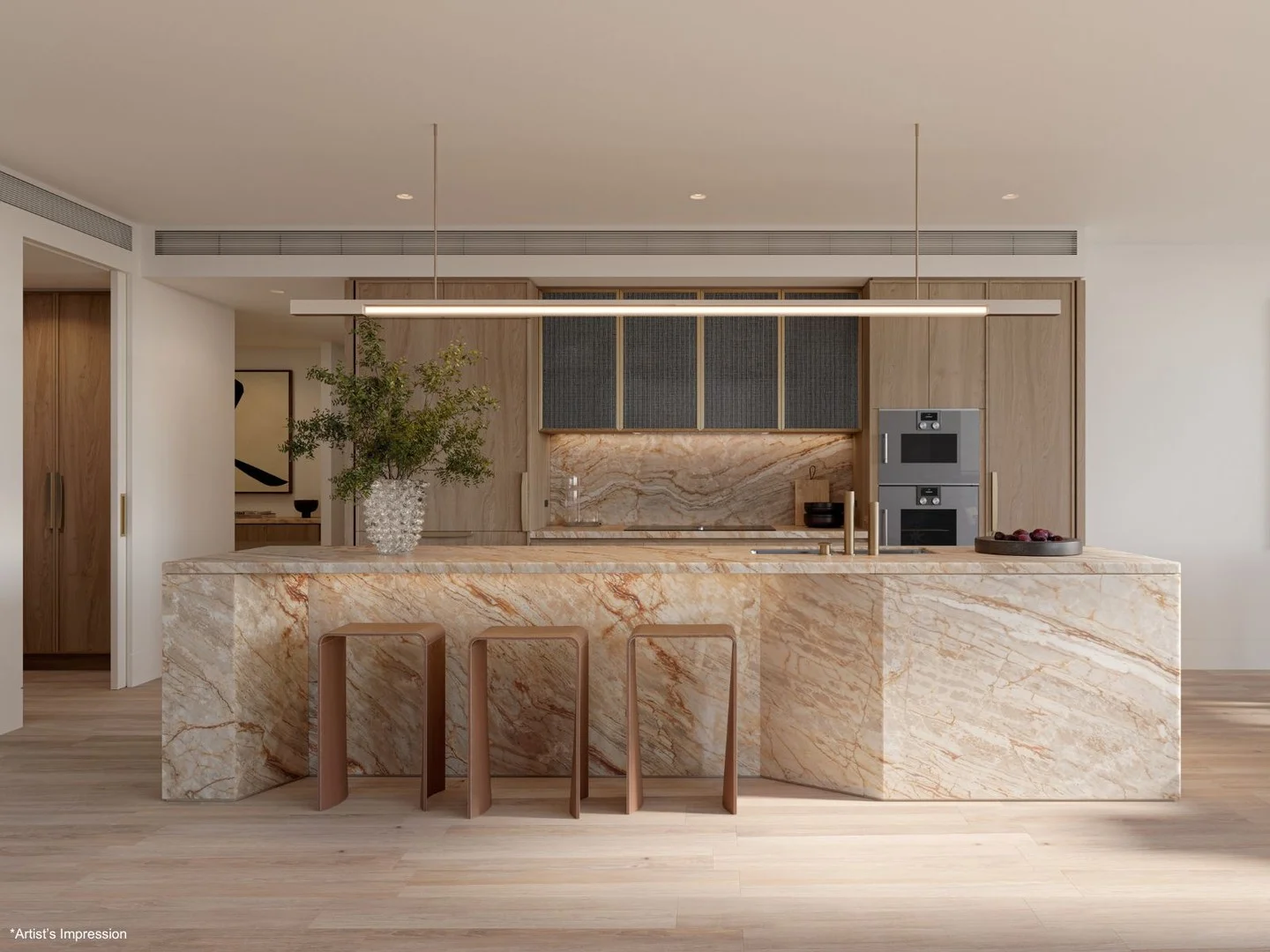 $6,225,000
propertyType.NEW APARTMENTS / OFF THE PLAN
$6,225,000
propertyType.NEW APARTMENTS / OFF THE PLAN
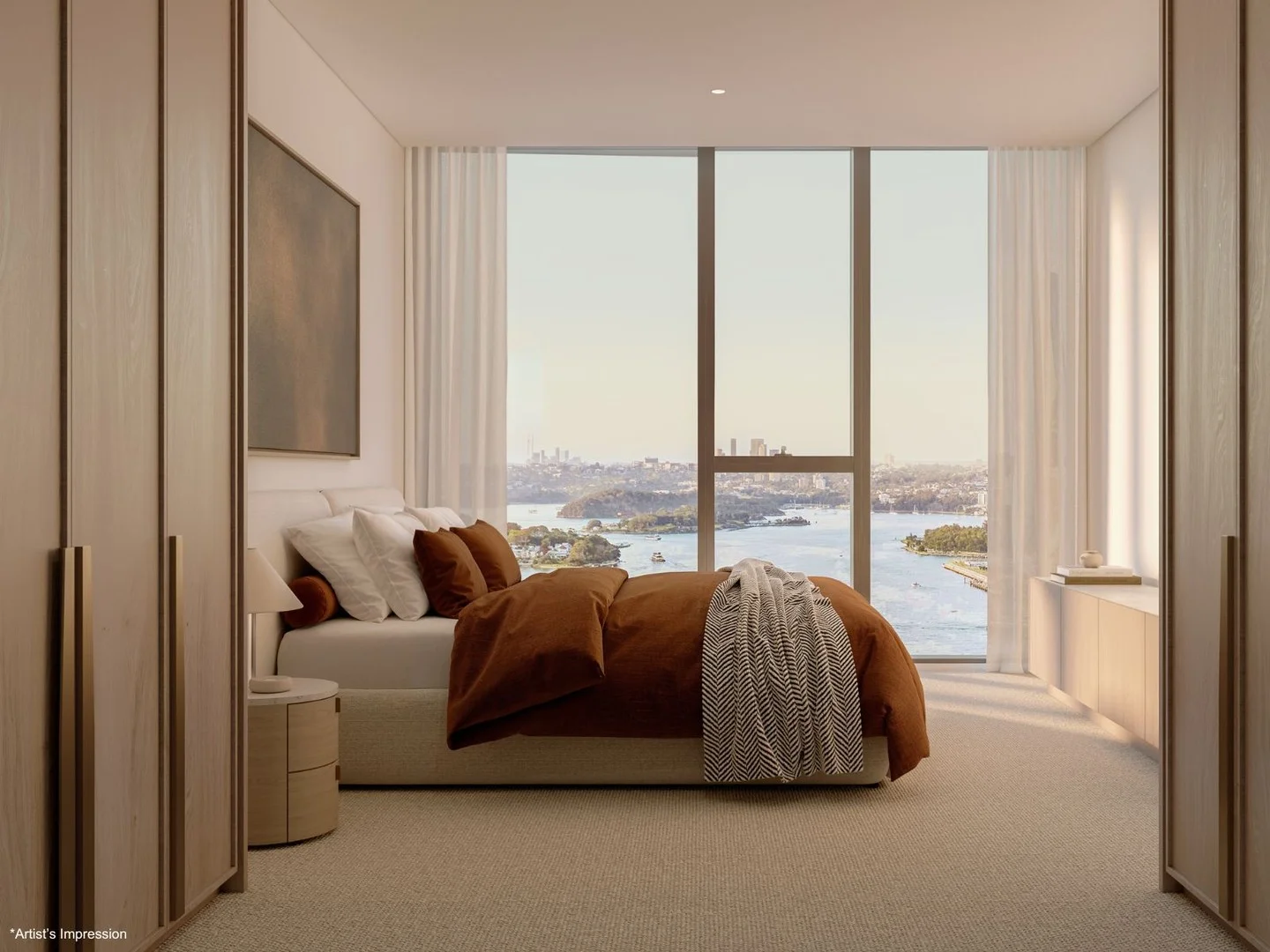 $8,630,000
propertyType.NEW APARTMENTS / OFF THE PLAN
$8,630,000
propertyType.NEW APARTMENTS / OFF THE PLAN
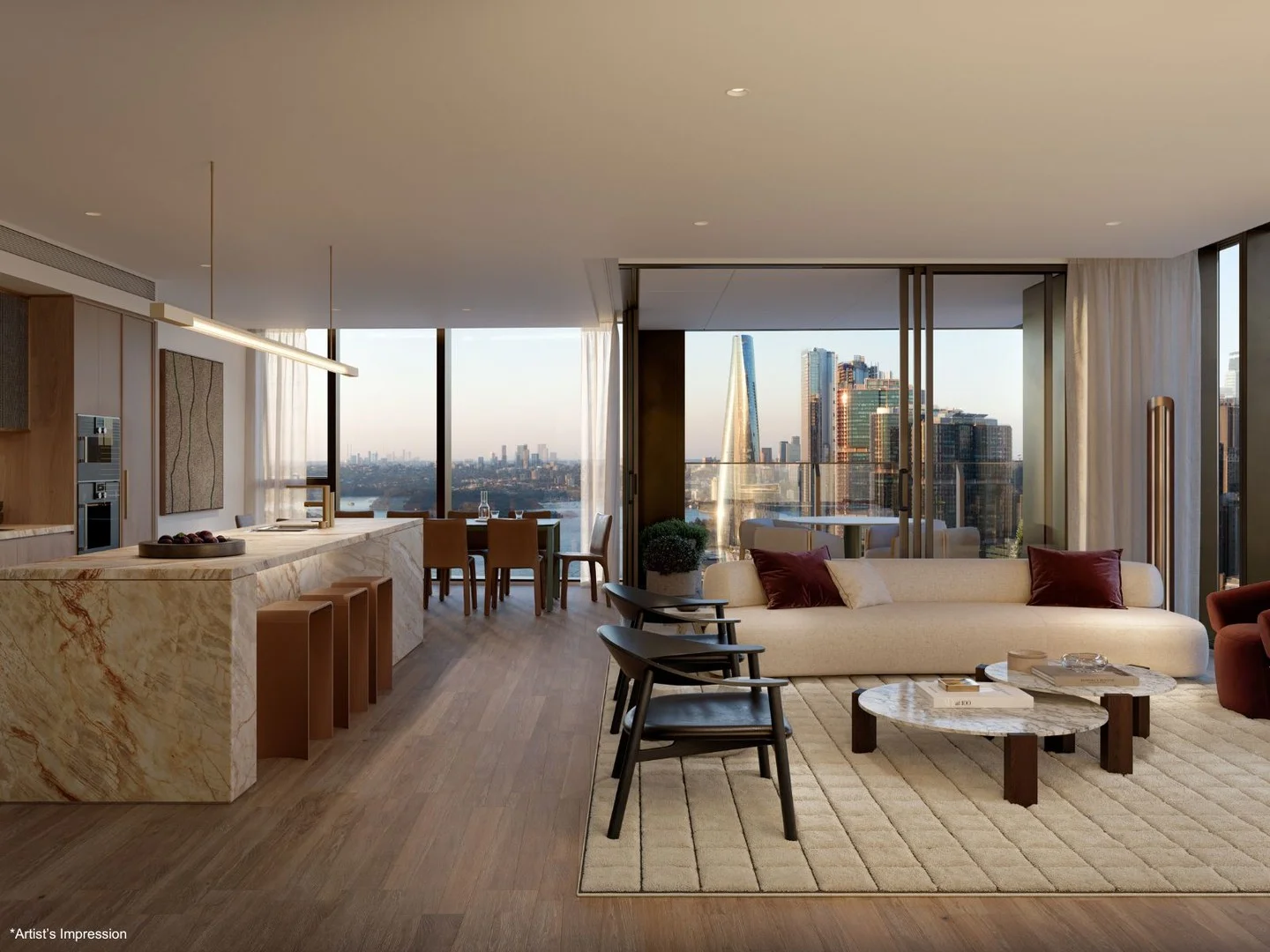 $12,980,000
propertyType.NEW APARTMENTS / OFF THE PLAN
$12,980,000
propertyType.NEW APARTMENTS / OFF THE PLAN
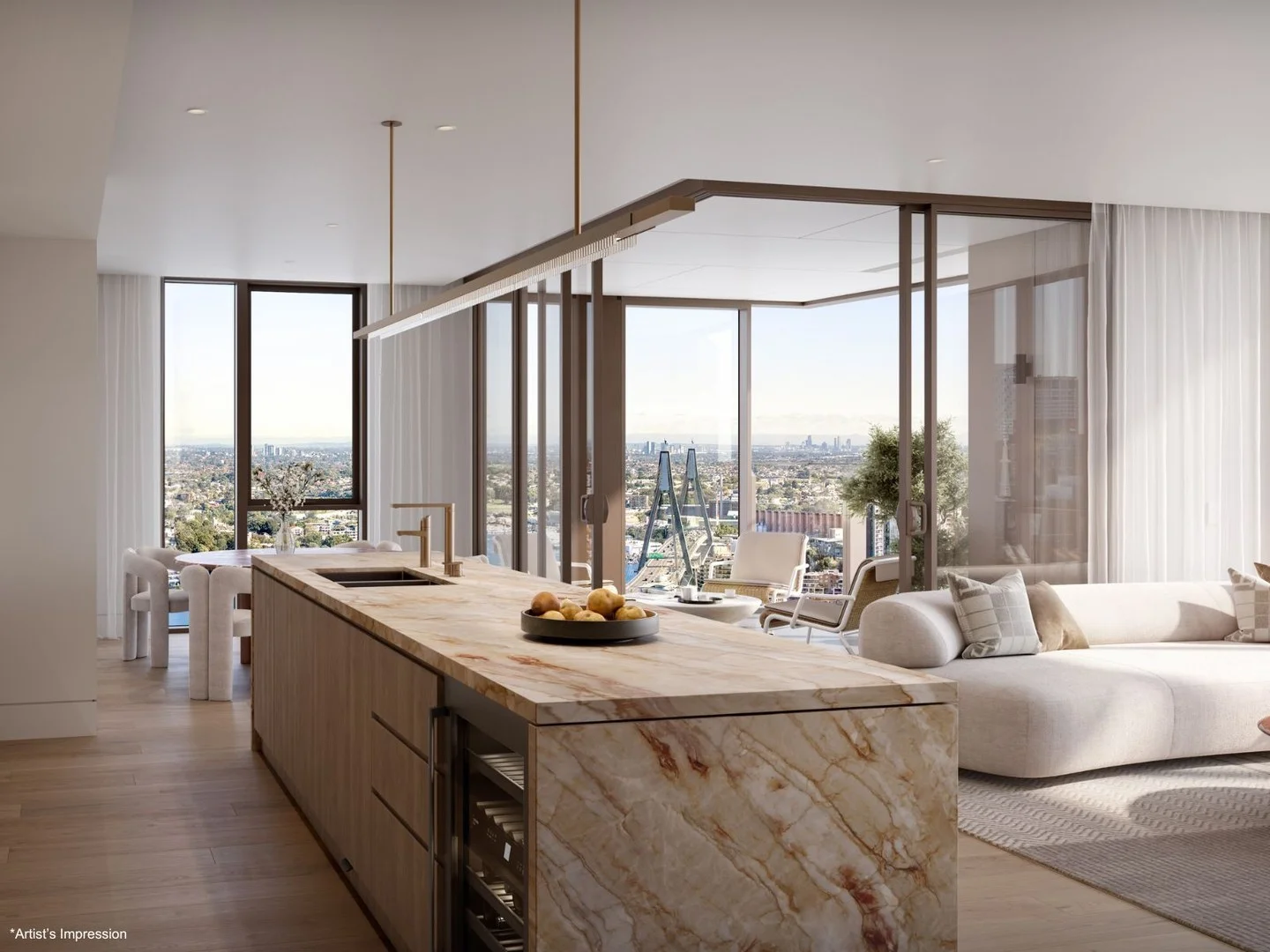 $9,020,000
propertyType.NEW APARTMENTS / OFF THE PLAN
$9,020,000
propertyType.NEW APARTMENTS / OFF THE PLAN
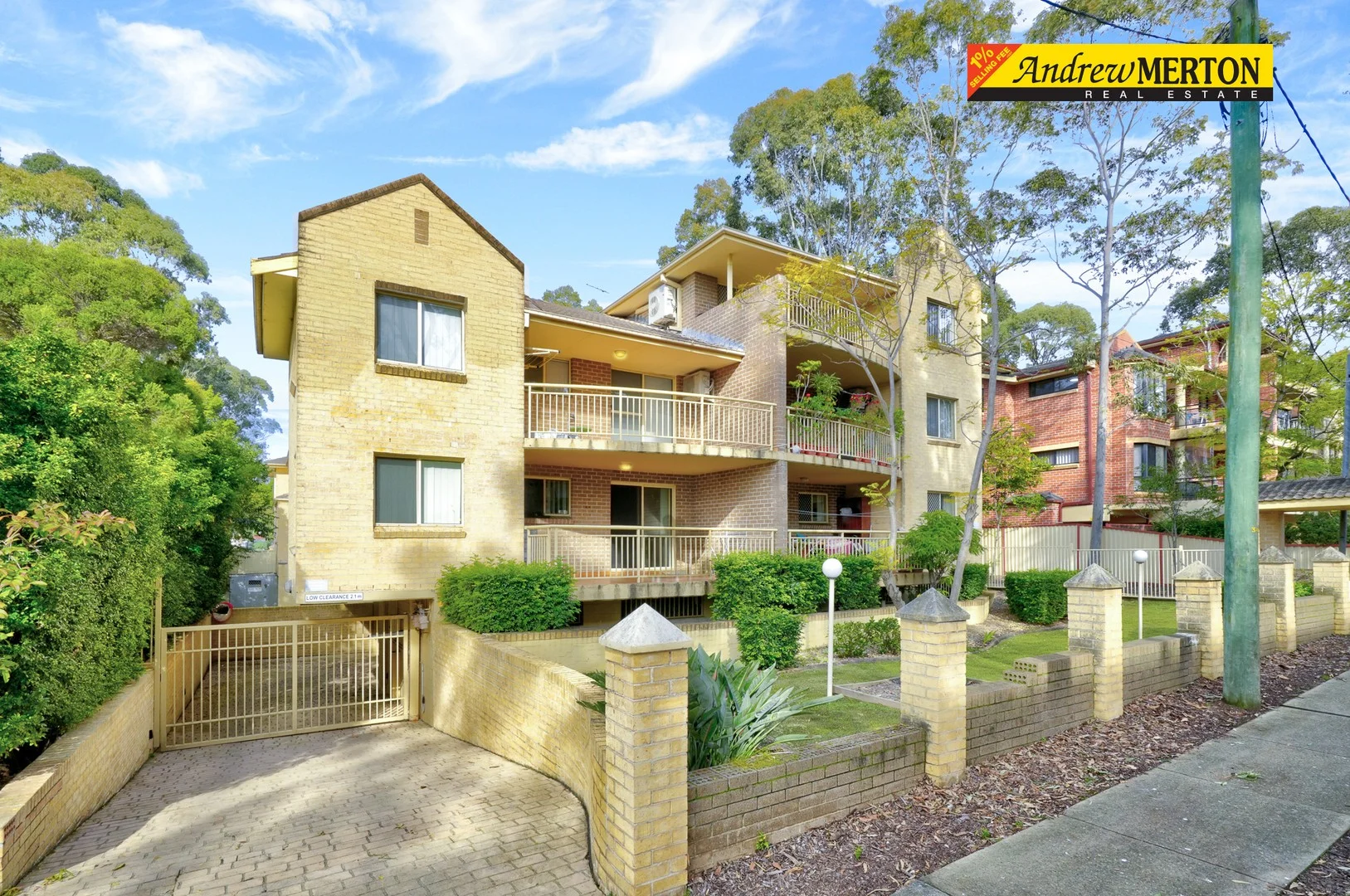 $530,000
Apartment / Unit / Flat
$530,000
Apartment / Unit / Flat
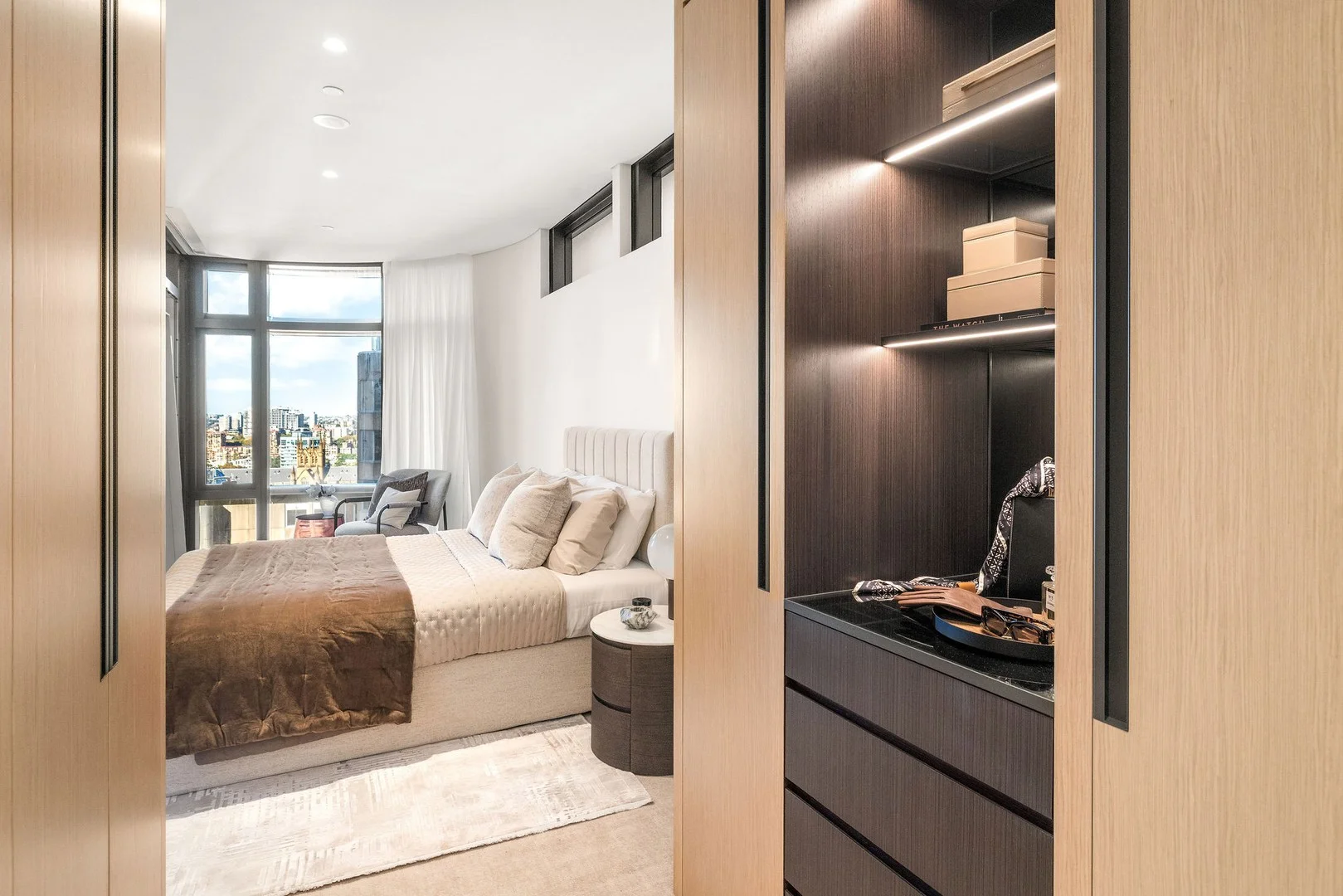 $2,745,000
propertyType.NEW APARTMENTS / OFF THE PLAN
$2,745,000
propertyType.NEW APARTMENTS / OFF THE PLAN
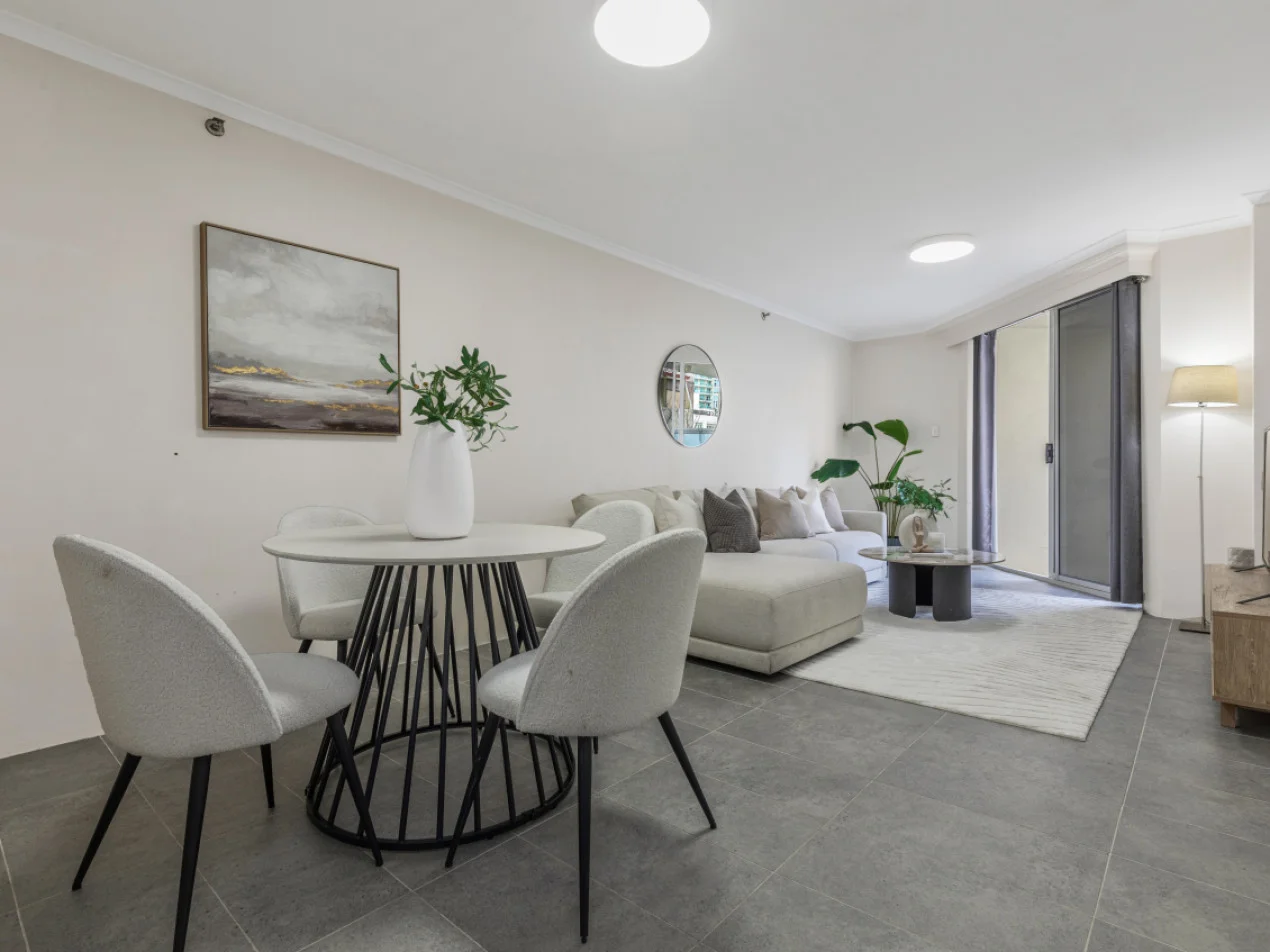 $640,000 - $675,000
Apartment / Unit / Flat
$640,000 - $675,000
Apartment / Unit / Flat
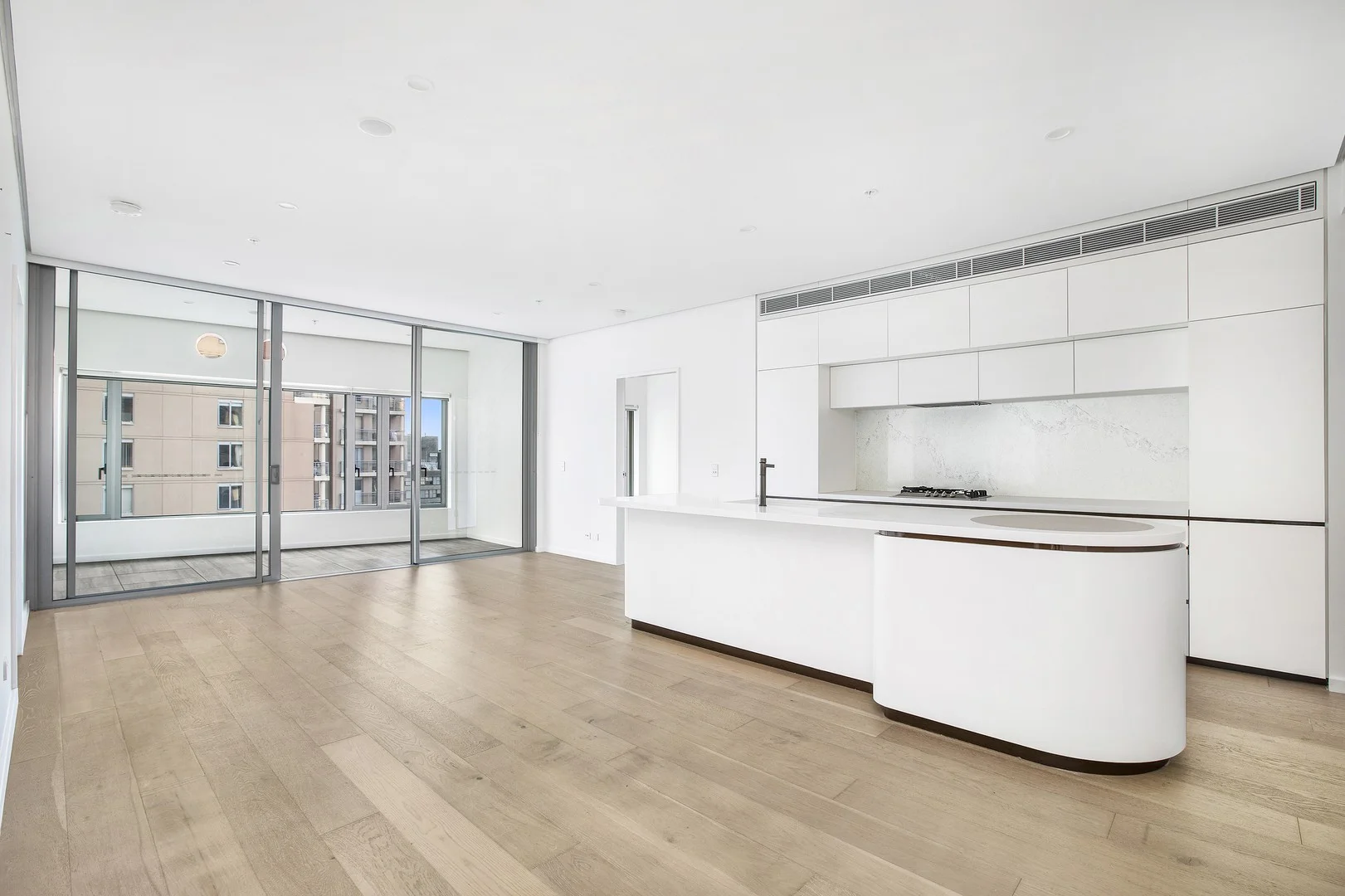 $2,250,000
Apartment / Unit / Flat
$2,250,000
Apartment / Unit / Flat