Overview
## 1. Overview
Kiara College is a public, co-educational high school in Kiara, Western Australia, serving Year 7–12 students. The school is a medium-to-large campus with a diverse student body and a broad range of programs designed to balance academics, sport and the arts.
Class sizes typically sit in the mid-20s, contributing to an atmosphere that is inclusive and supportive. The culture emphasises academic enquiry alongside wellbeing, with opportunities for leadership, sport, and creative pursuits.
## 2. Academics & Learning
- Academic strengths: English and STEM are focal areas, with programs across humanities and languages to support a broad curriculum and future pathways.
- Special programs: Extension and enrichment opportunities are available, with pathways for leadership development and varied learning needs (including options that support gifted and talented learners and vocational training).
- NAPLAN trends: In recent years, performance in core disciplines has shown stable to improving trends relative to state averages, reflecting steady progress across year levels.
- Student-teacher ratios: Generally in the mid-20s for class sizes, with typical student-teacher ratios around 1:20 to 1:25 depending on year level and subject.
- Support for diverse learners: Dedicated support for diverse learners includes English as an Additional Language (EAL) assistance, learning support staff, and tailored plans for students with additional needs (SEN).
## 3. Sports & Extracurricular Strengths
- Sports offered: A wide range of team and individual sports, including basketball, netball, football (soccer), cricket, athletics and swimming, with opportunities to represent the school in regional events.
- Strong teams or achievements: The school participates in regional competitions and recognises achievements across sports, contributing to school spirit and competition success.
- Music, arts, drama programs: A structured music program and opportunities to participate in drama productions and arts activities are available.
- Clubs: Robotics, chess, coding, debating and other clubs provide avenues to develop interests beyond the classroom.
- Partnerships: Local community partnerships and inter-school competitions help extend learning through external opportunities and events.
## 4. Wellbeing & Pastoral Care
- Anti-bullying approach: A clear anti-bullying framework is in place, with programs and policies designed to promote a safe and respectful environment.
- House system: A house-based structure supports pastoral care, collaboration and school connectedness.
- Counsellors / wellbeing officers: Access to dedicated counsellors and wellbeing staff to support student welfare and mental health.
- Transition support for new students: Orientation, buddy programs and targeted transition activities help new students settle in smoothly.
## 5. Facilities
- Sports grounds: Extensive sports facilities to support physical education and school teams.
- Libraries: Well-equipped libraries supporting research, reading and study.
- Science labs: Modern science laboratories for practical experiments and investigations.
- Music/performing arts centers: Dedicated spaces for music ensembles and drama productions.
- Tech/innovation labs: Tech and innovation spaces to support coding, robotics and digital projects.
- Cafeteria: On-site canteen facilities for students and staff.
- Updated playgrounds: Well-maintained outdoor spaces for recreation and socialising.
## 6. School Values & Community Culture
- School values / mission: A focus on respect, responsibility, excellence and inclusion as core school values.
- Leadership style: A collaborative leadership approach that encourages student voice and participation in decision-making where appropriate.
- Behaviour expectations: Clear codes of conduct with consistent expectations for behaviour, engagement and accountability.
- Community reputation: A positive reputation for inclusivity and engagement within the local community.
- Diversity & inclusion: Commitment to diversity and inclusive practices across curriculum, clubs and activities.
## 7. School Logistics & Daily Operations
- School hours: Normal school day structure with start and finish times aligned to WA state timetables.
- Before/after school care: Availability of arranging support before and after school as part of student services.
- Uniform requirements: Required school uniform as part of daily dress code.
- Transport: Access to public transport options and bus routes; school provides guidance on travel to and from campus.
- Canteen availability: Canteen or food service available during the day to support student meals.
- Fees: Public schooling with basic costs for materials and activities; optional or activity-related costs may apply.
## 8. Enrolment & Admissions
- 11. What is the enrolment process and timeline?
- Enrolment is typically managed through the Department of Education in Western Australia. Parents/guardians submit the application, provide required proof of address and identity, and complete any program-specific steps. Timelines generally align with the start of the school year, with ongoing processes for transfers when space allows.
- 12. Is there a waiting list, and how does it work?
- Some public schools maintain waitlists or consider enrolments based on catchment boundaries and available capacity. Priorities usually/default to local catchment students, with spaces offered as they become available.
- 13. Are there any entry requirements, tests, or interviews?
- For standard year-level entry, there are typically no entrance exams. Some programs or elective pathways may have additional information requests or selection criteria, but most admissions rely on standard documentation and eligibility. Specialist or extension programs may have additional steps.
- 14. Does the school accept mid-year transfers?
- Yes, mid-year transfers are possible if there is capacity and appropriate placement can be made. Prospective transfer families should contact the school early to discuss availability and the required documentation.
## 9. Frequently Asked Questions
- Why Parents Choose This School?
- Parents often choose Kiara College for its public, inclusive environment, broad curriculum, supportive wellbeing services and opportunities across academics, sport and the arts.
- What type of student thrives at this school?
- Students who are engaged, collaborative and curious; those who want a well-rounded program with opportunities in clubs, sports and leadership, and who value a supportive learning environment.
- What opportunities are available for students to extend their skills (academics, sports, arts)?
- Extension programs, leadership opportunities, STEM and English pathways, sports teams and regional competitions, music and drama productions, and clubs such as robotics and coding.
- How does the school communicate with parents?
- Through emails, newsletters, parent portals, school website updates, and information evenings; individual communication with teachers when needed.
- What is the school’s approach to teaching and learning?
- A focus on student-centred learning, differentiated instruction, technology-enabled learning, and engagement with a broad curriculum to support multiple pathways.
- How does the school support students who need extra academic help?
- Targeted learning support, EAL assistance, SEN support, and in-class differentiation; access to tutoring or small-group sessions as available.
- What support is available for academic challenges?
- Access to pastoral and academic staff, intervention programs, and pathways to improve literacy, numeracy and study skills.
- How does the school communicate with parents? (duplicate)
- See above: emails, newsletters, portals, and regular updates.
- What are the class sizes and how much individual attention do students receive?
- Class sizes are generally in the mid-20s, with teachers providing differentiation and opportunities for small-group or one-on-one support within classes and through advisory or tutoring arrangements.
- What extracurricular and sports opportunities are available?
- A broad range of sports, music and arts programs, and clubs including robotics, coding, chess and debating; opportunities to compete in regional events and community partnerships.
- What facilities does the school offer (sports, science, arts)?
- Comprehensive facilities across sports complexes, libraries, science labs, music/performing arts spaces, tech/innovation labs, a cafeteria and updated outdoor areas.
- What is the school’s approach to technology and digital learning?
- Integration of digital tools and resources to support learning, with access to devices and software as part of a modern learning environment.
- What transport and accessibility options are available?
- Public transport options and school guidance on travel; convenient drop-off/pick-up arrangements where possible.
- What are the typical school fees or additional costs?
- Public schooling generally involves modest costs for uniforms, materials and optional activities; exact costs vary by year and program.
## 10. Short Pros & Cons list
- Pros
- Public, inclusive environment with a broad curriculum and strong wellbeing support
- Balance of academics, sport and the arts
- Wide range of clubs, sports and leadership opportunities
- Modern facilities and positive community reputation
- Cons
- Larger student body may mean fewer opportunities for individual attention in some contexts
- Some programs may involve additional costs for materials or activities
- Transport logistics can vary based on location and family commute










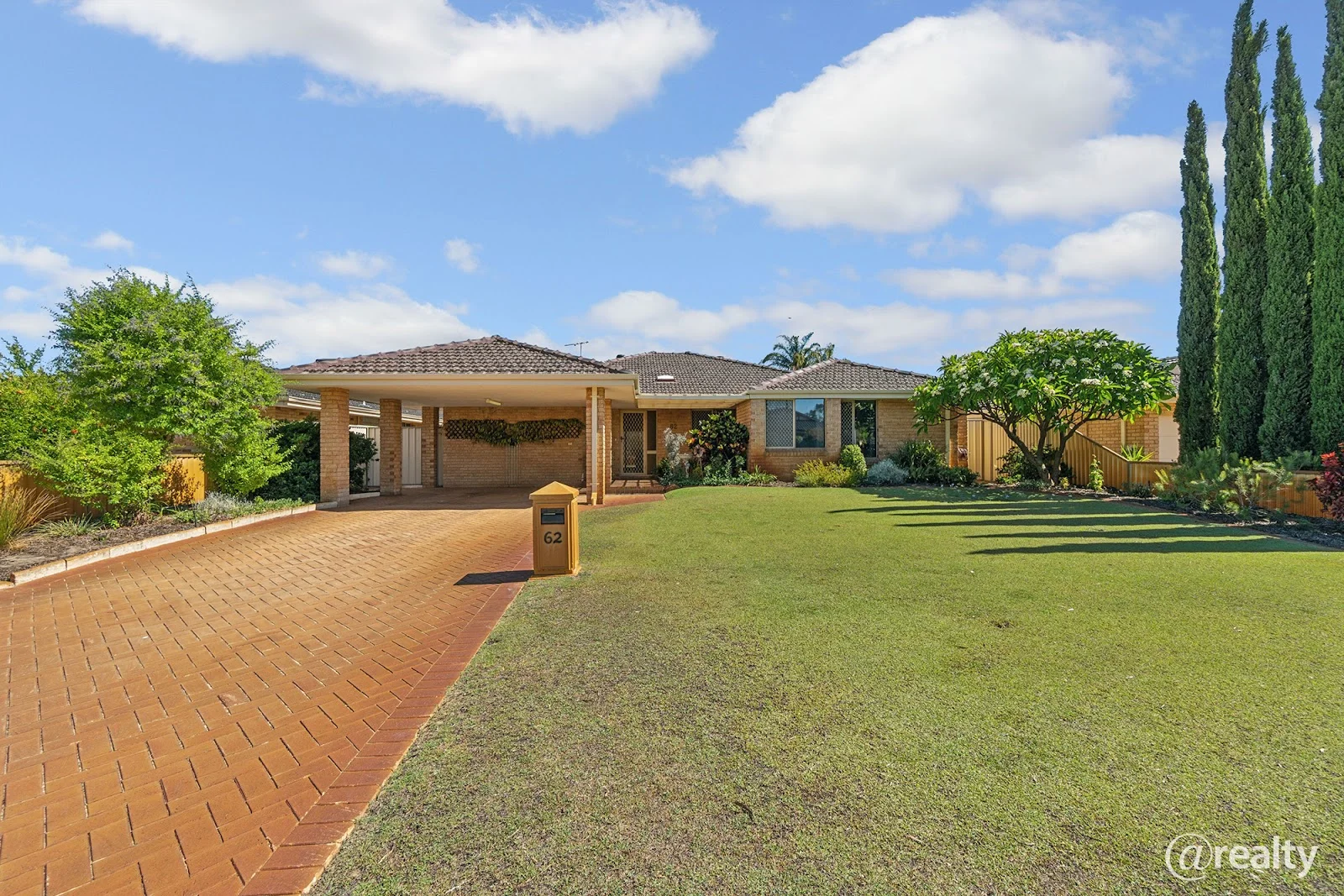 $1,099,000 - $1,153,950
House
$1,099,000 - $1,153,950
House
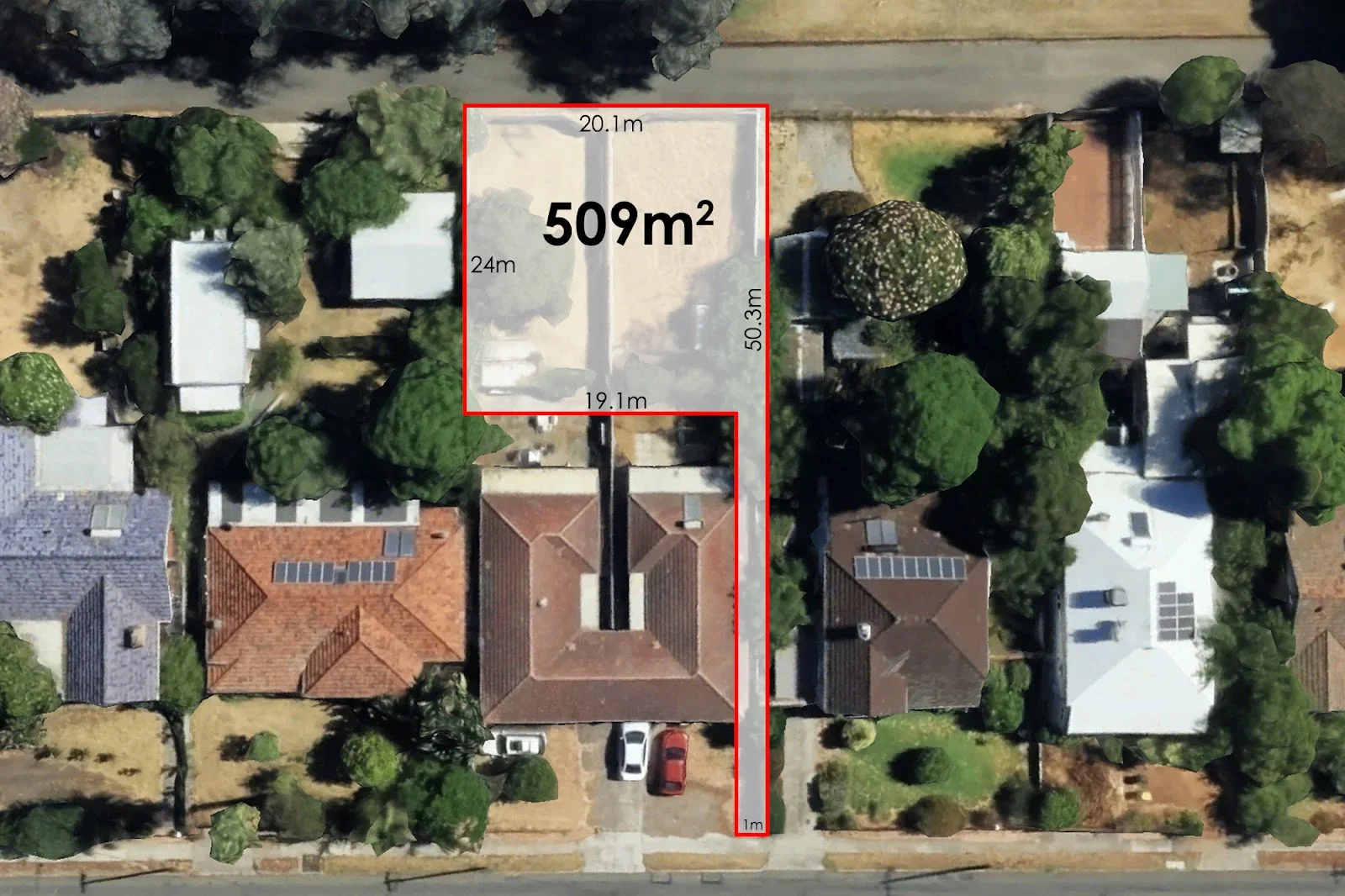 $480,000
Vacant Land
$480,000
Vacant Land
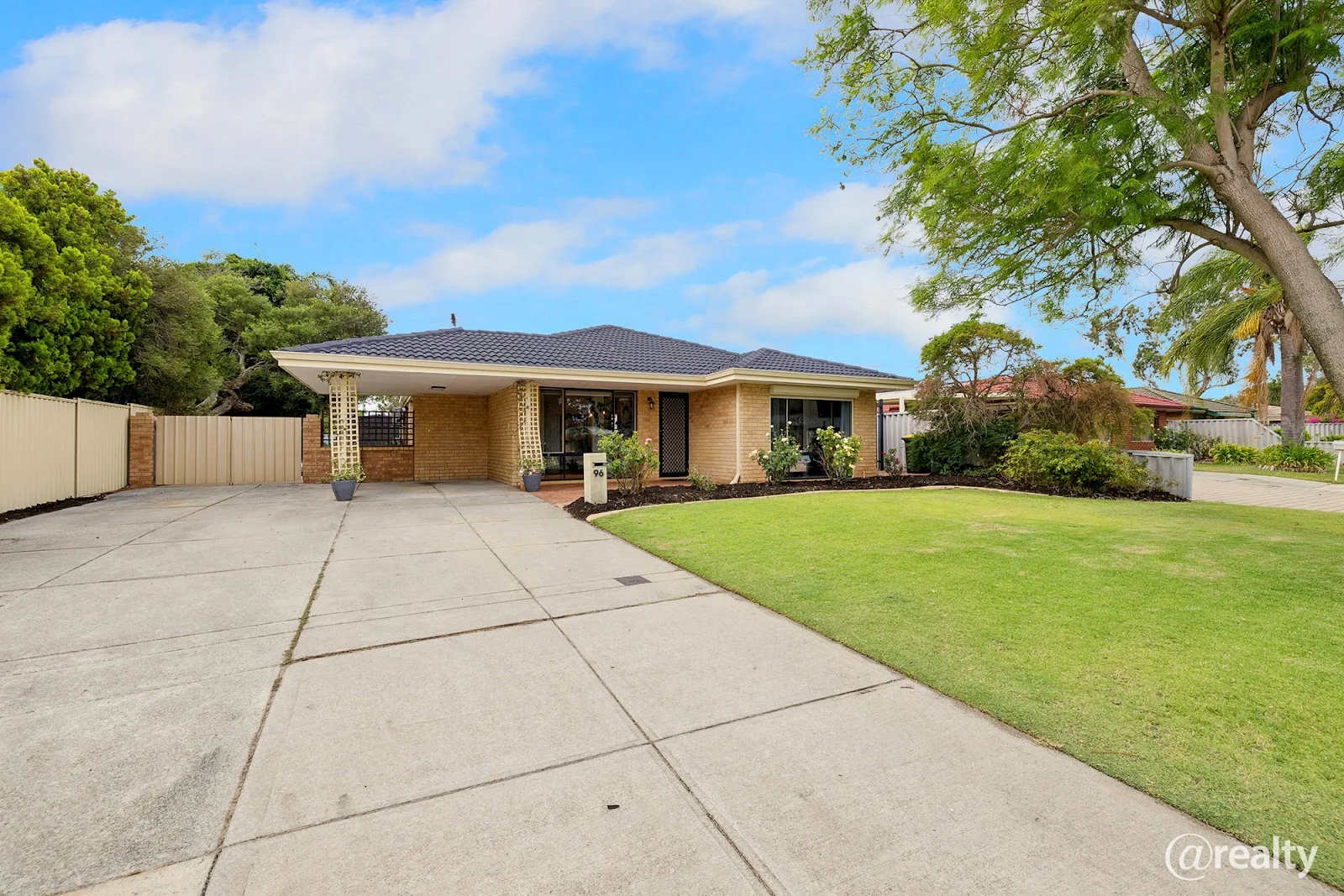 $899,000 - $943,950
House
$899,000 - $943,950
House
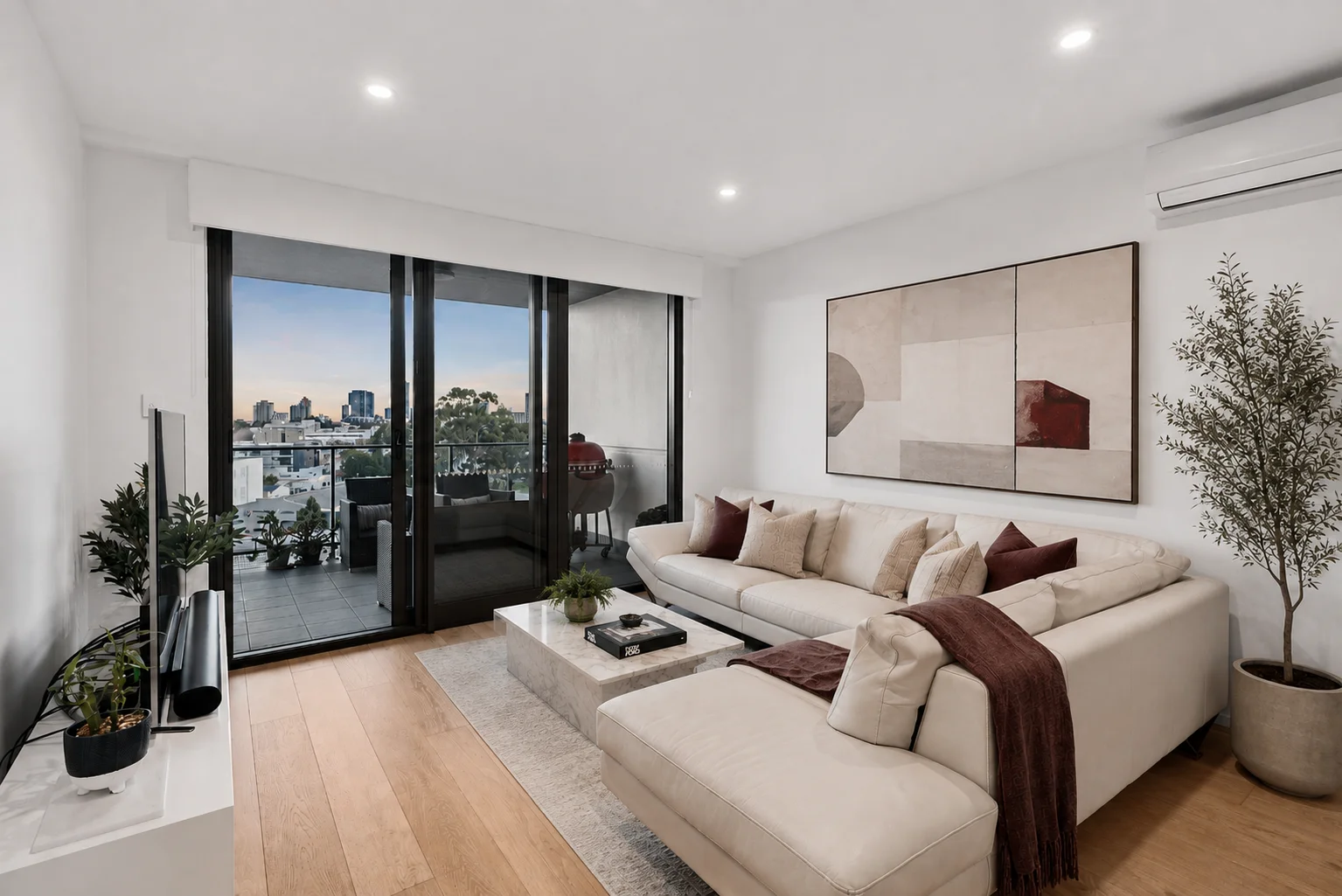 $700,000
Apartment / Unit / Flat
$700,000
Apartment / Unit / Flat
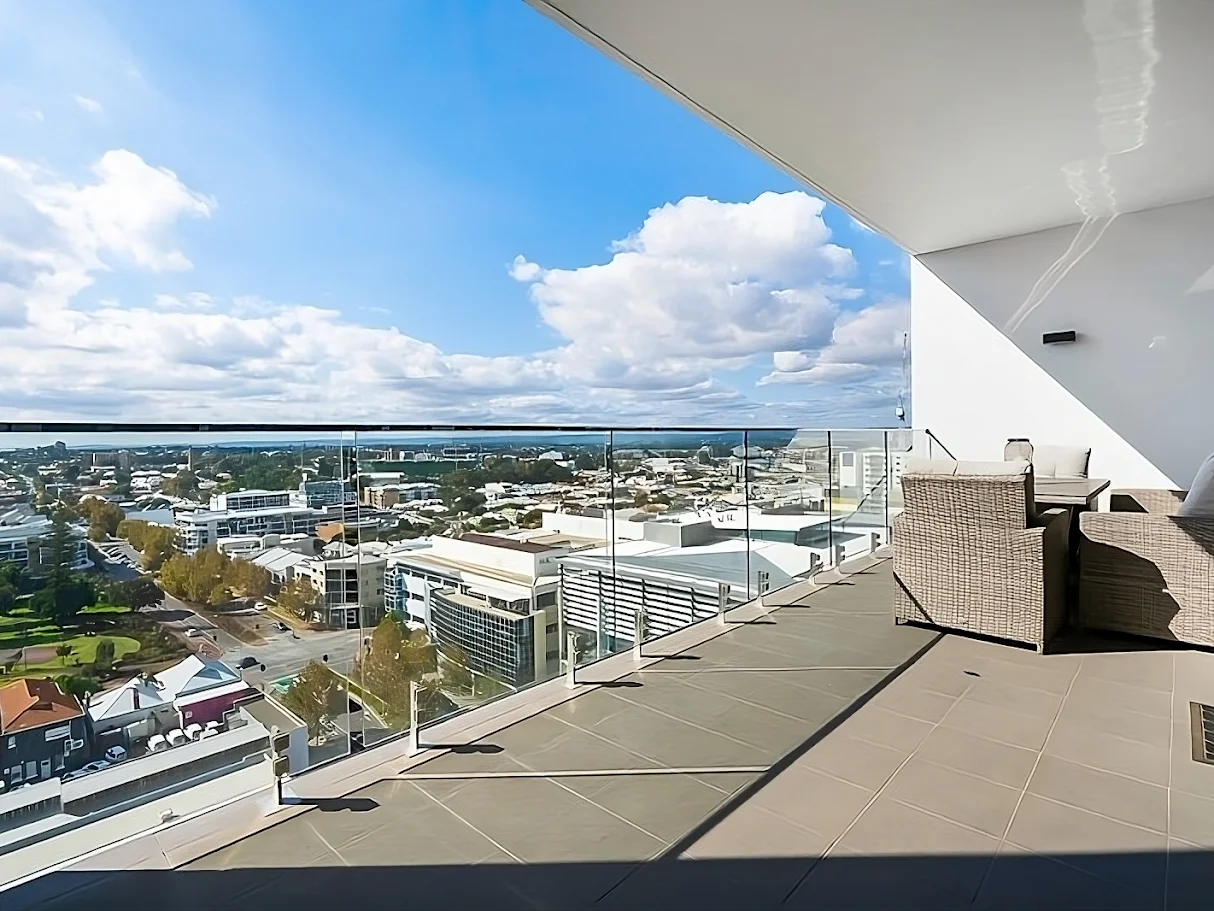 $580,000
Apartment / Unit / Flat
$580,000
Apartment / Unit / Flat
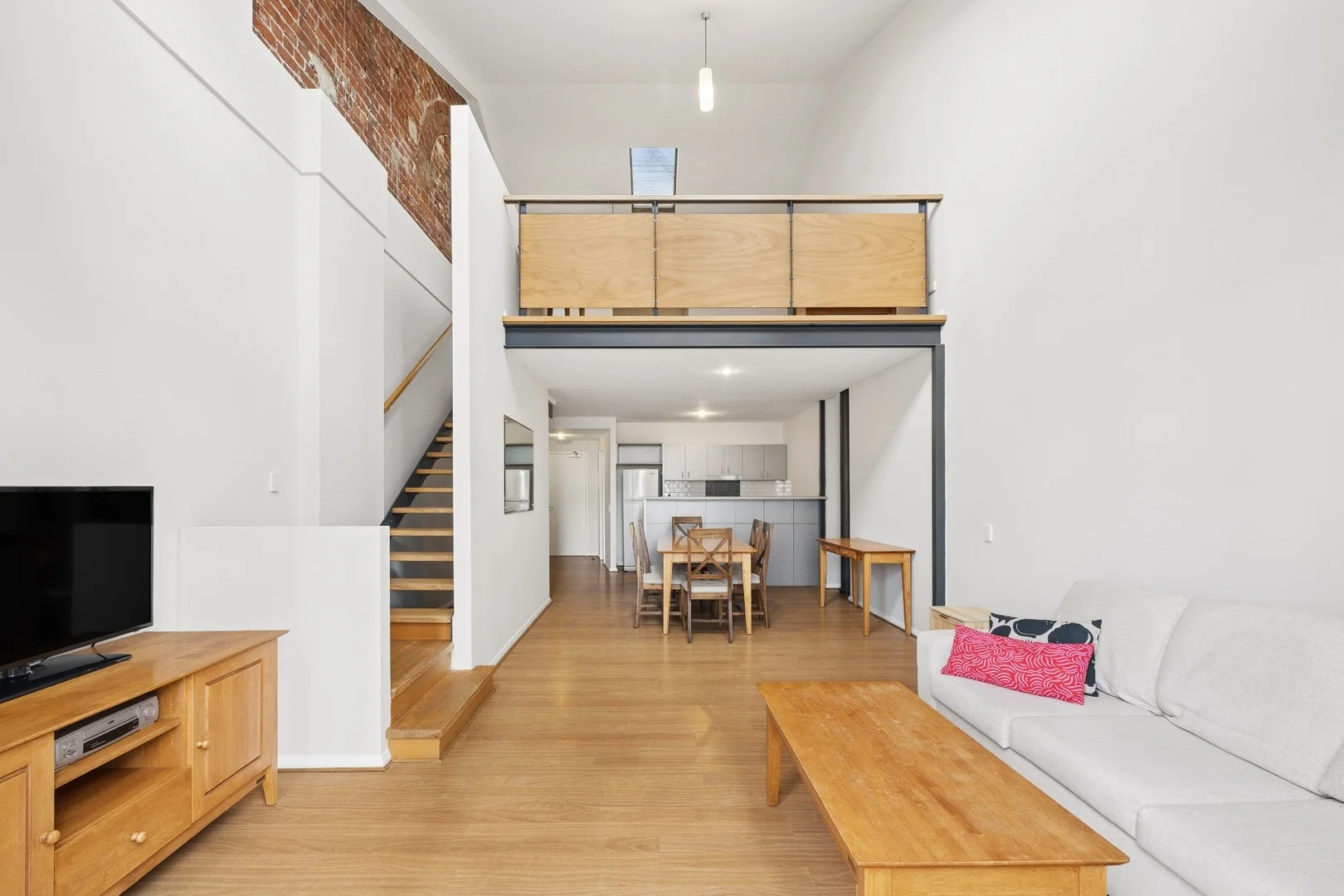 $549,000
Apartment / Unit / Flat
$549,000
Apartment / Unit / Flat