## 1. Overview
Leeming Senior High School is a public, co-educational high school serving students in the Leeming area of Western Australia. As a medium-sized WA public secondary school, it provides a broad range of subjects and programs to support a diverse student cohort. Class sizes are typically in the low-to-mid 20s, with teachers focused on building a supportive, inclusive learning environment.
The school's atmosphere blends academic focus with community feel. It emphasises respect, inclusion, and high expectations while fostering a nurturing culture that supports students' personal and social growth.
---
## 2. Academics & Learning
- Academic strengths: The school offers a broad curriculum across core literacy and numeracy, sciences, humanities, and languages, with opportunities to extend in areas of interest.
- Special programs: Pathways to accelerated learning options and extension/ATS opportunities may be available, and there are pathways aligned with senior secondary qualifications.
- NAPLAN trends: The school has shown stable to improving performance trends over recent years, with ongoing focus on literacy and numeracy development.
- Student-teacher ratios: Typical class sizes in the low-to-mid 20s; supportive student-teacher ratios enable some level of individual attention.
- Support for diverse learners: Strong EAL (English as an Additional Language) and SEN (special education needs) support through dedicated staff and learning support services; inclusive education practices are in place.
---
## 3. Sports & Extracurricular Strengths
- Sports offered: A range of team and individual sports common to WA public secondary schools, including basketball, netball, football, soccer, cricket, and athletics.
- Strong teams or achievements: Active participation in inter-school and regional competitions, with opportunities to join school representative teams.
- Music, arts, drama programs: Comprehensive performing arts options, ensembles, and theatre activities are available.
- Clubs: Robotics, chess, coding, and debating are among active clubs that students can join to develop skills outside the classroom.
- Partnerships: Local clubs and regional competitions provide extra-curricular opportunities and pathways for talent development.
---
## 4. Wellbeing & Pastoral Care
- Anti-bullying approach: Clear anti-bullying policies and proactive programs aimed at creating a safe and respectful school culture.
- House system: A structured house or pastoral grouping helps foster belonging and healthy peer relationships.
- Counsellors / wellbeing officers: Access to school-based counsellors and wellbeing staff to support student mental health and transition needs.
- Transition support for new students: Orientation activities, buddy programs, and targeted support to help new students settle in.
---
## 5. Facilities
- Sports grounds: On-site sports fields and courts to support physical education and team sports.
- Libraries: A dedicated library with study spaces and access to learning resources.
- Science labs: Modern science laboratories for practical investigations across year levels.
- Music/performing arts centers: Space for music ensembles, drama, and performance activities.
- Tech/innovation labs: Facilities for STEM-related learning, coding, and digital projects.
- Cafeteria: On-site dining facilities offering a range of meal and snack options.
- Updated playgrounds: Safe outdoor spaces and recreational areas for break times and activities.
---
## 6. School Values & Community Culture
- School values / mission: A focus on respect, responsibility, inclusion, and striving for excellence; student voice is encouraged.
- Leadership style: Leadership opportunities for students (e.g., student council) and teacher-led guidance to support growth and responsible citizenship.
- Behaviour expectations: High standards for conduct, with positive-behaviour supports and consistent expectations across year levels.
- Community reputation: Known for a welcoming, inclusive culture and a cooperative relationship with families and the local community.
- Diversity & inclusion: Commitment to diversity and inclusive practices to support students from varied backgrounds.
---
## 7. School Logistics & Daily Operations
- School hours: Standard public high school hours with a daily schedule that includes core subject periods and breaks.
- Before/after school care: Some schools provide casual supervision or after-school activities; confirm current options with the school.
- Uniform requirements: Uniform dress code in line with WA public school guidelines; details available from the school administration.
- Transport (train/bus routes): Access to bus services and local transport options; specific routes and timetables available through the school or WA transport authorities.
- Canteen availability: On-site canteen or lunch-service options for students.
- Fees (low/medium/high ranges): WA public schools have standard Student Administration charges and subject/school-related costs; typical fees are moderate with possible additional costs for electives or activities.
---
## 8. Enrolment & Admissions
11. What is the enrolment process and timeline?
- Submit an application through the WA Department of Education process or school intake avenues.
- You may need to provide required documents (proof of identity, residency, previous school records) and complete any school-specific forms.
- Timelines vary; best to contact the school early in the year to understand the current intake periods and processing times.
12. Is there a waiting list, and how does it work?
- Some year levels may operate with a waitlist if demand exceeds available places. If a waitlist applies, it typically prioritises siblings, then catchment eligibility, and then date of application.
13. Are there any entry requirements, tests, or interviews?
- Public WA high schools generally use standard enrolment eligibility (catchment rules, residency). Some programs or elective streams may involve short informal conversations or alignment with program prerequisites; confirm with the school for specifics.
14. Does the school accept mid-year transfers?
- Mid-year transfers may be possible if there are available places, subject to relevant documentation and departmental processes. Contact the school to check seat availability and the required steps.
---
## 9. Frequently Asked Questions
- Why Parents Choose This School?
- Public, inclusive environment with a broad curriculum, supportive staff, and focus on student wellbeing and achievement.
- What type of student thrives at this school?
- Students who are motivated, collaborative, and engaged in both academics and co-curricular activities.
- What opportunities are available for students to extend their skills (academics, sports, arts)?
- Access to a range of subjects, extension or acceleration options where available, multiple sports teams, performing arts, and clubs (robotics, coding, debating, etc.).
- How does the school communicate with parents?
- Regular updates through newsletters, parent-teacher meetings, and digital communication channels used by the school.
- What is the school’s approach to teaching and learning?
- Core curriculum aligned with WA standards, supported by inclusive practices, differentiated instruction, and a focus on critical thinking and problem-solving.
- How does the school support students who need extra academic help?
- Intervention and support services, learning support staff, EAL/SEN assistance, and targeted tutoring or extension where appropriate.
- What support is available for academic challenges?
- Access to counsellors, learning support, and specialist staff to address academic and social-emotional needs.
- How does the school communicate with parents? (Repeated)
- See above: newsletters, meetings, and digital platforms; ongoing engagement is encouraged.
- What are the class sizes and how much individual attention do students receive?
- Typical class sizes are in the low-to-mid 20s with teacher support designed to provide some level of individual attention and targeted feedback.
- What extracurricular and sports opportunities are available?
- A variety of sports, arts, music, and clubs such as robotics, chess, coding, and debating; opportunities to participate in regional competitions.
- What facilities does the school offer (sports, science, arts)?
- Sports grounds, libraries, science labs, music/performing arts centers, tech/innovation labs, cafeteria, and updated outdoor spaces.
- What is the school’s approach to technology and digital learning?
- Integration of digital learning tools and resources to support modern teaching methods and student engagement.
- What transport and accessibility options are available?
- Local bus services and transport options aligned with WA guidelines; specific routes can be confirmed with the school.
- What are the typical school fees or additional costs?
- Public school charges apply; additional costs may arise for electives, certain activities, or resources. Check the school’s current fees schedule for details.
---
## 10. Short Pros & Cons list
- Pros
- Public, inclusive environment with a broad curriculum
- Supportive wellbeing and pastoral care
- Range of co-curricular activities (sports, arts, clubs)
- Moderate class sizes that enable some individual attention
- Strong emphasis on community and student voice
- Cons
- As a medium-sized public school, demand may lead to waitlists for certain cohorts or programs
- Some elective/program places may have limited capacity depending on year level and staffing
- Uniforms and associated costs are an ongoing requirement
- Transport options depend on local routes and schedules
If you’d like, I can tailor this content further with more specific details you share (such as exact enrolment timelines, current uniform policy, or known programs) or convert any section into a vector-friendly format for your site.











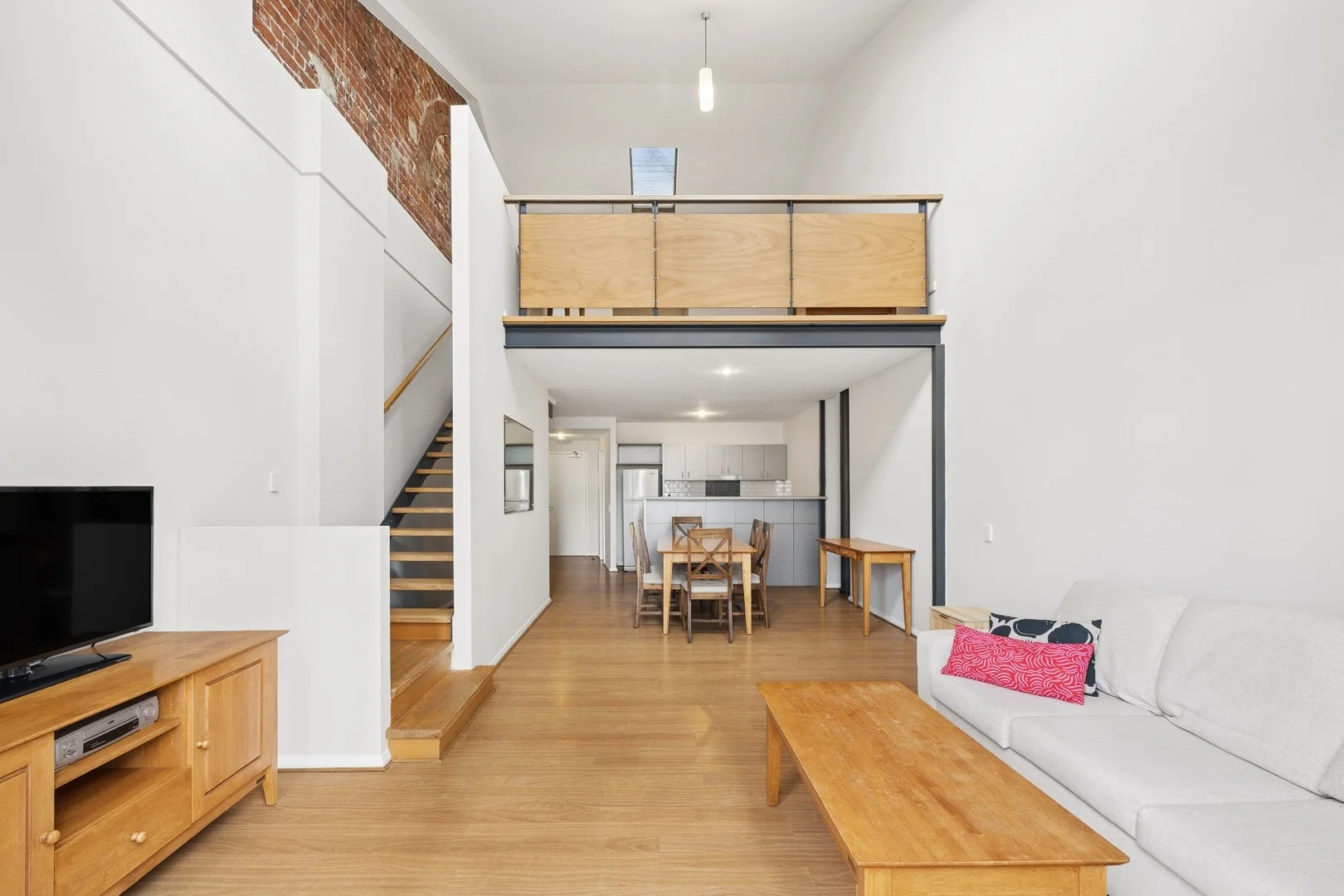 $549,000
Apartment / Unit / Flat
$549,000
Apartment / Unit / Flat
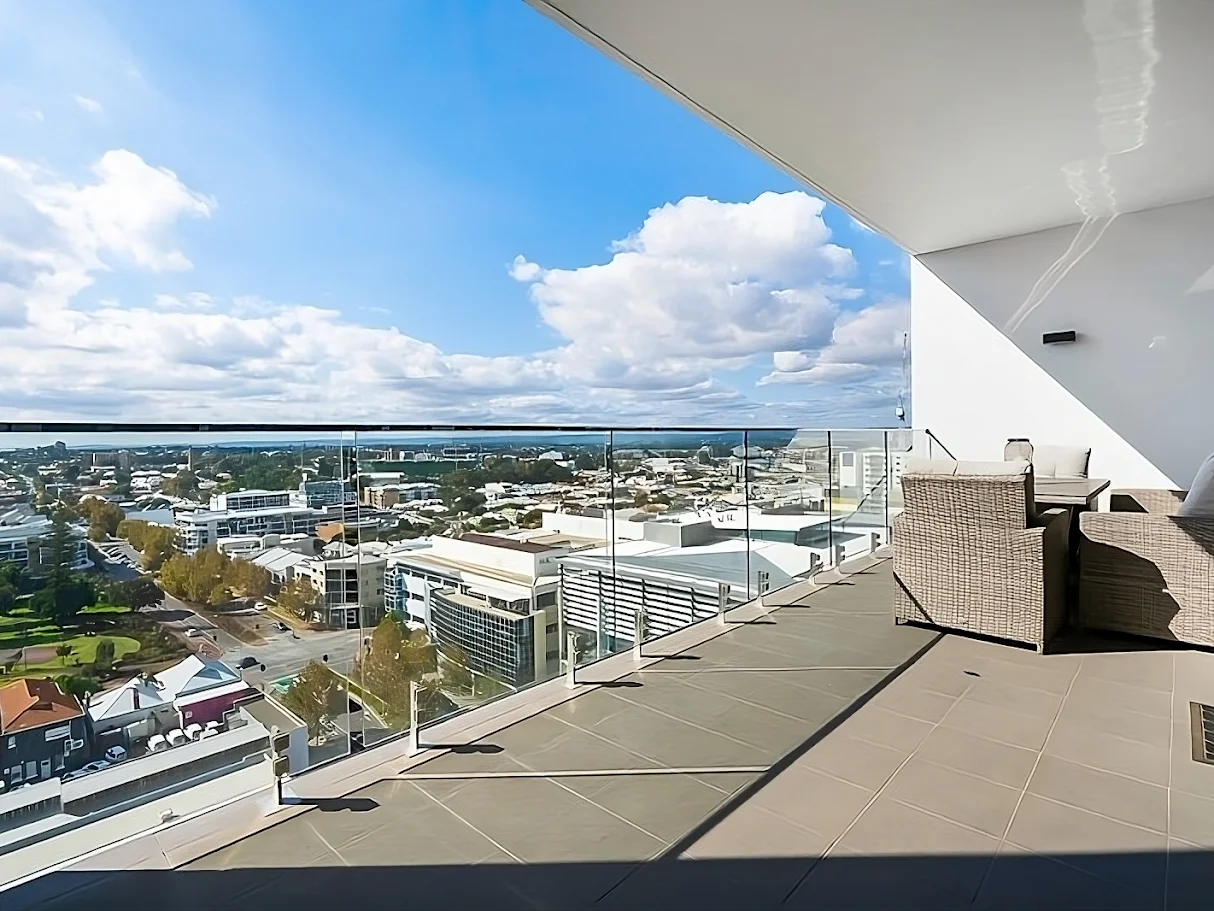 $580,000
Apartment / Unit / Flat
$580,000
Apartment / Unit / Flat
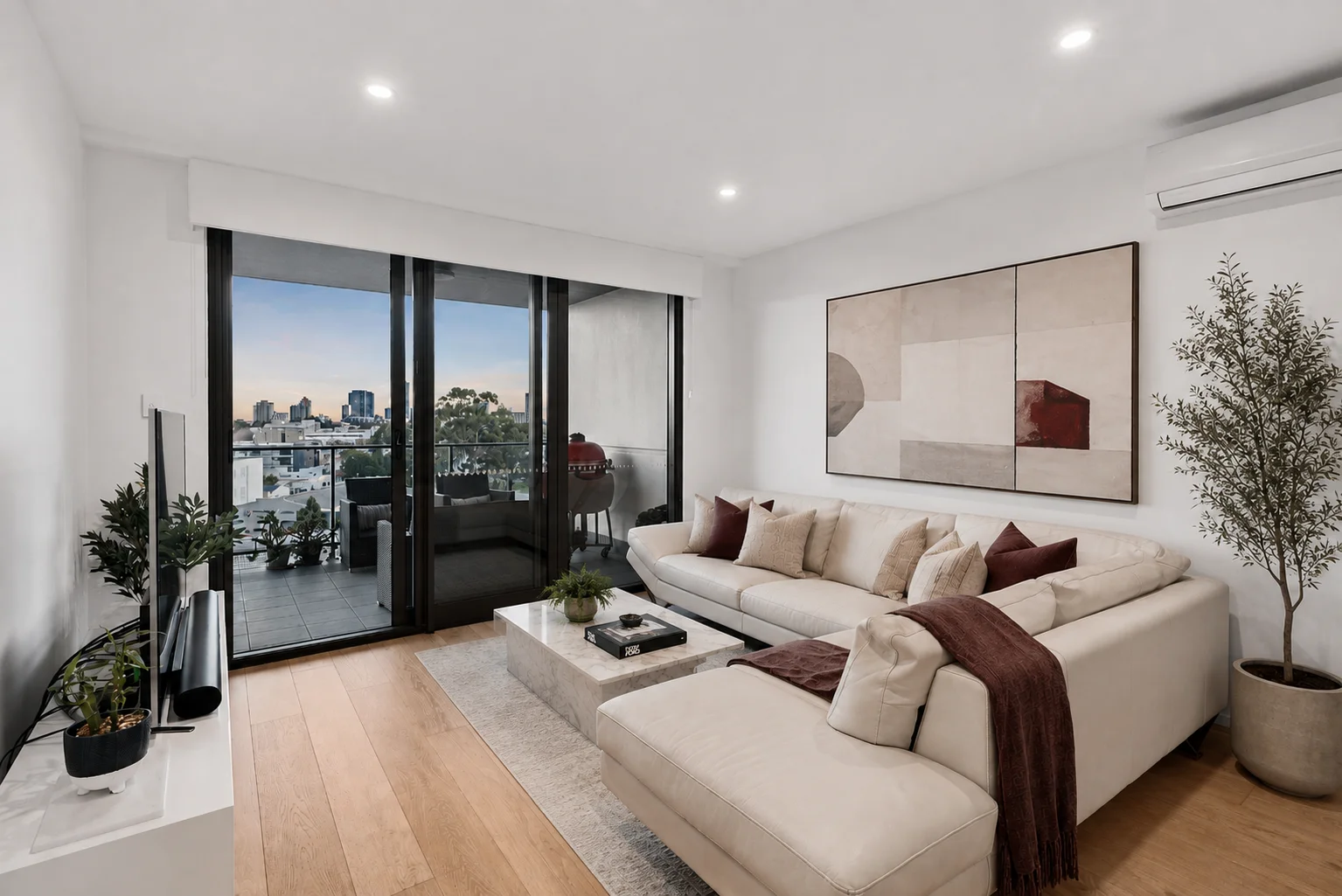 $700,000
Apartment / Unit / Flat
$700,000
Apartment / Unit / Flat


