1. Overview
Lynwood Senior High School is a public, co-educational government high school serving students in the Parkwood area. The school offers a broad range of academic and vocational pathways to cater to diverse student interests and abilities. It supports a medium-sized campus community with a focus on inclusivity, student well-being, and a balanced mix of academics, sport, and arts.
- School type: Public
- School size: Medium
- Class size: Approximately 25–28 students
- Atmosphere/culture: Inclusive, supportive, academically oriented, with opportunities for sport and the arts
⸻
2. Academics & Learning
Lynwood Senior High School provides a solid core curriculum alongside pathways that prepare students for further study or the workforce. The school emphasizes strong literacy and numeracy foundations, STEM activities, and engagement across the humanities and languages.
- Academic strengths: English, Mathematics, Science/STEM, Humanities, Languages
- Special programs: ATAR/general pathways, VET programs, Gifted and Talented / accelerated options, student leadership programs
- NAPLAN trends: Historically shows steady performance with improvements in reading and writing over time; numeracy trends remain solid
- Student-teacher ratios: Typical range around 1:22–1:28
- Support for diverse learners: EAL support, SEN inclusion, learning support staff, targeted intervention programs
⸻
3. Sports & Extracurricular Strengths
The school offers a range of activities to suit different interests and talents, with opportunities for inter-school competition and personal development.
- Sports offered: Basketball, netball, soccer, football, athletics, cricket, swimming, and other team/individual sports
- Strong teams or achievements: Competitive inter-school teams and district-level participation across several sports
- Music, arts, drama programs: Active music ensembles, choir, drama and performing arts opportunities
- Clubs: Robotics, coding, chess, debating, and other student-led clubs
- Partnerships: Local clubs and community competitions connected to sport, arts, and STEM activities
⸻
4. Wellbeing & Pastoral Care
A priority focus for many families is the wellbeing and pastoral system, designed to support positive student development and safety.
- Anti-bullying approach: Clear policies, restorative practices, and student-led initiatives
- House system: House groups to foster belonging, teamwork, and healthy competition
- Counsellors / wellbeing officers: On-site support staff to assist with academic, social, and emotional wellbeing
- Transition support for new students: Orientation programs, peer mentoring, and induction activities to ease adjustments
⸻
5. Facilities
The school campus includes facilities that support a broad program of study and student life.
- Sports grounds: Courts and fields suitable for training and events
- Libraries: Resource-rich library with study spaces
- Science labs: Equipped for biology, chemistry, and physics experiments
- Music/performing arts centers: Spaces for rehearsal and performances
- Tech/innovation labs: Computing, robotics, and digital media facilities
- Cafeteria: On-site canteen offering a range of healthy options
- Updated playgrounds: Safe, maintained outdoor spaces for break times and activities
⸻
6. School Values & Community Culture
The school fosters a positive, respectful, and inclusive culture with clear expectations and leadership opportunities for students.
- School values / mission: Respect, Responsibility, Integrity, Inclusion; emphasis on student voice and leadership
- Leadership style: Collaborative, student-centered with restorative approaches to behaviour
- Behaviour expectations: High standards, consistent routines, proactive support
- Community reputation: Strong sense of community with active involvement from families and staff
- Diversity & inclusion: Welcoming to students from diverse backgrounds with inclusive programs
⸻
7. School Logistics & Daily Operations
Practical daily operations information helps families plan around school life.
- School hours: Typically around 8:30am–3:00pm; variations may occur on designated days
- Before/after school care: Availability varies; may be offered through external providers or community services
- Uniform requirements: School uniform compulsory
- Transport (train/bus routes): Public transport options nearby; school supports assistance with transport planning
- Canteen availability: Yes, with healthy menu options
- Fees (low/medium/high ranges): Voluntary contributions and materials charges; additional costs may apply for certain activities or resources
⸻
8. Enrolment & Admissions
11. What is the enrolment process and timeline?
- Submit an enrolment application through the Department of Education’s enrolment channels and the school’s intake procedures. Gather required documentation (proof of identity, immunisation records, address documentation) and complete any school-specific forms. The timeline typically aligns with annual enrolment cycles set by the education department; submission as early as possible is encouraged to secure a place.
12. Is there a waiting list, and how does it work?
- If the school is at capacity or oversubscribed for a given intake, a waiting list may operate. Priority is generally given to current residents, siblings of current students, and students transferring from other public schools or specific programs. The school communicates waiting list position and estimated timelines when available.
13. Are there any entry requirements, tests, or interviews?
- Entry requirements are generally tied to standard enrolment documentation. Some programs or selective pathways may involve literacy/numeracy checks or interviews, but this varies by year and program availability. The school will advise applicants if any assessments are needed.
14. Does the school accept mid-year transfers?
- Mid-year transfers can be possible if there are vacancies and the appropriate documentation is provided. Availability depends on current enrolment numbers and program capacity. Prospective families should contact the school’s administration as early as possible to discuss options.
⸻
9. Frequently Ask Questions
- Why Parents Choose This School?
- A supportive, inclusive community with a balanced emphasis on academics, practical pathways, and student wellbeing; strong pastoral care and a range of programs to suit diverse interests.
- What type of student thrives at this school?
- Students who are motivated, collaborative, and open to both academic study and practical/creative activities. The school supports a variety of pathways, so learners with different strengths can thrive.
- What opportunities are available for students to extend their skills (academics, sports, arts)?
- ATAR/general academic pathways, VET options, gifted/accelerated opportunities, STEM and humanities projects, sports teams, music ensembles, drama and arts programs, robotics and coding clubs, debating, and inter-school competitions.
- How does the school communicate with parents?
- Through the school portal, email, newsletters, parent-teacher meetings, phone calls, and regular updates from teachers and the front office. There may be a Parents & Citizens association or school council involvement as well.
- What is the school’s approach to teaching and learning?
- Student-centered, differentiated instruction with focus on literacy and numeracy, use of digital tools, collaborative learning, and a mix of explicit teaching, inquiry-based tasks, and timely feedback.
- How does the school support students who need extra academic help?
- Learning support teams, targeted interventions, EAL and SEN support, small-group instruction, and access to tutoring or additional resources where available.
- What support is available for academic challenges?
- On-site counsellors or wellbeing staff, academic coaches, and tailored plans to help students catch up or accelerate as appropriate.
- How does the school communicate with parents?
- See above: ongoing channels via portal, emails, meetings, and newsletters.
- What are the class sizes and how much individual attention do students receive?
- Typical classes around 25–28 students, with teachers providing feedback, targeted support, and opportunities for small-group or one-on-one assistance as needed.
- What extracurricular and sports opportunities are available?
- A wide range of sports, music and arts programs, robotics and coding clubs, debating, and various inter-school activities and competitions.
- What facilities does the school offer (sports, science, arts)?
- Sports grounds, library, science labs, music/performing arts facilities, tech/innovation labs, canteen, and updated outdoor play spaces.
- What is the school’s approach to technology and digital learning?
- Integration of digital tools across curriculum, access to computing and coding resources, use of digital platforms for learning management and collaboration, and emphasis on digital literacy and cyber safety.
- What transport and accessibility options are available?
- Access to public transport routes nearby, and the school supports transport planning. Facilities are designed to be accessible to students with diverse needs.
- What are typical school fees or additional costs?
- Voluntary contributions and materials charges are common; some activities or resources may incur additional costs. Families are advised to check the current schedule of contributions at enrolment.
⸻
10. Short Pros & Cons list
Pros
- Public, inclusive environment with diverse programs and pathways
- Balanced focus on academics, sport, and arts
- Supportive wellbeing and pastoral care systems
- Moderate class sizes enabling more teacher attention
- Strong sense of community and student leadership opportunities
- Modern facilities for science, technology, arts, and athletics
Cons
- As a medium-sized public school, competition for popular programs can occur during peak intake periods
- Uniforms and some materials costs are ongoing obligations
- Transport options depend on public routes; families may need to arrange for travel to and from school
- Availability of specific elective pathways may vary year to year depending on staffing and enrolments
Note: Information is general and based on typical offerings for a WA public high school. For precise details, please confirm with the school directly.













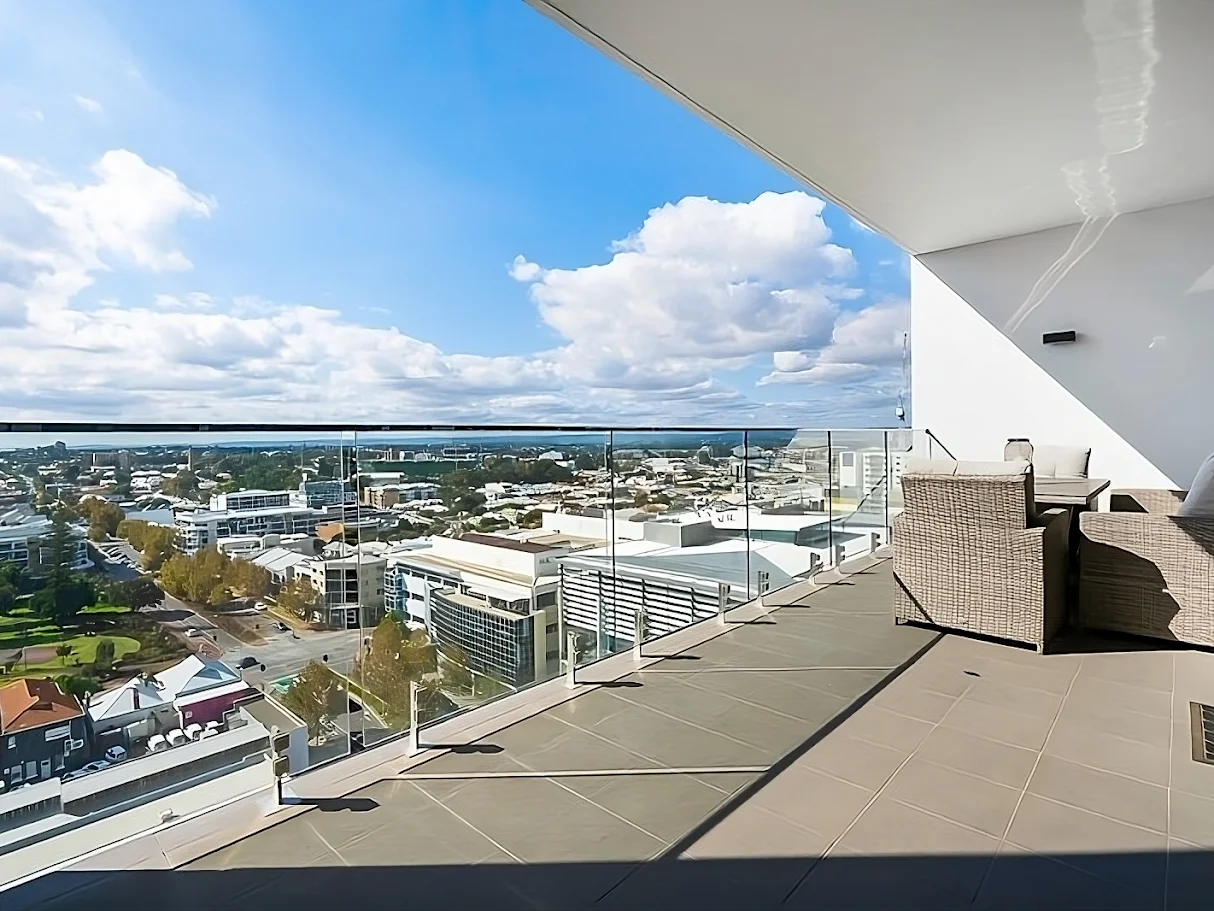 $580,000
Apartment / Unit / Flat
$580,000
Apartment / Unit / Flat
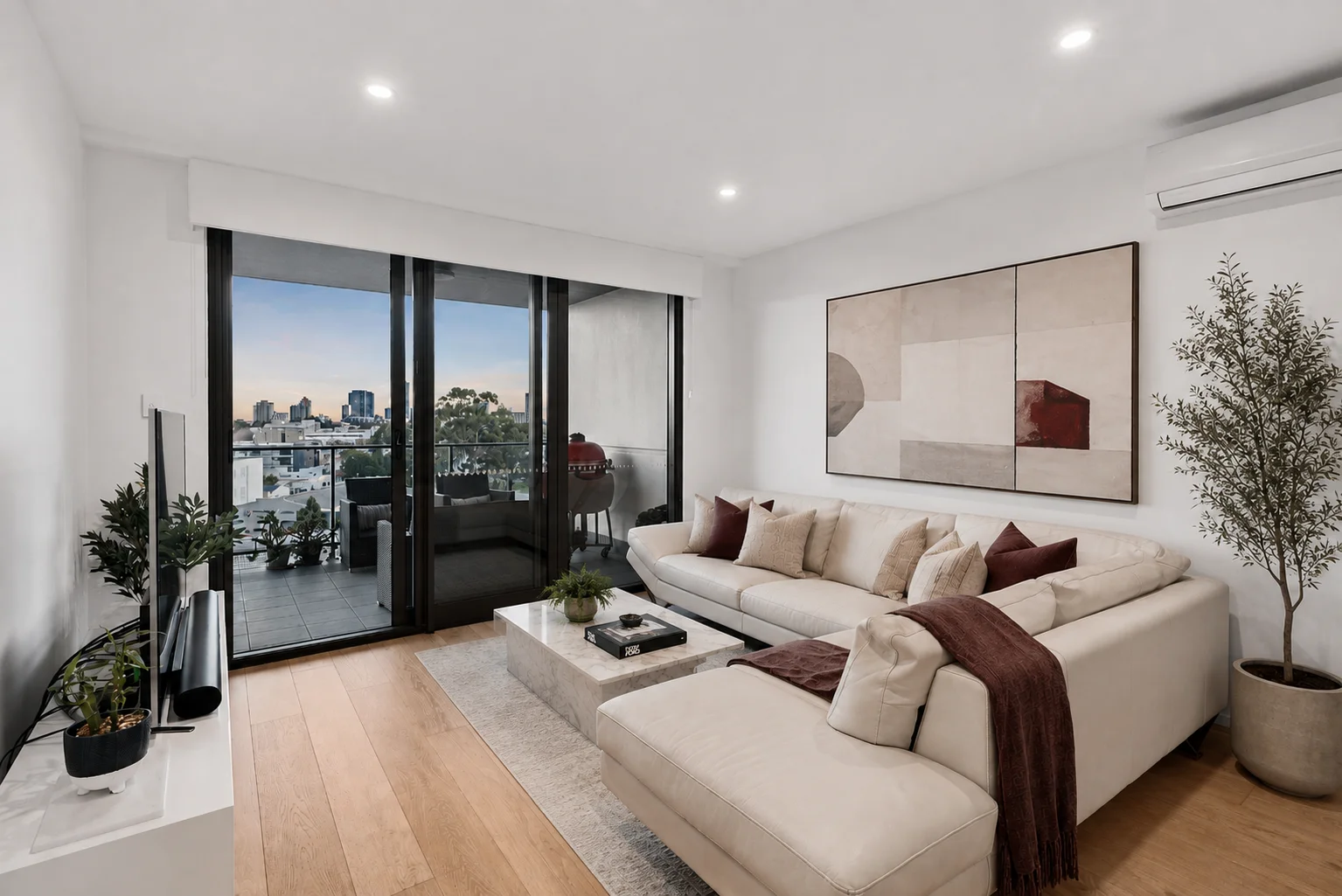 $700,000
Apartment / Unit / Flat
$700,000
Apartment / Unit / Flat
 $549,000
Apartment / Unit / Flat
$549,000
Apartment / Unit / Flat


