1. Overview
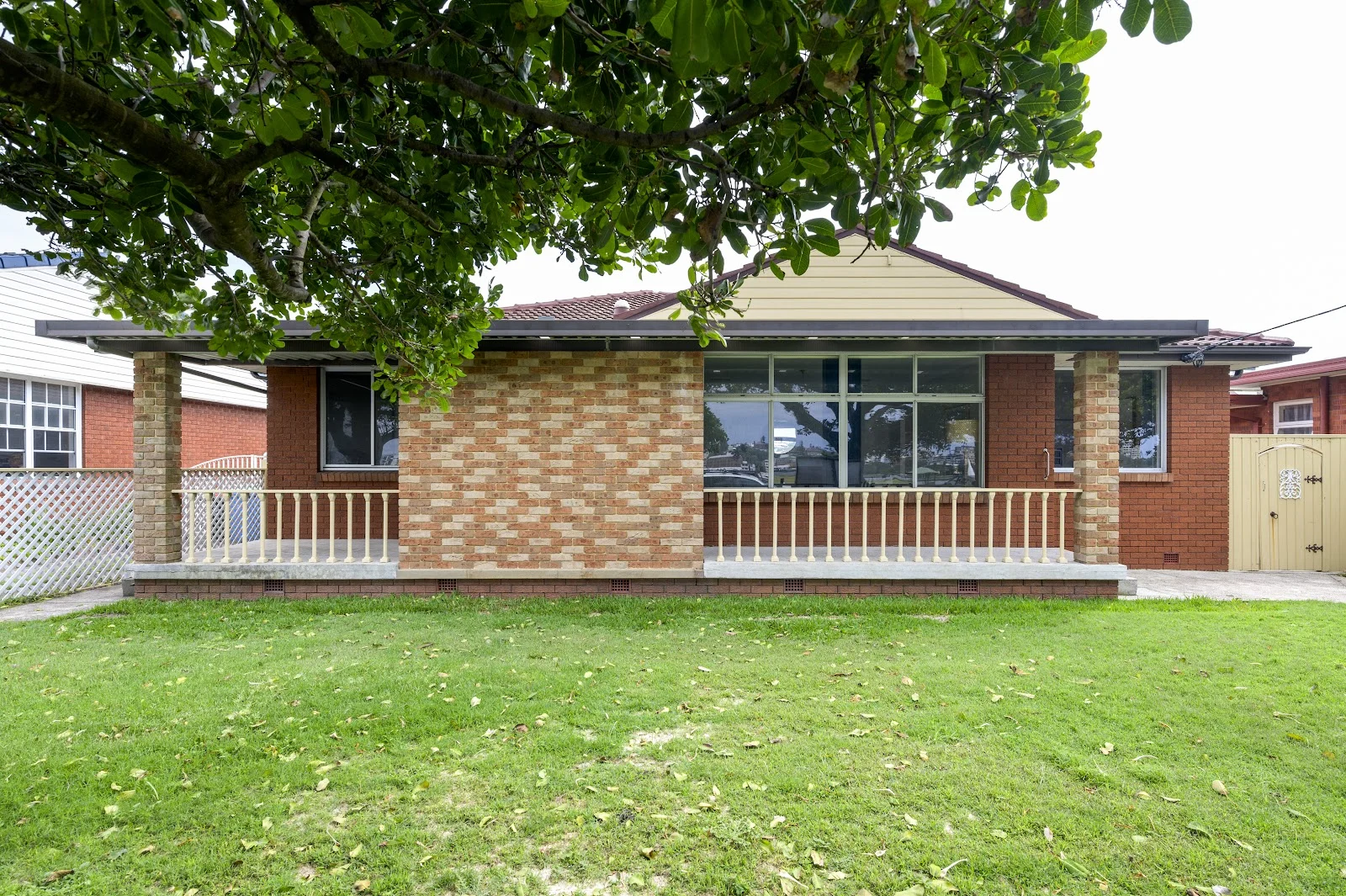
Macquarie College is an independent, co-educational day school serving families in Wallsend and the broader Newcastle region. The school aims to offer a holistic education that supports academic growth, character development, and community involvement. With a focus on creating a welcoming, inclusive atmosphere, students are encouraged to pursue excellence while developing resilience and social skills.
The school is a medium-sized community with class sizes that typically sit in the mid-teens to low-20s, enabling more individual attention and strong student–teacher relationships. The atmosphere is described as nurturing and collaborative, balancing academic ambition with pastoral care and opportunities for students to participate in a range of co-curricular activities.
⸻
2. Academics & Learning
Academic strengths include strong programs in STEM and English, with additional emphasis on leadership development and languages. The school offers several special programs to cater to diverse learner needs, including gifted and talented pathways and accelerated learning options for capable students.
NAPLAN trends over recent years show steady improvement or maintenance in key areas such as reading and numeracy, reflecting effective curriculum planning and targeted support. Student–teacher ratios are typically around 1:12 to 1:15, supporting more personalized feedback and intervention where needed. The school provides robust support for diverse learners, including EAL and SEN students, with dedicated learning support staff and individualized learning plans where appropriate.
⸻
3. Sports & Extracurricular Strengths
Sports offered commonly include soccer, rugby, netball, cricket, basketball, and athletics, with opportunities to participate in school-level competition and representative teams. The school often maintains strong teams in key sports and participates in local and regional fixtures and competitions.
Music, drama, and arts programs are active, with opportunities to perform in concerts and school productions. A range of clubs is available, including robotics, chess, coding, and debating, helping students explore interests beyond the classroom. The school also pursues partnerships with local academies and participates in external competitions to extend student experiences and achievements.
⸻
4. Wellbeing & Pastoral Care
A proactive anti-bullying approach underpins student safety and a positive school climate, supported by clear policies, student education, and timely intervention. The school uses a house system to foster belonging, teamwork, and healthy competition among students.
Counsellors or wellbeing officers are available on site to support mental health, study pressures, and personal development. Transition support for new students includes orientation programs, buddy systems, and targeted induction activities to help students settle in smoothly and build confidence.
⸻
5. Facilities
- Sports grounds and outdoor spaces for physical education and recreation
- Libraries with study spaces and digital resources
- Science labs for hands-on experiments and inquiry
- Music and performing arts center for rehearsals and productions
- Tech and innovation labs to support design thinking and STEM projects
- Canteen and dining facilities
- Updated playgrounds and outdoor learning spaces
The facilities are designed to be welcoming and easy to navigate, with spaces that support collaborative work and active learning.
⸻
6. School Values & Community Culture
School values typically focus on respect, integrity, excellence, resilience, and inclusivity, guiding student behavior and decision-making. Leadership is often collaborative, involving student leaders and teacher mentors in shaping school initiatives. Behaviour expectations emphasize responsibility, kindness, and accountability within a supportive environment.
The community reputation is generally described as family-friendly and welcoming, with a strong sense of school pride. The school places emphasis on diversity and inclusion, ensuring opportunities are accessible to students from varied backgrounds and abilities.
⸻
7. School Logistics & Daily Operations
- School hours align with standard NSW school-day timings, with a typical start around the morning and finish in the mid-afternoon.
- Before/after school care arrangements are available to support working families.
- Uniform requirements include formal everyday wear and sports/activities uniforms as appropriate.
- Transport options include local bus services and public transport access; details can be arranged through the school.
- Canteen availability provides convenient meal and snack options during the day.
- Fees fall in the mid-to-high range for independent schools, reflecting the breadth of programs and facilities offered.
⸻
8. Enrolment & Admissions
11. What is the enrolment process and timeline?
- Submit an online application with supporting documents (birth certificate, previous school reports, immunization records, etc.).
- Complete any required assessments or information sessions for the relevant year level.
- Participate in an interview or meeting with the admissions team or school leadership.
- Receive a conditional offer if applicable, followed by acceptance and fee payment; timelines vary but often run several months from initial inquiry.
12. Is there a waiting list, and how does it work?
- Yes, there is typically a waiting list for some year levels, especially at popular entry points. Wait times depend on space availability and cohort needs. The school may contact applicants when spaces become available and may require a deposit to hold a place.
13. Are there any entry requirements, tests, or interviews?
- Entry often includes an interview and, for certain year levels, an assessment or information session. Documentation about prior schooling, attendance, and behavior may be requested to ensure alignment with the school’s programs and expectations.
14. Does the school accept mid-year transfers?
- Mid-year transfers are possible if space allows and entry requirements are met. Families seeking mid-year placement should contact the admissions team early to discuss eligibility and possible alignment with the term schedule.
⸻
9. Frequently Asked Questions
- Why Parents Choose This School?
- The school offers a balanced focus on academics, wellbeing, and a broad range of co-curricular activities, with a supportive community and opportunities for individual growth.
- What type of student thrives at this school?
- Students who are motivated, collaborative, and curious about learning across academic, artistic, and sporting areas tend to thrive, as do those who value a positive, inclusive school culture.
- What opportunities are available for students to extend their skills (academics, sports, arts)?
- Strong pathways in STEM and English, gifted/talented or accelerated options, competitive sports teams, music and drama programs, robotics, coding, debating, and regular inter-school competitions.
- How does the school communicate with parents?
- Regular updates through newsletters, emails, and parent portals; scheduled meetings with teachers; and opportunities to engage in school events and information sessions.
- What is the school’s approach to teaching and learning?
- A student-centered approach that combines rigorous curriculum with differentiated instruction, project-based learning, and ongoing assessment to support growth and mastery.
- How does the school support students who need extra academic help?
- On-site learning support staff, targeted tutoring or intervention programs, EAL/SEN support, and individualized plans to help students access the curriculum.
- What support is available for academic challenges?
- Counseling and academic advising, targeted tutoring, and collaboration with families to monitor progress and adjust learning plans as needed.
- How does the school communicate with parents? (Duplicate)
- See above: newsletters, emails, parent portals, and regular meetings.
- What are the class sizes and how much individual attention do students receive?
- Class sizes are typically in the mid-teens to low-20s, with additional opportunities for one-on-one or small-group support through learning support staff and teacher collaboration.
- What extracurricular and sports opportunities are available?
- A broad program including team sports (e.g., soccer, netball, basketball, cricket), arts (music, drama), and clubs (robotics, chess, coding, debating).
- What facilities does the school offer (sports, science, arts)?
- Comprehensive facilities including sports grounds, libraries, science labs, a performing arts center, tech/innovation labs, a canteen, and updated outdoor spaces.
- What is the school’s approach to technology and digital learning?
- Integration of technology across the curriculum, access to digital resources, and opportunities for students to develop digital literacy through coding and STEM programs.
- What transport and accessibility options are available?
- Access via local bus services and public transport; school can assist with arranging transport options where possible.
- What are the typical school fees or additional costs?
- Fees align with the mid-to-high range for independent schools, with potential additional costs for trips, performances, and specific program materials. Contact the school for current fee schedules.
⸻
10. Short Pros & Cons list
- Pros
- Independent school with a holistic focus on academics and wellbeing
- Medium-sized, supportive community with opportunities across STEM, arts, and sports
- Strong pastoral care, anti-bullying culture, and transition support
- Broad facilities and active co-curricular programs
- Clear pathways for gifted/talented learners and diverse student needs
- Cons
- Fee level typical of independent schools
- Competitive entry at certain year levels may involve wait lists
- Transport options may require planning for families depending on location
⸻