## 1. Overview
Elermore Vale Public School is a public primary school serving families in the Elermore Vale/Wallsend area. It emphasises an inclusive, supportive learning environment with a strong focus on wellbeing and community involvement.
- School type: Public
- School size: Medium
- Class size: Approximately 20–25 students per class
- Atmosphere/culture: Inclusive, nurturing, diverse, community-oriented
⸻
## 2. Academics & Learning
Elermore Vale Public School supports solid literacy and numeracy foundations, with growing strengths in STEM-related activities and leadership opportunities. The school offers programs and experiences designed to engage students across traditional subjects and practical inquiry.
- Academic strengths: English and numeracy, STEM activities, student leadership opportunities, and a focus on bilingual or language experiences where available.
- Special programs: Gifted and Talented Education (GATE) and opportunities for extended or accelerated learning where appropriate.
- NAPLAN / trends: Trends show steady performance with targeted improvement initiatives to address gaps; ongoing school-wide emphasis on literacy and numeracy development.
- Student-teacher ratios: Generally favorable for primary settings, supporting targeted instruction in smaller groups.
- Support for diverse learners: EAL/D support and dedicated staff for students with additional learning needs; access to learning support programs and classroom aides.
⸻
## 3. Sports & Extracurricular Strengths
A well-rounded program supports both sport and enrichment activities, giving boys and girls chances to explore interests beyond the classroom.
- Sports offered: Soccer, netball, cricket, rugby league, athletics, and cross-country are commonly available.
- Strong teams or achievements: Active participation in district competitions with opportunities for development and achievement.
- Music, arts, drama: School ensembles, choir or music programs, and drama activities that complement classroom learning.
- Clubs: Robotics, chess, coding, debating, and other interest-based clubs are typically available.
- Partnerships: Local community clubs and regional competitions provide additional pathways for sport and enrichment.
⸻
## 4. Wellbeing & Pastoral Care
Wellbeing and pastoral care are central to creating a safe, respectful school environment.
- Anti-bullying approach: Clear anti-bullying policies with restorative practices and proactive wellbeing initiatives.
- House system: House groups used to build community, run events, and encourage healthy competition.
- Counsellors / wellbeing officers: Access to school-based counsellors or wellbeing staff to support students.
- Transition support for new students: Buddy programs, orientation activities, and transition planning to help new students settle in.
⸻
## 5. Facilities
Facilities are designed to support a range of learning experiences and student wellbeing.
- Sports grounds
- Libraries
- Science labs
- Music / performing arts center
- Tech / innovation labs
- Cafeteria
- Updated playgrounds
⸻
## 6. School Values & Community Culture
The school aims to foster responsible, respectful, and resilient learners within a welcoming community.
- School values / mission: Core values such as respect, responsibility, resilience, and inclusion guide daily practice.
- Leadership style: Emphasis on student voice and leadership opportunities alongside teacher leadership.
- Behaviour expectations: Clear, positive behaviour expectations aligned with school values.
- Community reputation: Known for a friendly, collaborative culture and active family involvement.
- Diversity & inclusion: Commitment to welcoming students from diverse backgrounds and needs.
⸻
## 7. School Logistics & Daily Operations
Practical information helps families plan around the school day.
- School hours: Typical primary school day with start and finish times aligned to NSW Department of Education schedules.
- Before/after school care: After-school care or extension programs may be available through OSHC or local providers.
- Uniform requirements: Uniform policy in place; details available from the school office.
- Transport (train/bus routes): Bus transport options typically available for local areas; check local route schedules and eligibility.
- Canteen availability: Canteen or canteen services offering healthy meal options.
- Fees (low/medium/high ranges): Public schools have low to moderate voluntary contributions or fees; families should confirm exact amounts with the school.
⸻
## 8. Enrolment & Admissions
11. What is the enrolment process and timeline?
- Enrolment is typically initiated through the NSW Department of Education process via the school or regional portal. You will need to provide proof of address, birth certificate, immunisation records, and any relevant custody or court orders. Start times and timelines vary by year and year level; the school can guide you on required documents and expected timelines for enrolment before the start of the school year, with in-zone priority.
12. Is there a waiting list, and how does it work?
- In-zone students generally have priority for placement. If there are vacancies, out-of-zone applicants may be considered; waitlists or placements are managed by the school in coordination with the local authority. Availability can vary by year and term.
13. Are there any entry requirements, tests, or interviews?
- NSW public primary schools typically do not require entrance tests or interviews for general enrolment. Some suitability or needs-based considerations (e.g., EAL/D, SEN) may involve discussions with staff or a transition meeting, but no standard entry exam is expected.
14. Does the school accept mid-year transfers?
- Mid-year transfers are possible if there is capacity and the necessary enrolment documentation is provided. Parents should contact the school as early as possible to discuss availability and the transfer process.
⸻
## 9. Frequently Asked Questions
- Why Parents Choose This School?
- A welcoming, inclusive community with a focus on both academic growth and student wellbeing; opportunities across academics, sport, and arts; strong support for diverse learners.
- What type of student thrives at this school?
- Students who engage in a balanced program, take part in classrooms with supportive teachers, and participate in sports, arts, and clubs tend to thrive here.
- What opportunities are available for students to extend their skills (academics, sports, arts)?
- Access to GATE or extended learning where offered, leadership roles, afternoon clubs (robotics, coding, debating), and district-level sports and arts activities.
- How does the school communicate with parents?
- Regular updates via newsletters, a school website, digital platforms for grade-level information, and parent-teacher meetings.
- What is the school’s approach to teaching and learning?
- A balanced approach combining explicit instruction, inquiry-based learning, and targeted supports to meet diverse student needs.
- How does the school support students who need extra academic help?
- EAL/D support, learning support staff, classroom aides, and targeted intervention programs.
- What support is available for academic challenges?
- Differentiated instruction, small-group or one-on-one supports, and collaboration with families to monitor progress.
- How does the school communicate with parents? (Duplicate question from above)
- See above: newsletters, digital platforms, and regular parent-teacher contacts.
- What are the class sizes and how much individual attention do students receive?
- Class sizes are typically in the 20–25 student range, with ongoing teacher support and targeted small-group instruction.
- What extracurricular and sports opportunities are available?
- A range of sports (e.g., soccer, netball, cricket), music/arts programs, and clubs (robotics, chess, coding, debating).
- What facilities does the school offer (sports, science, arts)?
- Modern facilities including sports grounds, library, science labs, performing arts spaces, and technology labs.
- What is the school’s approach to technology and digital learning?
- Integration of digital tools to support learning, with a focus on safe and responsible use and opportunities for project-based digital work.
- What transport and accessibility options are available?
- Local bus routes and transport options; accessibility considerations are supported through school and Department policies.
- What are the typical school fees or additional costs?
- Public schools have low to moderate voluntary contributions; exact amounts vary and should be confirmed with the school.
⸻
## 10. Short Pros & Cons list
- Pros
- Inclusive, supportive learning environment
- Focus on wellbeing and student leadership
- Balanced mix of academics, sports, and arts
- Access to EAL/D and learning support services
- Moderate class sizes that support small-group instruction
- Cons
- Space for out-of-zone transfers can be limited
- Transport options may depend on local routes
- Some programs (e.g., GATE) availability can vary by year
- Uniforms and voluntary contributions are part of the model
⸻







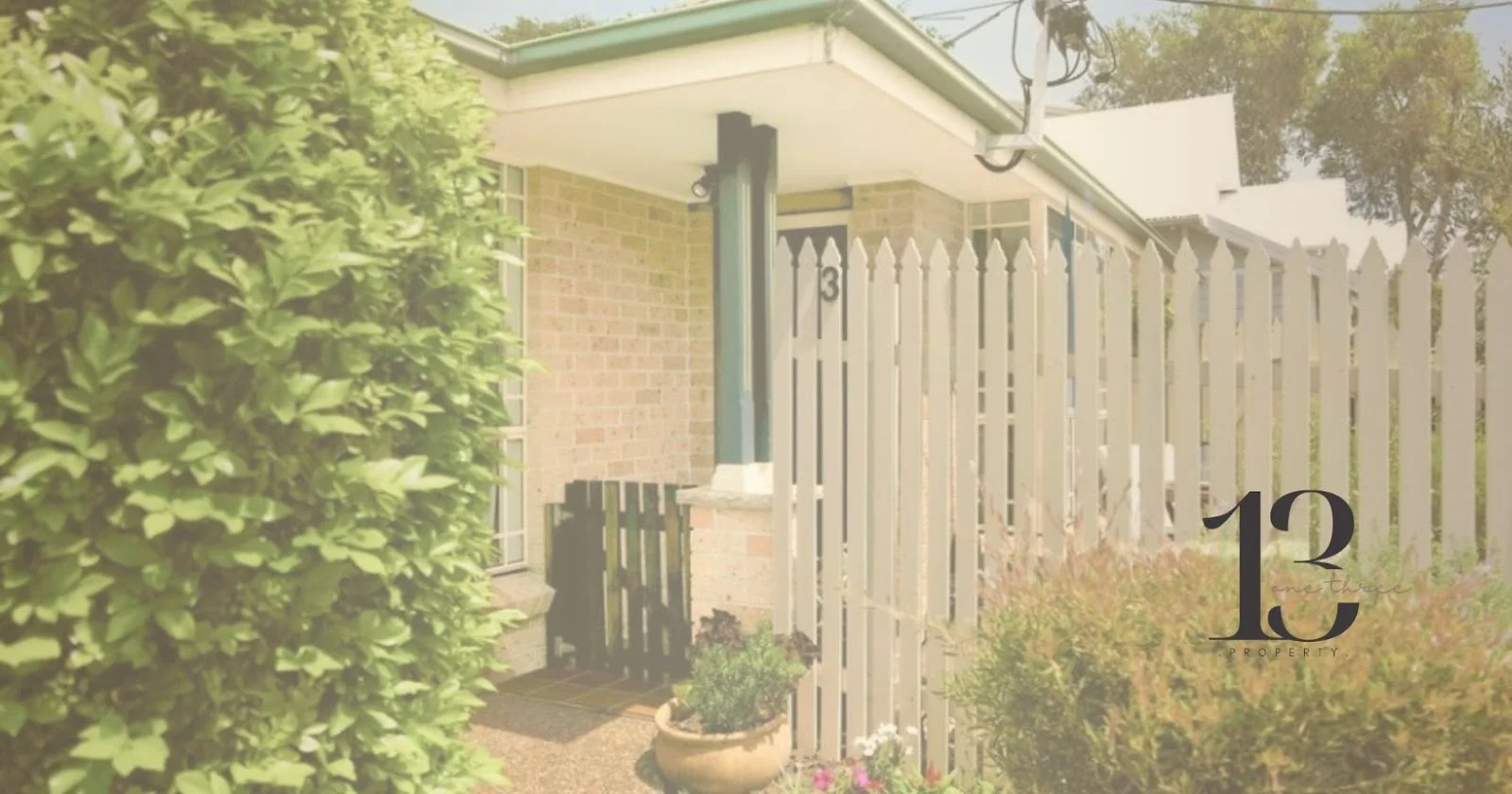 $795,000
Townhouse
$795,000
Townhouse
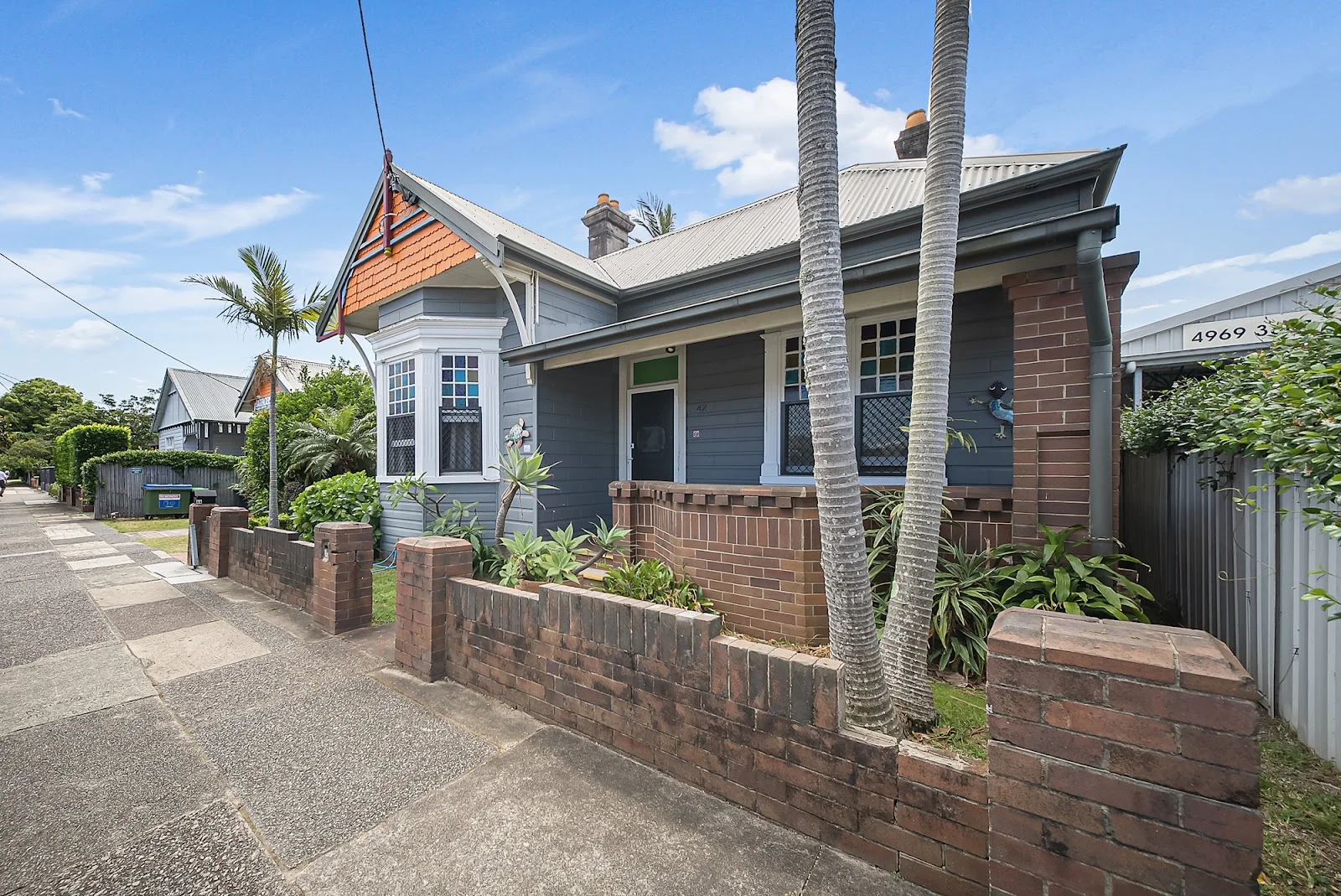 $2,000,000
propertyType.BLOCK OF UNITS
$2,000,000
propertyType.BLOCK OF UNITS
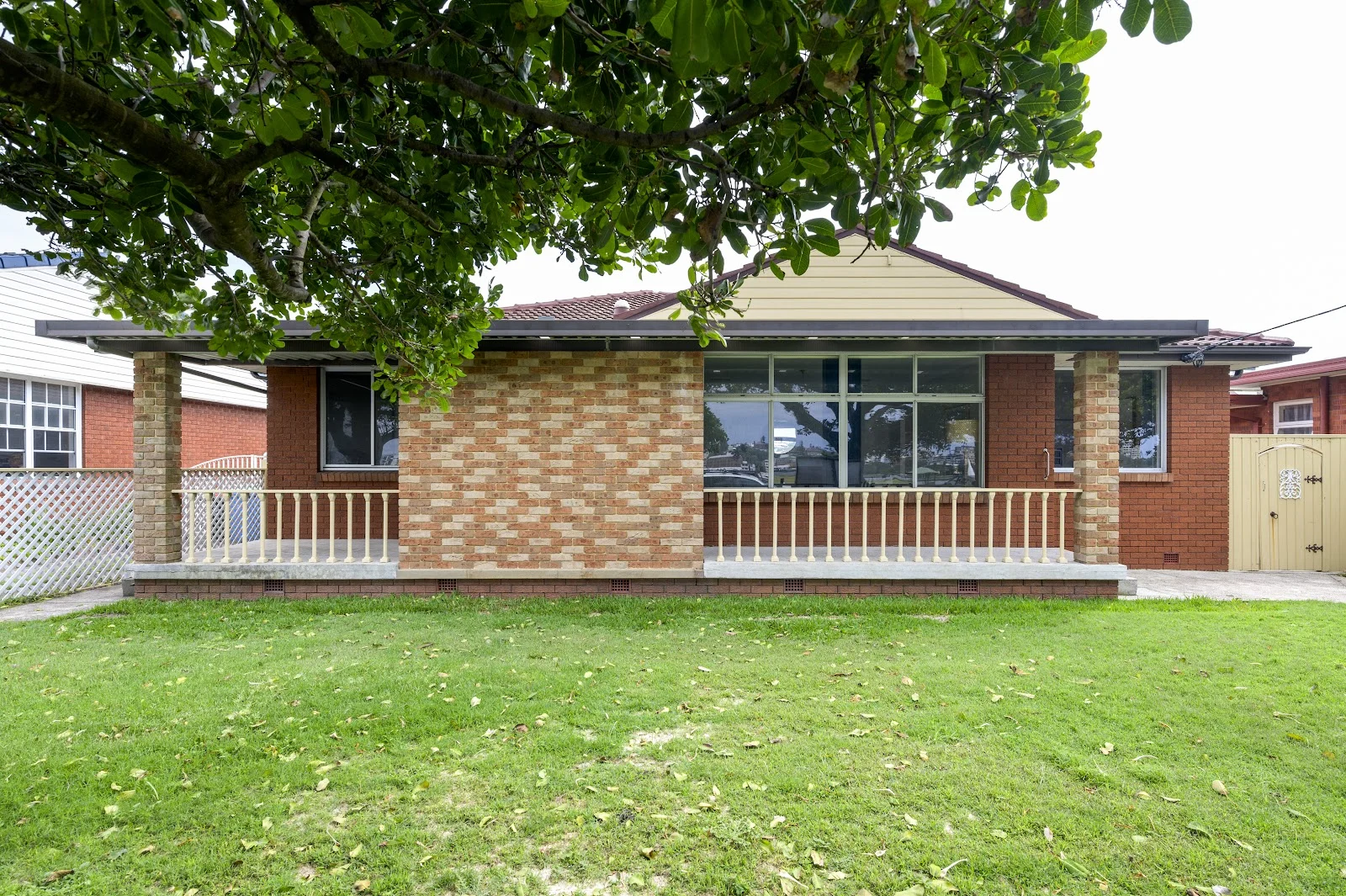 $2,500,000
House
$2,500,000
House
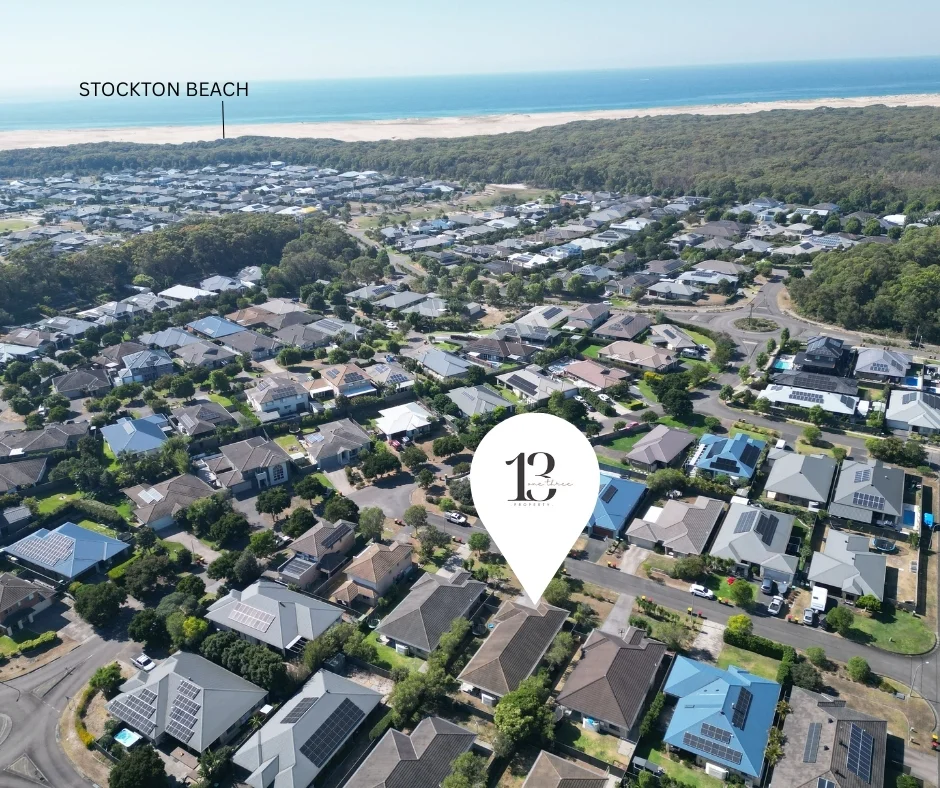 $900,000 - $990,000
House
$900,000 - $990,000
House


