Overview
1. Overview
Marden Senior College is a public senior college in Marden, South Australia, providing Year 11–12 pathways for a diverse student cohort. The school focuses on supporting students to complete the SACE with strong ties to vocational and further-education options, while fostering a respectful and inclusive school culture. It is a mid-sized institution that supports a practical, career-oriented approach alongside academic study.
Size and atmosphere: mid-sized with a welcoming, inclusive atmosphere. Class sizes are typically small to medium, allowing more individual attention and personalized support. The culture emphasizes resilience, collaboration, and preparing students for post-school pathways.
2. Academics & Learning
- Academic strengths: Notable focus on STEM and English, with leadership development and opportunities in languages through elective programs. The college supports a balanced curriculum designed to prepare students for tertiary study, vocational training, or skilled employment.
- Special programs: VET and other industry-aligned programs are available to give students practical, certificate-based qualifications alongside their SACE. Gifted and Talented options may be offered where available, along with bridging and enrichment activities to extend capable students.
- NAPLAN / Ofsted trends: NAPLAN data (where applicable to younger year groups) is monitored to track literacy and numeracy progress and to identify areas for intervention. The college emphasizes targeted literacy and numeracy support to complement senior studies, with trends showing a shift toward stronger student readiness for Year 11 entry and SACE completion.
- Student-teacher ratios: Generally around 1:15 to 1:20, enabling closer student support and more frequent access to teachers.
- Support for diverse learners: Strong inclusivity focus with EAL and SEN support. Access to Learning Support Officers, in-class adjustments, tutoring, and targeted programs to help students meet their personal and academic goals.
3. Sports & Extracurricular Strengths
- Sports offered: Basketball, netball, football (soccer), athletics, cricket, and tennis are commonly available, with opportunities to represent the college in regional competitions.
- Strong teams or achievements: The college supports competitive student teams across major sports and regularly participates in local and regional fixtures.
- Music, arts, drama programs: Active music ensembles and performing arts programs, with opportunities to participate in school productions and concerts.
- Clubs: Robotics, coding, chess, debating, and other interest-based clubs that help students explore passions beyond the classroom.
- Partnerships: Local clubs and community organizations often partner with the college for competitions, coaching, and enrichment activities to broaden student opportunities.
4. Wellbeing & Pastoral Care
- Anti-bullying approach: Proactive anti-bullying strategies with clear reporting pathways and a culture of respect, kindness, and responsibility.
- House system: A house or pastoral grouping structure to foster belonging, healthy competition, and peer support.
- Counsellors / wellbeing officers: Access to school counsellors and wellbeing staff to support emotional health, study planning, and transition needs.
- Transition support for new students: Orientation programs, buddy systems, and targeted induction to help new students settle in quickly and confidently.
5. Facilities
- Sports grounds: On-site or nearby sports facilities for training and fixtures.
- Libraries: Central library spaces for study, research, and quiet reading.
- Science labs: Well-equipped science laboratories to support practical investigations.
- Music/performing arts centers: Dedicated spaces for music practice and performances.
- Tech/innovation labs: Modern tech or media rooms and makerspace facilities to support digital learning and project work.
- Cafeteria: On-site canteen providing a range of lunch and snack options.
- Updated playgrounds: Modern, safe outdoor spaces for breaks and activity.
6. School Values & Community Culture
- School values / mission: A focus on respect, resilience, integrity, and teamwork, with a mission to prepare students for successful post-school pathways.
- Leadership style: Inclusive and student-centered, with opportunities for student voice through leadership roles and student councils.
- Behaviour expectations: Clear codes of conduct that promote respectful behavior, responsibility, and accountability.
- Community reputation: Known for focusing on student wellbeing, practical pathways, and strong connections with local industry and post-school options.
- Diversity & inclusion: Committed to welcoming students from diverse backgrounds and supporting inclusive participation in all school activities.
7. School Logistics & Daily Operations
- School hours: Typically starts mid-morning to early afternoon with a structured timetable for Years 11–12.
- Before/after school care: Information on before/after school care may be provided by external providers or through the school’s supported arrangements.
- Uniform requirements: School uniform standard required, with guidelines for daily wear and any season-specific adjustments.
- Transport (train/bus routes): Public transport options available in the area; bus routes and train stations nearby with typical travel times to campus.
- Canteen availability: On-site canteen or vending options for students.
- Fees (low/medium/high ranges): Being a public school, fees are generally modest and largely focused on materials, activity levies, and optional programs.
8. Enrolment & Admissions
11. What is the enrolment process and timeline?
- Review eligibility and available Year 11–12 places.
- Submit an application through the school or education department enrolling system.
- Provide required documents (birth certificate, proof of residency, prior school reports, immunization details as applicable).
- Await offer and complete any required confirmation steps. Timelines vary by year and intake cycle; offers are typically issued in advance of the new school year.
12. Is there a waiting list, and how does it work?
- There can be a waiting list when year levels are full. The school uses the department’s placement process, with offers prioritised by date of application and eligibility. Sometimes spots open later in the year or for mid-year transfers, subject to availability.
13. Are there any entry requirements, tests, or interviews?
- Entry generally involves eligibility checks and the standard enrolment process. Interviews or information sessions may be part of the process for Year 11 entry or for specific programs; check the latest guidance from the school for details.
14. Does the school accept mid-year transfers?
- Mid-year transfers are possible if there is capacity and alignment with program requirements. Transfer requests are assessed case-by-case, and families should contact the admissions team as early as possible.
9. Frequently Asked Questions
- Why Parents Choose This School?
- What type of student thrives at this school?
- What opportunities are available for students to extend their skills (academics, sports, arts)?
- How does the school communicate with parents?
- What is the school’s approach to teaching and learning?
- How does the school support students who need extra academic help?
- What support is available for academic challenges?
- How does the school communicate with parents? (duplicate question)
- What are the class sizes and how much individual attention do students receive?
- What extracurricular and sports opportunities are available?
- What facilities does the school offer (sports, science, arts)?
- What is the school’s approach to technology and digital learning?
- What transport and accessibility options are available?
- What are the typical school fees or additional costs?
10. Short Pros & Cons list
Pros
- Public senior college with a clear pathway to SACE completion and vocational qualifications.
- Moderate class sizes and strong student support services.
- Broad extracurricular offering including sports, music, arts, robotics, and debating.
- Emphasis on wellbeing, inclusivity, and transition support for new students.
- Access to modern facilities and dedicated spaces for science, tech, and performing arts.
Cons
- As a mid-sized public school, competition for places in certain programs can occur during peak intake periods.
- Transport options depend on local routes; some families may need to rely on public transport or carpooling.
- Fees for certain activities or materials may apply, though these are generally reasonable for a public school.
- Details of specific programs (e.g., Gifted & Talented or accelerated options) may vary year to year and should be confirmed with the school.









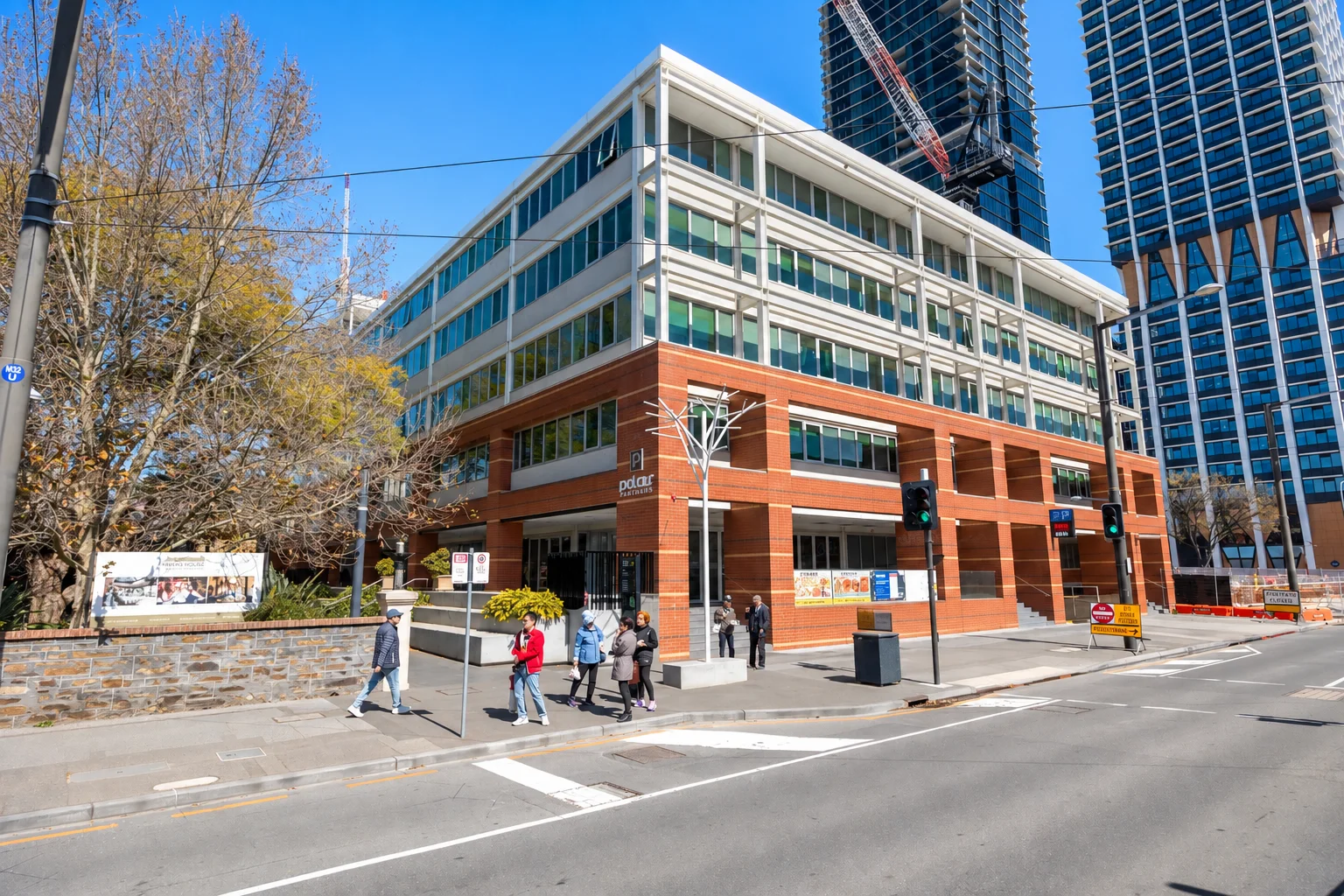 $545,000
Apartment / Unit / Flat
$545,000
Apartment / Unit / Flat
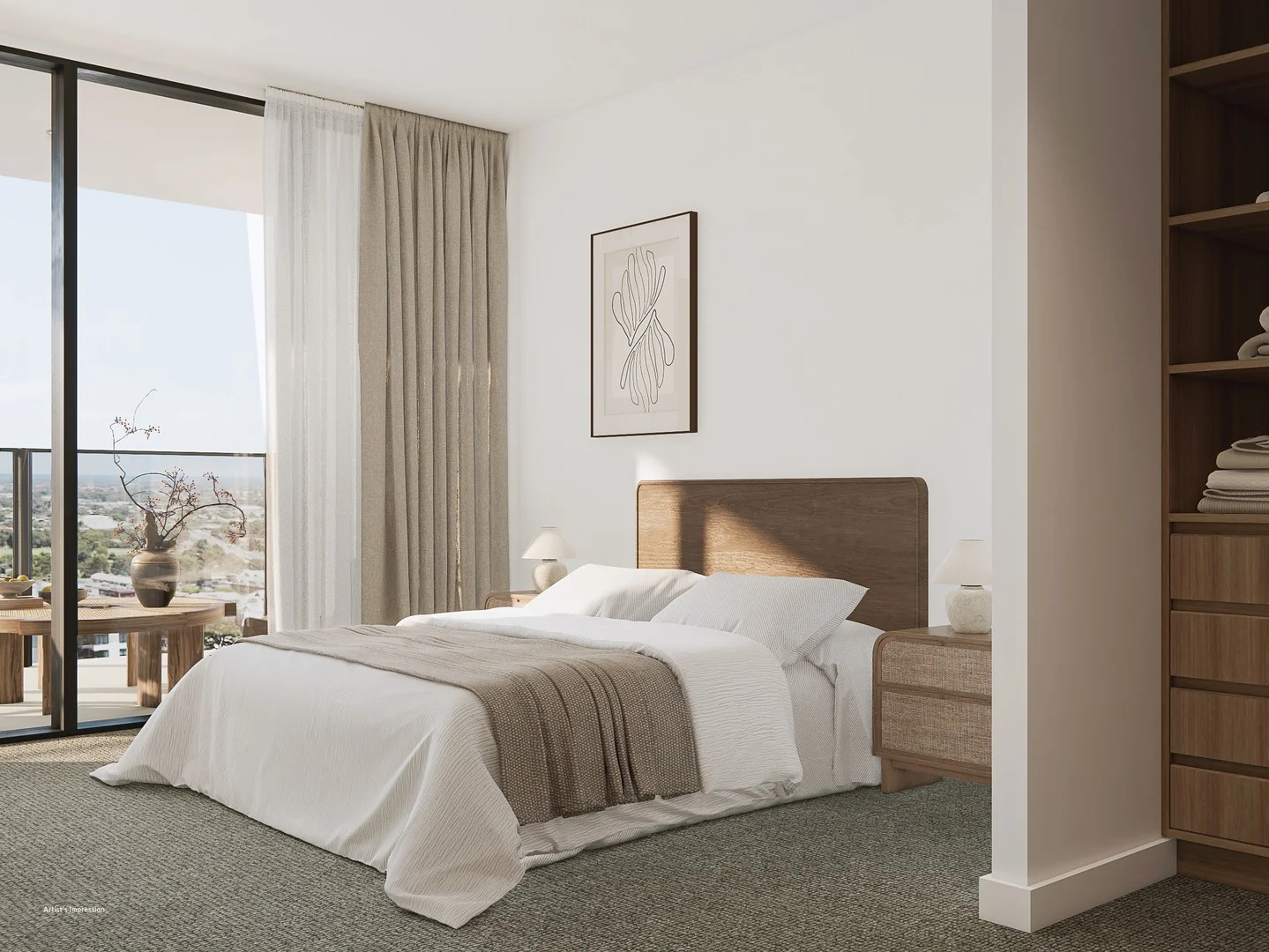 $935,000
Apartment / Unit / Flat
$935,000
Apartment / Unit / Flat
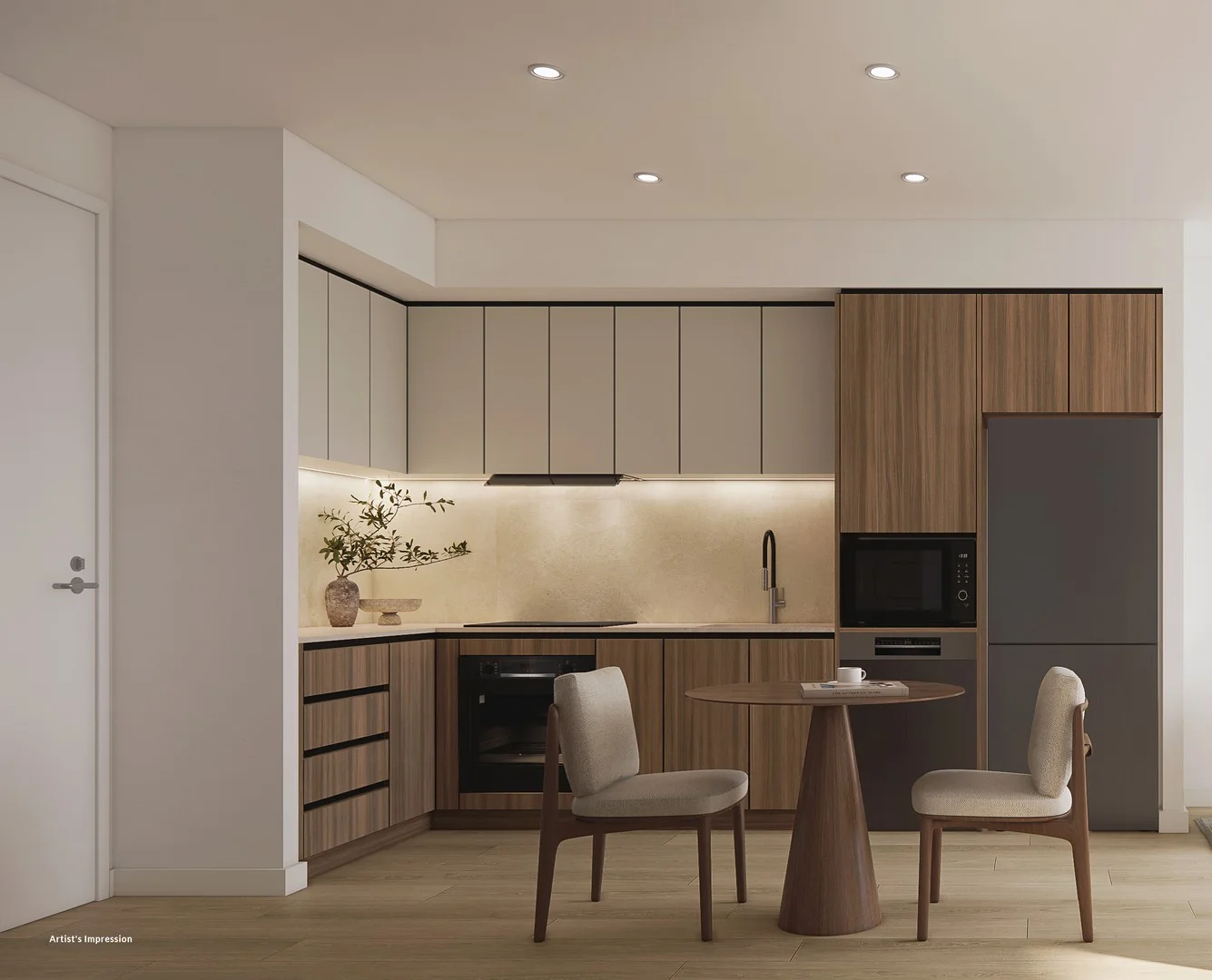 $557,000
Apartment / Unit / Flat
$557,000
Apartment / Unit / Flat
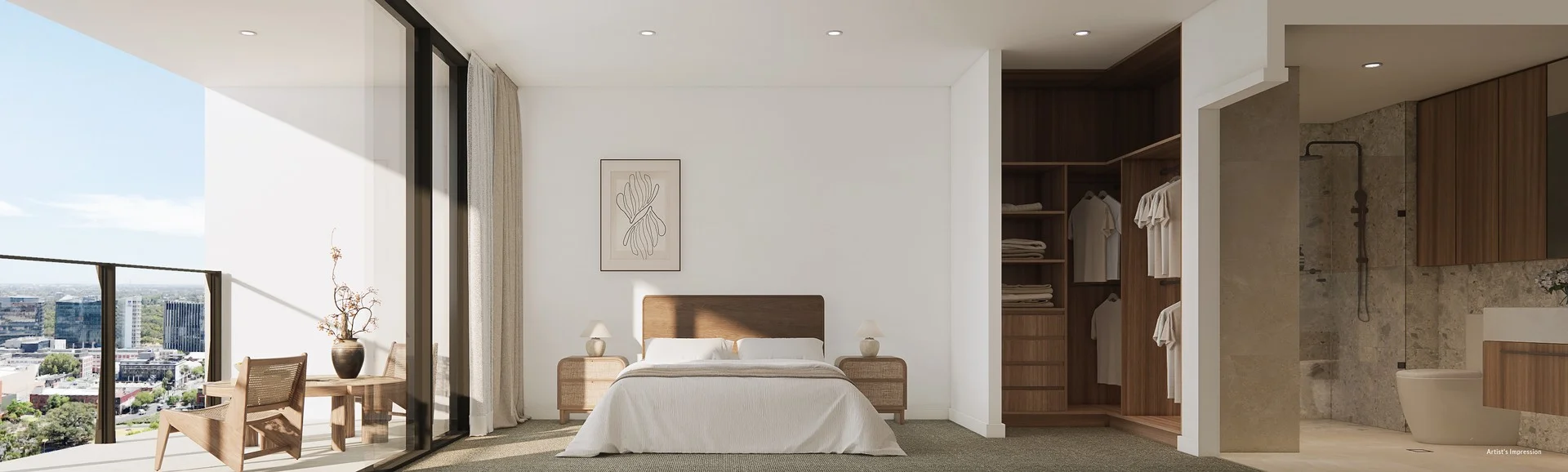 $1,056,000
Apartment / Unit / Flat
$1,056,000
Apartment / Unit / Flat
 $588,000
Apartment / Unit / Flat
$588,000
Apartment / Unit / Flat
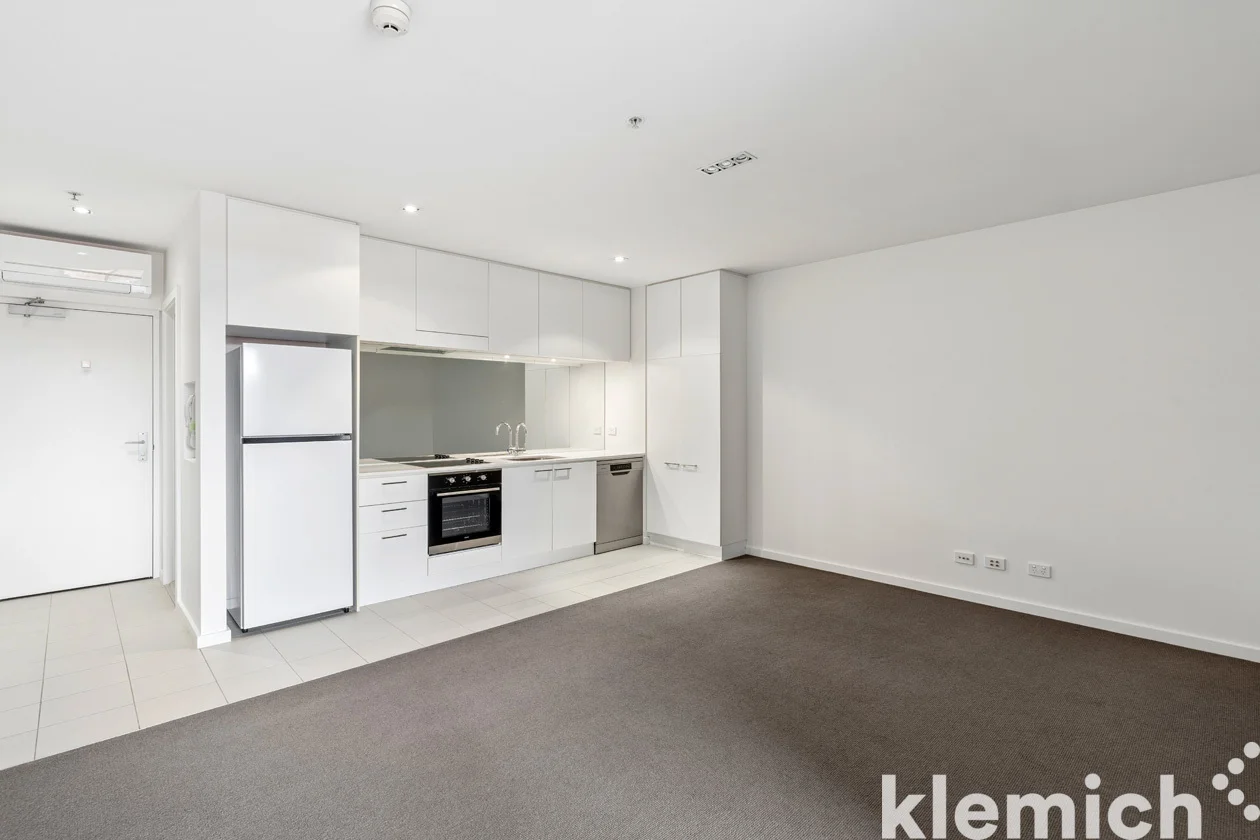 $440,000
Apartment / Unit / Flat
$440,000
Apartment / Unit / Flat
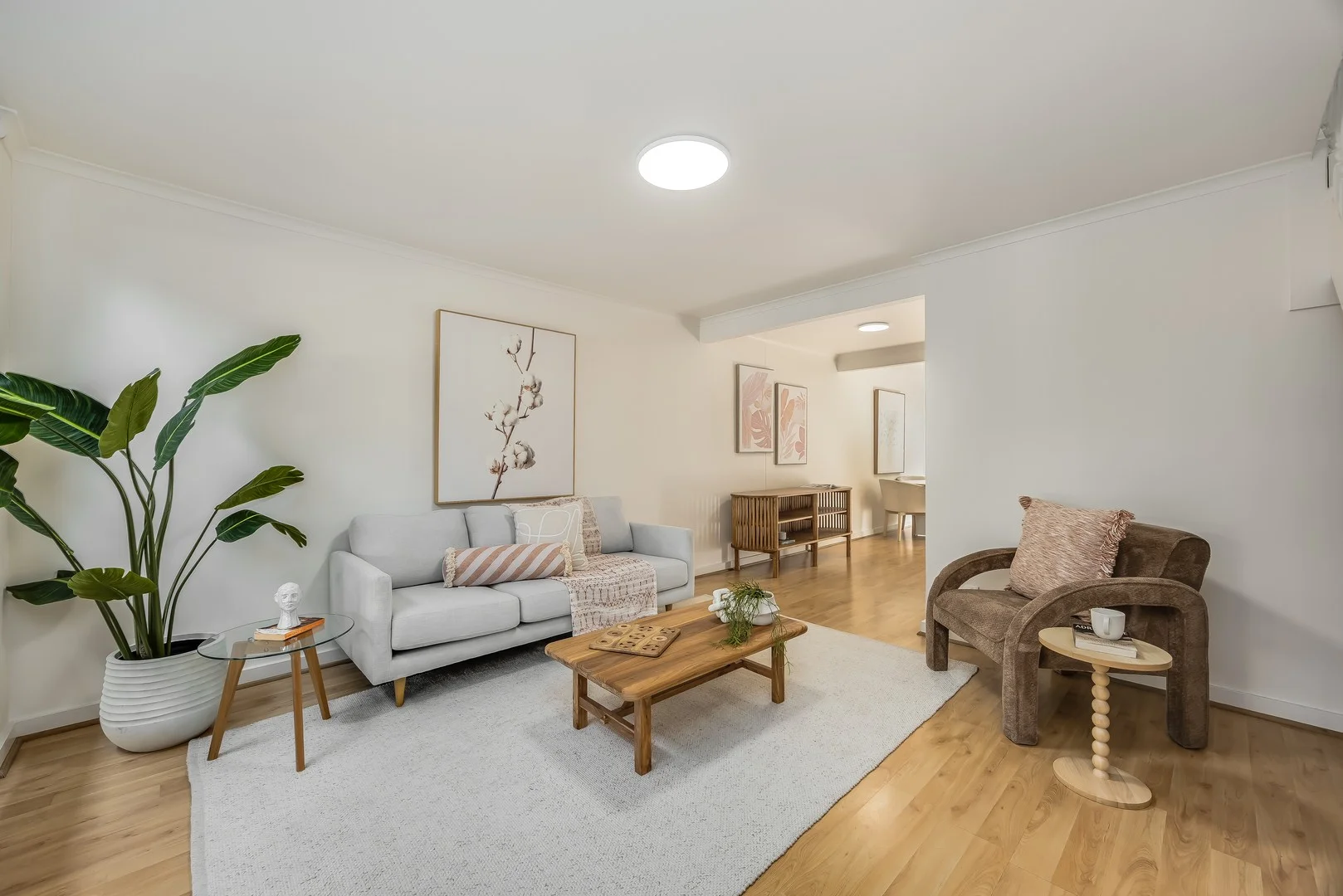 $775,000
House
$775,000
House
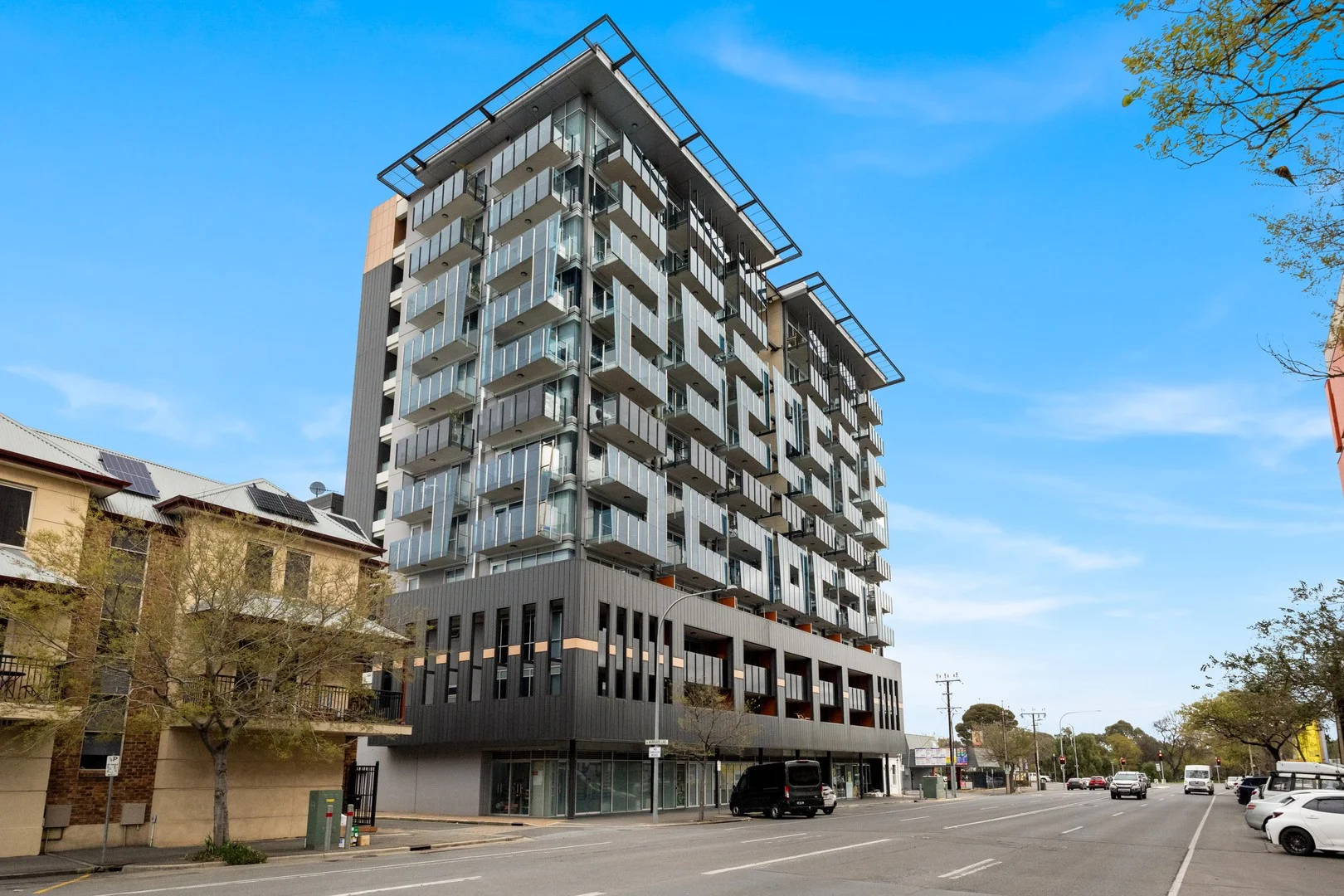 $1,100,000
Apartment / Unit / Flat
$1,100,000
Apartment / Unit / Flat