Overview
# 1. Overview
East Adelaide School is a public primary school located in St Peters, SA 5069. It serves a medium-sized student community and focuses on creating an inclusive, supportive learning environment where students can develop academically while feeling cared for. The school aims to balance core literacy and numeracy with opportunities across the arts, sport, and wellbeing.
Key characteristics
- School type: Public
- School size: Medium
- Class size: Typically around 20–25 students per class (subject to variation each year)
- Atmosphere/culture: Inclusive, nurturing, academically motivated
⸻
# 2. Academics & Learning
Parents often look for clear strengths and programs in learning at a public primary. This section outlines potential areas you may see at East Adelaide School, with specifics to be confirmed with the school.
- Academic strengths
- Emphasis on literacy and numeracy with structured programs to build reading, writing, and mathematical reasoning
- Opportunities to engage in inquiry-based learning and foundational science
- Focus on developing critical thinking and problem-solving skills
- Special programs
- English as an Additional Language (EAL) support (where applicable)
- Inclusion/special education supports for diverse learners
- Access to digital learning and device-based activities (subject to school resources)
- NAPLAN / trends
- Look for year-over-year trends in literacy and numeracy (improvement, consistency, or steady progression) rather than specific scores
- For exact trend data, refer to the school’s annual report or NSW/SA Department updates
- Student-teacher ratios
- Typical primary school ratios in South Australia are in the vicinity of 1:20 to 1:24; actual ratios at the school may vary by year level and teacher allocation
- Support for diverse learners
- EAL support for students transitioning to English
- SEN support and inclusive education practices to help students access the curriculum
- Access to targeted intervention where needed
⸻
# 3. Sports & Extracurricular Strengths
This section covers the activities many parents value, especially for students aged around 10–14.
- Sports offered
- General school sport programs (PE lessons) and participation in local inter-school events
- Common primary-school options such as soccer, netball, basketball, athletics, cricket (specifics to be confirmed)
- Strong teams or achievements
- Inter-school teams or local competition participation (details to be confirmed)
- Music, arts, drama programs
- School-based music ensembles, choir, drama productions, and visual arts opportunities
- Clubs: robotics, chess, coding, debating
- Possible clubs and enrichment activities; availability varies by year and staffing
- Partnerships
- Local community partnerships or affiliations with sporting/arts groups are possible
Most parents skim this section for boys aged 10–14, so having clear, specific offerings helps. Confirm exact club offerings and competitive teams with the school.
⸻
# 4. Wellbeing & Pastoral Care
Strong wellbeing is a top priority for families. This section outlines typical supports you’ll see, with specifics to be verified.
- Anti-bullying approach
- Whole-school anti-bullying policies, clear reporting pathways, and restorative practices
- House system
- House-based activities to foster belonging, leadership opportunities, and healthy competition
- Counsellors / wellbeing officers
- Access to school counsellors or wellbeing staff to support mental health, resilience, and personal development
- Transition support for new students
- Induction programs, buddy systems, and smooth transition processes to help new students settle
⸻
# 5. Facilities
Facilities are often a key factor for families. This section highlights common features you’ll want to know.
- Sports grounds
- On-site fields or courts for physical education and inter-school events
- Libraries
- Library space supporting reading and research activities
- Science labs
- Dedicated science spaces for practical experiments and inquiry
- Music/performing arts centers
- Rooms or spaces for music, drama, and performances
- Tech/innovation labs
- Computer labs or makerspaces to support digital learning and projects
- Cafeteria
- On-site canteen or lunch program with a meal service (availability subject to school)
- Updated playgrounds
- Age-appropriate outdoor play areas and equipment
Visually simple and easy to picture: the school typically offers a balanced mix of indoor learning spaces and outdoor recreation facilities.
⸻
# 6. School Values & Community Culture
Parents want to know the character of the school and the community it fosters.
- School values / mission
- Core values such as respect, responsibility, resilience, and inclusion (specific wording to be confirmed)
- Leadership style
- Participatory or distributed leadership with student voice opportunities and staff collaboration
- Behaviour expectations
- Clear behavioural framework and positive reinforcement approach
- Community reputation
- Friendly, supportive community with involvement from families and local networks (verify current sentiment with school or local surveys)
- Diversity & inclusion
- Commitment to inclusive education and welcoming students from diverse backgrounds
⸻
# 7. School Logistics & Daily Operations
Key practical details to help families plan the daily routine.
- School hours
- Typical start and finish times; variations may apply by year level
- Before/after school care
- On-site or partnered programs available in some schools
- Uniform requirements
- Standard school uniform policy; items and supplier details to be confirmed
- Transport (train/bus routes)
- Bus routes or proximity to public transport; parking and drop-off/pick-up arrangements
- Canteen availability
- Canteen service or lunch-ordering options (days of operation may vary)
- Fees (low/medium/high ranges)
- Public primary schools generally have modest costs for activities and incursions; uniform and extra-curricular fees vary
⸻
# 8. Enrolment & Admissions
11. What is the enrolment process and timeline?
12. Is there a waiting list, and how does it work?
13. Are there any entry requirements, tests, or interviews?
14. Does the school accept mid-year transfers?
- Enrolment process and timeline
- Applications typically follow a local/catchment process with required documents (proof of residency, birth certificate, immunisation records, etc.). Timelines vary by SA Department guidelines and school capacity.
- Waiting list
- Some schools maintain waiting lists based on capacity and catchment rules; timing and priority depend on local policy and space availability.
- Entry requirements, tests, or interviews
- Public primary schools generally do not require entry tests; some programs or out-of-area admissions may involve interviews or additional requirements (confirm with the school)
- Mid-year transfers
- Mid-year transfers may be possible if space is available; families should contact the school early to discuss options
⸻
# 9. Frequently Ask Questions
- Why Parents Choose This School?
- A supportive community, focus on core learning, and opportunities across arts and sport; emphasis on wellbeing and inclusive education
- What type of student thrives at this school?
- Students who value a collaborative, inclusive environment and participate in a range of activities across academics, sport, and arts
- What opportunities are available for students to extend their skills (academics, sports, arts)?
- Enrichment programs, clubs, teams, and performance opportunities; pathways for leadership and special interest projects
- How does the school communicate with parents?
- Regular newsletters, emails, a school app or portal, and scheduled parent-teacher interviews
- What is the school’s approach to teaching and learning?
- Curriculum aligned to state standards, emphasis on literacy and numeracy, with enquiry-based learning and digital literacy
- How does the school support students who need extra academic help?
- Targeted interventions, EAL/SEN support, reading or maths support programs as required
- What support is available for academic challenges?
- Access to teachers, support staff, and specialist programs; collaboration with families to create an action plan
- How does the school communicate with parents? (Note: this duplicate kept as provided)
- See above: newsletters, emails, app/portal, meetings
- What are the class sizes and how much individual attention do students receive?
- Class sizes typically around 20–25; teacher availability and support staff contribute to individual attention
- What extracurricular and sports opportunities are available?
- Sports programs, clubs, arts and music activities; specific offerings depend on year level and staffing
- What facilities does the school offer (sports, science, arts)?
- Sports grounds, library, science labs, music/arts spaces, and digital/tech facilities
- What is the school’s approach to technology and digital learning?
- Integration of digital tools to support learning; device access and digital literacy opportunities where possible
- What transport and accessibility options are available?
- Proximity to public transport, bus routes, and on-site arrival/departure arrangements
- What are the typical school fees or additional costs?
- Public primary schools have modest fees for materials and extras; uniforms and some activities may incur costs
⸻
# 10. Short Pros & Cons list
- Pros
- Inclusive, supportive learning environment
- Focus on core literacy and numeracy with opportunities across arts and sport
- Transition supports and wellbeing resources for students
- Community-minded culture with potential for student leadership and involvement
- Cons
- Specific programs and facilities may vary year to year; confirm current offerings with the school
- Class sizes and staffing can impact the breadth of extra opportunities in some years
- Transport options depend on location and availability of routes
⸻








 $545,000
Apartment / Unit / Flat
$545,000
Apartment / Unit / Flat
 $935,000
Apartment / Unit / Flat
$935,000
Apartment / Unit / Flat
 $1,056,000
Apartment / Unit / Flat
$1,056,000
Apartment / Unit / Flat
 $588,000
Apartment / Unit / Flat
$588,000
Apartment / Unit / Flat
 $557,000
Apartment / Unit / Flat
$557,000
Apartment / Unit / Flat
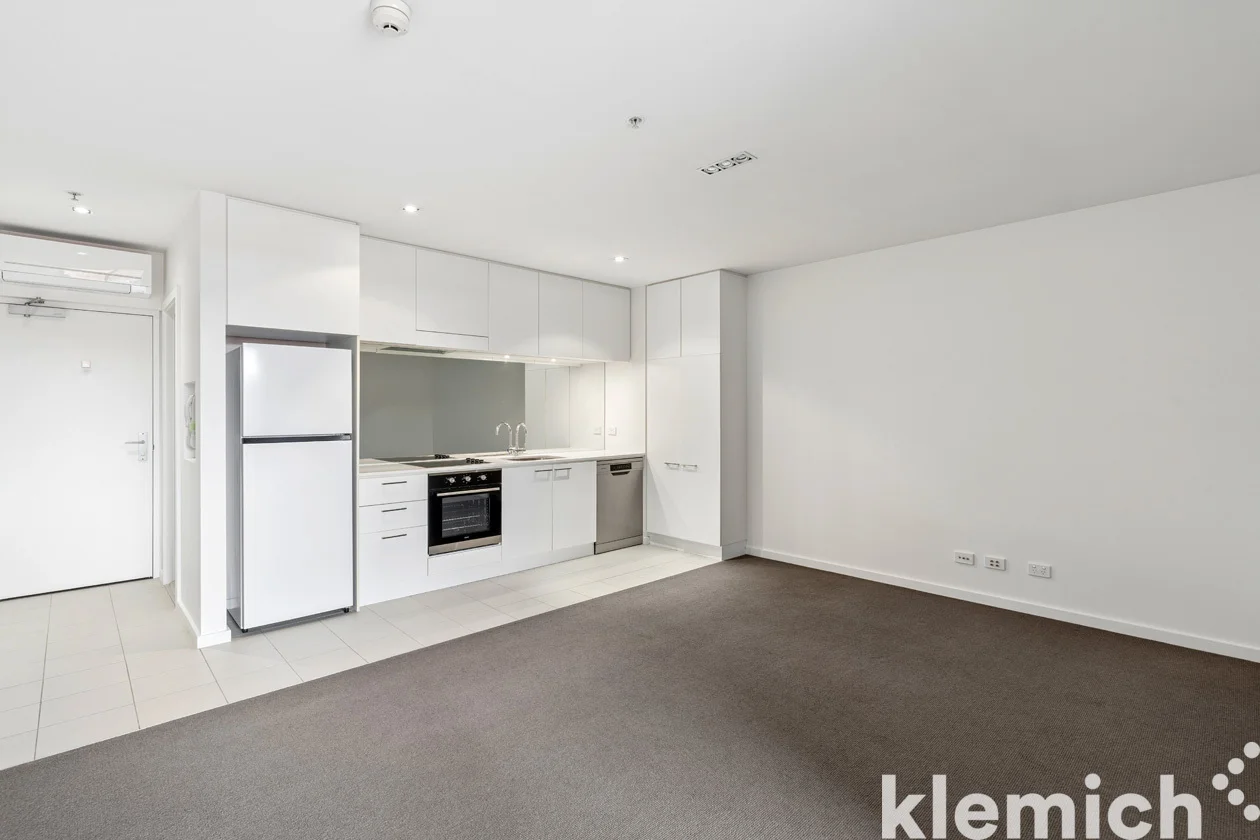 $440,000
Apartment / Unit / Flat
$440,000
Apartment / Unit / Flat
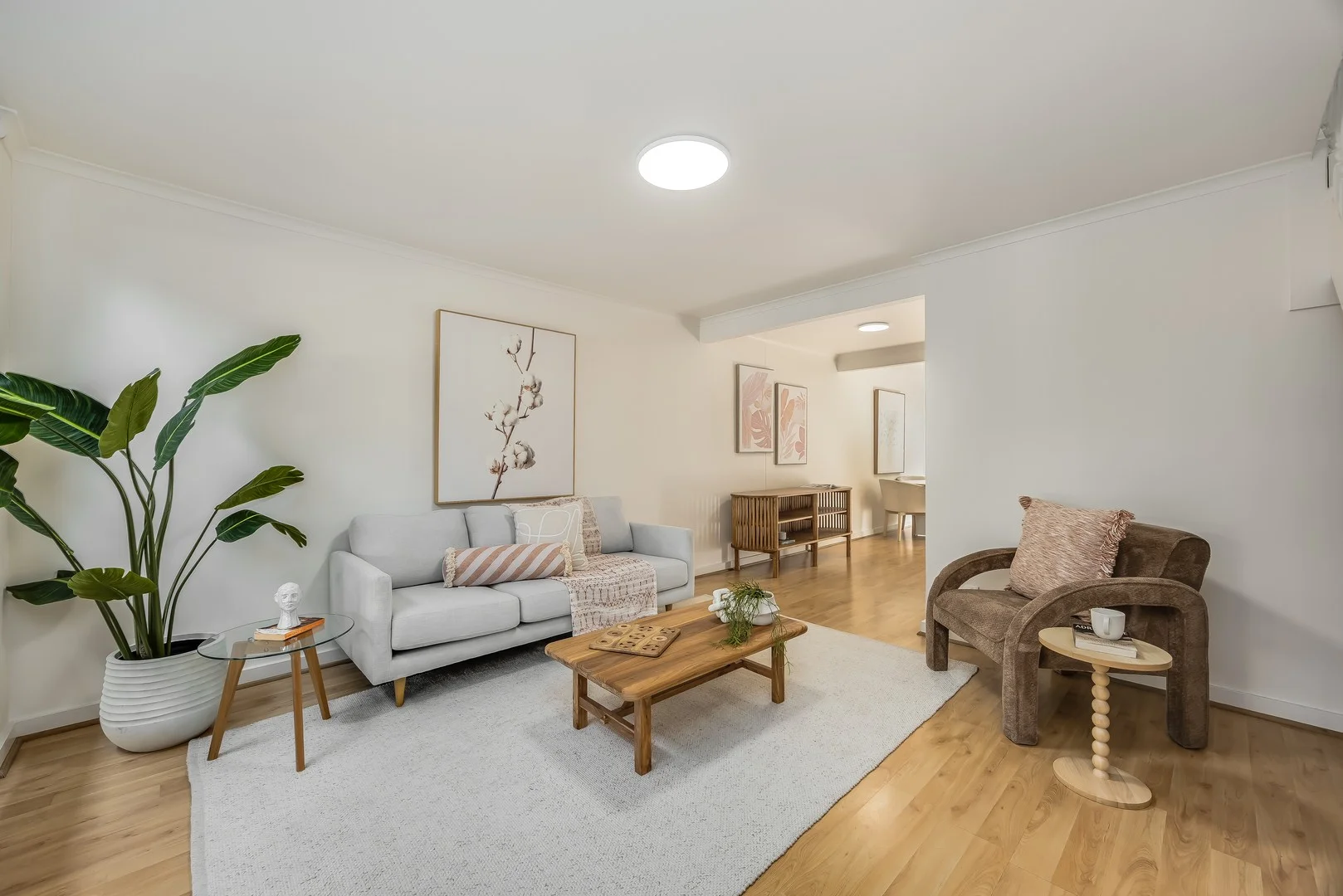 $775,000
House
$775,000
House
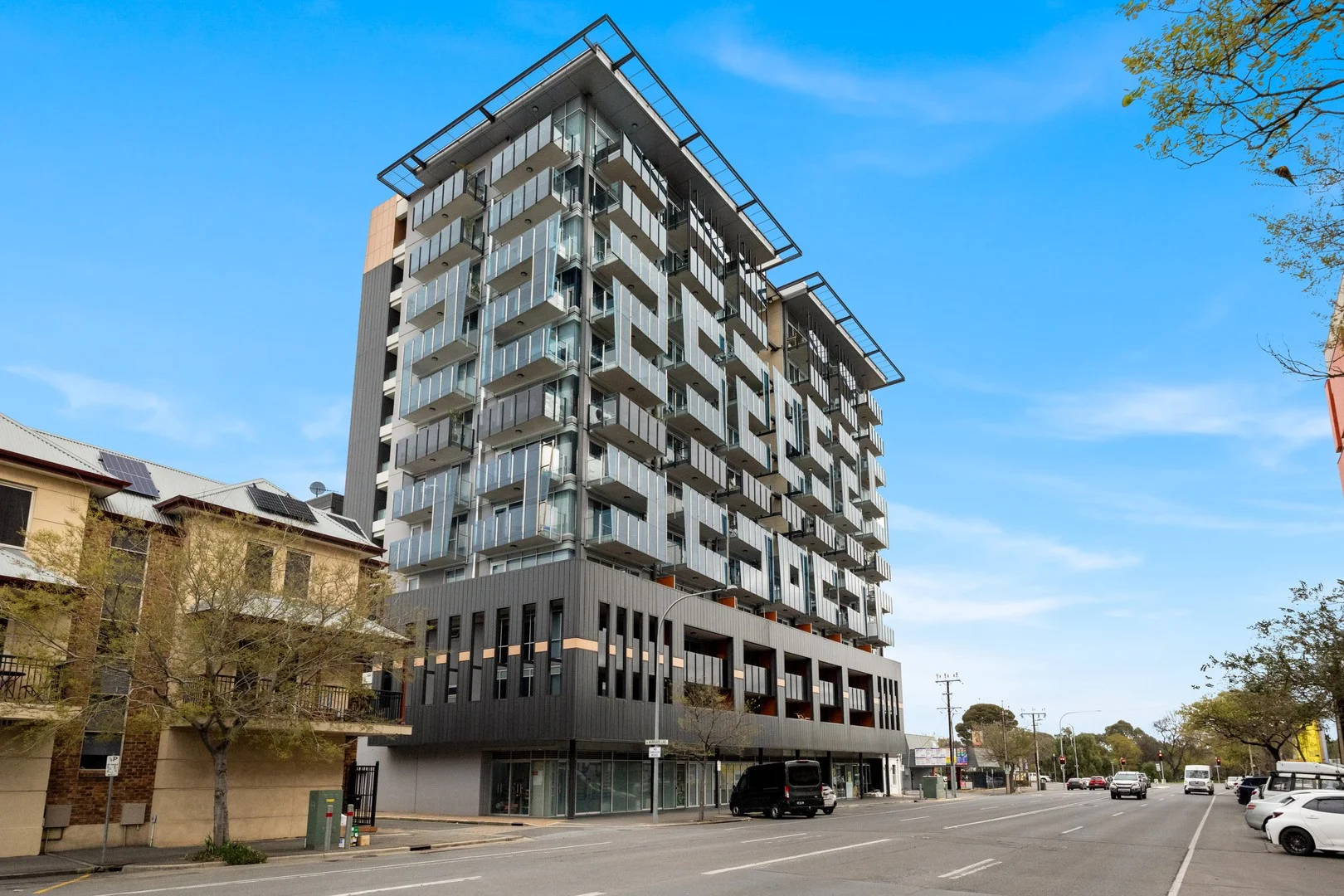 $1,100,000
Apartment / Unit / Flat
$1,100,000
Apartment / Unit / Flat