Overview
Marist College Eastwood is a Catholic school in the Marist tradition serving families in Eastwood and the surrounding NSW communities. The college offers a values-based education within the Sydney Catholic Education system, emphasising faith, knowledge and service. The environment is welcoming and inclusive, with a focus on personal growth, academic development and community involvement. Class sizes are designed to support individual attention in a medium-sized school community, contributing to a nurturing yet academically oriented atmosphere.
The school aims to balance strong academic programs with opportunities for sport, arts, faith formation and wellbeing. Students are encouraged to participate, contribute and lead within a supportive culture that values respect, integrity and collaboration.
Academics & Learning
- Academic strengths: English, Mathematics and Science are core strengths, with emphasis on STEM literacy, critical thinking and strong literacy across subjects. Languages and humanities programs support broad academic development and global awareness. Leadership, public speaking and citizenship are encouraged through classroom and co-curricular activities.
- Special programs: Gifted and talented pathways, accelerated learning options where appropriate, and senior study programs to support HSC/ATAR preparation within the NSW framework.
- Support for diverse learners: Dedicated learning support teams for EAL and SEN, targeted interventions, in-class supports and access to tutoring or resource adjustments to promote inclusive learning outcomes.
- Sports offered: A broad range of sports common to NSW secondary schools, including football (soccer), rugby, basketball, cricket, tennis, athletics, swimming and volleyball, with opportunities to represent the school in inter-school competitions.
- Strong teams or achievements: Competitive school teams that participate in local leagues and inter-school events, with emphasis on development, teamwork and sportsmanship.
- Music, arts, drama programs: Active music ensembles (choir and bands), drama productions and opportunities to perform at school events and community showcases.
- Clubs: Robotics, chess, coding and debating are available, along with various student clubs that promote inquiry, creativity and leadership.
- Partnerships: Engagement with local sports academies, community clubs and regional competitions to broaden opportunities and pathways for students.
Wellbeing & Pastoral Care
- Anti-bullying approach: Proactive, values-based behaviour policies with clear reporting and support structures; emphasis on respect, inclusion and safe school environments.
- House system: A house-based framework to foster community, belonging and healthy competition, leadership opportunities and peer mentoring.
- Counsellors / wellbeing officers: Access to school counsellors and wellbeing staff who provide confidential support, wellbeing programs and pathways to external services if needed.
- Transition support for new students: Orientation sessions, buddy systems, and transition programs to help new students settle in smoothly and build connections.
Facilities
- Sports grounds: Access to multiple sports fields and courts suitable for training and fixtures.
- Libraries: Well-equipped libraries with study spaces and digital resources.
- Science labs: Modern science laboratories designed for practical experiments and STEM activities.
- Music/performing arts centers: Dedicated spaces for music ensembles, drama productions and rehearsals.
- Tech/innovation labs: Computer labs and maker spaces that support coding, design and digital projects.
- Cafeteria: On-site canteen serving a range of healthy meals and snacks.
- Updated playgrounds: Safe outdoor spaces and play areas supporting recreation and break times.
- School values / mission: A mission centered on faith, service, learning excellence and integrity; emphasis on forming character and leadership within a Catholic framework.
- Leadership style: Student voice through councils and leadership roles; collaborative school leadership that invites input from students, staff and families.
- Behaviour expectations: Clear expectations aligned with the school values, consistent discipline policies and restorative approaches to behaviour.
- Community reputation: Reputation built on faith formation, academic diligence, inclusive culture and active family engagement.
- Diversity & inclusion: Commitment to welcoming students from diverse backgrounds and providing equitable access to opportunities and support.
School Logistics & Daily Operations
- School hours: Typical school day begins in the morning and concludes in the early afternoon, with structured breaks and timetabled classes across a full-year program.
- Before/after school care: Availability of supervised programs before and/or after school hours to support families.
- Uniform requirements: Clearly defined uniform standards for everyday wear and formal occasions, with guidelines for grooming and presentation.
- Transport (train/bus routes): Accessible public transport options and nearby bus routes; details provided by the school to help families plan commutes.
- Canteen availability: On-site canteen offering a variety of healthy meal and snack options.
- Fees: Fees fall within the medium to standard range for NSW Catholic schools, with general tuition, resource and activity charges; specific costs vary by year level and program.
Enrolment & Admissions
- What is the enrolment process and timeline?
- Submit an online application with required documentation (e.g., birth details, immunisation status, parish information where applicable).
- Shortlisting and invitation to an interview or information session.
- Notification of offer and acceptance; completion of enrolment paperwork and payment of any required fees.
- Confirmation of enrolment and orientation toward the start of the academic year.
- Is there a waiting list, and how does it work?
- Waiting lists may be used when intake is full. Placement is typically determined by date of application, availability, and sometimes parish or family considerations. Applicants are kept informed of status and any expected timelines.
- Are there any entry requirements, tests, or interviews?
- Entry may involve an interview or information session to understand fit with the school’s values and environment. Some years may require documentation or confirmation of prior schooling. Academic testing is not always required, but where applicable, it would be communicated during the application process.
- Does the school accept mid-year transfers?
- Mid-year transfers may be considered where spaces are available. Parents/guardians should contact Enrolments to discuss requirements, documents and the transfer timeline, including how records and assessments will be managed.
Frequently Asked Questions
- Why Parents Choose This School?
- A values-based Catholic education, strong community and support, solid academic programs, diverse extracurriculars and a wellbeing-focused culture.
- What type of student thrives at this school?
- Students who value faith formation, strong study habits, participation in sport and arts, and those who appreciate a supportive community that encourages leadership and service.
- What opportunities are available for students to extend their skills (academics, sports, arts)?
- Accelerated or gifted pathways, leadership opportunities, competitive sports programs, music ensembles, drama productions, debate and various clubs (robotics, coding, chess).
- How does the school communicate with parents?
- Regular emails and newsletters, a family portal or learning management system, parent-teacher meetings and information evenings.
- What is the school’s approach to teaching and learning?
- A blend of teacher-led and student-centered approaches, with a focus on literacy, numeracy, critical thinking, digital literacy and real-world application.
- How does the school support students who need extra academic help?
- Learning support services, targeted interventions, in-class accommodations and access to tutoring or mentoring as needed.
- What support is available for academic challenges?
- Dedicated guidance from teachers and support staff, referral pathways to counsellors or specialists, and adjustment strategies to help students succeed.
- How does the school communicate with parents?
- See above: regular updates via official channels, with opportunities for feedback through meetings and surveys.
- What extracurricular and sports opportunities are available?
- A broad range of sports, music and arts programs, clubs such as robotics, coding, chess and debating, plus inter-school competitions and community events.
- What facilities does the school offer (sports, science, arts)?
- Sports grounds, libraries, science labs, music/performing arts spaces, tech/innovation labs, canteen and updated outdoor spaces.
- What is the school’s approach to technology and digital learning?
- Integration of digital tools across the curriculum, access to computers or devices, online resources and instruction in digital literacy and responsible use.
- What transport and accessibility options are available?
- Nearby public transport options and school-supported transport information, with accessibility considerations to support students with mobility or other needs.
- What are the typical school fees or additional costs?
- Fees cover tuition, resources and activities; additional costs may include uniforms, excursions and specific program-related expenses. Exact figures vary by year level and program.
Short Pros & Cons
- Values-based Catholic education with a supportive, inclusive community.
- Broad academic and co-curricular offerings (sports, arts, clubs, leadership).
- Targeted wellbeing and pastoral support; strong emphasis on student care.
- Modern facilities and integrated learning environments.
- Opportunities for leadership, service and faith formation within a community setting.
- Religious affiliation may not align with all families’ beliefs.
- Fees and associated costs typical of NSW Catholic independent schools.
- Transport arrangements may require planning for families located farther away.
- Availability of certain programs or spaces can vary by year level and capacity.
 Free
Free









 $36,000,000 - $39,500,000
Vacant Land
$36,000,000 - $39,500,000
Vacant Land
 $1,525,000
Apartment / Unit / Flat
$1,525,000
Apartment / Unit / Flat
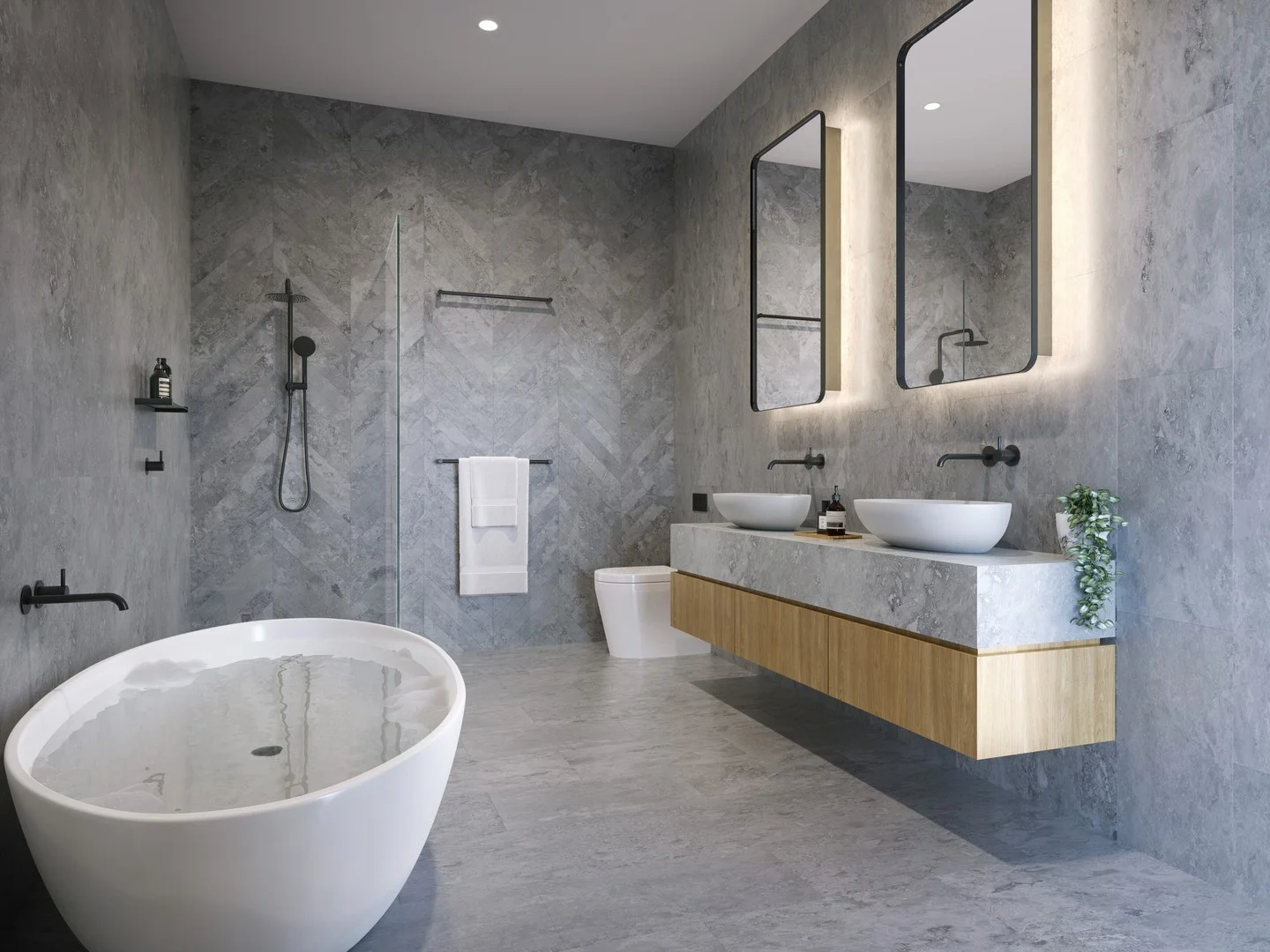 $2,824,000
Apartment / Unit / Flat
$2,824,000
Apartment / Unit / Flat
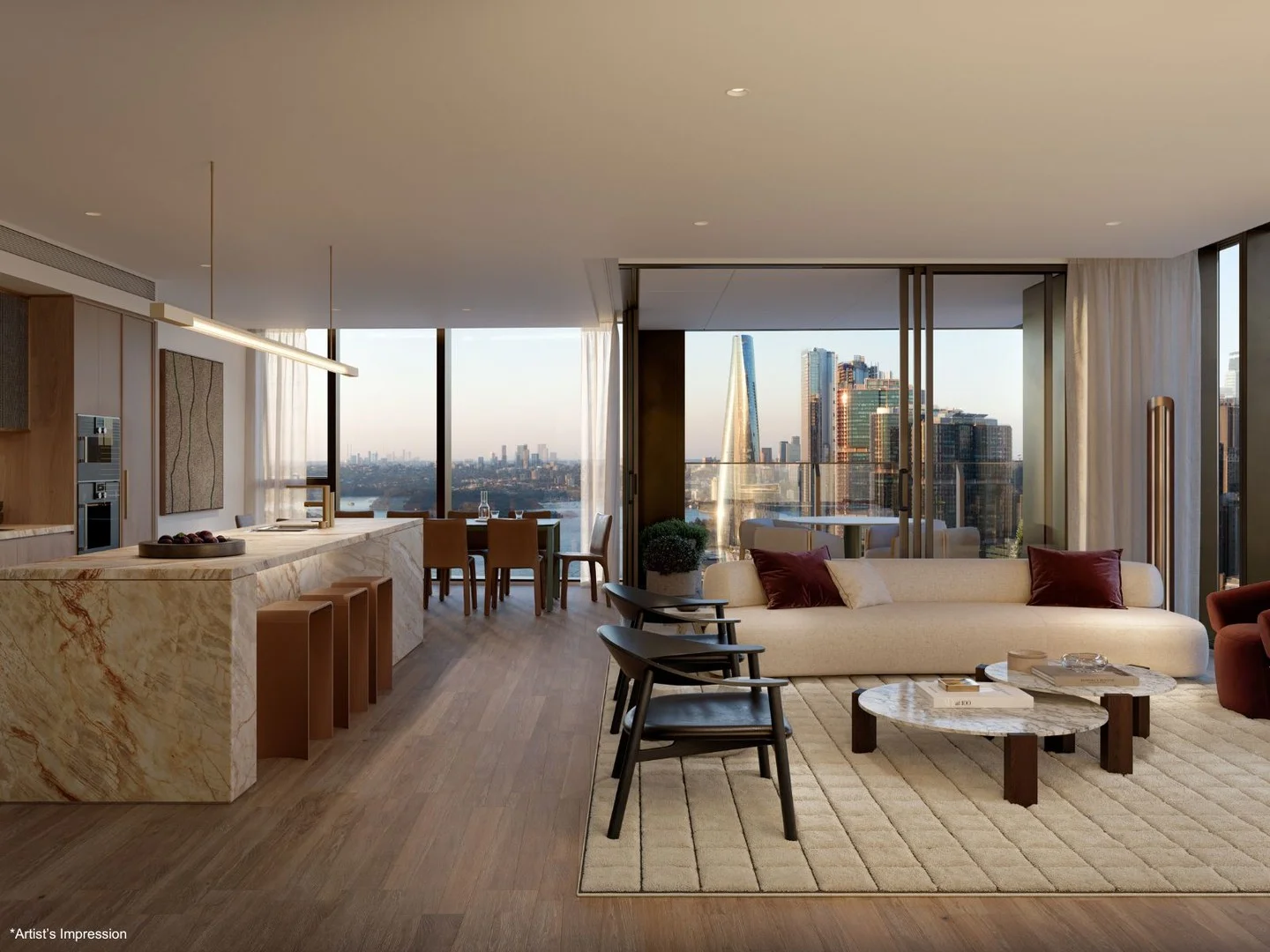 $12,980,000
propertyType.NEW APARTMENTS / OFF THE PLAN
$12,980,000
propertyType.NEW APARTMENTS / OFF THE PLAN
 $8,630,000
propertyType.NEW APARTMENTS / OFF THE PLAN
$8,630,000
propertyType.NEW APARTMENTS / OFF THE PLAN
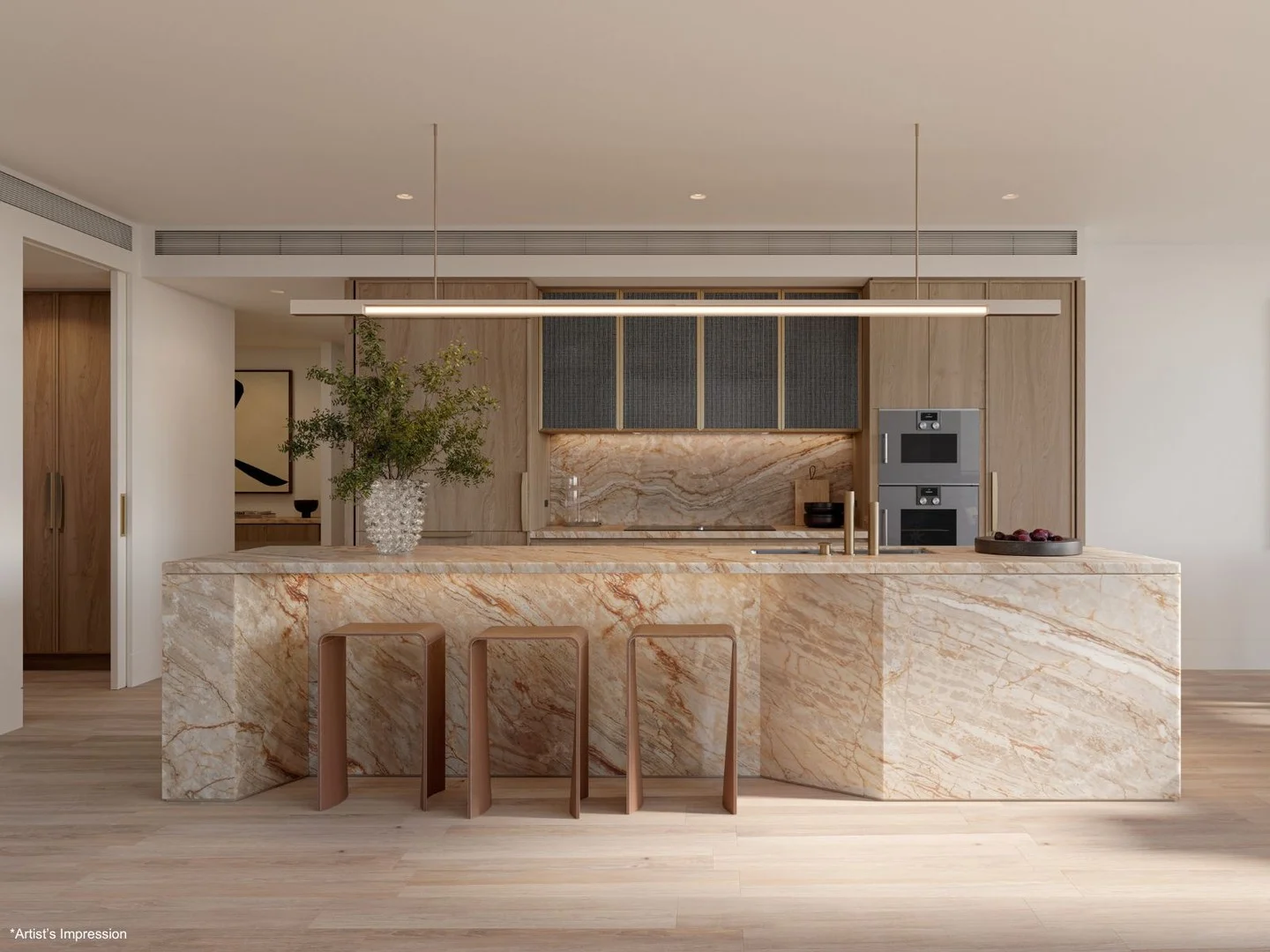 $6,225,000
propertyType.NEW APARTMENTS / OFF THE PLAN
$6,225,000
propertyType.NEW APARTMENTS / OFF THE PLAN
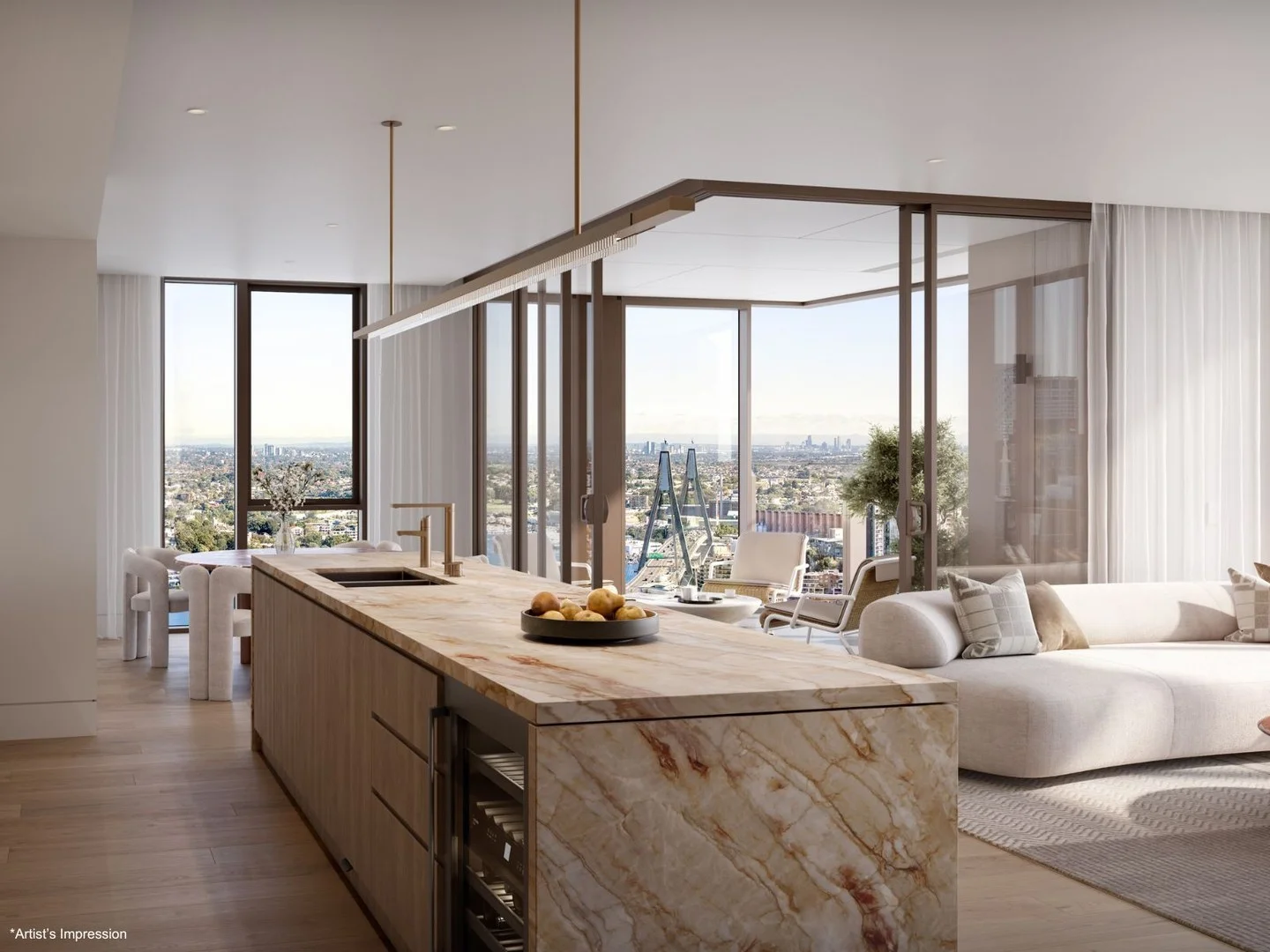 $9,020,000
propertyType.NEW APARTMENTS / OFF THE PLAN
$9,020,000
propertyType.NEW APARTMENTS / OFF THE PLAN
 $26,550,000
propertyType.NEW APARTMENTS / OFF THE PLAN
$26,550,000
propertyType.NEW APARTMENTS / OFF THE PLAN