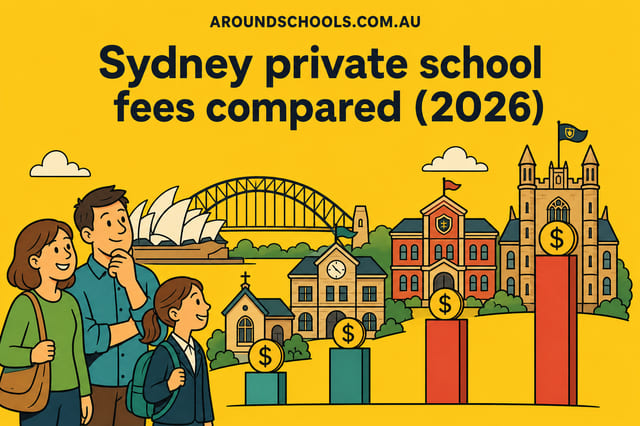
Overview
## 1. Overview (1–2 paragraphs max)
St Kevin’s Catholic Primary School is a Catholic, community-focused primary school serving families in Eastwood and surrounding areas. It offers a faith-centered education within a supportive, nurturing environment that values inclusion, character, and academic growth. The school fosters a collaborative culture where students are encouraged to engage with learning, develop leadership skills, and contribute positively to their community.
Size-wise, the school is medium in scale, with a typical enrolment that supports small-to-mid-sized class communities. Class sizes generally sit in the mid-20s, allowing for meaningful teacher-student interaction and individualized support while maintaining a vibrant, communal school life. The atmosphere is inclusive and family-friendly, with an emphasis on holistic development – academically, spiritually, physically, and socially.
⸻
## 2. Academics & Learning
- Academic strengths: Strong literacy and numeracy foundation, a clear focus on reading, writing, and mathematical problem solving, with opportunities to develop STEM thinking and problem-solving skills. Additional emphasis on character development and leadership within learning.
- Special programs: Integration of Catholic education values, provision for differentiated learning, and enrichment opportunities such as Gifted & Talented pathways where available. Access to targeted support for literacy and numeracy as needed.
- NAPLAN trends: Consistent performance with ongoing emphasis on progress and growth across literacy and numeracy. Regular progress monitoring informs teaching strategies to close gaps and strengthen high achievers.
- Student-teacher ratios: Class sizes typically in the low-to-mid 20s with teacher-to-student ratios designed to enable attentive instruction and timely feedback.
- Support for diverse learners: Strong support systems for EAL and students with additional learning needs, including learning support staff and targeted intervention programs.
⸻
## 3. Sports & Extracurricular Strengths
- Sports offered: Soccer, basketball, cricket, netball, athletics, and swimming programs are commonly available, with opportunities to participate in local inter-school competitions.
- Strong teams or achievements: Participation in inter-school events and local sports leagues, with emphasis on teamwork, sportsmanship, and personal development.
- Music, arts, drama programs: Regular music education, choir opportunities, and school productions or performances to showcase arts and drama talents.
- Clubs: Robotics, coding, chess, debating, and other lunchtime or after-school clubs support broad interests and problem-solving skills.
- Partnerships: Connections with local clubs and diocesan events enhance opportunities for competitions and collaborative activities.
⸻
## 4. Wellbeing & Pastoral Care
- Anti-bullying approach: Clear anti-bullying policies and programs, with a focus on safe, respectful relationships and restorative practices where needed.
- House system: A house-based culture that promotes teamwork, leadership, and healthy competition through school events and activities.
- Counsellors / wellbeing officers: Access to school-based wellbeing support, including counsellors or wellbeing staff to assist with social-emotional learning and transitions.
- Transition support for new students: Structured orientation, buddy systems, and targeted transition activities to help new students settle in smoothly.
⸻
## 5. Facilities
- Sports grounds: On-site sports facilities suitable for a range of physical activities and events.
- Libraries: A school library supporting reading programs, research, and quiet study.
- Science labs: Basic science resources and practical learning experiences.
- Music/performing arts centers: Space for music classes, rehearsals, and performances.
- Tech/innovation labs: Access to ICT resources and integrated learning technologies.
- Cafeteria: On-site or coordinated lunch services to support daily meals.
- Updated playgrounds: Well-maintained outdoor play spaces to encourage active play and exploration.
⸻
## 6. School Values & Community Culture
- School values / mission: A clear Catholic ethos emphasizing respect, compassion, responsibility, stewardship, and service to others.
- Leadership style: Collaborative leadership with opportunities for student voice and involvement in school life; teachers and staff support student leadership growth.
- Behaviour expectations: Positive behaviour framework focusing on respect, responsibility, and safe, supportive conduct.
- Community reputation: A welcoming, parish-connected community with active parent involvement and local partnerships.
- Diversity & inclusion: Commitment to an inclusive environment where families from diverse backgrounds are welcomed and supported.
⸻
## 7. School Logistics & Daily Operations
- School hours: Regular school day aligned with NSW primary schedules; typically starts in the morning and finishes in the afternoon, with term dates accordingly.
- Before/after school care: After-school care arrangements (OSHC or school-operated) may be available to families.
- Uniform requirements: Standard school uniform with seasonal adjustments (summer/winter), including hat requirements for sun safety.
- Transport (train/bus routes): Access to local public transport options and bus routes; proximity to nearby train services can influence drop-off and pick-up plans.
- Canteen availability: Canteen or lunch-order options to support daily meals.
- Fees (low/medium/high ranges): Fees exist for ongoing programs and activities, with a typical range in the moderate category for Catholic primary schools; check current school documentation for exact figures.
⸻
## 8. Enrolment & Admissions
11. What is the enrolment process and timeline?
- Submit the application with required documents, attend any information sessions, and participate in the school's admissions activities. Timelines vary by year and intake numbers.
12. Is there a waiting list, and how does it work?
- Waiting lists may apply when a year level is full. Priority often given to Catholic families, parish connections, and local catchment considerations, with ongoing communication from the school.
13. Are there any entry requirements, tests, or interviews?
- Typical steps include an interview or meeting with leadership, discussion of readiness and values alignment, and review of documentation. Some schools may request documentation related to faith commitment and family involvement.
14. Does the school accept mid-year transfers?
- Mid-year transfers are usually considered if space is available and the transfer aligns with admissions processes and timelines.
⸻
## 9. Frequently Asked Questions
- Why Parents Choose This School?
- A values-aligned, faith-centered environment with a supportive, inclusive community and a focus on holistic development.
- What type of student thrives at this school?
- Students who value community, faith integration in learning, cooperative teamwork, and balanced academic and personal growth.
- What opportunities are available for students to extend their skills (academics, sports, arts)?
- Enrichment in literacy, numeracy, STEM, leadership roles, sports teams, music/arts programs, and clubs such as robotics, coding, chess, and debating.
- How does the school communicate with parents?
- Regular newsletters, emails, parent portals, and updates through school apps or platforms to keep families informed.
- What is the school’s approach to teaching and learning?
- Student-centered, differentiated instruction with a focus on literacy, numeracy, problem-solving, and integrating Catholic values.
- How does the school support students who need extra academic help?
- Targeted learning support, small-group interventions, reading and numeracy assistance, and dedicated staff in an inclusive education framework.
- What support is available for academic challenges?
- Learning support teams, collaboration with specialists, and ongoing progress monitoring to tailor interventions.
- How does the school communicate with parents?
- See above: newsletters, emails, portals, and regular updates from teachers.
- What are the class sizes and how much individual attention do students receive?
- Class sizes typically sit in the 20s, with teachers providing regular feedback, differentiation, and opportunities for individual guidance.
- What extracurricular and sports opportunities are available?
- A range of sports, music and arts programs, and clubs such as robotics, coding, chess, and debating.
- What facilities does the school offer (sports, science, arts)?
- Sports grounds, libraries, science labs, music/performing arts spaces, tech/innovation labs, cafeteria, and updated playgrounds.
- What is the school’s approach to technology and digital learning?
- Integrated ICT use, digital literacy, and responsible use of technology as part of everyday learning.
- What transport and accessibility options are available?
- Access to local transport options and parking considerations; family-friendly drop-off/pick-up arrangements.
- What are the typical school fees or additional costs?
- There are essential fees and contributions; families should refer to current school documentation for exact amounts and any optional costs linked to activities.
⸻
## 10. Short Pros & Cons list
- Pros
- Catholic, values-based education in a nurturing, inclusive community
- Balanced focus on academics, wellbeing, and faith
- Strong support for diverse learners and a range of enrichment opportunities
- Varied sports, arts, and clubs, with opportunities for leadership and teamwork
- Positive parent and parish connections contributing to a supportive community
- Cons
- As a Catholic school, admissions and involvement may reflect faith-based preferences
- Fees and voluntary contributions apply, which may be a consideration for some families
- Class sizes in the 20s range; families seeking very small classes may want to verify current numbers
- Transport and commute logistics depend on local routing and proximity
⸻











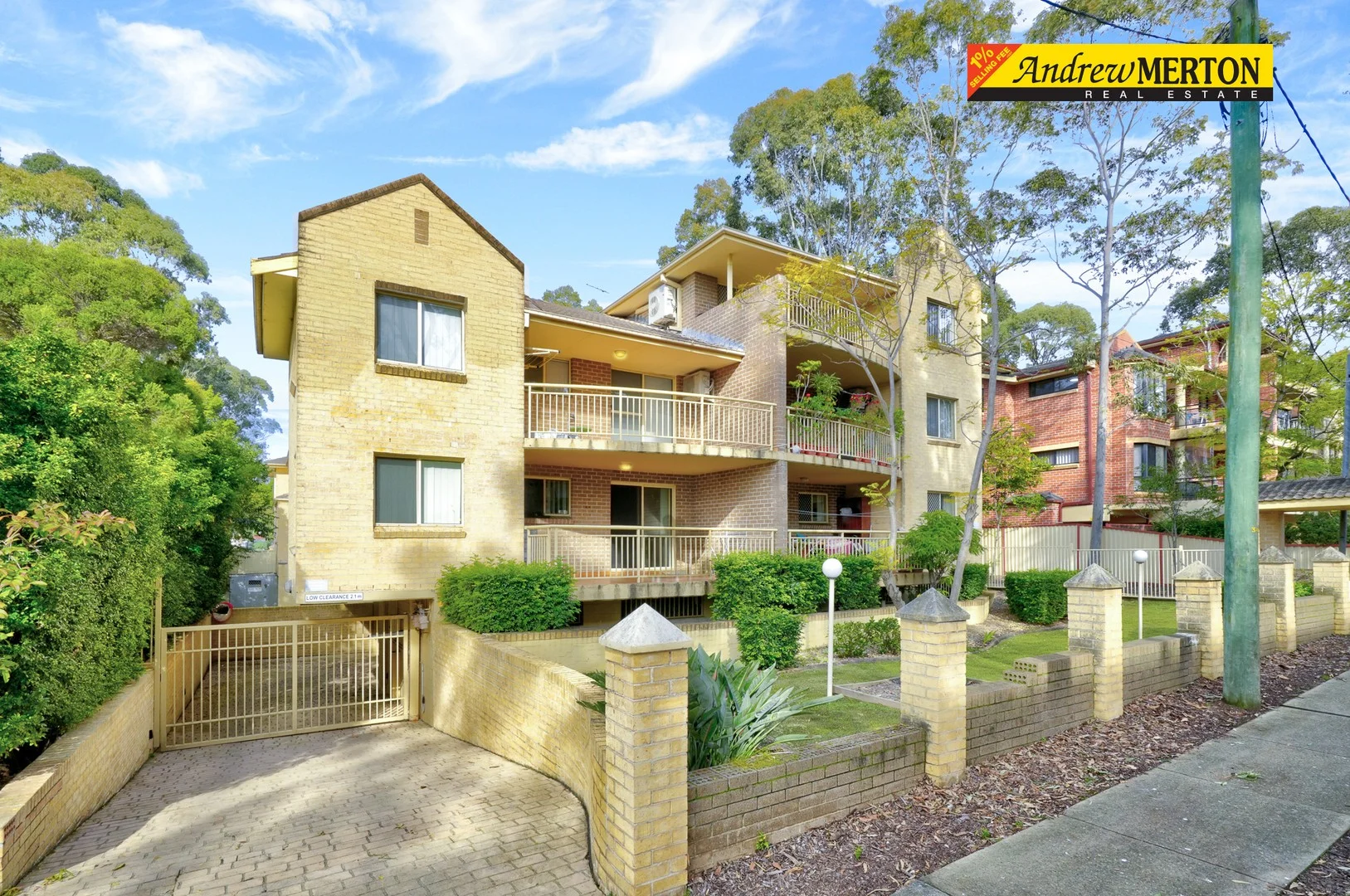 $530,000
Apartment / Unit / Flat
$530,000
Apartment / Unit / Flat
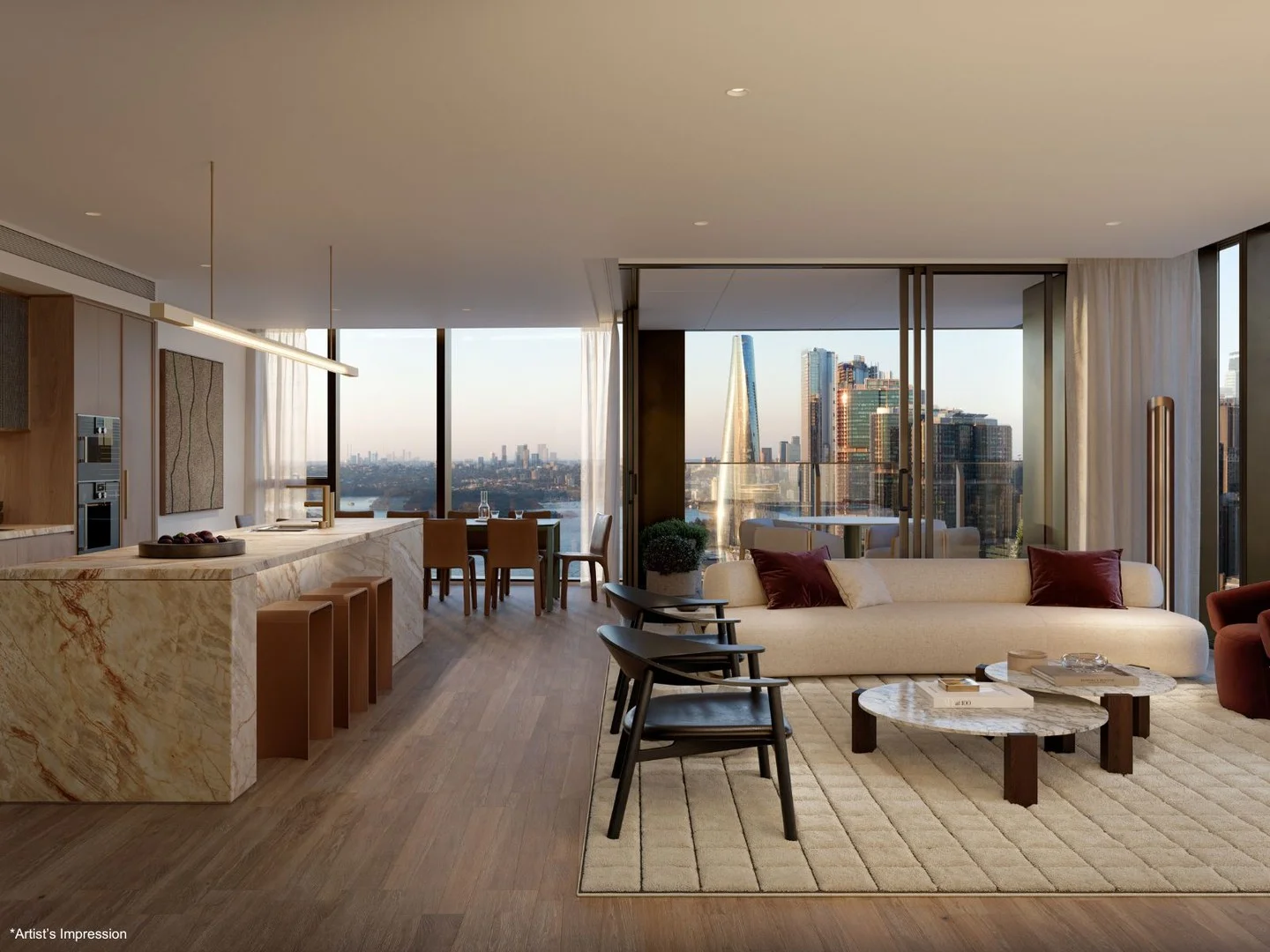 $12,980,000
propertyType.NEW APARTMENTS / OFF THE PLAN
$12,980,000
propertyType.NEW APARTMENTS / OFF THE PLAN
 $8,630,000
propertyType.NEW APARTMENTS / OFF THE PLAN
$8,630,000
propertyType.NEW APARTMENTS / OFF THE PLAN
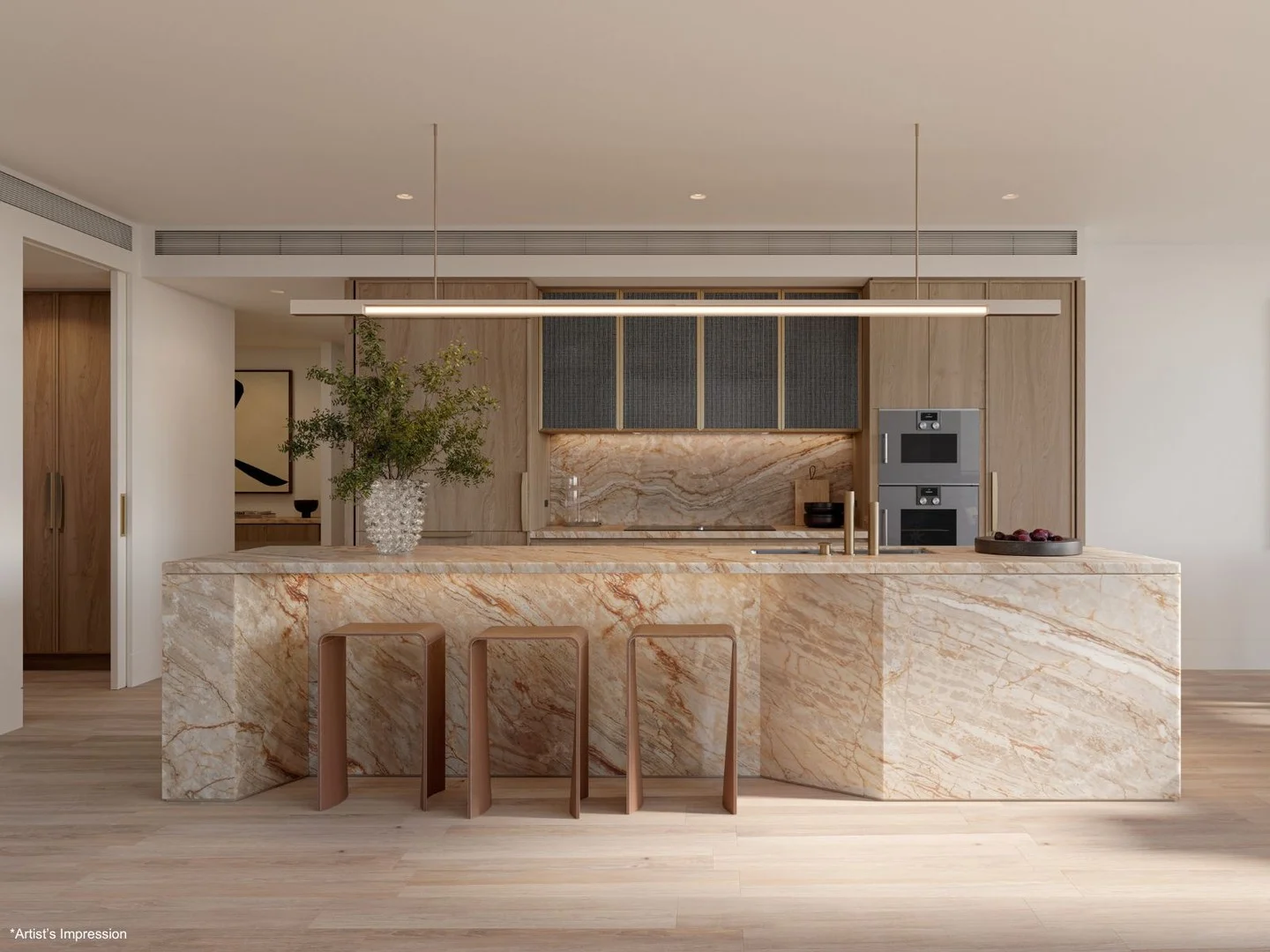 $6,225,000
propertyType.NEW APARTMENTS / OFF THE PLAN
$6,225,000
propertyType.NEW APARTMENTS / OFF THE PLAN
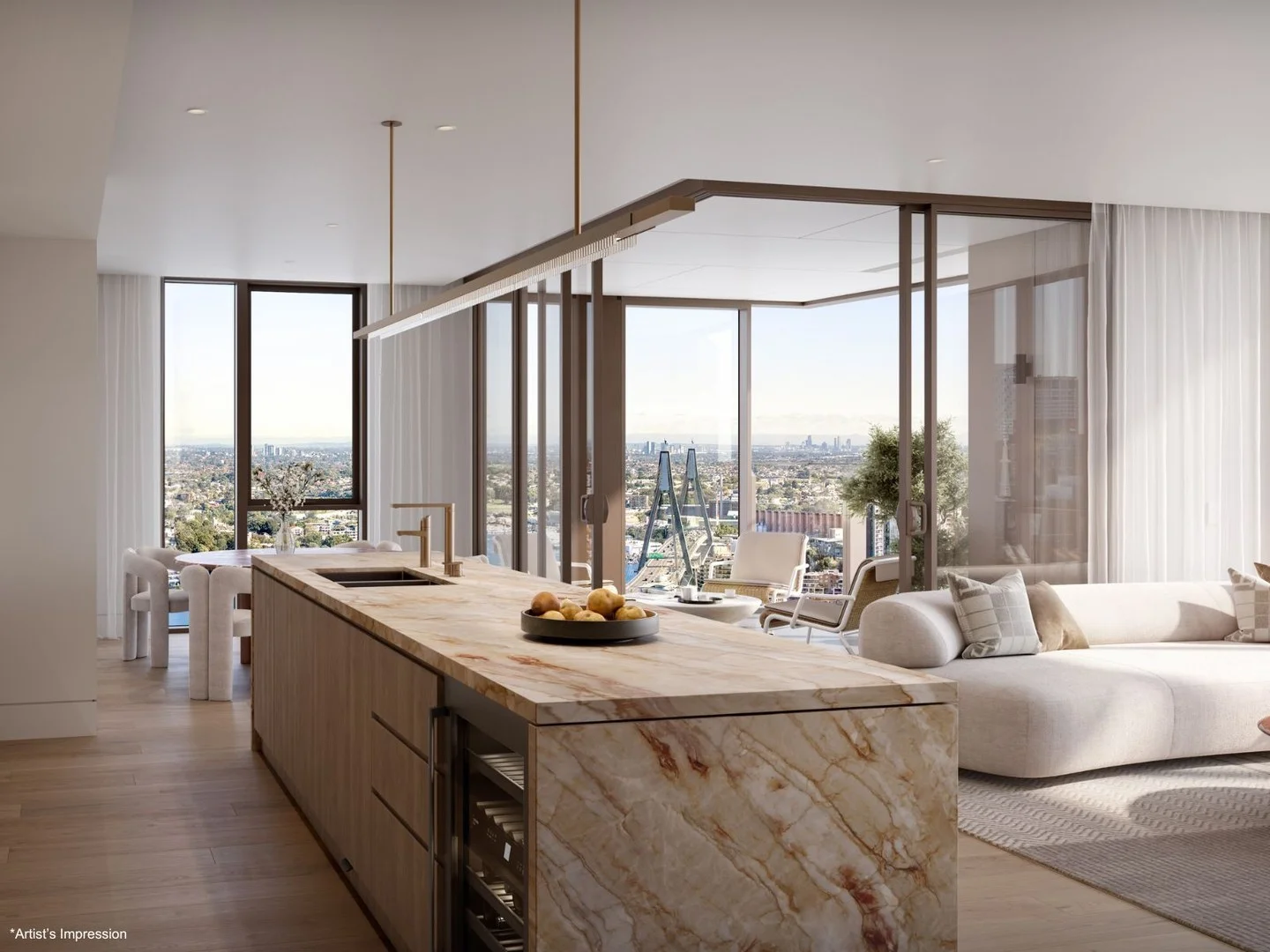 $9,020,000
propertyType.NEW APARTMENTS / OFF THE PLAN
$9,020,000
propertyType.NEW APARTMENTS / OFF THE PLAN
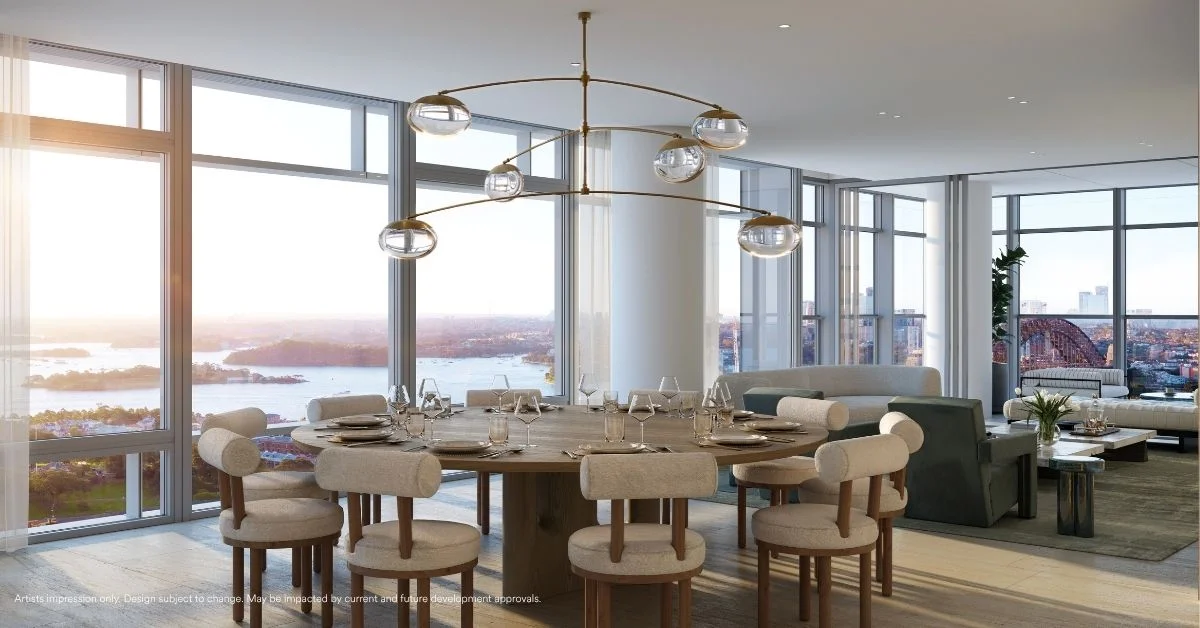 $26,550,000
propertyType.NEW APARTMENTS / OFF THE PLAN
$26,550,000
propertyType.NEW APARTMENTS / OFF THE PLAN