Overview
1. Overview
Maronite College of the Holy Family is a Catholic independent school serving families seeking a values-based, faith-inspired education in the Parramatta/NSW area. The college provides co-educational learning across key school years in a community that emphasises character, service and academic growth within a Maronite Catholic tradition.
The school is medium-sized, promoting a nurturing, inclusive atmosphere. Class sizes vary by year level but aim to be manageable and conducive to individual attention and strong student–teacher relationships, with a culture that supports both academic achievement and personal development.
⸻
2. Academics & Learning
- Academic strengths: Focus on strong literacy and numeracy foundations, integrated faith-based learning, with opportunities in STEM, English, humanities, languages and leadership development.
- Special programs: Religious education within the Maronite Catholic tradition; leadership opportunities; potential accelerated or gifted/talented pathways where available.
- NAPLAN trends: Historical data from NSW schools typically show steady progress in literacy and numeracy over time, with consistent performance across year levels and a focus on growth and learning.
- Student-teacher ratios: Classes are designed to support effective learning with teacher support available; ratios commonly range from small to mid-sized groupings depending on year level.
- Support for diverse learners: EAL and SEN support, inclusive education practices, targeted interventions and learning support staff to assist students requiring additional help.
⸻
3. Sports & Extracurricular Strengths
- Sports offered: Broad program across team and individual sports typical of NSW Catholic schools (e.g., soccer, basketball, rugby/leagues, cricket, athletics) with opportunities to participate in inter-school competitions.
- Strong teams or achievements: Competitive participation in local and regional events; emphasis on teamwork, discipline and sportsmanship.
- Music, arts, drama programs: Choirs, liturgical music, theatre and performing arts opportunities to showcase student talents.
- Clubs: Robotics, coding, chess, debating and other academic or interests clubs to develop skills beyond the classroom.
- Partnerships: Local community partnerships, inter-school competitions and diocesan events to broaden experiences and pathways.
⸻
4. Wellbeing & Pastoral Care
- Anti-bullying approach: Proactive programs and policies promoting respectful relationships, safeguarding and student welfare.
- House system: A house-based framework to foster belonging, friendly competition, leadership and community spirit.
- Counsellors / wellbeing officers: Access to school counselling and wellbeing support to help with social, emotional and academic needs.
- Transition support for new students: Orientation programs, buddy systems and targeted supports to help new students settle in smoothly.
⸻
5. Facilities
- Sports grounds: On-site sports facilities and fields for physical education and inter-school events.
- Libraries: Well-equipped library resources supporting reading, research and study.
- Science labs: Dedicated science spaces for practical experiments and inquiry-based learning.
- Music/performing arts centers: Spaces for music ensembles, drama productions and performances.
- Tech/innovation labs: Modern classrooms and technology spaces to support digital learning and innovation.
- Cafeteria: On-site canteen providing healthy meal options.
- Updated playgrounds: Safe, modern outdoor play and recreation areas.
⸻
6. School Values & Community Culture
- School values / mission: A faith-based mission rooted in Maronite Catholic values, emphasising service, integrity, respect and community.
- Leadership style: Participative and student-inclusive leadership opportunities alongside staff leadership; emphasis on personal responsibility and service.
- Behaviour expectations: Clear expectations around conduct, respect, responsibility and service to others; alignment with school values.
- Community reputation: Trusted within the local Catholic/Maronite community for a supportive, values-driven education and a focus on holistic development.
- Diversity & inclusion: Commitment to an inclusive community that values diversity within a Catholic framework and fosters belonging for all students.
⸻
7. School Logistics & Daily Operations
- School hours: Regular school day with start and finish times aligned to NSW norms; variations by year level may occur.
- Before/after school care: Available to support families with early drop-offs or late pick-ups.
- Uniform requirements: Clear uniform policy including daily wear and sports uniform; seasonal variations.
- Transport (train/bus routes): Access to local public transport routes and school bus options where available; proximity to key transit hubs.
- Canteen availability: On-site canteen or lunch options with healthy choices.
- Fees (low/medium/high ranges): Fees apply as a private Catholic independent school; exact figures vary by year and program; check current schedule for precise costs and any additional charges (uniforms, excursions, activities).
⸻
8. Enrolment & Admissions
11. What is the enrolment process and timeline?
- Submit an online or paper application with required documentation (birth certificate, immunisation, prior schooling records, etc.).
- Attend an information night or orientation session (where offered).
- Participate in interviews or family information sessions; complete any required assessments if applicable.
- Receive an offer of place and complete the enrolment agreement; confirm start date and any required deposits.
12. Is there a waiting list, and how does it work?
- Waiting lists may exist when year levels reach capacity. Priority often given to siblings, parish/feeder community members, and applicants meeting the school’s admission criteria. The school will provide guidance on waitlist timing and placement.
13. Are there any entry requirements, tests, or interviews?
- Entry requirements may include an interview, family information session, and review of prior academic records. Some year levels may require assessments or tasks to determine appropriate placement within the curriculum.
14. Does the school accept mid-year transfers?
- Mid-year transfers can be considered subject to space availability, pastoral considerations and a smooth transition plan for the student. The school will outline required documentation and steps for a mid-year move.
⸻
9. Frequently Asked Questions
- Why Parents Choose This School?
- A values-based Catholic education rooted in Maronite tradition, strong sense of community, focus on holistic development, supportive pastoral care, and a balance of academics, faith, arts and sport.
- What type of student thrives at this school?
- Students who value community, want a faith-informed environment, and are motivated to engage academically, athletically and artistically while contributing to service.
- What opportunities are available for students to extend their skills (academics, sports, arts)?
- A broad offering across academics, leadership, arts, performing arts, sports, clubs (robotics, coding, debating) and opportunities to participate in local and diocesan activities.
- How does the school communicate with parents?
- Regular updates through newsletters, emails, parent portals, parent-teacher meetings and information nights; clear channels for feedback and consultation.
- What is the school’s approach to teaching and learning?
- Curriculum-aligned instruction with a focus on literacy and numeracy, inquiry-based and differentiated learning, integration of faith-based values, and ongoing assessment to support growth.
- How does the school support students who need extra academic help?
- Targeted learning support, intervention programs, EAL assistance, SEN support and access to learning support staff within the classroom and in small-group settings.
- What support is available for academic challenges?
- Academic coaching, tutoring or tailored plans; collaboration with families to identify strategies and monitor progress.
- What are the class sizes and how much individual attention do students receive?
- Class sizes vary by year level but are designed to be conducive to engagement and teacher attention; ongoing differentiation and support are provided to meet student needs.
- What extracurricular and sports opportunities are available?
- A wide range of sports, music and arts programs, and clubs such as robotics, coding, chess and debating; participation in inter-school and community events.
- What facilities does the school offer (sports, science, arts)?
- Modern sports facilities, libraries, science labs, performing arts spaces, technology and innovation labs, on-site canteen and well-maintained outdoor spaces.
- What is the school’s approach to technology and digital learning?
- Integration of technology across the curriculum, digital learning platforms, appropriate device use, and focus on digital citizenship and safety.
- What transport and accessibility options are available?
- Access to local public transport routes and potential school bus services; facilities designed to be accessible and family-friendly.
- What are typical school fees or additional costs?
- Fees apply for independent Catholic schooling; there are ongoing and occasional costs (uniforms, excursions, activities) beyond base tuition. Specific figures are provided by the school during enrolment.
⸻
10. Short Pros & Cons list
- Pros
- Strong values-based education rooted in Maronite Catholic tradition
- Supportive pastoral care and wellbeing programs
- Broad range of academic, arts and sports opportunities
- Inclusive school culture with emphasis on community and service
- Modern facilities and resources to support learning
- Cons
- Fees apply as a private independent school
- Transitions may involve travel for some families
- Class sizes and resource allocation can vary by year level
⸻












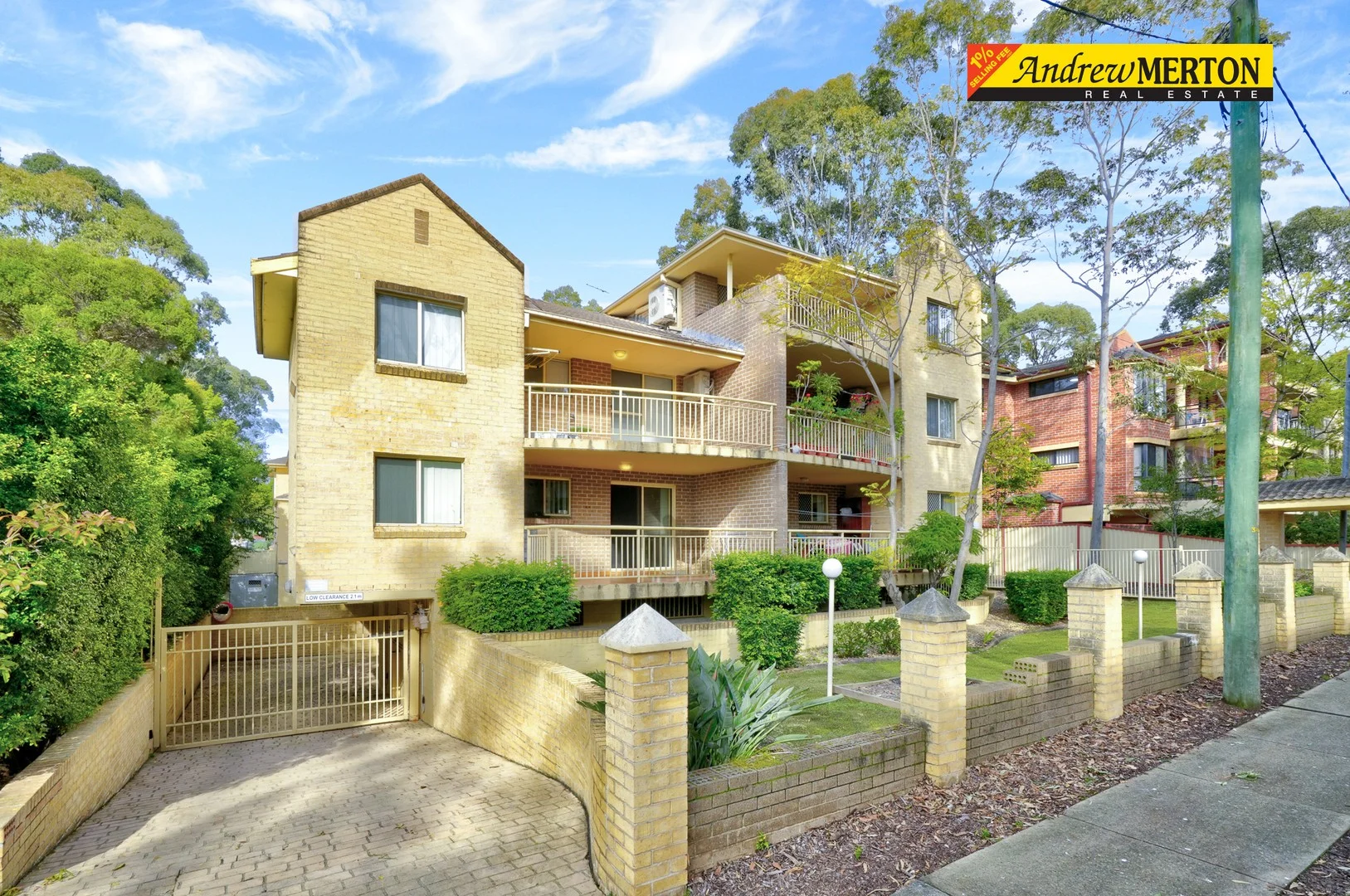 $530,000
Apartment / Unit / Flat
$530,000
Apartment / Unit / Flat
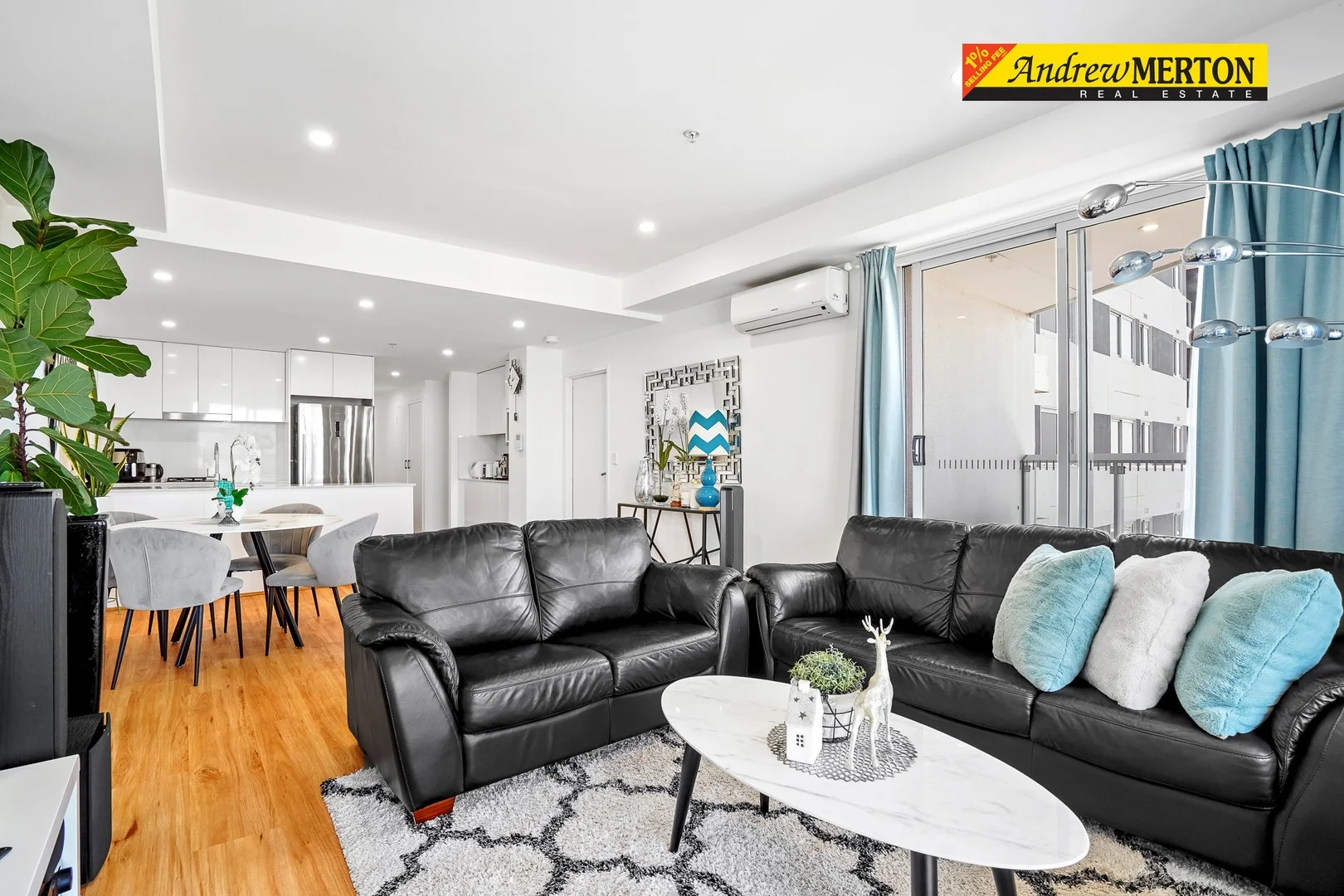 $475,000
Apartment / Unit / Flat
$475,000
Apartment / Unit / Flat
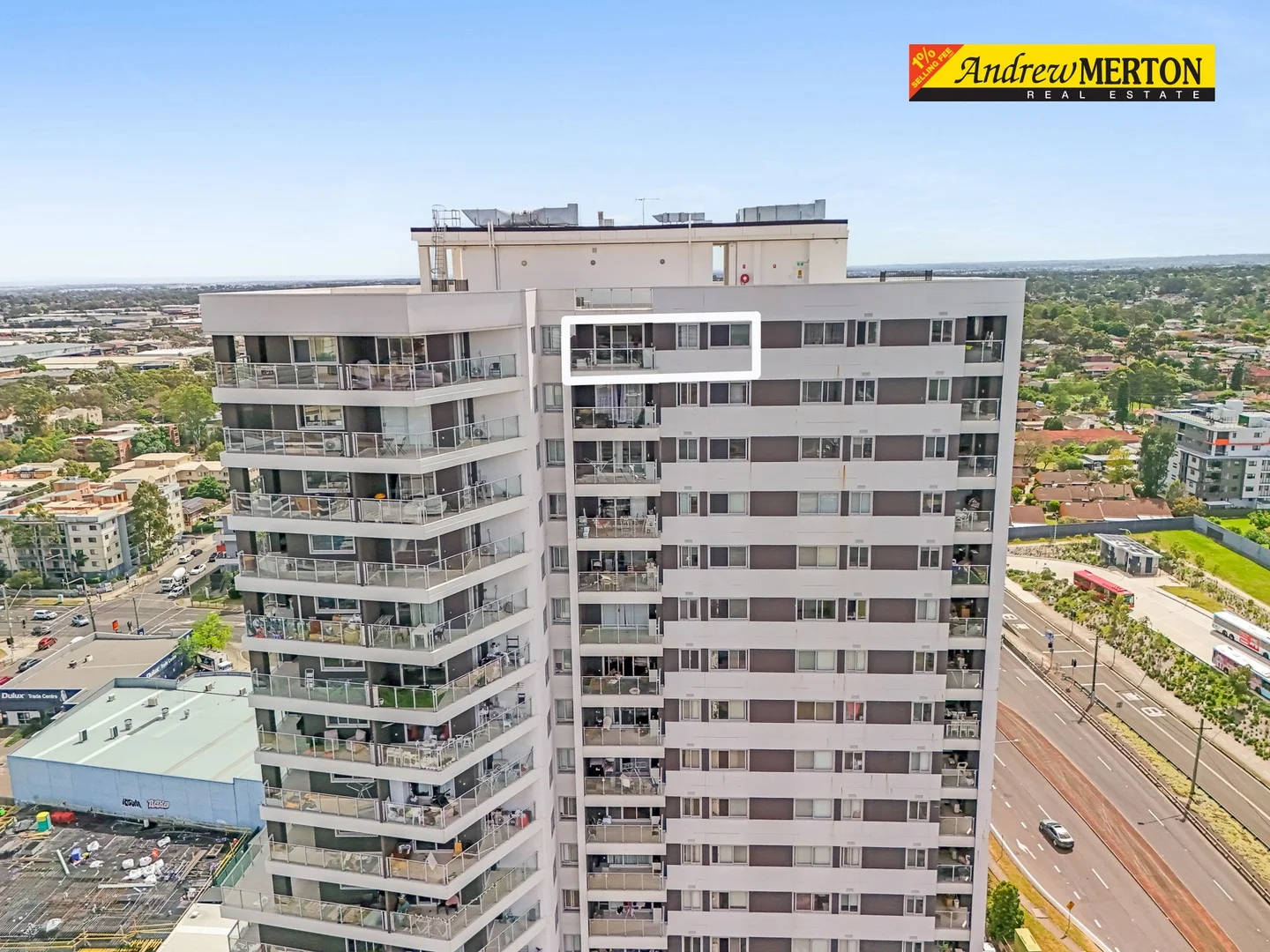 $399,900
Apartment / Unit / Flat
$399,900
Apartment / Unit / Flat