Overview
## 1. Overview
Our Lady Of Lebanon College Harris Park is a Catholic secondary school serving families in the Parramatta region. The school aims to provide a values-based education within a supportive, inclusive community that emphasises faith formation, academic development and holistic growth. With a medium-sized student body and mid-range class sizes, the environment tends to feel collaborative and welcoming, helping students feel known and valued.
The atmosphere combines nurturing guidance with opportunities to excel academically, participate in faith-based activities, and contribute to school life through clubs, sport and service. The culture emphasises respect, resilience and community spirit, making it a place where diversity is welcomed and students are encouraged to pursue their individual strengths.
---
## 2. Academics & Learning
- Academic strengths: English, humanities and STEM are central focuses, with emphasis on literacy, critical thinking and problem-solving. Leadership development and service-learning are embedded in the curriculum to prepare students for future study and work.
- Special programs: Enrichment or accelerated opportunities may be available for students seeking greater challenge; programs tailored to leadership, faith formation and pastoral growth are often integrated into school life.
- NAPLAN / Ofsted trends: Publicly available trend data vary by year. NSW school profiles typically show ongoing performance in literacy and numeracy with steady or improving trajectories; for the latest trend data, consult the NSW Department of Education’s School Performance information or the school’s annual report.
- Student-teacher ratios: Class sizes are mid-range, designed to balance individual attention with productive collaboration. Student-teacher ratios are typically in the upper-teens to low-twenties per class, depending on subject and year level.
- Support for diverse learners: Strong support for diverse learners including EAL (English as an Additional Language) assistance and SEN (Special Educational Needs) support through learning support staff, targeted interventions and access to appropriate resources.
---
## 3. Sports & Extracurricular Strengths
- Sports offered: A range of team and individual sports commonly include netball, basketball, soccer/football, volleyball and athletics, with opportunities to compete in inter-school events and local championships.
- Strong teams or achievements: School teams and individual performers participate in regional competitions; emphasis is placed on teamwork, athletics, and fair play, with opportunities to earn leadership roles within teams.
- Music, arts, drama programs: Active music ensembles, drama productions and other arts initiatives are typically available, providing performance opportunities for varying levels of interest and ability.
- Clubs: Robotics, chess, coding and debating are commonly available, along with other interest-based clubs that foster inquiry, critical thinking and collaboration.
- Partnerships: Participation in local clubs, inter-school competitions and community arts or sports partnerships enhances opportunities for development beyond the classroom.
---
## 4. Wellbeing & Pastoral Care
- Anti-bullying approach: A whole-school wellbeing framework supports a respectful culture with clear anti-bullying policies, student leads, and ongoing education.
- House system: A house structure fosters belonging, healthy competition and peer mentoring across year levels.
- Counsellors / wellbeing officers: Access to school counsellors or wellbeing staff provides pastoral support, guidance, and confidential assistance for students.
- Transition support for new students: Orientation activities, buddy programs and targeted transition support help new students settle into school life and build connections quickly.
---
## 5. Facilities
- Sports grounds: On-site pitches and courts for a variety of team sports and physical education.
- Libraries: A dedicated library space supporting reading, study and research with access to books and digital resources.
- Science labs: Modern science teaching spaces equipped for practical experiments and inquiry-based learning.
- Music/performing arts centers: Facilities to support music ensembles, theatre and performance activities.
- Tech/innovation labs: Dedicated spaces for technology, coding, robotics and digital projects.
- Cafeteria: On-site canteen or dining space for meals and snacks.
- Updated playgrounds: Well-maintained outdoor spaces for recreation and informal learning opportunities.
---
## 6. School Values & Community Culture
- School values / mission: A values-driven mission rooted in Catholic identity, focusing on respect, responsibility, compassion, excellence and service.
- Leadership style: Participative leadership that encourages student voice, staff collaboration and strong pastoral care.
- Behaviour expectations: Clear behaviours aligned with school values; consistent discipline processes emphasise safety, respect and accountability.
- Community reputation: Built on a reputation for supportive, faith-based education and inclusive community involvement within the local area.
- Diversity & inclusion: Commitment to welcoming students from diverse backgrounds and ensuring access to opportunities for all.
---
## 7. School Logistics & Daily Operations
- School hours: The day generally runs within the NSW school timetable, with start and finish times aligned to standard secondary school patterns (typical start around the morning and finish in the afternoon).
- Before/after school care: Some NSW Catholic schools offer care options; check with the school for availability and fees.
- Uniform requirements: A formal school uniform is required, with specified items for everyday wear and athletic or terrain-specific gear for sports.
- Transport (train/bus routes): Located in Harris Park with access to local bus routes and nearby rail links; public transport is commonly used by families, with school-initiated guidance on transport options.
- Canteen availability: An on-site canteen or cafeteria service is usually available to students.
- Fees (low/medium/high ranges): Fee structures are typical of NSW Catholic secondary schools, with annual tuition, resource, and material costs; exact amounts vary by year level and program. Contact the school for current fees.
---
## 8. Enrolment & Admissions
11. What is the enrolment process and timeline?
- Submit an enrolment application along with required documentation (birth certificate, immunisation records, proof of residency, etc.).
- Attend open days or information sessions if offered.
- Complete any school-specific steps (interviews or information sessions) and return documentation by the advised deadlines.
- Receive an offer and enrolment confirmation; follow any onboarding steps to commence the following year.
12. Is there a waiting list, and how does it work?
- Waiting lists are possible if applications exceed places. Allocation often considers factors such as sibling preference, parish affiliation, and timing of the application. The school can provide guidance on current wait times and how the list is managed.
13. Are there any entry requirements, tests, or interviews?
- Some Catholic schools conduct interviews or information sessions as part of the enrolment process. Documentation and references may be requested, and there may be discussions around faith formation and student goals. Specific tests are not universally required; check the school’s latest enrolment information.
14. Does the school accept mid-year transfers?
- Mid-year transfers may be possible subject to availability of places, current school transcripts or reports, and approvals by the enrolling authority. Contact the school early to discuss options and required documents.
---
## 9. Frequently Asked Questions
- Why Parents Choose This School?
- Catholic values-based education, supportive community, focus on holistic development, and opportunities in academics, sport and the arts.
- What type of student thrives at this school?
- Students who value community, faith formation, and active participation in class, clubs and teams; those who respond well to a values-driven, inclusive learning environment.
- What opportunities are available for students to extend their skills (academics, sports, arts)?
- Enrichment in English and STEM, leadership and service opportunities, accelerated or enrichment pathways where offered, robust sport squads, music ensembles, drama productions, robotics, coding and debating clubs.
- How does the school communicate with parents?
- Regular newsletters, emails, parent portals and formal parent-teacher interviews; clear channels for updates on events and student progress.
- What is the school’s approach to teaching and learning?
- Student-centered, inclusive and engagement-focused, with a blend of traditional instruction, inquiry-based learning and faith-informed reflection; emphasis on literacy, numeracy and critical thinking.
- How does the school support students who need extra academic help?
- Targeted learning support, SEN services and EAL assistance; access to learning support staff and personalised interventions.
- What support is available for academic challenges?
- Access to tutoring, study skill development, and tailored plans; ongoing monitoring and adjustments to teaching approaches as needed.
- How does the school communicate with parents? ( duplicates the above)
- See above for communication channels and frequency.
- What are the class sizes and how much individual attention do students receive?
- Class sizes are mid-range, designed to balance collaboration with individual attention; teachers can provide focused support within the school day.
- What extracurricular and sports opportunities are available?
- A range of sports, music, arts and drama, plus clubs like robotics, chess, coding and debating; competitive teams and local or regional events.
- What facilities does the school offer (sports, science, arts)?
- Modern sports facilities, science labs, music/performing arts spaces, libraries and tech/innovation labs, plus canteen and outdoor learning areas.
- What is the school’s approach to technology and digital learning?
- Emphasis on responsible digital learning, access to devices and software for learning, and integrating technology into core subjects where appropriate.
- What transport and accessibility options are available?
- Access to local bus routes and nearby rail services; guidance on transport options and accessibility for families.
- What are the typical school fees or additional costs?
- Fees vary by year level and program; there are standard ongoing costs (uniforms, electives, excursions) in addition to tuition. Contact the school for current fee schedules.
---
## 10. Short Pros & Cons
- Pros
- Catholic values-based education with a nurturing, inclusive culture
- Mid-sized, community-focused environment encouraging student engagement
- Balanced emphasis on academics, wellbeing, sport and the arts
- Access to learning support, EAL and SEN services
- Wide range of co-curricular activities and clubs
- Clear communication with families and structured pastoral care
- Cons
- As a faith-based school, religious formation is a core component, which may not suit all families
- Fees apply (as with many private/Catholic schools) and can vary by program
- Availability of mid-year transfers and places can depend on current demand and capacity










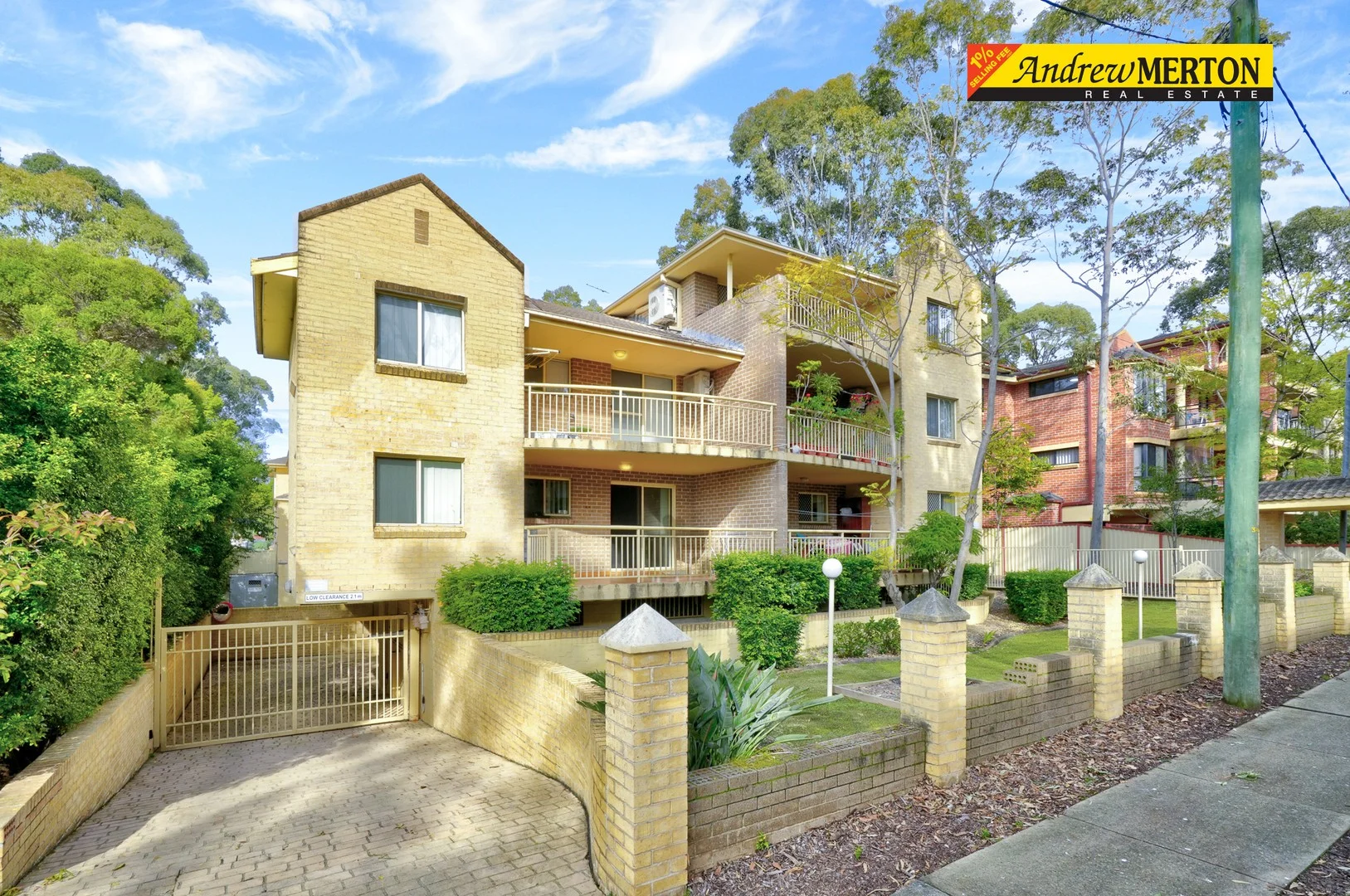 $530,000
Apartment / Unit / Flat
$530,000
Apartment / Unit / Flat
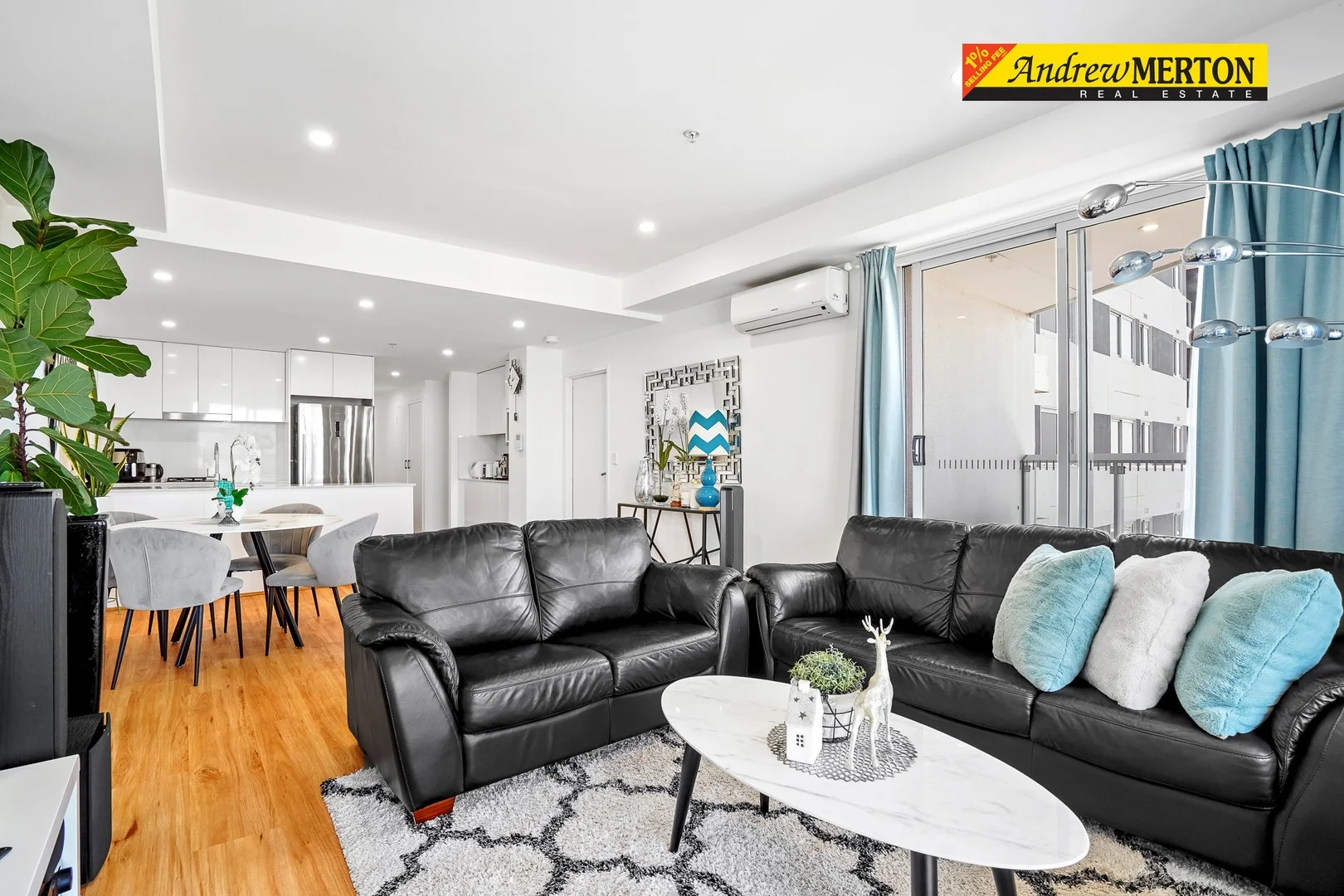 $475,000
Apartment / Unit / Flat
$475,000
Apartment / Unit / Flat
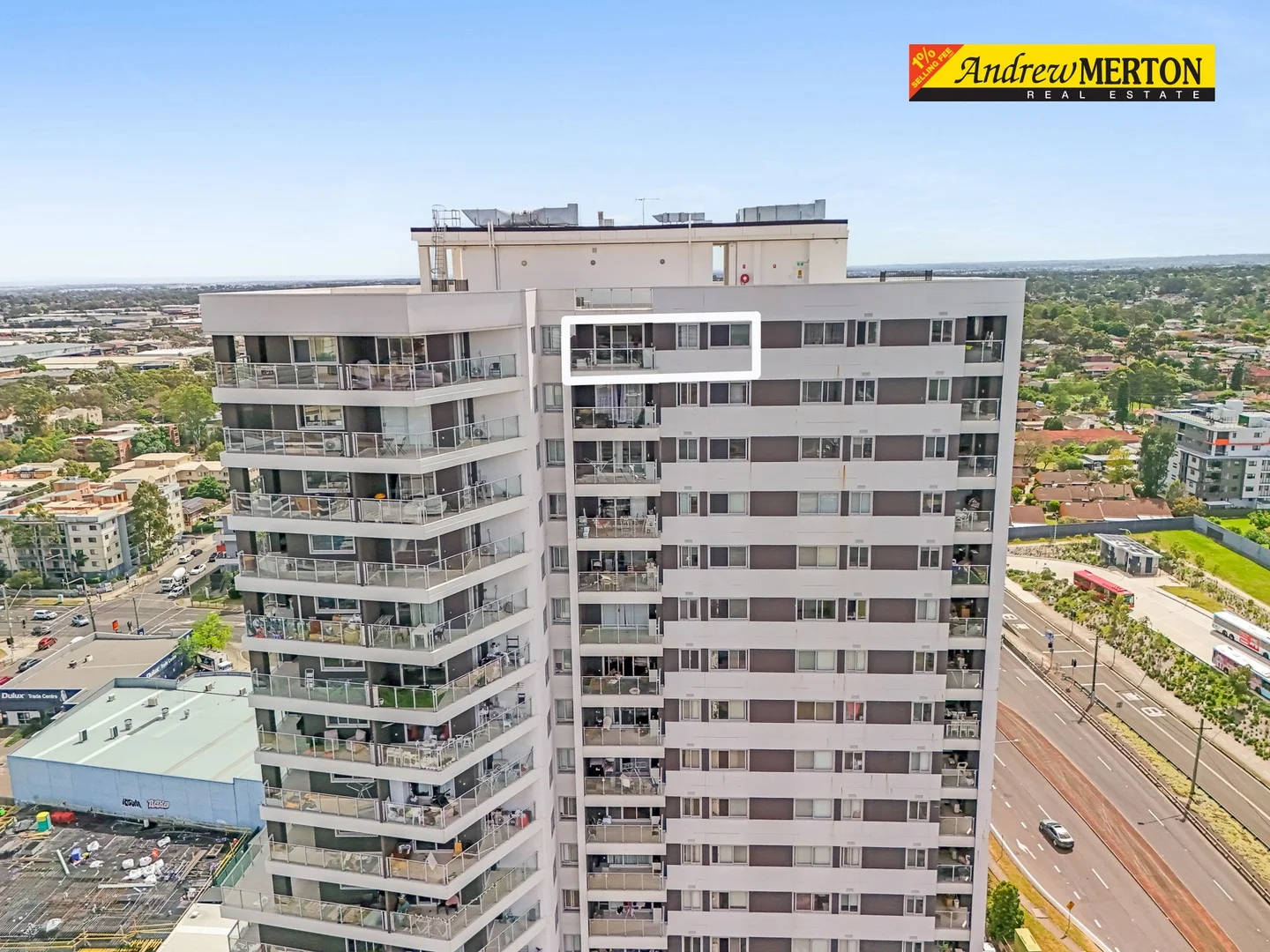 $399,900
Apartment / Unit / Flat
$399,900
Apartment / Unit / Flat