Overview
## Overview
Mater Dei Catholic Primary School, Blakehurst is a Catholic, co-educational primary school that emphasises faith-based education within a nurturing, inclusive community. As a medium-sized school, it aims to provide personalised attention while fostering a strong sense of belonging and participation among students, families, and staff. Class sizes are designed to be manageable (roughly in the low-to-mid 20s per class), supporting close teacher-student relationships and active engagement in learning.
The school aims to balance academic growth with character development, service to others, and opportunities for leadership. The atmosphere is typically described as welcoming and supportive, with a focus on faith, respect, and collaboration among students, families, and the broader parish community.
⸻
## Academics & Learning
- Academic strengths: strong emphasis on literacy and numeracy, with integration of faith-based learning and character education. Focus remains on developing confident readers and writers, as well as critical thinking and problem-solving skills.
- Special programs: Gifted and Talented (where available), leadership development opportunities, digital literacy and coding initiatives, and integrated religious education that supports whole-child development.
- NAPLAN trends: generally stable to improving over time in literacy and numeracy, with ongoing focus on targeting individual student growth. Refer to NSW data for the latest year-to-year trends.
- Student-teacher ratios: class sizes designed to be small to medium, typically around 1:15 to 1:20 in many year levels, to enable more personalised guidance.
- Support for diverse learners: strong support for EAL (English as an Additional Language) and SEN (Special Educational Needs) through dedicated staff and targeted programs, aiming for inclusive learning environments.
⸻
## Sports & Extracurricular Strengths
- Sports offered: rugby league, soccer, basketball, netball, cricket, athletics, swimming and other field sports as part of inter-school programs.
- Strong teams or achievements: active participation in inter-school and regional competitions; opportunities to contribute to school teams and develop athletic skills.
- Music, arts, drama programs: school ensembles, choir or orchestra opportunities, with regular performances and drama activities as part of the broader arts curriculum.
- Clubs: robotics, chess, coding, debating, and other student clubs to broaden skills beyond core academics.
- Partnerships: connections with local clubs and competitions to provide broader opportunities in sport, robotics and creative activities.
⸻
## Wellbeing & Pastoral Care
- Anti-bullying approach: clear anti-bullying policies, restorative practices, and wellbeing programs designed to promote a safe and respectful school culture.
- House system: a house-based structure supports belonging, friendly competition, leadership opportunities, and student-made contributions to school life.
- Counsellors / wellbeing officers: access to school counsellors or wellbeing staff to support emotional health, social development and resilience.
- Transition support for new students: buddy systems, orientation visits, and gradual induction to help new students settle in smoothly.
⸻
## Facilities
- Sports grounds: on-site playing fields or courts suitable for a range of physical activities.
- Libraries: well-stocked library spaces supporting reading for pleasure and research.
- Science labs: dedicated spaces for hands-on experiments and scientific inquiry.
- Music/performing arts centers: spaces and opportunities for music and drama activities and performances.
- Tech/innovation labs: classrooms equipped for digital learning, coding and STEM activities.
- Cafeteria: on-site canteen offering healthy meal options and snacks.
- Updated playgrounds: engaging outdoor play areas and age-appropriate equipment.
⸻
## School Values & Community Culture
- School values / mission: grounded in Catholic faith, service, empathy, integrity, and respect; focus on forming well-rounded individuals who contribute positively to the community.
- Leadership style: student leadership opportunities through house systems, clubs, and representative roles; collaborative leadership among staff and families.
- Behaviour expectations: clear code of conduct aligned with school values, reinforced through consistent routines and restorative approaches.
- Community reputation: known for a welcoming, family-oriented environment with strong ties to local parish and community groups.
- Diversity & inclusion: commitment to inclusive practices, respecting cultural and individual differences within a supportive community.
⸻
## School Logistics & Daily Operations
- School hours: generally around 9:00 am–3:00 pm, with variations by year level; programs may include morning/afternoon breaks.
- Before/after school care: available through on-site or partner providers, subject to capacity and scheduling.
- Uniform requirements: standard school uniform with seasonal variations; detailed guidelines provided by the school’s uniform shop.
- Transport (train/bus routes): accessible via local public transport; convenient drop-off/pick-up arrangements and parking considerations are communicated to families.
- Canteen availability: healthy menu options available through the school canteen or approved providers.
- Fees: fees fall within a medium range for NSW Catholic primary schools; additional costs may apply for excursions, camps, and some activities.
⸻
## Enrolment & Admissions
11. What is the enrolment process and timeline?
- Begin with an online expression of interest or enrolment form, followed by provision of required documents (birth certificate, baptism/sacramental records if applicable, proof of address, school reports). The school may hold an information session or interview/assessment as part of the process. Offers are made in line with space availability and intake timelines (often aligned to the start of the school year for Kindergarten and ongoing for other year levels).
12. Is there a waiting list, and how does it work?
- Yes, there is typically a waiting list when intake spaces are limited. Allocation factors commonly include date of application, current sibling priority, parish affiliation, and availability of spaces in the requested year level. The school will advise on the expected wait times and how to stay on the list.
13. Are there any entry requirements, tests, or interviews?
- Most Catholic primary schools conduct an information session and may request basic placement information. Formal testing is not always required for primary entry, but some year levels or programs may involve short literacy/numeracy activities to assist with placement. Interviews may be part of the process, particularly for non-Kindergarten entrants.
14. Does the school accept mid-year transfers?
- Mid-year transfers are possible if there is space in the relevant year level. Prospective families should contact the school early to discuss availability, placement, and the transfer process.
⸻
## Frequently Asked Questions
- Why Parents Choose This School?
- A welcoming Catholic community that focuses on faith, values, academic growth, and wellbeing; strong home–school partnerships and supportive staff.
- What type of student thrives at this school?
- Students who are engaged, collaborative, value service, participate in faith-based activities, and enjoy a broad range of academics and extracurriculars.
- What opportunities are available for students to extend their skills (academics, sports, arts)?
- Access to Gifted and Talented opportunities (where available), leadership roles, robust sports programs, music and performing arts, robotics, coding, debating, and other clubs.
- How does the school communicate with parents?
- Regular newsletters, emails, parent-teacher conferences, and a school app or portal for updates and important notices.
- What is the school’s approach to teaching and learning?
- A whole-child approach blending literacy, numeracy, faith-based education, and inclusive practices with opportunities for inquiry, collaboration, and hands-on learning.
- How does the school support students who need extra academic help?
- Targeted learning support, small-group instruction, EAL and SEN services, and collaboration with families to develop individual plans.
- What support is available for academic challenges?
- Access to learning support staff, differentiated instruction, and additional resources tailored to individual learning needs.
- How does the school communicate with parents? (Repeated)
- See above: newsletters, emails, conferences, and digital communication tools.
- What are the class sizes and how much individual attention do students receive?
- Class sizes are small to medium, designed to enable closer teacher supervision and more personalised feedback; students typically receive regular teacher-led guidance and targeted small-group support.
- What extracurricular and sports opportunities are available?
- Wide range of sports (e.g., rugby league, soccer, basketball, netball, cricket, swimming), music and arts programs, robotics, chess, coding, debating, and other clubs.
- What facilities does the school offer (sports, science, arts)?
- Sports grounds, library, science labs, music/performing arts spaces, tech/innovation labs, cafeteria, and updated playgrounds.
- What is the school’s approach to technology and digital learning?
- Emphasis on digital literacy, access to technology in learning spaces, coding and STEM activities, with guidance on safe and responsible use.
- What transport and accessibility options are available?
- Access to local bus routes and convenient drop-off/pick-up arrangements; information provided to families about transport options and accessibility.
- What are the typical school fees or additional costs?
- Fees are in the medium range for NSW Catholic primary schools; additional costs may apply for excursions, camps, and some voluntary activities.
⸻
## Short Pros & Cons list
- Pros
- Strong faith-based environment with a supportive, family-friendly culture
- Medium-sized school offering personalized attention and good community connection
- Broad range of academics, arts, sports, and extracurricular activities
- Comprehensive wellbeing program and pastoral care
- Quality facilities across libraries, science labs, tech spaces, and performance venues
- Cons
- Fees and uniform costs may be a consideration for some families
- Availability of certain programs (e.g., specific Gifted & Talented offerings) may vary by year and space
- As a faith-based school, religious education and related activities are a core part of the experience, which may not suit all families
- Mid-year transfers depend on space availability and may involve adjustment periods







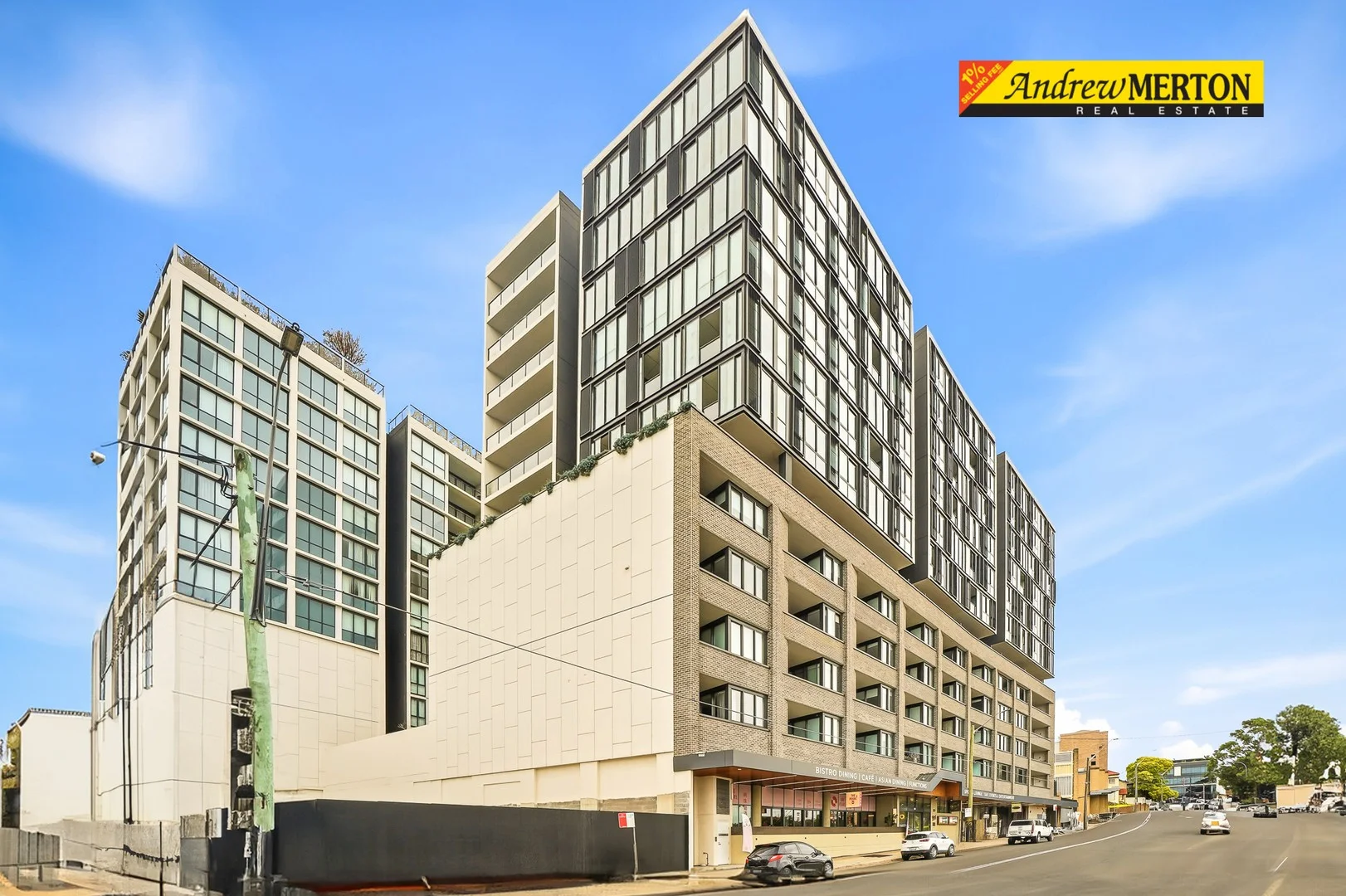 $699,000
Apartment / Unit / Flat
$699,000
Apartment / Unit / Flat
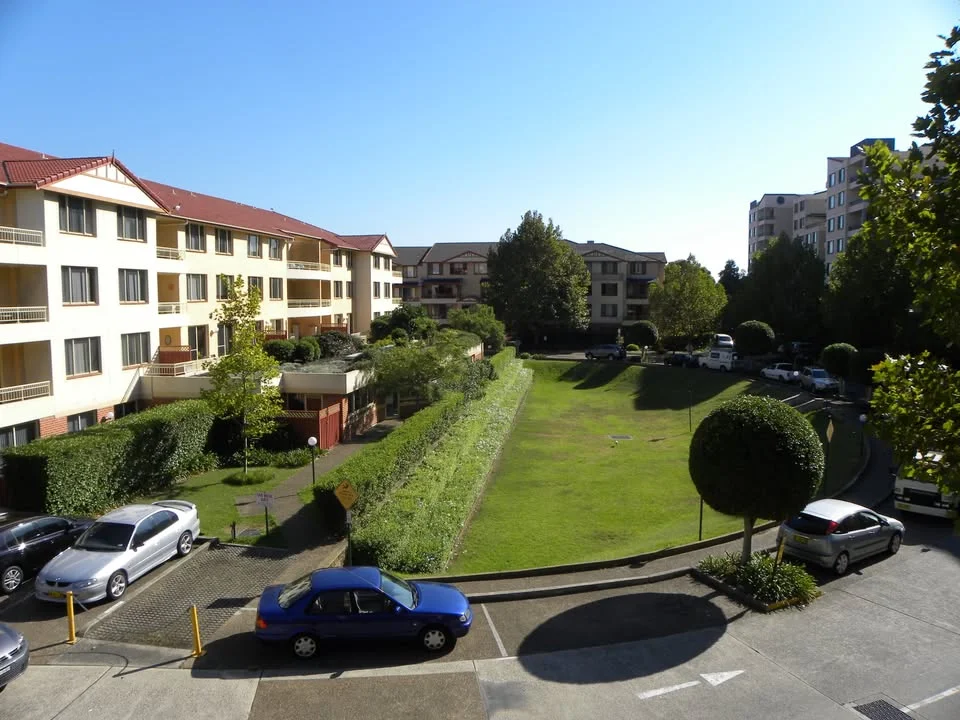 $990
Apartment / Unit / Flat
$990
Apartment / Unit / Flat
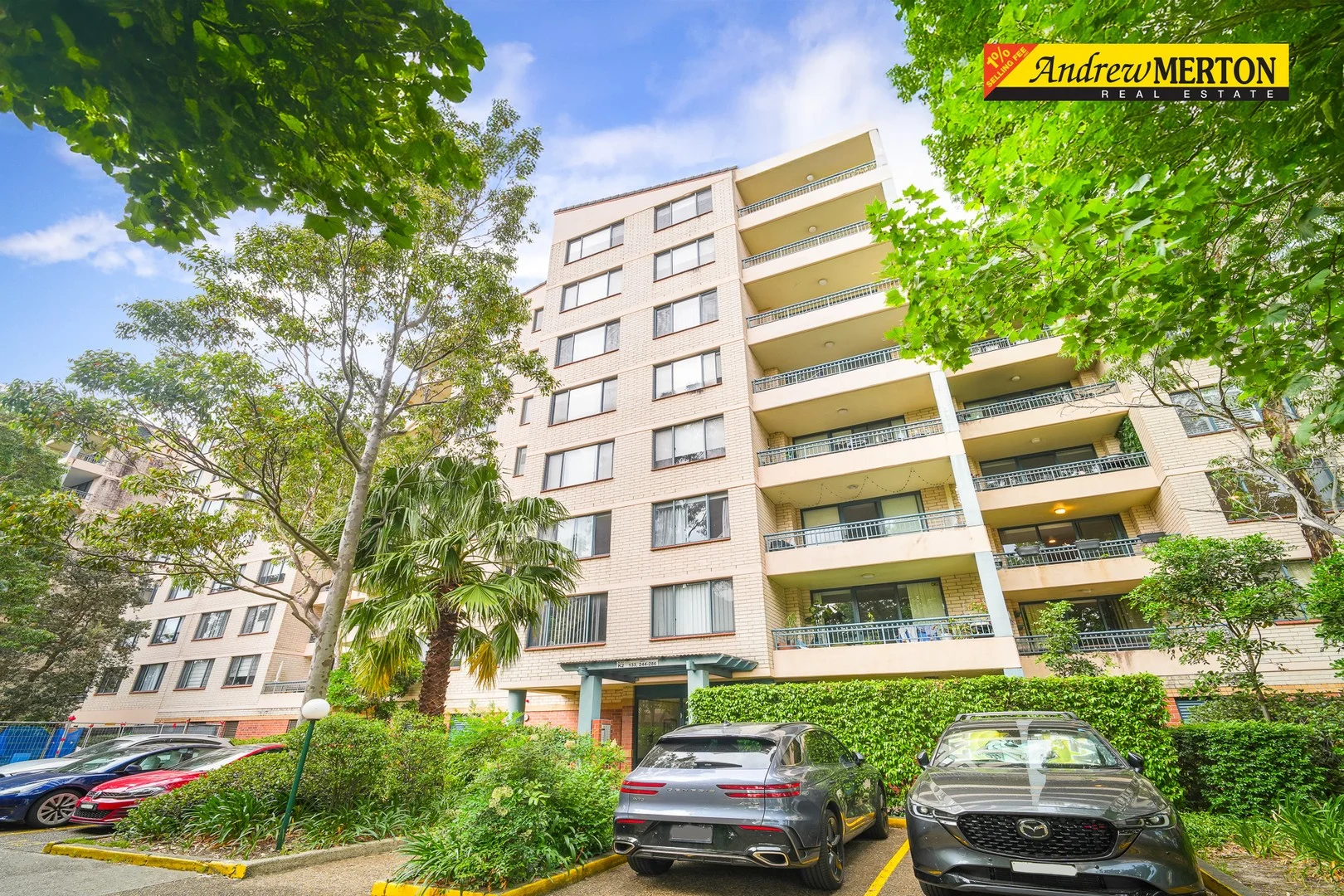 $933,000
Apartment / Unit / Flat
$933,000
Apartment / Unit / Flat
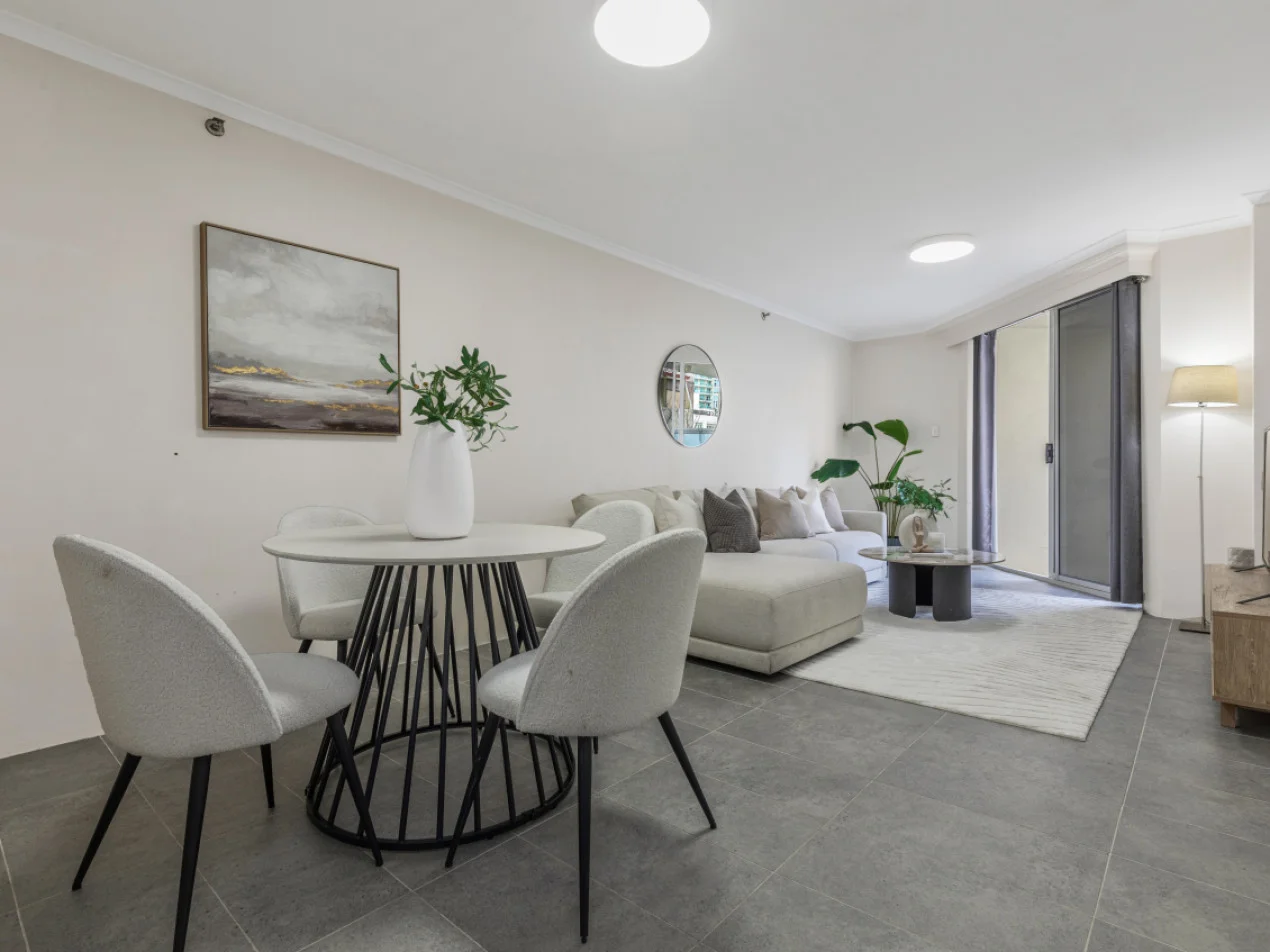 $640,000 - $675,000
Apartment / Unit / Flat
$640,000 - $675,000
Apartment / Unit / Flat


