Overview
## 1. Overview
St Raphael’s Catholic Primary School is a Catholic primary school serving families in South Hurstville. It offers a faith-based, community-focused education designed to nurture the whole child—academic growth, character development, and active involvement in service.
- School type: Catholic
- School size: Medium
- Class size: Typically around 22–26 students per class
- Atmosphere/culture: Nurturing, inclusive, faith-based with emphasis on values, community involvement and academic engagement
⸻
## 2. Academics & Learning
- Academic strengths: Strong literacy and numeracy foundations with integration of religious education, and opportunities in STEM, digital learning, and language exploration as part of the broad curriculum.
- Special programs: Support for Gifted & Talented students, targeted interventions, and inclusive education programs. EAL support and tailored learning plans are available to diverse learners.
- NAPLAN / trends: NSW-style data trends typically show steady or improving performance in reading and numeracy across cohorts; individual school trends can vary year to year.
- Student-teacher ratios: Generally small-to-medium class sizes with a lower-than-average student-to-teacher ratio in many year levels (facilitating more individual attention).
- Support for diverse learners: Dedicated support for students with diverse learning needs, including EAL programs, learning support staff, and access to specialists as needed.
⸻
## 3. Sports & Extracurricular Strengths
- Sports offered: Soccer, netball, basketball, cricket, rugby league, athletics, swimming and other school sport activities through inter-school programs.
- Strong teams or achievements: Participation in inter-school competitions and regional events; opportunities to represent the school in various sports.
- Music, arts, drama programs: Choir, school band or ensembles, and drama activities that showcase student talent.
- Clubs: Robotics, coding, chess, debating, and other interest-based clubs to broaden skills beyond the classroom.
- Partnerships: Connections with local clubs, community organizations and Catholic education pathways for competitions and development opportunities.
⸻
## 4. Wellbeing & Pastoral Care
- Anti-bullying approach: Proactive anti-bullying policies with a positive behaviour framework, buddy systems, and restorative approaches to conflict resolution.
- House system: House groups to build belonging, leadership opportunities, and friendly competition.
- Counsellors / wellbeing officers: Access to school counsellors or wellbeing staff to support emotional and social development.
- Transition support for new students: Orientation sessions, buddy programs, and transitional support to help newcomers settle in.
⸻
## 5. Facilities
- Sports grounds: On-site sports facilities for training and games.
- Libraries: A dedicated library for reading, research and collaboration.
- Science labs: Practical labs to support science learning and experiments.
- Music/performing arts centers: Space for music, drama and performing arts activities.
- Tech/innovation labs: Creative spaces for coding, robotics and digital projects.
- Cafeteria: On-site canteen or cafeteria for students.
- Updated playgrounds: Modern playgrounds and outdoor spaces for recreation and physical activity.
⸻
## 6. School Values & Community Culture
- School values / mission: Faith-based education grounded in Catholic values such as respect, compassion, service, honesty and responsibility.
- Leadership style: Collaborative leadership with teacher and student input; opportunities for student leadership and voice.
- Behaviour expectations: Clear codes of conduct and uniform expectations; emphasis on respectful, responsible behaviour.
- Community reputation: Strong parish and family involvement; supportive school community with active parent engagement.
- Diversity & inclusion: Commitment to an inclusive culture that supports students from diverse backgrounds and learning needs.
⸻
## 7. School Logistics & Daily Operations
- School hours: Typical school day runs from morning to mid-afternoon, with structured start and end times.
- Before/after school care: Availability of before and after school care or supervision through on-site or partner programs.
- Uniform requirements: Formal school uniform required, with designated sports uniform for physical education and activities.
- Transport (train/bus routes): Access to local public transport options and school-specific drop-off/pick-up arrangements; proximity to bus stops and train connections.
- Canteen availability: Canteen or lunch preparation options available on site.
- Fees (low/medium/high ranges): Fees are generally in the medium range for primary Catholic schools, with variability by year level and activities; family discounts or sibling arrangements may apply.
⸻
## 8. Enrolment & Admissions
11. What is the enrolment process and timeline?
- Applications are typically submitted through the school’s enrolment system. You may need to provide birth and baptism certificates (where applicable), immunisation history, proof of address, and caregiver details. The school may set information sessions or orientation days. Offers and subsequent enrolment steps depend on vacancy and calendar year.
12. Is there a waiting list, and how does it work?
- Many Catholic schools maintain a waiting list when applications exceed places. Waitlists are typically managed by year level and priority category (e.g., parish involvement, Catholic family preference). Placement on the list does not guarantee a place and is subject to vacancies.
13. Are there any entry requirements, tests, or interviews?
- Most schools conduct an enrolment interview with families to discuss Catholic ethos, expectations, and settlement plans for the child. Some schools may request baptism documentation or parish confirmation. Academic testing is not always required, but assessments may occur if there are specific learning needs or to determine support requirements.
14. Does the school accept mid-year transfers?
- Mid-year transfers are possible if a vacancy exists. Families should contact the enrolment office promptly, provide current school records, and complete the standard enrolment process. Availability varies by term and year level.
⸻
## 9. Frequently Asked Questions
- Why Parents Choose This School?
- A values-based Catholic education in a welcoming, close-knit community with strong pastoral care and a focus on academic growth.
- What type of student thrives at this school?
- Students who enjoy a faith-guided environment, collaborative learning, and participation in a range of academic, sporting, and arts activities.
- What opportunities are available for students to extend their skills (academics, sports, arts)?
- Access to Gifted & Talented programs, inter-school sports, music/arts ensembles, robotics, coding, debating and other clubs, plus leadership opportunities.
- How does the school communicate with parents?
- Regular newsletters, emails, school app/portal, parent-teacher interviews, and information evenings.
- What is the school’s approach to teaching and learning?
- Curriculum aligned to NSW syllabus with integrated religious education, inquiry-based learning, differentiation to meet diverse needs, and technology-enabled learning.
- How does the school support students who need extra academic help?
- Targeted interventions, reading support, SEN support, EAL assistance, and collaboration with teaching staff and specialists.
- What support is available for academic challenges?
- Early identification, coordinated support plans, and access to learning support staff and external services when needed.
- What are the class sizes and how much individual attention do students receive?
- Class sizes are typically mid-range for primary schools, with teachers providing differentiated instruction and opportunities for individualized support.
- What extracurricular and sports opportunities are available?
- A wide range of sports, arts, music, robotics, coding, chess, debating, and other clubs; regular participation in inter-school events.
- What facilities does the school offer (sports, science, arts)?
- Modern facilities including sports grounds, library, science labs, music/performing arts spaces, tech/innovation labs, and a canteen.
- What is the school’s approach to technology and digital learning?
- Integration of ICT across the curriculum, use of digital tools for learning, and security and responsible use guidelines.
- What transport and accessibility options are available?
- Access to local transport options and coordinated drop-off/pick-up; facilities designed to be accessible for students with diverse needs.
- What are the typical school fees or additional costs?
- Fees are generally in the medium range for primary Catholic schools, with potential additional costs for sports, excursions, and some activities; family discounts may apply.
⸻
## 10. Short Pros & Cons list
- Pros
- Strong values-based education with pastoral support
- Nurturing, inclusive environment and community feel
- Moderate class sizes enabling individual attention
- Broad range of academic, sports, arts and extracurricular opportunities
- Active family involvement and parish connection
- Cons
- As a Catholic school, ethos and activities are oriented to Catholic values, which may not align with every family’s beliefs
- Availability of places can be competitive; waiting lists may apply in some year levels
- Fees fall in the medium range and may impact some families; additional costs for activities exist
- Mid-year transfers depend on vacancies and can be subject to timing
⸻









 $699,000
Apartment / Unit / Flat
$699,000
Apartment / Unit / Flat
 $990
Apartment / Unit / Flat
$990
Apartment / Unit / Flat
 $933,000
Apartment / Unit / Flat
$933,000
Apartment / Unit / Flat
 $640,000 - $675,000
Apartment / Unit / Flat
$640,000 - $675,000
Apartment / Unit / Flat
 $12,980,000
propertyType.NEW APARTMENTS / OFF THE PLAN
$12,980,000
propertyType.NEW APARTMENTS / OFF THE PLAN
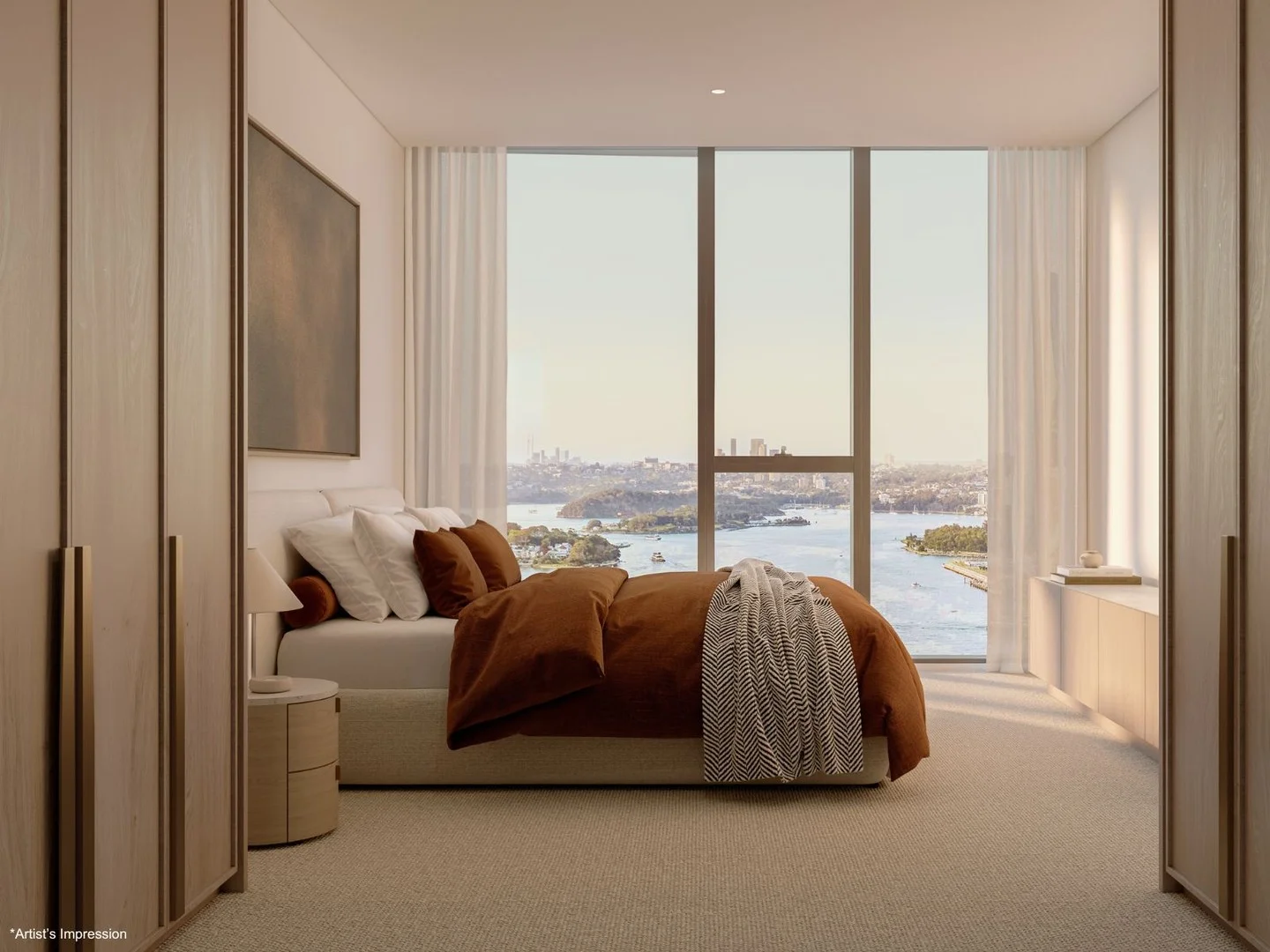 $8,630,000
propertyType.NEW APARTMENTS / OFF THE PLAN
$8,630,000
propertyType.NEW APARTMENTS / OFF THE PLAN
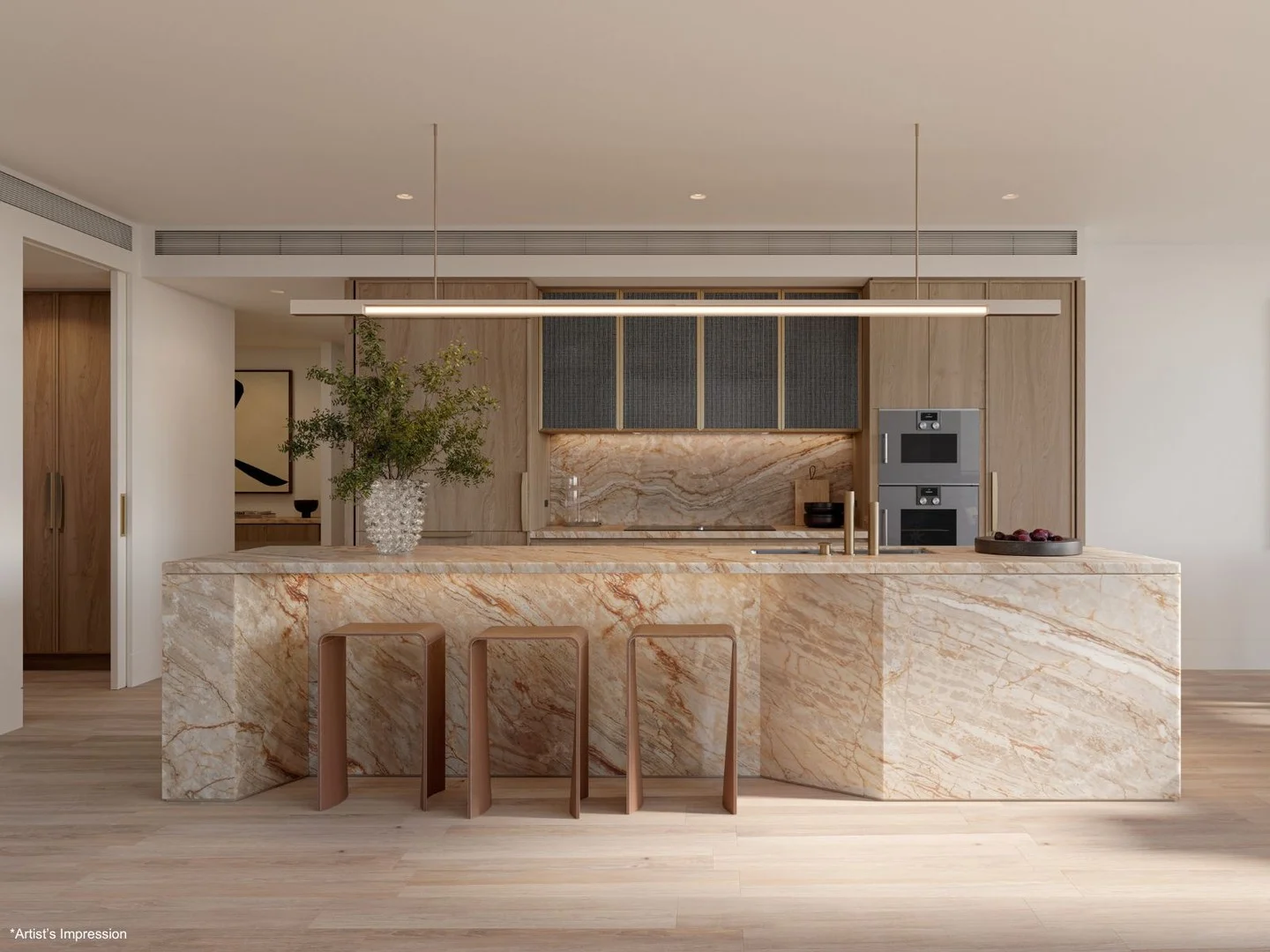 $6,225,000
propertyType.NEW APARTMENTS / OFF THE PLAN
$6,225,000
propertyType.NEW APARTMENTS / OFF THE PLAN
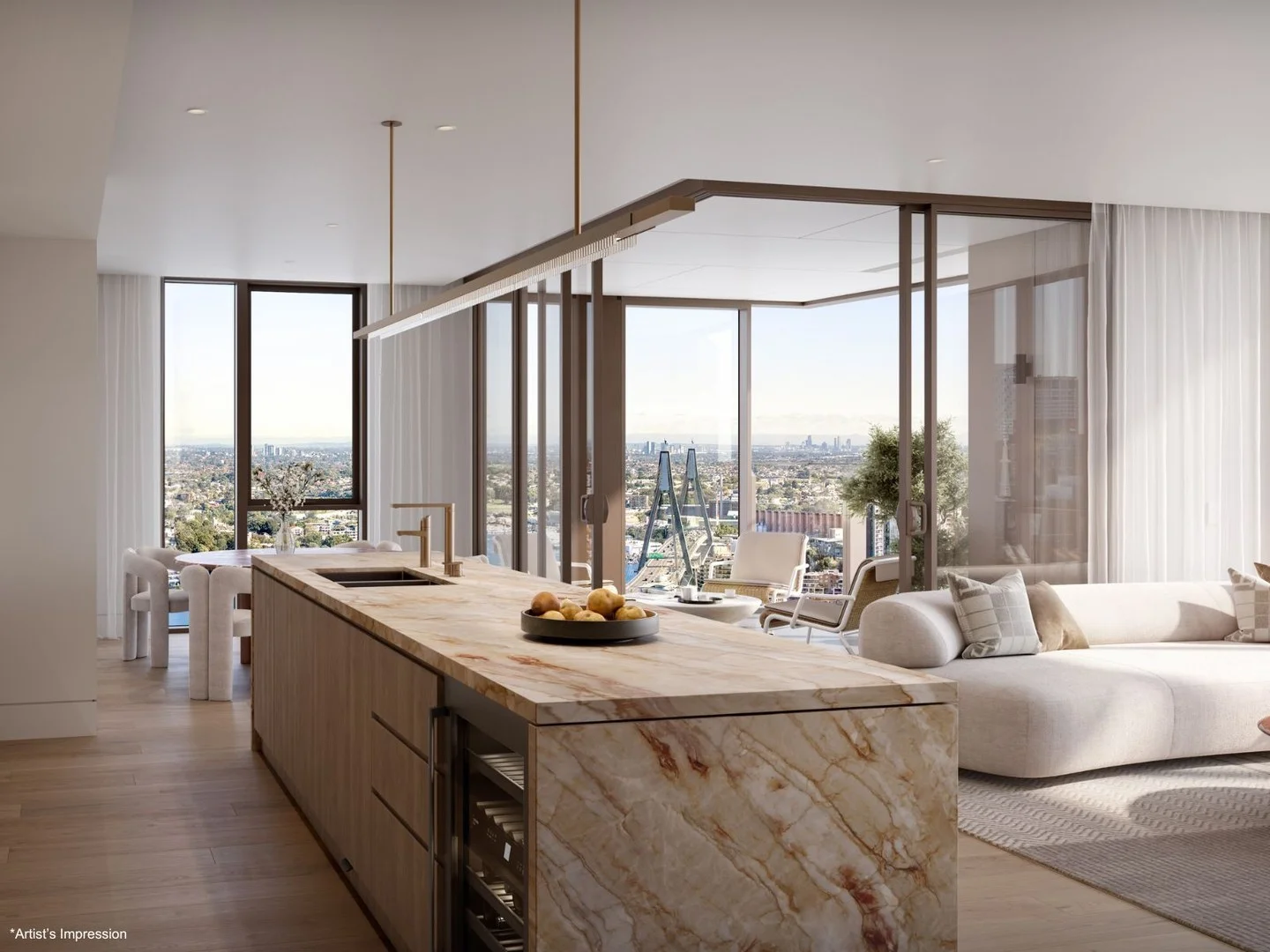 $9,020,000
propertyType.NEW APARTMENTS / OFF THE PLAN
$9,020,000
propertyType.NEW APARTMENTS / OFF THE PLAN
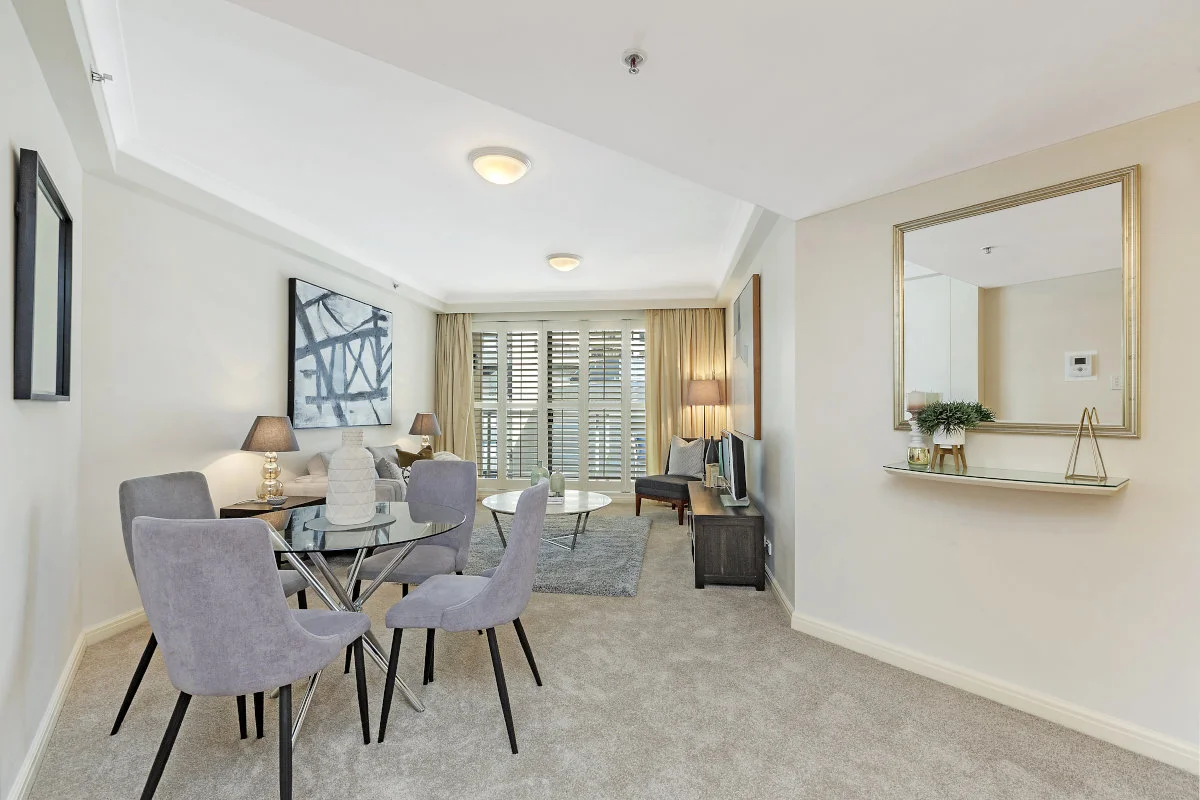 $660,000 - $725,000
Apartment / Unit / Flat
$660,000 - $725,000
Apartment / Unit / Flat


