## 1. Overview
Melrose Park Public School is a public primary school serving families in West Ryde, NSW. As a NSW public school, it focuses on delivering a comprehensive education within the Department of Education framework, promoting equity and inclusive learning for all students.
The school aims to be a medium-sized, community-focused environment with class sizes that support effective teaching and individual attention. The atmosphere is nurturing and inclusive, with an emphasis on student wellbeing, respectful relationships, and personal growth across academic, social, and physical development.
## 2. Academics & Learning
- Academic strengths: A strong focus on literacy and numeracy, with opportunities in STEM, leadership development, and language learning where offered. The school prioritises high-quality teaching across the NSW syllabus and aims to build confident, capable learners.
- Special programs: Potential access to Gifted & Talented Education (G&T) pathways and accelerated options where appropriate, plus targeted support for English as an Additional Language (EAL) and students with diverse learning needs.
- NAPLAN trends: Over recent years, trends typically show steady progress in reading and numeracy with improving consistency across cohorts; the school emphasises data-informed planning to support continuous improvement.
- Student-teacher ratios: Expected teaching groups aligned with NSW norms, typically around the low-to-mid 20s per class, with additional support staff available to assist individual students as needed.
- Support for diverse learners: Dedicated support through EAL/D programs, learning support staff, and an inclusive education approach designed to help students progress at their own pace.
## 3. Sports & Extracurricular Strengths
- Sports offered: A broad range of primary-level sports including soccer, cricket, basketball, netball, athletics, swimming, and rugby league where appropriate, with opportunities to represent the school in district and interschool events.
- Strong teams or achievements: Participation in district-level competitions and events; emphasis on teamwork, fair play, and personal bests.
- Music, arts, drama programs: Active music and performing arts programs with opportunities for choir and school performances; visual arts and drama are encouraged as part of a well-rounded education.
- Clubs: Robotics, coding, chess, and debating are available to extend learning beyond core academic subjects.
- Partnerships: Local community clubs, sports associations, and inter-school competitions provide additional pathways for skill development and competition.
## 4. Wellbeing & Pastoral Care
- Anti-bullying approach: Whole-school anti-bullying policies and programs that promote respectful relationships, social-emotional learning, and a safe school climate.
- House system: A house-based structure (e.g., Red, Blue, Green, Yellow) to foster belonging, competition, and cross-year camaraderie.
- Counsellors / wellbeing officers: Access to school counsellors or wellbeing staff who support students with social-emotional needs, stress management, and transition periods.
- Transition support for new students: Orientation activities, buddy systems, and individualized onboarding to help new students settle in smoothly.
## 5. Facilities
- Sports grounds: On-site spaces for a variety of physical education and sport activities.
- Libraries: A welcoming library space for reading, research, and quiet study.
- Science labs: Dedicated spaces for science activities and inquiry-based learning.
- Music/performing arts centers: Rooms or spaces designed for music practice, rehearsals, and performances.
- Tech/innovation labs: Contemporary learning spaces supporting digital literacy, coding, and STEM projects.
- Cafeteria: On-site canteen or supervised dining area for student meals and snacks.
- Updated playgrounds: Modern, safe outdoor play areas that support active play and imaginative activities.
## 6. School Values & Community Culture
- School values / mission: A focus on respect, responsibility, inclusion, and integrity as core school values.
- Leadership style: Opportunities for student voice and leadership through student councils or similar initiatives; collaborative decision-making with teachers and staff.
- Behaviour expectations: Clear expectations around positive behaviour for learning, with consistent routines and reinforcement.
- Community reputation: Known for a warm, family-friendly environment with a welcoming approach to families and a strong sense of school pride.
- Diversity & inclusion: Acknowledgement of and respect for diverse backgrounds and abilities, with inclusive practices evident in daily life and learning.
## 7. School Logistics & Daily Operations
- School hours: Typical day runs from morning to mid-afternoon, with kindergarten arrangements that may differ; exact times are provided at enrolment.
- Before/after school care: OSHC or similar programs available to extend care beyond normal school hours.
- Uniform requirements: NSW public schools require a standard uniform; school uniforms are designed to be practical and durable.
- Transport (train/bus routes): Accessible by local public transport; families may rely on bus routes or nearby train stations depending on location.
- Canteen availability: Canteen or refreshment options available on site or nearby; snack and meal provisions align with school policy.
- Fees (low/medium/high ranges): As a public school, core education is funded by the government; additional costs may include uniforms, certain activities, or voluntary contributions, typically described in the school’s communications.
## 8. Enrolment & Admissions
11. What is the enrolment process and timeline?
- Check catchment eligibility and school zone requirements through the NSW Department of Education. Gather required documents (birth certificate, immunisation records, proof of address, and any relevant custody or family documents). Submit enrolment via the Department’s system or the school, following the annual timing for intake. After submission, the school will confirm availability and provide next steps, including any orientation dates.
12. Is there a waiting list, and how does it work?
- If the school is over-subscribed, priority is generally given to students within the local catchment area and to siblings of current students, with a formal waitlist managed by the Department of Education. Wait times vary by year and demand.
13. Are there any entry requirements, tests, or interviews?
- In most cases for public primary schools, there are no academic entrance tests. Admissions typically require standard documents and proof of eligibility. Some programs or transfers may involve brief informal discussions or alignment checks, but formal entrance exams are uncommon.
14. Does the school accept mid-year transfers?
- Yes, subject to space and alignment with NSW Department of Education policies. Prospective mid-year transfers should contact the school as early as possible to assess vacancies and arrange the enrolment process.
## 9. Frequently Asked Questions
- Why Parents Choose This School?
- A welcoming, inclusive community with a strong focus on student wellbeing, strong literacy and numeracy foundations, and opportunities across academics, sport, arts, and leadership.
- What type of student thrives at this school?
- Students who engage with learning, participate in a range of activities, show respect for peers and teachers, and who benefit from a supportive, orderly environment.
- What opportunities are available for students to extend their skills (academics, sports, arts)?
- Enrichment through literacy/numeracy programs, STEM activities, coding and robotics clubs, competitive sport, music and performing arts, and leadership experiences.
- How does the school communicate with parents?
- Regular newsletters, parent-teacher meetings, online portals or platforms for updates, and timely notices about events and student progress.
- What is the school’s approach to teaching and learning?
- A student-centred, evidence-informed approach aligned with the NSW syllabus, emphasising active learning, differentiation, and explicit teaching of literacy and numeracy skills.
- How does the school support students who need extra academic help?
- Targeted support via learning support staff, EAL/D programs, and individualized plans to help students progress.
- What support is available for academic challenges?
- Additional tutoring or in-class adjustments, access to specialist teachers or support staff, and collaboration with families to identify effective strategies.
- How does the school communicate with parents? (repeat)
- See above: multiple channels including meetings, digital platforms, and notices.
- What are the class sizes and how much individual attention do students receive?
- Classes are designed to balance teacher attention with group learning; typical public primary class sizes are in the low-to-mid 20s, with targeted support for students who need extra help.
- What extracurricular and sports opportunities are available?
- A range of sports, music and arts programs, robotics/coding/chess/debating clubs, and opportunities to participate in district-level events.
- What facilities does the school offer (sports, science, arts)?
- Sports grounds, library, science spaces, music/performing arts facilities, technology/innovation labs, and a canteen with a modern playground environment.
- What is the school’s approach to technology and digital learning?
- Emphasis on digital literacy, using age-appropriate technology to enhance learning, with safe and supervised use aligned to the NSW digital learning frameworks.
- What transport and accessibility options are available?
- Access via local transport networks; information on routes and accessibility is provided by the school and NSW Department of Education.
- What are the typical school fees or additional costs?
- Core education is funded publicly; additional costs may include uniforms, excursions, and voluntary contributions. Detailed cost information is provided during enrolment or via the school’s communications.
## 10. Short Pros & Cons list
- Pros
- Public school with a nurturing, inclusive culture
- Strong emphasis on literacy, numeracy, and wellbeing
- Broad range of extracurriculars (sports, arts, clubs)
- Support for diverse learners (EAL/D, SEN)
- Student leadership opportunities and active parent community
- Cons
- As with many public schools, class sizes and resources can vary by year and intake
- Demand for enrolment may affect wait times or entry in busy years
- Transport options depend on local accessibility and routes
Note: This content provides a general overview and typical features associated with NSW public primary schools. For the most accurate, up-to-date details about Melrose Park Public School, please check the school’s official communications and the NSW Department of Education enrolment information.
 Free
Free






 $36,000,000 - $39,500,000
Vacant Land
$36,000,000 - $39,500,000
Vacant Land
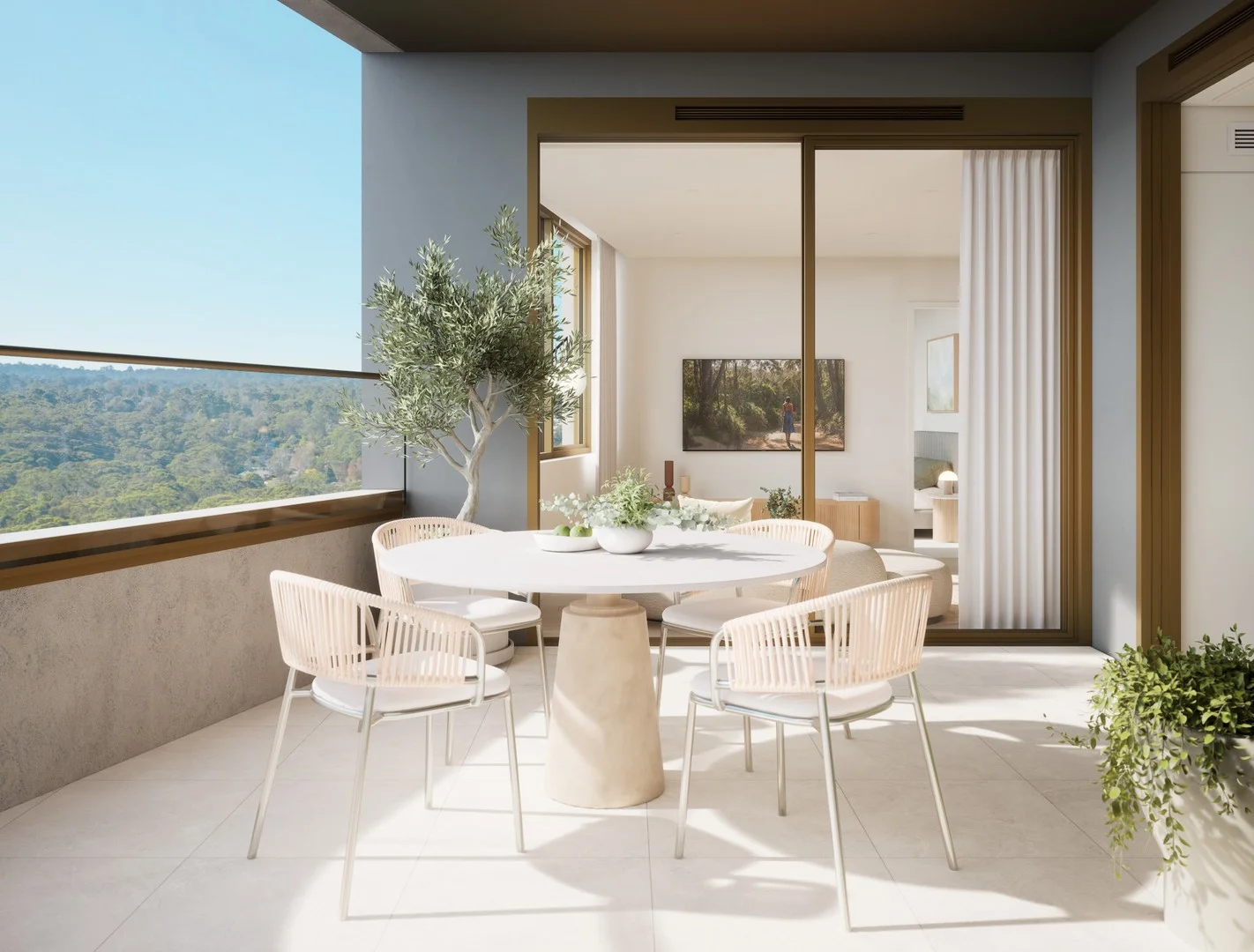 $1,525,000
Apartment / Unit / Flat
$1,525,000
Apartment / Unit / Flat
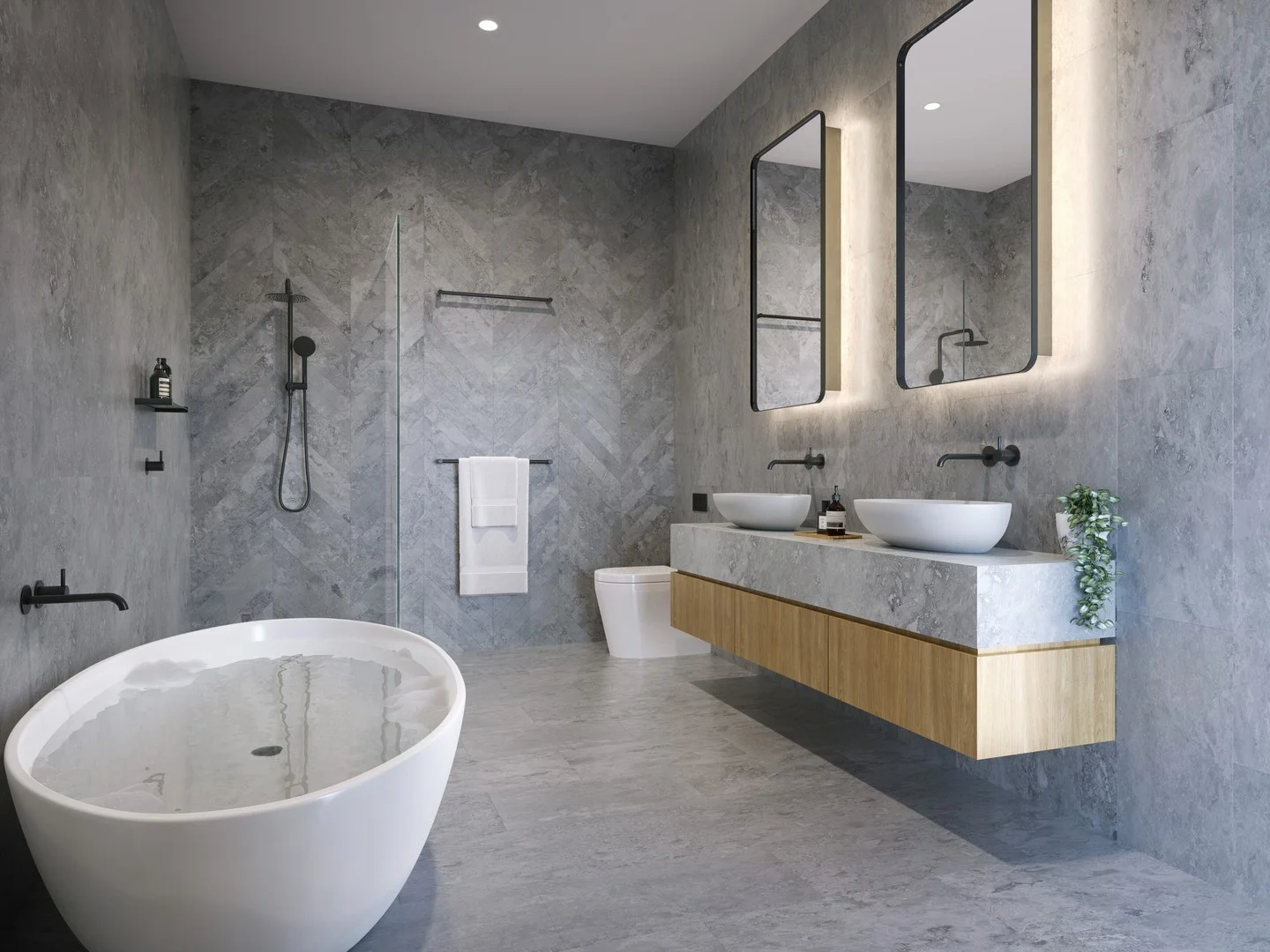 $2,824,000
Apartment / Unit / Flat
$2,824,000
Apartment / Unit / Flat
 $8,630,000
propertyType.NEW APARTMENTS / OFF THE PLAN
$8,630,000
propertyType.NEW APARTMENTS / OFF THE PLAN
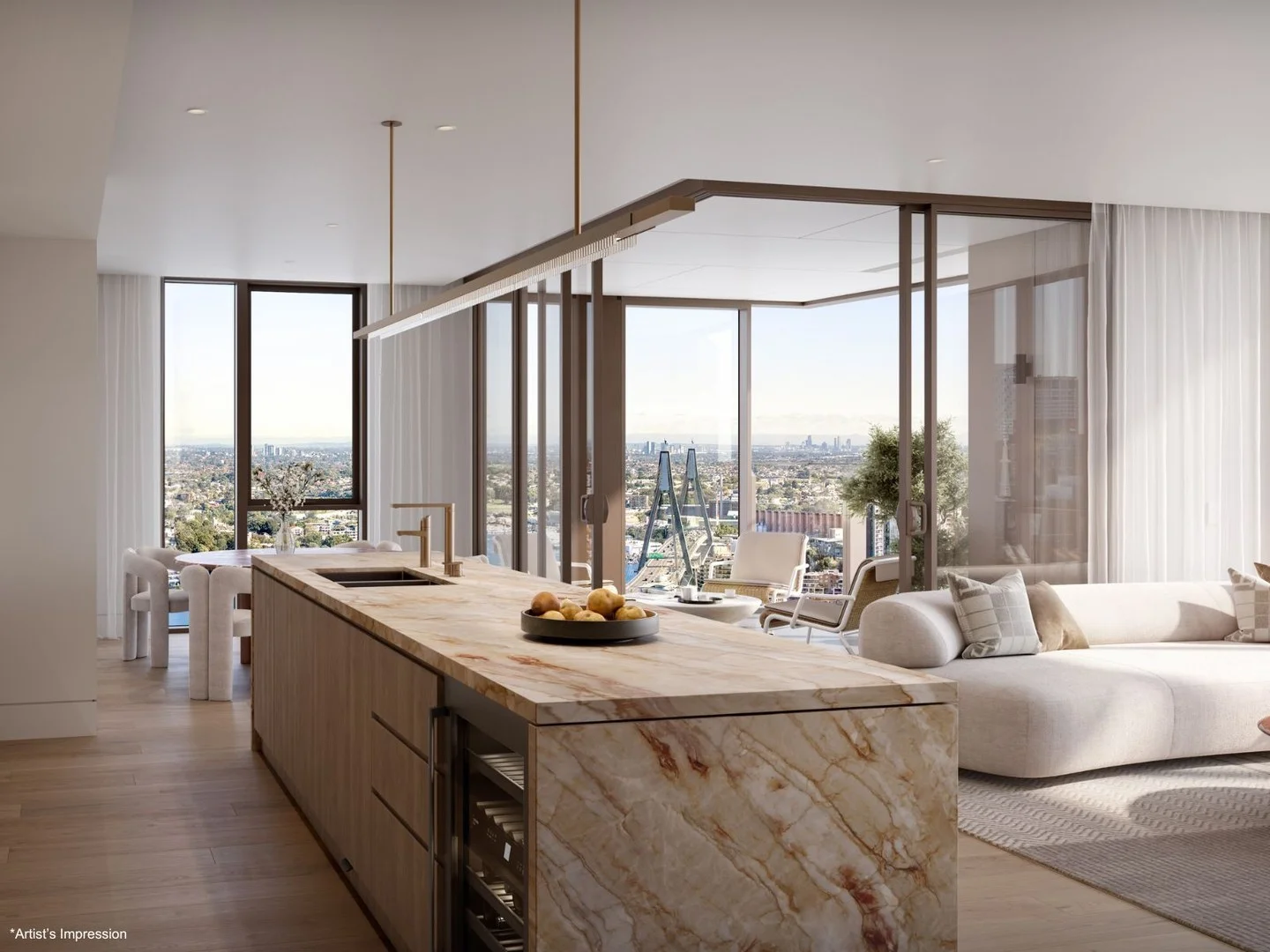 $9,020,000
propertyType.NEW APARTMENTS / OFF THE PLAN
$9,020,000
propertyType.NEW APARTMENTS / OFF THE PLAN
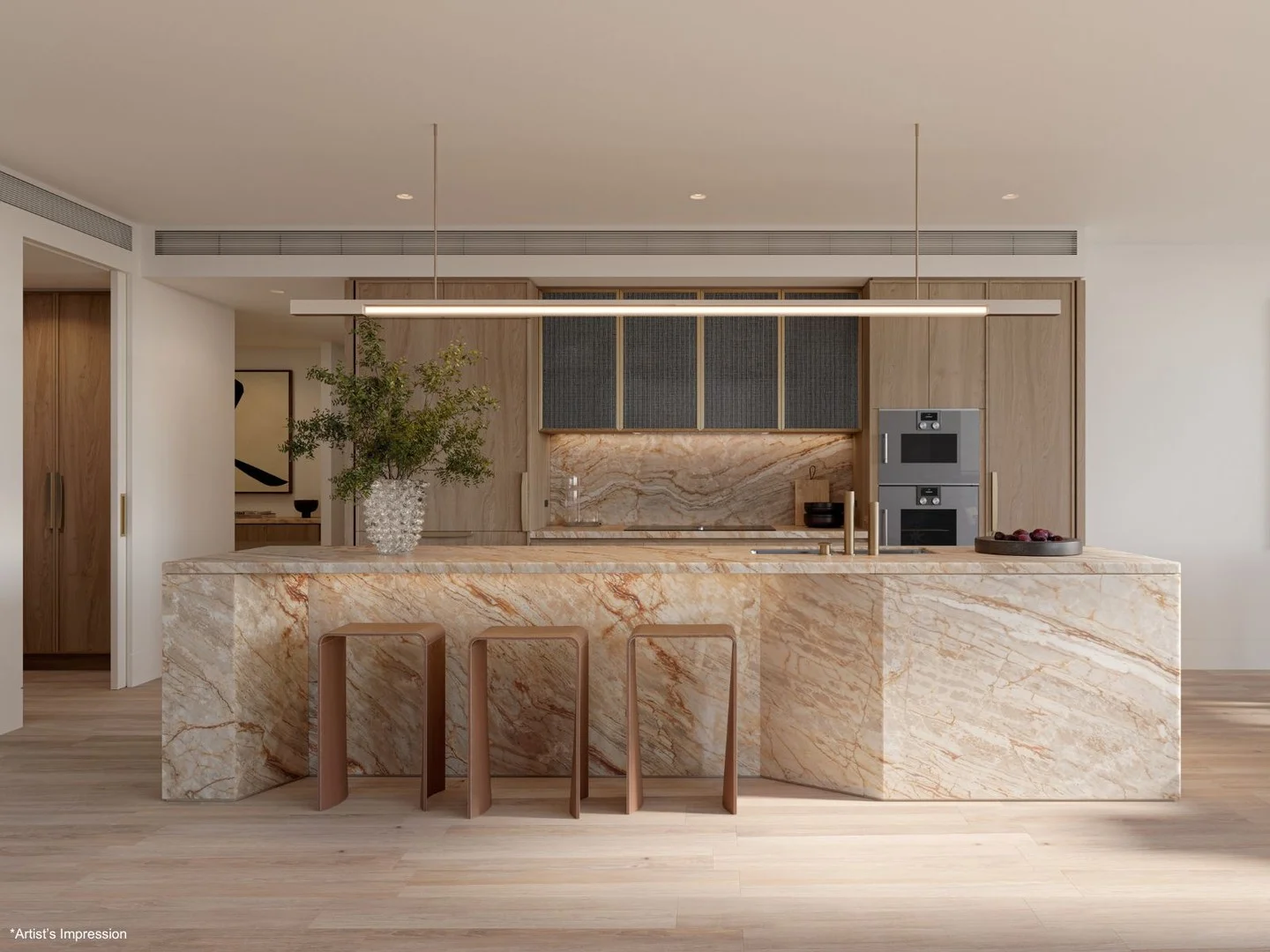 $6,225,000
propertyType.NEW APARTMENTS / OFF THE PLAN
$6,225,000
propertyType.NEW APARTMENTS / OFF THE PLAN
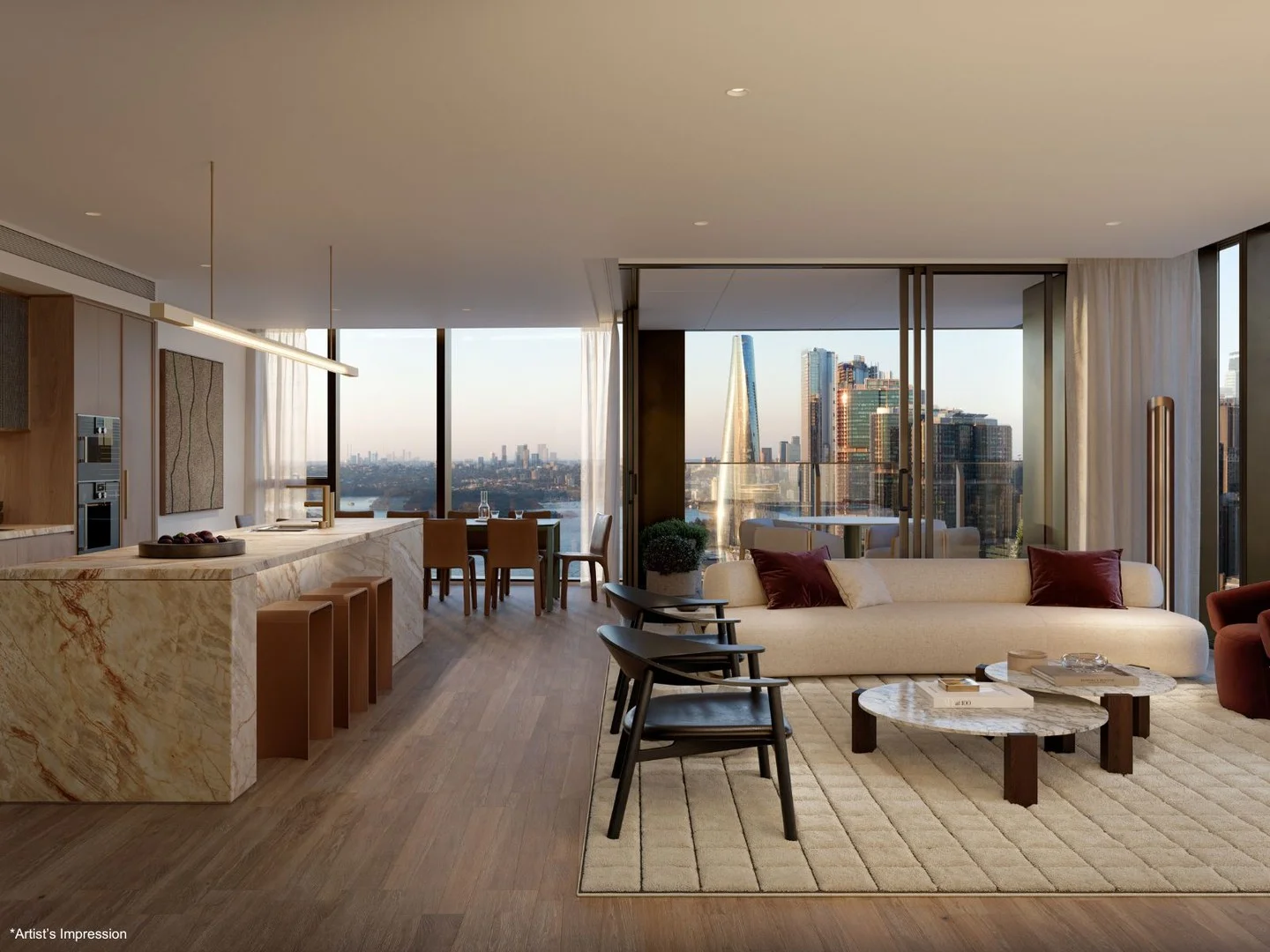 $12,980,000
propertyType.NEW APARTMENTS / OFF THE PLAN
$12,980,000
propertyType.NEW APARTMENTS / OFF THE PLAN
 $26,550,000
propertyType.NEW APARTMENTS / OFF THE PLAN
$26,550,000
propertyType.NEW APARTMENTS / OFF THE PLAN
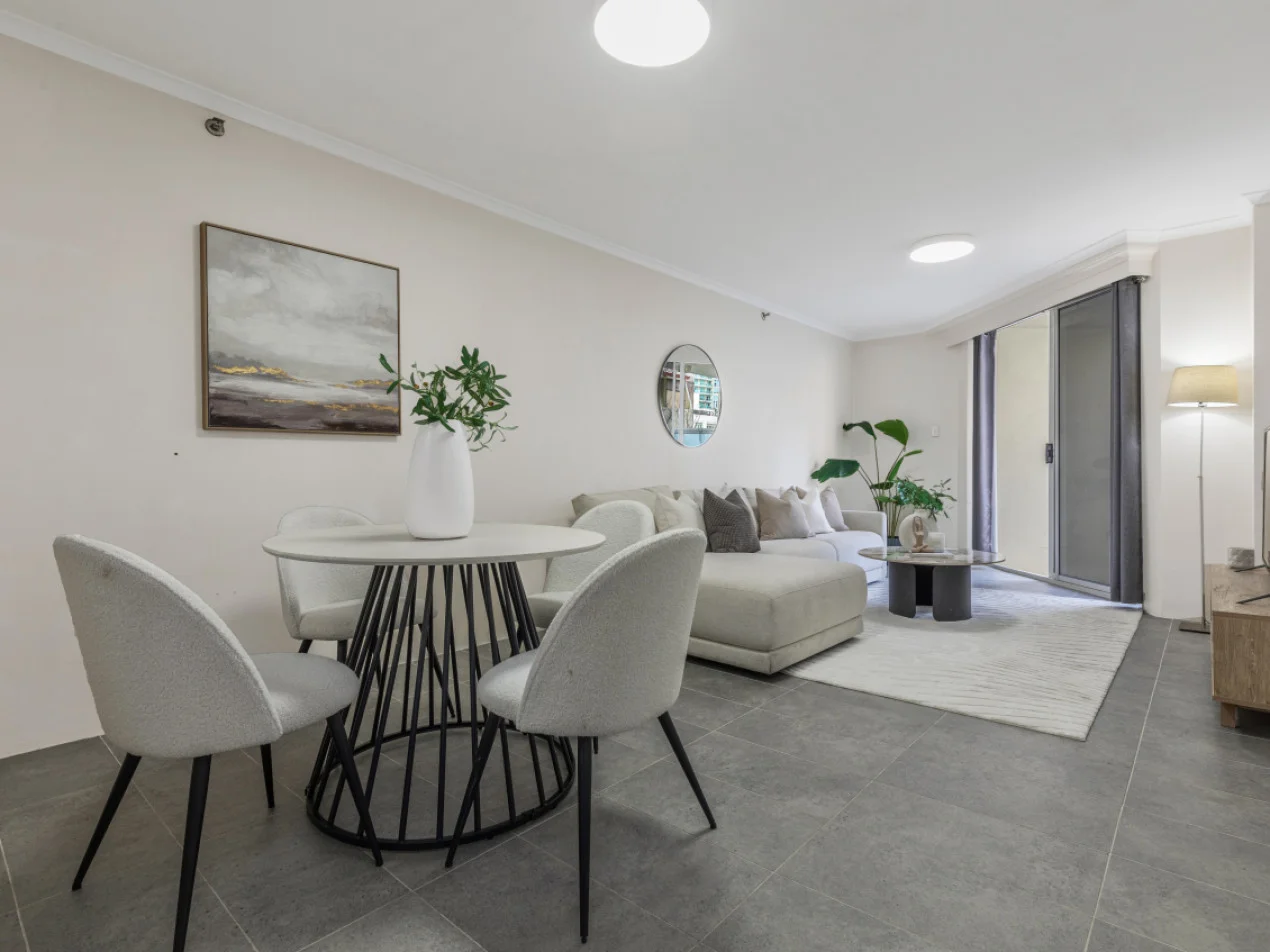 $640,000 - $675,000
Apartment / Unit / Flat
$640,000 - $675,000
Apartment / Unit / Flat


