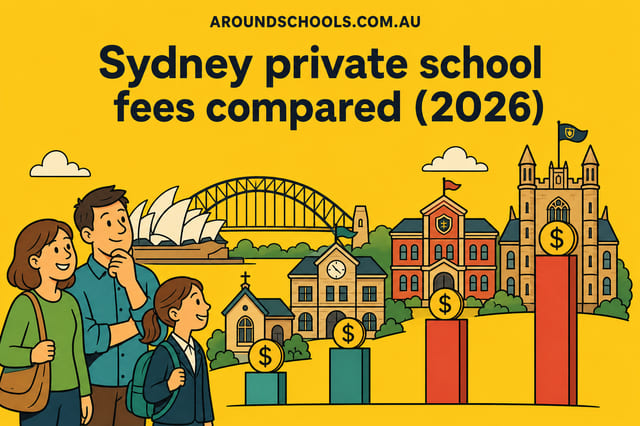
Overview
## 1. Overview
St Michael’s Catholic Primary School Meadowbank is a Catholic primary school that provides faith-based learning in a supportive, inclusive community. The school emphasises values-based education alongside strong academic pursuits, helping students grow as confident, compassionate individuals.
The school is a medium-sized community with class sizes typically in the 22–28 student range. The atmosphere is nurturing and inclusive, balancing academic progress with the development of character, faith, and community spirit.
## 2. Academics & Learning
- Academic strengths: Strong focus on literacy and numeracy, with integrated Religious Education to support faith formation. The school also promotes critical thinking, resilience, and responsible learning.
- Special programs: Catholic identity and faith formation programs, student leadership opportunities (e.g., student council), and participation in school-wide values education.
- NAPLAN / trends: NSW NAPLAN data from recent cohorts generally show steady progress in reading and numeracy, with ongoing use of results to inform teaching practices and targeted support.
- Student-teacher ratios: Typical classroom ratios around 1:12 to 1:20, depending on year level and class size.
- Support for diverse learners: Dedicated Learning Support Team, EAL/D (English as an Additional Language/Dialect) support, targeted interventions, and inclusive education practices to assist students with diverse learning needs.
## 3. Sports & Extracurricular Strengths
- Sports offered: Soccer, basketball, netball, cricket, athletics, swimming, and other school-based team activities.
- Strong teams or achievements: Participation in inter-school Catholic competitions and local district events; opportunities for age-group representation and recognition.
- Music, arts, drama programs: Active music program, choir or ensemble opportunities, and school plays or performances; involvement in arts events and showcases.
- Clubs: Robotics, chess, coding, debating, and various inquiry-based clubs to extend learning beyond the classroom.
- Partnerships: Connections with local clubs and diocesan-level sports and arts programs; opportunities for external competitions and performance experiences.
## 4. Wellbeing & Pastoral Care
- Anti-bullying approach: Proactive, whole-school anti-bullying policies with restorative practices and a focus on respect, safety, and inclusion.
- House system: House groups for pastoral care, friendly competition, and team-building activities throughout the year.
- Counsellors / wellbeing officers: Access to school counsellors or wellbeing staff as part of the pastoral care framework.
- Transition support for new students: Orientation programs, buddy systems, and transition support to help new students settle in smoothly.
## 5. Facilities
- Sports grounds
- Libraries
- Science labs
- Music/performing arts centers
- Tech/innovation labs
- Cafeteria
- Updated playgrounds
The facilities are designed to support a balanced program of academics, arts, sport, and wellbeing, with inviting spaces that encourage exploration and collaboration.
## 6. School Values & Community Culture
- School values / mission: A faith-centered mission promoting respect, compassion, service, and integrity in daily learning and interaction.
- Leadership style: Collaborative leadership with opportunities for student voice and family involvement; a community-focused approach.
- Behaviour expectations: Clear expectations around respectful behaviour, responsibility, safety, and courtesy.
- Community reputation: A welcoming, family-oriented culture known for supportive relationships between staff, students, and families.
- Diversity & inclusion: Inclusive environment that welcomes students from diverse backgrounds and supports equity in learning opportunities.
## 7. School Logistics & Daily Operations
- School hours: Typical day runs from around 8:30am to 3:15pm, with variations on certain days.
- Before/after school care: OSHC or similar after-school care options are available.
- Uniform requirements: School uniform with seasonal options (summer and winter) and sports uniform for active days.
- Transport (train/bus routes): Accessible via local public transport options (bus routes and nearby train services) with drop-off/pick-up arrangements supported by the school.
- Canteen availability: Canteen or lunch-ordering options on designated days; depends on term schedule.
- Fees (low/medium/high ranges): Fees are typically mid-range for Catholic primary schools, with standard levies for excursions and activities in addition to tuition.
## 8. Enrolment & Admissions
- 11. What is the enrolment process and timeline?
- Submit an enrolment inquiry and complete the school’s official enrolment form.
- Attend any information evening or orientation session.
- Provide required documents (birth certificate, immunisation records, custody or custody arrangements if applicable, proof of Catholic parish affiliation if required, and any other school-specific documents).
- Complete any relevant Catholic parish or family confirmation steps; some families may be given preference based on parish catchment.
- Application review, followed by offer of placement; intake typically aligned with the new school year. Timelines vary by year and capacity.
- 12. Is there a waiting list, and how does it work?
- There may be a waiting list when vacancies are limited. Applications are placed on the list in order of receipt and/or priority categories (e.g., parish-based or siblings of current students). Offers are made as vacancies arise.
- 13. Are there any entry requirements, tests, or interviews?
- Most primary Catholic schools do not require entrance tests. An interview or readiness discussion may be conducted to understand the child’s needs, assess fit, and outline support requirements. Confirmation of eligibility and readiness is usually part of the process.
- 14. Does the school accept mid-year transfers?
- Mid-year transfers are possible subject to vacancies and a streamlined transfer process. Parents should contact the school early to discuss space, placement, and any necessary documentation.
## 9. Frequently Asked Questions
- Why Parents Choose This School?
- A faith-based, values-driven environment with strong pastoral care, supportive community, and a focus on academic growth and character development.
- What type of student thrives at this school?
- Students who value community, faith-based learning, collaborative activities, and a balanced approach to academics, sport, and the arts.
- What opportunities are available for students to extend their skills (academics, sports, arts)?
- Opportunities include targeted literacy and numeracy support, leadership roles, STEM and coding clubs, robotics, debating, music programs, and inter-school sport and arts participation.
- How does the school communicate with parents?
- Regular newsletters, email updates, parent portals, events calendars, and annual reports; clear channels for parent-teacher communication.
- What is the school’s approach to teaching and learning?
- Student-centered, differentiated instruction with explicit teaching, regular assessment, and integration of Catholic values across the curriculum.
- How does the school support students who need extra academic help?
- Learning Support Team, targeted interventions, EAL/D support, and accommodation plans to assist diverse learners.
- What support is available for academic challenges?
- Individual or small-group interventions, progress monitoring, and collaboration with families to plan next steps.
- How does the school communicate with parents? (Repeated)
- See above: newsletters, portals, direct communication from teachers and leadership.
- What are the class sizes and how much individual attention do students receive?
- Class sizes typically 22–28 students; teachers provide regular differentiation and targeted support to meet individual needs.
- What extracurricular and sports opportunities are available?
- A range of sports (soccer, basketball, netball, cricket, athletics, swimming), music and drama programs, clubs (robotics, chess, coding, debating), and participation in inter-school activities.
- What facilities does the school offer (sports, science, arts)?
- Modern facilities including sports grounds, library, science labs, music/performing arts spaces, technology labs, and dining areas.
- What is the school’s approach to technology and digital learning?
- Integrated digital learning with age-appropriate technology use, computer labs or tablet programs, and emphasis on digital literacy and responsible use.
- What transport and accessibility options are available?
- Access to public transport options (buses and nearby train services), with car drop-off/pick-up arrangements and accessible facilities as appropriate.
- What are typical school fees or additional costs?
- Fees are mid-range for Catholic primary schools, with additional costs for excursions, camps, and uniform or supplementary activities.
## 10. Short Pros & Cons list
- Pros
- Strong faith-based environment with values-driven education.
- Supportive pastoral care and inclusive culture.
- Balanced focus on academics, arts, and sports.
- Positive student-teacher ratio in many year levels.
- Wide range of extracurricular opportunities and clubs.
- Active community involvement and collaborative leadership.
- Cons
- Fees are typical for Catholic primary schools and may require ongoing budgeting for families.
- Some mid-year transfers depend on vacancies and can involve wait times.
- Availability of certain specialist programs or facilities may vary by year and year level.
- As a medium-sized school, highly sought-after extracurriculars may have waiting lists for certain teams or clubs.









 $36,000,000 - $39,500,000
Vacant Land
$36,000,000 - $39,500,000
Vacant Land
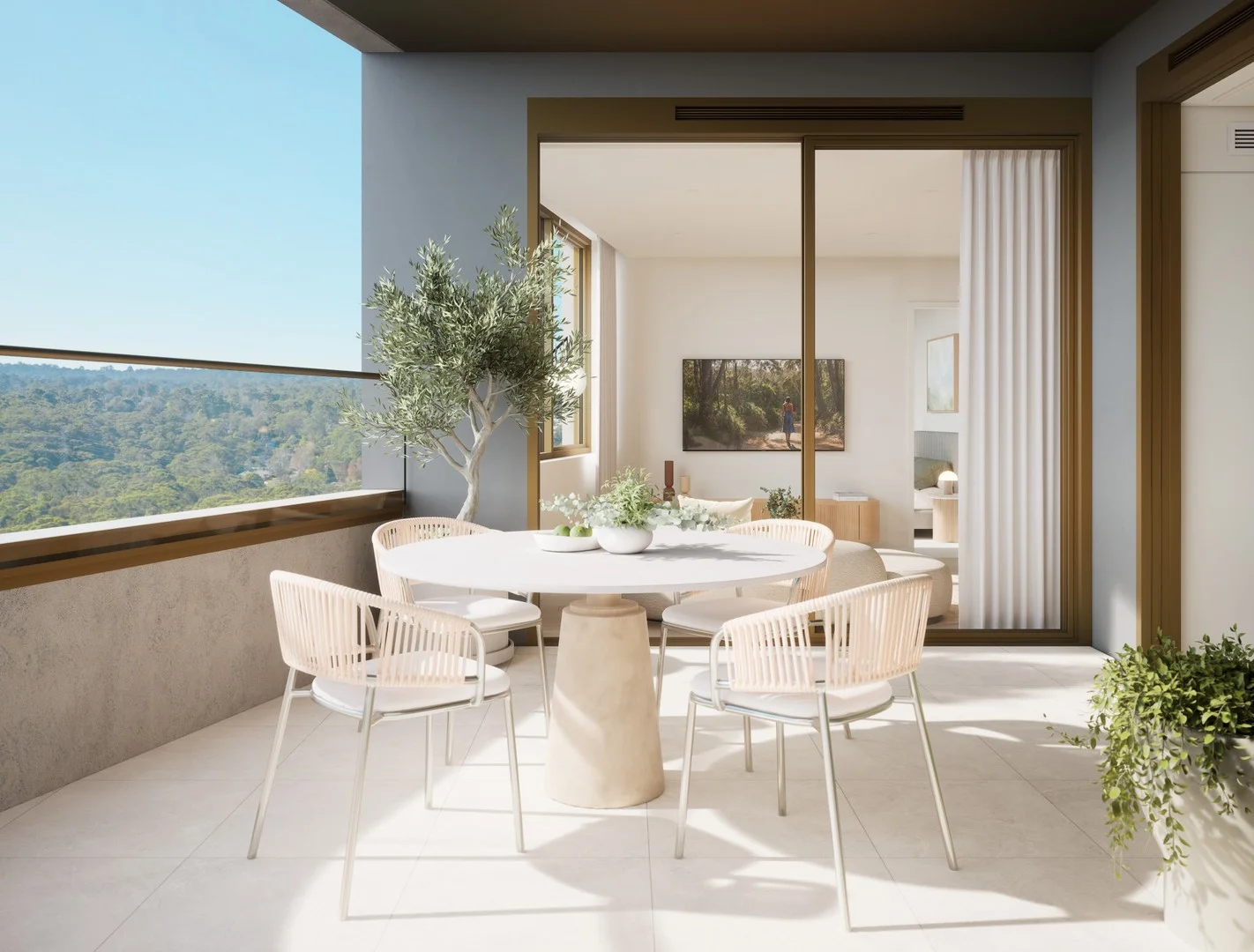 $1,525,000
Apartment / Unit / Flat
$1,525,000
Apartment / Unit / Flat
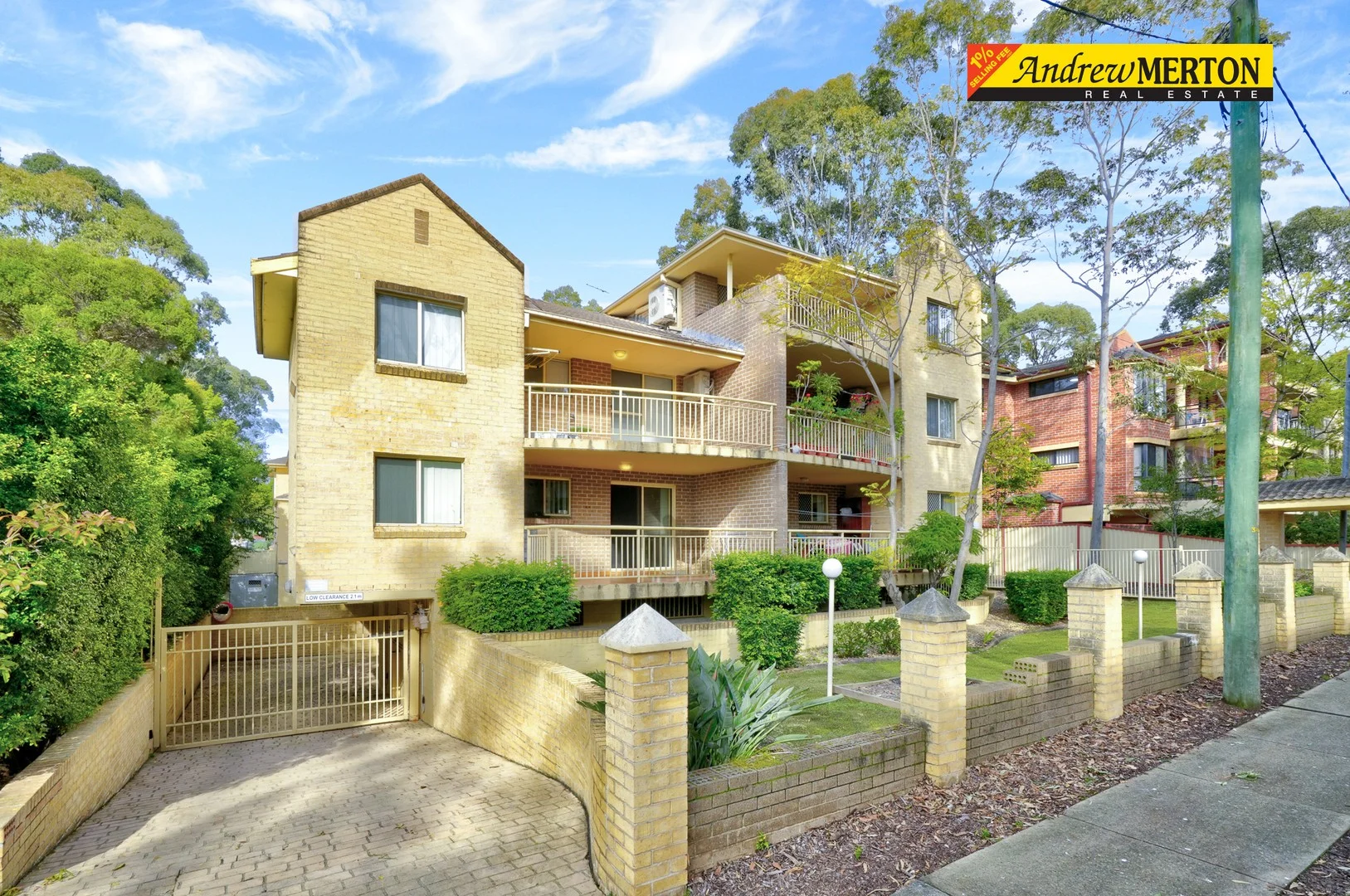 $530,000
Apartment / Unit / Flat
$530,000
Apartment / Unit / Flat
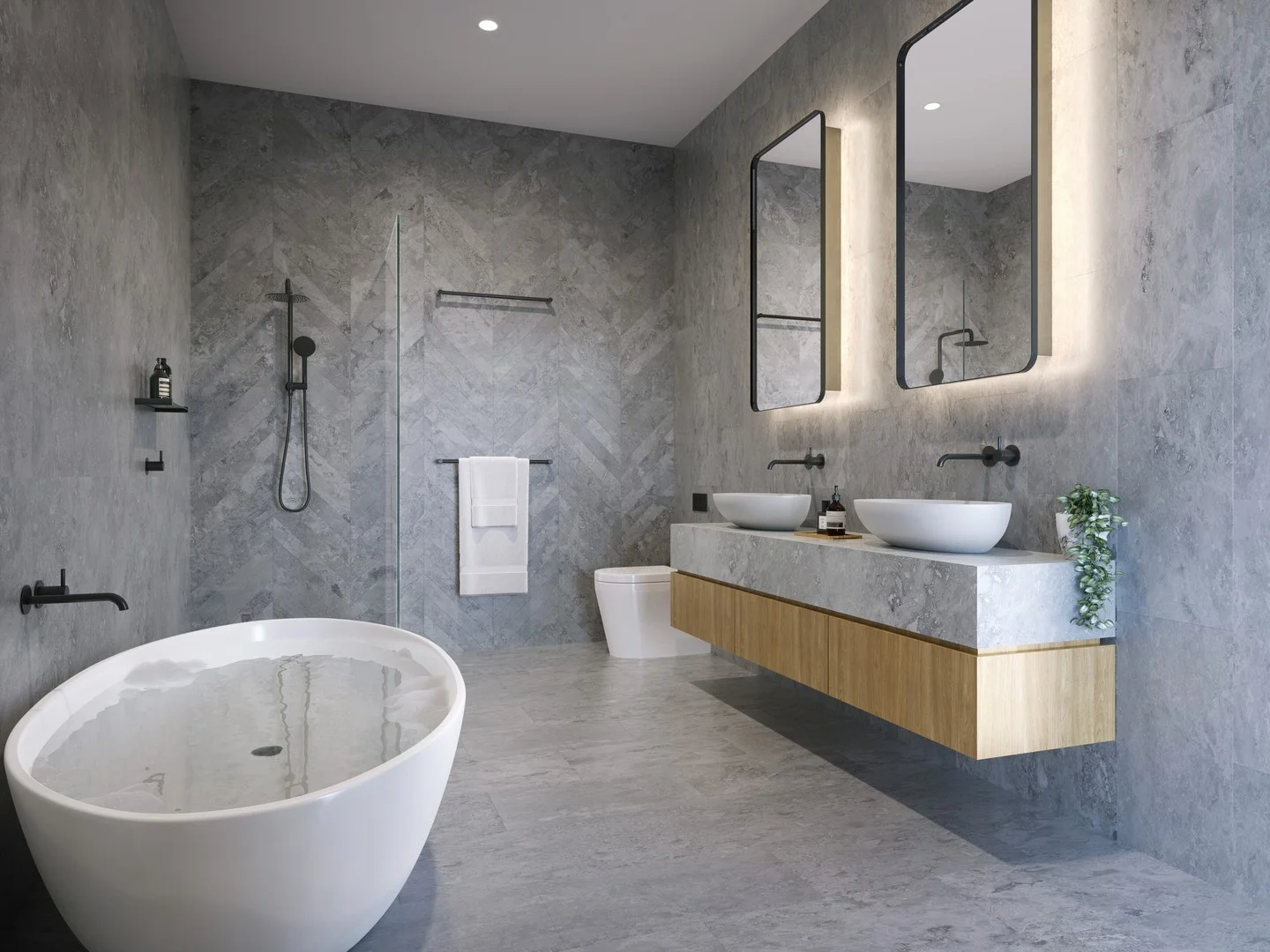 $2,824,000
Apartment / Unit / Flat
$2,824,000
Apartment / Unit / Flat
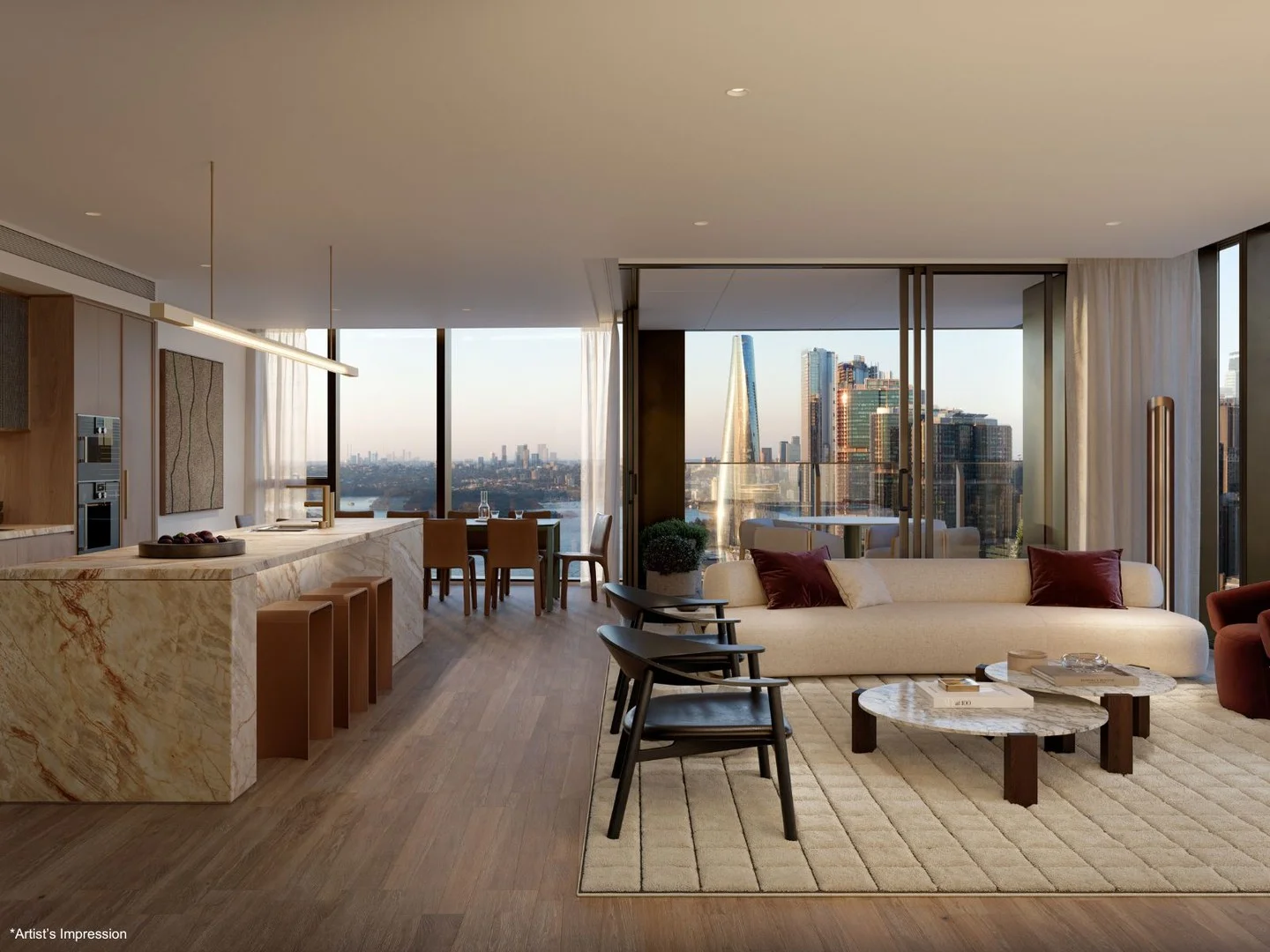 $12,980,000
propertyType.NEW APARTMENTS / OFF THE PLAN
$12,980,000
propertyType.NEW APARTMENTS / OFF THE PLAN
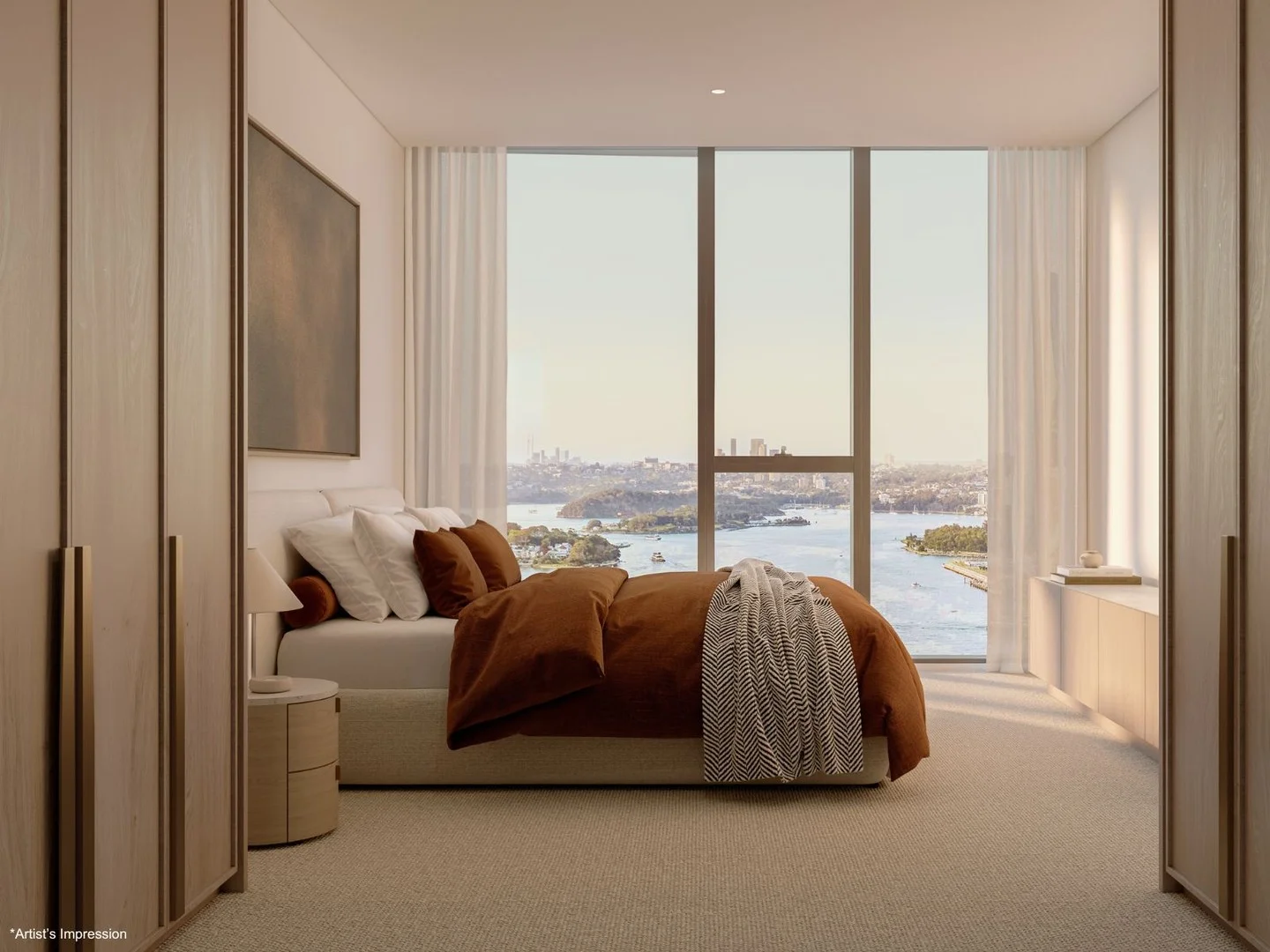 $8,630,000
propertyType.NEW APARTMENTS / OFF THE PLAN
$8,630,000
propertyType.NEW APARTMENTS / OFF THE PLAN
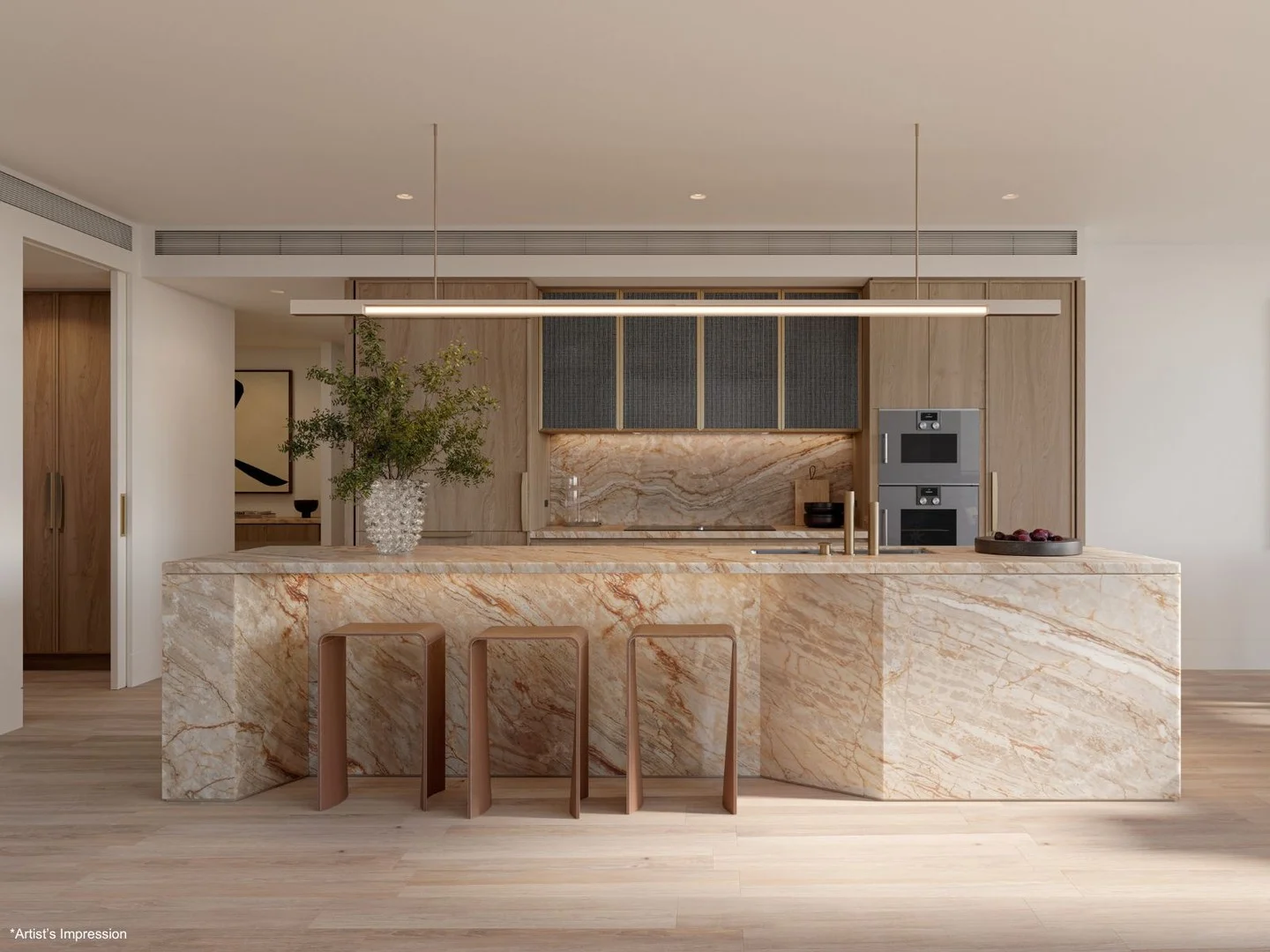 $6,225,000
propertyType.NEW APARTMENTS / OFF THE PLAN
$6,225,000
propertyType.NEW APARTMENTS / OFF THE PLAN
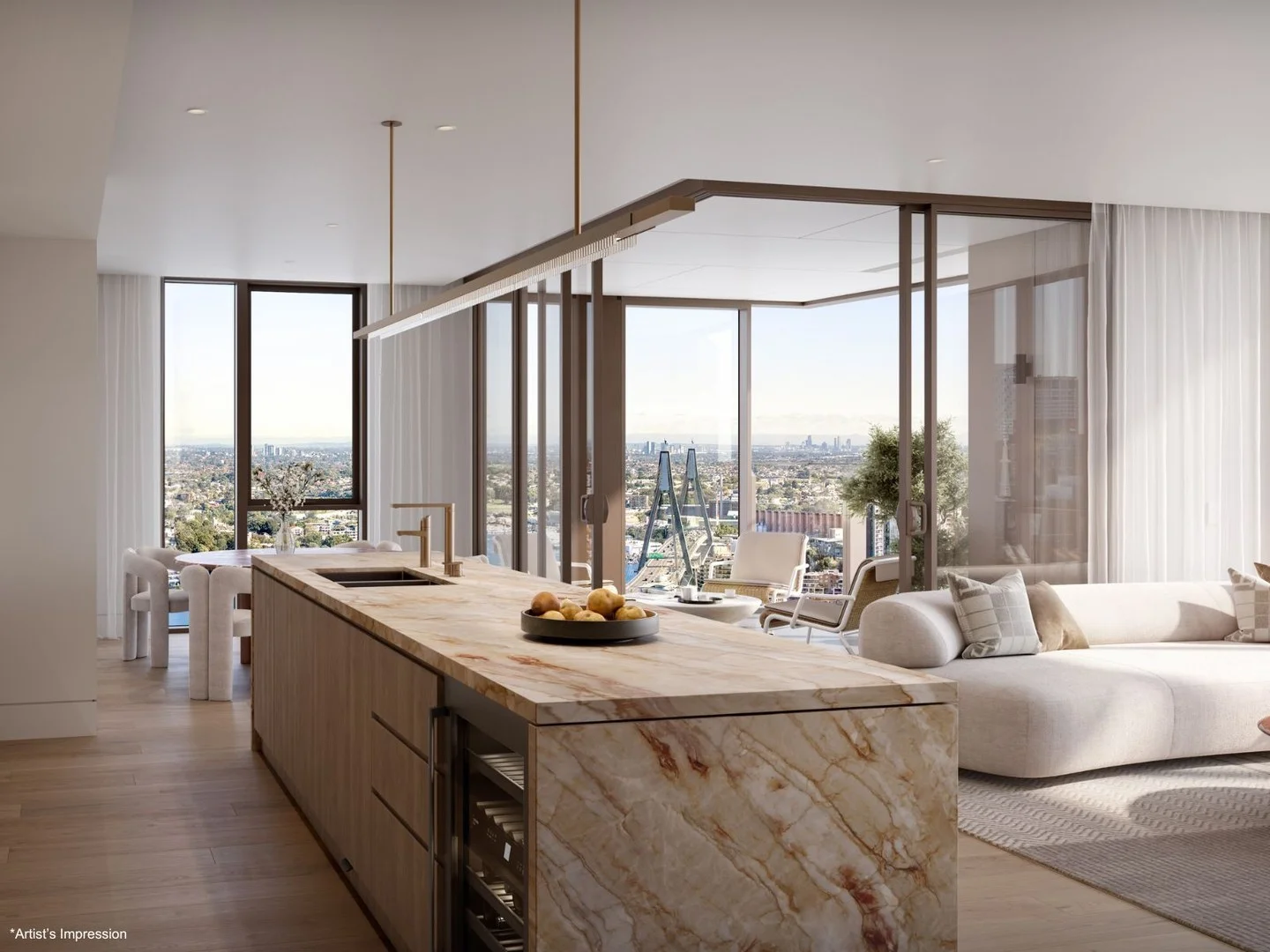 $9,020,000
propertyType.NEW APARTMENTS / OFF THE PLAN
$9,020,000
propertyType.NEW APARTMENTS / OFF THE PLAN
 $26,550,000
propertyType.NEW APARTMENTS / OFF THE PLAN
$26,550,000
propertyType.NEW APARTMENTS / OFF THE PLAN