## 1. Overview
Meridian School, Aberfoyle Park is a public school serving families in the Aberfoyle Park catchment. The school fosters an inclusive, supportive environment with a focus on academic growth and student well-being.
- School type: Public
- School size: Medium
- Class size: Approximately 22–26 students per class
- Atmosphere/culture: Inclusive, nurturing, academically oriented
## 2. Academics & Learning
Meridian Aberfoyle Park emphasises a balanced curriculum that supports strong foundations and widening opportunities.
- Academic strengths: STEM, English, leadership development, and modern languages
- Special programs: Gifted and Talented pathways, accelerated learning options, and strong Visual & Performing Arts opportunities
- NAPLAN trends: Steady year-on-year improvement across cohorts, with results typically above regional averages in key literacy and numeracy areas
- Student-teacher ratios: About 1:22–1:24
- Support for diverse learners: EAL support, SEN support, in-class and targeted intervention programs, and individual education planning
## 3. Sports & Extracurricular Strengths
A focus on well-rounded development with broad opportunities for participation and achievement.
- Sports offered: Soccer, basketball, cricket, netball, athletics, swimming
- Strong teams or achievements: Active regional representation and competitive inter-school participation
- Music, arts, drama programs: Choir, instrumental program, school productions, and drama clubs
- Clubs: Robotics, chess, coding, debating, science clubs
- Partnerships: Local sports leagues, regional robotics competitions, coding bootcamps, and arts collaborations
Most parents consider these strengths important for boys aged 10–14, given the emphasis on teamwork, discipline, and skill-building.
## 4. Wellbeing & Pastoral Care
Prioritising student welfare and a supportive school culture.
- Anti-bullying approach: Whole-school policy with proactive education, reporting channels, and restorative practices
- House system: Yes, with active house events and competitions
- Counsellors / wellbeing officers: On-site counsellors and wellbeing staff available for student support
- Transition support for new students: Orientation sessions, buddy programs, and targeted onboarding to smooth transitions
## 5. Facilities
Facilities designed to support learning, creativity, and activity.
- Sports grounds: Updated, multi-use playing fields and courts
- Libraries: Fully equipped libraries with digital resources
- Science labs: Modern, well-equipped labs for practical experiments
- Music/performing arts centers: Dedicated spaces for music, drama, and performances
- Tech/innovation labs: Makerspace and digital fabrication resources
- Cafeteria: Healthy, affordable options with student-friendly service
- Updated playgrounds: Safe, age-appropriate play and learning zones
## 6. School Values & Community Culture
Clear values that guide daily life and engagement with the broader community.
- School values / mission: Respect, Responsibility, Excellence, Inclusion
- Leadership style: Participative and student-inclusive, with opportunities for student voice
- Behaviour expectations: Positive behaviour framework with clear codes of conduct and consistent reinforcement
- Community reputation: Strong, supportive community with active parent involvement
- Diversity & inclusion: Commitment to inclusive practices and celebrating diverse backgrounds
## 7. School Logistics & Daily Operations
Practical information to help families plan and participate.
- School hours: Typically 8:40am–3:00pm, with flexible start/end options for certain programs
- Before/after school care: Available via on-site or approved OSHC providers
- Uniform requirements: Standard school uniform with clear guidelines
- Transport (train/bus routes): Local bus routes and public transport options serving the Aberfoyle Park area
- Canteen availability: On-site canteen offering healthy options
- Fees (low/medium/high ranges): Public school with low to medium incidental costs (uniforms, excursions, activities)
## 8. Enrolment & Admissions
11. What is the enrolment process and timeline?
- Submit an application through the school enrolment system, provide required documents (proof of residence, immunisation records, birth certificate), attend any information sessions or open days, and await confirmation of placement within the official timeline.
12. Is there a waiting list, and how does it work?
- Some year levels may have limited places; waiting lists are managed by the enrolments team and prioritised by residence within the catchment, availability, and date of application.
13. Are there any entry requirements, tests, or interviews?
- For a public school, entry typically does not require entrance tests or formal interviews. Documentation and eligibility are assessed, and any program-specific entry considerations (if applicable) are communicated during the enrolment process.
14. Does the school accept mid-year transfers?
- Yes, subject to available places. Families should contact the Enrolments Office as soon as possible to discuss timelines and required documentation.
## 9. Frequently Asked Questions
- Why Parents Choose This School?
- A welcoming, inclusive culture with strong academic and wellbeing outcomes, plus a broad range of extracurriculars and community involvement.
- What type of student thrives at this school?
- Curious, collaborative, and motivated learners who value both academics and participation in sport, arts, and clubs.
- What opportunities are available for students to extend their skills (academics, sports, arts)?
- Gifted and Talented pathways, accelerated options, clubs (robotics, coding, debating), diverse sports teams, music and drama opportunities, and regional competitions.
- How does the school communicate with parents?
- Regular newsletters, a parent portal, email updates, and parent-teacher interviews; responsive social and online channels.
- What is the school’s approach to teaching and learning?
- Student-centered, evidence-based pedagogy with differentiation, inquiry-based learning, and integrated use of technology.
- How does the school support students who need extra academic help?
- In-class support, targeted intervention programs, learning support staff, EAL and SEN services, and progression monitoring.
- What support is available for academic challenges?
- Access to tutors, small-group or one-on-one coaching, and structured plans to address gaps and build confidence.
- What are the class sizes and how much individual attention do students receive?
- Typical class sizes around 22–26 students, with teacher differentiation and access to additional support as needed.
- What extracurricular and sports opportunities are available?
- A wide range of clubs (robotics, chess, coding, debating) and sports (soccer, basketball, cricket, netball, athletics, swimming) plus music and drama programs.
- What facilities does the school offer (sports, science, arts)?
- Comprehensive facilities including sports grounds, libraries, science labs, a music/performing arts centre, tech/innovation labs, a cafeteria, and updated playgrounds.
- What is the school’s approach to technology and digital learning?
- Integrated technology use in learning, digital literacy emphasis, and access to devices and online platforms to support instruction and collaboration.
- What transport and accessibility options are available?
- Local bus routes and public transport options; accessible facilities and supports for students with additional needs.
- What are the typical school fees or additional costs?
- For a public school, tuition is typically not charged; costs relate to uniforms, excursions, and approved extra-curricular activities.
## 10. Short Pros & Cons list
- Pros
- Inclusive and supportive learning environment
- Balanced curriculum with strong academic and extracurricular options
- Solid student wellbeing support and pastoral care
- Broad facilities supporting science, arts, and sport
- Active community involvement and parent engagement
- Cons
- As a publicly funded school, capacity can influence mid-year transfers and wait times
- Large catchment areas may affect admission timelines during high-demand years
- Availability of certain specialized programs may vary year to year depending on staffing and funding






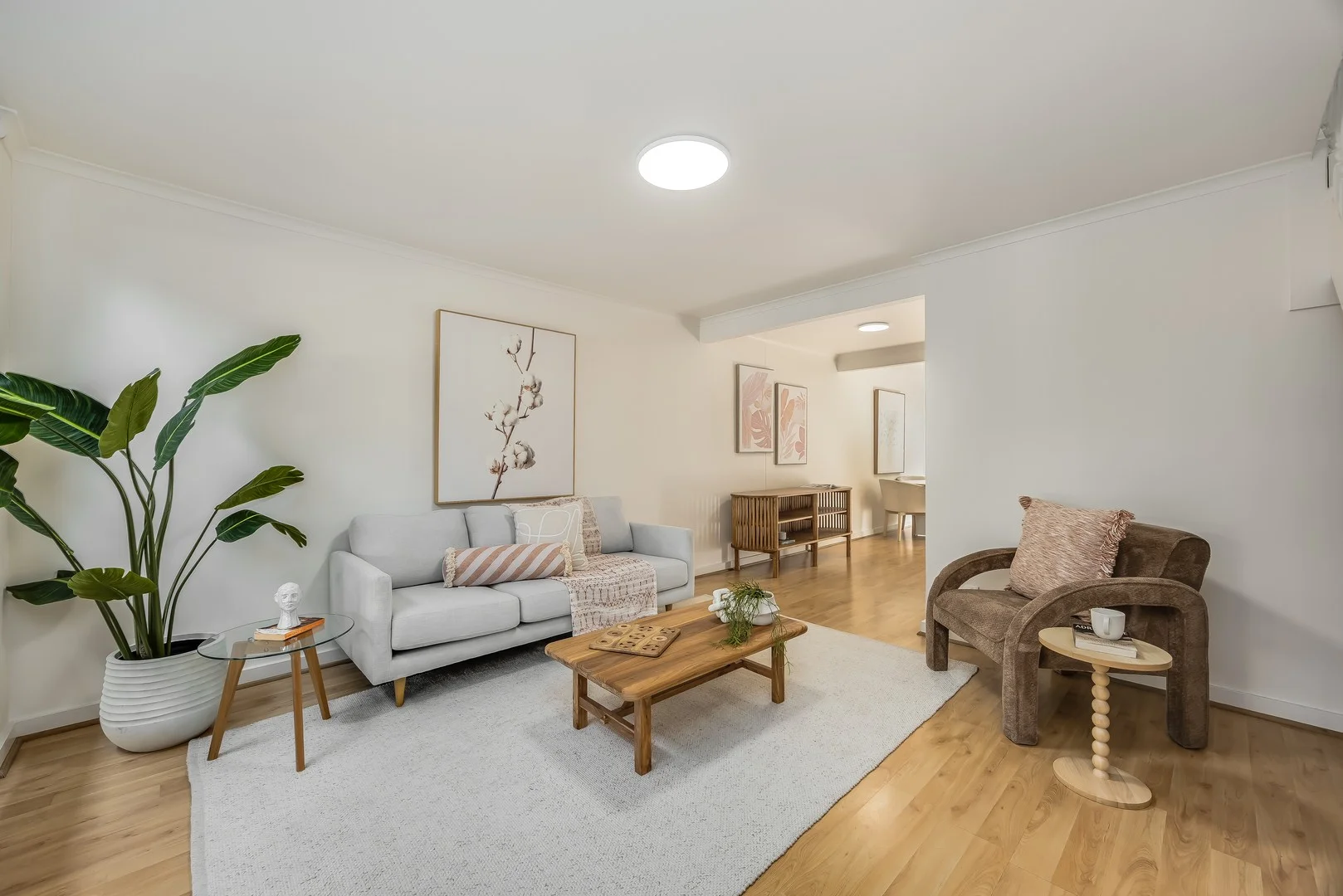 $775,000
House
$775,000
House
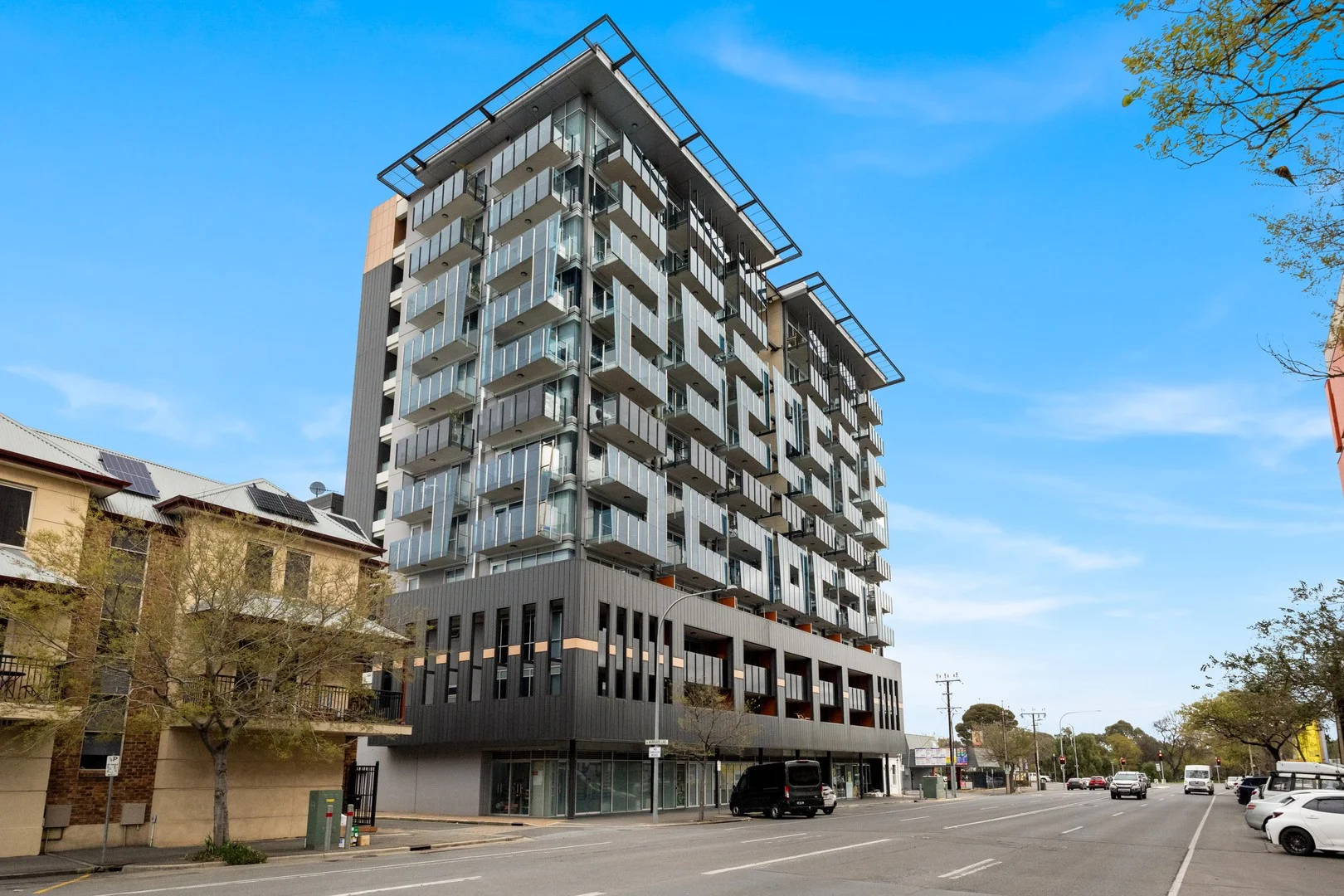 $1,100,000
Apartment / Unit / Flat
$1,100,000
Apartment / Unit / Flat
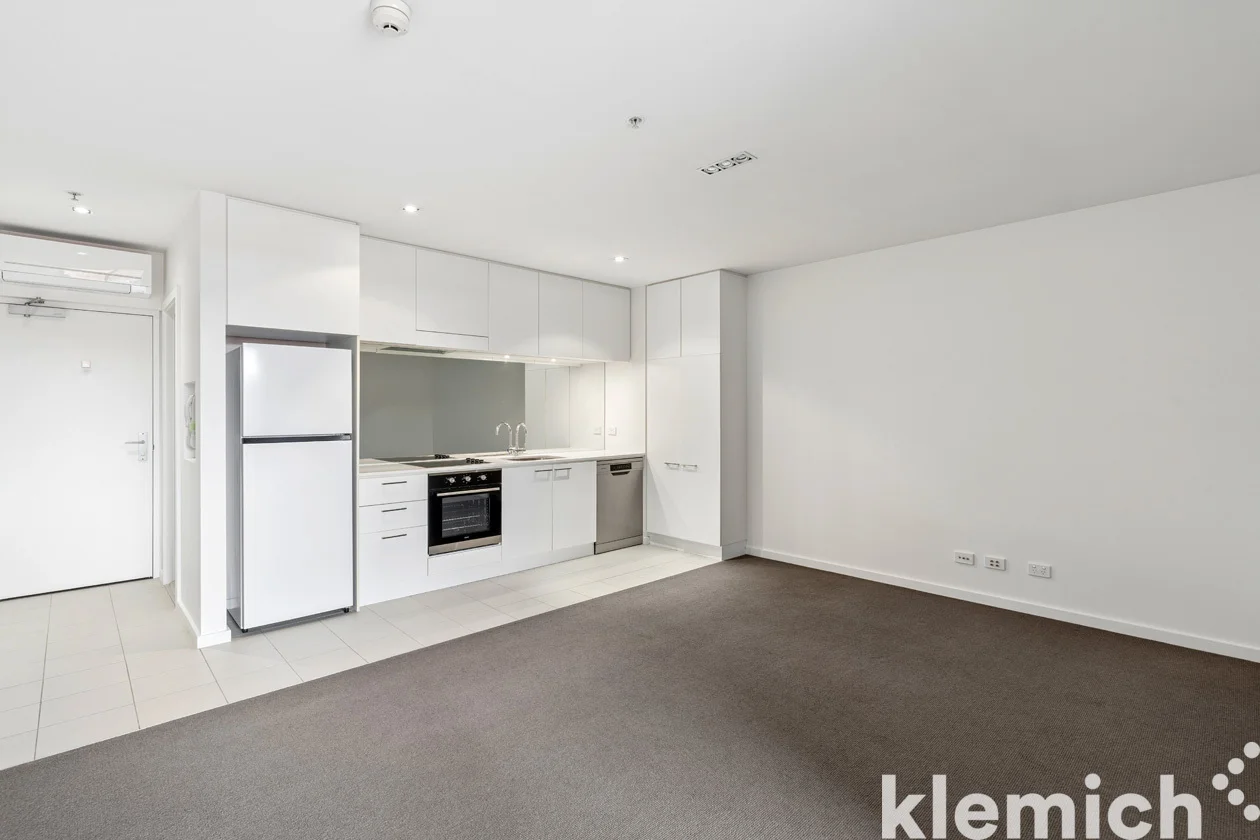 $440,000
Apartment / Unit / Flat
$440,000
Apartment / Unit / Flat