1. Overview
Flagstaff Hill R-7 Primary School is a public primary school serving students from Reception through to Year 7. As a mid-sized public school, it typically hosts a diverse cohort of families from the local Flagstaff Hill community, with class sizes around 20–25 students. The atmosphere is inclusive and nurturing, with a strong emphasis on student wellbeing, community involvement, and a balanced program that supports academic, sporting, and artistic development.
The school focuses on creating a positive, supportive culture where students are encouraged to participate, collaborate, and grow across learning areas. It aims to foster resilience, respect, and a sense of belonging within a welcoming community.
⸻
2. Academics & Learning
Academic strengths commonly emphasized at Flagstaff Hill R-7 Primary School include English and Mathematics foundational skills, with a growing focus on STEM activities and digital literacy. Leadership and literacy development are often supported through targeted programs and student opportunities.
Special programs may include gifted and talented pathways or extensions, and accelerated learning opportunities where appropriate. The school uses data to monitor progress and tailor supports, including targeted interventions for students needing extra help. NAPLAN trend discussions typically focus on ongoing improvement in literacy and numeracy and steady progress over time, with the school using results to guide small-group and whole-school strategies. Student-teacher ratios are generally around 1:18–1:22, depending on year level and staffing. The school provides support for diverse learners, including English as an Additional Language (EAL) programs and special education (SEN) supports where needed.
⸻
3. Sports & Extracurricular Strengths
Sports offered often encompass a broad program typical of SA primary schools, including team and individual options such as football (soccer), netball, cricket, basketball, athletics, and informal tennis or outdoor activities. The school participates in inter-school sporting events and carnivals, with opportunities for students to develop teamwork and competitive skills.
In addition to sports, music and the performing arts are usually fostered through choir, music groups, and occasional drama performances. Extracurricular clubs commonly include robotics, chess, coding, and debating, along with other interests such as art clubs or language clubs. The school may partner with local community sports clubs or academies to provide additional pathways and competitions for students.
⸻
4. Wellbeing & Pastoral Care
Wellbeing and pastoral care are priorities, with a whole-school approach to safety and positive behavior. An anti-bullying stance is supported by inclusive behavior expectations, clear codes of conduct, and ongoing education around respectful relationships.
A house system or similar structure is often used to support social belonging and healthy competition during events and assemblies. The school typically has dedicated wellbeing staff, such as a school counsellor or wellbeing officers, who provide support for social-emotional needs, school transition, and personal development. Transition support for new students includes orientation activities, buddy programs, and parent communication to ease entry into the school community.
⸻
5. Facilities
- Sports grounds and playing fields for physical education and inter-school events
- Library with a range of print and digital resources
- Science laboratories for hands-on STEM activities
- Music and performing arts spaces or studios
- Tech/innovation labs or makerspace facilities for coding and digital projects
- Cafeteria or canteen facilities
- Updated playgrounds and outdoor learning areas
The facilities are designed to support a visually engaging, hands-on learning environment and provide spaces for collaboration, creativity, and physical activity.
⸻
6. School Values & Community Culture
- Values and mission often emphasize respect, resilience, diversity, inclusion, and community engagement.
- Leadership style tends to be distributed, with opportunities for student leadership and staff collaboration to drive school improvement.
- Behaviour expectations are clearly communicated, with a focus on positive reinforcement and restorative approaches.
- The school maintains a community reputation for being welcoming and actively involving families in school life.
- Diversity and inclusion are important, with supports in place to ensure all students can participate fully in learning and activities.
⸻
7. School Logistics & Daily Operations
- School hours generally follow the typical primary schedule (start in the morning and finish in the mid-to-late afternoon, with variation by term and year level).
- Before/after school care is often available through an external provider or school-facilitated program (OSHC).
- Uniform requirements are standard for public primary schools in SA; details are provided by the school and the Department for Education.
- Transport and accessibility options usually include nearby bus routes and easy access via public transport; school zone information can guide eligibility.
- Canteen availability exists on some days, offering healthy options aligned with school policies.
- Fees: as a public school, contributions are voluntary and generally modest, with additional costs for camps, excursions, and certain activities. Uniform and resource costs are typically predictable and communicated by the school.
⸻
8. Enrolment & Admissions
11. What is the enrolment process and timeline?
- Enrolment decisions are usually made through the Department for Education’s process for public schools. Parents typically submit an enrolment application with required documents (proof of address, birth certificate or identity, and any relevant support plans). Timelines vary by term, with new student intake often aligned to term starts.
12. Is there a waiting list, and how does it work?
- If the school is at capacity, a waiting list may be used. Admissions from the waiting list follow the Department’s protocols, prioritizing eligibility, space, and catchment rules. Families can be advised of approximate wait times by the school administration.
13. Are there any entry requirements, tests, or interviews?
- Public primary schools in SA generally do not require entrance tests. Some schools may request documentation or conduct informal conversations to understand local needs, transition plans, or support requirements. Interviews are uncommon for standard enrolments but may occur for specific programs or support services.
14. Does the school accept mid-year transfers?
- Mid-year transfers are considered subject to vacancy and alignment with Department policies. Parents seeking a mid-year transfer should contact the school early to check availability and required steps.
⸻
9. Frequently Asked Questions
- Why Parents Choose This School?
Public, community-focused primary education with a nurturing environment, balanced academics, strong wellbeing supports, and broad extracurricular options that suit families in the Flagstaff Hill area.
- What type of student thrives at this school?
Students who enjoy a collaborative, inclusive learning environment with opportunities to participate in sports, arts, and clubs, and who value strong wellbeing and supportive teaching.
- What opportunities are available for students to extend their skills (academics, sports, arts)?
Access to classroom extensions, STEM and English enrichment, gifted/talented pathways where offered, sports teams, music and drama activities, robotics, coding, debating clubs, and inter-school competitions.
- How does the school communicate with parents?
Through newsletters, emails, a school portal or communications app, parent-teacher interviews, and regular updates on events and student progress.
- What is the school’s approach to teaching and learning?
A student-centered approach that blends explicit instruction with inquiry, hands-on learning, and the integration of digital tools to support literacy, numeracy, and problem-solving.
- How does the school support students who need extra academic help?
In-class differentiation, targeted small-group interventions, EAL/SEN supports, and access to additional teacher support or external services as needed.
- What support is available for academic challenges?
Early identification of learning needs, tailored interventions, progress monitoring, and collaboration with families to set goals and track improvement.
- How does the school communicate with parents? (Repeated)
See above; ongoing updates and opportunities to engage with teachers and support staff.
- What are the class sizes and how much individual attention do students receive?
Typical class sizes are around 20–25 students, with teachers providing regular feedback, targeted support, and small-group instruction as part of differentiation.
- What extracurricular and sports opportunities are available?
A broad range of sports, arts, and clubs including robotics, chess, coding, debating, music, and drama, with opportunities to participate in inter-school events.
- What facilities does the school offer (sports, science, arts)?
Sports grounds, library, science labs, music/arts spaces, tech/innovation labs, canteen, and updated playgrounds.
- What is the school’s approach to technology and digital learning?
Emphasis on digital literacy and safe, responsible use of technology, with integration of ICT into learning and opportunities for coding and digital projects.
- What transport and accessibility options are available?
Bus routes and access to public transport; consideration of accessibility needs and safe drop-off/pick-up arrangements as part of school logistics.
- What are the typical school fees or additional costs?
Public schools have low-to-moderate voluntary contributions, with additional costs for uniforms, camps, excursions, and specific activities.
⸻
10. Short Pros & Cons list
Pros
- Public, community-focused school with a nurturing atmosphere
- Moderate class sizes supporting individual attention
- Broad range of academic, sporting, and arts opportunities
- Strong wellbeing and pastoral care framework
- Diverse facilities including science labs, libraries, and performing arts spaces
Cons
- As a public school, enrolment can be affected by catchment rules and capacity
- Some programs or clubs may have limited availability or depend on staffing and volunteer support
- Uniforms and certain activities may require out-of-pocket costs for families
⸻
 $40+
$40+









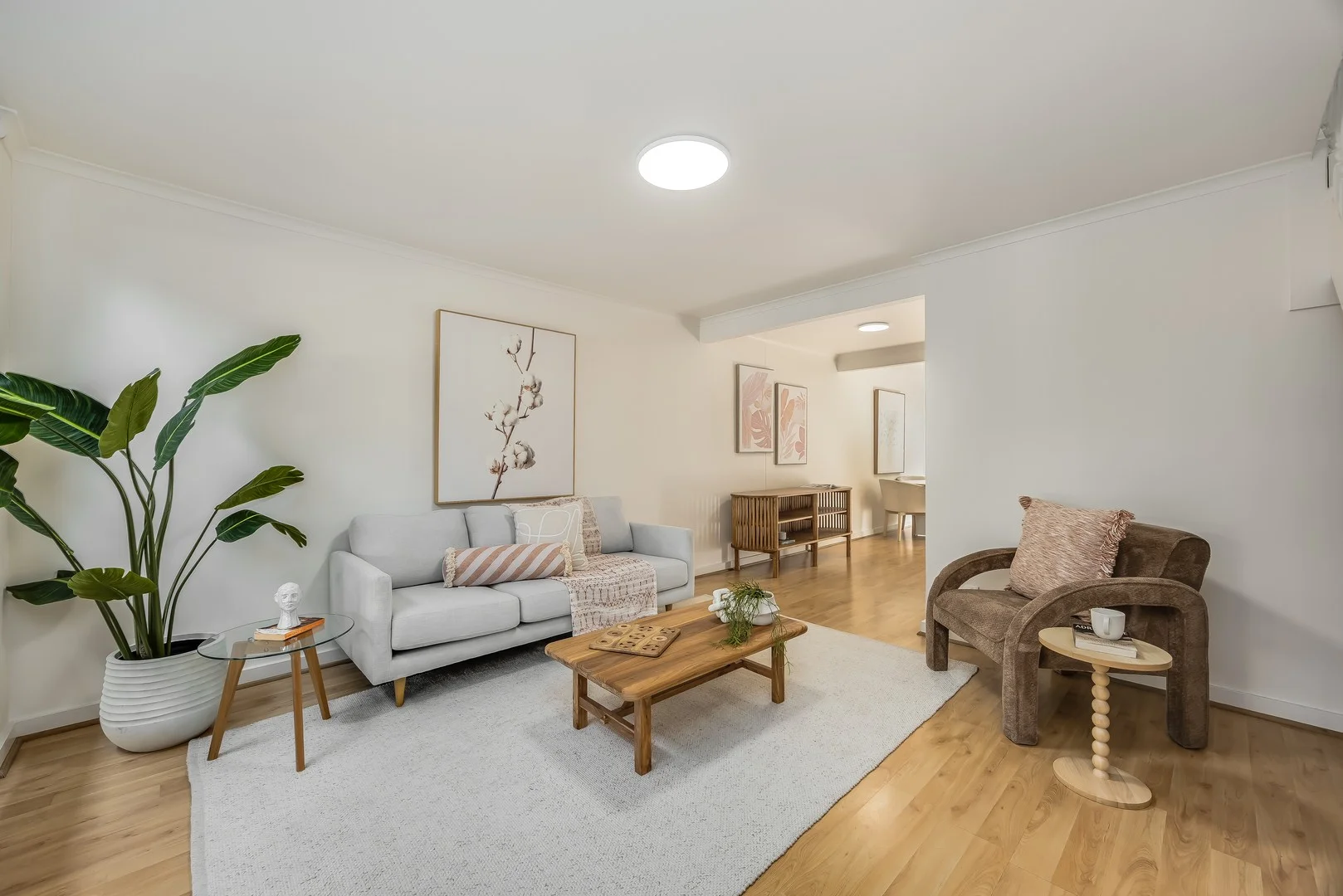 $775,000
House
$775,000
House
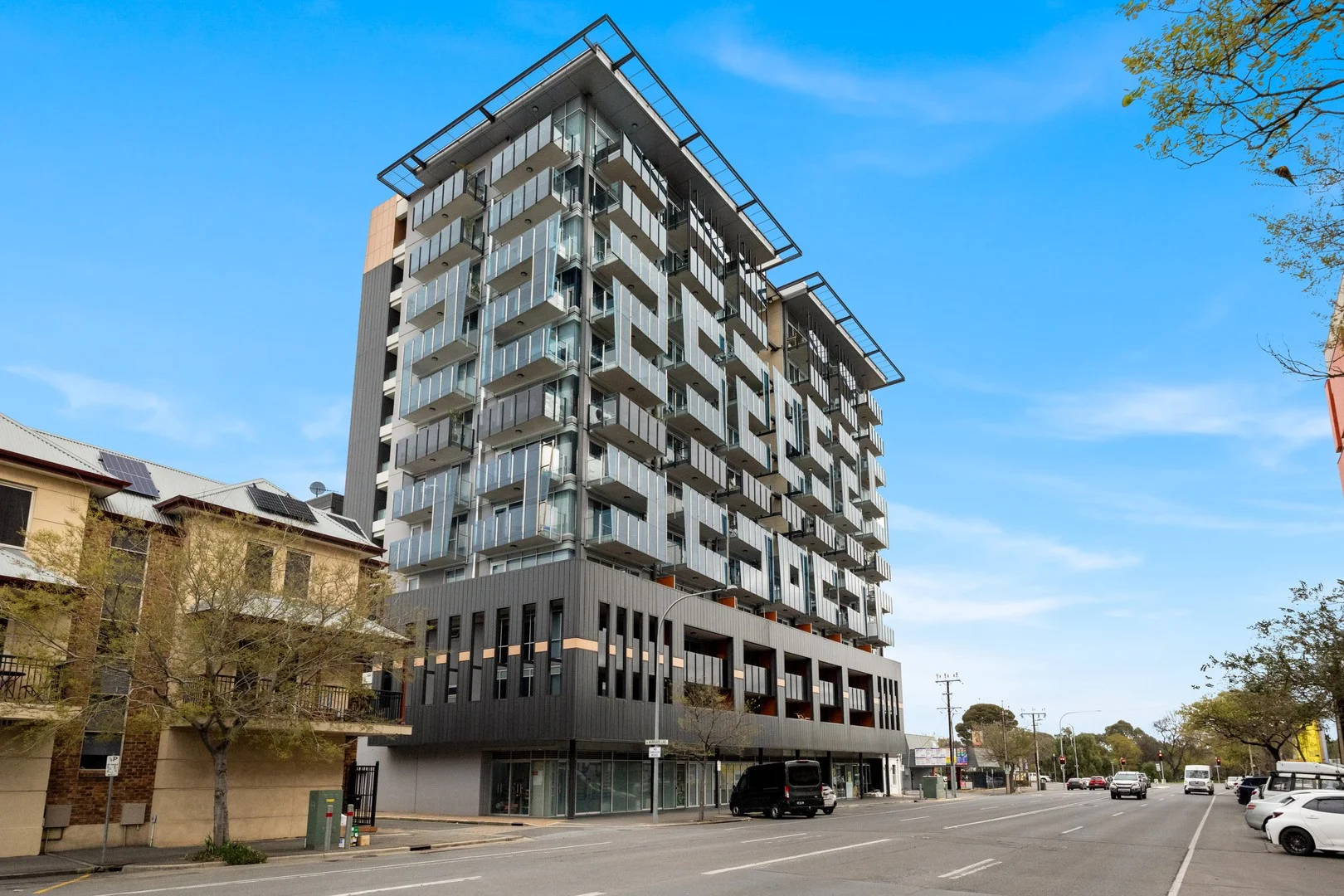 $1,100,000
Apartment / Unit / Flat
$1,100,000
Apartment / Unit / Flat
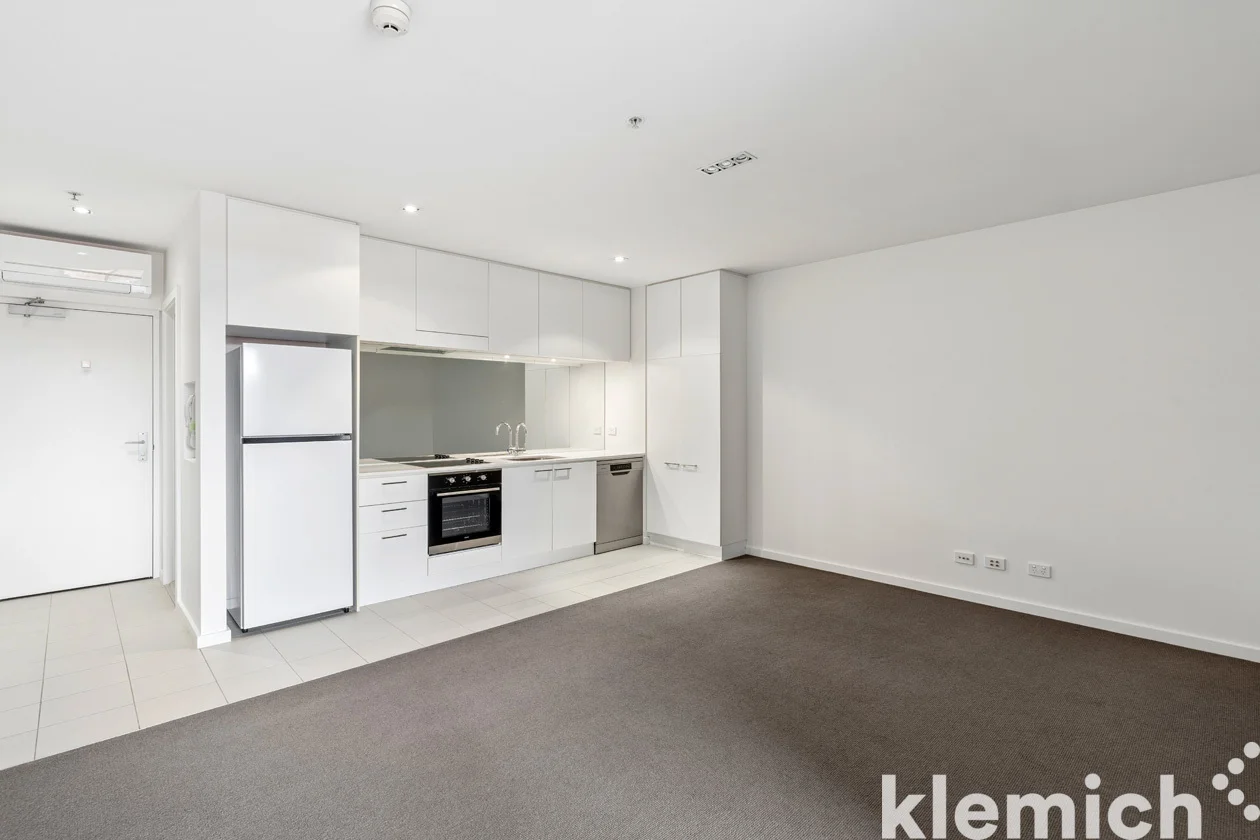 $440,000
Apartment / Unit / Flat
$440,000
Apartment / Unit / Flat
 $935,000
Apartment / Unit / Flat
$935,000
Apartment / Unit / Flat
 $557,000
Apartment / Unit / Flat
$557,000
Apartment / Unit / Flat
 $1,056,000
Apartment / Unit / Flat
$1,056,000
Apartment / Unit / Flat
 $588,000
Apartment / Unit / Flat
$588,000
Apartment / Unit / Flat
 $545,000
Apartment / Unit / Flat
$545,000
Apartment / Unit / Flat


