Overview
# 1. Overview
Millgrove Primary School is a public, co-educational primary school serving families in Millgrove, Victoria. The school offers a medium-sized community with class sizes typically in the low 20s, fostering a nurturing and inclusive atmosphere where students feel connected to their peers and teachers. The culture emphasises strong literacy and numeracy foundations within a supportive environment that values student voice, participation, and community involvement.
⟶ School type: Public
⟶ School size: Medium
⟶ Class size: Approximately 22–24 students per class
⟶ Atmosphere/culture: Nurturing, inclusive, community-focused
---
# 2. Academics & Learning
- Academic strengths: Strong literacy and numeracy foundations with growing emphasis on STEM and critical thinking. English and Mathematics are core focus areas, complemented by opportunities to explore science and technology concepts.
- Special programs: Programs supporting gifted/talented learners, leadership and student voice initiatives, and opportunities in arts and music to complement core learning.
- NAPLAN / trends: Trends over recent years show steady improvement in reading and numeracy, with stable performance in writing. The school monitors results to inform teaching and targeted support.
- Student-teacher ratios: Typical class sizes and ratios in primary range around 1:15 to 1:22, depending on year level, with specialist staff supporting core learning.
- Support for diverse learners: Dedicated support for students with diverse learning needs, including English as an Additional Language (EAL) learners and students with additional needs (SEN). Access to targeted interventions and support staff.
---
# 3. Sports & Extracurricular Strengths
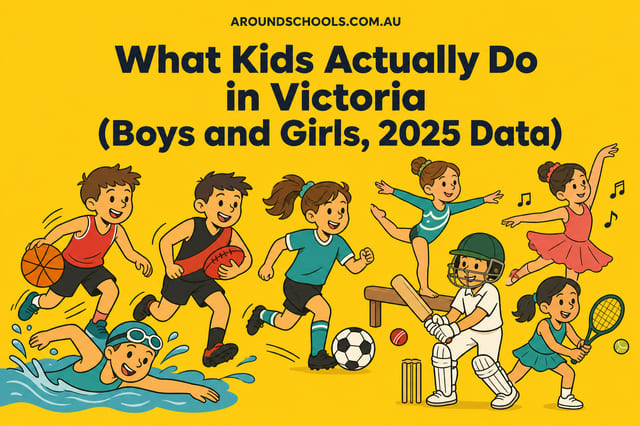
- Sports offered: Cricket, football (Aussie rules), soccer, netball, athletics, and swimming through local programs.
- Strong teams or achievements: Participation in district-level sport events with opportunities for students to represent the school; regular athletics days and gala days.
- Music, arts, drama programs: School choir, instrumental opportunities, and involvement in music/performing arts activities; occasional drama productions.
- Clubs: Robotics, coding, chess, debating, and other interest clubs available to broaden skills beyond the classroom.
- Partnerships: Connections with local sporting clubs and community organizations to extend opportunities through competitions and coaching clinics.
Most parents in this age group (boys aged 10–14) value active sport and well-rounded programs, and this school aims to balance athletics with creative and academic pursuits.
---
# 4. Wellbeing & Pastoral Care
- Anti-bullying approach: Whole-school anti-bullying policies, student wellbeing programs, and restorative practices to resolve issues and build positive behaviour.
- House system: A house structure to promote belonging, friendly competition, and peer mentoring across year levels.
- Counsellors / wellbeing officers: Access to on-site wellbeing staff to support student mental health, resilience, and transitions.
- Transition support for new students: Orientation activities, buddy systems, and targeted supports to help new students settle in smoothly.
---
# 5. Facilities
- Sports grounds: Access to outdoor play spaces and sporting fields.
- Libraries: On-site library and reading spaces for independent reading and research.
- Science labs: Dedicated spaces for science activities and hands-on experiments.
- Music/performing arts centers: Facilities or dedicated spaces for music and performing arts programs.
- Tech/innovation labs: Computing or tech spaces that support coding and digital learning.
- Cafeteria: Canteen services on school days with student-friendly options.
- Updated playgrounds: Modern playground equipment and outdoor learning areas.
---
# 6. School Values & Community Culture
- School values / mission: A focus on respect, responsibility, resilience, and inclusion; a mission to enable every student to thrive academically and socially.
- Leadership style: Collaborative leadership with opportunities for student voice and parent involvement; emphasis on positive, constructive behaviours.
- Behaviour expectations: Clear behavioural framework built on respect, integrity, and accountability.
- Community reputation: Positive standing within the local community, with strong school-family partnerships and open communication.
- Diversity & inclusion: Welcoming environment that supports students from diverse backgrounds and celebrates inclusion.
---
# 7. School Logistics & Daily Operations
- School hours: Typical day runs from roughly 9:00 am to 3:30 pm, with variations for specific year levels; attendance policies apply.
- Before/after school care: Availability of before- and after-school care or supervised wraparound programs.
- Uniform requirements: School uniform expected on most days; specifics provided by the school.
- Transport (train/bus routes): Local bus routes and proximity to public transport; details available through the school or local transport providers.
- Canteen availability: Canteen operates on school days with snack/lunch options.
- Fees (low/medium/high ranges): Fees and contributions are in the low-to-medium range for a public primary school, with additional costs for activities or voluntary contributions as applicable.
---
# 8. Enrolment & Admissions
11. What is the enrolment process and timeline?
- Enrolment typically occurs through the public-school admissions process. Families submit an application, provide required documentation, and await a placement offer. Timeline depends on the start year and available positions; earlier applications generally improve chances for preferred placement.
12. Is there a waiting list, and how does it work?
- Waiting lists may apply when year levels are full. The school manages the list in order of priority and vacancy availability, with offers made as places open.
13. Are there any entry requirements, tests, or interviews?
- For primary school entry, there are usually no formal entry exams. Some programs or out-of-area requests may involve information gathering or short interviews to understand student needs and supports required.
14. Does the school accept mid-year transfers?
- Yes, subject to vacancies. Mid-year transfer applications are considered when a vacancy exists, with placement timelines dependent on the timing of the transfer and availability of spaces.
---
# 9. Frequently Asked Questions
- Why Parents Choose This School?
- A welcoming, inclusive community with strong literacy and numeracy foundations, supportive staff, and opportunities across academics, sports, and arts.
- What type of student thrives at this school?
- Students who value a collaborative, respectful environment, active engagement in learning, and participation in a range of extracurricular activities.
- What opportunities are available for students to extend their skills (academics, sports, arts)?
- A balanced program including literacy/numeracy development, STEM activities, leadership opportunities, arts, music, sports, robotics/coding, and debating clubs.
- How does the school communicate with parents?
- Regular updates through newsletters, notices, parent-teacher conferences, and digital platforms. Open channels for feedback and inquiries.
- What is the school’s approach to teaching and learning?
- Student-centred learning with emphasis on core literacy and numeracy, supported by differentiated instruction, interventions, and opportunities for student voice.
- How does the school support students who need extra academic help?
- Targeted interventions, EAL/SEN support, and access to wellbeing staff and teaching aides to help students meet their learning goals.
- What support is available for academic challenges?
- Additional tutoring, small-group support, and progress reviews to tailor instruction and monitor improvement.
- How does the school communicate with parents?
- As above: regular updates, parent-teacher meetings, and accessible contact with teachers and administrators.
- What are the class sizes and how much individual attention do students receive?
- Class sizes typically in the low 20s, with teaching staff and support personnel available to provide targeted attention and small-group support where needed.
- What extracurricular and sports opportunities are available?
- Sports, robotics, coding, chess, debating, arts, music, and drama programs, with opportunities to participate in district events.
- What facilities does the school offer (sports, science, arts)?
- Sports grounds, libraries, science labs, music/performing arts spaces, tech/innovation labs, canteen, and updated playgrounds.
- What is the school’s approach to technology and digital learning?
- Integration of digital learning tools, coding and ICT activities, and appropriate use of technology to support learning and creativity.
- What transport and accessibility options are available?
- Local bus routes and access to public transport; school facilities and accessibility designed to support a broad range of students.
- What are typical school fees or additional costs?
- Fees are in the low-to-mid range for public primary schools, with some costs for elective activities or materials outside standard curriculum.
---
# 10. Short Pros & Cons
- Pros
- Supportive, inclusive community with a focus on literacy and numeracy.
- Balanced program across academics, sports, arts, and tech.
- Opportunities for student leadership and involvement.
- Accessible facilities and strong wellbeing support.
- Cons
- May have waiting lists for popular year levels during peak intake years.
- More limited range of specialist programs compared with larger metro schools.
- Transport options depend on local routes and may require planning for some families.