1. Overview
Modbury High School is a public, co-educational secondary school serving families across the Modbury area. It offers a broad, learner-centred curriculum in a supportive environment aimed at helping students progress across academic, sporting and creative pathways. The school is medium-sized, with class environments that emphasize individual attention within a collaborative community.
- School type: Public
- School size: Medium
- Class size: Typically mid-20s (approximately 22–28 students per class)
- Atmosphere/culture: Inclusive, supportive, academically focused with opportunities in sports and the arts
⸻
2. Academics & Learning
Modbury High School supports a well-rounded learning program with opportunities to pursue core strengths and broader interests.
- Academic strengths: Strong foundations in English and mathematics with a solid emphasis on literacy, numeracy and critical thinking; opportunities to develop in STEM, humanities and languages.
- Special programs: SACE pathways with a range of subjects; vocational and practical pathways (VET) available; potential extension or enrichment options within the school or Education Department framework.
- NAPLAN / trends: School-wide literacy and numeracy are monitored with year-to-year trends that reflect improvements and fluctuations; check the latest annual report for current patterns.
- Student-teacher ratios: About 1 teacher for every 18–22 students (class sizes typically mid-20s), enabling relatively close student support.
- Support for diverse learners: EAL support, learning support for students with additional needs, and access to specialist staff (e.g., literacy/numeracy support, wellbeing staff) to assist a range of learners.
⸻
3. Sports & Extracurricular Strengths
There is a strong emphasis on balanced development, with a range of sports and activities.
- Sports offered: Basketball, football (soccer and Australian rules), netball, cricket, athletics, rugby, tennis, swimming and other school sports programs.
- Strong teams or achievements: Regular participation in regional competitions with competitive teams; opportunities to reach finals and contribute to school pride.
- Music, arts, drama programs: Active music ensembles, choir and drama performances; involvement in school productions and concerts.
- Clubs: Robotics, coding, chess, debating and other student-led clubs support varied interests.
- Partnerships: Connections with local clubs and competitions, plus pathways to external competitions and events (e.g., regional tournaments and contests).
⸻
4. Wellbeing & Pastoral Care
Wellbeing is a central focus to help students feel secure, supported and ready to learn.
- Anti-bullying approach: Proactive anti-bullying programs and clear reporting channels; emphasis on respectful behaviour and safe school climate.
- House system: House-based activities and events to foster belonging, teamwork and school spirit.
- Counsellors / wellbeing officers: Access to school counsellors and wellbeing staff to support social-emotional learning, stress management and goal setting.
- Transition support for new students: Orientation programs, buddy systems and targeted transition support to help new students settle in.
⸻
5. Facilities
Facilities are designed to support a diverse range of learning and extra-curricular activities.
- Sports grounds: Outdoor spaces and courts for team sports and physical education.
- Libraries: On-site library resources to support study and leisure reading.
- Science labs: Contemporary science facilities for practical experiments and learning.
- Music/performing arts centers: Spaces for rehearsals, performances and music education.
- Tech/innovation labs: Practical spaces for technology, coding and project work.
- Cafeteria: On-site canteen providing meals and snacks.
- Updated playgrounds: Safe, functional play and social spaces for downtime and breaks.
⸻
6. School Values & Community Culture
Modbury High School aims to foster not only academic achievement but character and community.
- School values / mission: Emphasis on respect, inclusion, perseverance and responsibility; focus on student growth and positive contribution to the school community.
- Leadership style: Collaborative leadership with opportunities for student voice through councils and clubs; staff teams working with students to support goals.
- Behaviour expectations: Clear standards for conduct, safety and respect; consistent policies across the campus.
- Community reputation: Positive local reputation as an inclusive, supportive school with a focus on well-being and a balanced education.
- Diversity & inclusion: Commitment to a diverse student body and an inclusive culture that supports all learners.
⸻
7. School Logistics & Daily Operations
Practical information to help families plan around school life.
- School hours: Aligns with standard SA Department of Education timing; typically a morning start and afternoon finish within normal school day ranges (exact times published by the school each year).
- Before/after school care: Some supervision or study support options may be available, with additional provision through local providers or school programs.
- Uniform requirements: School uniform required; details provided by the school (items, colours, accessories).
- Transport (train/bus routes): Public transport options available; bus and train routes serving the Modbury area; check local schedules for exact stops and timetables.
- Canteen availability: On-site canteen offering a selection of meals and snacks.
- Fees (low/medium/high ranges): Public high schools in SA have modest fees for materials, excursions and optional activities; uniform costs and approved charges apply as per Department policies.
⸻
8. Enrolment & Admissions
11. What is the enrolment process and timeline?
- Enrolment typically follows the Department for Education process. Families submit an application within the established intake windows; proofs of identity and address may be required; offers are made based on space, catchment rules and policy. Open communication with the school and Department is encouraged to confirm timelines.
12. Is there a waiting list, and how does it work?
- If the school reaches capacity, there may be a waiting list. Places are usually allocated based on catchment priority, date of application and available space. Parents are kept informed about their position and expected timelines.
13. Are there any entry requirements, tests, or interviews?
- For standard enrollments, there are typically no entrance exams. Some programs or in-year entries may require additional forms, information about the student’s needs or prior attainment, and may involve a short information gathering or interview.
14. Does the school accept mid-year transfers?
- Mid-year transfers are possible if there is space and if the transfer aligns with policy. Families should contact the school early to discuss availability and complete the required transfer paperwork.
⸻
9. Frequently Ask Questions
- Why Parents Choose This School?
- A public option with a balanced, inclusive environment, broad curriculum, supportive staff and strong local ties.
- What type of student thrives at this school?
- Students who are curious, collaborative and motivated across academics, sports, arts or leadership activities; those who value a friendly, community-focused school.
- What opportunities are available for students to extend their skills (academics, sports, arts)?
- Access to a broad curriculum across core subjects, potential VET pathways, science, technology and coding clubs, robotics, debating, music ensembles and drama productions, plus school sports teams.
- How does the school communicate with parents?
- Through newsletters, emails, a school portal, and regular parent-teacher meetings and events.
- What is the school’s approach to teaching and learning?
- Learner-centred, evidence-based pedagogy with differentiation to meet diverse needs; focus on literacy, numeracy and critical thinking; regular feedback loops.
- How does the school support students who need extra academic help?
- Targeted literacy/numeracy support, EAL services, learning support staff and access to counsellors or wellbeing staff as needed.
- What support is available for academic challenges?
- Additional tutoring and intervention plans, accommodations as required, and ongoing communication with parents and teachers.
- How does the school communicate with parents?
- See above: newsletters, portal, emails, and parent-teacher meetings.
- What are the class sizes and how much individual attention do students receive?
- Class sizes typically sit in the low- to mid-20s, with teachers providing targeted feedback and opportunities for small-group support when needed.
- What extracurricular and sports opportunities are available?
- A wide range of sports and clubs (e.g., robotics, coding, chess, debating), plus music and drama programs and regional competitions.
- What facilities does the school offer (sports, science, arts)?
- Sports grounds, library, science labs, performing arts spaces, tech/innovation labs, canteen and updated social spaces.
- What is the school’s approach to technology and digital learning?
- Integration of digital tools across the curriculum, with a focus on digital literacy, responsible use and supporting learning through technology.
- What transport and accessibility options are available?
- Public transport options (bus and train) serve the area; accessibility policies and routes are aligned with local services.
- What are the typical school fees or additional costs?
- Public high schools generally have modest materials, activity and uniform-related costs; some extra costs for excursions or optional programs.
⸻
10. Short Pros & Cons list
- Pros
- Public, inclusive, community-focused environment
- Balanced curriculum with strong core subjects and broad opportunities
- Range of extracurriculars (sports, arts, clubs)
- Supportive wellbeing and pastoral care
- Manageable class sizes that enable some individual attention
- Cons
- Public-school funding can mean variability in resources across subjects
- Enrolment can be competitive in peak years; potential waitlists
- Transport needs may vary depending on family location
- Some programs or facilities may have limited capacity or require travel to access specialist resources








 $545,000
Apartment / Unit / Flat
$545,000
Apartment / Unit / Flat
 $557,000
Apartment / Unit / Flat
$557,000
Apartment / Unit / Flat
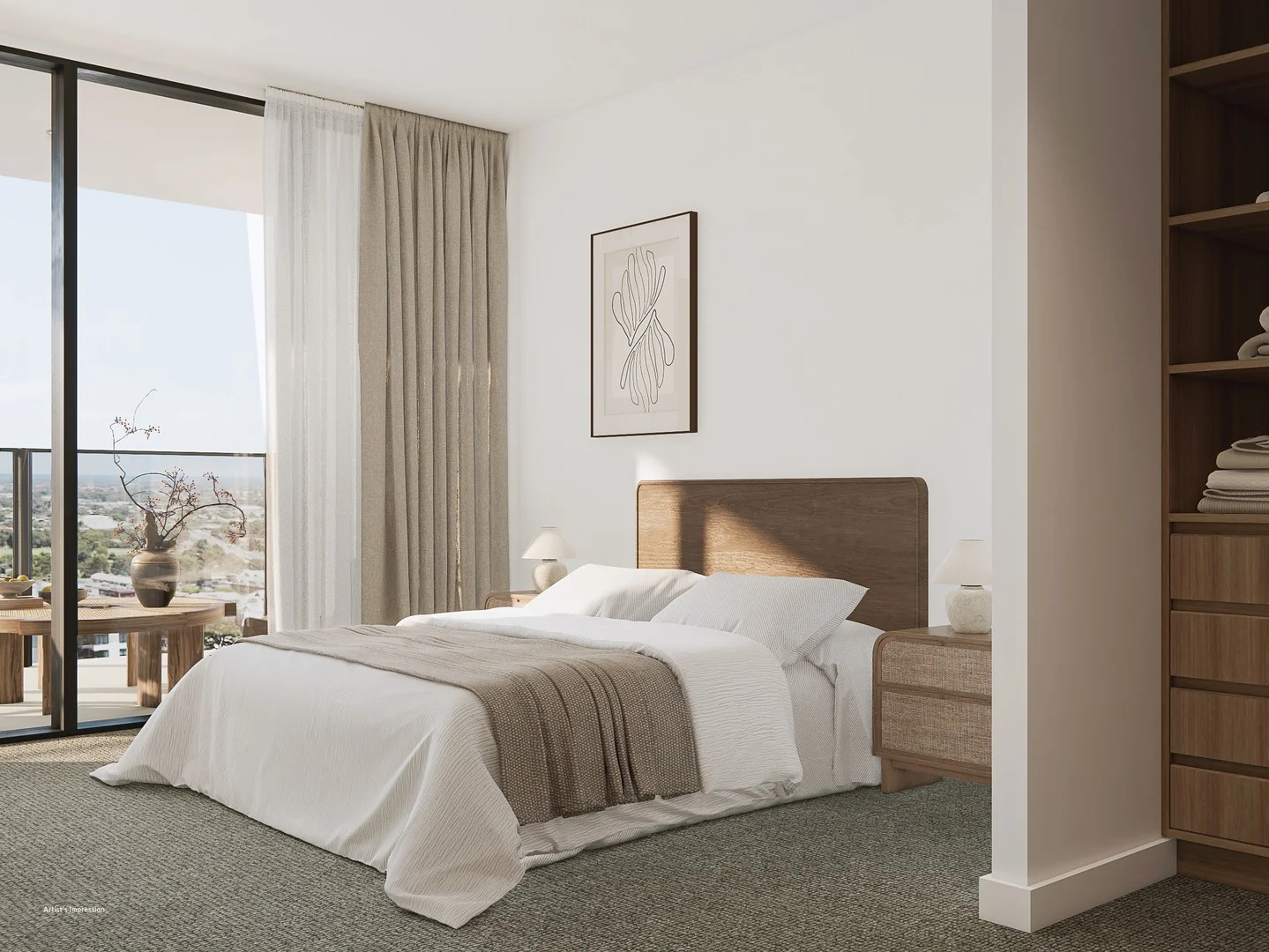 $935,000
Apartment / Unit / Flat
$935,000
Apartment / Unit / Flat
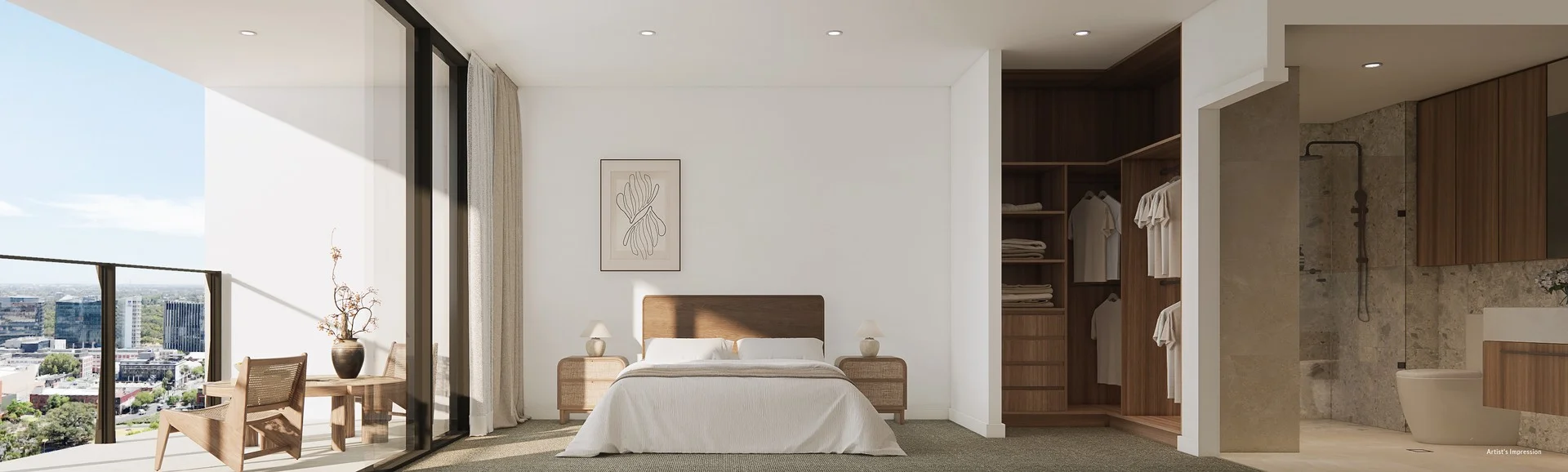 $1,056,000
Apartment / Unit / Flat
$1,056,000
Apartment / Unit / Flat
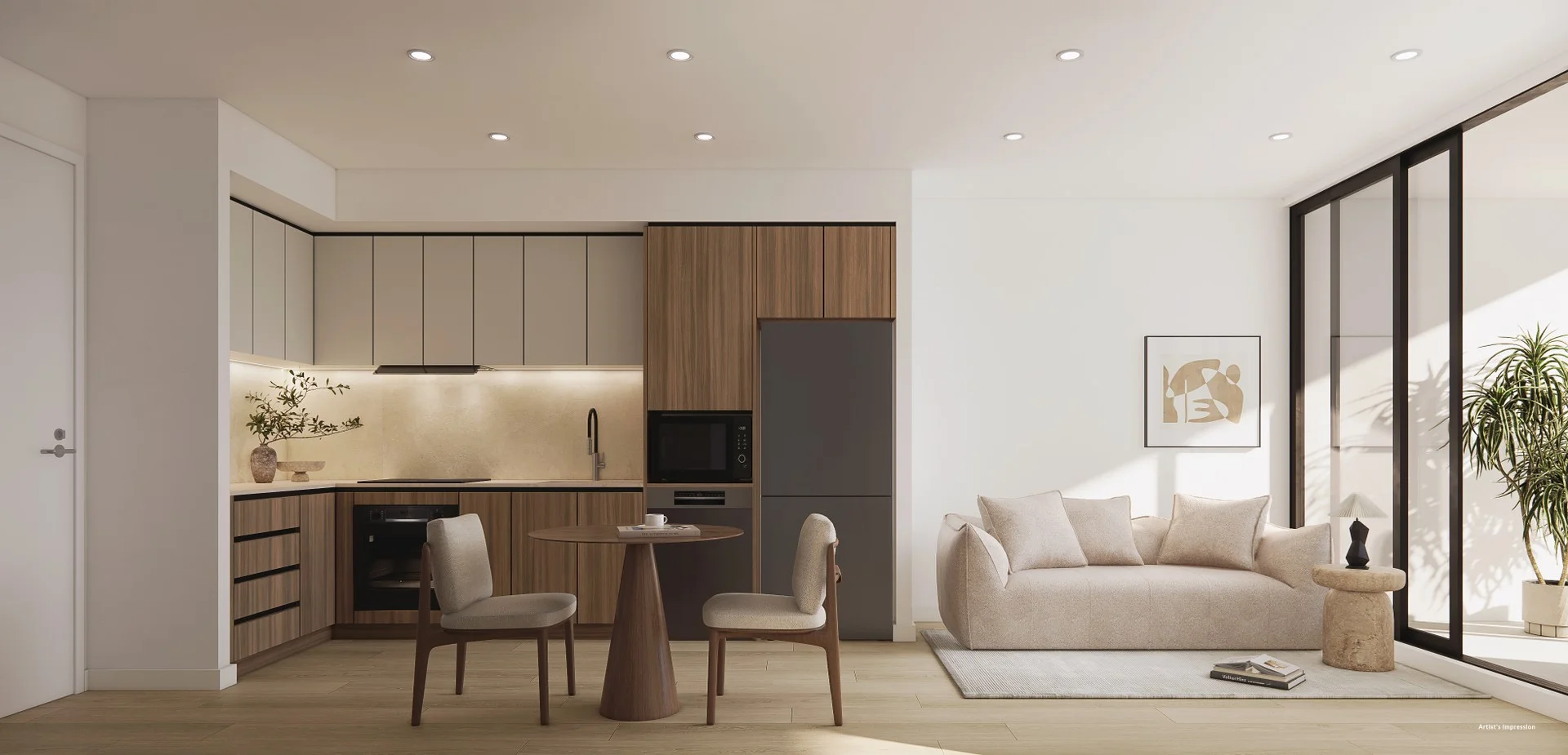 $588,000
Apartment / Unit / Flat
$588,000
Apartment / Unit / Flat
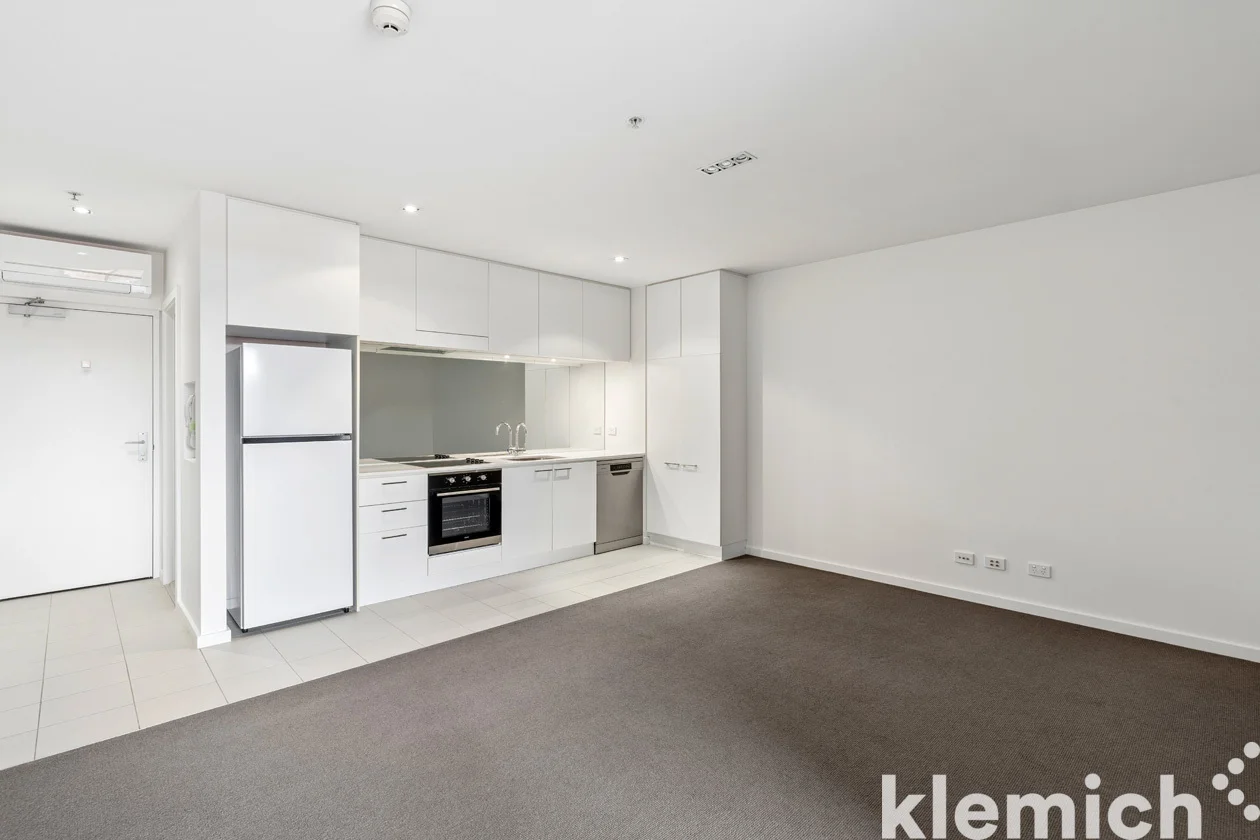 $440,000
Apartment / Unit / Flat
$440,000
Apartment / Unit / Flat
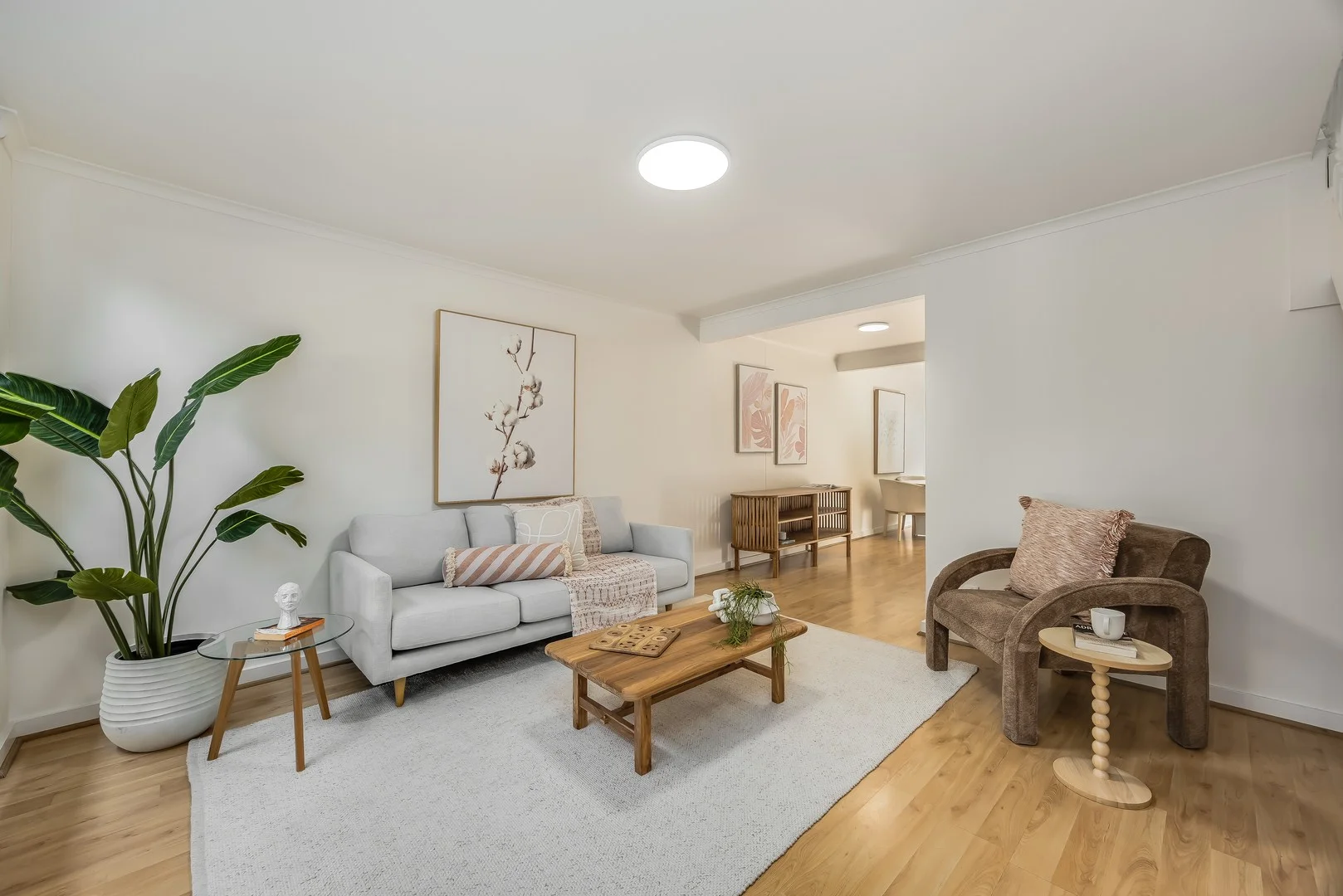 $775,000
House
$775,000
House
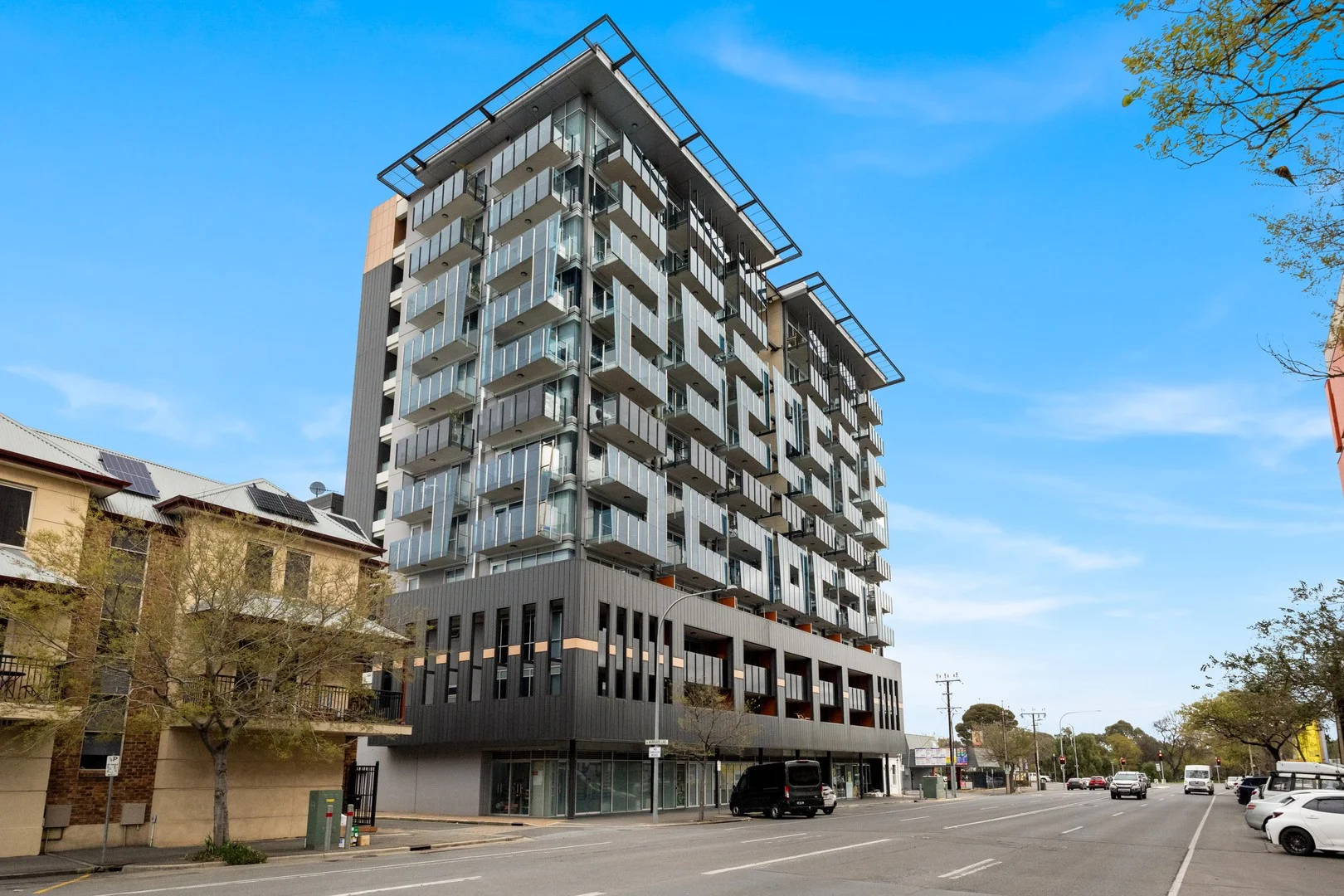 $1,100,000
Apartment / Unit / Flat
$1,100,000
Apartment / Unit / Flat