Overview
## 1. Overview (1–2 paragraphs max)
Modbury North School P-6 is a public primary school serving the Modbury North community in Adelaide, South Australia. It provides education from Reception to Year 6, offering a warm, inclusive learning environment where families feel welcome and staff focus on each child’s growth. The school size is medium, with class sizes typically around 20–25 students, fostering strong teacher–student relationships and collaborative learning. The atmosphere is nurturing and community-focused, with an emphasis on respect, inclusion, and supportive partnerships between home and school.
⸻
## 2. Academics & Learning
Modbury North School prioritises solid foundations in literacy and numeracy, with a growing emphasis on STEM, digital literacy, and critical thinking. Strengths often highlighted include English and mathematics progress, along with opportunities to engage in hands-on STEM activities and creative problem solving. The school offers special programs such as Gifted and Talented extension opportunities and leadership experiences for capable students, plus targeted support through EAL (English as an Additional Language) and SEN (Special Education Needs) services to help diverse learners thrive. NAPLAN trends data is typically used to monitor progress over time and guide teaching, with the school aiming for steady improvement; for the latest trend data, refer to the school's annual report or the Department of Education publications. Student–teacher ratios are in line with SA primary expectations (roughly 1:18 to 1:22, depending on year level).
⸻
## 3. Sports & Extracurricular Strengths
- Sports offered: soccer, netball, cricket, rugby/league, athletics, swimming, and cross-country events; inter-school sport opportunities are encouraged.
- Strong teams or achievements: regular participation in district/interschool competitions with opportunities to showcase teamwork and personal bests.
- Music, arts, drama programs: choir, school productions, and instrumental music activities are available to develop performance skills.
- Clubs: robotics, coding, chess, and debating are commonly available to extend curious minds beyond the classroom.
- Partnerships: connections with local sporting clubs and community organizations support extra-curricular pathways and competitions.
⸻
## 4. Wellbeing & Pastoral Care
- Anti-bullying approach: whole-school policies promote respectful behaviour, digital citizenship, and restorative practices to address concerns.
- House system: House groups are used to build belonging, leadership potential, and healthy competition across activities.
- Counsellors / wellbeing officers: access to school wellbeing staff to support emotional health, resilience, and social development.
- Transition support for new students: buddy programs, orientation sessions, and targeted support help new families settle in smoothly.
⸻
## 5. Facilities
- Sports grounds: well-maintained playing fields and courts for a range of activities.
- Libraries: well-stocked lending libraries with spaces for reading and collaboration.
- Science labs: dedicated spaces for hands-on experiments and inquiry-based learning.
- Music/performing arts centers: spaces for rehearsals, performances, and music education.
- Tech/innovation labs: spaces for coding, robotics, and digital projects.
- Cafeteria: on-site dining options and food services.
- Updated playgrounds: modern, safe outdoor play areas for active breaks and recreation.
⸻
## 6. School Values & Community Culture
- School values / mission: a focus on respect, responsibility, resilience, and inclusion, guiding daily behaviour and learning.
- Leadership style: student voice is encouraged through committees, projects, and leadership roles; staff model collaborative leadership.
- Behaviour expectations: clear codes of conduct and positive behaviour for learning, with supportive intervention when needed.
- Community reputation: known for a friendly, welcoming atmosphere and strong home–school partnerships.
- Diversity & inclusion: commitment to welcoming students from diverse backgrounds and providing appropriate supports to ensure all students can participate and succeed.
⸻
## 7. School Logistics & Daily Operations
- School hours: typical start around 9:00 am and finish around 3:15 pm; exact times can vary by year level and term.
- Before/after school care: OSHC or school-supported programs are available to families needing before/after care.
- Uniform requirements: school uniform typically includes navy/blue polo or shirt with logo, appropriate bottoms, and a hat; sport uniforms for physical education and activities.
- Transport (train/bus routes): public bus services serve the Modbury North area; families frequently rely on bus routes and local transport options; check current routes and timings with SA Transport or the school.
- Canteen availability: canteen or lunch facilities operate on specific days, offering a range of lunch options.
- Fees (low/medium/high ranges): as a public school, there is no tuition; families contribute via voluntary financial support and separate costs for uniforms, excursions, and some activities.
⸻
## 8. Enrolment & Admissions
11. What is the enrolment process and timeline?
- Enrolment is managed through the public school system. Families residing in the school’s zone typically complete the enrolment via the school, with timelines coordinated by the Department of Education. For out-of-zone or new-year commencements, contact the school early to confirm availability and required documentation.
12. Is there a waiting list, and how does it work?
- Waiting lists can occur if the school is oversubscribed. Prospective families may be placed on a waiting list, with offers made in order of application date and in accordance with Department guidelines. Availability may fluctuate by term and year level.
13. Are there any entry requirements, tests, or interviews?
- Generally, public primary schools do not require entrance tests or interviews for enrolment. Documentation such as proof of residency, birth certificate, immunisation status, and parent/guardian details are commonly requested. If special programs or supports are relevant, there may be additional submission requirements.
14. Does the school accept mid-year transfers?
- Yes, mid-year transfers are possible if vacancies exist. Prospective families should contact the school to discuss availability and complete the standard enrolment process with the necessary documentation.
⸻
## 9. Frequently Asked Questions
- Why Parents Choose This School?
- A welcoming public primary with strong community involvement, supportive staff, solid literacy and numeracy foundations, and inclusive practices that help students feel valued and secure.
- What type of student thrives at this school?
- Curious, collaborative learners who value a positive school culture, enjoy group activities, and are ready to engage in a broad range of academics, arts, and sports.
- What opportunities are available for students to extend their skills (academics, sports, arts)?
- Extended programs in English and Maths, STEM and digital literacy activities, leadership roles, coding/robotics clubs, music and drama opportunities, and inter-school sport teams.
- How does the school communicate with parents?
- Regular newsletters, emails, a school app or portal, notices from class teachers, parent-teacher interviews, and information through the school website and social channels.
- What is the school’s approach to teaching and learning?
- Curriculum aligned to state standards, with differentiated instruction, formative assessment, and a focus on inquiry-based learning, literacy and numeracy development, and digital literacy.
- How does the school support students who need extra academic help?
- In-class differentiation, targeted small-group support, reading interventions, EAL/SEN support, and access to specialist staff as needed.
- What support is available for academic challenges?
- Additional tutoring or targeted supports, adjustments to teaching approaches, and collaboration with families to create effective learning plans.
- How does the school communicate with parents?
- See above: newsletters, portals, emails, interviews, and parent engagement events.
- What are the class sizes and how much individual attention do students receive?
- Class sizes typically around 20–25 students, with teachers differentiating instruction and support staff available to assist individual students.
- What extracurricular and sports opportunities are available?
- A range of sports, arts, music, robotics, coding, chess, debating, and other clubs, plus inter-school competitions and events.
- What facilities does the school offer (sports, science, arts)?
- Modern facilities including sport grounds, libraries, science labs, music/performing arts spaces, tech/innovation labs, a cafeteria, and updated playgrounds.
- What is the school’s approach to technology and digital learning?
- Integrated digital literacy across the curriculum, use of devices and software to support learning, and opportunities for coding, robotics, and online collaboration.
- What transport and accessibility options are available?
- Public bus services and local transport routes, with car drop-off/pick-up zones and accessible facilities as part of the school’s infrastructure.
- What are the typical school fees or additional costs?
- No tuition for primary public schooling; costs may include uniforms, excursions, voluntary contributions, and optional activity fees.
⸻
## 10. Short Pros & Cons list
- Pros
- Public, inclusive primary with a strong sense of community and student wellbeing
- Solid literacy and numeracy foundations with STEM and digital learning
- Supportive programs for diverse learners (EAL, SEN) and leadership opportunities
- Broad range of sports, arts, and extracurricular activities
- Positive, collaborative culture with a house-based wellbeing and belonging system
- Cons
- As a medium-sized public school, some specialised programs or facilities may have limited capacity compared to larger institutions
- Specific program availability (e.g., certain clubs or advanced courses) may vary year to year
- Transport options depend on local routes and schedules; families may need to plan around bus times
- Fees for uniforms, excursions, and some activities are additional to voluntary contributions









 $545,000
Apartment / Unit / Flat
$545,000
Apartment / Unit / Flat
 $588,000
Apartment / Unit / Flat
$588,000
Apartment / Unit / Flat
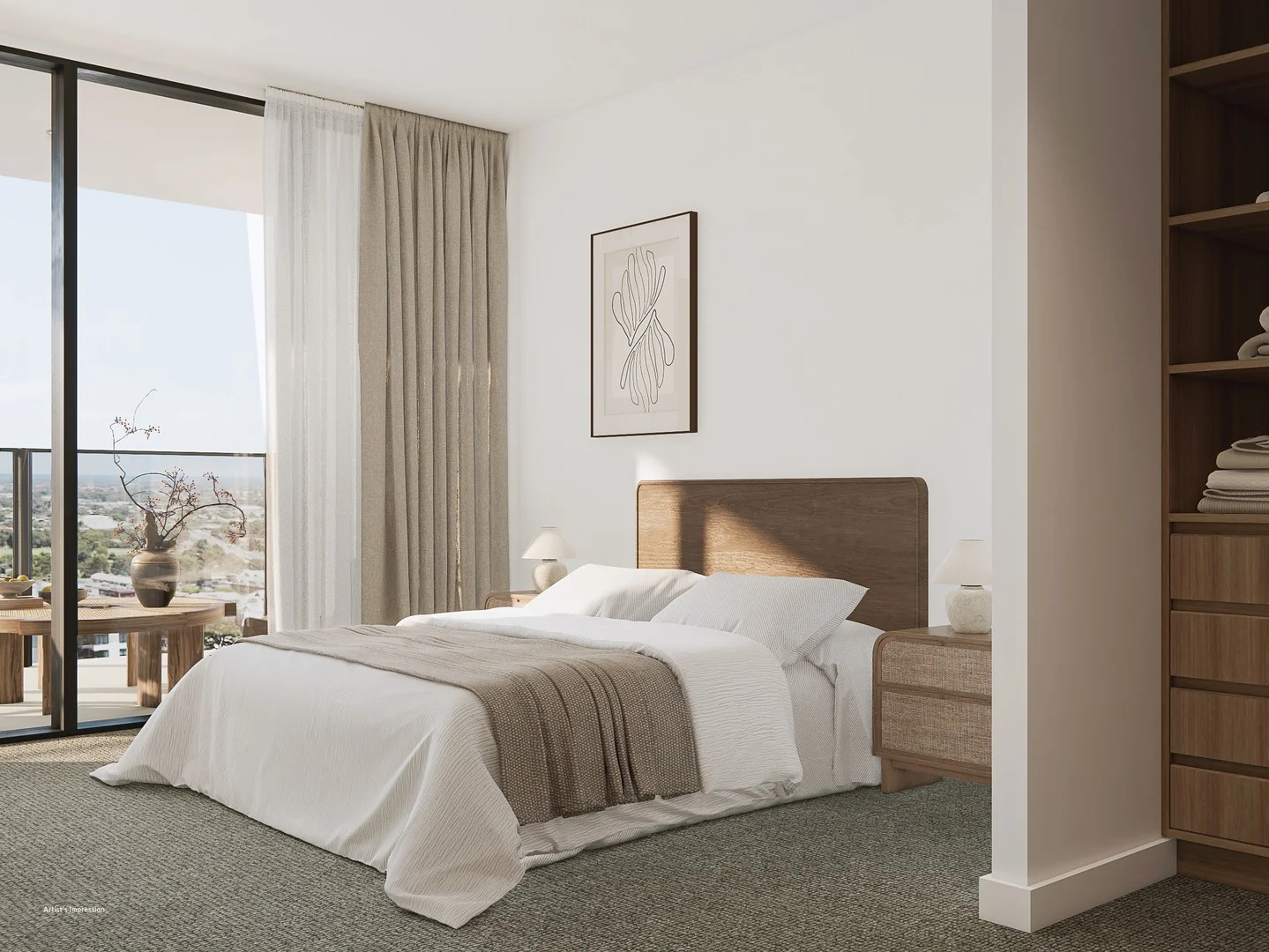 $935,000
Apartment / Unit / Flat
$935,000
Apartment / Unit / Flat
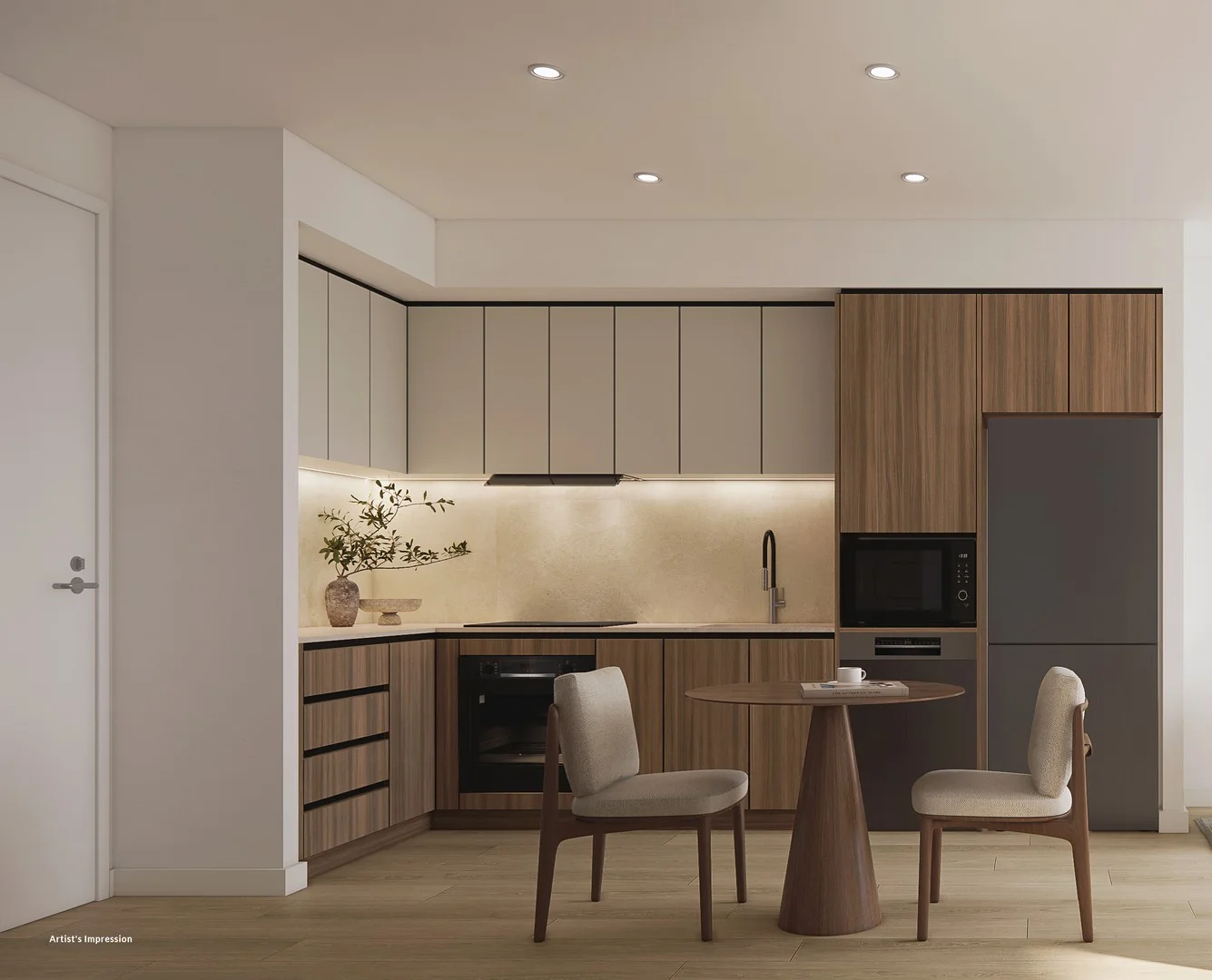 $557,000
Apartment / Unit / Flat
$557,000
Apartment / Unit / Flat
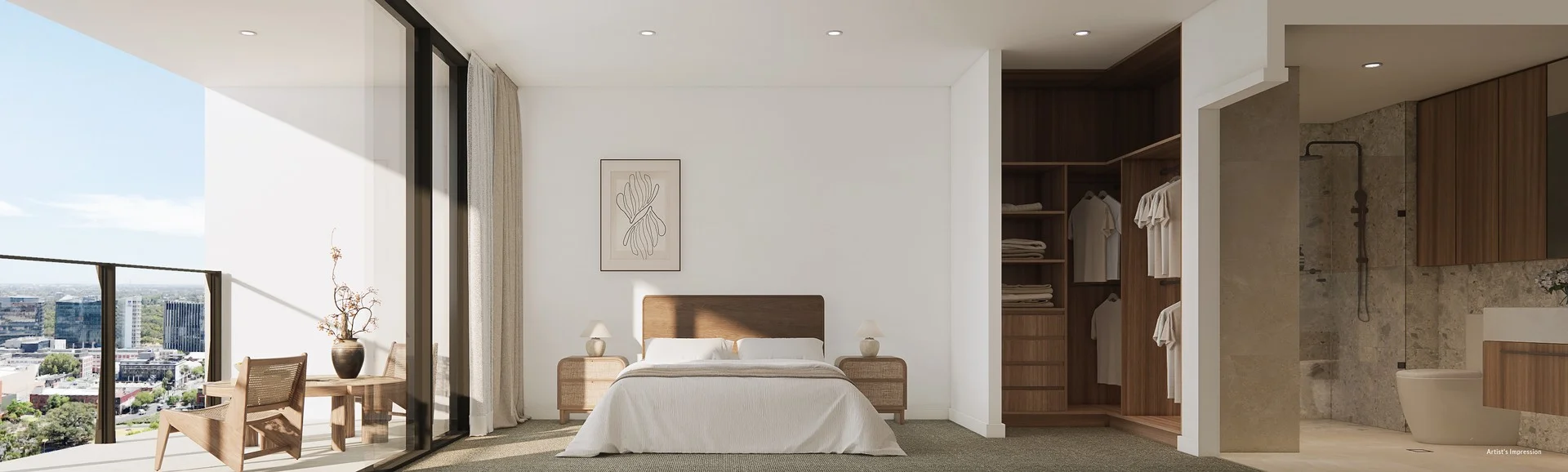 $1,056,000
Apartment / Unit / Flat
$1,056,000
Apartment / Unit / Flat
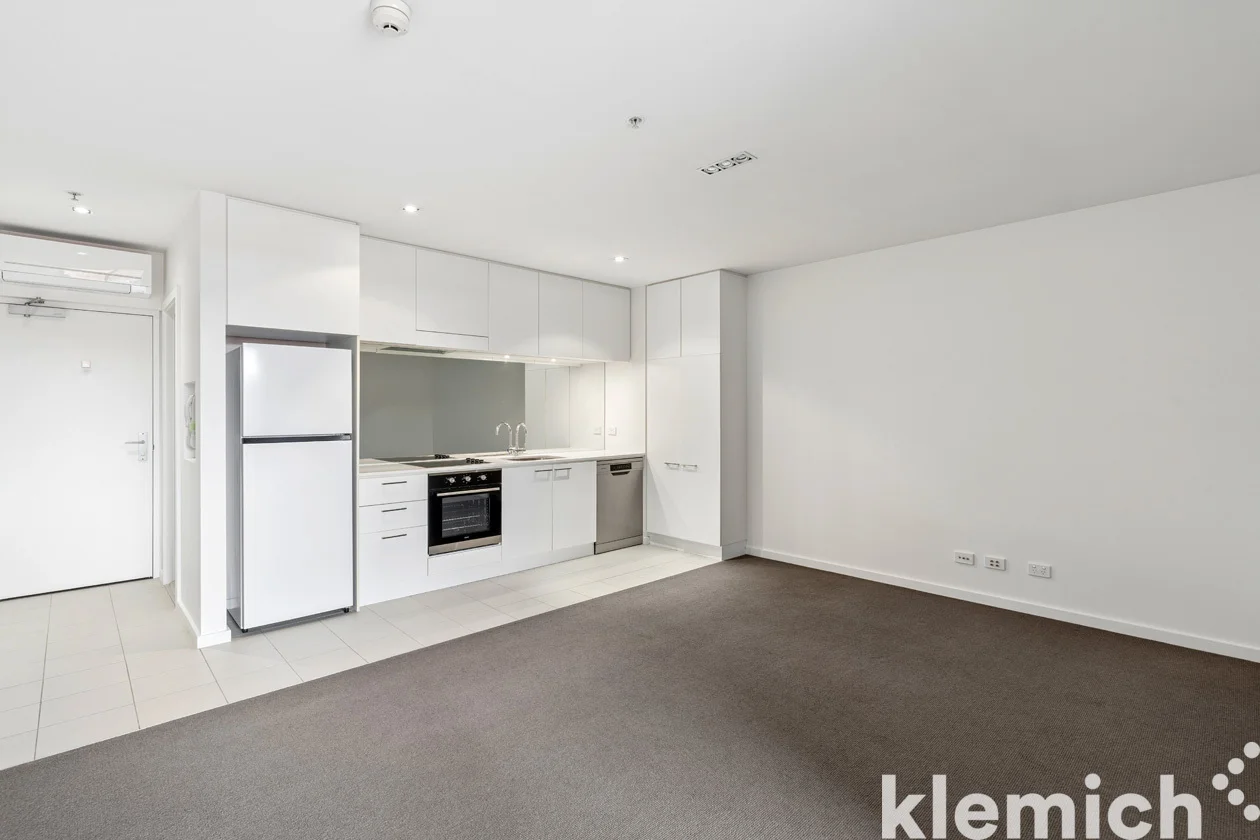 $440,000
Apartment / Unit / Flat
$440,000
Apartment / Unit / Flat
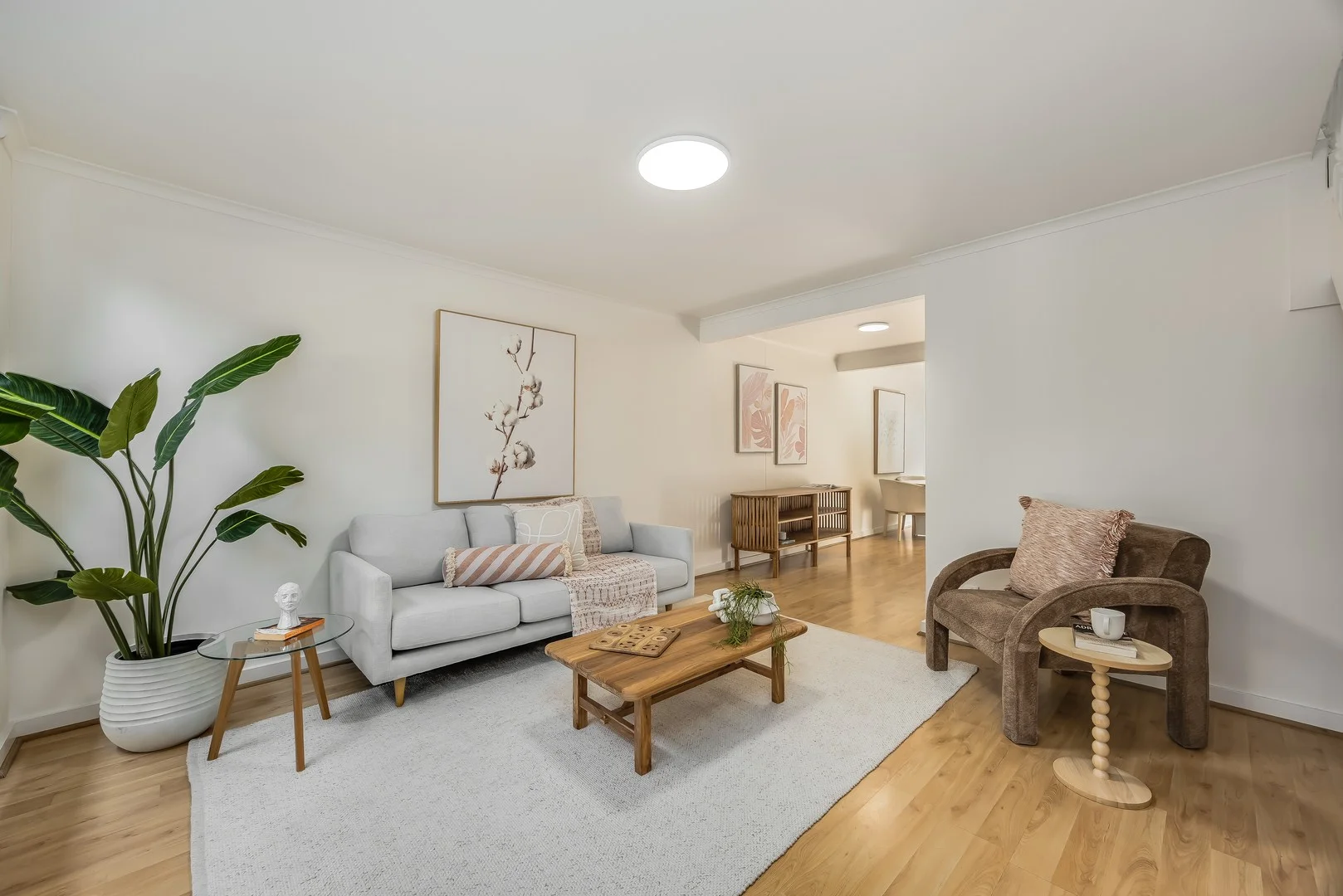 $775,000
House
$775,000
House