1. Overview
Moriah College is an independent private Jewish day school located in Queens Park, Sydney, NSW. The school offers primary and secondary education with a strong emphasis on academic achievement, Jewish studies, Hebrew language, and a supportive school culture. It aims to balance rigorous learning with a values-based environment that nurtures students’ personal development.
The atmosphere is typically described as inclusive, academically focused, and community-driven. With a medium-to-large school size, classrooms are designed to be engaging and collaborative, while maintaining a supportive and respectful culture that values diversity and student well-being.
⸻
2. Academics & Learning
- Academic strengths: English and humanities, STEM pathways, Hebrew language and Jewish studies, with an emphasis on critical thinking and communication.
- Special programs: Gifted and Talented opportunities, accelerated learning options in core subjects, and NSW Higher School Certificate (HSC) preparation within a values-based framework.
- NAPLAN / trends: Consistent year-to-year performance with literacy and numeracy outcomes that are typically around or above state averages, reflecting ongoing improvement and strong support for students.
- Student-teacher ratios: Generally low-to-mid single digits per classroom through a combined approach of teachers and specialist staff (roughly 1:10 to 1:15 in many year levels).
- Support for diverse learners: Structured support for English as an Additional Language (EAL) learners and students with additional learning needs (SEN), with access to dedicated learning support staff and targeted interventions.
⸻
3. Sports & Extracurricular Strengths
- Sports offered: A broad program including team and individual sports such as basketball, netball, soccer, volleyball, tennis, swimming, and athletics.
- Strong teams or achievements: Regular participation in inter-school competitions with competitive results across age groups.
- Music, arts, drama programs: Active music and performing arts offerings, including ensembles, choirs, and theatre/venue productions.
- Clubs: Robotics, chess, coding, debating, theatre arts, and other academic and leadership clubs.
- Partnerships: Connections with local sport academies and regional or inter-school competitions to broaden opportunities and exposure.
Most parents skim this section, especially for boys aged 10–14, but the breadth of opportunities is designed to engage a wide range of interests and talents.
⸻
4. Wellbeing & Pastoral Care
- Anti-bullying approach: Proactive, whole-community anti-bullying programs with clear policies, reporting avenues, and restorative practices.
- House system: A house-based framework that supports friendship networks, healthy competition, and community involvement.
- Counsellors / wellbeing officers: Access to school counsellors and wellbeing staff to support social, emotional, and mental health needs.
- Transition support for new students: Structured orientation and mentoring to help new students settle in, make connections, and understand school routines.
⸻
5. Facilities
- Sports grounds: On-site courts and playing fields suitable for a range of team sports.
- Libraries: On-site libraries with study spaces and access to digital resources.
- Science labs: Modern science facilities for experiments and practical learning.
- Music/performing arts centers: Dedicated spaces for music, drama, and performing arts.
- Tech/innovation labs: Contemporary ICT and makerlab spaces to support coding, robotics, and design projects.
- Cafeteria: On-site dining facilities with meal options aligned to school policies.
- Updated playgrounds: Well-maintained play and recreational spaces for breaks and activity.
⸻
6. School Values & Community Culture
- School values / mission: A values-driven education emphasizing respect, integrity, empathy, leadership, and lifelong learning within a Jewish day-school framework.
- Leadership style: Collaborative and distributed, with opportunities for student voice, peer leadership, and teacher-student partnerships.
- Behaviour expectations: Clear codes of conduct and positive behavior policies that reinforce respectful engagement and responsible citizenship.
- Community reputation: Strong ties with the local Jewish community and broader school community, reflecting a reputation for warmth, inclusivity, and academic seriousness.
- Diversity & inclusion: Commitment to diversity and inclusion, celebrating different backgrounds and perspectives within a respectful environment.
⸻
7. School Logistics & Daily Operations
- School hours: Typical daily schedule aligns with NSW school timings, with variations by year level.
- Before/after school care: Availability of before/after school care or supervision in line with family needs.
- Uniform requirements: Formal school uniform with house-related or regular wear as prescribed by the school policy.
- Transport (train/bus routes): Access via local public transport routes and school-coordinated transport arrangements where available.
- Canteen availability: Canteen or snack facilities offering options in line with school policies.
- Fees (low/medium/high ranges): Fees fall in the mid-to-high range relative to NSW independent schools, reflecting facilities, programs, and staff.
⸻
8. Enrolment & Admissions
11. What is the enrolment process and timeline?
- Typically starts with an online application or expression of interest, followed by information sessions or campus tours. The school may require submission of student records, transcripts, and parent questionnaires. After document review, there is usually an interview and/or assessment process. Offers are issued according to availability and the school’s admission timeline, which may run across several months with entry points at various year levels.
12. Is there a waiting list, and how does it work?
- Yes, many entry points operate with a waiting list. Placement from the list depends on factors such as year level vacancies, siblings enrolled at the school, and the school’s criteria for admission. Families are typically contacted when a place becomes available.
13. Are there any entry requirements, tests, or interviews?
- Commonly required components include an admissions interview, and may include assessments or tasks relevant to the year level (e.g., literacy and numeracy tasks for younger students or subject-specific assessments for older students). There may also be documentation requirements and parent/guardian interviews to assess fit with the school’s ethos and expectations.
14. Does the school accept mid-year transfers?
- Mid-year transfers are often possible subject to vacancy and alignment with the school’s intake policies. Prospective families should consult the admissions team for current availability and required documentation.
⸻
9. Frequently Asked Questions
- Why Parents Choose This School?
- Parents often choose for a values-based Jewish day-school environment that emphasizes academics, wellbeing, and community. The school’s holistic approach combines strong curriculum, supportive pastoral care, and a sense of belonging.
- What type of student thrives at this school?
- Students who value both academic rigor and a community-centered environment, who are engaged in Jewish studies or Hebrew language, and who benefit from a structured, supportive school culture tend to thrive.
- What opportunities are available for students to extend their skills (academics, sports, arts)?
- A broad range of academics (gifted programs, accelerated learning), robust sports teams, and active arts and music programs, plus clubs in robotics, coding, debating, and more.
- How does the school communicate with parents?
- Regular updates via newsletters, parent portals, emails, and scheduled meetings. Frequent parent evenings and information sessions are typical.
- What is the school’s approach to teaching and learning?
- A balanced approach that blends core NSW curriculum with Jewish studies, project-based learning, and opportunities for critical thinking, collaboration, and inquiry.
- How does the school support students who need extra academic help?
- Targeted learning support, EAL assistance, and access to dedicated staff or specialists for reading, numeracy, and subject-specific support.
- What support is available for academic challenges?
- Individual or small-group interventions, accommodations where appropriate, and regular progress monitoring to adjust plans as needed.
- How does the school communicate with parents? (Repeated)
- See above: newsletters, parent portals, emails, and parent meetings.
- What are the class sizes and how much individual attention do students receive?
- Class sizes are designed to support individual attention, typically in the range of ~20–25 students per class, with additional access to teachers and support staff as needed.
- What extracurricular and sports opportunities are available?
- A wide spectrum of sports, music and performing arts, and clubs such as robotics, chess, coding, and debating, with opportunities for inter-school competition and events.
- What facilities does the school offer (sports, science, arts)?
- Comprehensive facilities including sports grounds, libraries, science labs, music/performing arts spaces, tech/innovation labs, a cafeteria, and updated play areas.
- What is the school’s approach to technology and digital learning?
- Emphasis on digital literacy, coding, and responsible use of technology integrated into the curriculum, with dedicated tech spaces and learning tools.
- What transport and accessibility options are available?
- Access via public transport routes and school-arranged transport where available, with information provided to families about convenient options.
- What are the typical school fees or additional costs?
- Fees are in the mid-to-high range for NSW independent schools, with additional costs for camps, excursions, and elective programs typical of this sector.
⸻
10. Short Pros & Cons list
Pros
- Values-based education with a strong sense of community
- Broad academic and co-curricular offerings (sports, arts, clubs)
- Supportive wellbeing and pastoral care framework
- Inclusive environment with EAL and SEN support
- Modern facilities and dedicated learning spaces
Cons
- Fees are in the mid-to-high range for NSW independent schools
- Competitive admission processes with potential waiting lists
- Large school size may mean less individualized attention in some subjects during busy periods
- Availability of mid-year transfers depends on vacancies
⸻










 $990
Apartment / Unit / Flat
$990
Apartment / Unit / Flat
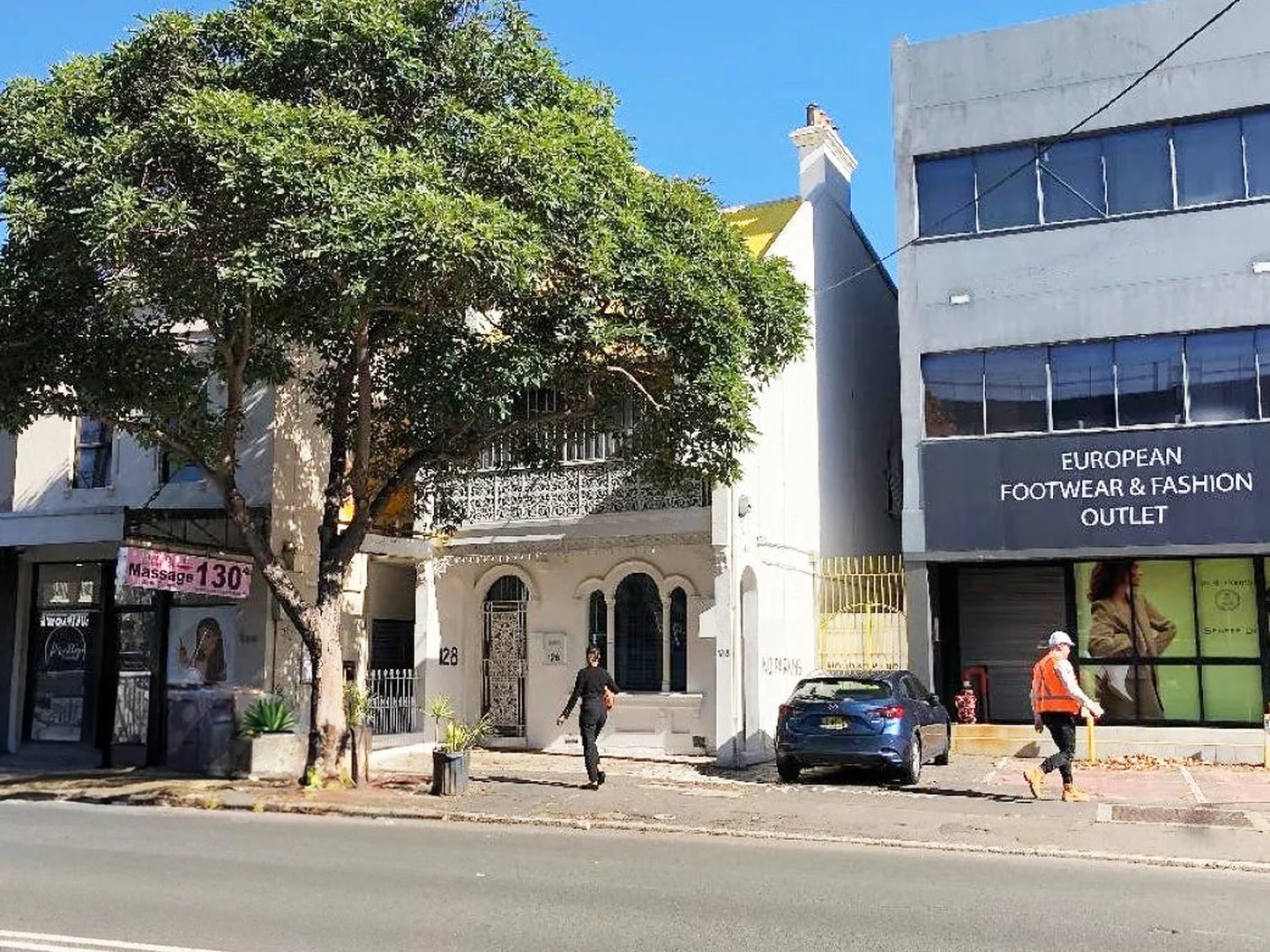 $3,900,000
House
$3,900,000
House
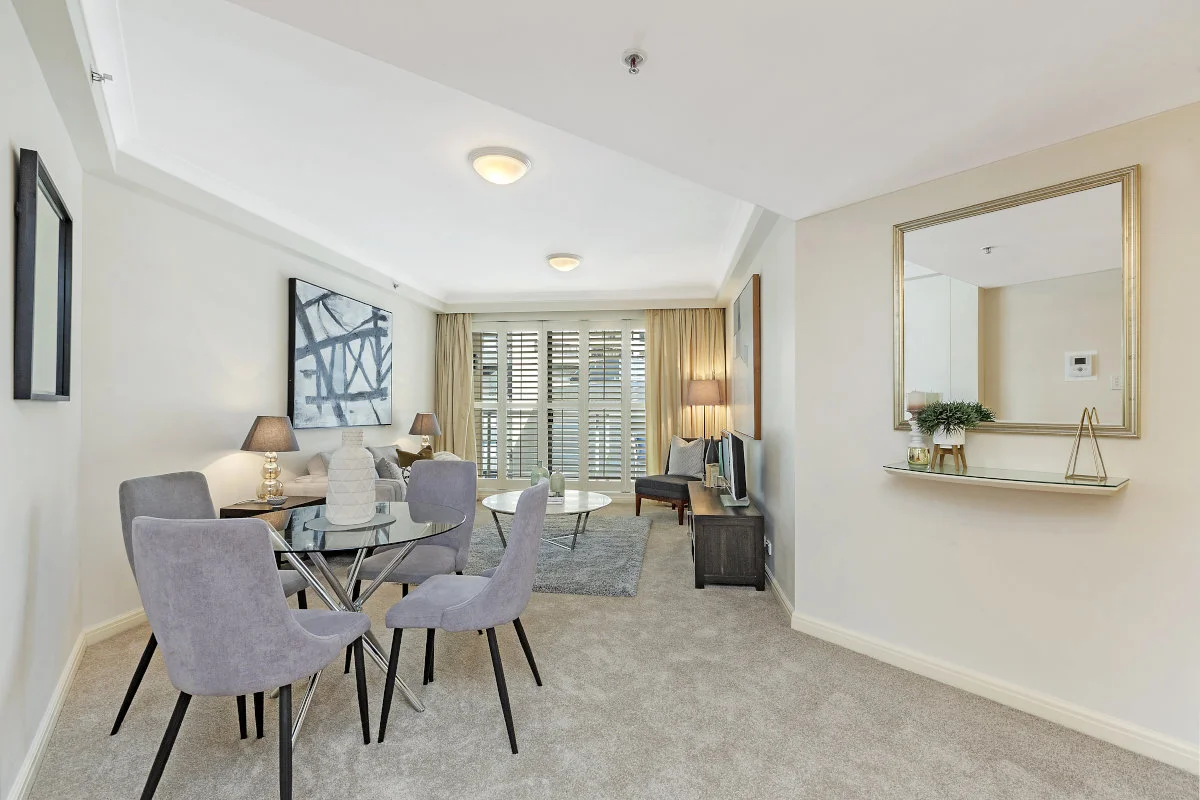 $660,000 - $725,000
Apartment / Unit / Flat
$660,000 - $725,000
Apartment / Unit / Flat
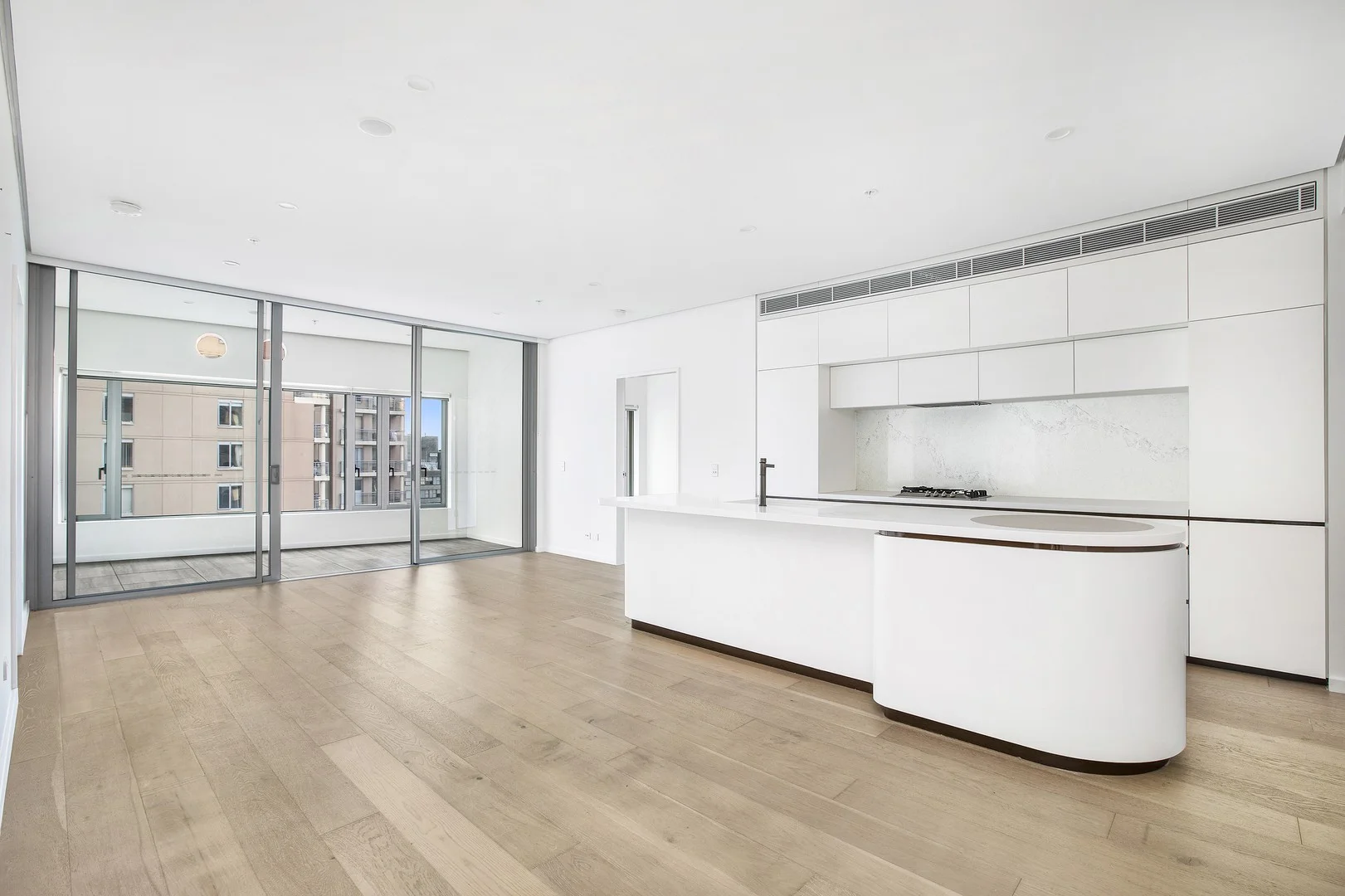 $2,250,000
Apartment / Unit / Flat
$2,250,000
Apartment / Unit / Flat
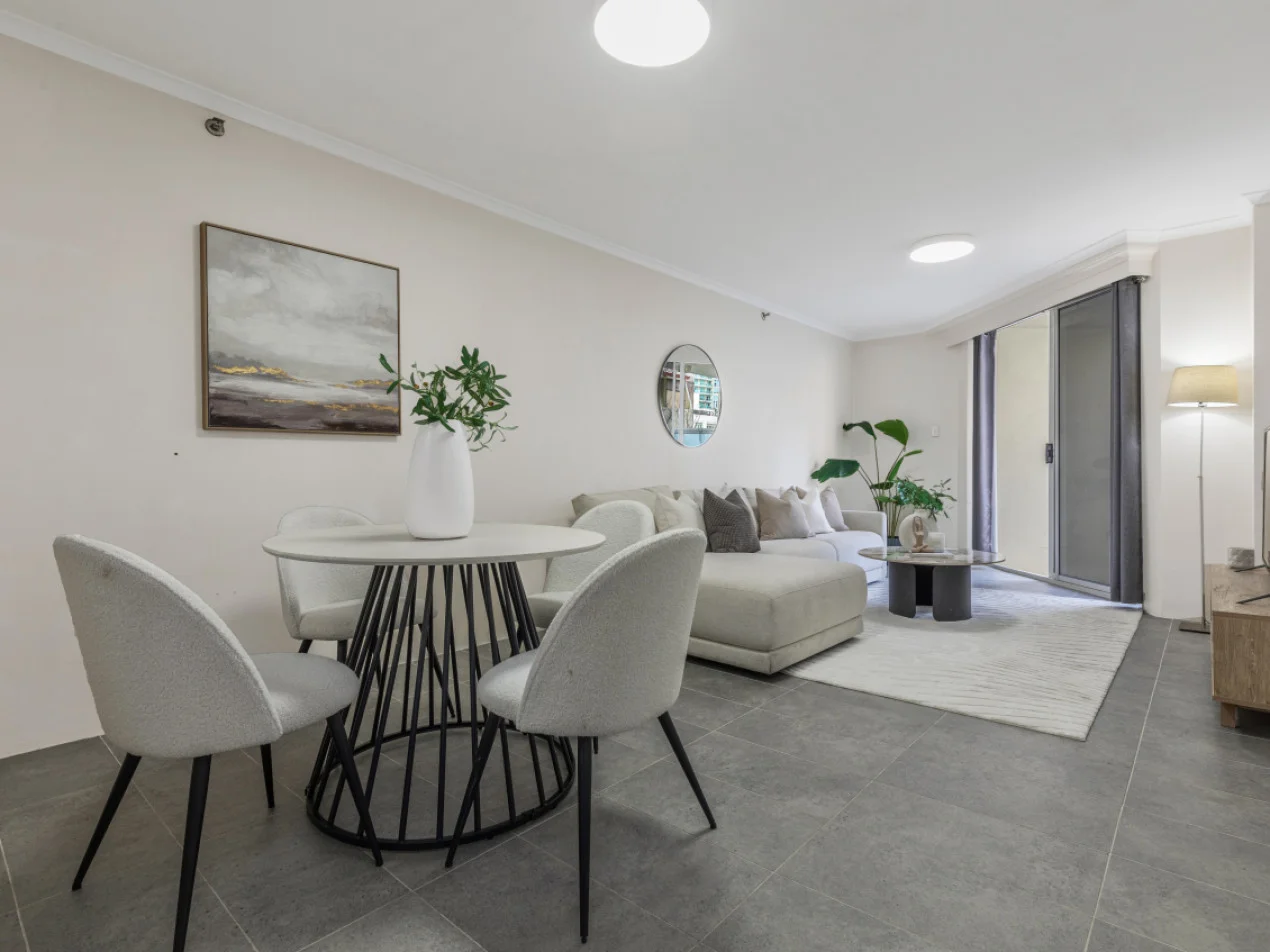 $640,000 - $675,000
Apartment / Unit / Flat
$640,000 - $675,000
Apartment / Unit / Flat
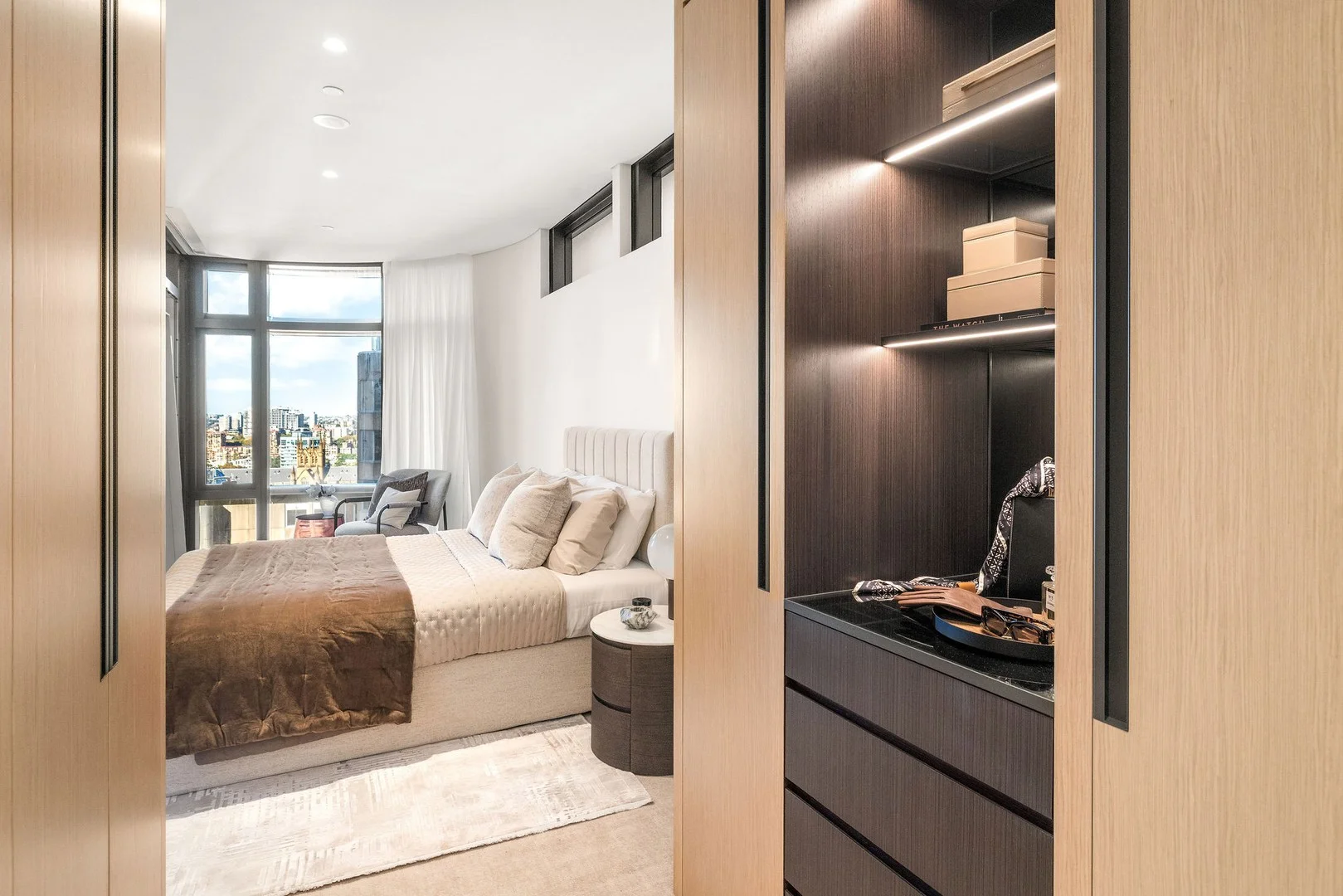 $2,745,000
propertyType.NEW APARTMENTS / OFF THE PLAN
$2,745,000
propertyType.NEW APARTMENTS / OFF THE PLAN
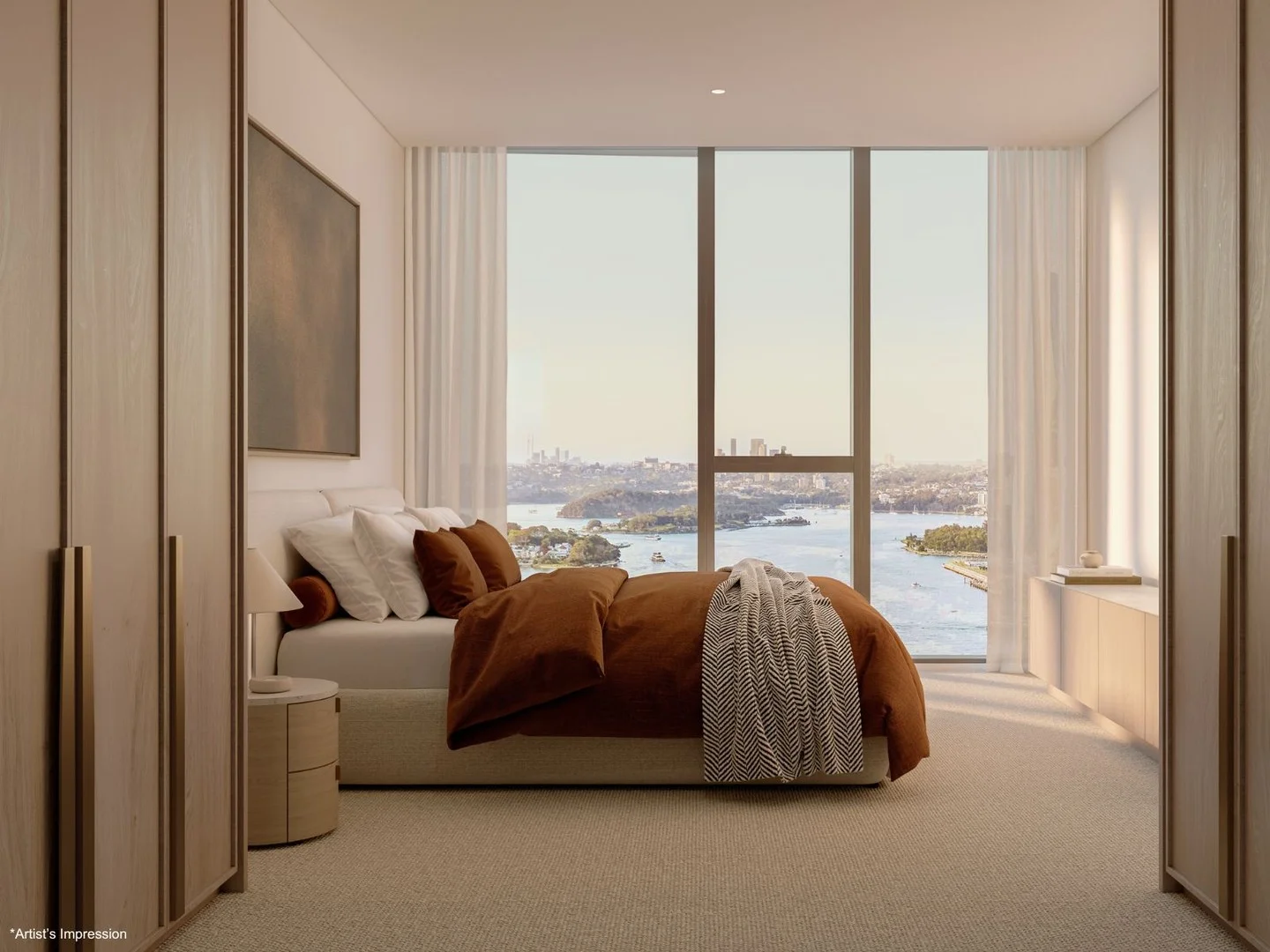 $8,630,000
propertyType.NEW APARTMENTS / OFF THE PLAN
$8,630,000
propertyType.NEW APARTMENTS / OFF THE PLAN
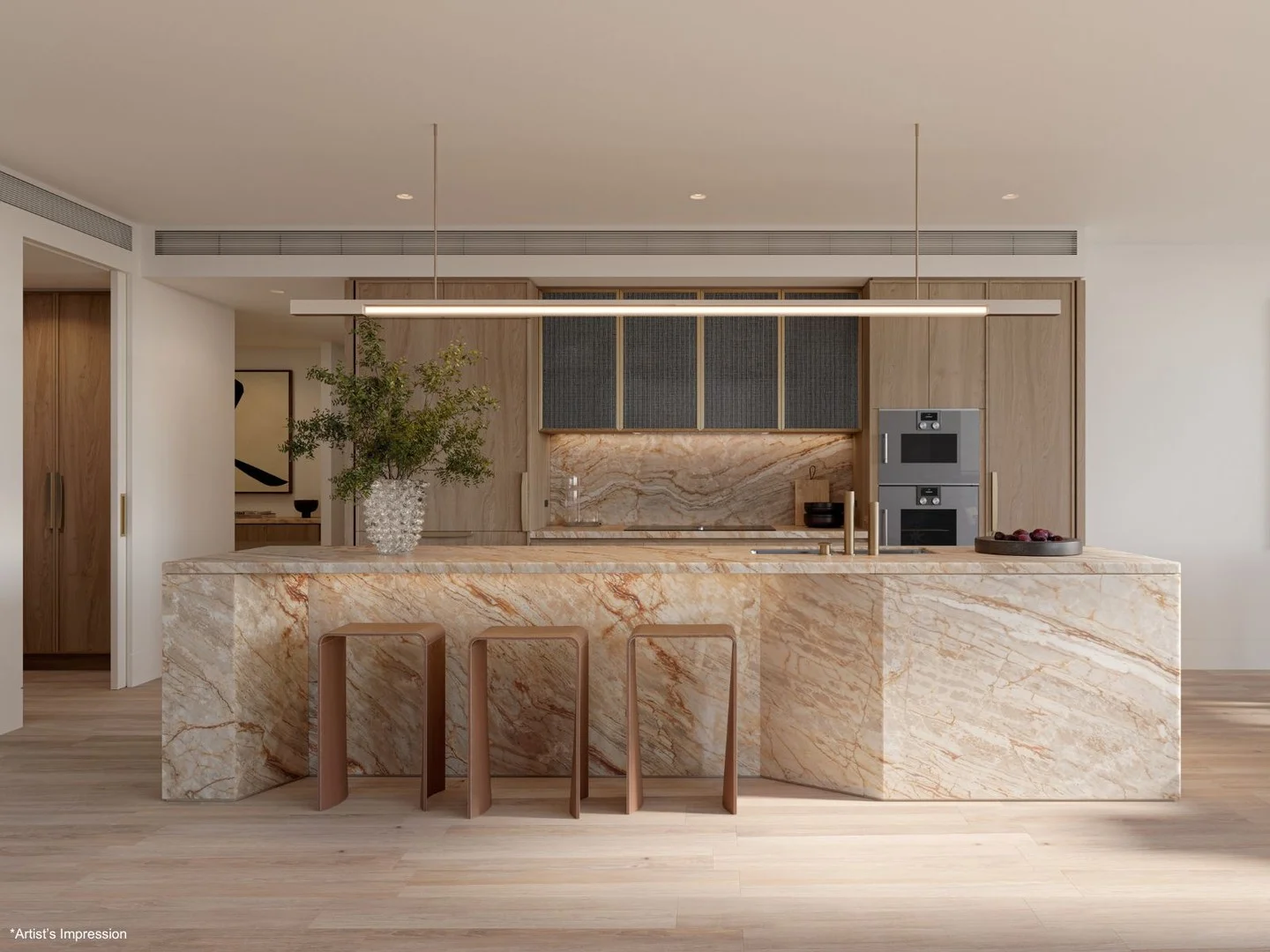 $6,225,000
propertyType.NEW APARTMENTS / OFF THE PLAN
$6,225,000
propertyType.NEW APARTMENTS / OFF THE PLAN
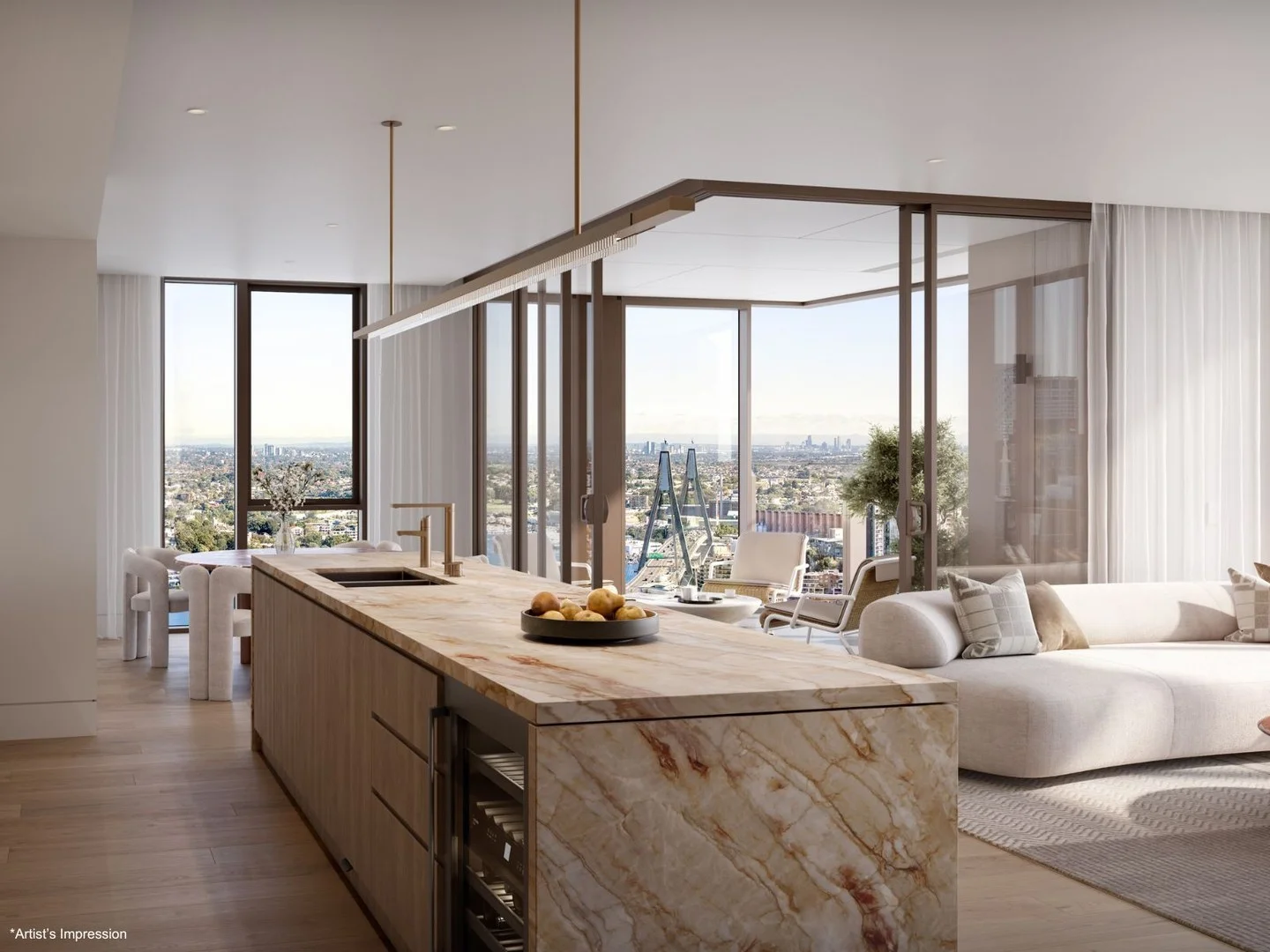 $9,020,000
propertyType.NEW APARTMENTS / OFF THE PLAN
$9,020,000
propertyType.NEW APARTMENTS / OFF THE PLAN


