Overview
## Overview
St Margaret Mary’s Catholic Primary School Randwick North is a Catholic, co-educational primary school that emphasises faith-based education within a nurturing community. The school aims to blend strong academic foundations with values-based learning, fostering respect, service and a sense of social responsibility among students. It is a medium-sized school that prioritises supportive teacher-student relationships, collaborative learning, and an inclusive atmosphere.
Class sizes are designed to support individualized attention, typically featuring small to medium cohorts that encourage active participation and collaboration. The culture is characteristically inclusive and community-focused, with an emphasis on student wellbeing, faith development and creating a positive, respectful learning environment.
⸻
## Academics & Learning
- Academic strengths: literacy and numeracy are central, with a focus on developing strong reading comprehension, writing skills and mathematical thinking. There is also attention to STEM-inspired learning and the development of digital literacy.
- Special programs: religious education is integrated as a core part of the curriculum; opportunities for gifted and Talented programs and accelerated learning may be available within the school. Programs that promote leadership, service and community involvement are often emphasised.
- NAPLAN / trends: schools in this sector typically show steady improvement in literacy and numeracy over time, with a focus on building resilience and independent learning. Trends emphasize ongoing growth rather than raw score targets.
- Student-teacher ratios: class sizes are designed to be manageable to support individual feedback and small-group instruction; student-teacher ratios typically foster close teacher support.
- Support for diverse learners: dedicated support for EAL (English as an Additional Language) learners and inclusive education for students with diverse learning needs, with targeted interventions and planning to help all students participate and progress.
⸻
## Sports & Extracurricular Strengths
- Sports offered: common offerings include soccer, basketball, netball, cricket and athletics; intramural and inter-school activities are encouraged.
- Strong teams or achievements: school teams may participate in local inter-school competitions and tournaments, with a focus on teamwork, development and fair play.
- Music, arts, drama programs: strong emphasis on music and the performing arts, with opportunities for choir, instrumental lessons and school-based productions.
- Clubs: robotics, coding, chess, debating and other enrichment clubs are typically available to extend learning beyond the classroom.
- Partnerships: connections with local community clubs and sporting associations support extra-curricular opportunities and broader engagement in competitions and events.
Most parents in this age group (boys 10–14) look for visible, well-organised clubs and clear pathways to competitive and developmental opportunities; the school aims to offer a balanced mix of sport, arts and STEM activities.
⸻
## Wellbeing & Pastoral Care
- Anti-bullying approach: clear expectations, positive behaviour support and pastoral care practices are in place to promote respectful interactions and a safe school environment.
- House system: a house-based approach supports belonging, teamwork and friendly competition across year levels.
- Counsellors / wellbeing officers: access to wellbeing staff or school counsellors to support emotional, social and academic needs.
- Transition support for new students: structured onboarding, buddy systems and orientation activities help new students settle in smoothly and feel welcomed.
This section builds trust by showing a proactive commitment to student wellbeing and community.
⸻
## Facilities
- Sports grounds: dedicated outdoor spaces for physical education and sports activities.
- Libraries: well-equipped library for reading, research and classroom learning.
- Science labs: modern, age-appropriate science facilities to support inquiry and hands-on experiments.
- Music/performing arts centers: spaces and rooms for music practice, drama and performances.
- Tech/innovation labs: up-to-date technology spaces for digital learning, coding and creative projects.
- Cafeteria: on-site dining options or lunch program to support daily meals.
- Updated playgrounds: safe, engaging outdoor play areas with varied equipment.
Facilities are presented in a visual, easy-to-digest way to help families imagine daily school life.
⸻
## School Values & Community Culture
- School values / mission: faith-centered education that emphasises compassion, service, humility, integrity and respect; mission to develop the whole person—mind, body and spirit.
- Leadership style: collaborative and student-centered, with opportunities for student voice, peer mentoring and leadership roles.
- Behaviour expectations: respectful, responsible behaviour with clear routines and restorative approaches to conflict.
- Community reputation: a welcoming parish-school community with active family involvement and strong connections to local parish activities.
- Diversity & inclusion: inclusive practices that welcome families from diverse backgrounds and promote belonging and fairness.
⸻
## School Logistics & Daily Operations
- School hours: typical primary school hours (start mid-morning to mid-afternoon) with lunch breaks and daily routines; specific times may vary by year level.
- Before/after school care: OSC/OSHC or informal care options may be available for working families.
- Uniform requirements: standard school uniform policy with specific guidelines for everyday wear and outdoor activities.
- Transport (train/bus routes): access to local public transport routes; guidance on drop-off/pick-up arrangements and proximity to bus/train services.
- Canteen availability: on-site canteen or lunch program providing meals or snacks.
- Fees (low/medium/high ranges): fees are in line with typical NSW Catholic primary schools, generally considered mid-range; details vary yearly and by program.
⸻
## Enrolment & Admissions
11. What is the enrolment process and timeline?
- Enquiries are typically followed by submission of an application during the school’s annual intake period. Families may need to provide documentation (birth certificate, immunisation records, baptism/confirmations for Catholic requirements, proof of residency or parish details) and attend a brief interview or family information session as part of the process. The timeline often includes an application window, shortlisting, notifications of placement, and an orientation/settling period before the new school year.
12. Is there a waiting list, and how does it work?
- Many Catholic primary schools maintain a waiting list when applications exceed available places. The list is usually managed by date of application and the school’s enrolment priorities (e.g., parish affiliation, sibling policy, special circumstances). Families on the waiting list are kept informed about their status and expected timelines.
13. Are there any entry requirements, tests, or interviews?
- Typically, Catholic primary enrolment does not require academic entrance tests. A family interview or information session may be conducted to understand fit with the school’s ethos, values and community expectations. Documentation (parish eligibility, baptism, etc.) may be requested to establish eligibility and priority.
14. Does the school accept mid-year transfers?
- Mid-year transfers are considered if vacancies exist. The process will generally involve an application, meeting with the principal or associate, and a transition plan to support the student’s integration, including classroom placement and support services if needed.
⸻
## Frequently Asked Questions
- Why Parents Choose This School?
- A faith-based learning environment with strong community ties, focused on holistic development, values education and supportive teaching staff.
- What type of student thrives at this school?
- Students who respond well to a values-driven, inclusive community with a balanced emphasis on academics, wellbeing and faith.
- What opportunities are available for students to extend their skills (academics, sports, arts)?
- Enrichment in literacy, numeracy, STEM, arts and music; sports programs, inter-school activities and clubs such as robotics, coding, chess and debating.
- How does the school communicate with parents?
- Regular updates via newsletters, parent portals, email notices and scheduled parent-teacher meetings; accessibility to leadership and teachers for questions and concerns.
- What is the school’s approach to teaching and learning?
- Student-centered learning with a combination of direct instruction, collaborative work, inquiry-based activities and a focus on developing social-emotional skills alongside academics.
- How does the school support students who need extra academic help?
- Targeted interventions and in-class supports, small-group instruction, and access to learning support staff or counsellors where appropriate.
- What support is available for academic challenges?
- Early identification of needs, personalised plans, and collaboration with families to implement strategies and progress monitoring.
- How does the school communicate with parents? (Repeated)
- See above: newsletters, portals, and direct contact with teachers and leaders.
- What are the class sizes and how much individual attention do students receive?
- Class sizes are designed to be small-to-medium to enable meaningful teacher-student interactions and differentiated instruction.
- What extracurricular and sports opportunities are available?
- A range of sports (e.g., soccer, netball, basketball, cricket), music and performing arts, and clubs such as robotics, coding, chess and debating.
- What facilities does the school offer (sports, science, arts)?
- Modern facilities including sports grounds, library, science labs, music/arts spaces, technology labs and a canteen.
- What is the school’s approach to technology and digital learning?
- Integration of digital literacy across the curriculum, with age-appropriate technology use and opportunities for coding and innovation projects.
- What transport and accessibility options are available?
- Access to local bus routes and proximity to train/transport networks; clear guidance on drop-off/pick-up arrangements.
- What are the typical school fees or additional costs?
- Fees are in the mid-range for NSW Catholic primary schools, with additional costs for uniforms, activities and excursions; exact figures vary by year and program.
⸻
## Short Pros & Cons list
- Pros
- Strong faith-based community with values-driven education
- Supportive student-teacher relationships and inclusive environment
- Balanced focus on academics, wellbeing and extra-curricular opportunities
- Range of enrichment clubs and arts programs
- Structured wellbeing and transition support for new students
- Cons
- Catholic school enrollment may require parish or community alignment for priority
- Fees are present (as with many non-government schools), which may be higher than some public options
- Availability of places can be limited during peak intake periods, leading to waiting lists
⸻












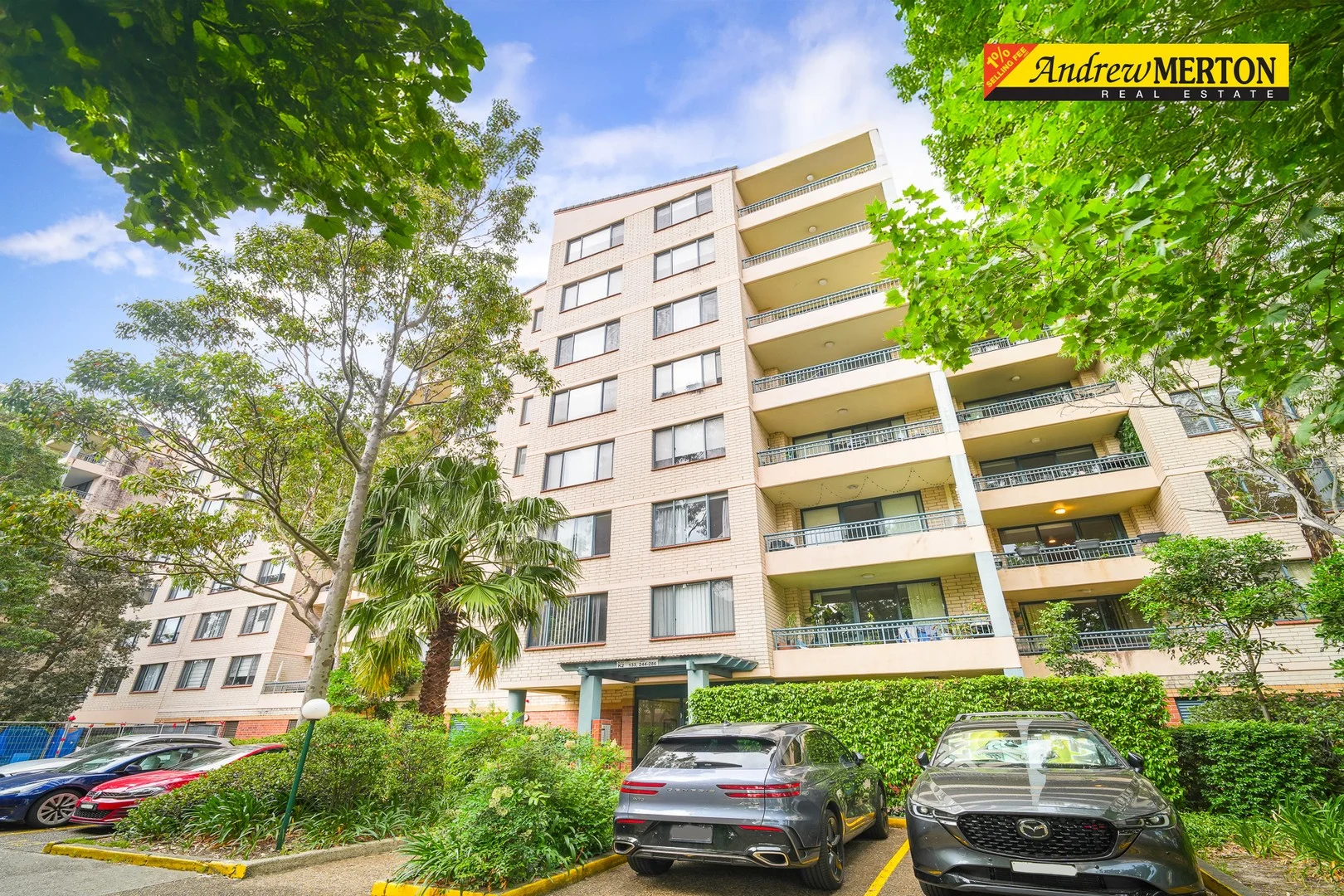 $933,000
Apartment / Unit / Flat
$933,000
Apartment / Unit / Flat
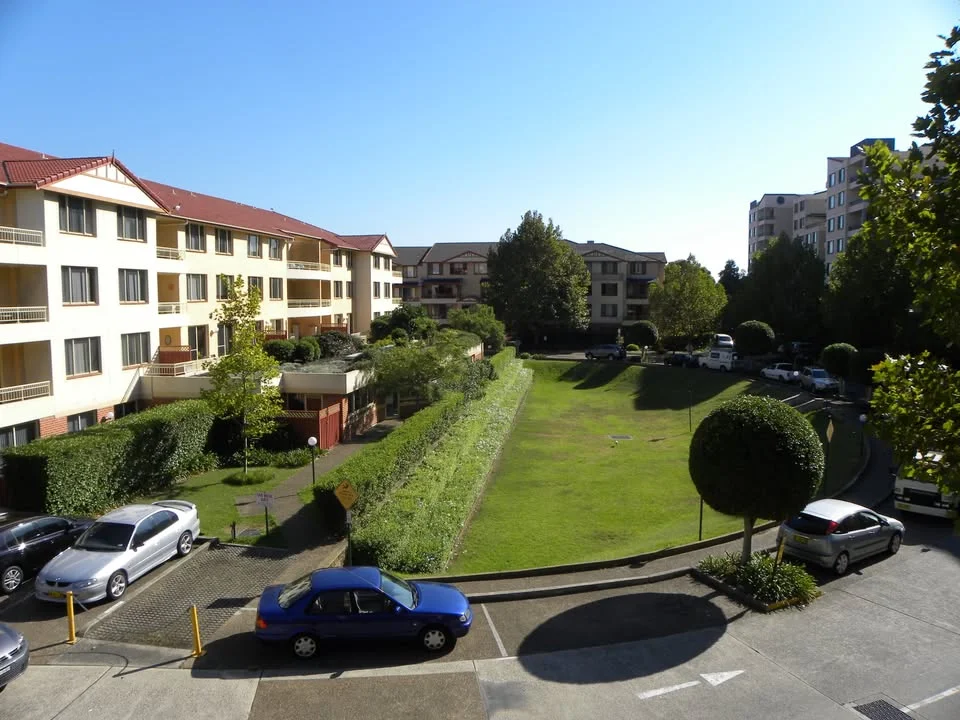 $990
Apartment / Unit / Flat
$990
Apartment / Unit / Flat
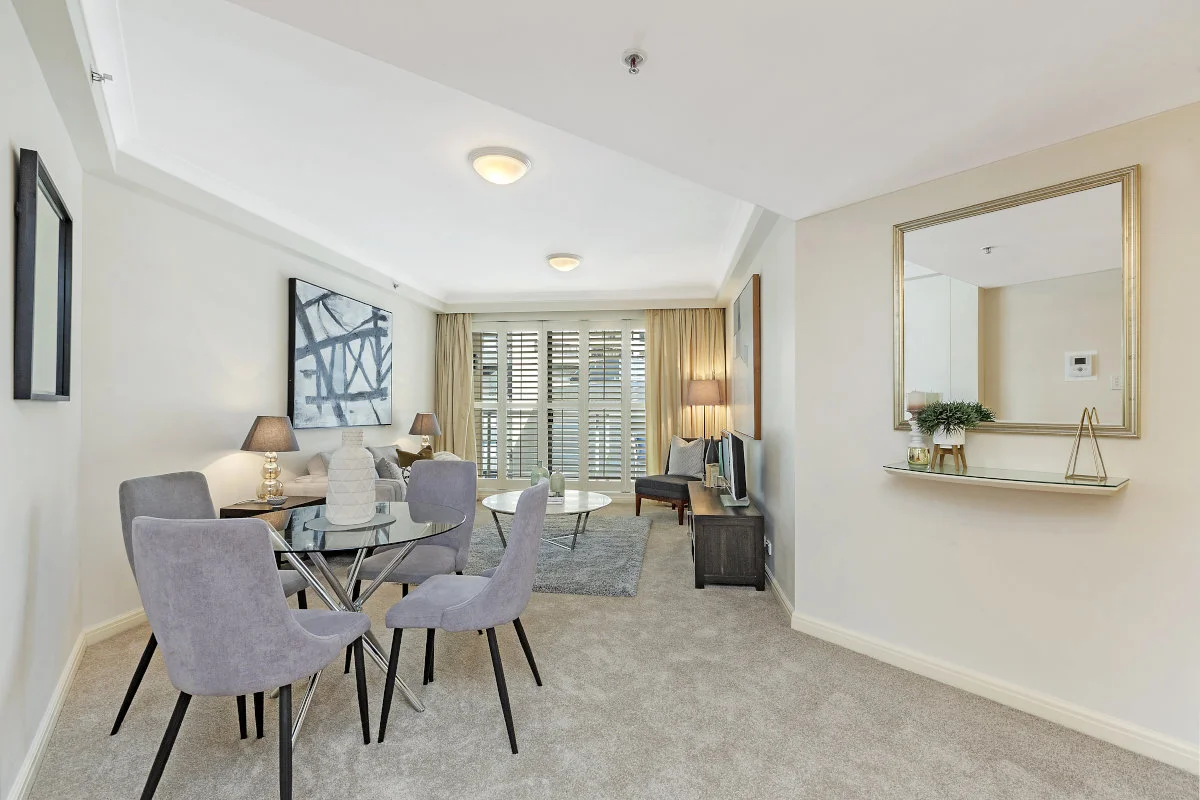 $660,000 - $725,000
Apartment / Unit / Flat
$660,000 - $725,000
Apartment / Unit / Flat
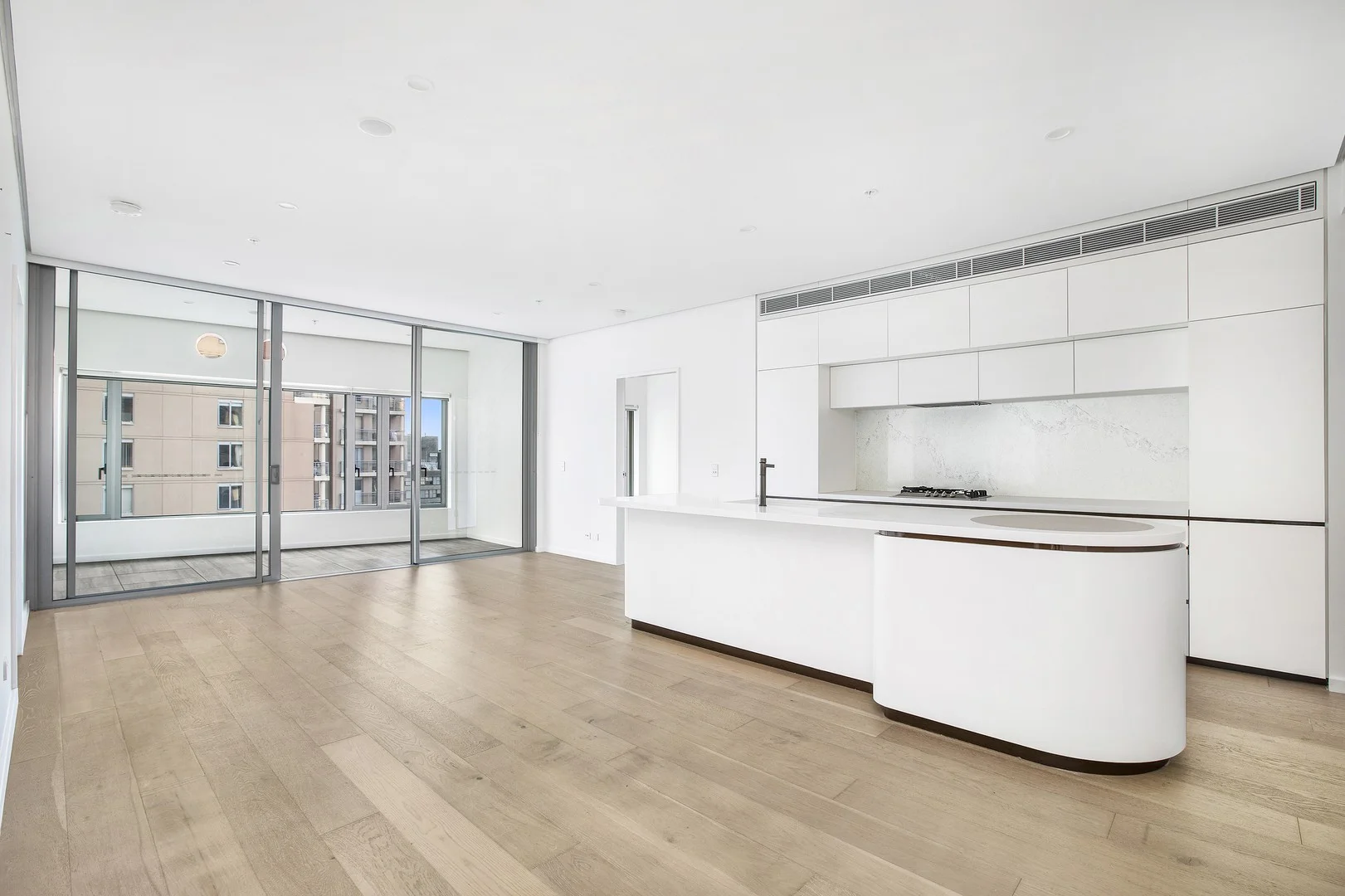 $2,250,000
Apartment / Unit / Flat
$2,250,000
Apartment / Unit / Flat
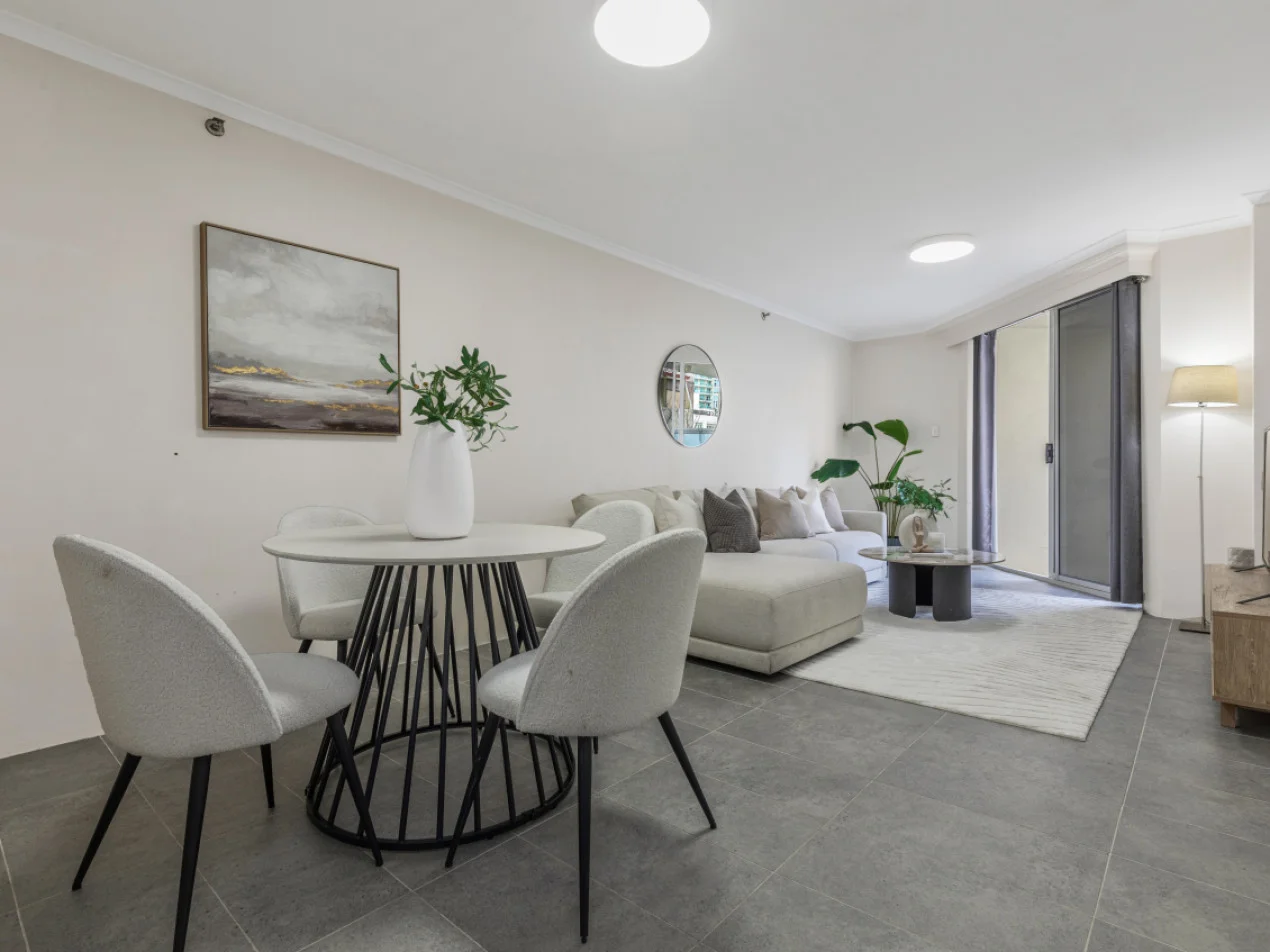 $640,000 - $675,000
Apartment / Unit / Flat
$640,000 - $675,000
Apartment / Unit / Flat
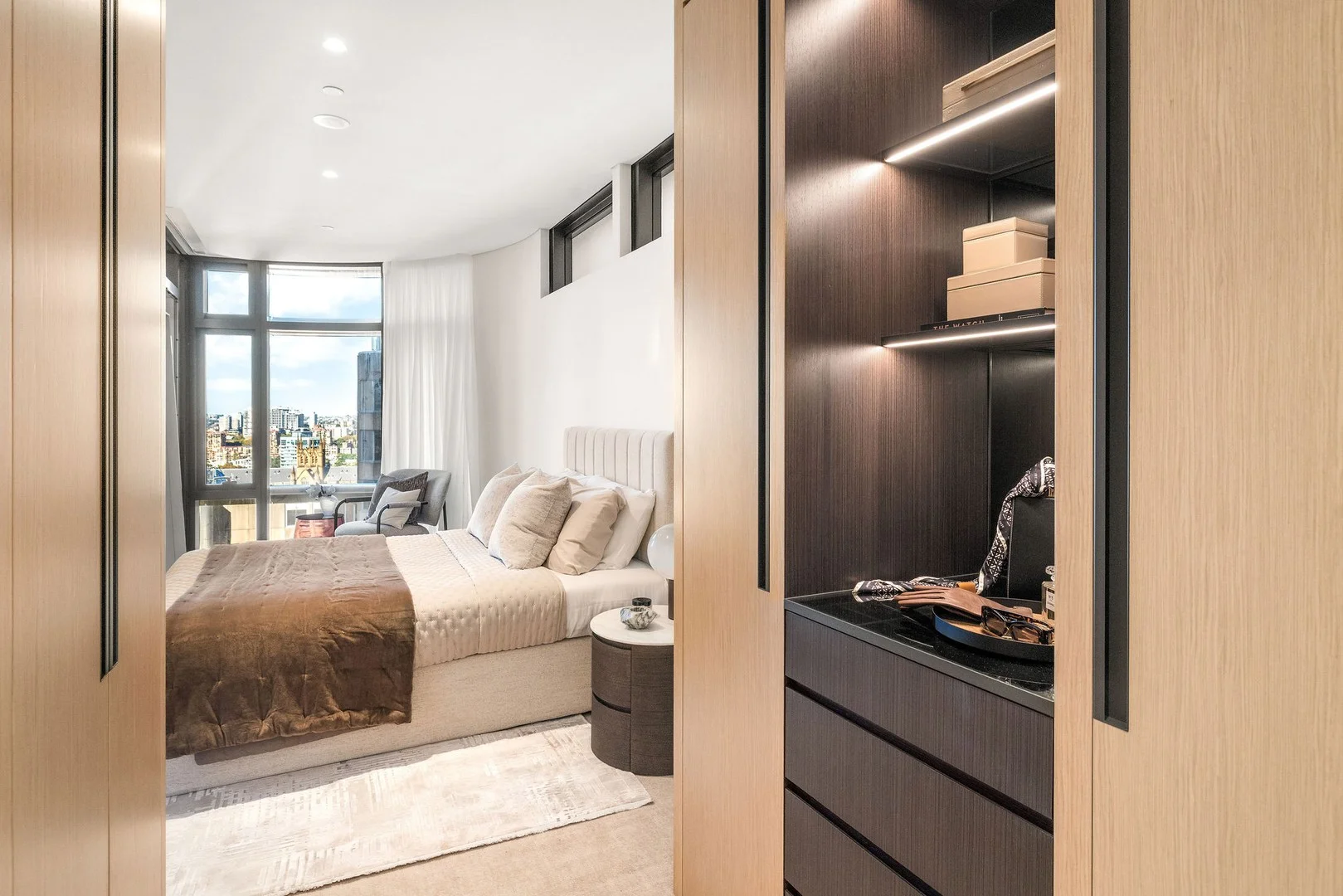 $2,745,000
propertyType.NEW APARTMENTS / OFF THE PLAN
$2,745,000
propertyType.NEW APARTMENTS / OFF THE PLAN
 $12,980,000
propertyType.NEW APARTMENTS / OFF THE PLAN
$12,980,000
propertyType.NEW APARTMENTS / OFF THE PLAN
 $6,225,000
propertyType.NEW APARTMENTS / OFF THE PLAN
$6,225,000
propertyType.NEW APARTMENTS / OFF THE PLAN
 $8,630,000
propertyType.NEW APARTMENTS / OFF THE PLAN
$8,630,000
propertyType.NEW APARTMENTS / OFF THE PLAN