## Overview
Mount Alvernia College is an independent Catholic girls’ school located in Kedron, Brisbane. The college blends faith-inspired education with a strong focus on academic achievement, leadership, and community service. It attracts families seeking a supportive, values-driven environment that encourages girls to develop academically, personally and socially.
With a medium-to-large student body, the college aims to foster an inclusive, nurturing culture where students are known as individuals. Class sizes are typically in the low-to-mid 20s, supporting personalized attention and collaborative learning within a vibrant, faith-centered community.
⸻
## Academics & Learning
- Academic strengths: The college emphasises a well-rounded curriculum with strong pathways in STEM, English and humanities, languages, and leadership development. There are opportunities for girls to engage in activities that build critical thinking, creativity and problem solving.
- Special programs: Mount Alvernia offers pathways for advanced learning, leadership development and enrichment experiences. Depending on year level and subject choice, students can access accelerated or extended subject options and broader co-curricular programs.
- NAPLAN trends: Public information indicates a history of steady performance with positive trends across cohorts, reflecting focus on literacy, numeracy and overall achievement.
- Student-teacher ratios: Class sizes and student-teacher ratios are typically designed to support individual attention and strong teacher support, with smaller group sizes especially in junior years and targeted learning contexts.
- Support for diverse learners: The college provides support for diverse learners, including literacy/numeracy assistance, EAL support where applicable, and learning support for students with additional needs.
⸻
## Sports & Extracurricular Strengths
- Sports offered: A broad range of interschool and school-based sports are available, including netball, basketball, soccer, tennis, swimming, athletics and other team or individual activities throughout the year.
- Strong teams or achievements: The college participates actively in regional and interschool competitions, with competitive teams and a culture of achievement and participation across sport.
- Music, arts, drama programs: Comprehensive performing arts and music programs are offered, including ensembles, choirs and drama productions that provide performance opportunities for students.
- Clubs: Robotics, chess, coding, debating and other clubs are available to extend skills beyond the classroom and foster teamwork and problem-solving.
- Partnerships: Students may engage with local academies, clubs and competitions through partnerships that broaden opportunities in sport, robotics and academic contests.
⸻
## Wellbeing & Pastoral Care
- Anti-bullying approach: A proactive and clearly communicated anti-bullying framework supports a respectful school culture, with reporting channels and appropriate response procedures.
- House system: A house-based pastoral framework provides form-group connectivity, pastoral care and social belonging through inter-house activities and support networks.
- Counsellors / wellbeing officers: The college provides access to school counsellors and wellbeing staff to support student mental health, resilience and personal development.
- Transition support for new students: Orientation programs, buddy systems and transition support help new students settle in and build connections from day one.
⸻
## Facilities
- Sports grounds: Dedicated outdoor fields and courts support a wide range of sporting activities.
- Libraries: Well-resourced library facilities support research, reading for pleasure and academic study.
- Science labs: Modern science laboratories enable hands-on experiments across disciplines.
- Music/performing arts centers: On-site spaces support music education, rehearsals and performances.
- Tech/innovation labs: Technology and media labs provide opportunities for digital learning, coding and design projects.
- Cafeteria: On-site canteen and dining facilities support student wellbeing during the day.
- Updated playgrounds: Renovated or well-maintained outdoor spaces offer safe, modern areas for break and recreation.
⸻
## School Values & Community Culture
- School values / mission: The college emphasises Catholic faith-based education, service to others, integrity and a commitment to developing the whole person.
- Leadership style: Leadership opportunities are encouraged through student voice, mentoring programs, clubs and student-led initiatives, supported by staff.
- Behaviour expectations: Clear expectations around respect, responsibility, resilience and ethical conduct are communicated and reinforced.
- Community reputation: The college is regarded for its community-oriented culture, faith-focused ethos and commitment to developing well-rounded young women.
- Diversity & inclusion: The environment prioritises inclusion and respect for students from diverse backgrounds, with support structures to help all students participate fully.
⸻
## School Logistics & Daily Operations
- School hours: The school day typically runs through standard daytime hours with a schedule that may include breaks and passing times between classes.
- Before/after school care: After-school care or extended care options are generally available or accommodated through school programs or affiliated services.
- Uniform requirements: A formal school uniform is required, with guidelines for daily wear and event-specific dress.
- Transport (train/bus routes): The college is accessible via local public transport routes; families commonly use bus services and nearby transit options to travel to and from school.
- Canteen availability: An on-site canteen or food service provides meals or snacks during the day.
- Fees (low/medium/high ranges): Fees fall within the typical range for independent Catholic day schools in the region; prospective families should refer to the current fees schedule for precise amounts and any additional costs.
⸻
## Enrolment & Admissions
11. What is the enrolment process and timeline?
- Inquiries are typically followed by a formal application, submission of required documents, and payment of an application fee. Applicants may be invited to participate in assessments or interviews, after which offers are made. Once an offer is accepted, enrolment is confirmed and orientation arrangements are made for the new cohort.
12. Is there a waiting list, and how does it work?
- Many year levels operate with a waiting list depending on vacancies. Waitlists are usually managed by the admissions team, with families kept informed about status and any expected timelines.
13. Are there any entry requirements, tests, or interviews?
- Entry often includes an assessment or testing component and an interview to understand fit with the school program, values and expectations. Academic records and enrollment documents are typically required.
14. Does the school accept mid-year transfers?
- Mid-year transfers are considered when vacancies exist. Families should contact the admissions team to review available spaces and the transfer process, including submission of transcripts and reference materials.
⸻
## Frequently Asked Questions
- Why Parents Choose This School?
- Families value the Catholic, values-based environment alongside strong academics, leadership development and a supportive community that promotes character and resilience.
- What type of student thrives at this school?
- Students who are motivated, collaborative, civic-minded and ready to engage in both academics and extracurriculars typically thrive in this girls-only, faith-centered setting.
- What opportunities are available for students to extend their skills (academics, sports, arts)?
- A broad spectrum of opportunities exists across STEM, English and languages; leadership programs; sports teams; performing arts ensembles; robotics, coding and debating clubs; and regional/interstate competitions.
- How does the school communicate with parents?
- Communication typically occurs through newsletters, emails, a parent portal or app, and regular parent-teacher meetings, along with other school announcements.
- What is the school’s approach to teaching and learning?
- The approach emphasizes student-centered learning, varied pedagogies, collaboration, critical thinking and the integration of technology to support modern learning.
- How does the school support students who need extra academic help?
- Learning support may include targeted intervention, tutoring, literacy/numeracy programs, EAL assistance and individual education planning where appropriate.
- What support is available for academic challenges?
- Access to subject-specific help, learning support staff and mentors, along with personalised guidance to help students manage challenges and stay on track.
- How does the school communicate with parents? (Duplicate)
- See above: regular updates via multiple channels and opportunities for direct engagement with teachers and leaders.
- What are the class sizes and how much individual attention do students receive?
- Class sizes are typically in the low-to-mid 20s, with additional individual attention through mentoring, pastoral care and small-group supports.
- What extracurricular and sports opportunities are available?
- A wide range of sports, arts and clubs (including robotics, chess, coding and debating) provide extensive opportunities to pursue interests and develop new skills.
- What facilities does the school offer (sports, science, arts)?
- Modern facilities include sports grounds, libraries, science labs, performing arts spaces, technology labs, a cafeteria and well-maintained outdoor areas.
- What is the school’s approach to technology and digital learning?
- Integrated digital learning, with access to modern tech resources, computer labs and training that supports digital literacy across subjects.
- What transport and accessibility options are available?
- Proximity to public transport routes (bus and train where applicable) and transportation support options for families.
- What are the typical school fees or additional costs?
- Fees are in the mid-to-high range for independent Catholic day schools; a current fees schedule will outline tuition, levies and any optional costs.
⸻
## Short Pros & Cons list
- Pros
- Catholic values and community focus
- Strong academic program with breadth across STEM, languages and the humanities
- Wide range of extracurriculars (sport, arts, clubs)
- Supportive wellbeing, pastoral care and transition programs
- Modern facilities and emphasis on inclusive education
- Cons
- Fees are higher than public or some non-selective options
- Girls-only environment may not suit families seeking co-educational schooling
- Religious affiliation may influence school culture and activities
- Competitive admission processes can mean waitlists for popular year levels
- Travel time for some families depending on location
⸻









 $950,000
Apartment / Unit / Flat
$950,000
Apartment / Unit / Flat
 $550,000
Apartment / Unit / Flat
$550,000
Apartment / Unit / Flat
 $1,527,000 - $1,870,000
propertyType.NEW APARTMENTS / OFF THE PLAN
$1,527,000 - $1,870,000
propertyType.NEW APARTMENTS / OFF THE PLAN
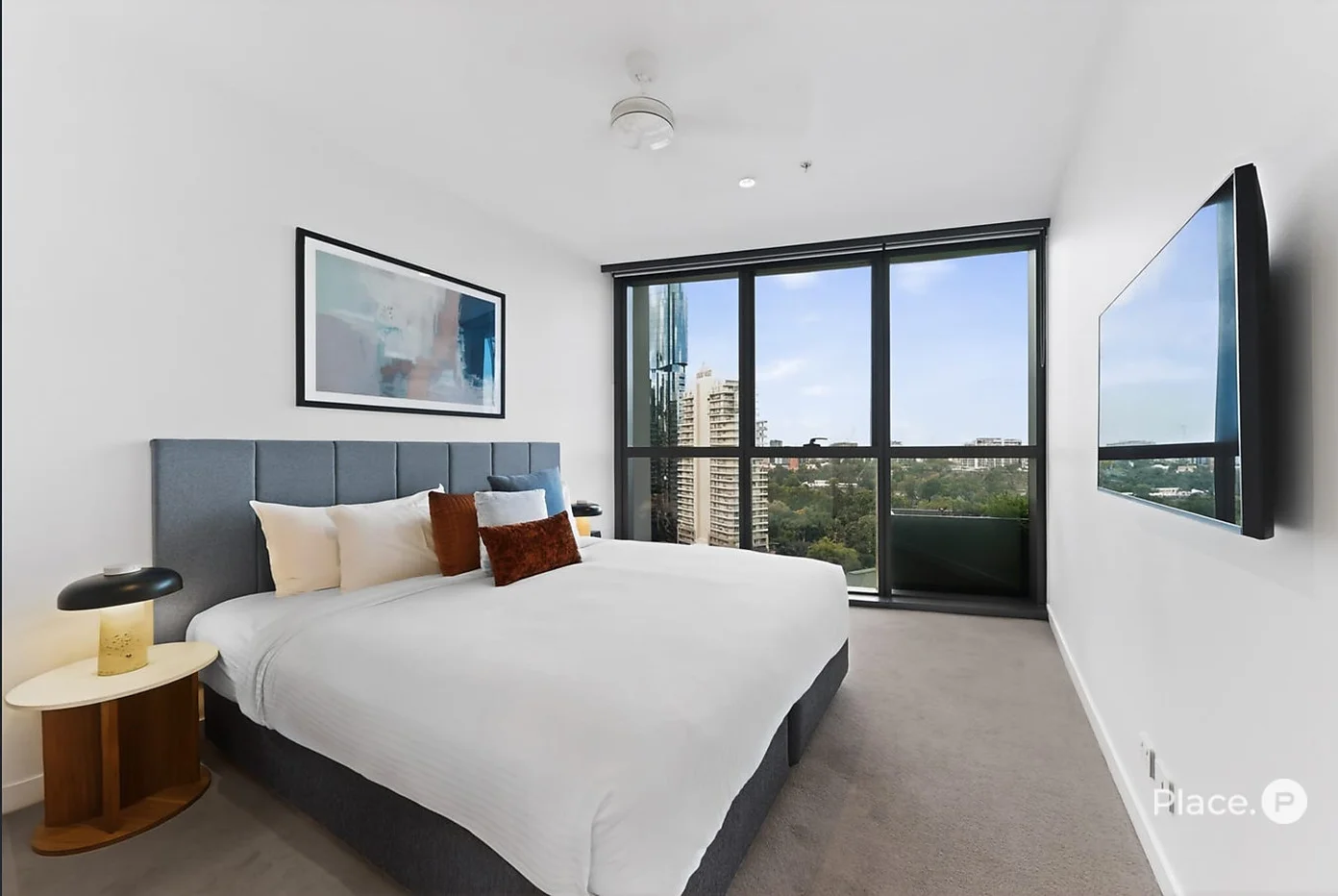 $770,000
Apartment / Unit / Flat
$770,000
Apartment / Unit / Flat


