Overview
Narangba Valley State High School is a public, co-educational high school serving students in Narangba and surrounding areas. As a medium-to-large state secondary school, it provides a broad curriculum and a range of pathways to university entry or vocational training.
The atmosphere is inclusive and active, with a strong focus on student wellbeing, sport, and achievement. Class sizes are typically in the mid-20s to low-30s, supporting approachable teacher access and collaborative learning.
Academics & Learning
- Academic strengths: Strong focus on STEM and English/Literacy, with leadership development and pathways across senior subjects to support university entry and vocational routes.
- Special programs: VET (Vocational Education and Training), accelerated/alternative learning options, and pathways to tertiary study (ATAR/OP approaches).
- Support for diverse learners: EAL support, learning support services, and individualized plans to assist students with SEN and other learning needs.
- Sports offered: A broad range including rugby league, cricket, basketball, soccer, tennis, athletics, swimming, netball, and others through co-curricular programs.
- Strong teams or achievements: Competitive representation in regional competitions with active student involvement and inter-school programs.
- Music, arts, drama programs: School ensembles, choir, drama productions, and opportunities to perform in school and community events.
- Clubs: Robotics, chess, coding, debating and other interest-based clubs to support different talents and curiosities.
- Partnerships: Connections with local sporting clubs and regional competitions to provide extra opportunities and training pipelines.
Wellbeing & Pastoral Care
- Anti-bullying approach: Whole-school anti-bullying programs, clear policies, and student-led initiatives to promote respectful culture.
- House system: A house-based pastoral framework with regular inter-house events to foster belonging and friendly competition.
- Counsellors / wellbeing officers: Access to school counselors and wellbeing staff to support mental health, guidance, and personal development.
- Transition support for new students: Structured transition programs, orientation activities, and peer buddy systems to help incoming students settle in.
Facilities
- Sports grounds: Multiple playing fields and courts suitable for a range of sports.
- Libraries: Modern library spaces supporting study, reading, and research.
- Science labs: Well-equipped laboratories for chemistry, biology, and physics practicals.
- Music/performing arts centers: Dedicated spaces for music ensembles, rehearsals, and performances.
- Tech/innovation labs: Contemporary classrooms and labs supporting digital learning and STEM activities.
- Cafeteria: On-site canteen providing everyday meal options.
- Updated playgrounds: Safe and maintained outdoor spaces for breaks and recreation.
- School values / mission: Focus on respect, responsibility, inclusivity, and striving for excellence across academics, sport, and service.
- Leadership style: Student leadership opportunities, collaborative decision-making, and staff-guided mentorship to develop responsible citizenship.
- Behaviour expectations: Clear code of conduct with positive reinforcement and restorative practices.
- Community reputation: Strong sense of community within the school and with families, underpinned by ongoing parent and community involvement.
- Diversity & inclusion: Environment that supports diverse backgrounds and promotes inclusive practices across all activities.
School Logistics & Daily Operations
- School hours: Typical school day runs through the morning to the afternoon with a lunch break; exact times are confirmed by the school each year.
- Before/after school care: OSHC and related services may be available locally or on-site/community-based arrangements.
- Uniform requirements: Formal uniform policy in place; details provided by the school handbook and administration.
- Transport (bus routes): Public bus options and regional transport services serve the area; specifics depend on current routes and arrangements.
- Canteen availability: On-site canteen offering everyday options and snacks.
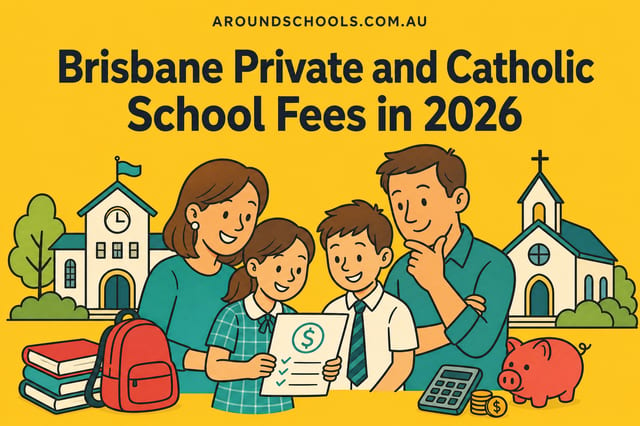
- Fees: Public high school with no tuition; modest costs for books, materials, camps, and certain activities; some elective or extra-curricular costs may apply.
Enrolment & Admissions
- What is the enrolment process and timeline?
- Enrolment is handled through the Queensland Department of Education. Parents or guardians submit an enrolment form, provide required documents (proof of residence, identity, immunisation as applicable), and complete any year-specific processes. Timelines align with school term starts and catchment considerations. Availability for regional or out-of-catchment enrolments is determined by the school and district policies.
- Is there a waiting list, and how does it work?
- There can be a waiting list for out-of-catchment placements or when year levels have high demand. Places are allocated according to department policies, catchment rules, and the school’s capacity. Applications continue to be reviewed as spaces become available.
- Are there any entry requirements, tests, or interviews?
- For a public high school, there are typically no entrance tests. Some enrolment processes may include a brief information check or discussion to confirm needs and placement, but formal interviews or testing are uncommon for standard year-level placements.
- Does the school accept mid-year transfers?
- Yes, subject to space and placement availability. Families can apply for mid-year transfers, and the school will coordinate enrolment and any necessary transition support if a place is available.
Frequently Asked Questions
- Why Parents Choose This School?
- A public, inclusive environment with a broad curriculum, strong wellbeing support, plus active sport and extracurricular programs that cater to a wide range of interests.
- What type of student thrives at this school?
- Students who value a balanced program of academics, sport, arts, and community involvement, and who respond well to supportive teachers and a collaborative school culture.
- What opportunities are available for students to extend their skills (academics, sports, arts)?
- Access to VET and ATAR pathways, accelerated learning options, leadership roles, STEM and humanities electives, diverse clubs (robotics, coding, debate), and competitive sport teams.
- How does the school communicate with parents?
- Regular channels typically include emails, newsletters, the school website or portal, and scheduled parent-teacher meetings; staff are available for direct contact as needed.
- What is the school’s approach to teaching and learning?
- Aims to blend rigorous academics with practical, hands-on learning, supported by targeted interventions, and opportunities for collaboration and leadership.
- How does the school support students who need extra academic help?
- Dedicated learning support, EAL programs, and access to tutoring, small-group instruction, and individualised plans where required.
- What support is available for academic challenges?
- Counselling and academic support staff, tailored intervention plans, and pathways guidance to help students stay on track.
- How does the school communicate with parents? (Repeat)
- See above: email, newsletters, portal, meetings; ongoing accessibility to staff.
- What extracurricular and sports opportunities are available?
- A wide range of sports, music and drama programs, plus clubs such as robotics, chess, coding, and debating; regional events and competitions often form part of the experience.
- What facilities does the school offer (sports, science, arts)?
- Modern sports grounds, libraries, science labs, music/performing arts spaces, tech/innovation labs, a canteen, and updated outdoor spaces.
- What is the school’s approach to technology and digital learning?
- Emphasis on integrating digital tools across subjects, with access to devices and labs to support collaborative and project-based learning.
- What transport and accessibility options are available?
- Public transport options (bus routes) and accessibility considerations are provided by the local transport authority and the school.
- What are the typical school fees or additional costs?
- Being a public school, there is no tuition; there are potential costs for camps, electives, uniforms, books, and other ancillary items, which are usually modest and vary by year and program.
Short Pros & Cons list
- Public, inclusive environment with broad academic and extracurricular options
- Strong wellbeing, pastoral support and student leadership opportunities
- Wide range of sports, arts, and clubs with regional competition exposure
- Modern facilities and dedicated spaces for science, tech, and performing arts
- Clear values, supportive culture, and active community engagement
- As a popular public school, some programs may have waitlists or demand during peak years
- Transport options depend on local routes and availability; timing can vary with term calendars